Cycling Gear
Cycling Gear That Costs Too Much But Is Still Worth Wanting
Ten cycling products with prices that sting, and the practical reasons each one still earns a place in the kit bag.
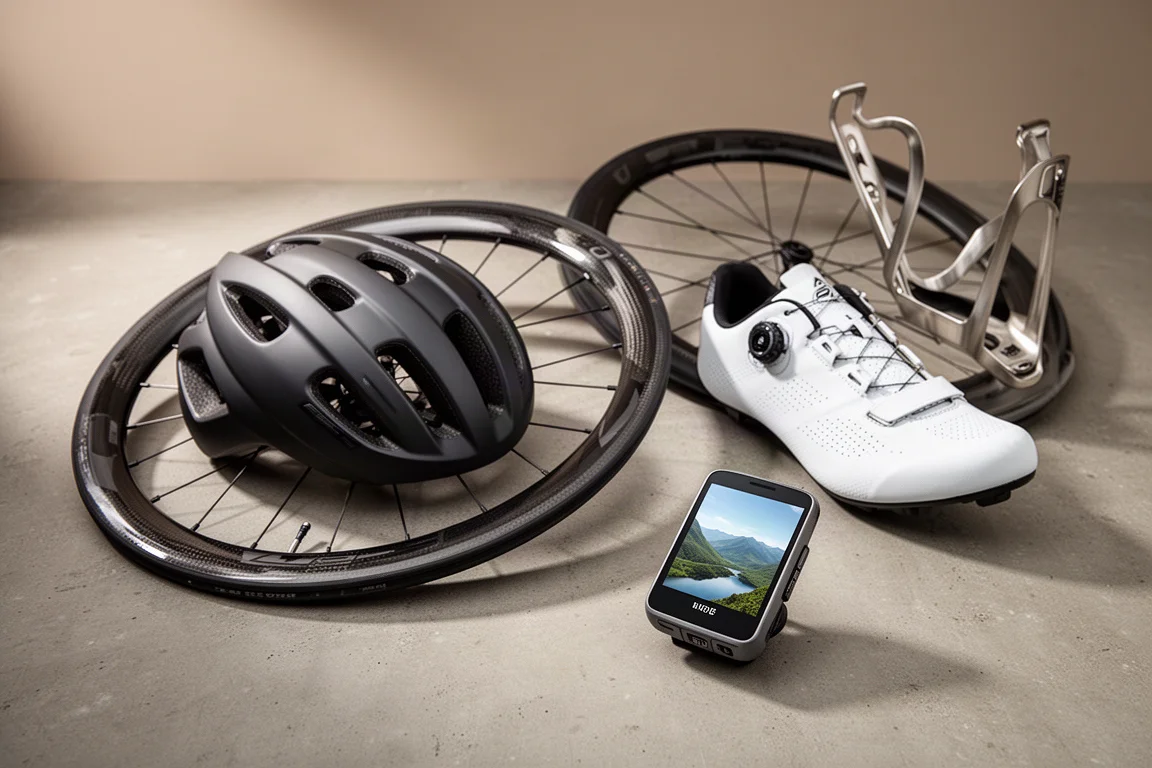
Introduction
Cycling has no shortage of products that cost far more than they reasonably should. Some of them are still worth wanting. This roundup covers ten of them: two helmets, a top-end wheelset, a premium road shoe, branded nutrition, deep winter overshoes, a flagship groupset, a large-screen bike computer, a bottle cage and a smart trainer.
The common thread is that each product does something genuinely useful. The question is whether the price is proportionate to the benefit, and for most of these the honest answer sits somewhere between no and yes, if you want it badly enough. That is a reasonable place to be. Value in cycling is not only about the cheapest option that works. It is about knowing exactly what the extra money buys before you spend it.
How These Picks Were Chosen
Every product here is expensive for its category, and every one of them is something a rider might genuinely want. The threshold used is simple: what does the extra money actually deliver?
For helmets, the answer is less than most people assume. All helmets sold in Europe, North America and Australia have to meet minimum safety standards, so a very expensive helmet is not automatically a safer one. Beyond those standards, extra money buys rotational impact technology, better venting, nicer straps and details like magnetic clasps. Those are real improvements, but they are refinements rather than a step change.
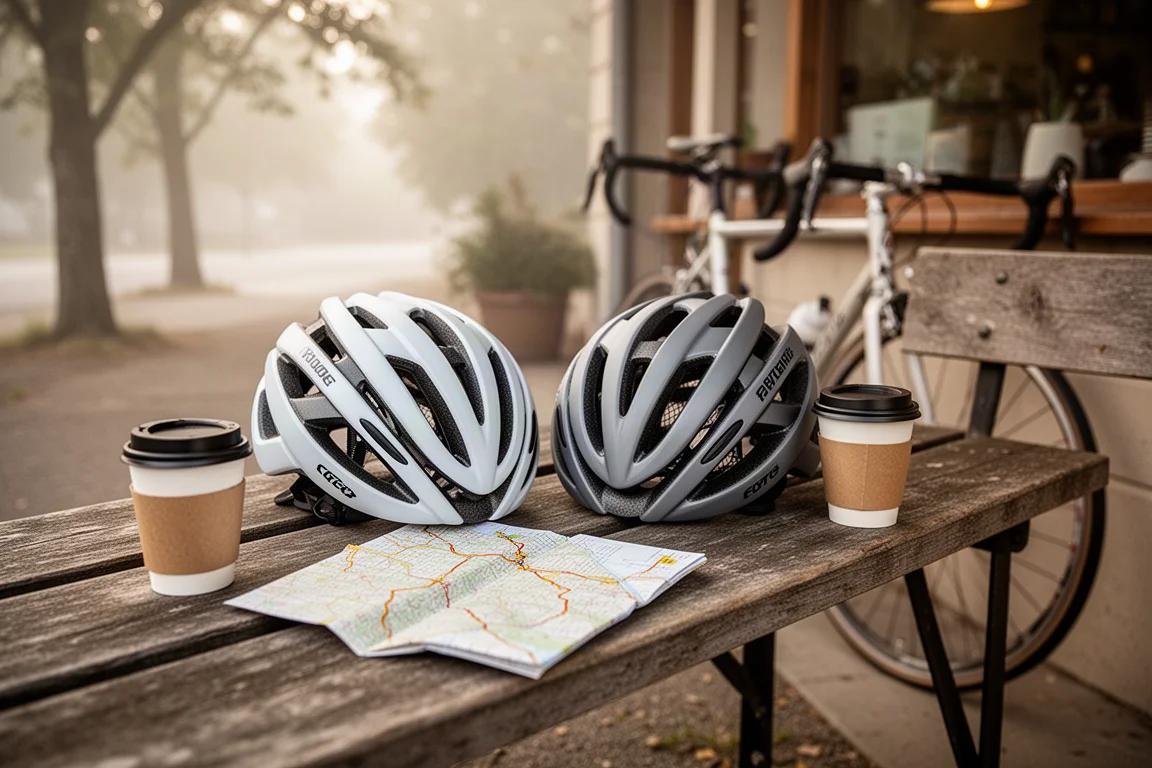
Wheels and trainers follow a similar pattern. A deeper carbon rim is measurably faster than a shallow alloy rim, but carbon spokes and ceramic bearings deliver far less than the marketing promises, and power accuracy beyond roughly 1.5 per cent is irrelevant to almost every rider. Electronic groupsets share the same motors and shifting logic across tiers, so the flagship option often performs identically to the one below it. The picks below are products where the desire is understandable and the price still deserves a hard look.
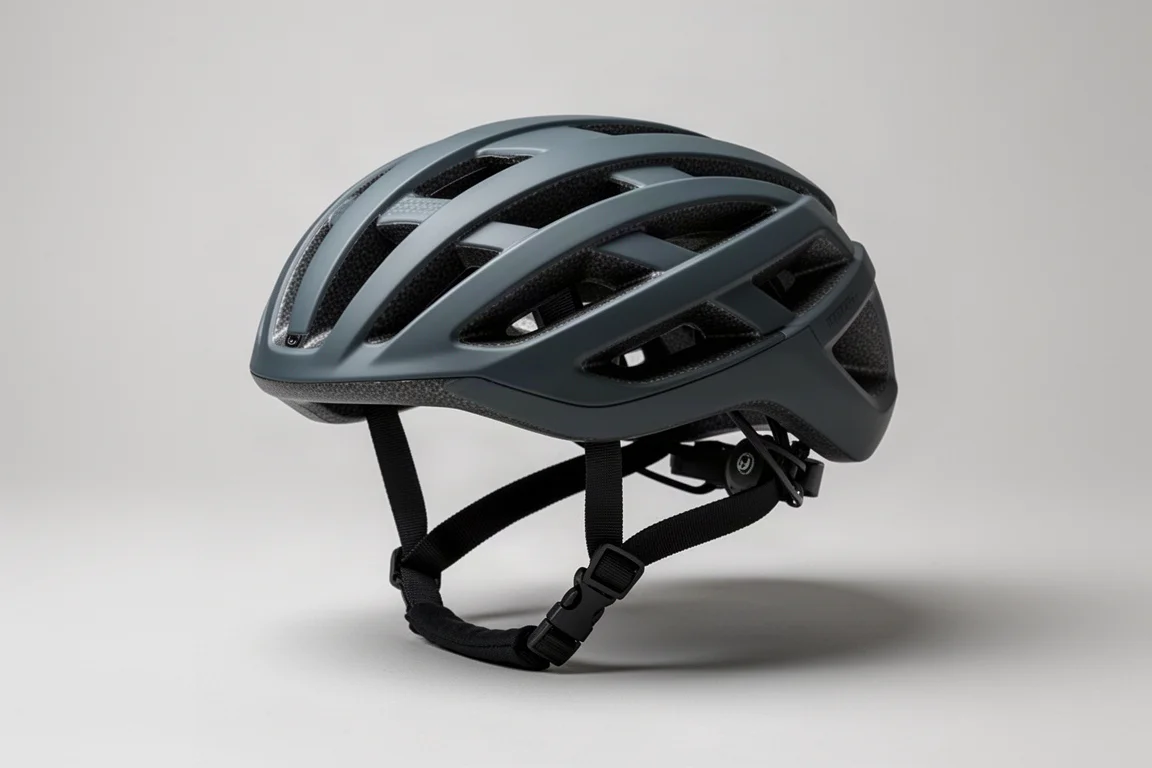
Kask Mojito: A Sensible Mid-Priced Helmet
The Kask Mojito sits in the middle of the helmet market, and that is exactly its appeal. It is comfortable, well ventilated and does everything a road helmet needs to do without pushing into the price bracket where helmets stop making sense.
Helmets have a limited service life. They are meant to be replaced after roughly seven or eight years, which is a long time, but it does mean a helmet is a consumable rather than a lifelong purchase. Paying several hundred pounds for one that will eventually be retired is a harder argument to make than the price tag suggests.
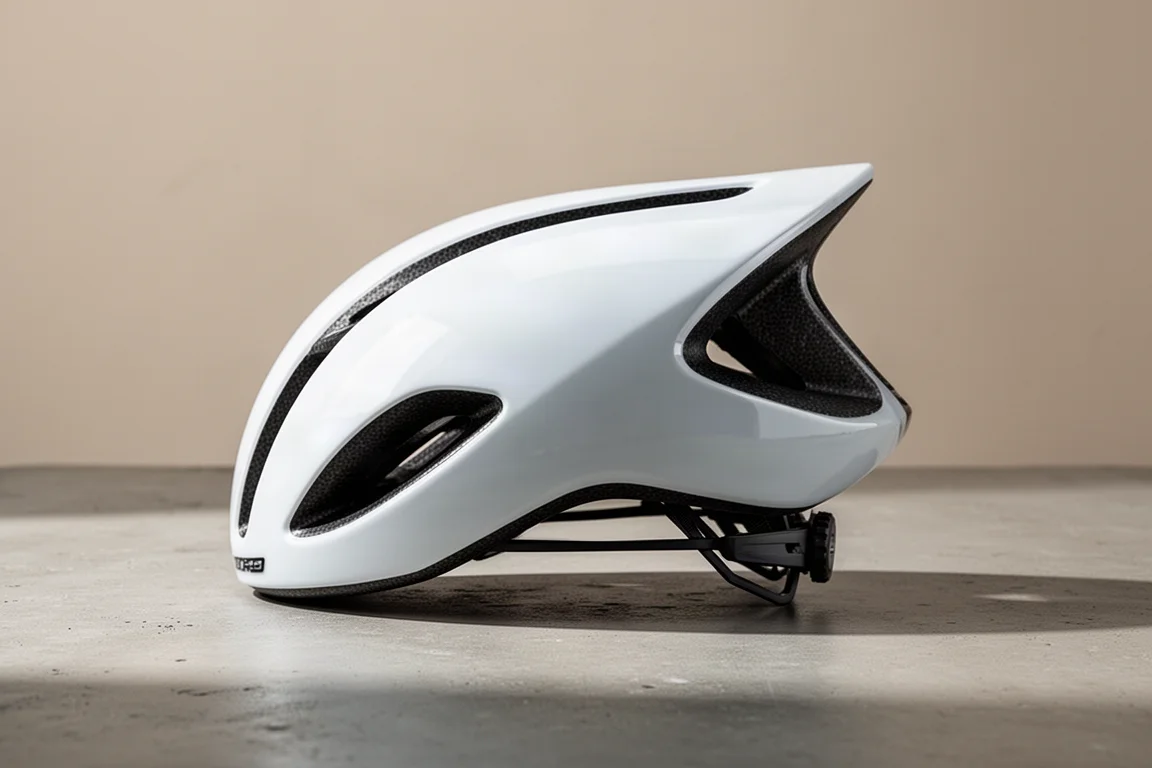
Van Rysel FCR Helmet: Aero for Under £100
Aero road helmets have a reputation for costing serious money, and the Van Rysel FCR undercuts that expectation at around £90. The base version does not include MIPS, although a MIPS version is available for a little more.
The wider point holds: because every helmet has to meet minimum safety standards before it can be sold in Europe, North America or Australia, an inexpensive aero helmet is not a compromise on the basics. Extra safety comes from newer rotational impact technology, and the evidence around how much that adds in real crashes is difficult to prove either way. For a rider who wants a fast-looking helmet without a premium outlay, this is a straightforward choice.
Campagnolo Bora Ultra Wheels: Beautiful, Not Fast
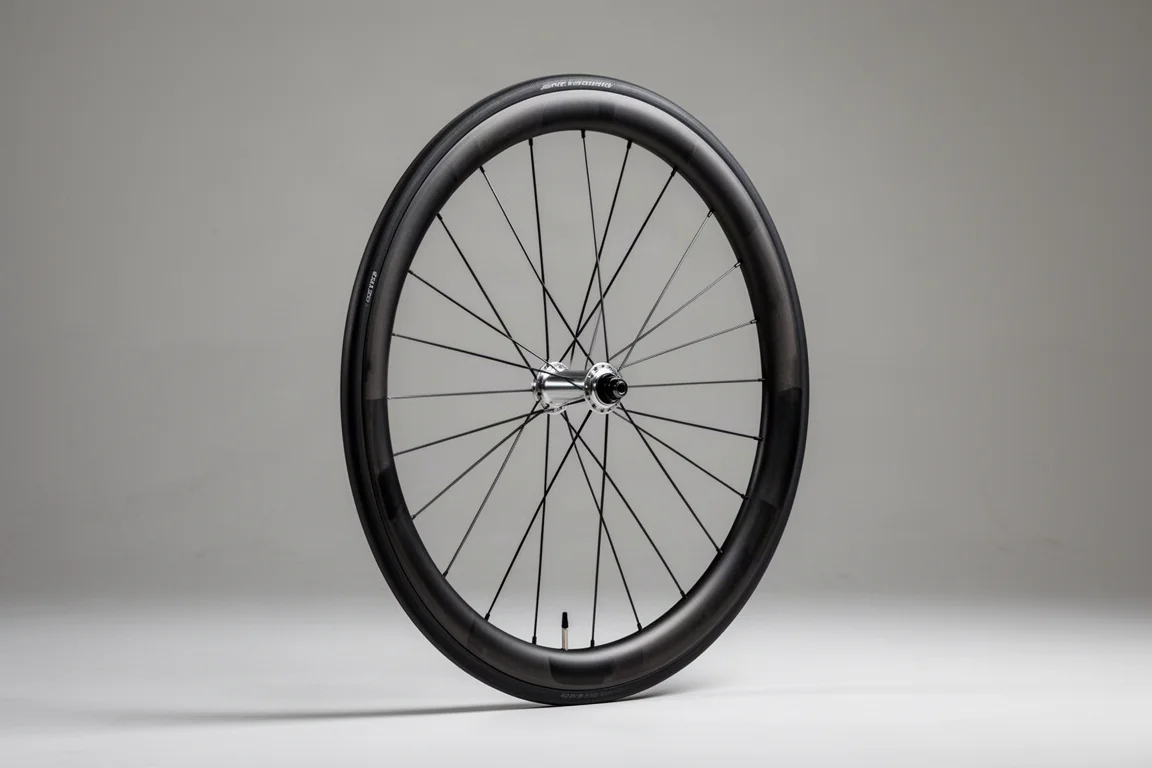
Top-end Campagnolo wheels are among the most desirable objects in cycling. The Bora Ultra has a gloss finish that looks superb on almost any frame, and there is no arguing with how good it looks in the flesh.
The performance case is weaker. A deeper section carbon rim is measurably faster than a shallow alloy rim, so the upgrade from a basic wheelset is real. The gap between a carbon wheelset around the £1,000 mark and one costing several thousand pounds is far smaller, and often more about ride feel than outright speed. Carbon spokes and ceramic bearings do not change that.
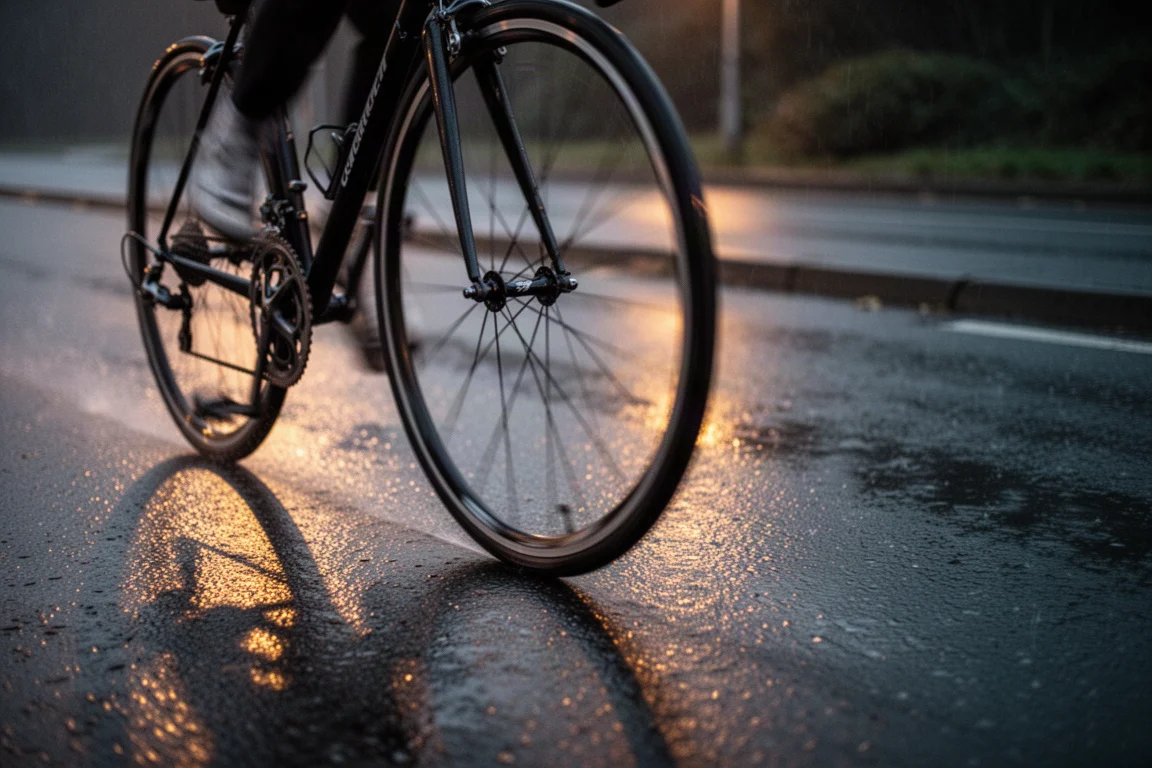
That does not make the Bora Ultra a bad purchase. It makes it a luxury one. If the budget is there and the finish is the reason, the wheels will not disappoint. If the goal is to go faster on a fixed budget, the same money buys a dream cycling holiday, a professional bike fit, or several seasons of tyres and consumables, all of which tend to make a bigger everyday difference.
Trek RSL Shoes: Fit First, Price Second
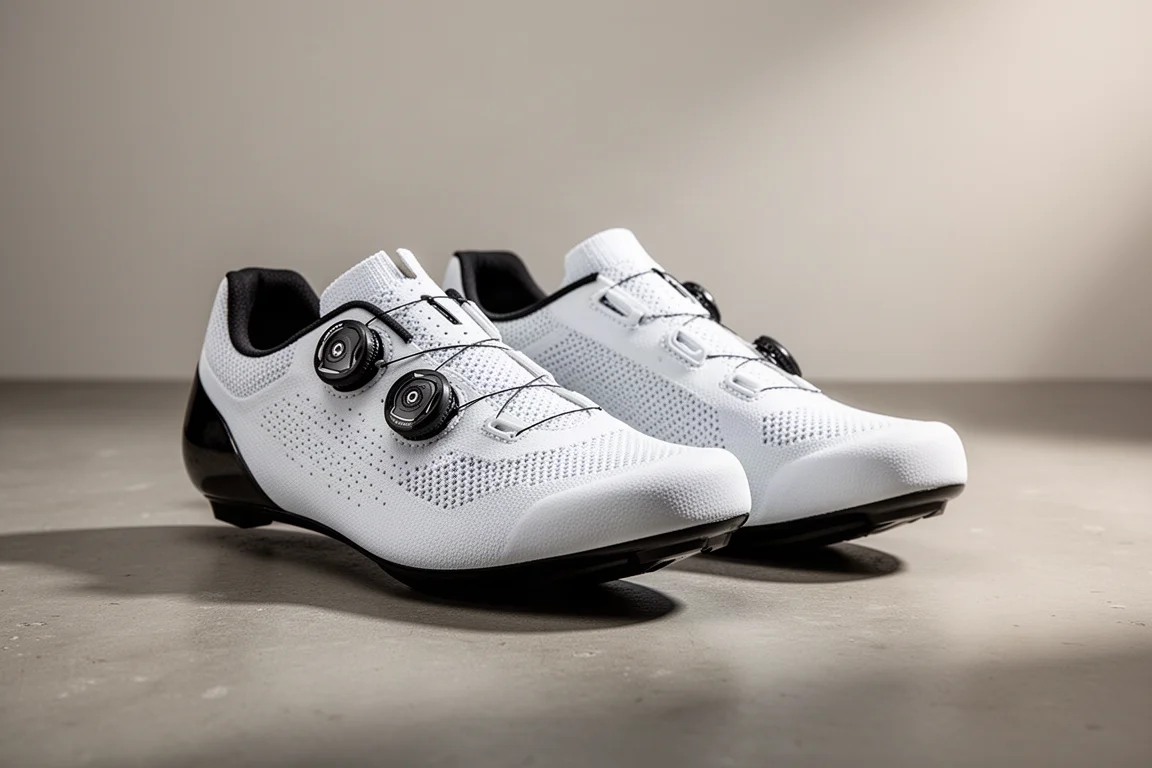
The Trek RSL is a striking road shoe with an excellent fit and a stiff sole that avoids feeling harsh underfoot. It also costs just under £400, which places it firmly in premium territory.
Shoes are one of the few categories where spending more can genuinely pay off, because fit matters more than anything else. Shoes, saddles and tyres are the three contact points that decide whether a bike feels good over long distances, and getting them right is worth real money. The catch is that the right product is not always the most expensive one. A professional bike fit will often point to a mid-range shoe or a different saddle shape entirely, which is why a fit can be better value than a premium purchase made on looks alone.
Torq Flapjack: Branded Nutrition Worth Buying
Packaged sports nutrition is one of the easiest places to overspend. For everyday riding, a supermarket flapjack does the same job as a branded energy bar for a fraction of the cost, and an energy drink can be mixed at home from orange juice, water, salt, maltodextrin and fructose for a few pence per serving.
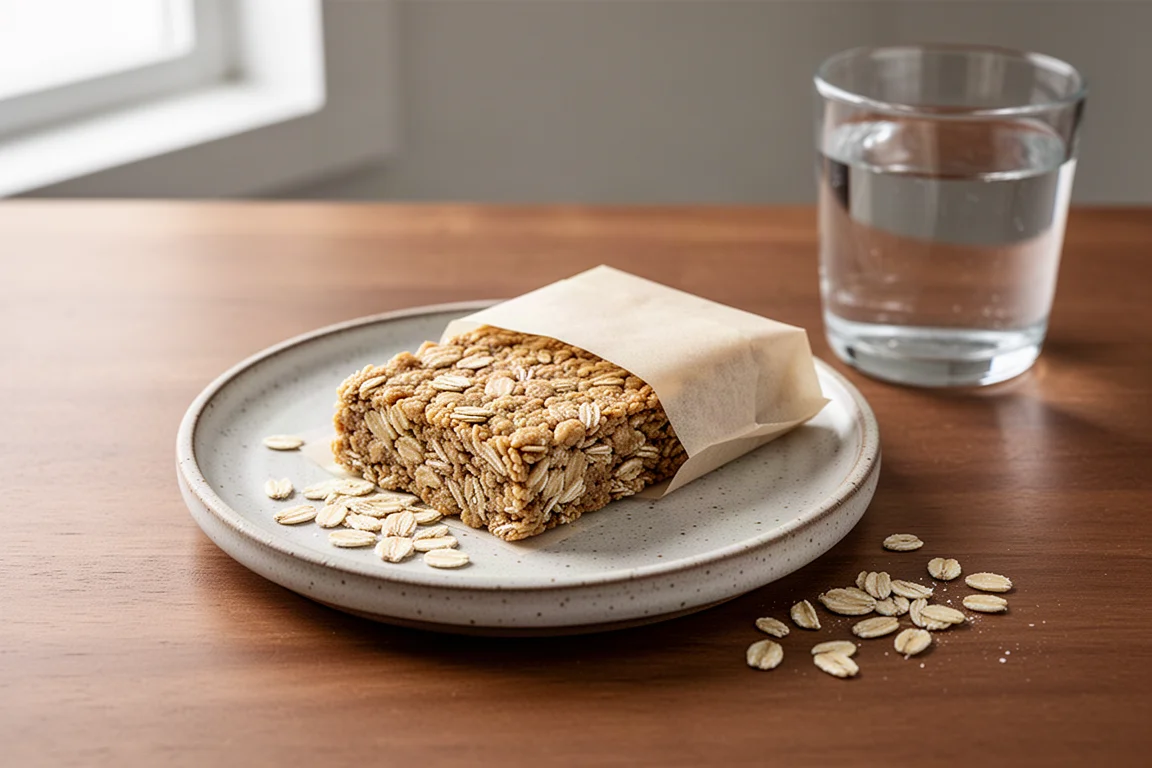
There is still room for branded products that are genuinely enjoyable. The Torq Flapjack tastes better than most energy bars, which matters when you are eating on the bike for hours at a time. The sensible approach is to keep the cheap staples for routine rides and save the good stuff for the days when a bar is a small reward rather than pure fuel.
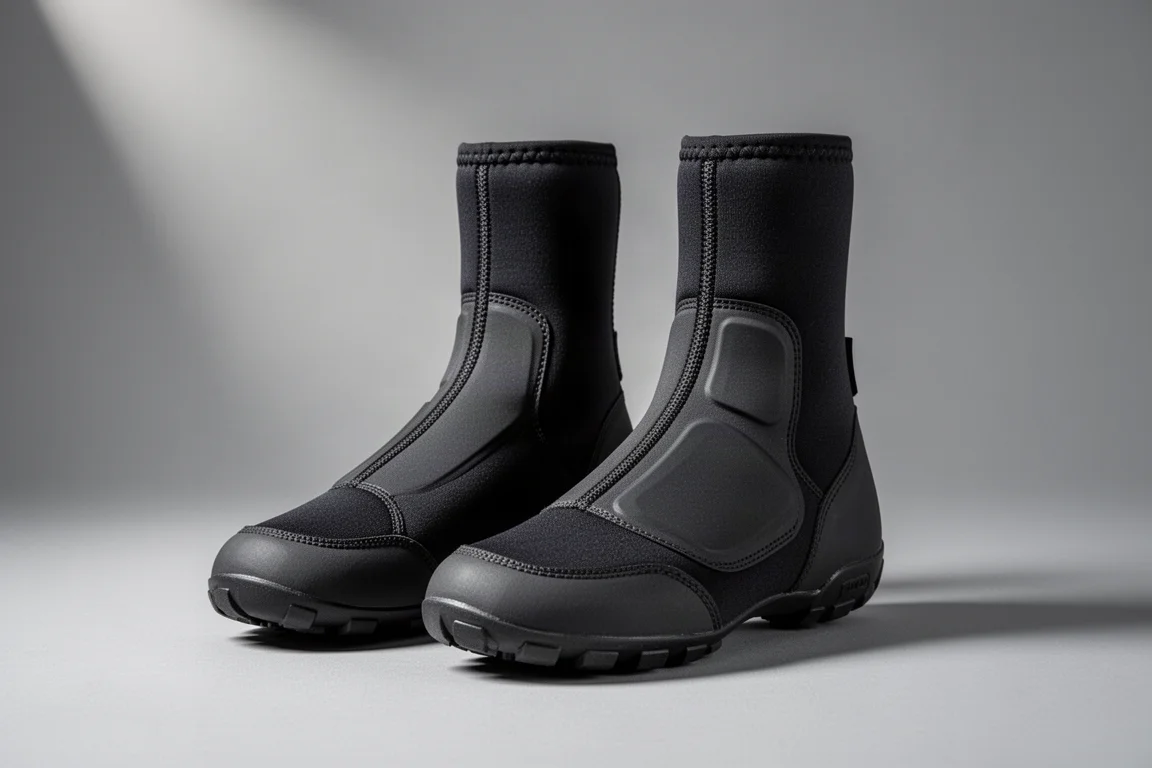
Spatz Deep Winter Overshoes: Built Like Workwear
The Spatz deep winter overshoes cost around £90, which sounds excessive until you look at how they are made. They are neoprene based, but the build is closer to workwear than to the delicate overshoes most riders are used to, with large panels of hard-wearing material covering the areas that usually fail first.
That matters because overshoes have a brutal life. Zips seize, Velcro curls and dies, and cleat holes tear open, which is why riders can go through five or six pairs in a single winter. A pair of Spatz overshoes has been used for around four years across gravel, mountain bike and road riding, keeping feet warm in the worst conditions. The trade-offs are real: they take genuine effort to pull on, and they are more than most riders need for a mild winter.
Shimano Dura-Ace Di2: The Same Shifts for More Money
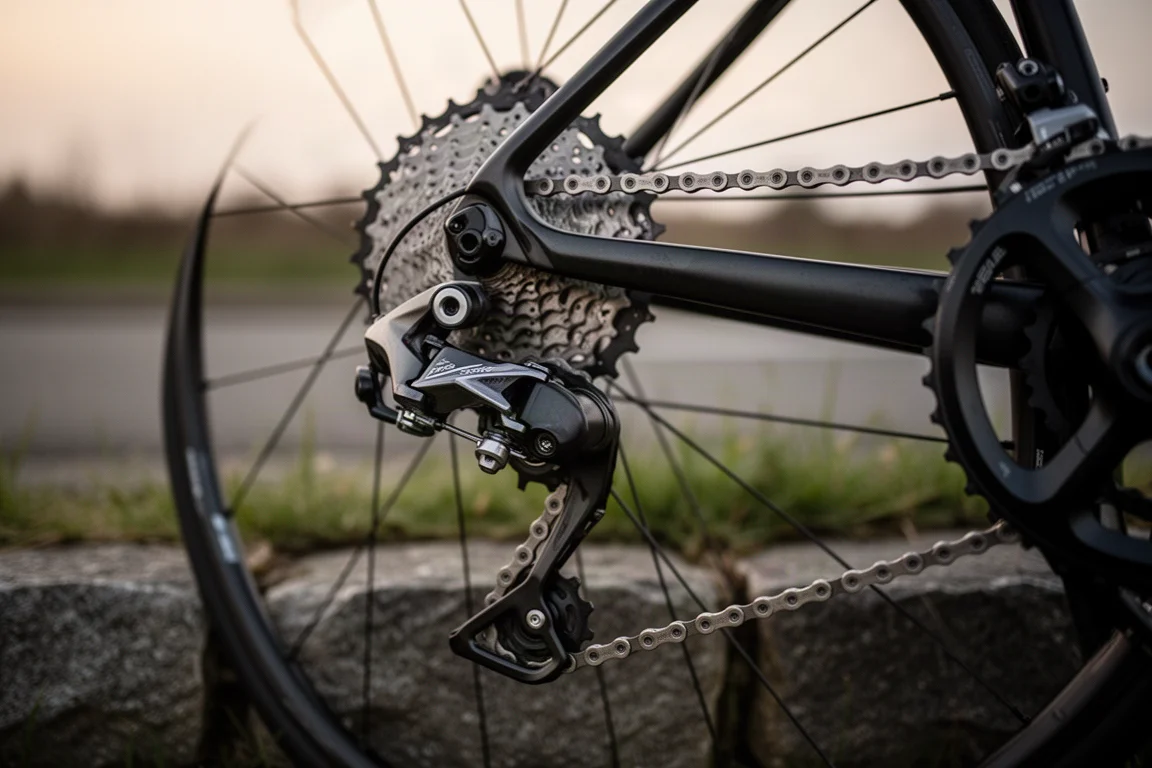
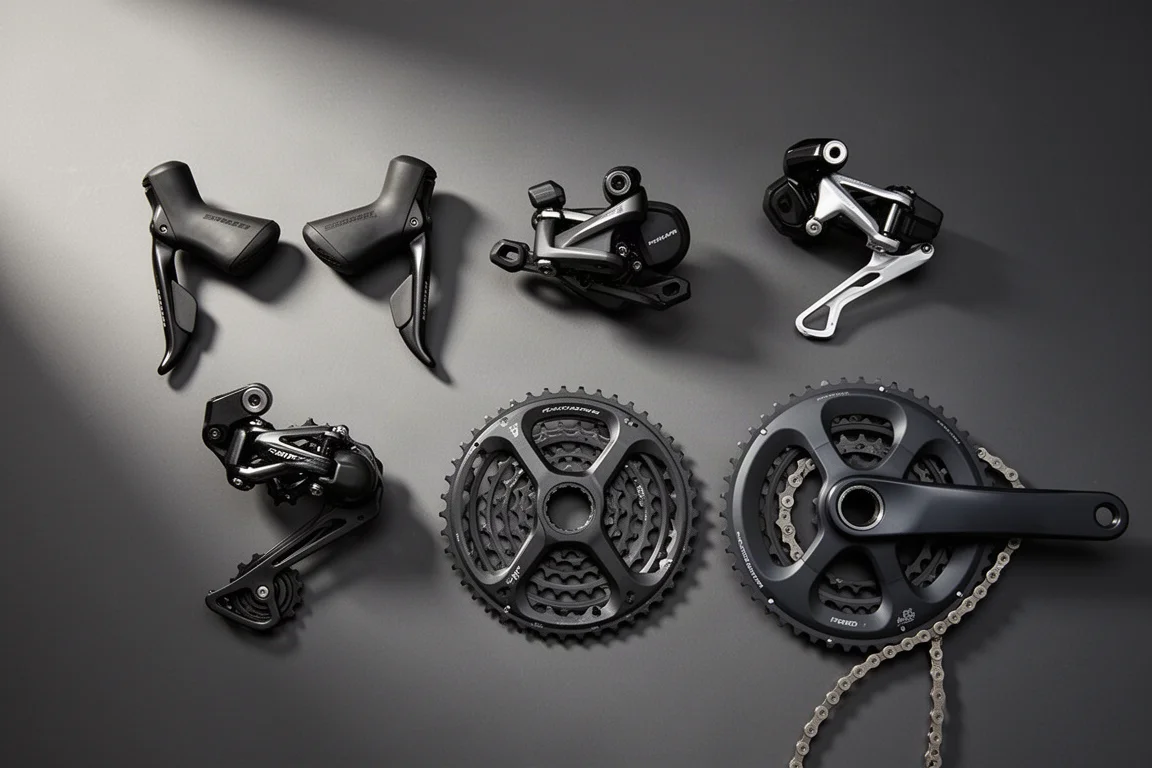
Dura-Ace Di2 shifts and brakes the same as Ultegra Di2. That is the whole argument in one sentence. Both groupsets are electronic, so they use the same motors and the same shifting logic, and Ultegra actually offers more chainring and cassette options while weighing only around 41g more, roughly the weight of three quarters of a full water bottle.
The step up to the flagship groupset costs around £1,200 more. That is a good wheelset, or a week of winter riding in the sun, spent on a finish and a name rather than on performance. Shimano is not alone here. SRAM makes a similar case with Red and Force, where the new Red brake levers are a genuine upgrade but the rest of the groupset can be paired with Force for a large saving.
None of this makes the flagship groupsets bad. They are excellent, and the riders who use them professionally are not paying for them. For everyone else, the tier below is the sensible ceiling, and the money saved goes somewhere it can actually be felt.
Garmin Edge 1050: A Big Screen and a Big Price
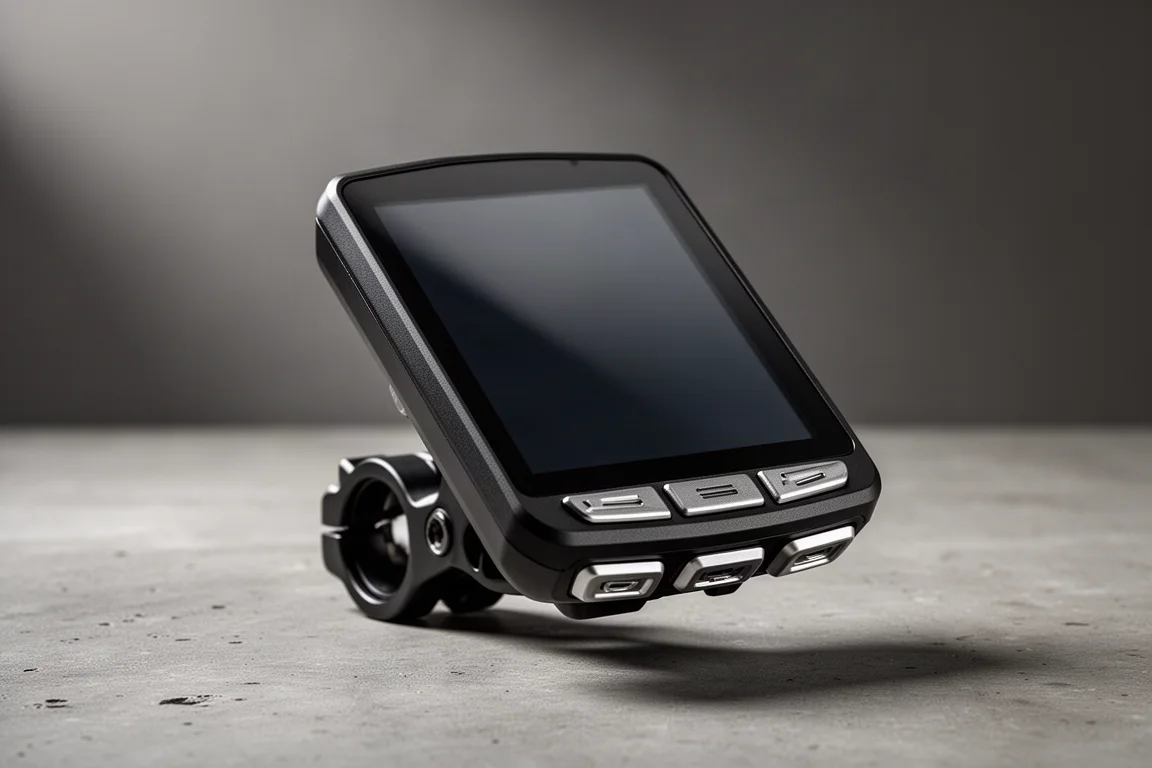
The Garmin Edge 1050 is one of the best bike computers the brand currently sells, with a large, clear display and a full set of connected features. It also costs around £650, which is a great deal of money for a device most riders barely look at while riding.
The features that justify the price depend on other people. Hazard warnings and live reporting only work if enough riders in your area use the same platform and are willing to flag potholes mid-ride, every single time. In practice that means fumbling with the screen repeatedly, which few riders do. Until adoption grows, those features are potential rather than finished tools.
Smaller and cheaper computers in the same family record everything most riders need, and they sit more discreetly on the bars. The Edge 1050 is a strong product with an ecosystem that is not quite there yet, which makes it difficult to justify at full price right now.
Silca Sicuro Bottle Cage: The Prettiest Wear Item
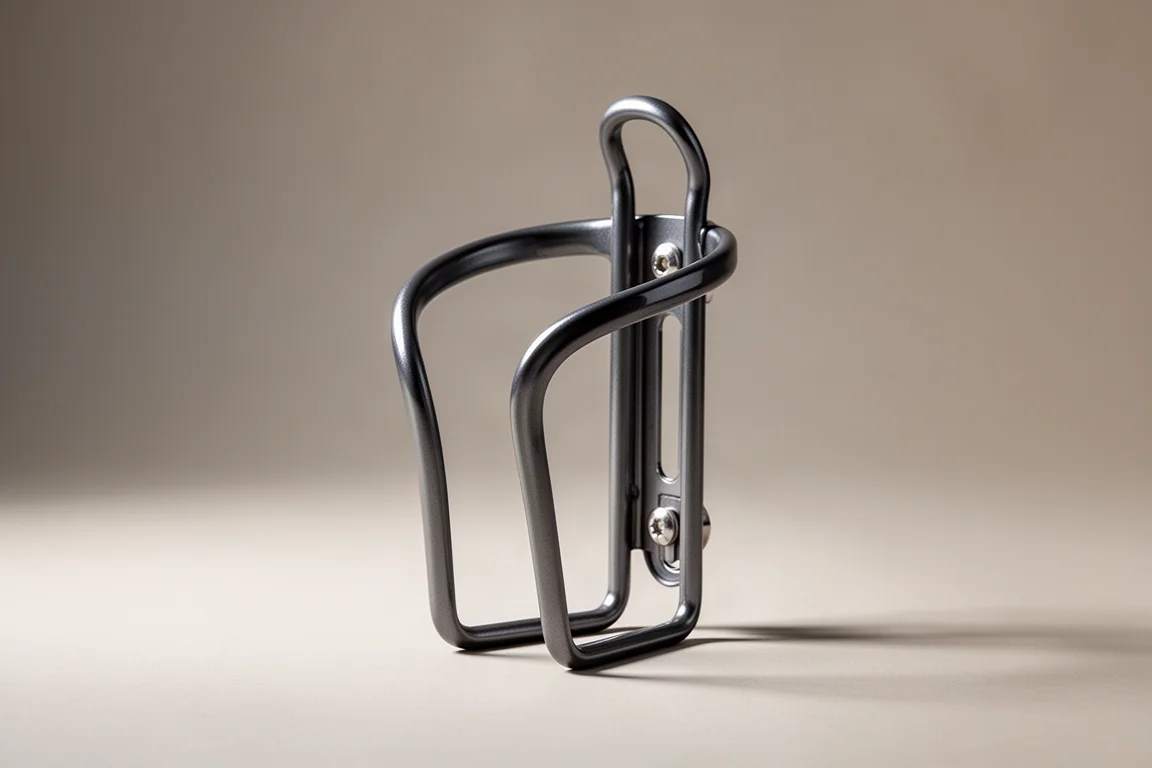
The Silca Sicuro is a genuinely beautiful bottle cage. The ceramic coating gives it a finish that resists wear, and it comes in a wide range of colours that make it easy to match a frame. It is also priced like a piece of jewellery rather than a functional part.
A bottle cage leads a hard life. Bottles go in and out constantly, sticky drink ends up everywhere, and the finish dulls faster than anyone expects. Spending premium money on a part that will look tired within a season or two is a difficult case to make, even when the product itself is excellent. Cheaper cages hold bottles perfectly well, and the difference is almost entirely visual.
That said, if a bike is being built as a long-term project and every detail matters, the Sicuro is one of the few cages that looks as good as the frame it sits on. Just go in knowing that the money is buying appearance, not function.
JetBlack Victory Smart Trainer: Enough for Almost Everyone
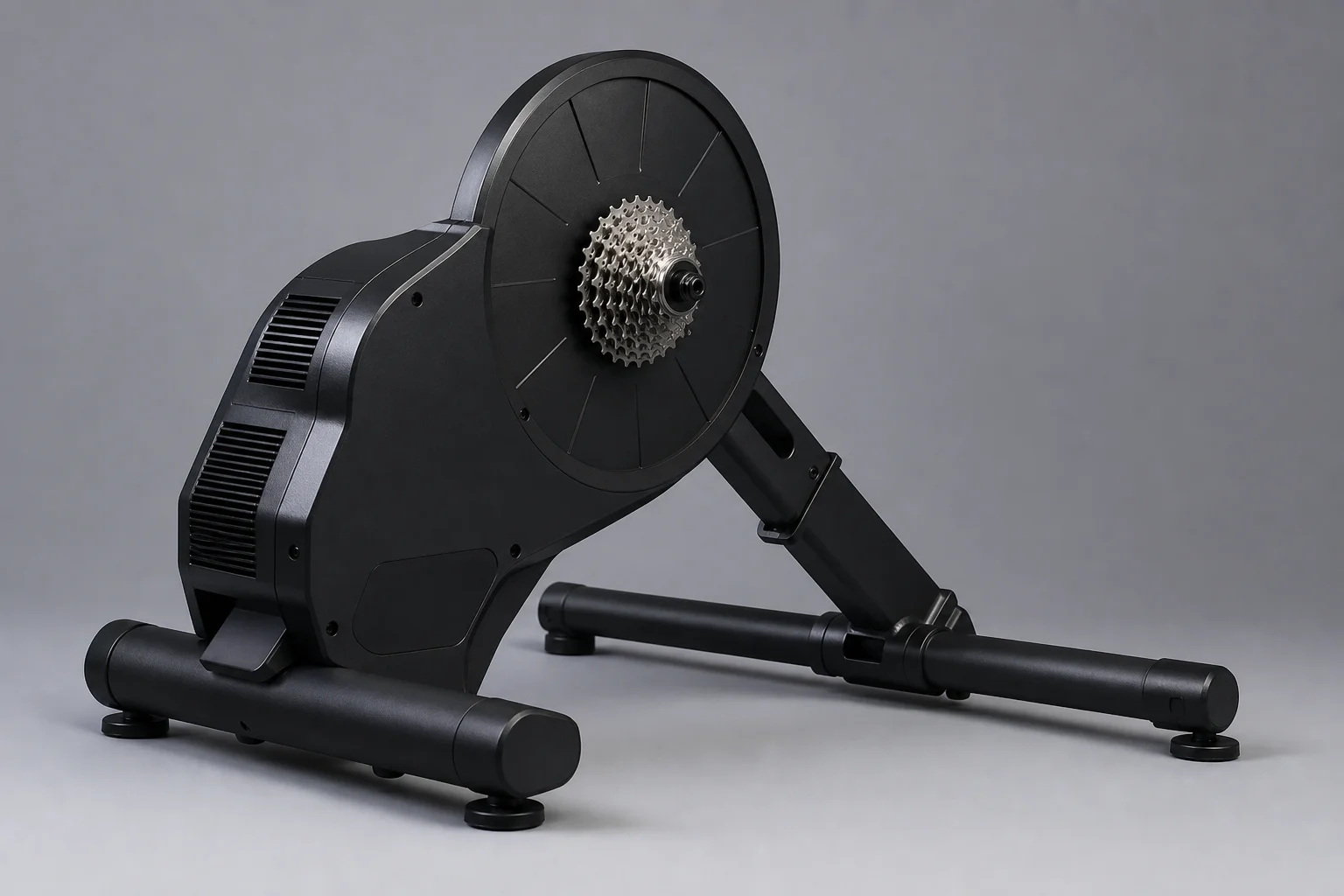
The JetBlack Victory costs around £400, while the most expensive smart trainers sit closer to £1,700. The difference between them sounds dramatic on a spec sheet and matters far less in a garage.
Power accuracy is the clearest example. A trainer accurate to roughly 1.5 per cent is more than good enough for almost every rider, and paying for closer accuracy only makes sense for elite athletes who need exacting measurements. Maximum power figures are similarly irrelevant unless you are producing numbers that very few riders ever reach. For a rider who trains indoors through the winter and races on a platform occasionally, a mid-priced trainer does the job without compromise.
Buying Advice
The most useful habit before any expensive cycling purchase is to name what the extra money buys. If the answer is a measurable performance gain, the purchase is easy to justify. If the answer is a finish, a badge or a feeling, that is still a valid reason, as long as you are honest about it.
Helmets are the clearest case for restraint. Every helmet on sale has to meet minimum safety standards, and the useful differences between a mid-priced helmet and a flagship one come down to rotational impact technology, venting and small details. Since helmets are replaced every seven or eight years, there is little sense in treating one as an heirloom.
Wheels, groupsets and trainers reward the same discipline. Deeper rims are faster, electronic groupsets share their motors and logic across tiers, and trainer accuracy beyond roughly 1.5 per cent is invisible to nearly everyone.
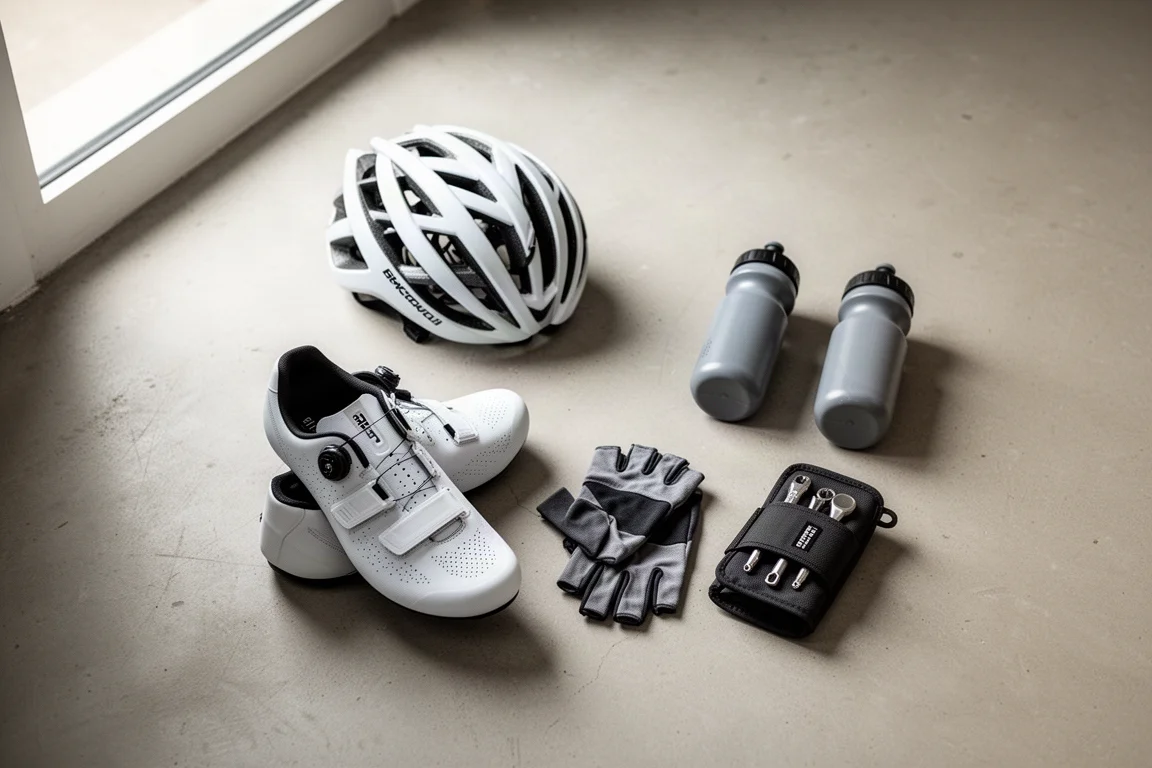
Fit deserves more of the budget than most riders give it. Shoes, saddles and tyres decide how a bike feels over long rides, and the right product is not always the most expensive one. Trying kit in a local shop, or booking a bike fit, usually saves more money than it costs. If you cannot try before you buy, buy from brands whose fit you already know.
Conclusion
None of these products are mistakes. They are expensive, sometimes extravagantly so, and several of them deliver only a fraction of what the price suggests. The ones worth wanting are the ones where the money buys something you will actually notice: a fit that works, feet that stay warm, a computer you enjoy using, or simply a finish that makes you want to ride.
Buy the tier below the flagship unless you have a specific reason not to. Then spend the difference on riding.
Further reading
Related Reviews
Cycling Gear
8 Cycling Products Riders Keep Coming Back To
Eight cycling components and accessories with clear strengths, honest trade-offs and long-standing reputations among riders and mechanics.
Cycling Gear
Aero Helmets and Bottle Setups Tested: Six Options Ranked by Measured Watt Savings
Wind tunnel data on six aero helmets and bottle setups, with real watt savings, practical trade-offs, and guidance on what is worth buying first.
Cycling Gear
Aero Road Bikes and Fast Tires Worth Watching in 2026
Four aero road bikes and one fast road tire, with the real strengths, the open questions, and what to check before you buy.