Cycling Gear
Cycling Gear Roundup: Winter Kit, Storage Solutions and a Gravel Race Bike
A closer look at an insulated gravel jacket, a magnetic wall mount, redesigned tubeless valves, Gore winter layers, a 96-gram carbon saddle and a new Italian gravel race bike.
Introduction
The cycling products that land each month tend to fall into two groups: small items that quietly fix an annoyance you have learned to live with, and larger investments that ask for a real commitment. This roundup covers both ends of that spectrum.
There is an insulated short-sleeved jacket designed specifically for fast gravel riding, a magnetic security upgrade for a popular wall-mounted bike holder, a tubeless valve that rethinks where the sealing actually happens, a full set of Gore winter layers, a handmade carbon saddle that weighs barely more than a bidon cage, and a new Italian gravel race bike with a claimed 950 gram frame.
Each one has a clear intended use, and judging them against that use makes more sense than comparing them on price alone.
Sportful Supergiara Puffy: Insulated Warmth for Gravel Rides
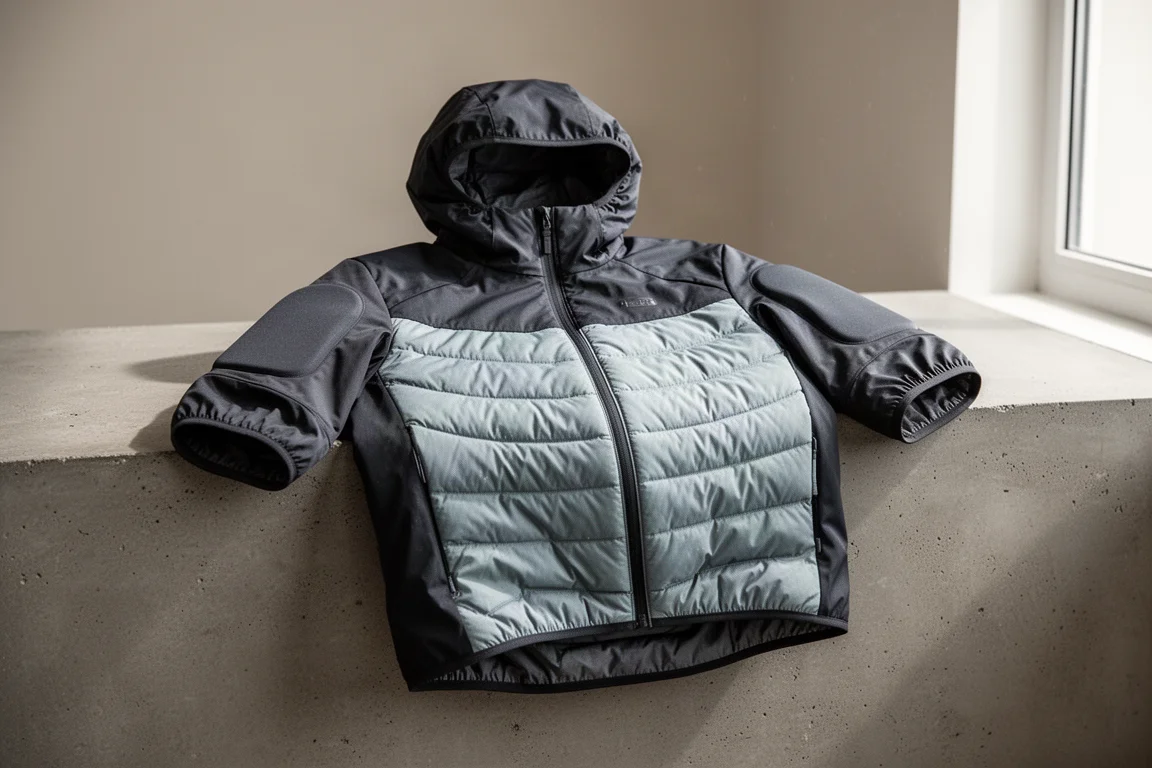
The Supergiara Puffy takes a shape that will divide opinion: a short-sleeved jacket with insulation built in. It is aimed at gravel riders heading out on long adventures where a bit of warmth helps but speeds stay high enough that a full insulated jacket would be too much.
The torso uses a thin synthetic thermal insulation inside a water-repellent outer shell, so the core stays dry in a shower and comfortable in chilly conditions. Insulation carries into the shoulders and down the arms, particularly across the front, while thinner stretch material in the armpits keeps mobility intact. Elasticated hems at the ends of the arms stop cold air working back into the core.
A single-layer hood is thin enough to sit comfortably under a helmet and keeps wind away from the ears, with a small loop to pack it away when it is not in use. A soft fabric liner around the neck adds comfort, and the design assumes you will wear at least a base layer underneath.
The thinking behind the cut is that forearms are a good place to regulate temperature, so leaving them exposed in the wind helps prevent overheating while the core stays protected, which in turn helps keep extremities comfortable. It is lightweight and comfortable in use. Sportful also suggests it can be strapped directly to the bars, though it is worth thinking about how it behaves on lumpy dirt surfaces.
At 180 pounds, or just under 200 dollars, it is not cheap, and it is best understood as one piece of a wider wardrobe rather than a single jacket that covers every condition.
Clug Pro: Bike Storage With a Magnetic Assist
Everyone needs to store a bike somewhere, and the options run from simple hooks to elaborate tracked modules that sweep a bike from one end of a garage to the other. For riders who keep bikes indoors, the Clug range relies on plug and tyre deformation: push the tyre into the plug and everything returns to its original shape with enough stability to hold the bike in place.
As long as a bike is not too heavy, the plug will hold it vertically. A chunkier machine will at least be supported while it rests on two wheels.
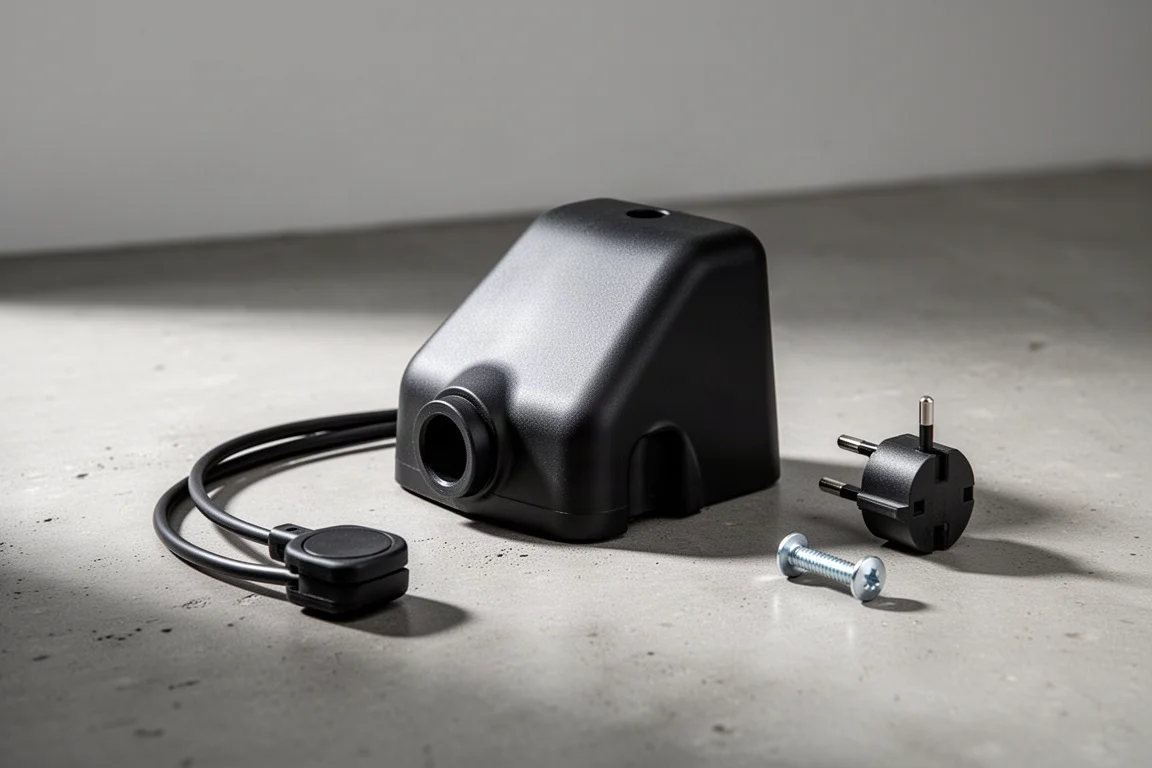
The Clug Pro adds a further layer of security by teaming up with Fidlock, the magnetic bottle cage company. A magnet sits at the end of a cord that passes through the wheel clip, and the male and female Fidlock parts are clipped together and twisted to take up the slack. That removes most of the worry about a bike working loose from its plug.
Sizes cover tyre compatibility from 23c road tyres up to 3.2 inch mountain bike rubber. Fitting uses a couple of bolts and wall plugs that come in the box, and a drilling guide helps you place the holes exactly where they need to go. Installation is straightforward. Prices sit at around 26 to 28 pounds, and availability so far appears to be limited to the UK, while the standard Clug models are sold more widely.
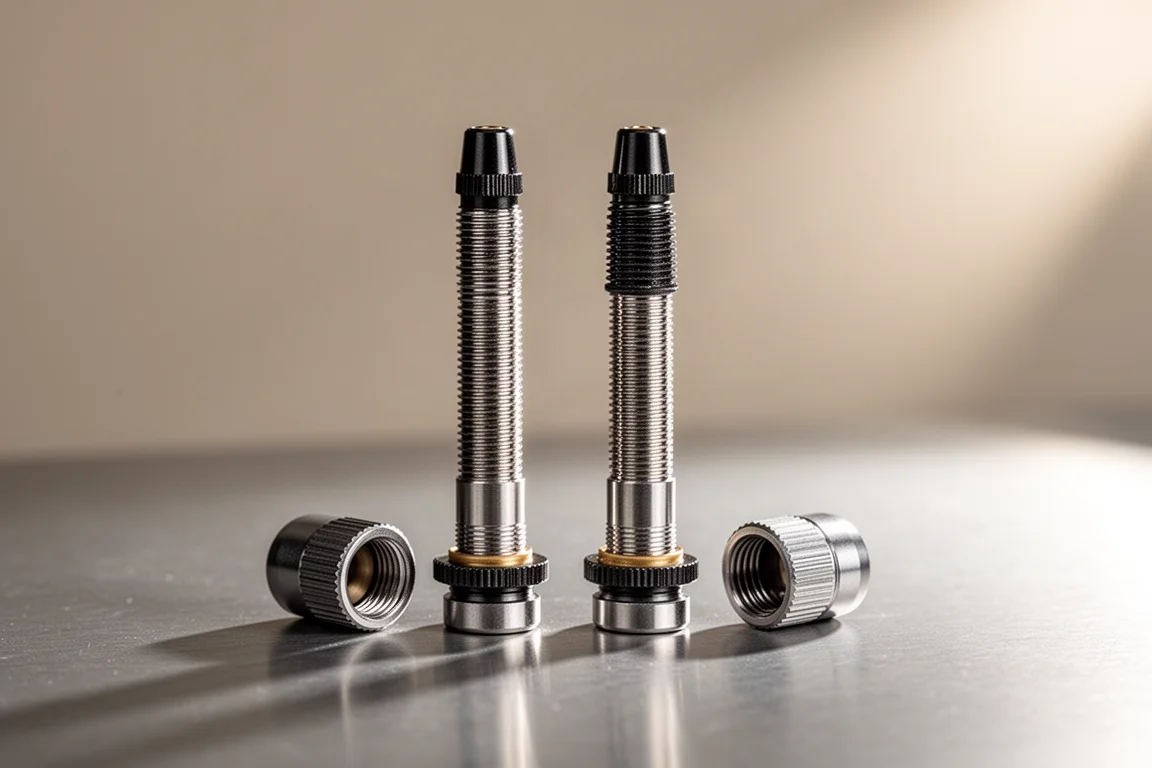
Reserve Fillmore Valve: A Different Take on Tubeless Valves
One recurring frustration with tubeless setups is the valve itself. A conventional tubeless valve has a core running through the middle, and the narrow gap between the stem and that core is prone to clogging with sealant, particularly when maintenance slips.
The Fillmore Valve moves the actual sealing mechanism to the base of the stem. That makes the air entry and exit hole considerably larger, which makes clogging far less likely. Better airflow also helps a tubeless tyre pop into place against the rim wall, and there is no need to remove a valve core as an extra step.
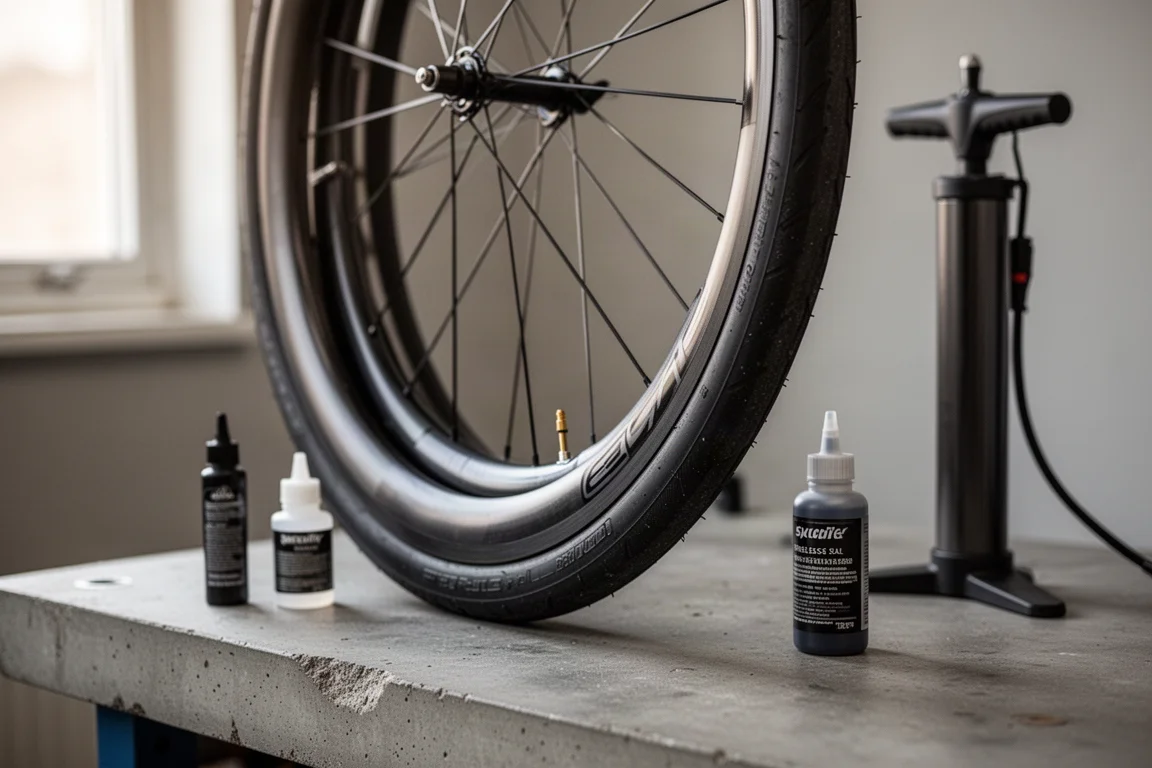
A few details round out the design. The valve cap can be unscrewed and depressed to release a little air on the trail without exposing the more fragile internals, and a tubeless sealant applicator can be fitted over the top of the valve to inject sealant cleanly. The valves work with a regular pump.
At 40 pounds a pair they are not the cheapest option. There are alternatives with similar ambitions, including a system that uses a valve within a valve and a long syringe, and another with a broader bypass air space to resist clogging. For riders who are tired of wrestling with sealant, though, the larger opening addresses the root of the problem rather than working around it.
Gore Shield Thermo Overshoes: Deep Winter Foot Protection
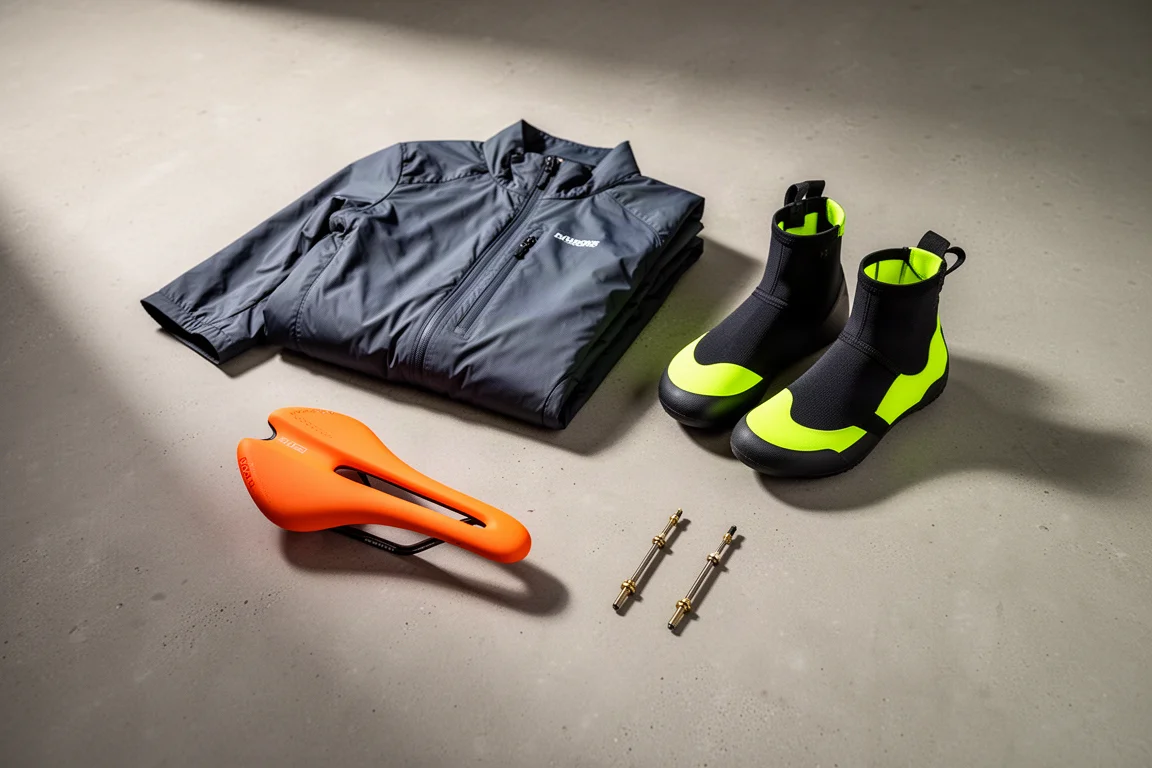
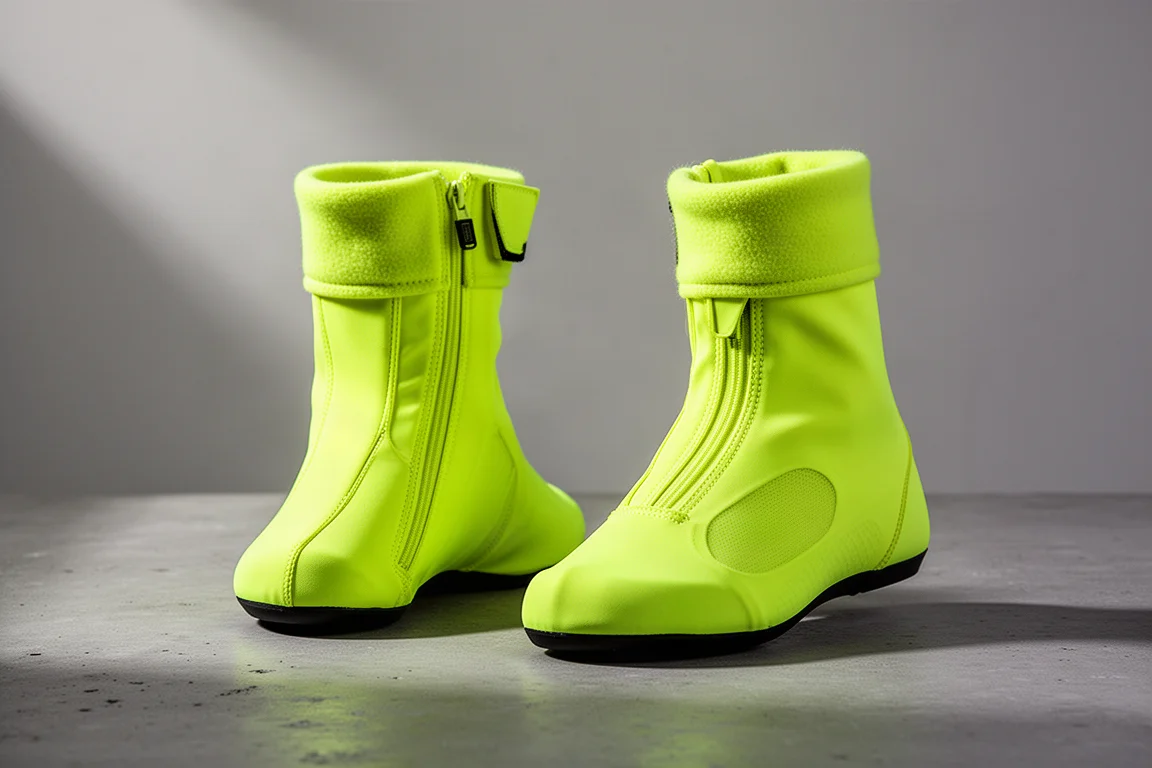
Overshoes are one of those products where the difference between adequate and genuinely good only shows up in bad weather, and the Shield Thermo Overshoes are aimed squarely at seriously cold and wet conditions.
They are part of Gore’s neon range, and the brightness is a genuine plus for visibility on grey roads. The headline fabric is GORE-TEX INFINIUM with WINDSTOPPER technology, described as totally windproof, extremely breathable and water resistant. It is not waterproof, which is worth knowing before buying, though in practice water tends to find a way in around overshoes regardless. A durable water repellent coating on the outside produces a nice bit of beading for the first few wears.
A side zip makes them far easier to pull on and off, which matters more than it sounds when you are already running late for a group ride. A fleece lining on the inside adds warmth, though these are deep winter pieces, and there is a real chance of overheating despite the breathability claims.
Gore Thermo Split Gloves: Warmth Without Losing Control
Cold hands are one of the most common winter complaints, and the Thermo Split Gloves are designed for riders who suffer with poor circulation. They use GORE-TEX INFINIUM fabric and a lobster-style split design: the index finger and thumb move independently to reach brakes and shifters, while the less active fingers sit together inside a cushy PrimaLoft liner.
Despite the outward shape, the fingers are separated inside, so they feel closer to a normal glove than the silhouette suggests. Neon colorways are available, and the black version carries reflective details. Touchscreen-sensitive material covers the thumb and index finger, though the fingers are large enough that typing on a phone is an exercise in patience.
Gore C5 Gore-Tex Gloves: A Waterproof Shell for Wet Rides
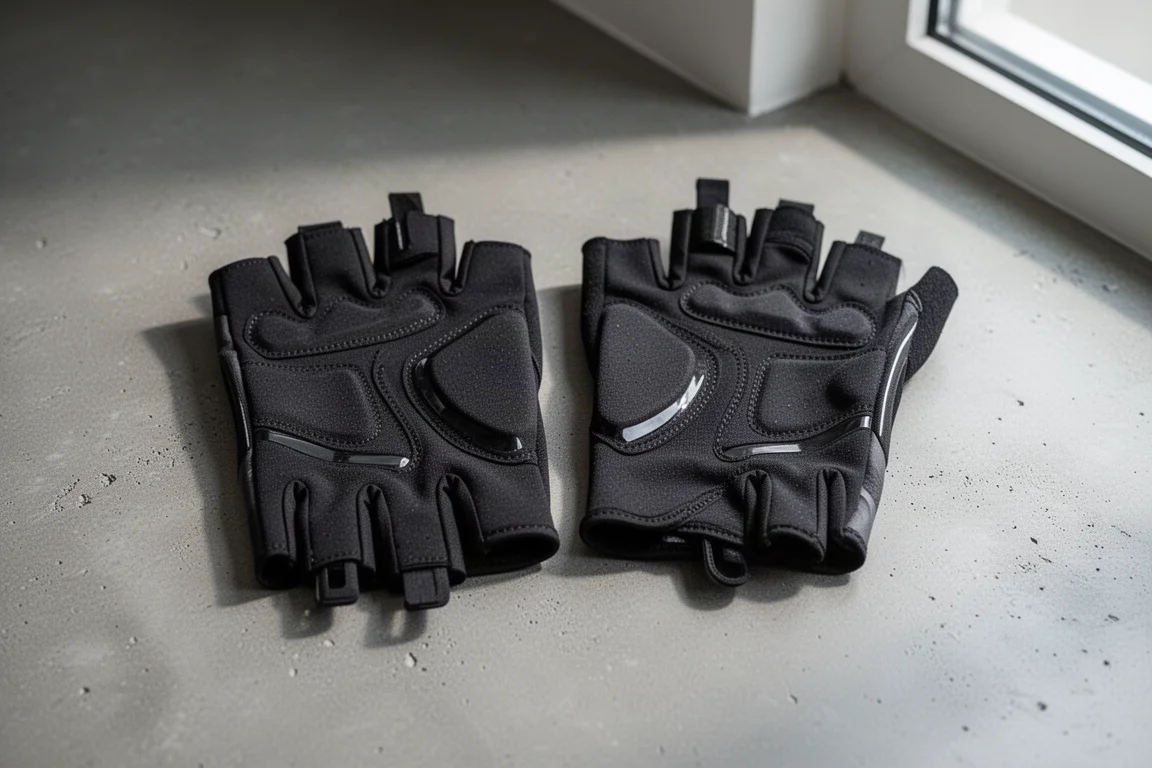
Where the split gloves prioritise warmth and dexterity, the C5 Gore-Tex Gloves are built around wet weather, with a full waterproof shell as the headline feature.
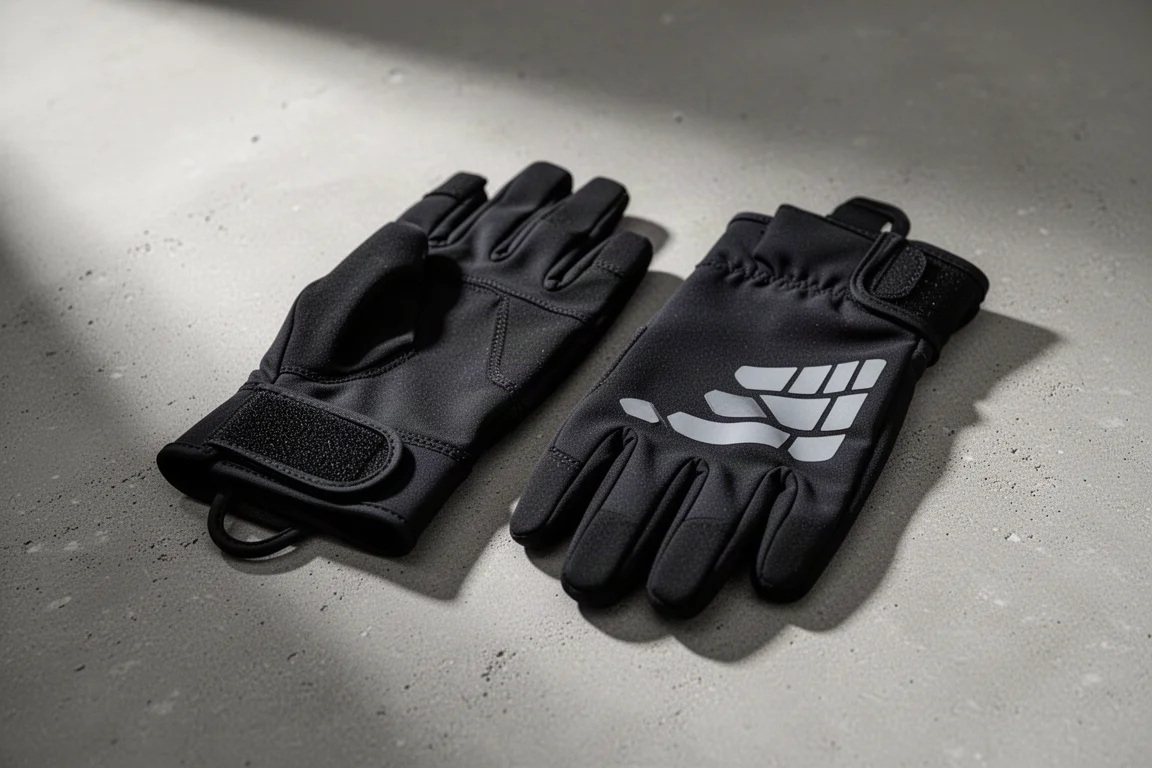
Fingertips are touchscreen capable, reflective graphics add presence in low light, and a large wraparound Velcro closure seals the wrist so bad weather stays outside. It is a straightforward, dependable design for riders whose priority is keeping hands dry rather than chasing maximum insulation.
Gore Enduro Jacket: Light Protection for All-Road Riding
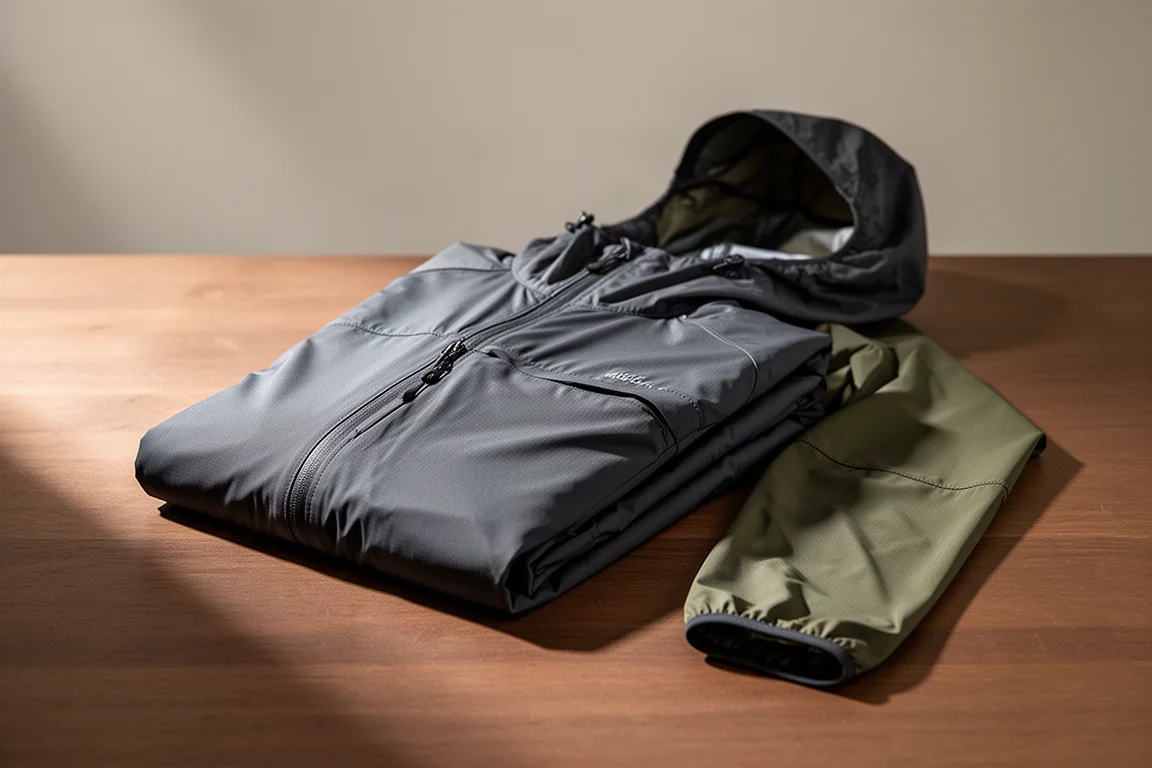
The Enduro Jacket is described as being for all-road use, which raises an obvious question about what all-road actually means. The feature set explains the intent: a hood and hand pockets that you would not find on a lightweight road jacket, paired with a fairly snug fit and light weight that still behave well in the wind and let the jacket fold into a jersey pocket.
The idea is extra protection for rides that head into wilder places, or for rides that do not finish on the same day. The styling is casual enough to walk into a cafe or a bar at the end of it without looking out of place. It is made from GORE-TEX PACLITE PLUS, weighs 260 grams, and turns inside out into its own pocket for neat storage.
Berk Lupina Saddle: 96 Grams of Handmade Carbon
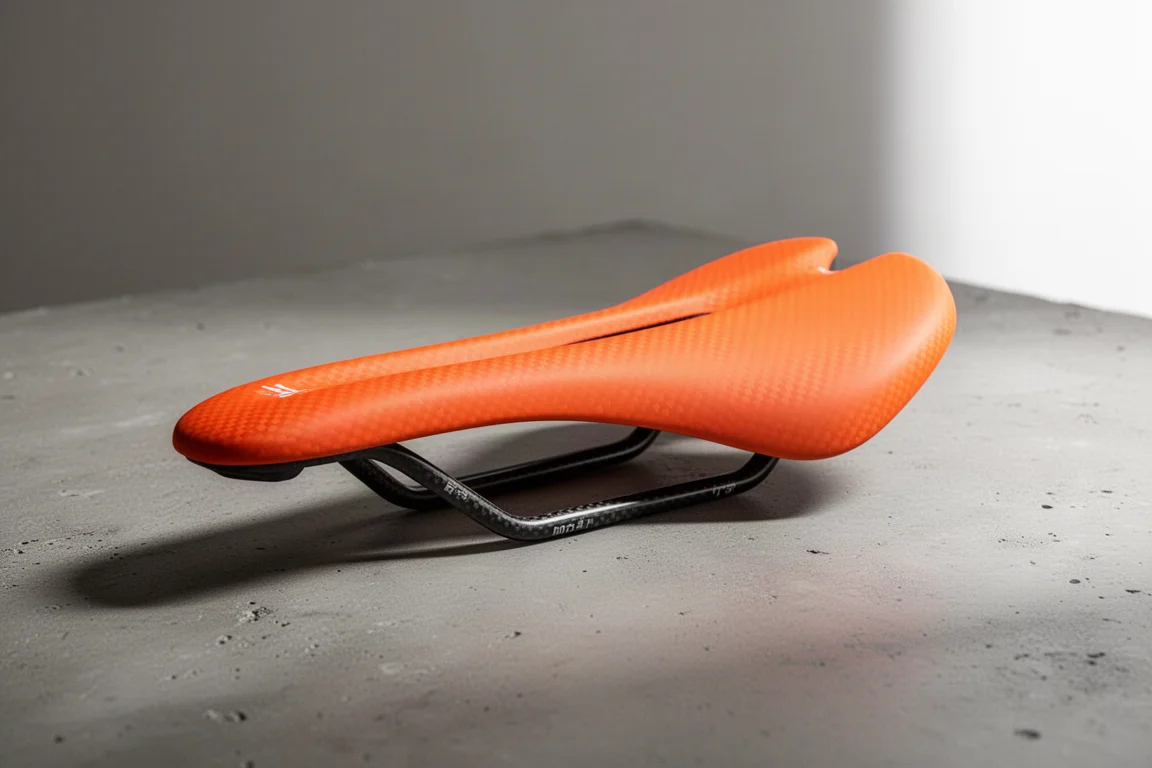
The Lupina Saddle is handmade in Slovenia by Berk Composites and weighed in at just 96 grams on the scales, making it one of the lightest padded saddles around. This particular bike was built for local hill climb races, and the padded version was chosen deliberately so the saddle could also be used on more everyday rides, with the hope of a little more comfort than a full carbon perch.
The finish here is a striking orange, and the range also includes grey, blue and a Tour de France special edition yellow. Unsurprisingly for a saddle at this weight, it is made entirely from carbon fibre, including the rails, which use something called string carbon cord.
At 250 euros plus tax, it is not an impulse purchase, but it compares reasonably well against other lightweight saddles and looks like good value next to the current crop of 3D printed designs. This is a saddle for riders chasing grams on a build where every component has been chosen with weight in mind.
Wilier Rave SLR: An Italian Gravel Race Bike
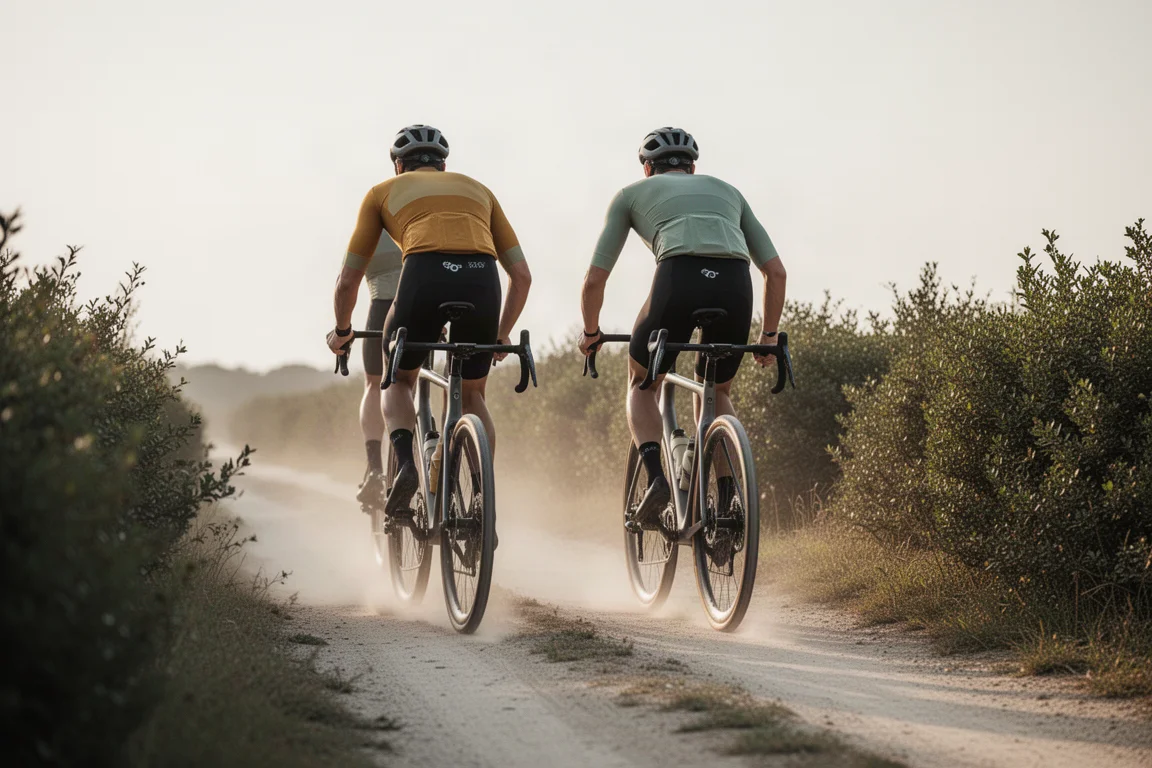
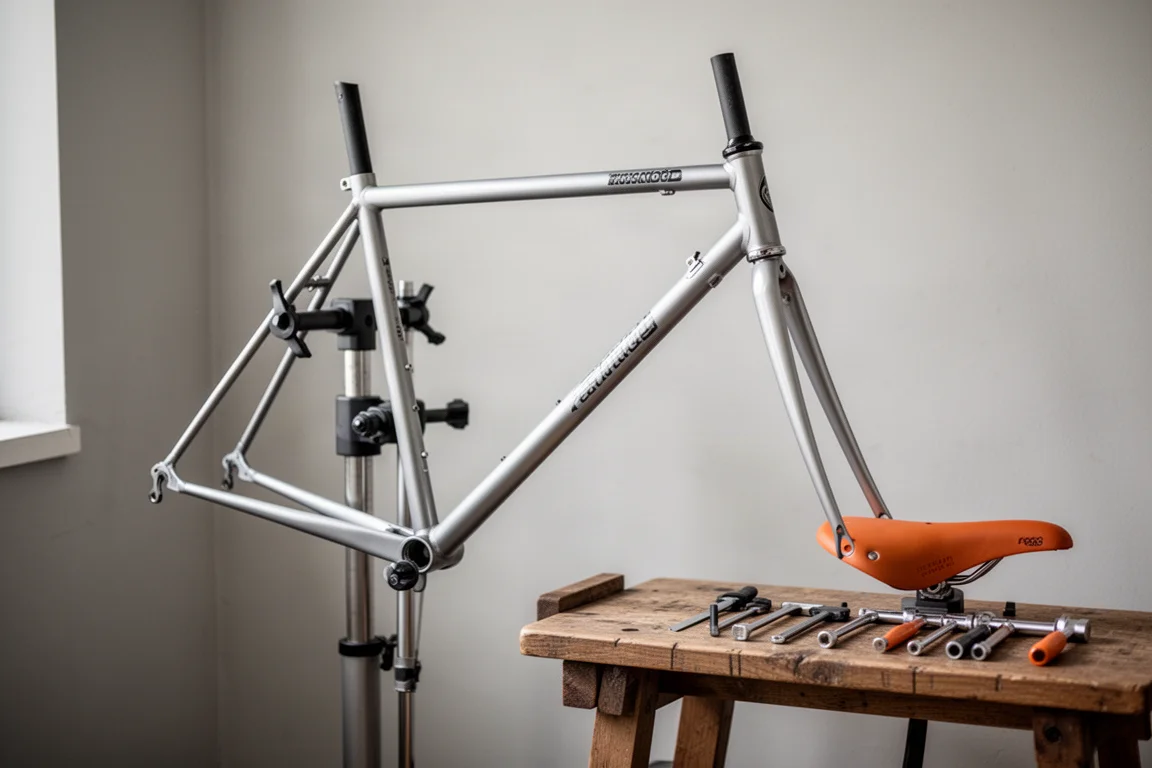
The Wilier Rave SLR is a new model from the Italian brand, offered either as an all-road bike or, as here, as a dedicated gravel machine. It is an aerodynamically optimised, aggressive race bike, and there is no mistaking the intent: no cables in sight, fully integrated, with a front end built around a one-piece carbon cockpit and a split v-shaped stem.
That bar, called the J-bar and found only on the gravel-specific version, is claimed at 390 grams, and Wilier says it provides comfort and handling to match the bike. The frame mixes carbon fibre with liquid crystal polymers, which Wilier says creates a lightweight and reactive structure. Claimed frame weight is 950 grams, with the fork claimed at 415 grams.
A maximum tyre clearance of 42 millimetres signals a bike designed to go fast across mixed surfaces rather than merely trundle along them. Groupset choice is broad: 1x or 2x drivetrains, and Shimano or SRAM options. The build shown here uses Campagnolo’s Ekar groupset, whose 13 speed cassette is still an uncommon sight, and the shifting feels uniquely compact with a satisfying mechanical character.
None of this comes cheap. The range starts at 8,680 pounds and runs up to 11,350 pounds for the Shimano Dura-Ace Di2 option.

Buying Advice: Matching Gear to the Ride
The useful question with any of these products is not whether it is good in isolation, but whether it suits the riding you actually do. A short-sleeved insulated jacket makes sense for a gravel rider who runs hot on long, fast routes. It makes much less sense for someone who wants one jacket to cover a whole winter of slow, cold commutes.
Storage and maintenance items are easier to judge. The Clug Pro solves a specific problem, keeping a bike secure against a wall, and it is affordable enough that the decision comes down to tyre size and where you live. The Fillmore Valve costs more than a standard pair, but if clogged valves and stubborn tyre seating are a regular part of your tubeless routine, the larger opening is a structural fix rather than a workaround.
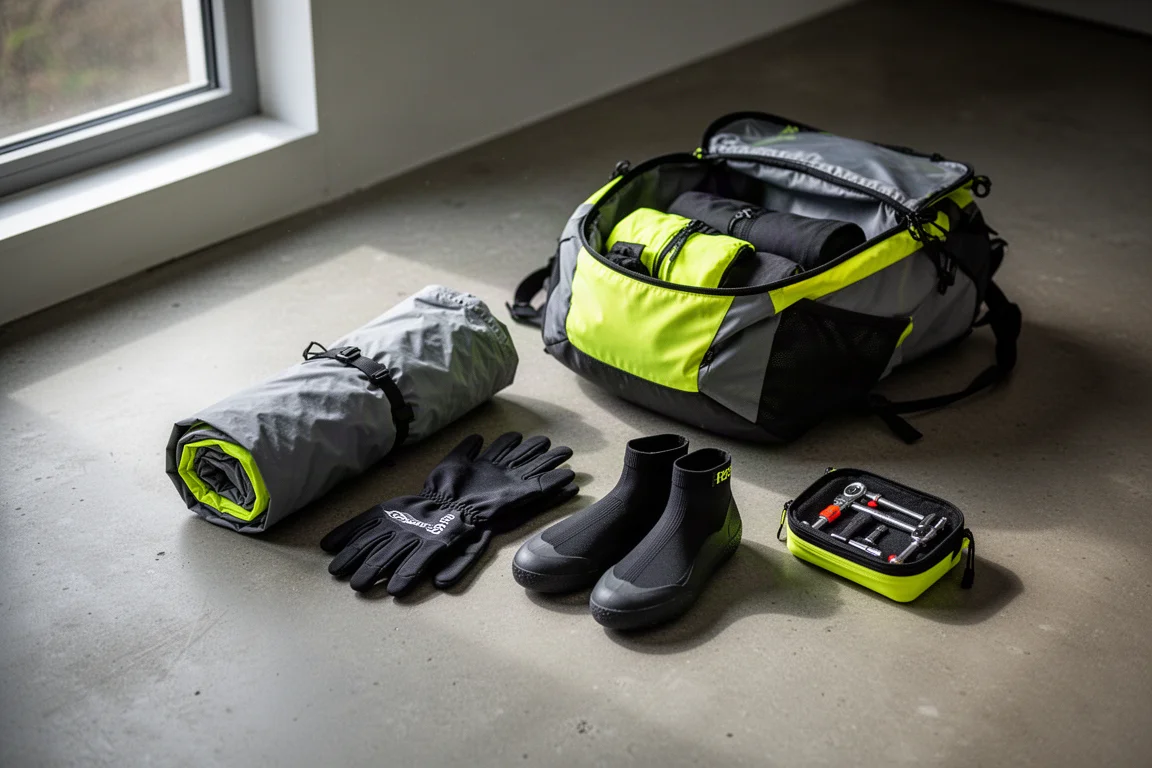
Winter clothing is where fit and conditions matter most. Overshoes and gloves should be chosen for the coldest and wettest rides you genuinely expect to do, not the average ones, because a piece that is too warm for a mild day will simply stay in the drawer. A light packable jacket like the Enduro is a different kind of purchase: it is for rides where the weather can turn and you want something that disappears into a jersey pocket when it does.
The two high-ticket items sit in a category of their own. The Lupina Saddle is a weight-driven choice for a build where grams matter, and it is priced reasonably against its direct rivals. The Wilier Rave SLR is a race bike with a race bike price, and it rewards riders whose gravel ambitions lean toward speed and competition rather than relaxed mixed-surface touring.
Conclusion
Taken together, this batch covers a lot of ground, from a few pounds spent on a wall mount to a five-figure gravel race bike. The strongest cases are the ones where the product solves a specific, familiar problem: valves that stay clear, overshoes that go on without a fight, gloves that keep fingers working in the cold, and a saddle that delivers real weight savings without asking for a full carbon compromise. Decide which of those problems you actually have, and the choice becomes much simpler.
Further reading
Related Reviews
Cycling Gear
8 Cycling Products Riders Keep Coming Back To
Eight cycling components and accessories with clear strengths, honest trade-offs and long-standing reputations among riders and mechanics.
Cycling Gear
Aero Helmets and Bottle Setups Tested: Six Options Ranked by Measured Watt Savings
Wind tunnel data on six aero helmets and bottle setups, with real watt savings, practical trade-offs, and guidance on what is worth buying first.

Cycling Gear
Aero Road Bikes and Fast Tires Worth Watching in 2026
Four aero road bikes and one fast road tire, with the real strengths, the open questions, and what to check before you buy.