Cycling Gear
Cycling Gear Roundup: Nine Practical Upgrades Worth Considering
Nine cycling products under the spotlight, from a 12-speed gravel groupset and a prototype hydraulic setup to cockpit grips, lit pedals, and a pocket liner for snacks.
Introduction
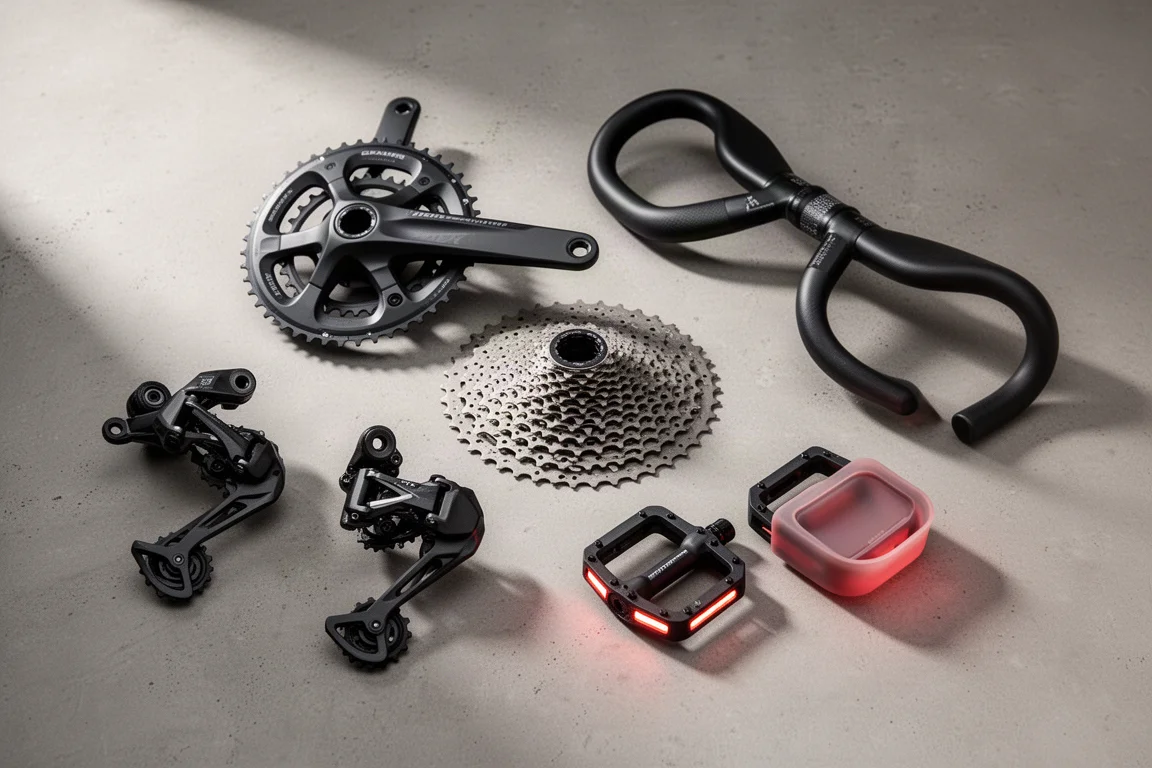
Nine products, one theme: changes that make a bike easier to live with. The mix here covers a new gravel groupset, a hydraulic groupset that is still in prototype form, a silicone liner for jersey pockets, and a cluster of cockpit and visibility parts aimed at comfort and being seen.
Some of these are bolt-on upgrades you can fit this weekend. Others, such as the 12-speed gravel group, raise compatibility questions that are worth understanding before you spend any money.
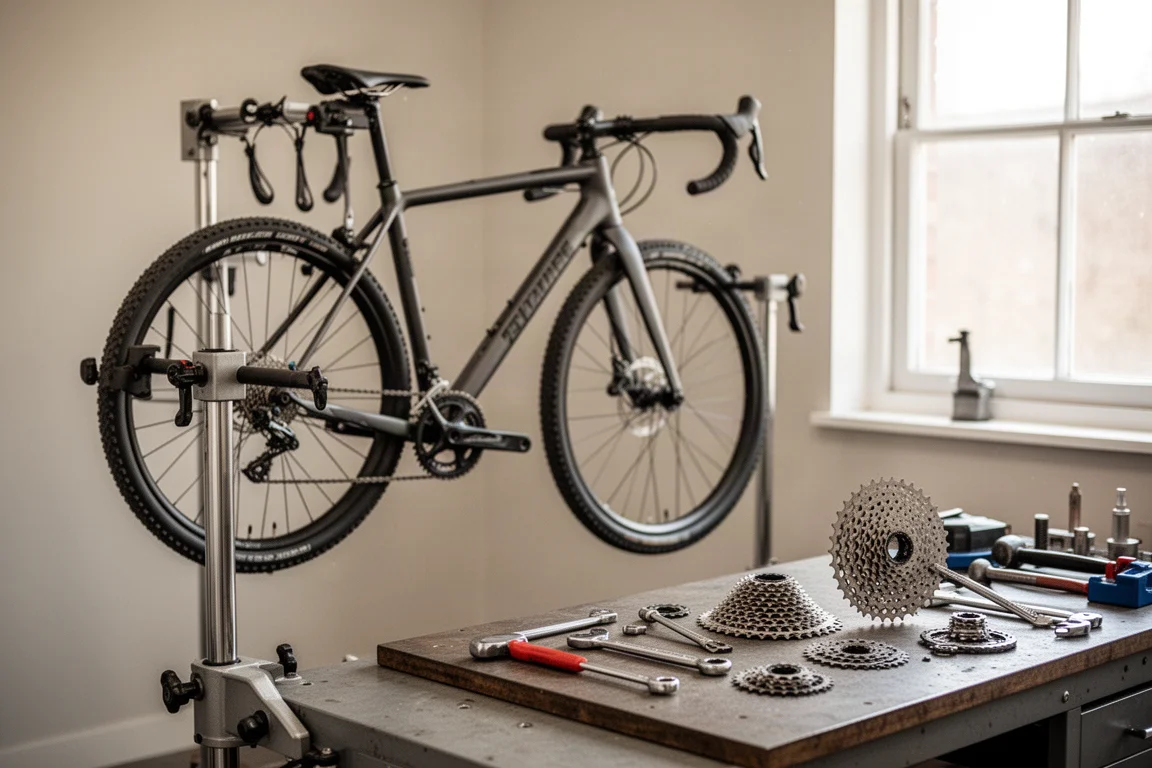
The goal of this roundup is straightforward: explain what each product is, what it changes about a ride, and where the trade-offs sit, so you can decide whether it belongs on your bike.
What We Looked For
Every product here was judged on the same handful of questions. Does it solve a real problem? Does it fit the bikes people actually own? Does it hold up to regular use? Range and compatibility matter most for drivetrains, comfort and fit matter for cockpit parts, and visibility matters for anything that lights up.
Long-term durability is the hardest thing to judge quickly, so where a product is still being ridden over a longer period, that is stated plainly rather than dressed up as a verdict.
Shimano GRX 12-Speed Groupset
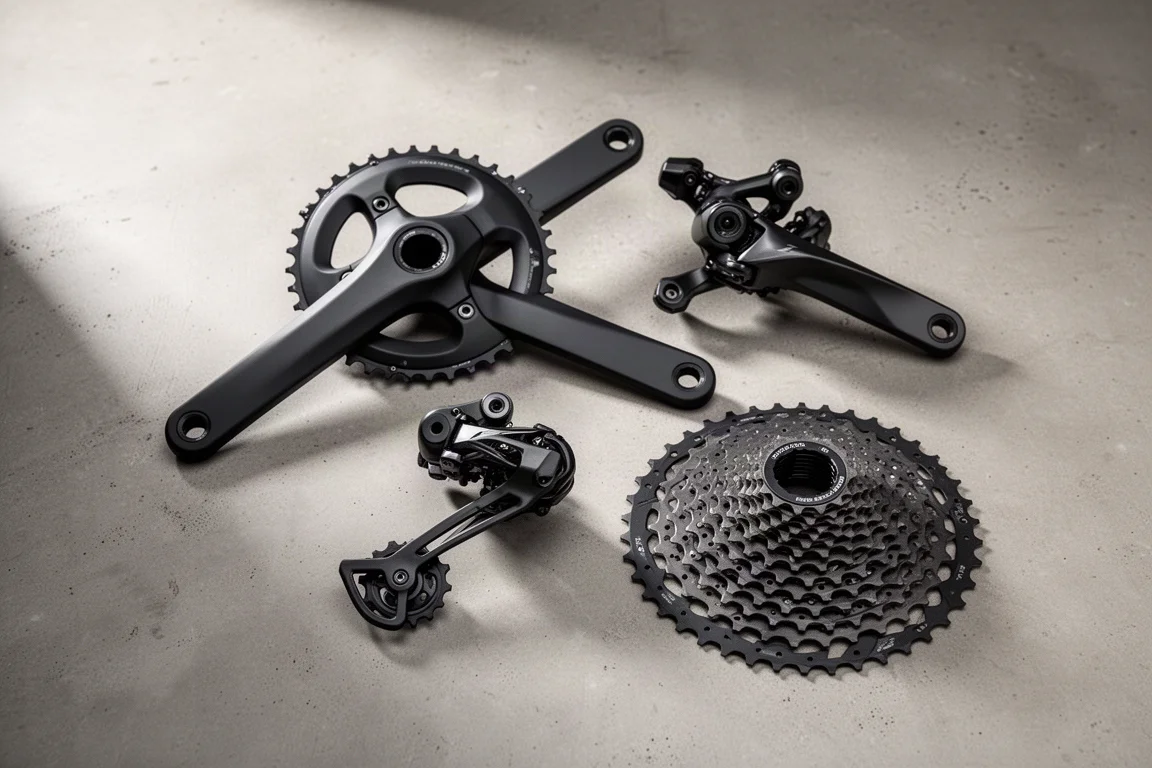
The latest GRX moves to 12 speeds, and the version here is 1x only. It is built around a wide-range cassette that runs from 10 up to 51 teeth, which puts it in the same territory as mullet-style gravel setups. Visually it is very close to the previous generation, so the real change is in the gearing rather than the look.
The 10-tooth sprocket is the detail that matters most. To make it work, the groupset uses Shimano’s mountain bike freehub body, Micro Spline, which many gravel and road wheels do not have. Riders with an existing wheelset may need to change the freehub, or find wheels that are already compatible, before the groupset can be fitted at all.
Doma Cycles Pocket Musette
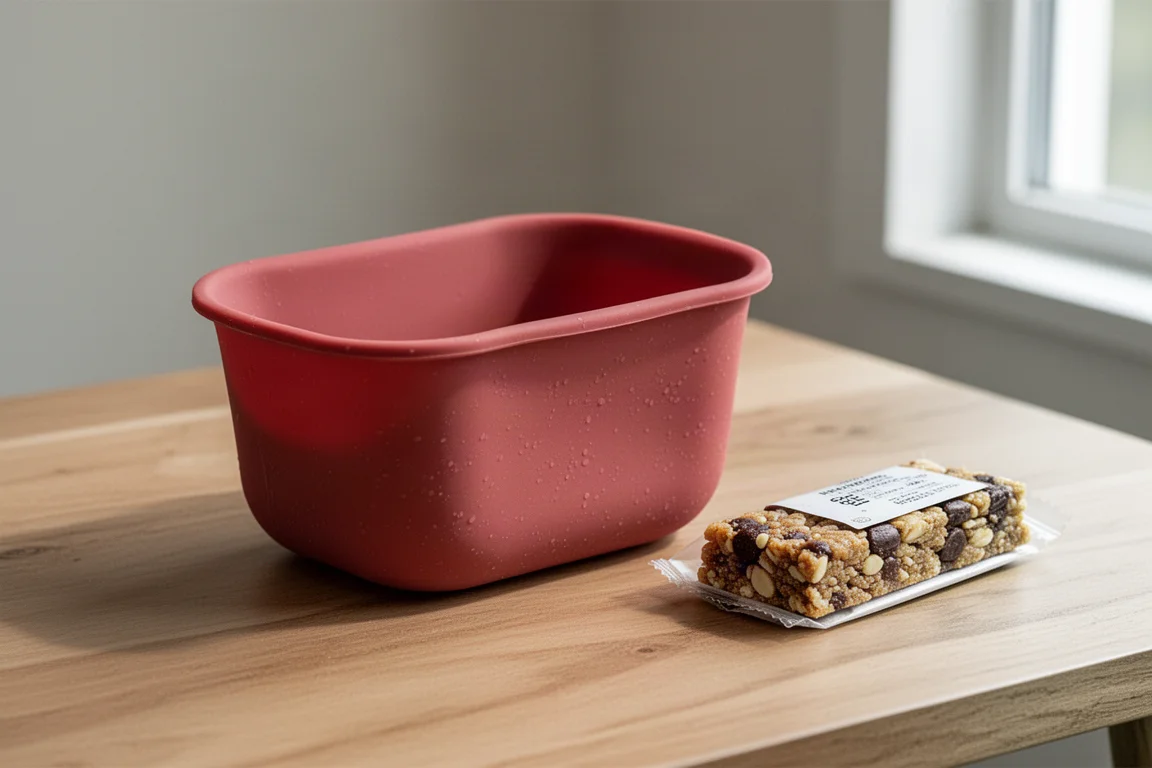
The Pocket Musette is a silicone liner that sits inside a jersey pocket. It keeps food contained, keeps the pocket itself clean, and makes it easy to break a bar into pieces and pull them out one at a time while riding.
It comes in two sizes, a smaller option and a larger one, and which you need depends on the jersey and how much you carry. It is not an essential purchase, but for riders who prefer to eat little and often it removes a small, recurring annoyance. A QR code is printed on the liner.
Sensah Empire Pro 2x12 Hydraulic Groupset
This is a prototype hydraulic groupset and the first hydraulic system from a brand that has previously focused on mechanical groupsets. It is a 2x12 setup, it uses a Shimano-compatible bleed kit and bleed process, and a number of parts remain cross-compatible.
The shifters are large but comfortable to hold, and the rear derailleur has a plastic appearance while feeling solid in the hand. Shifting follows a double-tap style action, and the lever travel for an upshift is noticeably long. The plan is to install it on a commuter bike and ride it through poor weather to see how it holds up over time. In the European market, the groupset will be sold under a different brand name because of a trademark conflict.

That long lever throw is the main open question, particularly for riders with smaller hands, though the mechanical version of the same shifter felt normal in use. Durability is the bigger unknown, and it is the reason this one is being judged over a longer period rather than on first impressions.
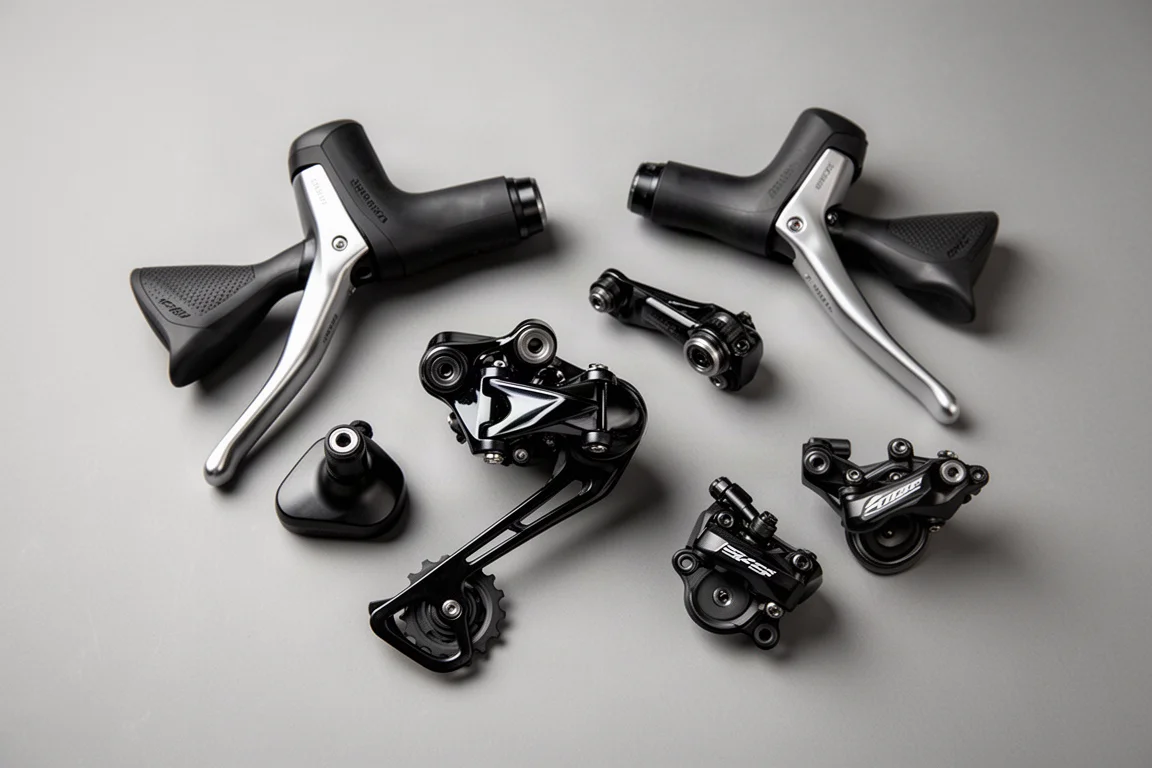
Redshift Dual-Position Seatpost
This seatpost fits 27.2 mm seat tubes and offers two saddle positions. Switching between them does not require tools: pushing the saddle forward with a firm hand moves it into the second position, and the change can be made while riding.
The forward position sits slightly higher, which offsets the fact that the saddle has moved forward, so the pedalling position stays workable. Measured from the nose of the saddle to the shifter, the rear position came in at 71 cm and the forward position at 69 cm. Fitting a saddle is straightforward.
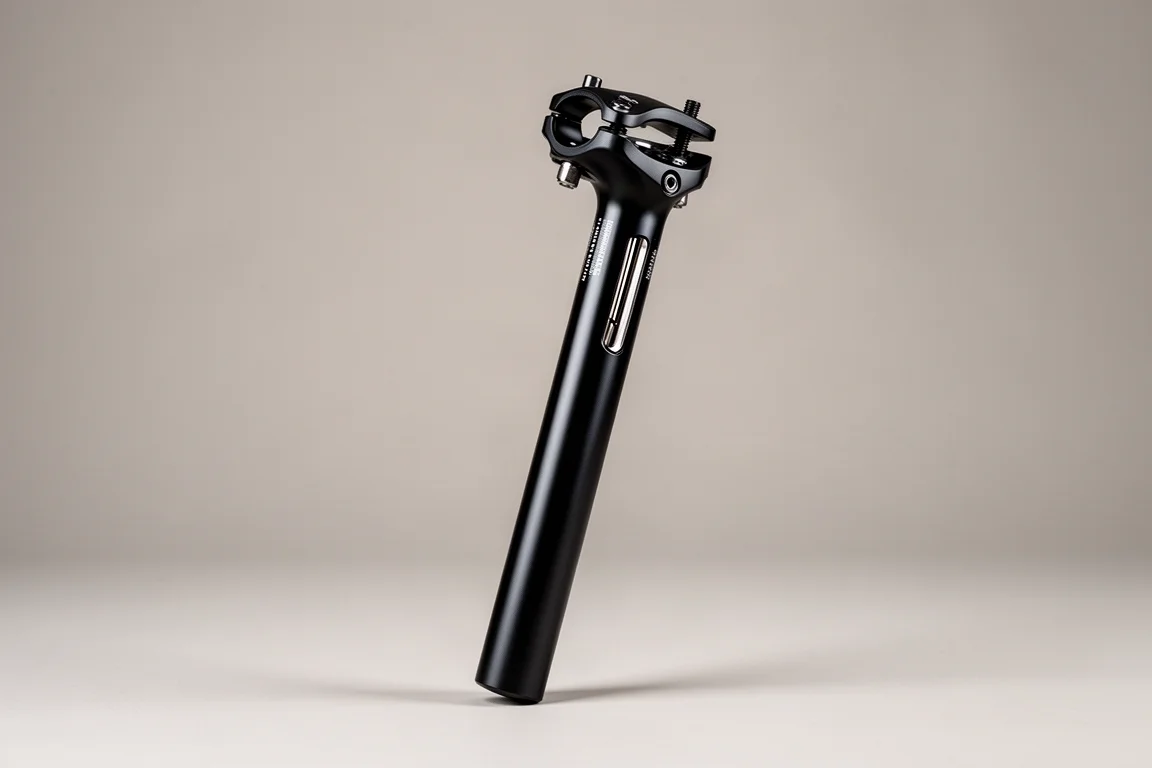
Redshift Quick Release Aerobars
These are clip-on aerobars with a quick-release fitting, so they can be added for a long ride and taken off again afterwards. They are less about chasing pure aerodynamic gains and more about adding hand positions on long days in the saddle.
That makes them relevant to triathletes, ultra-distance riders, and anyone heading out for a multi-hour adventure where a change of hand position matters more than a few seconds of speed.
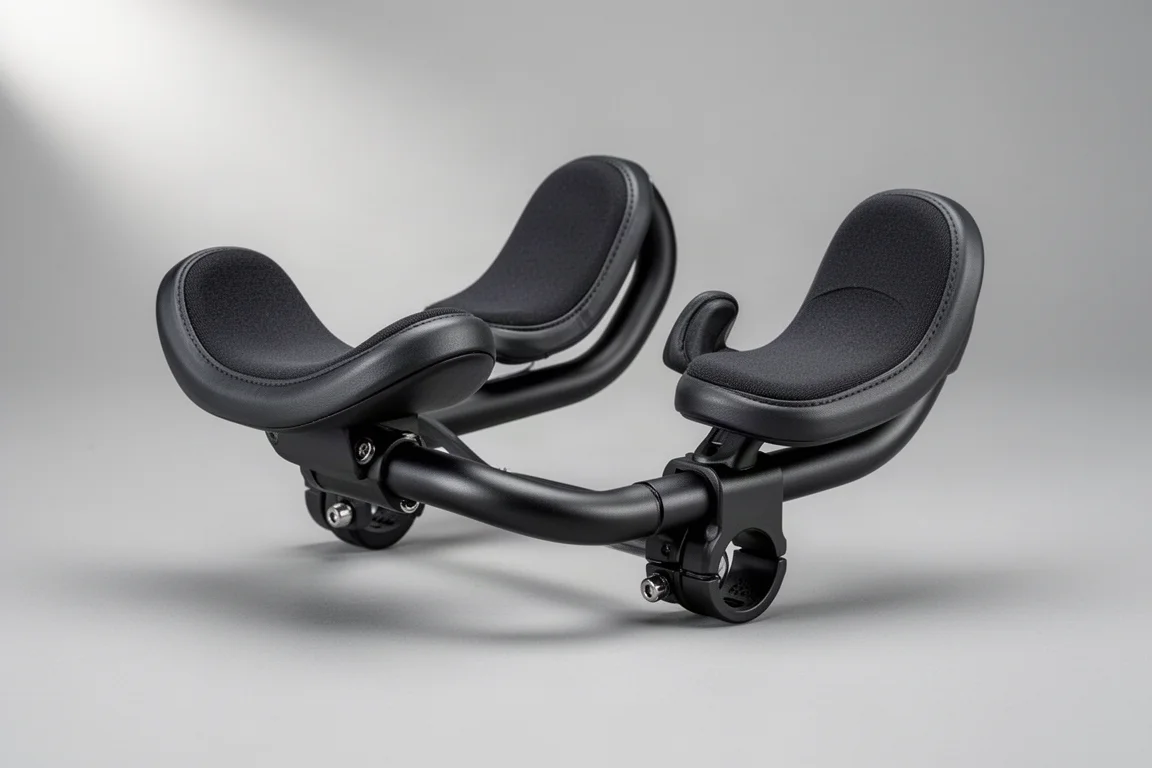
Redshift Cruise Control Drop Bar Grips
These grips fit to the drops and make that position more comfortable, adding a softer, wider surface where the hands sit on the lower part of the bar.
It is a small change, but the drops are where a lot of riders spend the least comfortable part of a long ride, and a shaped grip is a cheap way to address that.
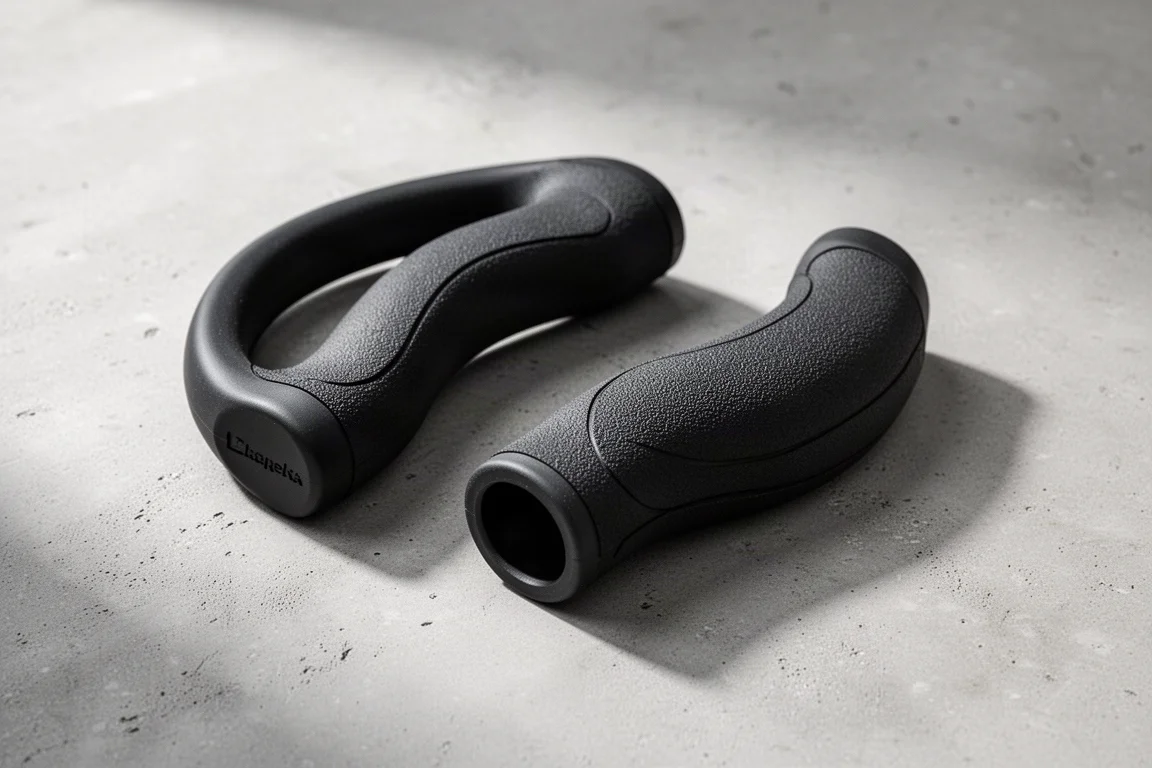
Redshift Cruise Control Top Grips
The top grips mount behind the tops of a drop handlebar and extend rearward. That does two things: it reduces the effective reach of the bike, and it gives the hands a shaped surface to rest on instead of a plain round bar.
The shape looks unusual at first, but it sits comfortably in the palm. Riders who spend long stretches on the tops are the ones most likely to notice the difference.
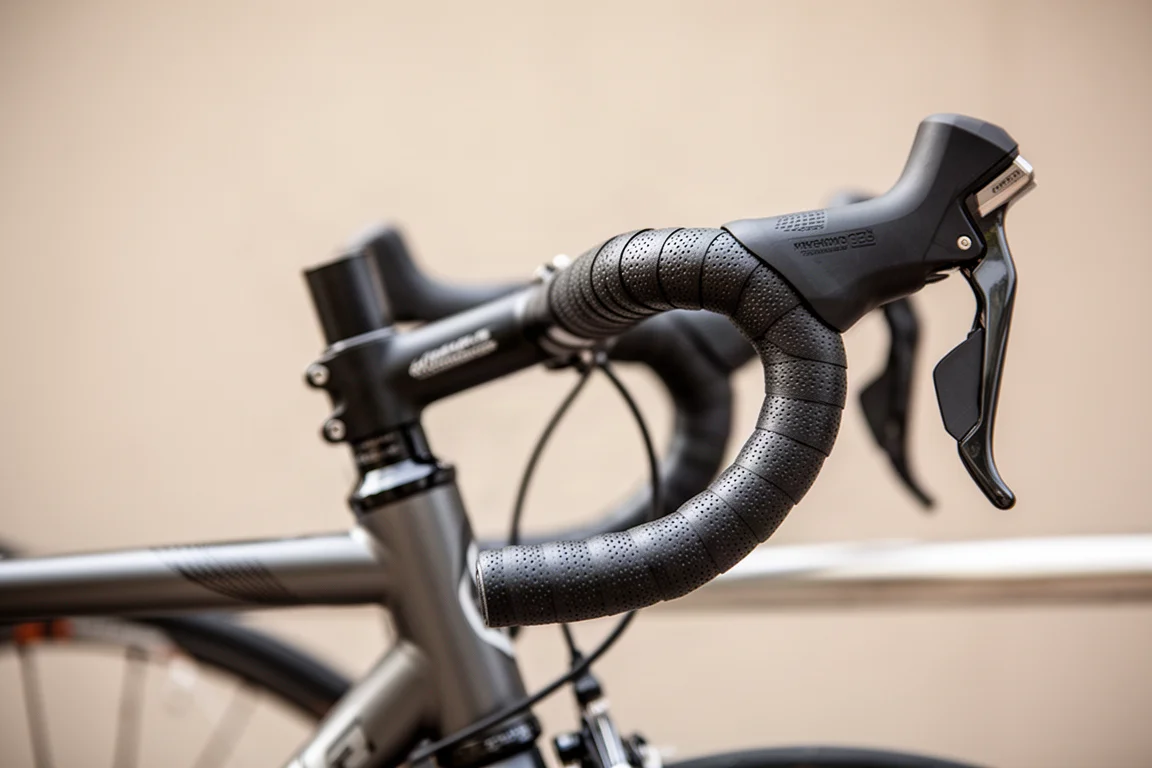
Fitting is aimed at standard drop bars, and the grips are a low-risk change for anyone who finds the tops of their bar uncomfortable after an hour or two.
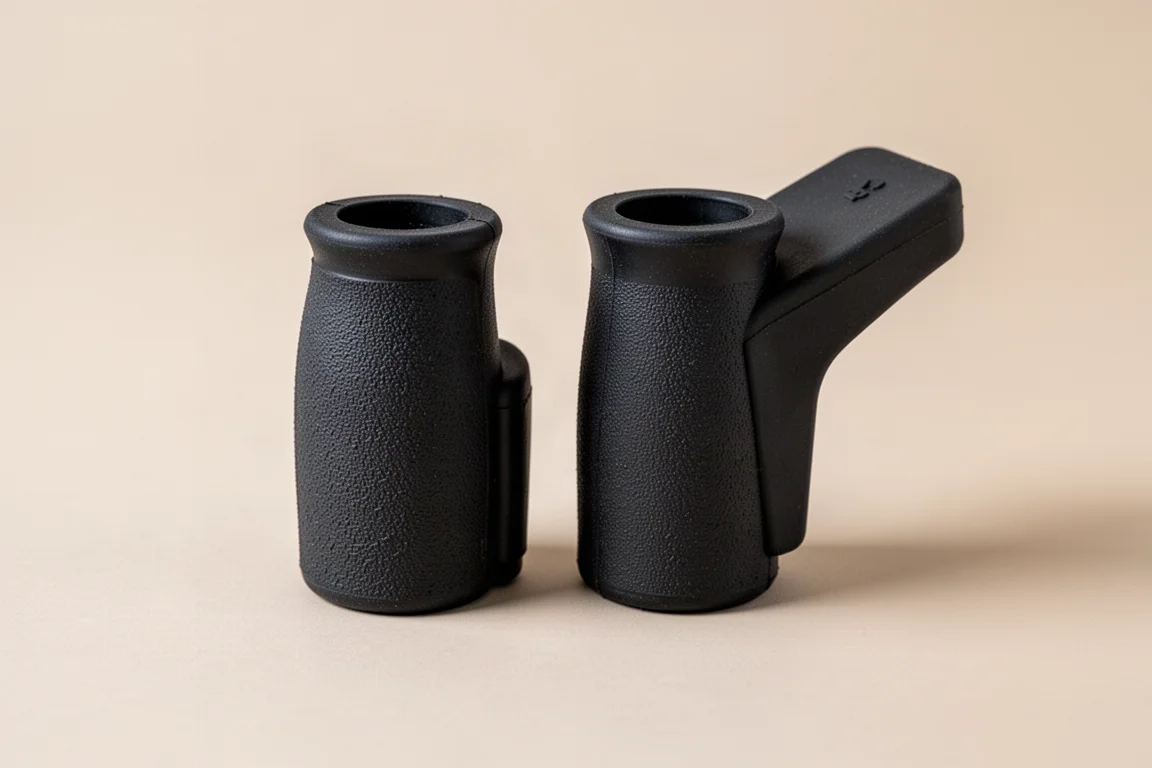
Redshift Arclight Pedals
These are flat pedals with LED lights built into the body. Because the light moves with the pedal, it is far more noticeable to other road users than a static light, which makes a genuine difference in low light and heavy traffic.
The engineering is impressive and the visibility benefit is obvious, but the pedals are heavy at around 308 grams, and they are not priced like a basic set of flats. For a commuter bike ridden all year round, they are the sort of upgrade that would be worth having from the start.
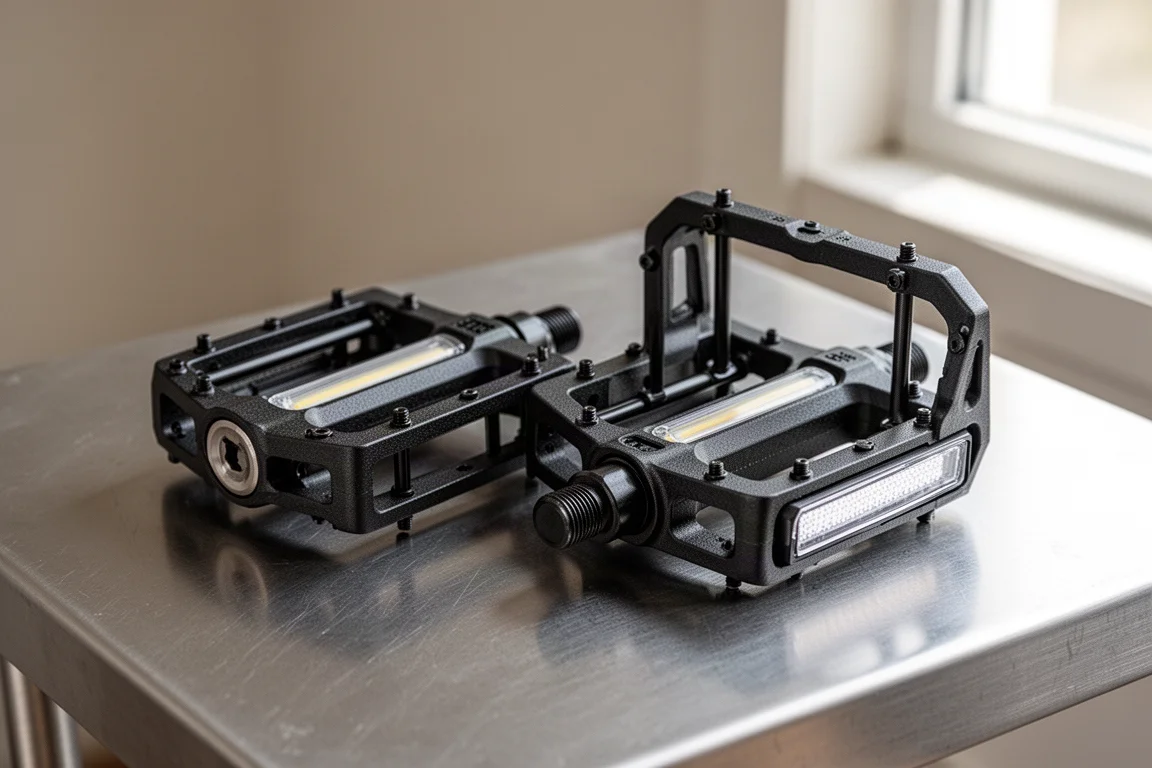
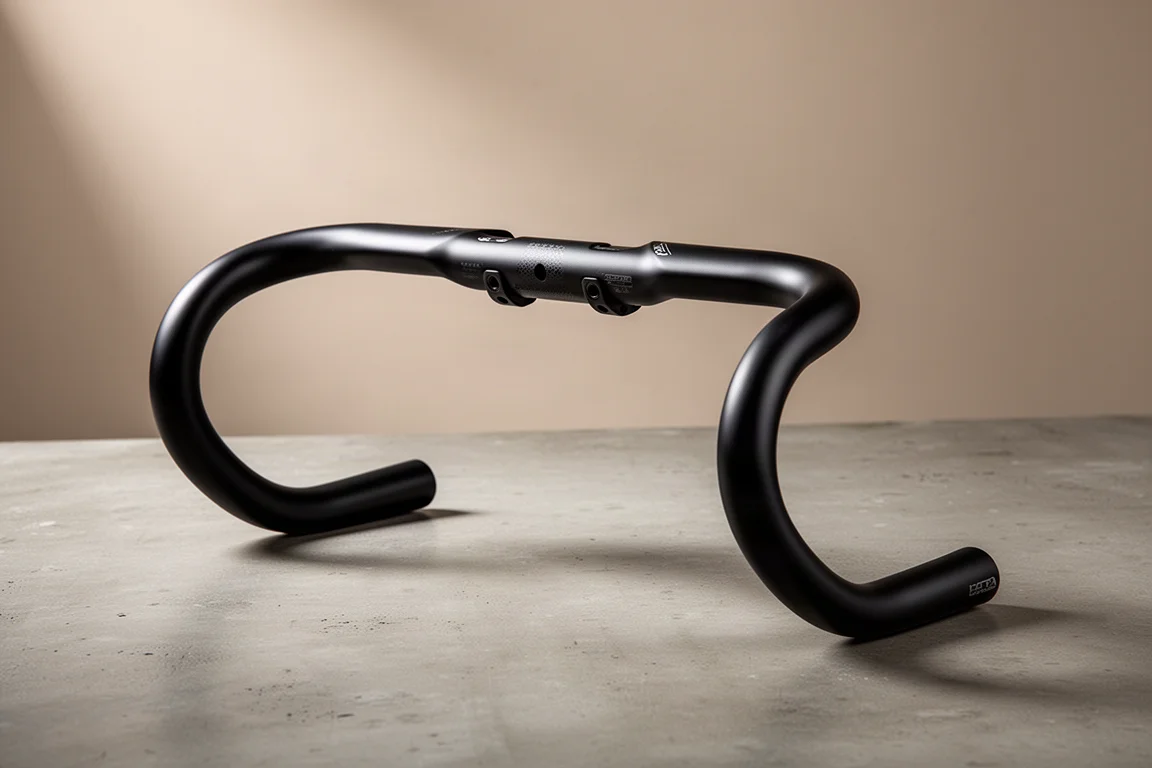
Redshift Kitchen Sink Handlebar
This is the narrowest bar in the range at 44 cm, and it is an extreme example of a flared drop bar. The flare means the shifter position is much narrower than the nominal width, closer to a 38 cm bar at the hoods, so the bike still feels compact where it counts.
The wide front section creates room for a handlebar bag and adds a forward area you can hold on long rides. It is a design that looks odd in isolation and makes more sense once you see how the shifters sit.
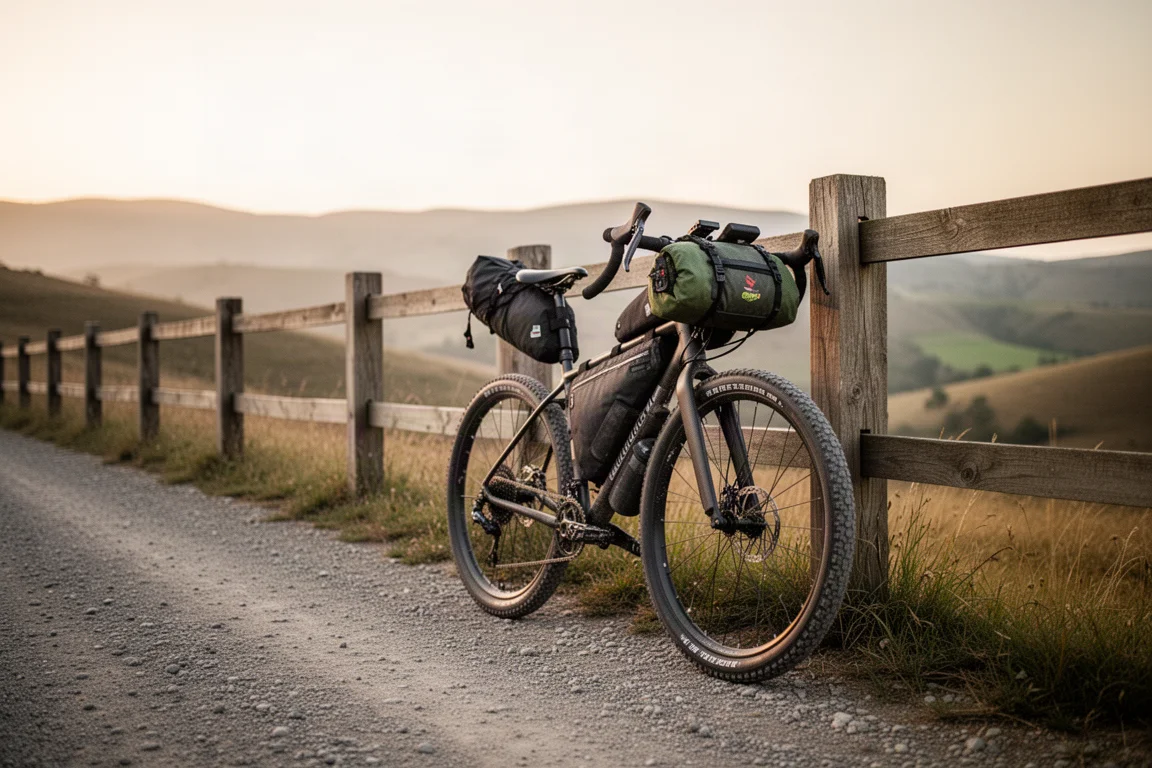
Riders who carry luggage on the front of the bike are the clearest fit for this shape, since the flare solves a packaging problem as much as a comfort one.
Buying Advice
Start with compatibility. Drivetrain upgrades are the least forgiving: the 12-speed gravel group needs a Micro Spline freehub, so check your wheels before ordering anything. The prototype hydraulic groupset uses a Shimano-compatible bleed kit, which makes servicing simpler, but its long-term durability is still being established.
Comfort parts are a lower-risk purchase. Grips and clip-on bars are easy to fit, easy to remove, and easy to judge on a single long ride. A two-position seatpost suits riders who already know they want to change position over distance.
Visibility is worth prioritizing if you commute or ride in traffic. Moving lights, such as the ones built into a set of pedals, are noticed more readily than static ones.
Conclusion
Nine products, and a fairly clear split between them. The drivetrains are the ones to research carefully, particularly around freehub compatibility and long-term durability. The comfort and visibility items are simpler decisions, and the small accessories are the kind of thing you either need or you do not. Match the product to the riding you actually do, and most of these make sense.
Further reading
Related Reviews
Cycling Gear
8 Cycling Products Riders Keep Coming Back To
Eight cycling components and accessories with clear strengths, honest trade-offs and long-standing reputations among riders and mechanics.
Cycling Gear
Aero Helmets and Bottle Setups Tested: Six Options Ranked by Measured Watt Savings
Wind tunnel data on six aero helmets and bottle setups, with real watt savings, practical trade-offs, and guidance on what is worth buying first.
Cycling Gear
Aero Road Bikes and Fast Tires Worth Watching in 2026
Four aero road bikes and one fast road tire, with the real strengths, the open questions, and what to check before you buy.