Cycling Gear
Cycling Gear of the Year: Seven Standout Products Worth Considering
Seven cycling products that earned their place through a full year of commuting, indoor training and long road rides, with the strengths and trade-offs to weigh before buying.
Introduction
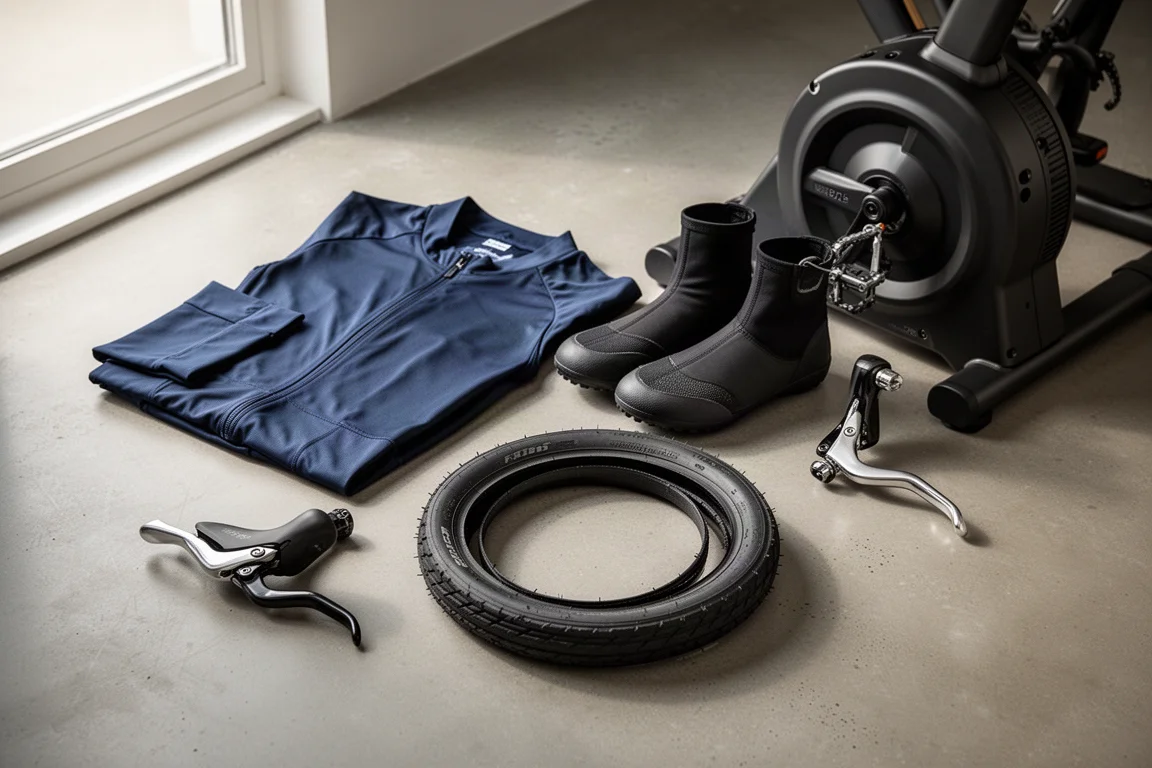
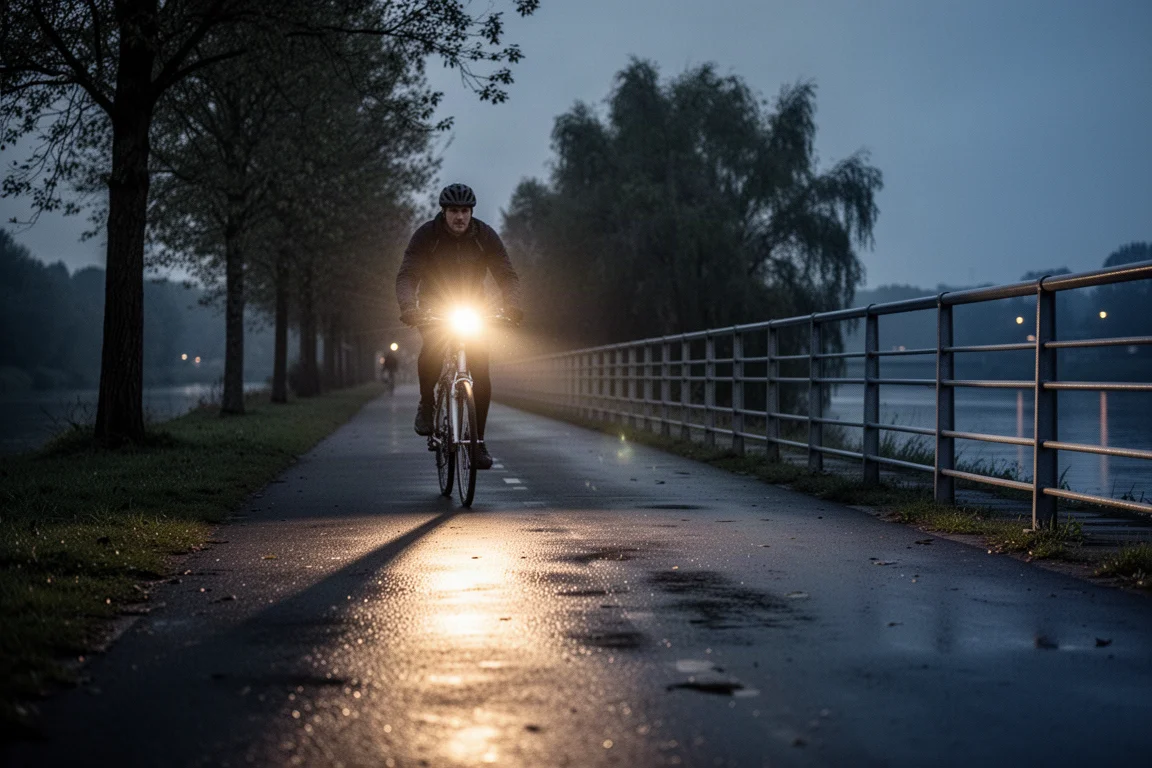
The riding year has been bookended by the dark. It started with pre-work training sessions before sunrise and finished with a new commute that includes unlit sections along a riverside cycle path. That mix of conditions sorts gear quickly: anything that only works on a bright Sunday gets found out, while anything that survives a full winter of wet roads and early starts earns a permanent place on the bike.
The seven products below all came out of that process. They range from a value-focused direct-drive smart trainer to a pair of winter overshoes built for freezing road spray, and each one solved a specific problem rather than simply looking good in a product shot.
None of them are perfect, and the trade-offs are noted where they matter. What they share is a consistent ability to make regular riding easier, faster or more comfortable across months of use rather than across a single afternoon.
How These Picks Were Chosen
Every product here was used repeatedly across commuting, indoor training and longer road rides. The priorities were straightforward: does it hold up over a full season, does it solve a real problem, and does it offer value at its price point? Products that only impressed on first acquaintance were left out.
Spatz Roadman Overshoes: Winter Protection for Hard Miles
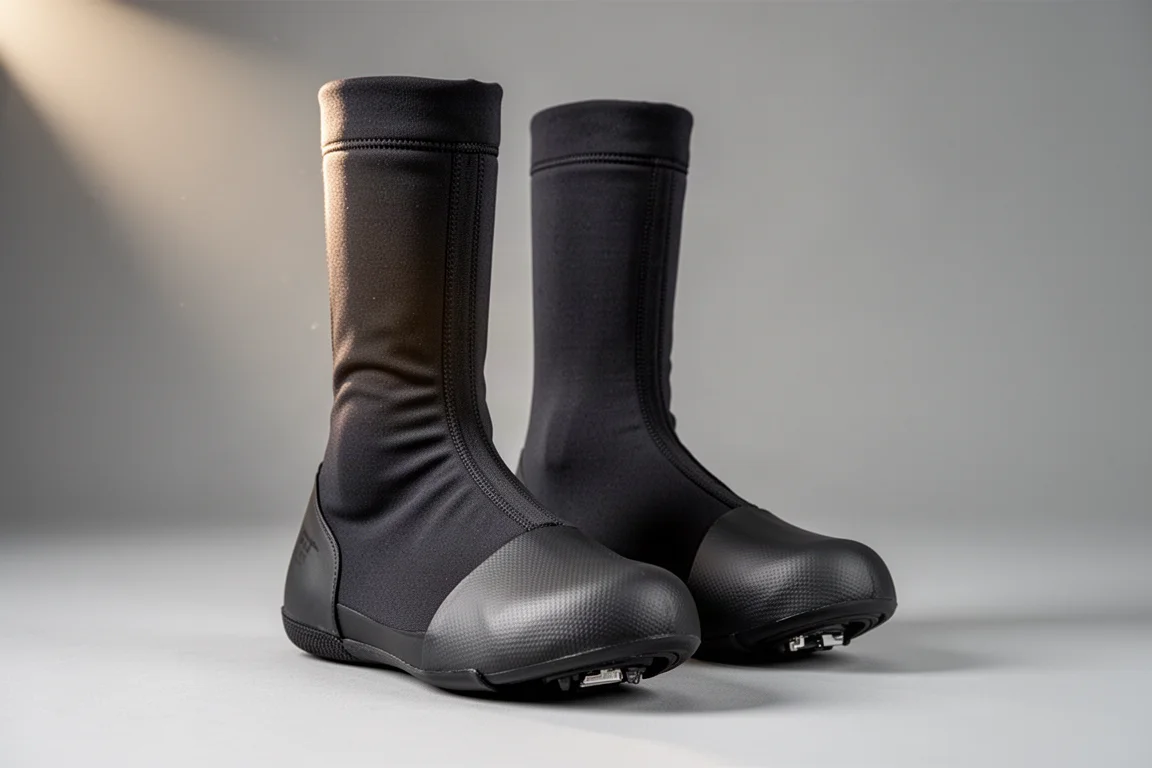
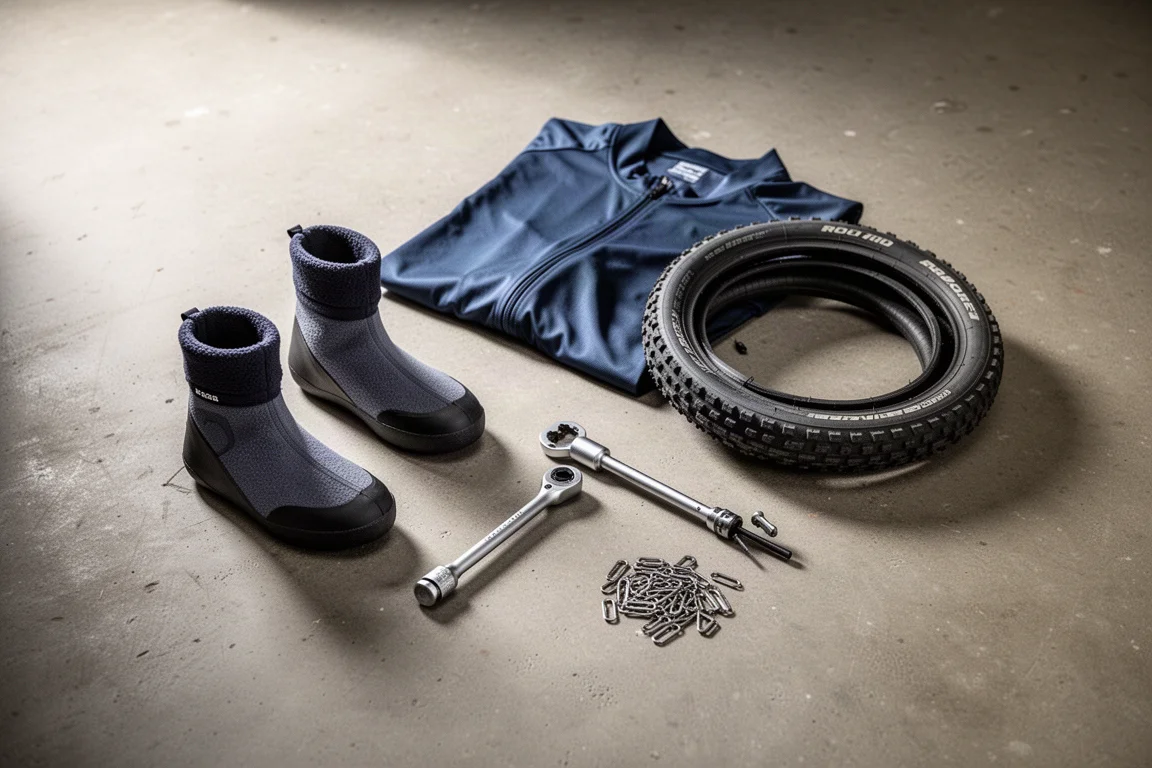
Spatz Roadman overshoes are built for the worst of winter rather than for race day. When sleet is falling and freezing road spray is being plastered across your legs, they keep your feet warm and dry, which is the entire point of the category.
They are also unusually robust. A Kevlar toe box protects the front of the shoe when you slip a pedal while clipping in, or catch the sharp end of a mudguard stay that should have been trimmed but never was. Nothing about them is designed to help you go fast, and they are not the lightest or sleekest option available.
What they are is exactly what you want for doing the hard yards in the depths of winter, which makes them a sensible pick for anyone whose riding does not stop when the temperature drops.
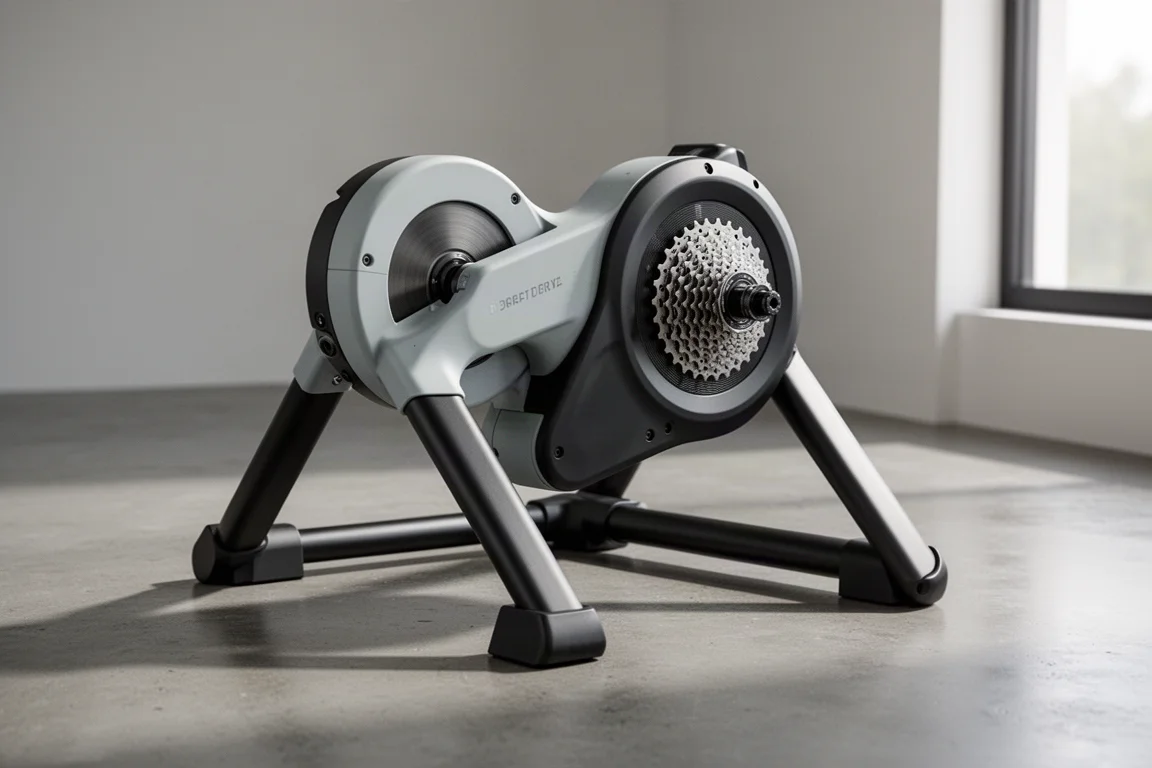
Zwift Hub: The Direct-Drive Trainer That Reset Expectations
Indoor training has moved firmly into the mainstream, and the hardware has followed. High-end direct-drive smart trainers such as the Wahoo KICKR V6 and the Elite Justo deliver excellent experiences, but the most interesting launch in this space was the Zwift Hub.
If you plan to do any significant amount of indoor training, a direct-drive smart trainer rather than a wheel-on model is the key investment, because direct-drive designs typically offer the best experience when connected to an indoor cycling app. The problem has always been that they were either very expensive or compromised in ways that undermined the experience. The Zwift Hub comes closer than any other trainer to solving that.
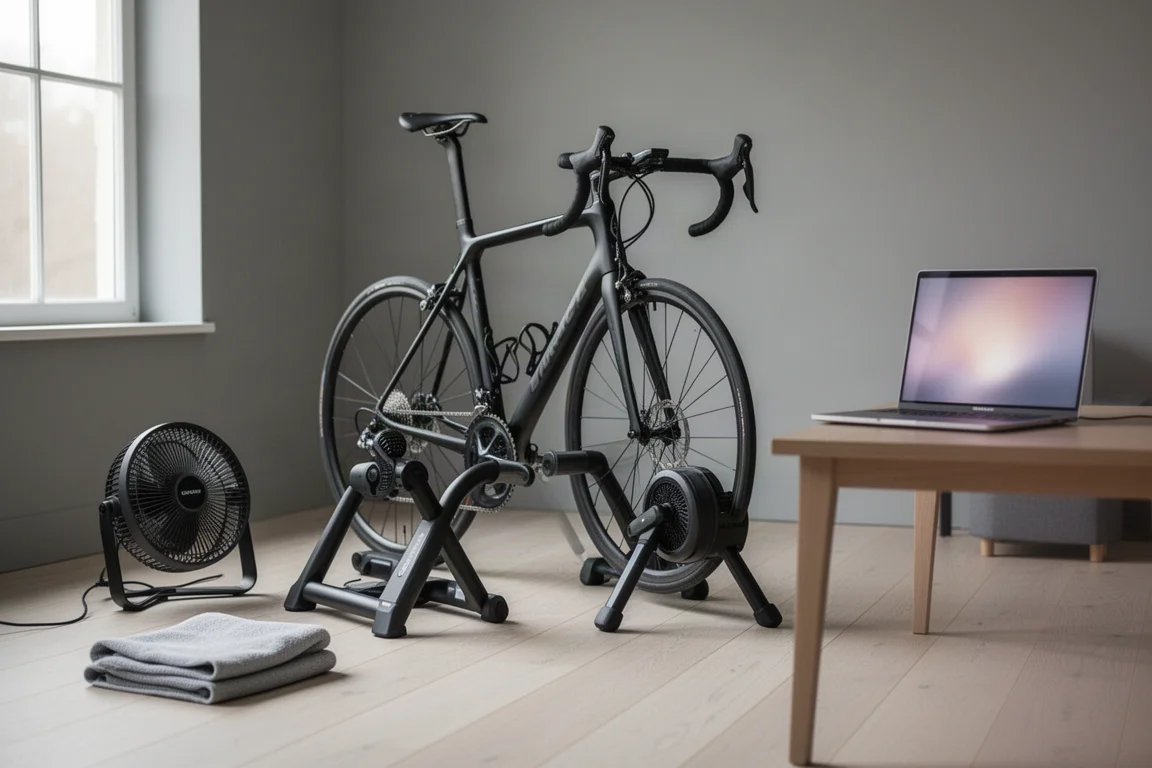
At £449, €499 or $499 including a choice of cassette, it is one of the cheapest direct-drive smart trainers available. Despite that, it offers an impressive ride feel, is exceptionally quiet, and does a good job of producing accurate power and cadence data in most scenarios.
It is not perfect. Very high flywheel speeds can trip up power accuracy a little, and it does not fold away for storage. At this price point those are forgivable issues, and for most people, whether they use Zwift or a different app, it will be very difficult to justify spending more money on a trainer.
Specialized S-Works 7 Lace: Racy Shoes With Real Comfort
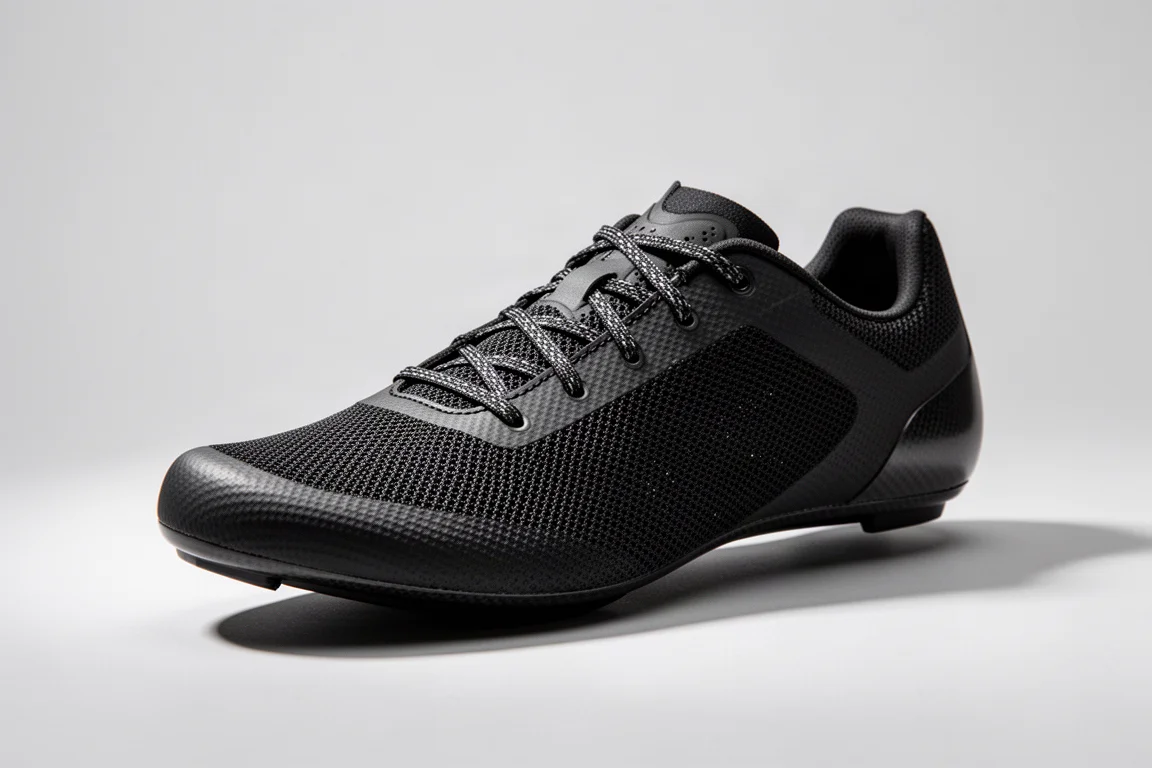
Lace-up cycling shoes have a dedicated following for both performance and aesthetic reasons, and the S-Works 7 Lace is the long-awaited successor to the classic S-Works Sub6. Rather than pitching it purely at the aerodynamic-everything crowd, Specialized marketed it towards riders who like that look, but underneath it remains a ruthlessly racy shoe.
It is exceptionally comfortable, and the sole gives nothing away in stiffness while keeping a sleek aerodynamic profile. Attention to detail runs right across the shoe: adjustable cleat bolt holes, reinforced upper lace eyelets for greater durability, and stretch-resistant laces that are not standard off-the-shelf items.
At an RRP of £300 these are undeniably expensive cycling shoes, but they are very hard to fault. For riders who want a single pair that covers fast group rides and long days alike, they are a genuinely strong option.
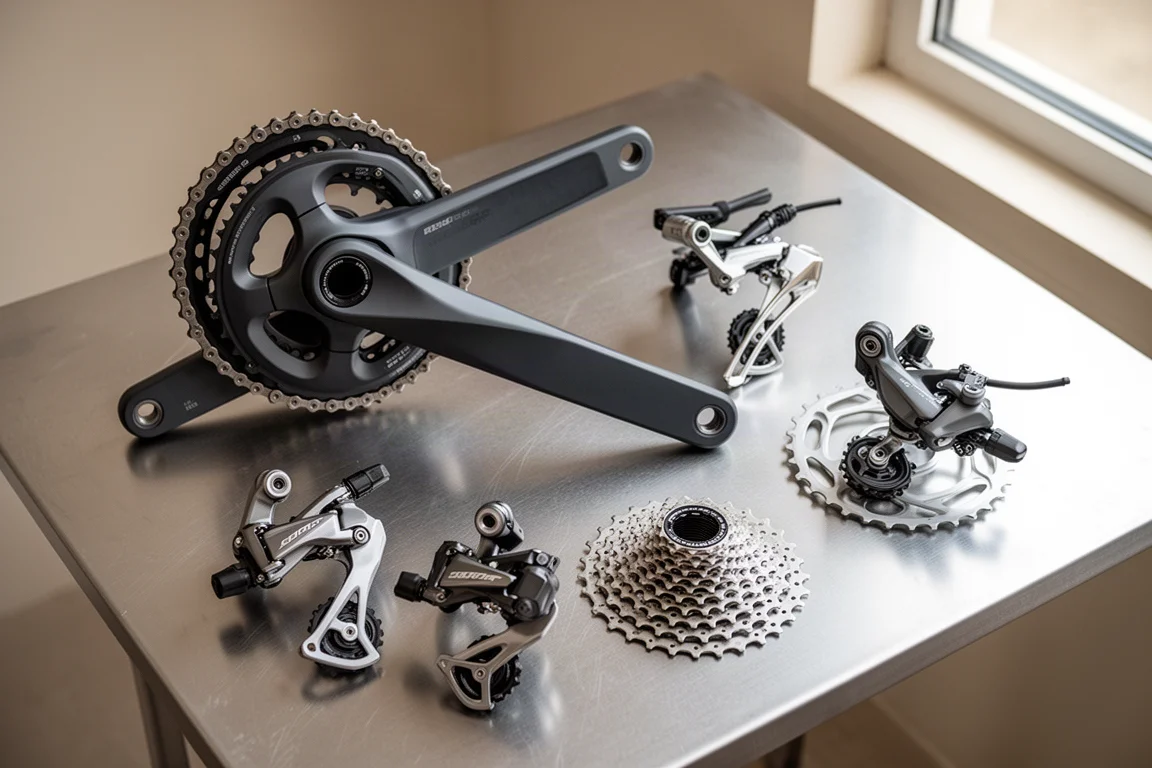
Campagnolo Record: Mechanical Shifting at Its Finest
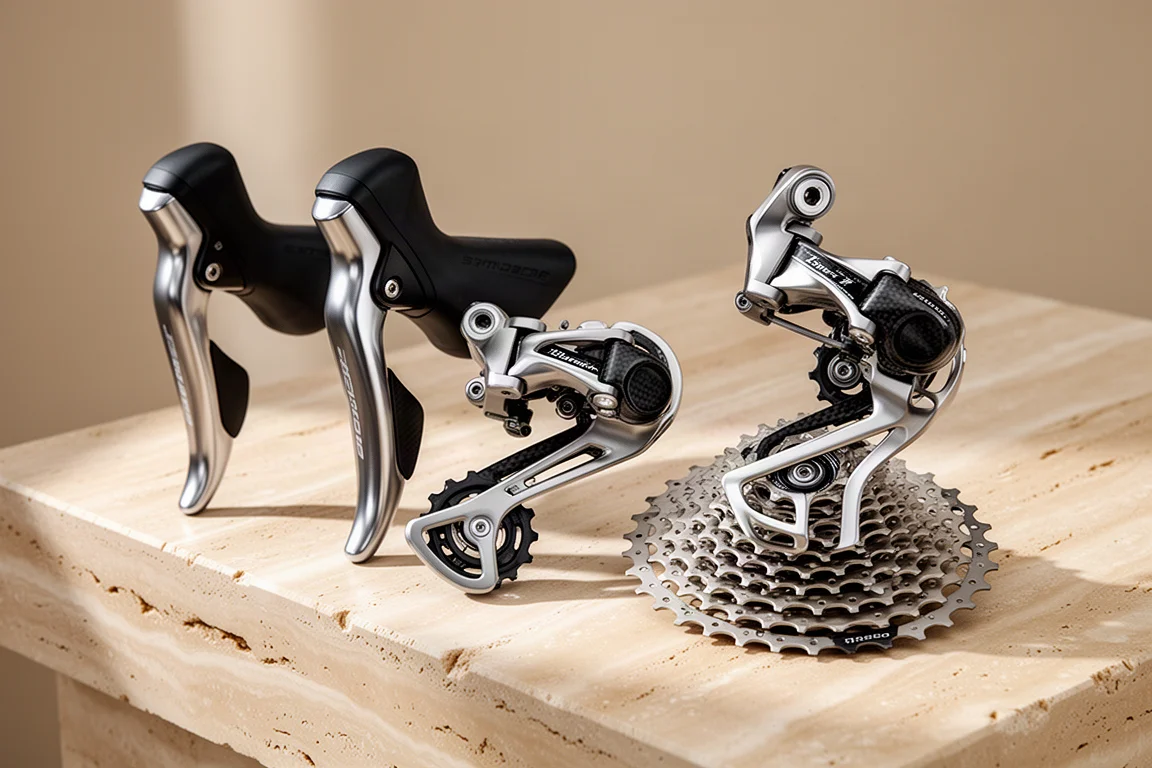
Record is a 12-speed mechanical groupset, and despite having been on the market for several years it remains a terrific performer and probably the best mechanical groupset ridden to date. Shifting is brilliantly precise, the carbon lever blades make the hoods a happy place to put your hands, and there is no mistaking when you have changed gear.
That reassuring clunk and the meaningful feel of a cable moving the derailleur is something electronic shifting has not replicated. The Ultra-Shift mechanism is a particular highlight, allowing you to downshift up to five gears at once, which no other brand’s mechanical groupset offers. The carbon crankset is a work of art, and the hydraulic disc brakes are phenomenal, with plenty of power and modulation, and are easily the best of the big three.
Record does not have its own namesake chain and cassette, so the sensible route is the Chorus-level option rather than Super Record, since chains and cassettes are wear items and the extra expense is hard to justify. The one real gripe is front derailleur shifting, which is not quite as refined as Shimano’s: the shift does not feel as light and the trim feature takes some getting used to, although setup is easier. The 12-speed chain still uses a joining pin rather than a quick link, which is a small step behind the competition.
Shimano Ultegra Di2: Flagship Performance for Less
Ultegra Di2 has been in near-constant use for nearly a year, and it has proven itself both a brilliant update over the previous version and more than a match for the more expensive Dura-Ace. The mechanics of the brakes and the electronic derailleur systems are identical to Dura-Ace, which means Servo Wave assisted braking, better clearances, and an improved shape and feel at the levers.
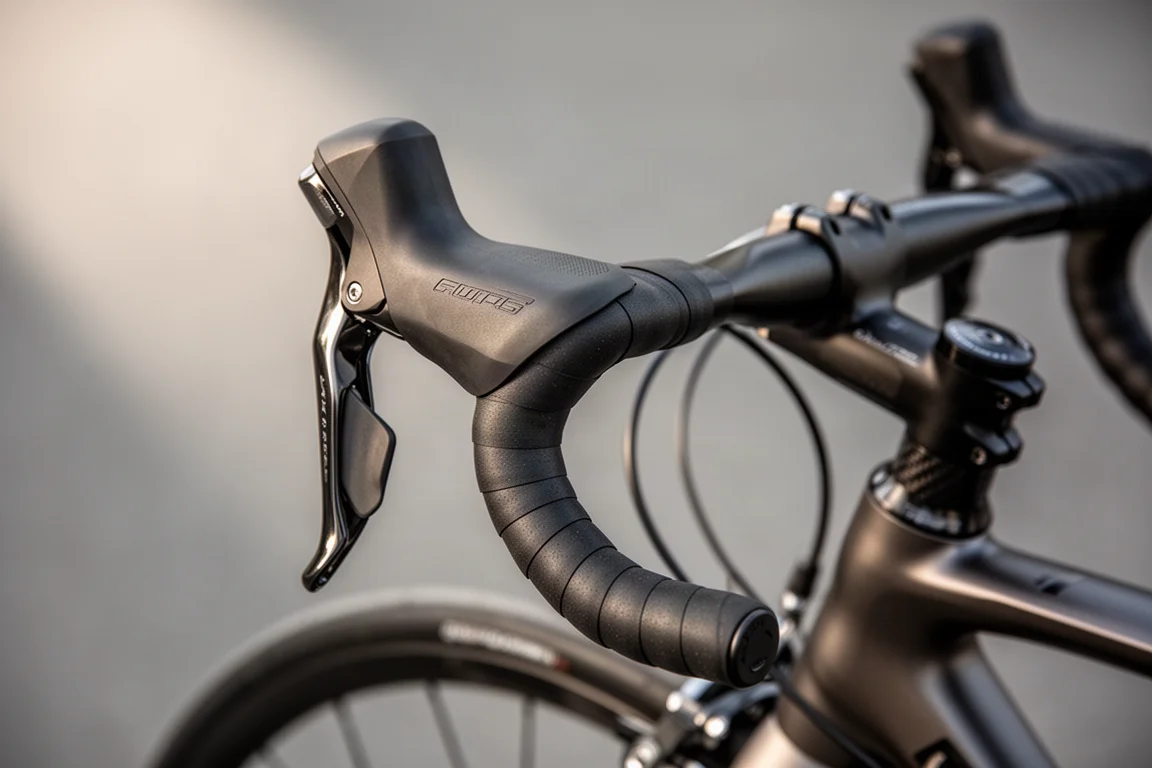
Shifting is quick, accurate and reliable, and the semi-wireless system removes the wiring from the shifter to the derailleurs for a much cleaner looking bike. Bluetooth is built in, so head unit control and access to the Di2 options through Shimano’s app come without extra parts. The large capacity seat tube battery remains, so it is worth keeping an eye on wires when removing or refitting a seat post, but the charging port is now integrated into the componentry, which removes the need for a junction box under the stem, at the bar end or inside the frame.
Across a full year of riding the shifts have stayed accurate, slick and smooth without any tweaking, and the braking has been exemplary in every instance. Ultegra does everything Dura-Ace does while costing more than a thousand pounds less. Dura-Ace saves 411g, roughly the weight of a three-quarter-full 500ml water bottle, and that is essentially what the extra money buys.
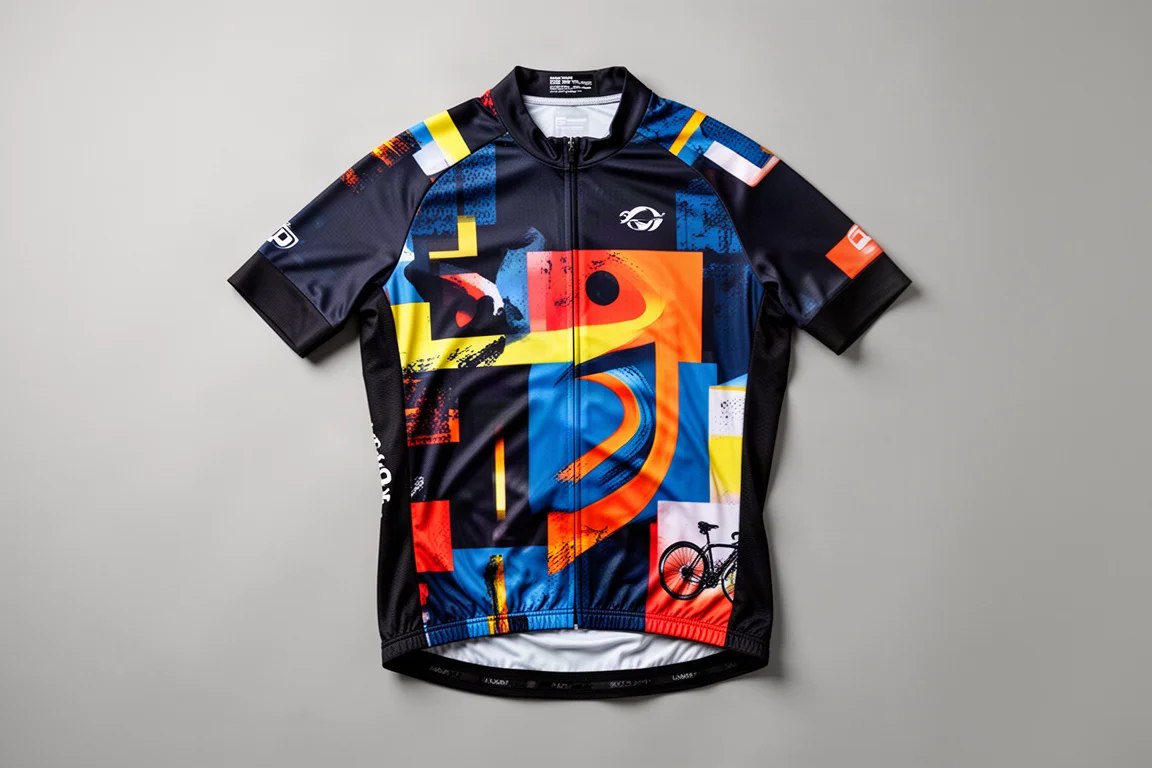
Alé Kenya Jersey: Aero Comfort for Long Days
The print design of the Alé Kenya jersey is almost enough reason on its own to include it, and it does deliver an ego boost when other riders pay compliments mid-ride. It is a love-it-or-hate-it look, but it is not here on looks alone.
The construction and fit suit long-distance riding particularly well. Two different fabrics are used: a micro aero fabric on the front and sides, with small perforations visible up close, provides a decent aerodynamic fit with plenty of breathability when things get hot. The back panel has carbon woven into the fabric, chosen for its antibacterial properties, which is genuinely useful on multi-day rides where the same jersey gets worn more than once.
The overall fit strikes a good balance between aerodynamic and racy on one hand and comfortable and flexible on the other. Eating bigger meals during a long ride inevitably means a bigger stomach, and this jersey allows for that extra stretch where others do not. The rear pockets are stretchy enough to take extra layers while staying stable, so the contents do not swing around left, right and centre.
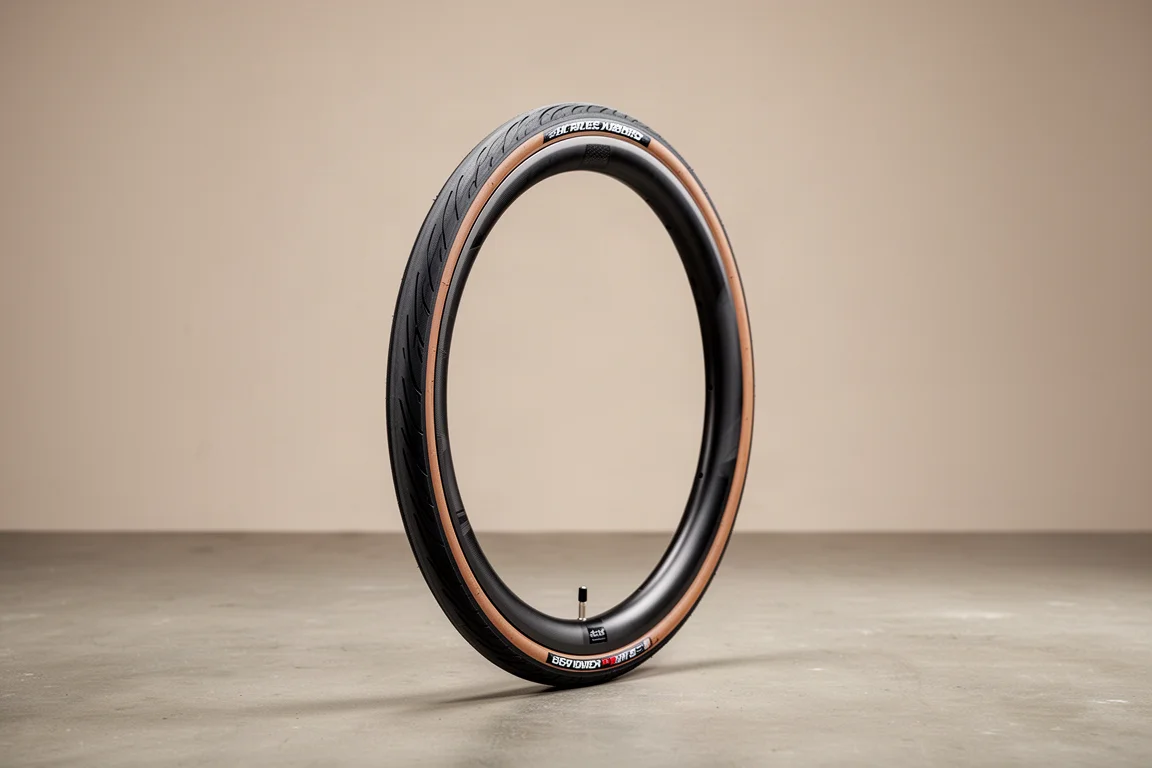
Pirelli P Zero Race 4S: Speed and Durability in Balance
Fitting a better set of tires is one of the most effective upgrades available for any bike, and the P Zero Race 4S has had a bigger impact on everyday riding than anything else used this year. It might seem an odd pick given that faster, lighter and more supple options exist, including the Continental GP5000 S TR and the GP5000 clincher, along with highly rated Vittoria Corsa tires in a couple of flavours.
What sets the P Zero Race 4S apart is its blend. It uses the brand’s race-derived SmartEVO compound and a 120 threads per inch casing, and tips the scales at just 261g per 28c tire. That is around 20g more than the lightest and fastest tires around, but there is more compound here, which presents a thicker barrier between the inner tube and road debris. There is no super-sturdy puncture prevention belt, but the TechBELT layer combined with the extra compound preserves the tire’s compelling performance and ride feel while improving puncture resistance.
In more than six months of regular use there has not been a single flat, which is meaningful peace of mind for anyone who wants performance without an excessive risk of standing at the roadside swapping an inner tube. Tubeless has its advantages in that regard, but a traditional clincher setup is still easier to deal with when something does go wrong. The result is a tire that is fast enough not to deny the experience of riding on racy carbon rims, sturdy enough for year-round abuse, and grippy when the road is wet, all while providing plenty of feel.
Buying Advice: Matching Gear to Your Riding
The most useful question to ask about any of these products is what kind of riding you actually do. A commuter facing unlit paths and freezing spray will get far more from robust winter overshoes and a dependable tire than from a weight-saving groupset, while a rider chasing personal bests on fast group rides will feel the difference in stiff shoes and precise shifting.
For indoor training, the value argument is unusually clear: a direct-drive trainer that is quiet, accurate in most scenarios and affordable removes the main barriers to consistent winter sessions. Where budget allows, the higher tiers of groupset and shoe bring genuine refinement, but the gains are incremental compared with getting the fundamentals right.
Two further points are worth weighing before buying. First, consumables matter: chains, cassettes and tires wear out, so spending less on those and more on frames, wheels and contact points is usually the smarter split. Second, fit and comfort beat specifications every time, which is why a well-shaped jersey or a comfortable racy shoe tends to stay in rotation long after a flashier purchase has been retired.
Conclusion
None of these seven products is the cheapest or the most exotic option in its category, and none of them is flawless. What they have in common is that they solve a specific problem well enough to keep earning a place on the bike, season after season. That is the standard worth buying to.
Further reading
Related Reviews
Cycling Gear
8 Cycling Products Riders Keep Coming Back To
Eight cycling components and accessories with clear strengths, honest trade-offs and long-standing reputations among riders and mechanics.
Cycling Gear
Aero Helmets and Bottle Setups Tested: Six Options Ranked by Measured Watt Savings
Wind tunnel data on six aero helmets and bottle setups, with real watt savings, practical trade-offs, and guidance on what is worth buying first.
Cycling Gear
Aero Road Bikes and Fast Tires Worth Watching in 2026
Four aero road bikes and one fast road tire, with the real strengths, the open questions, and what to check before you buy.