Cycling Gear
Cycling Gear of the Year Picks: Seven Upgrades Worth Considering
Seven cycling products that earned their place through long-term use, from a premium trail fork to a compact saddle-mounted tool carrier.
Introduction
Some cycling purchases are forgotten within a season. Others quietly become the first thing you reach for, the item you stop thinking about because it simply keeps working. The seven products in this roundup fall into the second group, chosen from a year of riding that mixed fast trail centre laps, slow technical descents, long alpine days and one six-week bikepacking trip.
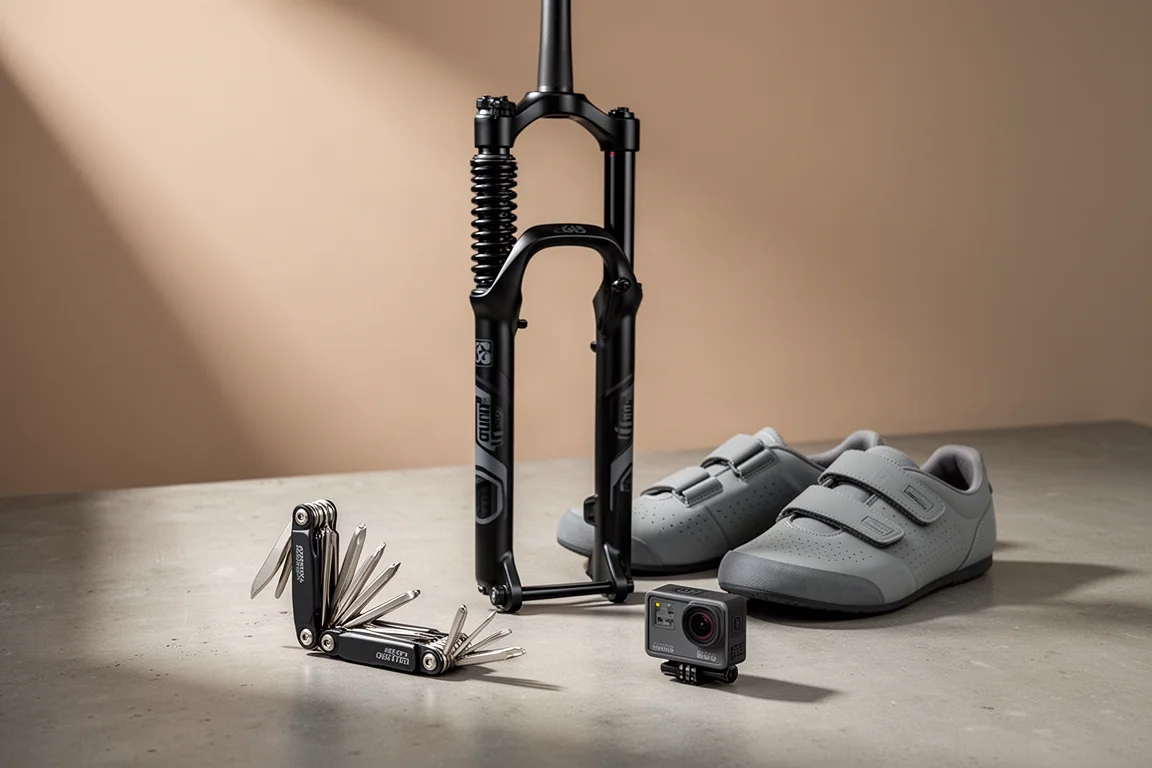
The spread is deliberately broad. There is a premium trail fork built around a new damper design, a workshop stand that has survived well over a decade of abuse, an ultralight two-person tent designed specifically for bike travel, a dropper lever that fixes one of the most irritating contact points on a mountain bike, an action camera that changes how footage is framed, a flat pedal shoe, and a small saddle-mounted tool carrier that moves your spares off your back.
How These Picks Were Chosen
Longevity carried the most weight. Anything that only impressed on a first ride was set aside, and preference went to products that were still doing their job after months of hard use in bad weather. Durability of the design mattered as much as the finish, so simple mechanisms that resist wear scored better than complicated ones.
Ride feel came next. Adjustability only counts when it actually changes how a product behaves on the trail, and comfort only counts when it holds up over hours rather than minutes. Value was judged against the whole picture, including how long an item is likely to stay in service and whether a cheaper alternative exists that does the same job.
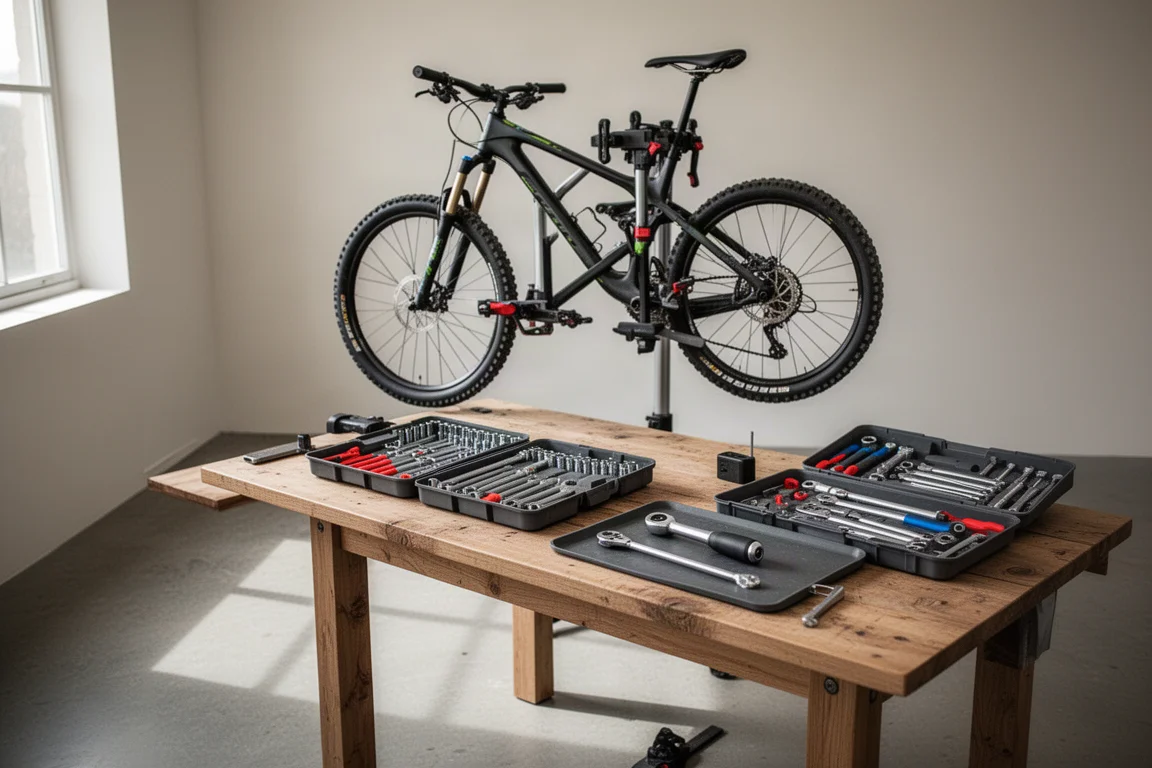
Practicality closed out the criteria. Gear that removes faff, whether that means holding a bike steady while you wash it or keeping tools off your back, tends to be worth more than gear that adds a feature you rarely touch. Every product here solves a specific problem rather than chasing a specification sheet.
Best Suspension Fork: RockShox Zeb Ultimate
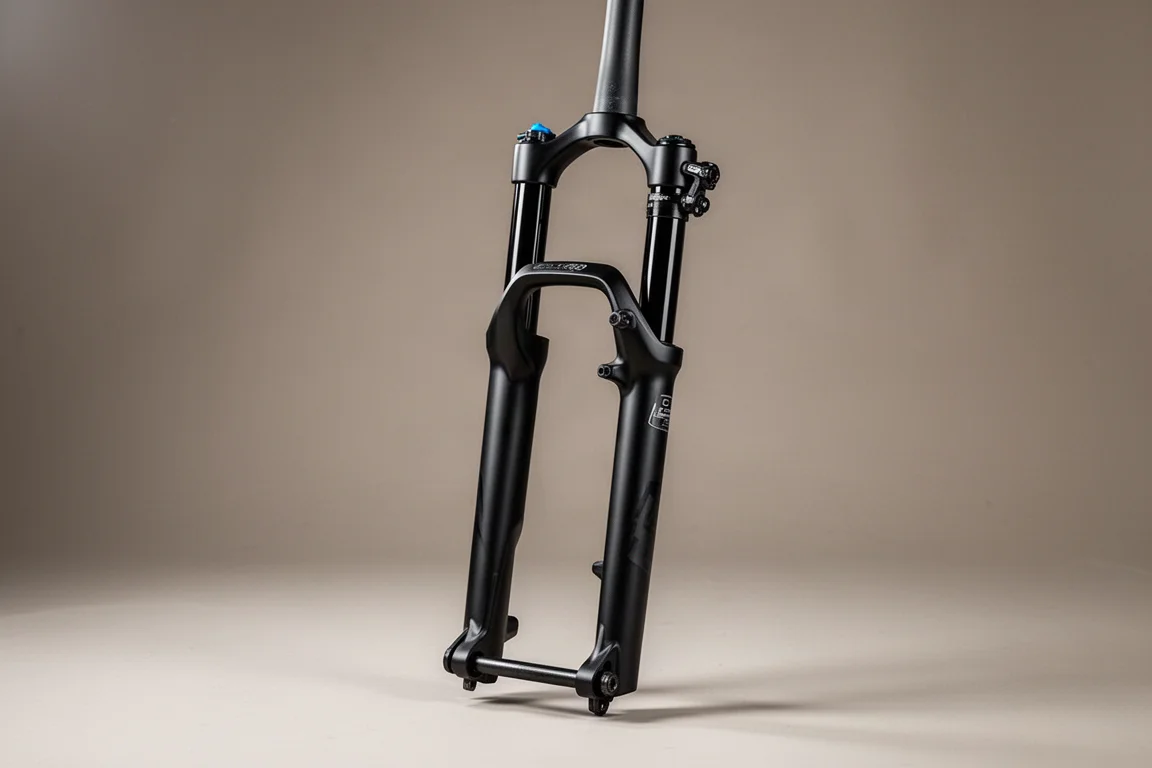
The Zeb Ultimate centres on the Charger 3 damper, which pairs a coil spring backed internal floating piston with two separate valving assemblies for high and low speed compression. The aim is to keep those two adjustments genuinely independent, so changes to one do not muddy the other. RockShox also added Buttercup technology intended to reduce high frequency vibrations, pressure relief valves, and an entirely new DebonAir air spring.
On the trail, the first thing that stands out is how quiet the fork runs. Oil control during the rebound stroke means there is none of the wheezing or gurgling as the fork extends back to full travel after a big hit.
The adjusters are the bigger story for lighter riders. At around 68 kg, it is finally possible to make meaningful changes to the low and high speed compression settings, whether conditions shift or the ride moves from fast, open tracks to slow technical trails. The adjustment window feels deliberately widened so the fork responds to input rather than sitting at one end of its range. Racing brutal, unsighted terrain confirmed the rest: the fork stays supple and forgiving when you need traction on loose alpine ground, yet never lacks support when the bike has to be propped up and pushed from line to line.
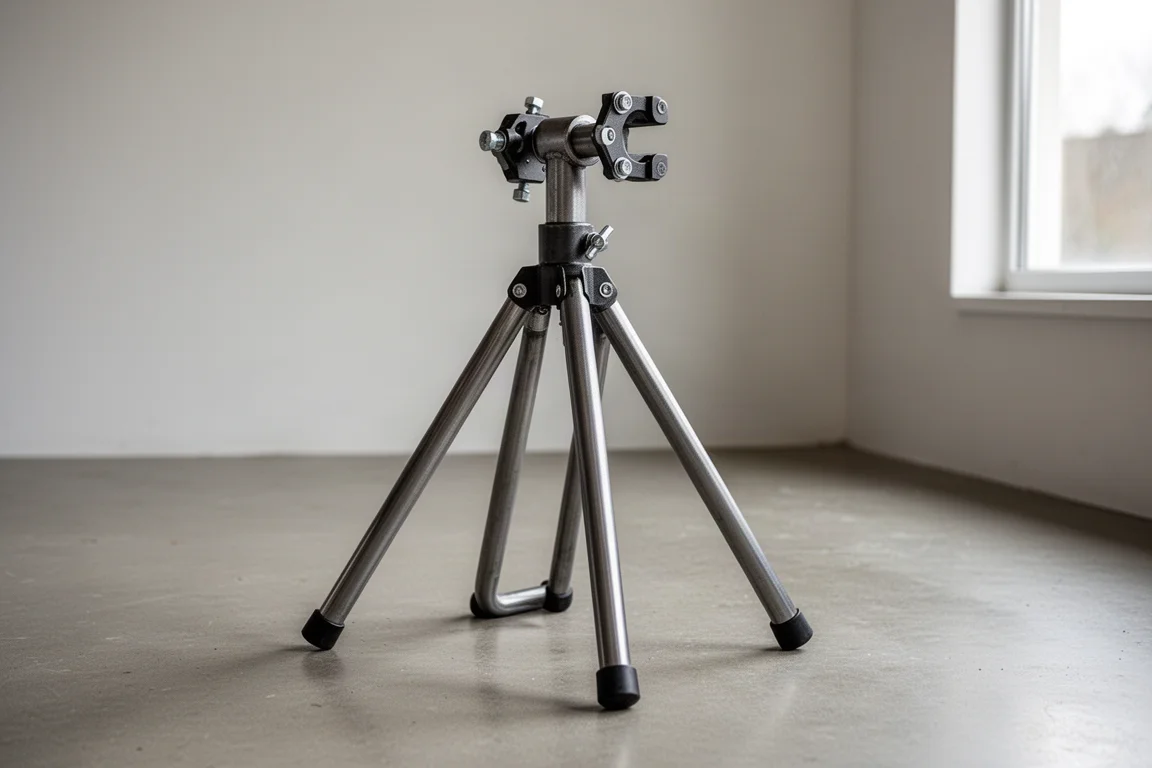
Best Work Stand: Park Tool PCS-9.3
The PCS-9 has been a fixture in home workshops for years, and the current PCS-9.3 is the third generation in that line, following the PCS-9.2. The design philosophy has not changed. The clamping jaws fasten with a bolt and nut, a system that is close to impossible to break, and the rotation function is just as simple. The legs and upright are made from metal tubes with the weight and feel of scaffolding poles.
That simplicity explains the lifespan. An original PCS-9 has been used almost daily for close to fifteen years, travelling in the back of a van to remote hillsides, moving between houses and still clamping the next bike without complaint. It supported 20 kg downhill bikes in its time and is more than robust enough for a 28 kg electric mountain bike today.
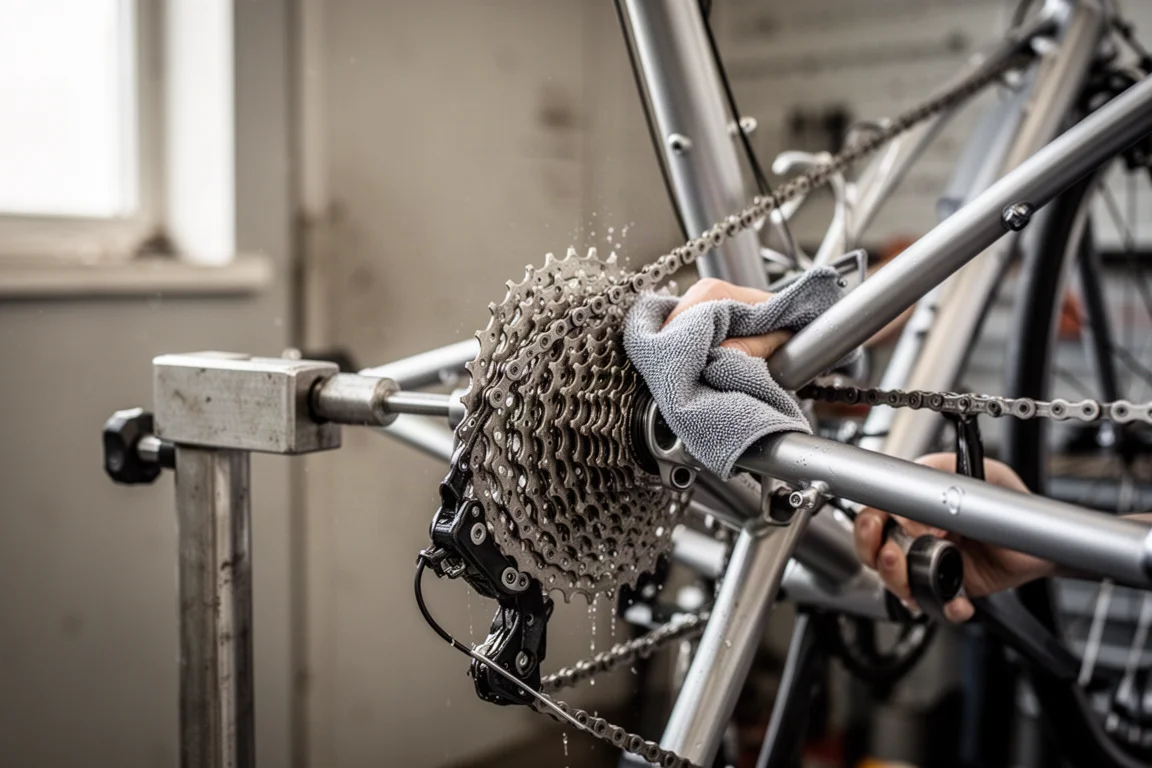
The trade-off for that simplicity is adjustment range rather than strength, so heavier and more complex bikes need a little more care when positioning the jaws. Cost has risen with each iteration, and the PCS-9.3 now carries a suggested price of 284 pounds 99 pence, well above the roughly 80 pounds the original version cost. Even so, for anyone who just needs to hold a bike still during a service or a post-ride wash, this remains one of the most dependable tools a home mechanic can own.
Best Bikepacking Tent: Big Agnes Copper Spur HV UL2 Bike Pack
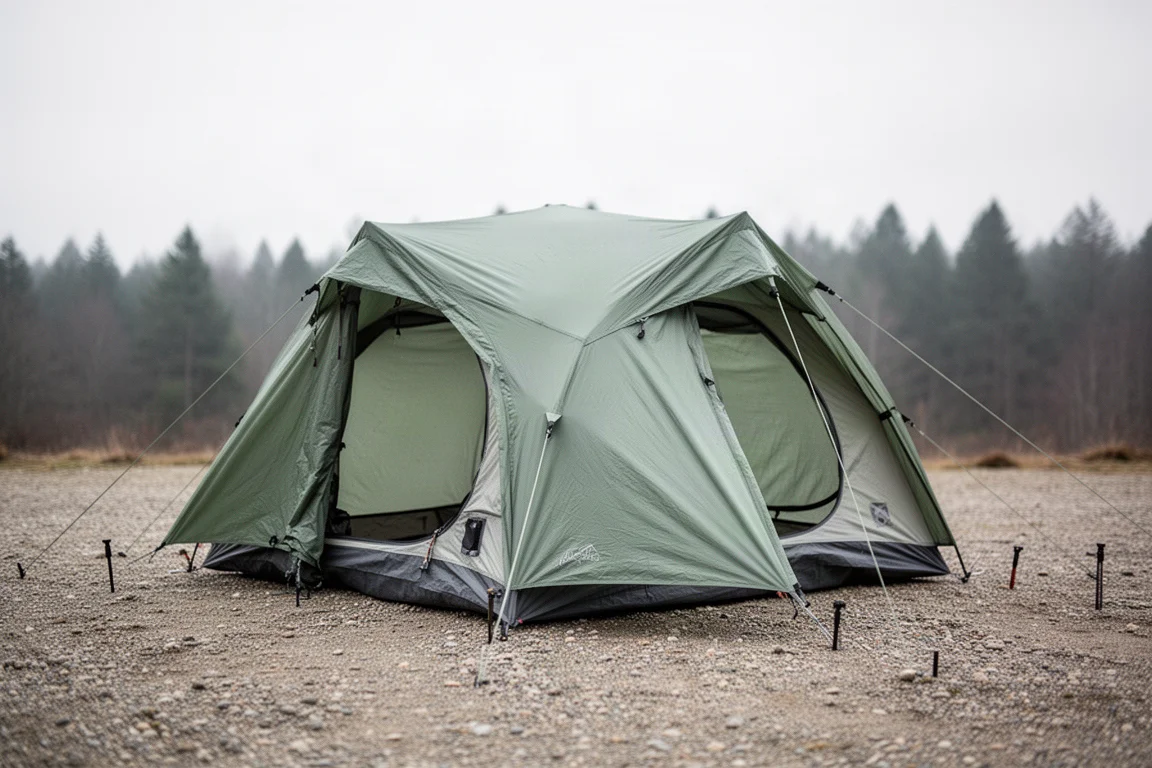
After fifteen years away from tent shopping, the range of options now available is genuinely impressive, and the Copper Spur HV UL2 Bike Pack stands out for how closely it matches the needs of bike travel. It keeps weight low enough to stay well under a two kilogram target for the roof over your head, and two-person sizing gives a solo rider real breathing room instead of the cramped juggling act of a one-person shelter.
The bike-specific details are what separate it from a general-purpose backpacking tent. Short pole sections pack into a compact bundle that sits neatly between the drops, and the muted colour helps when camping discreetly. Two vestibules keep dirty shoes and unwashed pots outside the sleeping area, and the internal architecture is tall enough to sit upright without contorting.
Best Dropper Lever Upgrade: Wolf Tooth Remote Dropper Lever
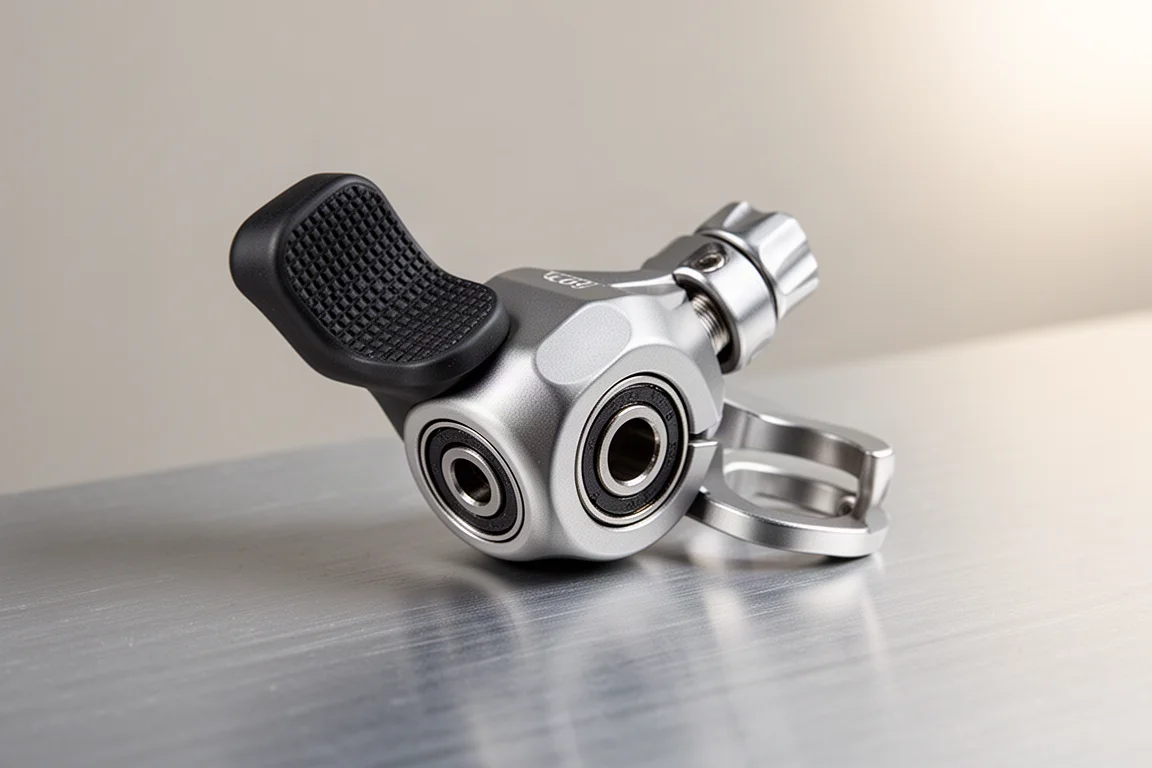
A dropper lever is a small component that can ruin the feel of an otherwise excellent bike, and the Wolf Tooth Remote is one of the more convincing fixes. It uses a textured grip and a 21 millimetre sealed cartridge bearing for a smooth action, and crucially there is no play in the lever, which is a common problem on many alternatives.
The detail work is thorough. There is a machined path for the cable routing and a custom pinch bolt that clamps the cable without damaging it, plus a well-designed barrel adjuster with a smooth action. Wolf Tooth also engineered a failure point that lets the lever break away from its base in a crash, a feature worth having even if you hope never to test it.
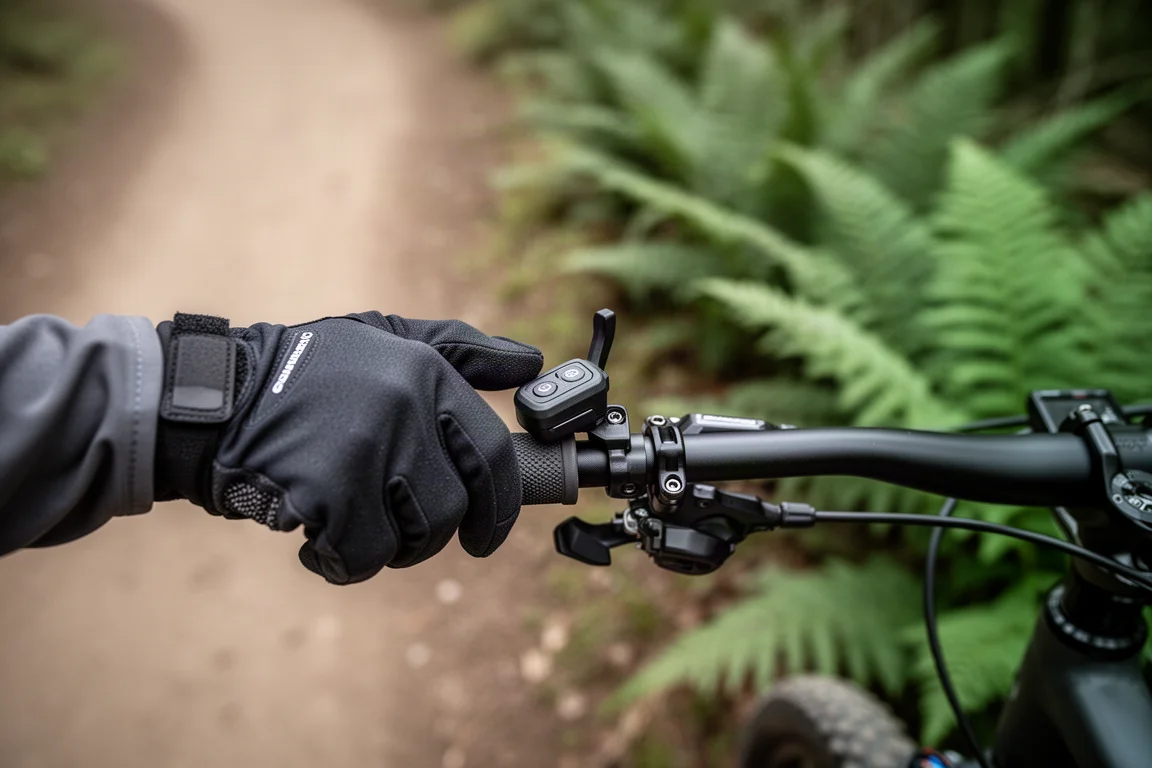
Compatibility is broad: the remote works with all cable-actuated dropper posts, the cable head can be housed at either end, and Wolf Tooth makes clamps to suit different brake setups, including the 22.2 millimetre hinge clamp used here. At 87 pounds or 83.99 US dollars it sits among the pricier aftermarket levers, but it is a contact point you spend a lot of time using, which makes the outlay easier to justify.
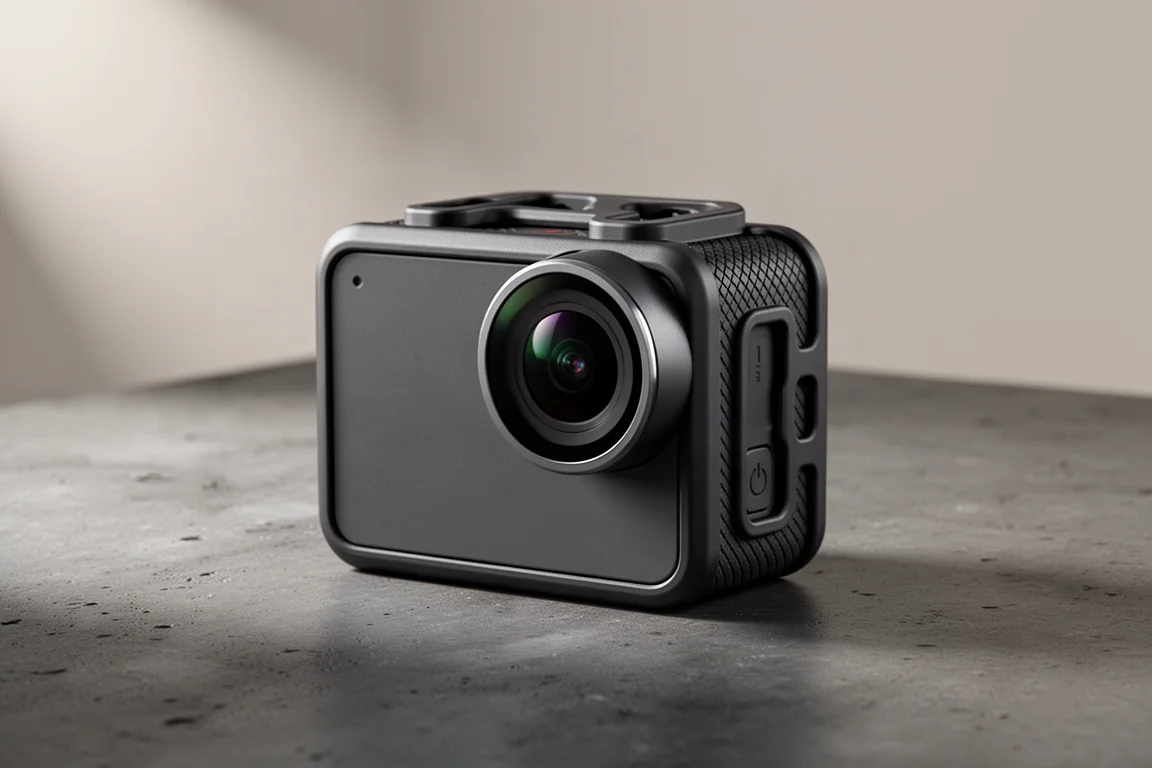
Best Action Camera: Insta360 ONE RS
The ONE RS is a modular action camera that pairs with a 360 lens and a chest mount to change how trail footage is captured. Rather than committing to a single framing, the 360 lens lets you shoot first and decide the composition later, and the companion app makes reframing footage an intuitive process as you work through a descent.
Horizon leveling keeps the image steady through awkward corners, and the fisheye look that comes with the 360 lens is genuinely enjoyable rather than something to correct. It gives a stronger sense of speed and a more realistic impression of what the trail felt like, which matters when the footage is the record of the ride.
The modular body and GoPro-compatible mounting options make the camera easy to move between setups. The Twin Edition pack at 499 pounds 99 pence or 549.99 US dollars includes the body, battery, mounting cage, 360 lens and 4K boost lens. A standalone kit is also available, but it ships with the 4K boost lens only.
Best Flat Pedal Shoes: Giro Latch
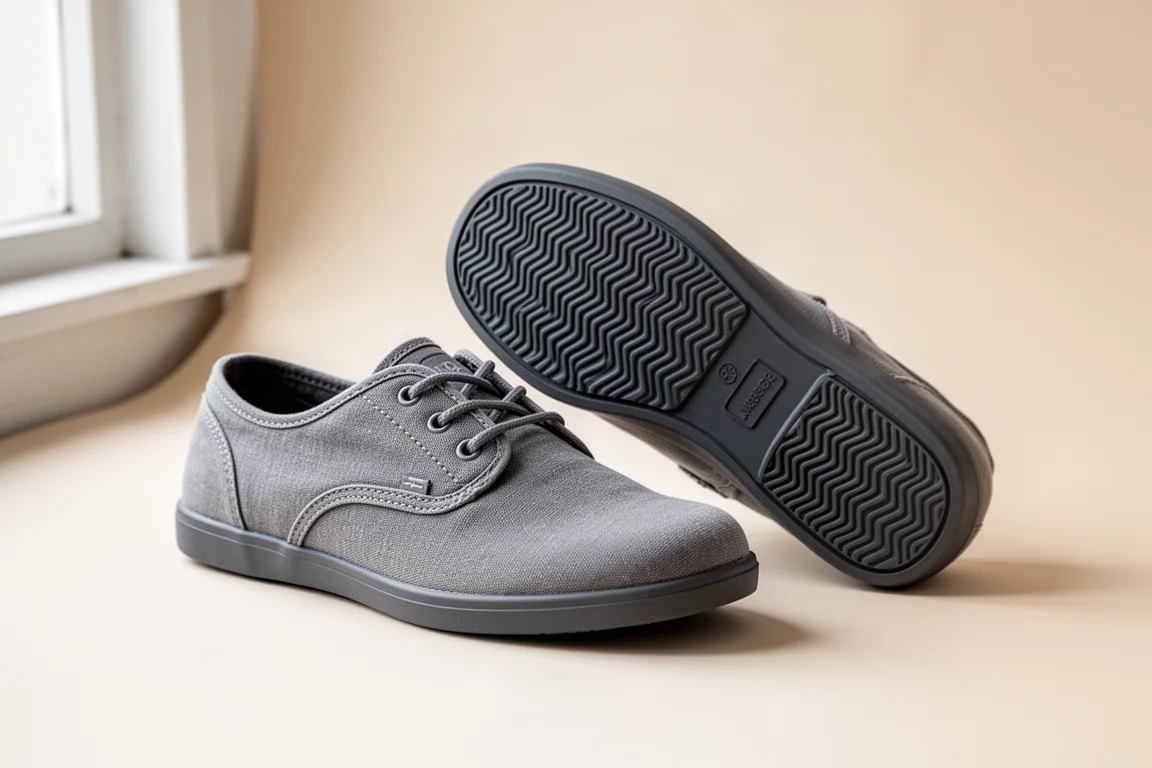
Flat pedal shoes rarely come as a surprise, which makes the Giro Latch worth noting. The styling is casual enough that the shoes look at home at the skate park or in a pub, so there is no need to change footwear between riding and everything else.
Comfort is the second strength. They slide on easily and feel supportive without being noticeable in use. The sole is the real achievement: it strikes a balance between support and suppleness, with enough resistance that the foot does not fold around the pedal and enough compliance to generate good grip. They are not as tenacious at sticking to pedals as Five Ten Stealth rubber or Ride Concepts rubber, but they are easier to reposition, which suits fun rides with friends, trick attempts and drifted corners more than chasing timed segments.
At 129 pounds 99 pence or 150 US dollars, they sit in the middle of the flat pedal shoe market, and they can often be found cheaper online.
Best On-Bike Tool Storage: Fizik Alpaca Tool Carrier
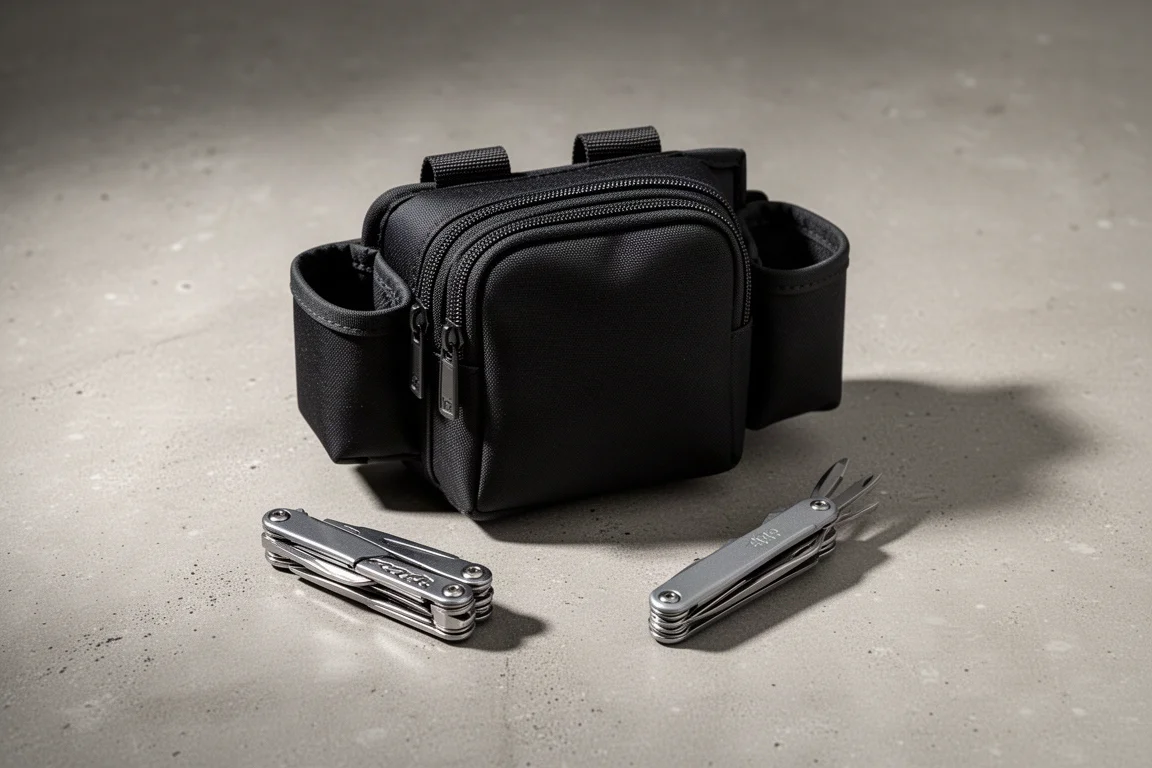
The Alpaca Tool Carrier bolts underneath a Fizik Alpaca Terra or Alpaca Gravita saddle, and it is a neat piece of design. It tucks away where nothing can snag on it, and the contents cover most trailside emergencies in one place.
The central pouch holds a 12-function multi-tool with Allen keys from two to eight millimetres, T10 and T25 torque wrenches and two screwdrivers. Most cleverly, the tool doubles as an inflator. The side pouches are spaced for two removable 16 gram CO2 cartridges, and a single cartridge plus a plug-based tubeless repair kit, which includes ten plugs, fits comfortably in the second pocket. Without the cartridges, the saddle and carrier together weigh 374 grams, which is not significant if you would otherwise be carrying the same equipment separately.
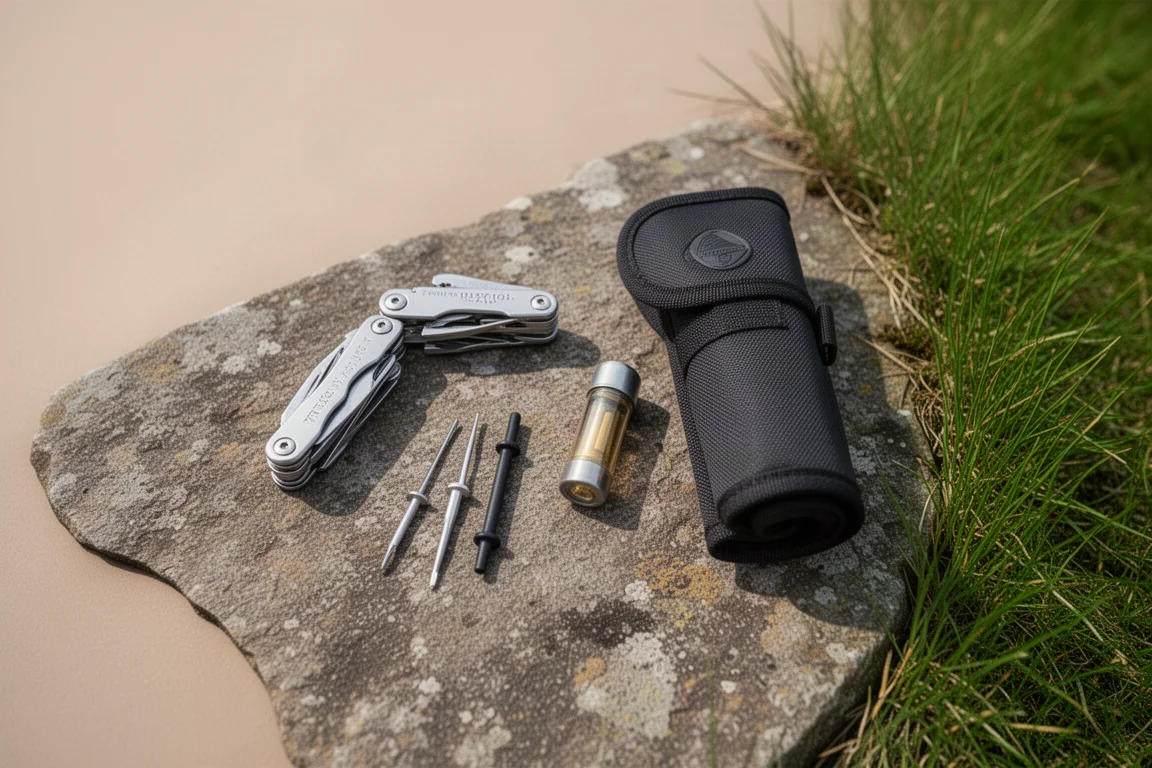
The compact and robust nature of the setup is what makes it work. Everything needed to fix a puncture travels securely and in one place rather than rattling around a jersey pocket. The tool carrier with multi-tool retails at 39.99, while the accompanying Alpaca Terra saddle is 89 pounds 99 pence and the Alpaca Gravita is 79 pounds 99 pence.
Buying Advice
The right order to upgrade in depends on where your riding actually hurts. Riders who spend their time on steep, technical descents and want to tune a fork to their weight will get the most from a damper-led suspension upgrade, while anyone who services their own bike will find a solid work stand pays for itself in frustration saved long before it wears out.
For riders planning multi-day trips, the tent is the item that changes the shape of a journey, since low weight, packed size and vestibule space determine how you load the bike and where you can stop. Cockpit and storage upgrades are cheaper and easier to justify: a dropper lever improves every descent, a saddle-mounted tool carrier removes weight and bulk from your pockets, and a flat pedal shoe with the right balance of grip and adjustability makes casual riding more enjoyable.
Cameras sit in a different category. If you already film your rides, the value comes from the creative options a 360 lens opens up rather than from image quality alone, so decide whether reframing and horizon leveling are features you will actually use. Across all of these products, the common thread is that each one addresses a specific, repeatable problem rather than adding a feature you will forget about.
Conclusion
None of the seven products here are the cheapest option in their category, and none of them are complicated for the sake of it. The Zeb Ultimate earns its price through a damper that lighter riders can finally tune properly and a ride that stays composed on rough terrain. The PCS-9.3 continues a lineage of work stands that simply refuses to break, the Copper Spur HV UL2 Bike Pack is shaped around the realities of bike travel, and the Wolf Tooth Remote fixes a contact point that many riders tolerate for far too long.
The Insta360 ONE RS brings a different kind of flexibility to filming, the Giro Latch proves that a flat pedal shoe can be comfortable, casual and grippy in the right proportions, and the Fizik Alpaca Tool Carrier shows how much sense it makes to keep your repair kit on the bike instead of on your back. Match any of them to the riding you actually do and the upgrade is easy to justify.
Further reading
Related Reviews
Cycling Gear
8 Cycling Products Riders Keep Coming Back To
Eight cycling components and accessories with clear strengths, honest trade-offs and long-standing reputations among riders and mechanics.
Cycling Gear
Aero Helmets and Bottle Setups Tested: Six Options Ranked by Measured Watt Savings
Wind tunnel data on six aero helmets and bottle setups, with real watt savings, practical trade-offs, and guidance on what is worth buying first.
Cycling Gear
Aero Road Bikes and Fast Tires Worth Watching in 2026
Four aero road bikes and one fast road tire, with the real strengths, the open questions, and what to check before you buy.