Cycling Gear
Cycling False Economies: Where Cheap Gear Costs You More
Cheap eyewear and budget chain lube look like savings on the receipt, but both can cost more over time. A practical look at where spending a little more makes sense.
Introduction
Cycling offers plenty of genuine value, but it also has its share of purchases that look like savings on the receipt and turn into bigger bills later. The pattern is consistent: the low price is real, and so is what it costs you afterwards, whether that shows up as replacement parts, extra workshop time, or a compromise you would not knowingly accept.
This guide looks at two areas where the difference is clearest, and where spending a little more is easy to justify.
What Makes a Cycling Purchase a False Economy
A false economy is a saving that ends up costing more. In cycling terms that usually means one of three things: a product that wears out or fails far sooner than a better one, a product that creates extra work and extra purchases, or a safety compromise that only becomes obvious when something goes wrong.
Cheap products are not cheap because a manufacturer is feeling generous. Lower prices come from lower-grade materials, less precise manufacturing and less testing. On some items that trade-off is harmless. On others, particularly anything positioned between you and the road, it is not.
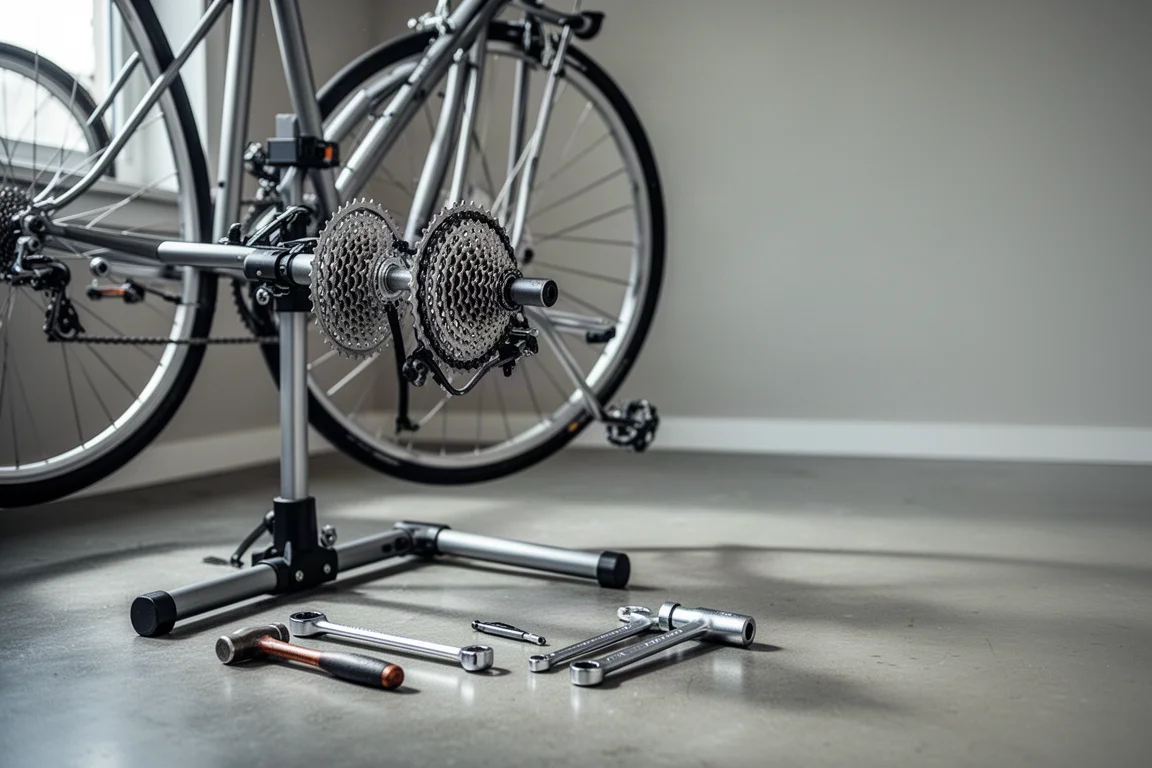
It helps to sort purchases by consequence rather than by headline price. Ask what happens if the product fails, and how soon you will have to replace it. Items that protect you, and items that protect expensive parts of the bike, are the two categories where the cheapest option is usually the poorest value.
Sunglasses: Why Counterfeit Eyewear Is a False Economy
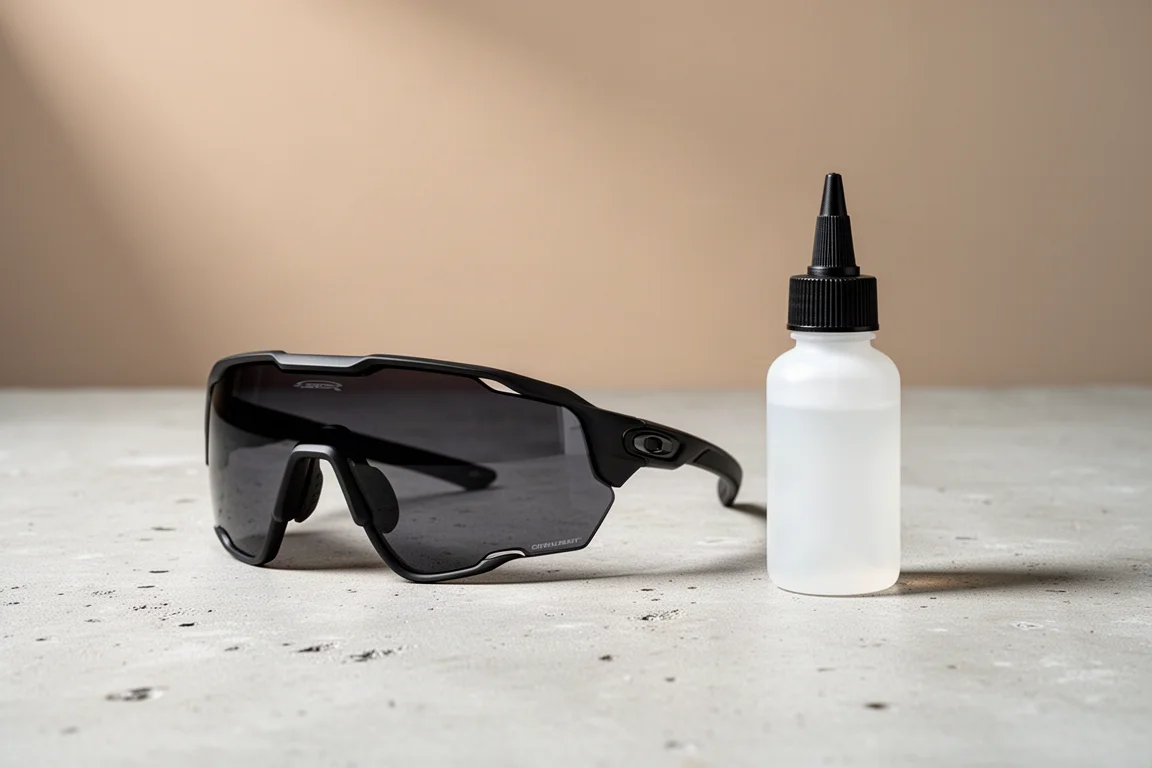
Cheap imitation sunglasses are everywhere, and in photographs they can look convincing. A pair that copies a well-known design often sells for roughly a tenth of what the genuine article costs, which is exactly why so many riders try them early on.
The difference shows up in the lens. Budget lenses can shatter rather than flex on impact. In one case a rider dropped a pair and watched the lens break apart as it landed. In another, a racer crashed and the eyewear shattered, leaving cuts around the eyes. Vision was not damaged that time, but it easily could have been. For a product that sits centimetres from your eyes at speed, that is a risk worth paying to avoid.
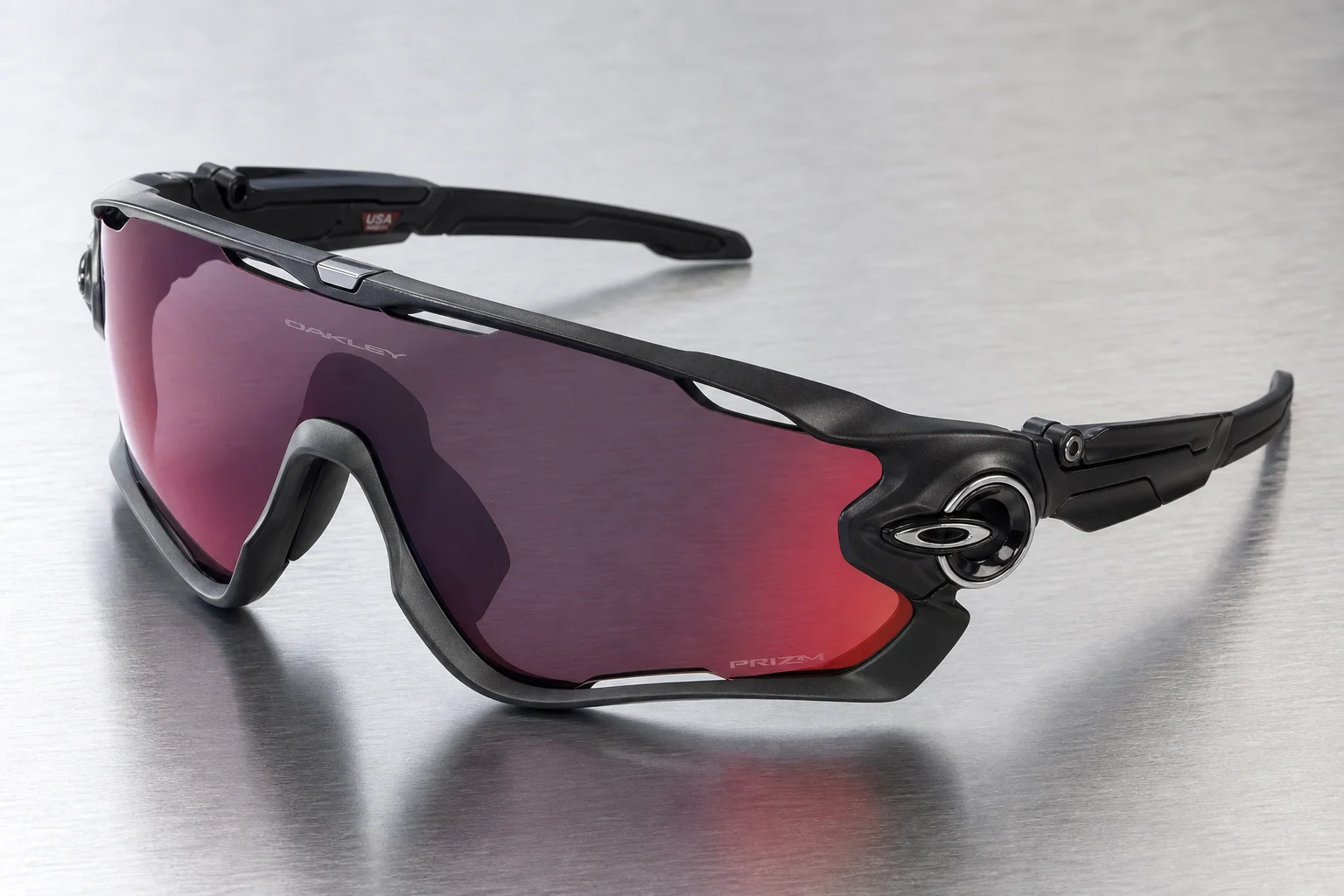
The Oakley Jawbreaker is a good example of the genuine article in this category, and it is the safer reference point whenever cheap copies are being considered. You do not need eyewear from a brand that sponsors a World Tour team. Safe, good quality glasses are available from reputable manufacturers for only a little more than the knockoffs cost, and the technological benefits that come with reputable-brand eyewear are part of what you are buying.
Chain Lube: Why Cheap Lubricant Costs More Over Time
Lubing a chain is basic maintenance, and the benefits go beyond a smooth, quiet and efficient drivetrain. A clean, freshly lubricated chain extends the life of the drivetrain, mainly the cassette and the chainrings. Since those are among the more expensive parts to replace, the lubricant you choose has a direct effect on your running costs.
Not all lubricants behave the same way. There are hundreds on the market, from a few pounds to hundreds of pounds, and the cheapest ones often wash straight off. One slightly wet ride can leave the chain effectively bare. Others turn black after two or three dry rides even when they were applied to a properly cleaned chain, which means another degrease and another re-lube, more time in the workshop and more cleaning fluid used up.
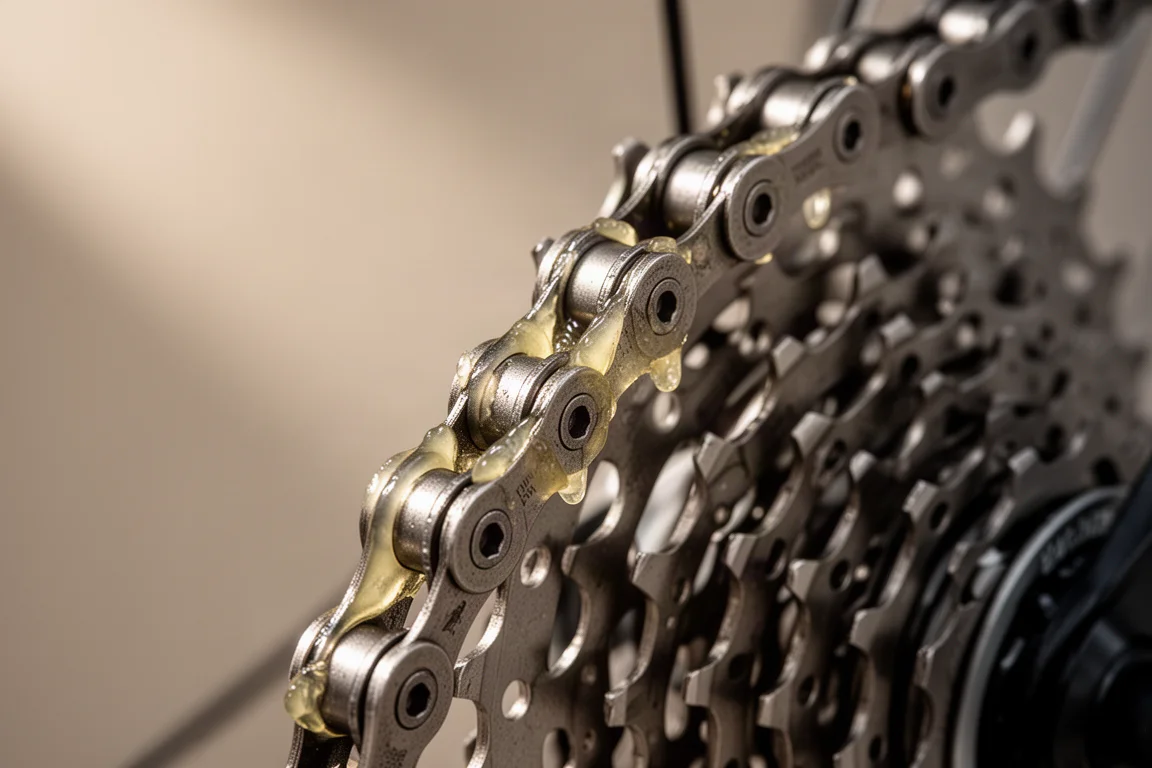
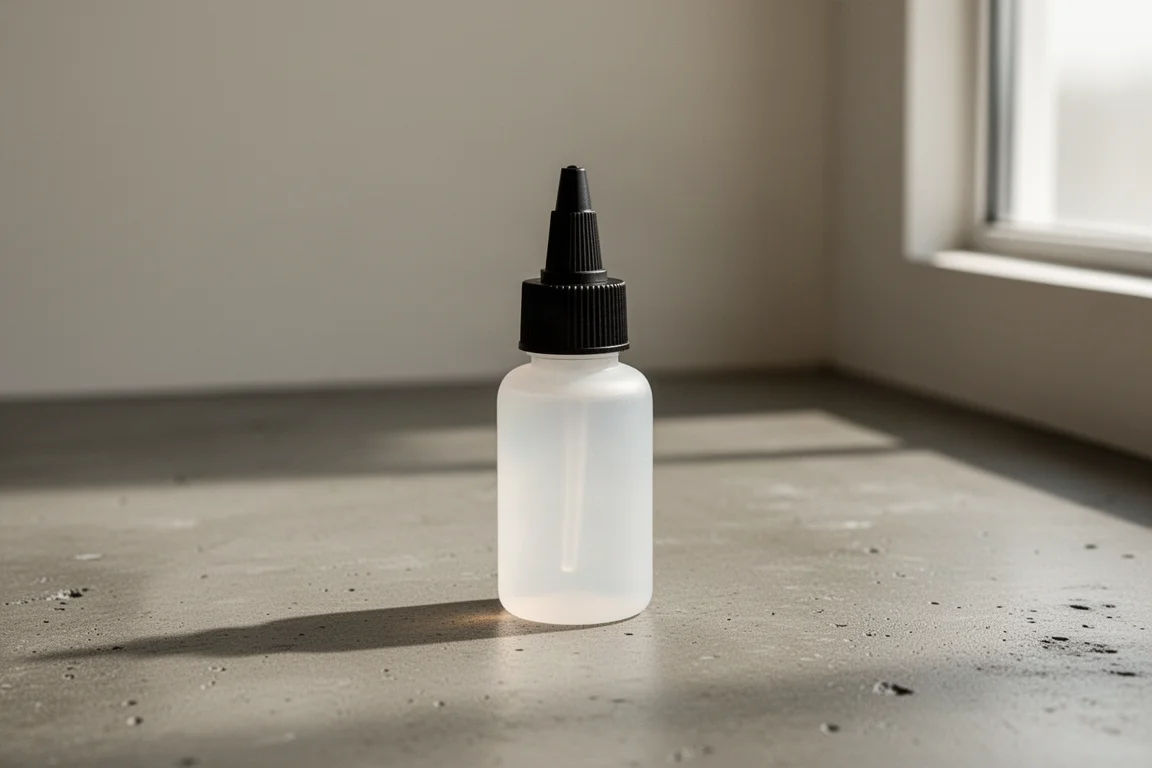
A wax-based lubricant is the better answer, ideally one that does not contain PTFEs. Squirt Lube is a strong option here, and it performs best when applied properly: run the chain through an ultrasonic cleaner, let it dry fully, refit it to the bike, then apply a drop to the inside of each roller and leave it to soak overnight. Wipe off any residual excess in the morning. Treated this way, the coating lasts far longer and stands up much better to water.
Wax-based lubricants cost more up front than the cheapest oils. In return you get far more life from each application, a smoother-running drivetrain and much less gunk and grime clinging to the chain, which is what actually protects your components. It also means you spend less time repeating the whole job.
Other Cycling False Economies Worth Knowing About
Cheap bib shorts are a familiar example. Testing clothing at three price points made the gap plain: the least expensive shorts fell short on fit, on the leg grippers and on the chamois. In the UK, spending from around 50 pounds typically brings the features found on top-end shorts, including a more tailored fit, better feeling fabrics, a higher quality chamois and a more durable build. Shorts that fit well and feel good make riding more enjoyable, which is the point of the purchase in the first place.
Ultra-cheap new bikes from large retailers are another. The list price is low, but a bike can cost less than half of its retail price to build, so the components are inevitably poor. Braking and shifting may not reach an acceptable standard, parts are likely to have a shorter lifespan through breakages or a lack of resilience to the weather, and the frame itself is the biggest weak point: heavy, built around less optimised geometry and not very forgiving. For the same money, a secondhand bike usually serves a new rider far better, and local bike shops are generally happy to help keep it running. A very cheap new bike can still serve a purpose for short journeys from one point to another, but as a route into cycling it tends to make riding less fun rather than more.
Low-quality tools are worth avoiding for a similar reason. Soft metal that has not been hardened or treated deforms under load, and a deformed Allen key is how bolt heads get stripped. Tools that are the wrong size also make it difficult to apply the correct leverage and torque, which is how bolts work loose. If you intend to work on your own bike, buy from a reputable brand and add tools as new jobs come up. If not, leave the maintenance to a professional, or borrow from a friend.
Latex inner tubes are a slightly different case. They were never a budget option; they were chosen for a supple, fast-rolling ride. They are also awkward to install, pinch very easily, lose pressure quickly and cost a lot. Tubeless has since covered the same ground on the road and delivers the same benefits. Tubeless brings its own fiddly problems, but unless you gash a tyre the financial implications are the same either way, so the inconvenience is mostly about time rather than money.
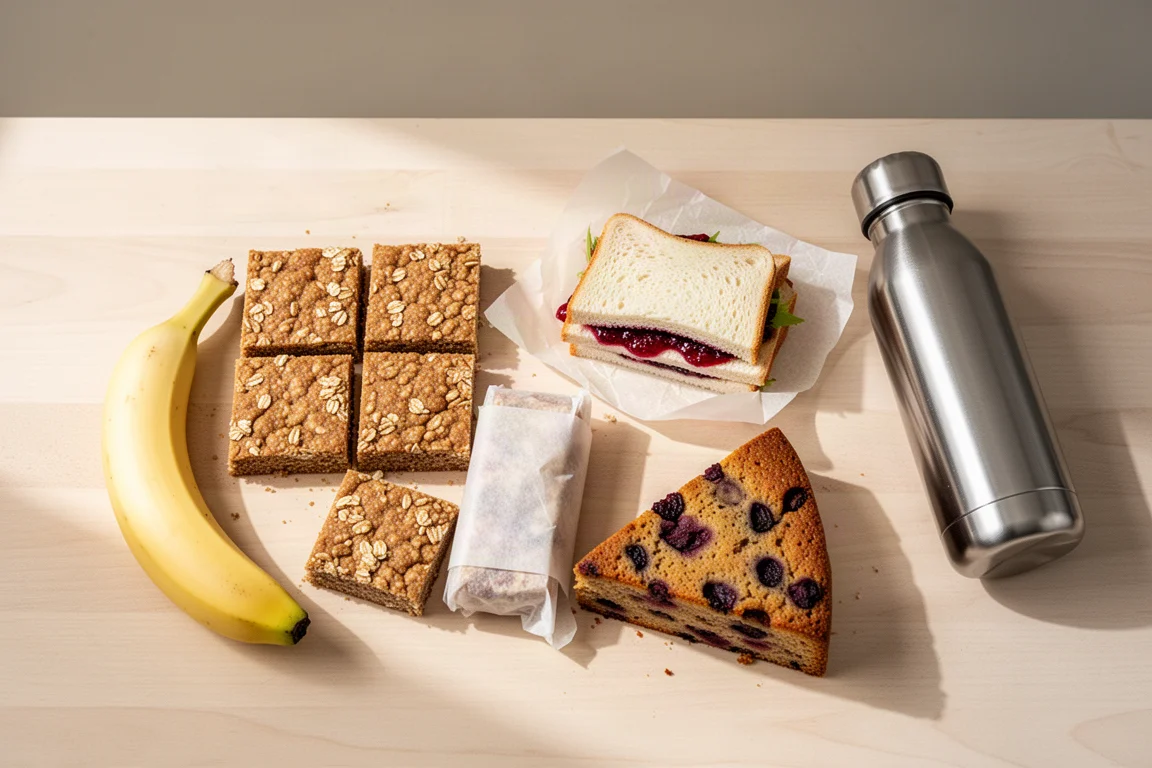
Sports nutrition is the final one. It is expensive compared with what you can make at home. Gels, chews, drink mixes and bars do come in more formats than most riders could replicate, they can be bought in multi-packs to reduce the cost per unit, and they offer a wide variety of flavours. That makes them genuinely useful on event days and in races, where you can track exactly what you are taking in and practise your feeding schedule. For ordinary training or a ride for fun, batch-cooked energy bars and cakes are much cheaper, do the same job and let you create flavours you would not find elsewhere. Bananas, flapjacks, jam sandwiches and fruitcake are all easy to carry, and protein from real foods covers most needs, with shakes added only when training load rises.
Where Cheaper Options Genuinely Make Sense
Not every saving is a false one, and it is worth being clear about where the money buys nothing meaningful.
Secondhand bikes are the clearest case. Spending the same amount on a used bike gets you something that originally cost far more, and it gives an existing bike a new lease of life. Homemade ride food is another: cheaper, more satisfying, and made to your own taste. Borrowing tools, or paying a shop for the occasional job, is often smarter than buying a full workshop kit you will use twice a year.
Subscriptions deserve an annual review as well. If an indoor training subscription sits unused through the months when you would rather be riding outside, pausing it until winter is a straightforward saving with no real downside.
How to Avoid a False Economy in Your Own Kit
The simplest filter is to ask what a product protects. Eyewear protects your eyes. Chain lube protects a drivetrain that costs far more than the bottle. Tools protect the parts you are working on. In each case the cheap version puts something more expensive at risk, which is the definition of a false economy.
The second question is how long a product has to last to justify its price. A wax-based lubricant that survives wet rides and keeps the chain clean works out cheaper per kilometre than a budget oil that washes off in a single damp commute. One pair of shorts that fits properly is better value than three pairs that do not.
The third is honesty about how you will actually use the product. There is little point buying event-day nutrition for a relaxed weekend ride, and little point buying workshop-grade tools if you would rather a professional handled the maintenance.
Buying Advice: Where to Spend and Where to Save
Spend where a failure is expensive. Eyewear, chain lubricant, comfortable shorts and reputable tools all fall into that group, because the alternative is damaged eyes, a worn-out drivetrain, clothing you avoid wearing or stripped bolts.
Save where the premium buys convenience you do not need. A secondhand frame, homemade ride food, borrowed tools and a paused subscription all deliver what they promise without putting anything at risk.
The two products worth starting with are the ones that protect something valuable every time you ride. Genuine eyewear removes a risk that counterfeit lenses create, and a wax-based lubricant keeps a drivetrain running cleanly for longer while cutting down the cleaning and re-lubing cycle.
Conclusion
A false economy is rarely obvious at the point of sale. It shows up later, in replacement parts, in workshop time or in a risk you would never have accepted knowingly. Eyewear and chain lubricant are two of the clearest examples, and both are easy to get right: choose reputable eyewear so the lens behaves predictably, and choose a wax-based lubricant so the chain stays protected and the drivetrain lasts.
Further reading
Related Reviews
Cycling Gear
8 Cycling Products Riders Keep Coming Back To
Eight cycling components and accessories with clear strengths, honest trade-offs and long-standing reputations among riders and mechanics.
Cycling Gear
Aero Helmets and Bottle Setups Tested: Six Options Ranked by Measured Watt Savings
Wind tunnel data on six aero helmets and bottle setups, with real watt savings, practical trade-offs, and guidance on what is worth buying first.
Cycling Gear
Aero Road Bikes and Fast Tires Worth Watching in 2026
Four aero road bikes and one fast road tire, with the real strengths, the open questions, and what to check before you buy.