Cycling Gear
Cycling Essentials 2026: Eight Practical Upgrades for New Riders
A practical starter kit for new cyclists, covering puncture repair, multi-tools, chain lube, a value helmet, a diamond-rated lock and first clipless pedals.
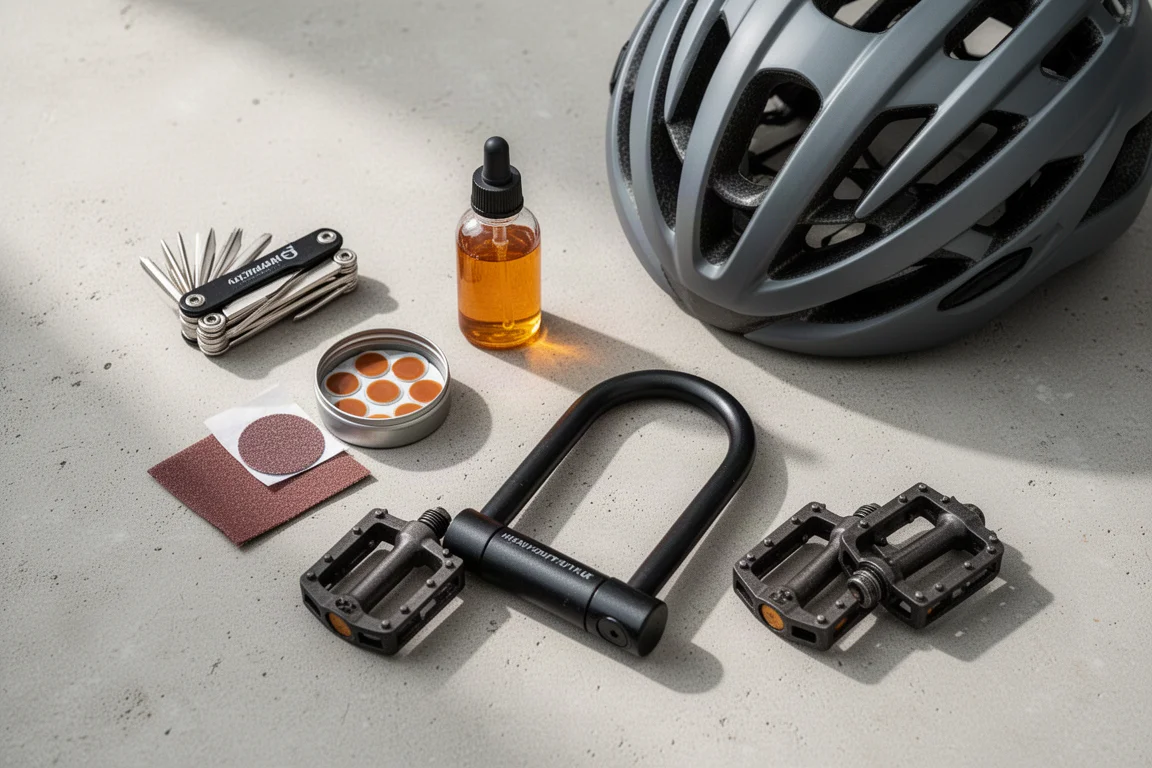
Introduction
A bike is technically all you need to go cycling, and you might get quite far on that alone. The trouble is what happens when a ride goes wrong: two flat tyres, a snapped chain, a stolen bike, or being stranded far from home. The items below are the ones that make those situations far less likely, or at least much easier to deal with. Most of them are inexpensive, and every single one costs less than an unplanned taxi home.
How We Chose These Essentials
The focus here is on gear that solves a specific, common problem rather than gear that simply looks good. Each item had to be genuinely useful for someone new to cycling, easy to carry or store, durable enough to survive regular use, and good value relative to what it actually does. Products that are simple to fit correctly and straightforward to use at the roadside were prioritised over more complicated alternatives.
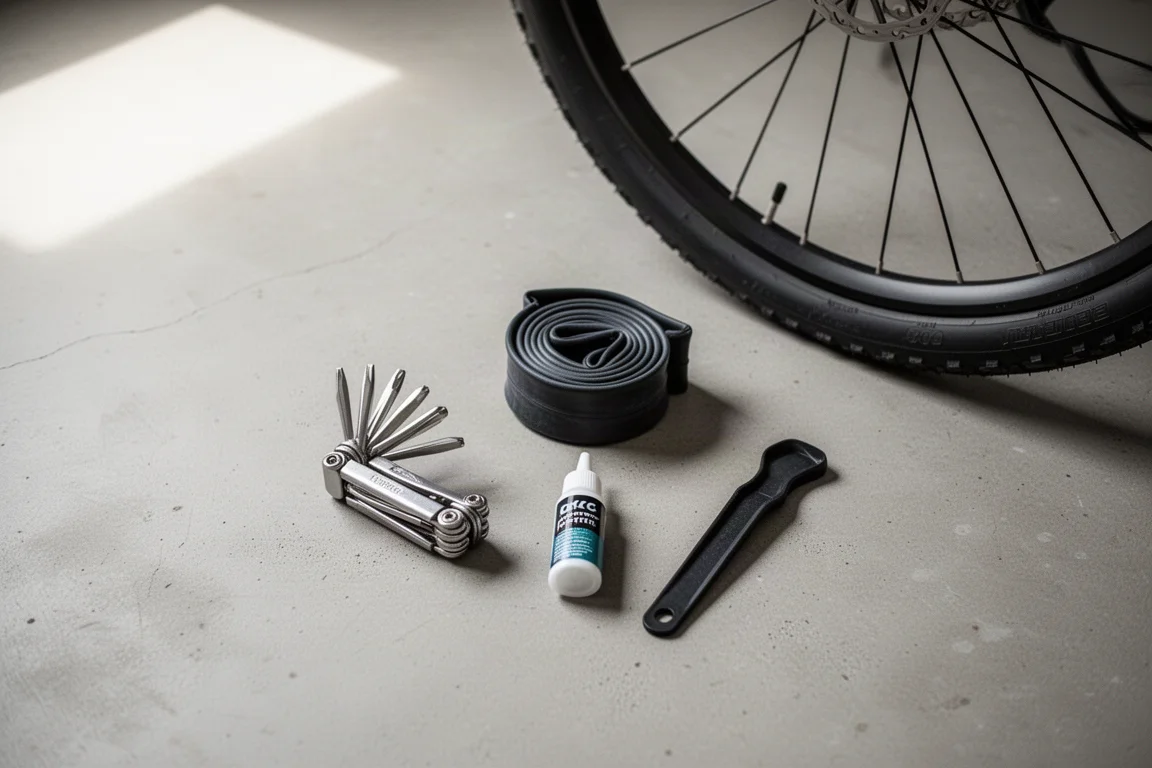
Where a cheaper option does the same job, that is noted. Several entries are deliberately the most affordable sensible choice rather than the most advanced one, because a beginner’s budget usually goes further spread across a few essentials than concentrated on a single upgrade.
Best Patch Kit for Glue-On Repairs: Park Tool Vulcanizing Patch Kit
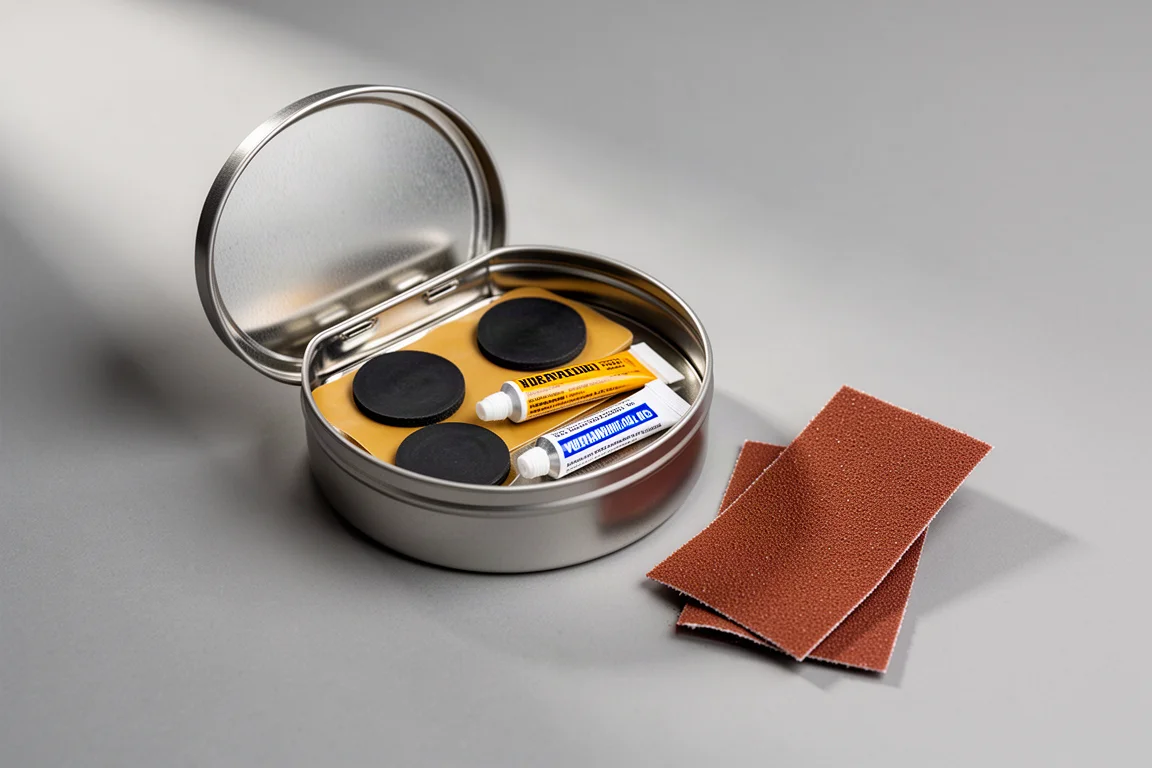
Most punctures are fixed by applying a patch over the hole in the inner tube. Very large punctures are the exception, but for the majority of flats a patch kit will sort you out. The Park Tool vulcanizing patch kit includes four round patches, a small tube of vulcanizing fluid, which is essentially glue, and a piece of sandpaper for roughing up the inner tube so the patch bonds properly.
Patching tubes at home after a ride is a sensible habit too. It saves money, and repairing tubes instead of binning them means less waste. The glue-on method takes a little longer than a peel-and-stick patch, but it has a long track record behind it.
Best Quick-Fix Option: Park Tool Self-Adhesive Patch Kit
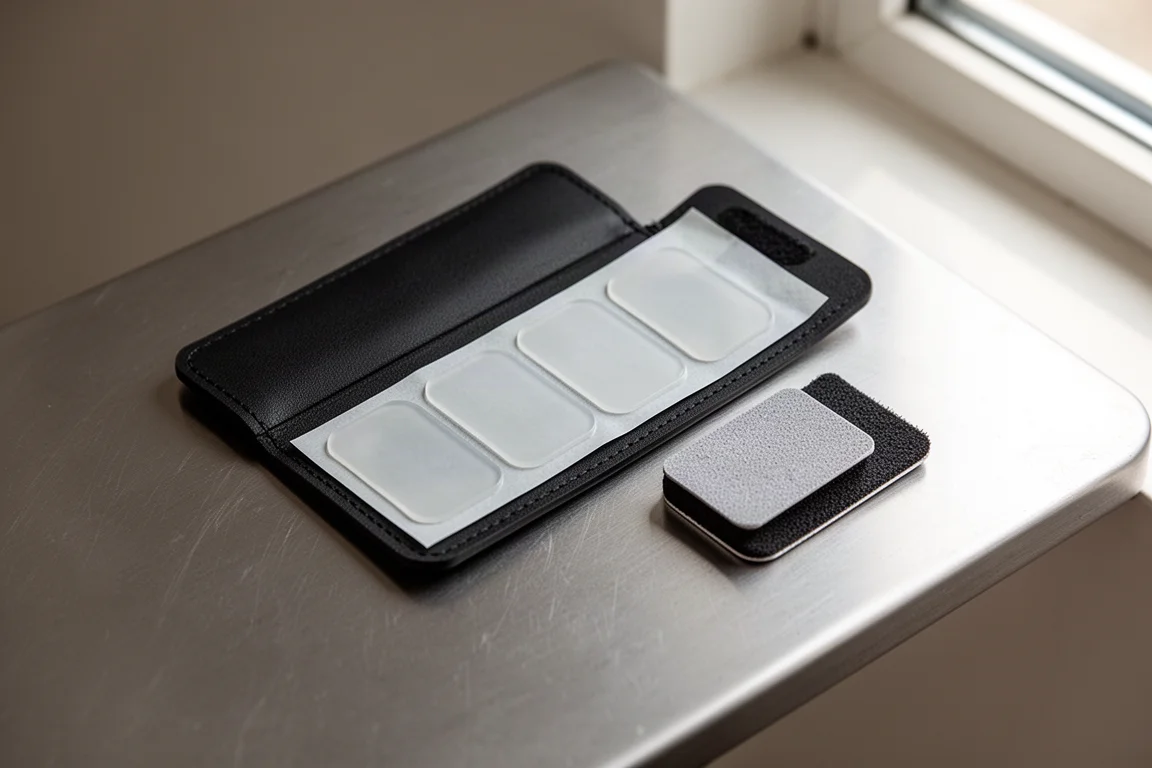
Self-adhesive patches are peeled off and stuck on like a sticker, with no glue and no waiting. The Park Tool self-adhesive kit costs around £4, which makes it an easy thing to keep in a saddle bag or a jersey pocket.
The trade-off is confidence. Self-adhesive patches have a reputation for occasionally lifting, although the current generation is reported to be considerably better than the versions that earned that reputation. If you would rather not think about it twice, the vulcanizing kit remains the more traditional choice.
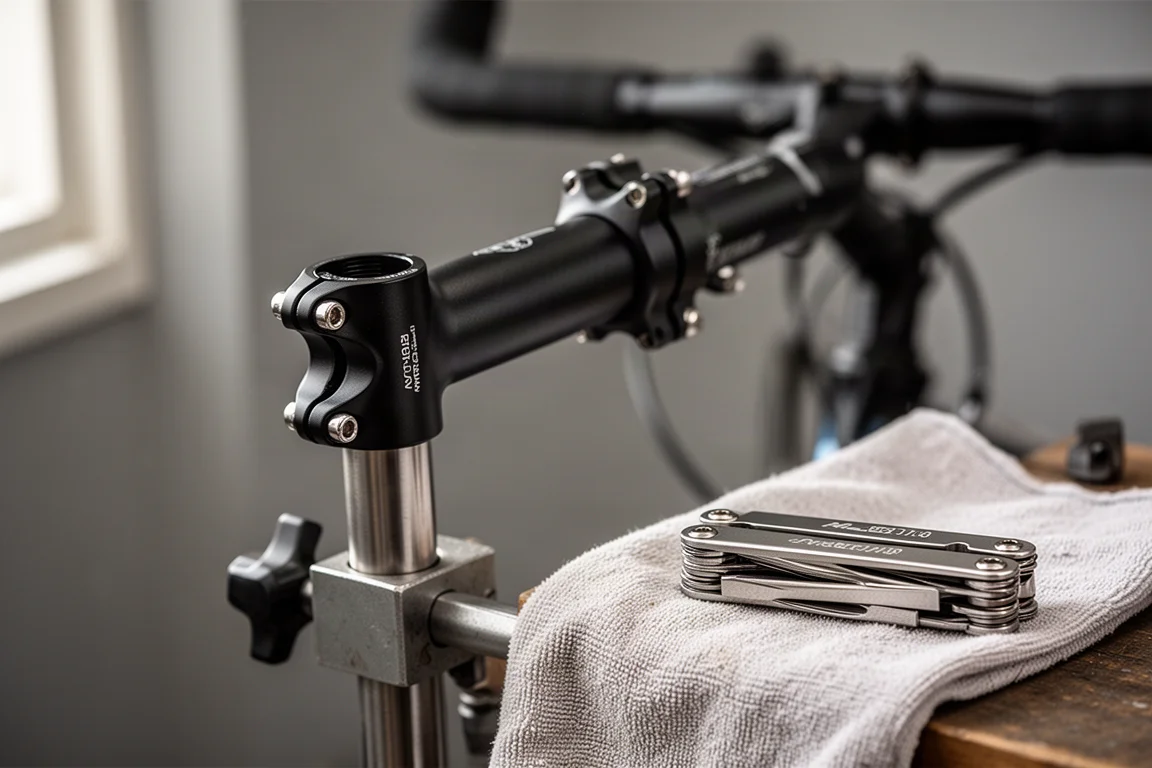
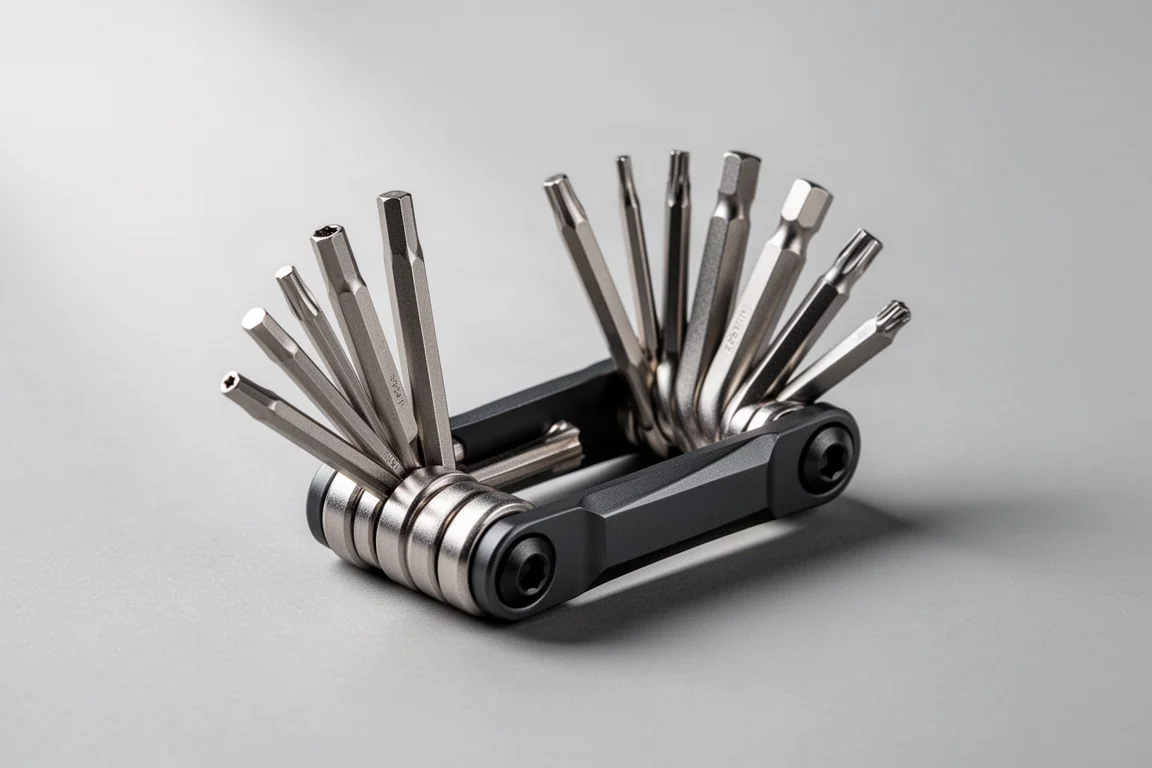
Best Everyday Multi-Tool: Decathlon Multi-Tool 900
A multi-tool is there to give you the best possible chance of getting home. If you are the kind of rider who would rather not carry tools, the list of reasons to change your mind is long: a rattling bottle cage, a slipped seat post, rubbing brakes, a loose headset, a saddle height or cleat adjustment, and on a disc brake bike, a wheel that needs to come off.
Two things matter when choosing one. The material should resist rust, so stainless steel or aluminium is preferable, and the tool should be machined to a high standard so it does not round off your bolts. The Decathlon Multi-Tool 900 covers the everyday Allen key and Torx adjustments that most rides call for.
If your bike runs a 12 or 13 speed chain, check chain tool compatibility separately rather than assuming any multi-tool will handle that job.
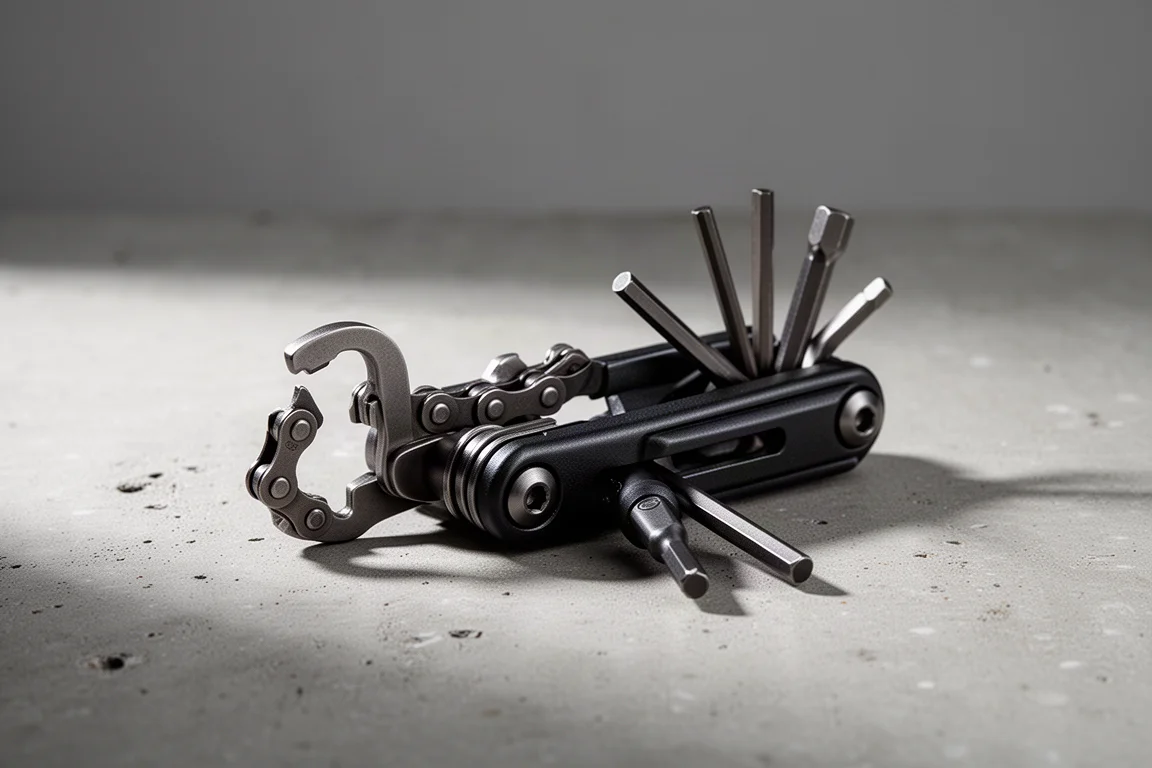
Best Multi-Tool With a Chain Breaker: Topeak Hexus 10
A chain breaker earns its place because a snapped chain ends a ride outright. One caveat matters here: most multi-tool chain breakers are built for 8 to 11 speed chains, and 12 or 13 speed chains need a tool rated for them.
The Topeak Hexus 10 is a compact option that adds a chain breaker to the usual folding tool set. If you prefer to split the function across two items, a small multi-tool paired with a separate universal chain breaker costs about the same and does the same job.
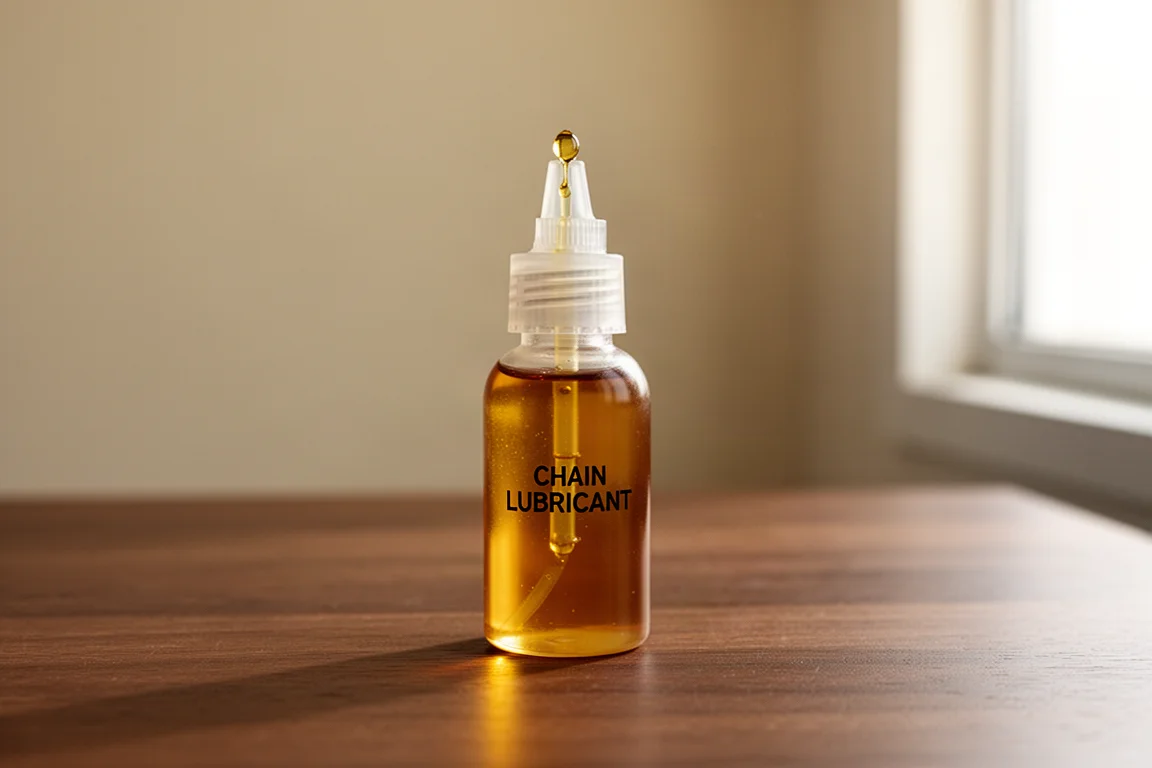
Best All-Condition Chain Lube: Fenic All Condition Oil Lube
Chain lube protects the chain from the elements and reduces friction between the chain, cassette and chainring, all of which are typically made of metal. An all-condition oil-based lube is the most versatile type for year-round use.
The Fenic All Condition Oil Lube costs around £6 and is a straightforward place to start. Applying it consistently matters more than the exact product you choose.
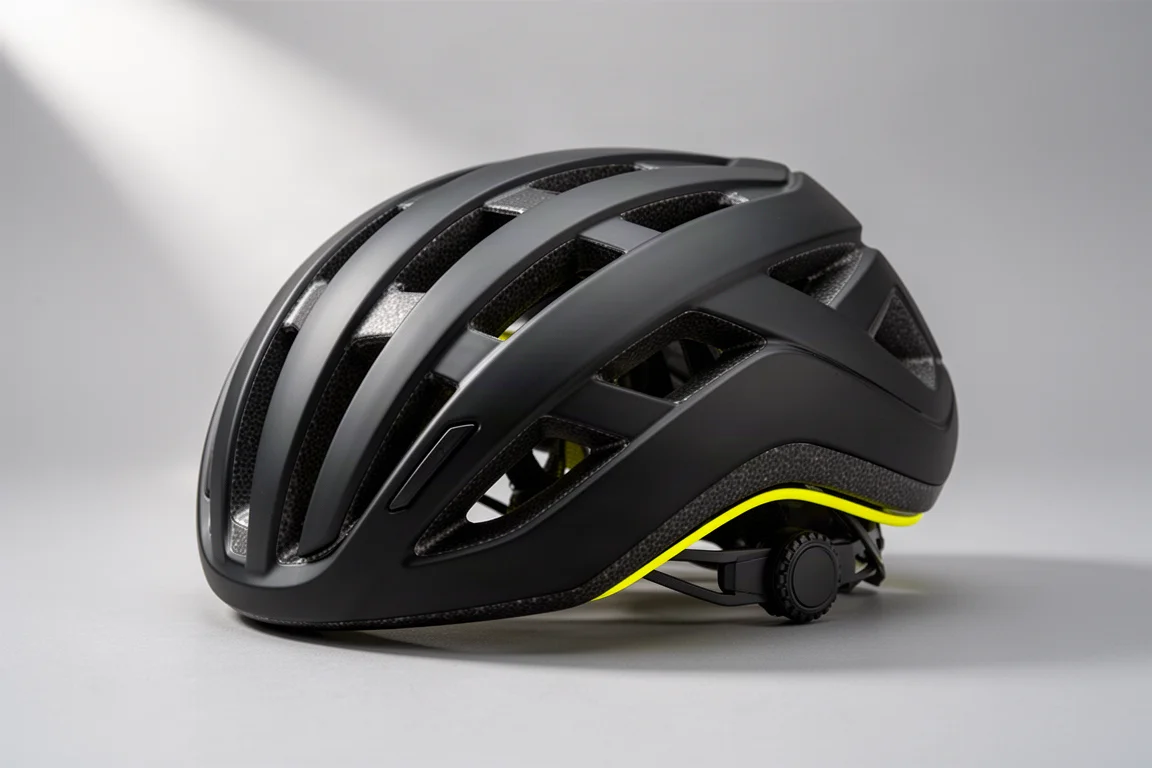
Best Value Helmet: Specialized Align 2 MIPS
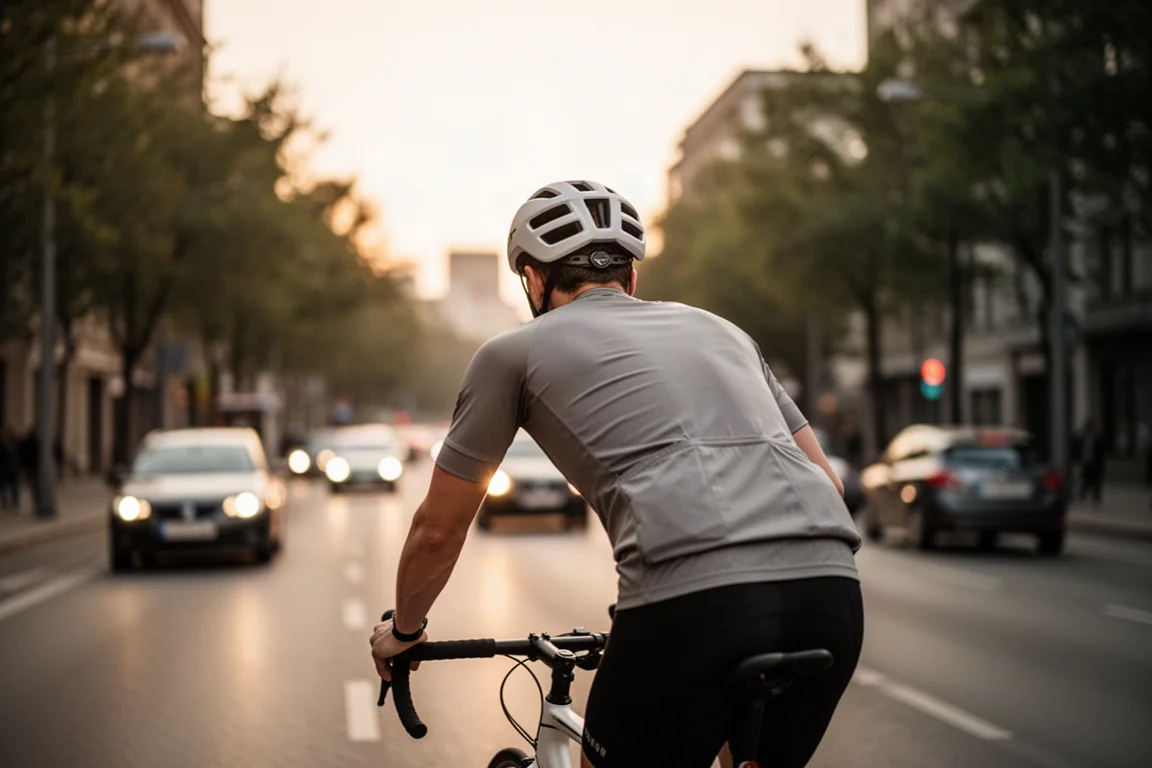
Whether or not to wear a helmet is a personal decision, but anyone starting out on busy roads, fast descents, loose gravel or off-road trails will find plenty of reasons to wear one. Two rules matter more than anything else. The helmet has to fit, because one that is too large or too small will not protect your head properly. And secondhand helmets are best avoided, since you cannot know their history or their age. Helmets generally need replacing after a certain period from first use, and brands differ in their recommendations.
The Specialized Align 2 MIPS costs £38 and includes MIPS, the low-friction layer designed to reduce rotational impact. Virginia Tech’s helmet ratings place it 31st out of 284 helmets tested, above some models that cost two or three times as much.
Spending more on a helmet generally buys lighter weight and better ventilation rather than better protection, and some cheaper helmets score well in independent testing. The helmet you will actually wear is the one that fits comfortably and that you like the look of.
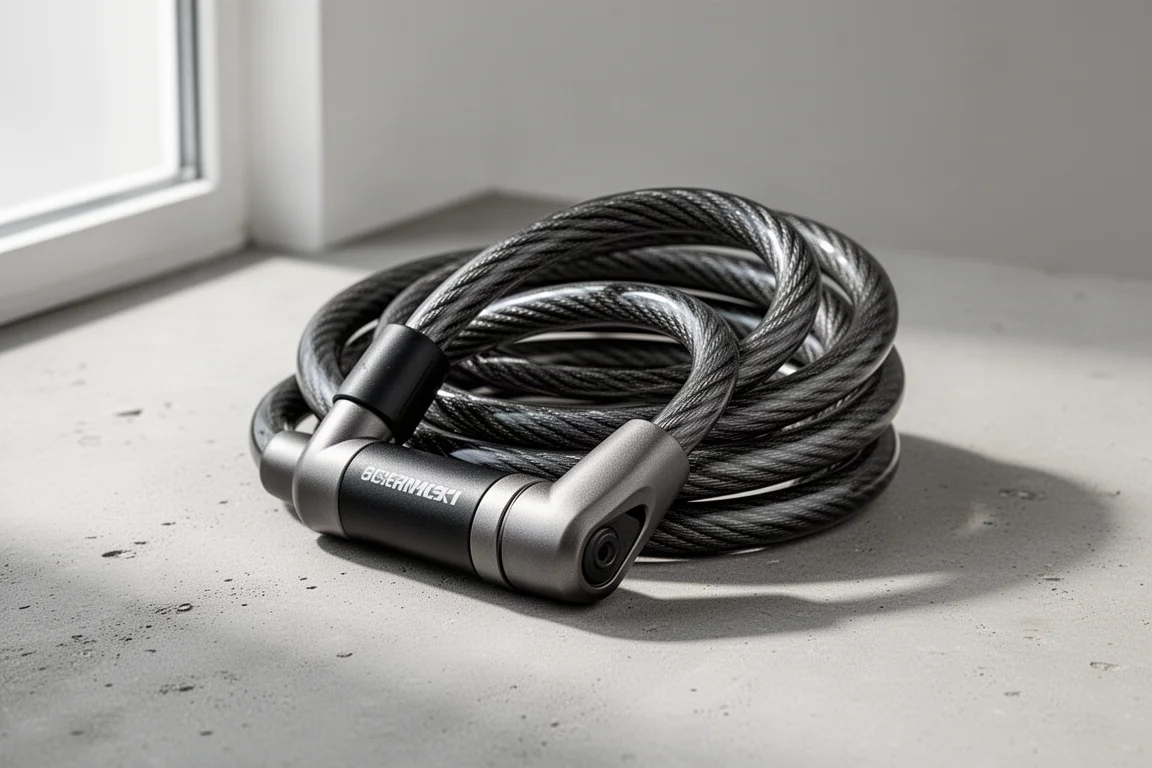
Best Value Bike Lock: OnGuard Pit Bull
Not everyone leaves a bike outside, but if you do, a proper lock is essential. Locks range from a few pounds to considerably more, and the difference in protection is real.
Two things are worth checking. If your bike is insured, the lock needs to meet your policy requirements, otherwise a claim may not be paid. And a Sold Secure rating of gold or diamond is a useful shorthand, since the Master Locksmith Association independently tests locks and rates both their protection and how long they take to break through.
The diamond-rated OnGuard Pit Bull lasted 3 minutes and 2 seconds in testing and costs £30, roughly half the price of other diamond-rated locks found. For a lock at that price, it is a strong result.
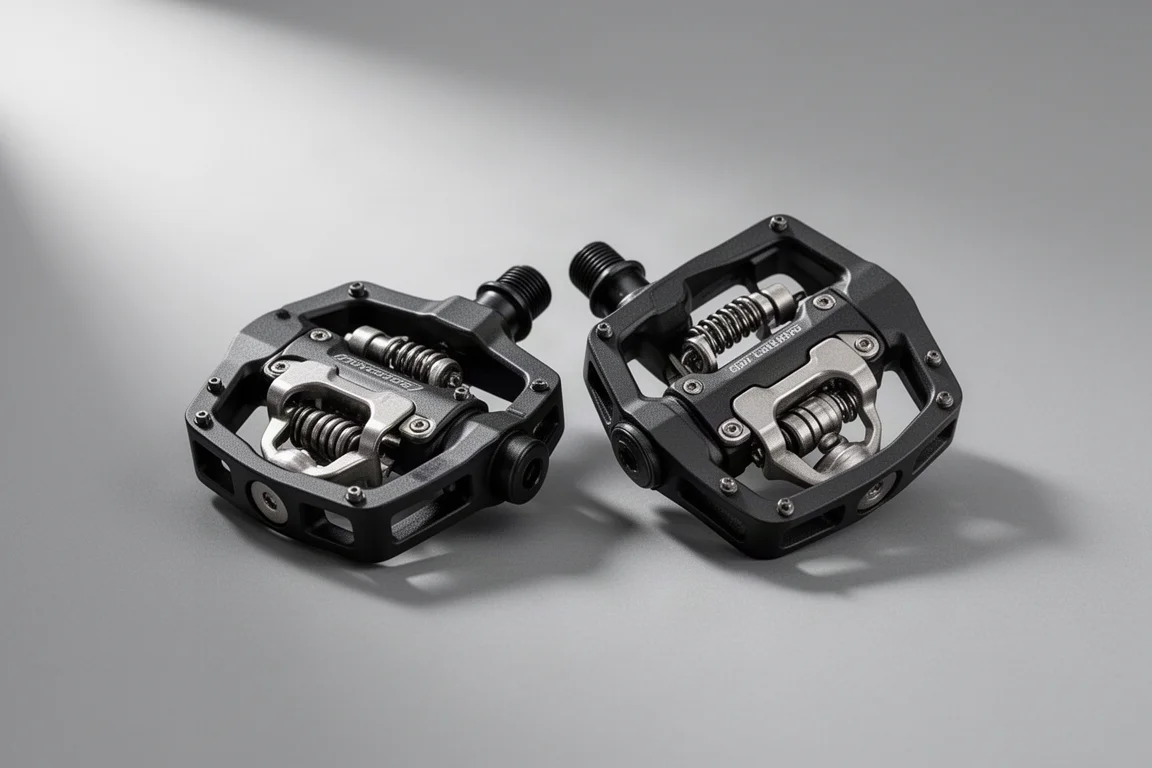
Best First Clipless Pedals: Shimano PD-M520
Clipless is a confusing name, since it means the shoe actually clips in. A cleat on the sole of a purpose-built cycling shoe snaps into a spring-loaded mechanism on the pedal, connecting you firmly to the bike. Most pedals let you adjust the release tension, so you can start loose while you learn, and you release by twisting your foot sideways. There is a learning curve, and almost everyone falls over at a standstill at least once.
Road clipless pedals are usually single-sided, built for stiffness and low weight, harder to clip into, and fitted with cleats that make walking awkward. Off-road or mountain bike style pedals are double-sided, so you can clip in from either side, and their recessed cleats make walking much easier. For most new riders they are the more practical choice.
The Shimano PD-M520 is a very good starting point and comes with cleats in the box. Shimano also offers a broad cross country shoe range at several price points, often discounted online.
What Else Is Worth Carrying
Lights are worth buying even if you do not plan to ride in the dark, because plans change. A rear light on flash during the day adds visibility, and three features are worth insisting on: an elastic band mount so the light goes on and off easily, USB rechargeability, and water resistance, since a rear light sits in the spray zone. Cheap lights are better than they have ever been, but note that they are designed to be seen rather than to see. A light bright enough to illuminate the road ahead costs considerably more.
A spare inner tube saves you from patching at the roadside in the cold. Butyl tubes are the common black ones, hold air well, and work with standard patches. Latex tubes feel nicer and roll faster but lose air quickly. Thermoplastic TPU tubes are very light and pack down small, though they must be matched to tyre volume and repaired only with TPU-specific patches. Whatever you carry, match the wheel size, tyre size, valve type, Schrader or Presta, and valve length to your wheel, and check the tyre sidewall for the sizing information.
A mini pump is the portable option and can be mounted on the frame, but a track pump makes regular inflation far easier and includes a pressure gauge, so you can inflate to the number printed on the tyre sidewall instead of guessing.
A torque wrench is less obvious but genuinely useful. Bolts and clamps have torque settings measured in Newton metres, usually printed on the stem, handlebar or seat post. Tighten too much and you risk crushed components, stripped threads or a snapped bolt. Too little and something can come loose while you ride. A basic wrench covering 3 to 12 Newton metres handles most bolts on a bike and clicks when the correct torque is reached. Do not tighten again to check, or you will overtighten it.
Cycling shorts are not strictly necessary, but they make longer rides far more comfortable by staying in place and letting you breathe. Fit and pad quality are what matter. Shorts need to be snug, because anything loose will rub, which is the enemy of comfort, but not so tight that they restrict circulation. This is a very personal product, and no single solution suits everyone. Expect to pay a bit more for that comfort.
Finally, a saddle bag is the neatest way to carry tools and spares. Pockets sag and become uncomfortable, and a bag behind the saddle keeps everything together. Water resistance is worth having for the same reason as the rear light, and a top tube bag is a good alternative if you want quick access to snacks.
Buying Advice: Building a Starter Kit
If you are starting from scratch, buy in order of likelihood. Puncture repair, a multi-tool, a pump and a lock cover the problems that actually end rides, so they come first. Comfort and visibility items can follow as budget allows.
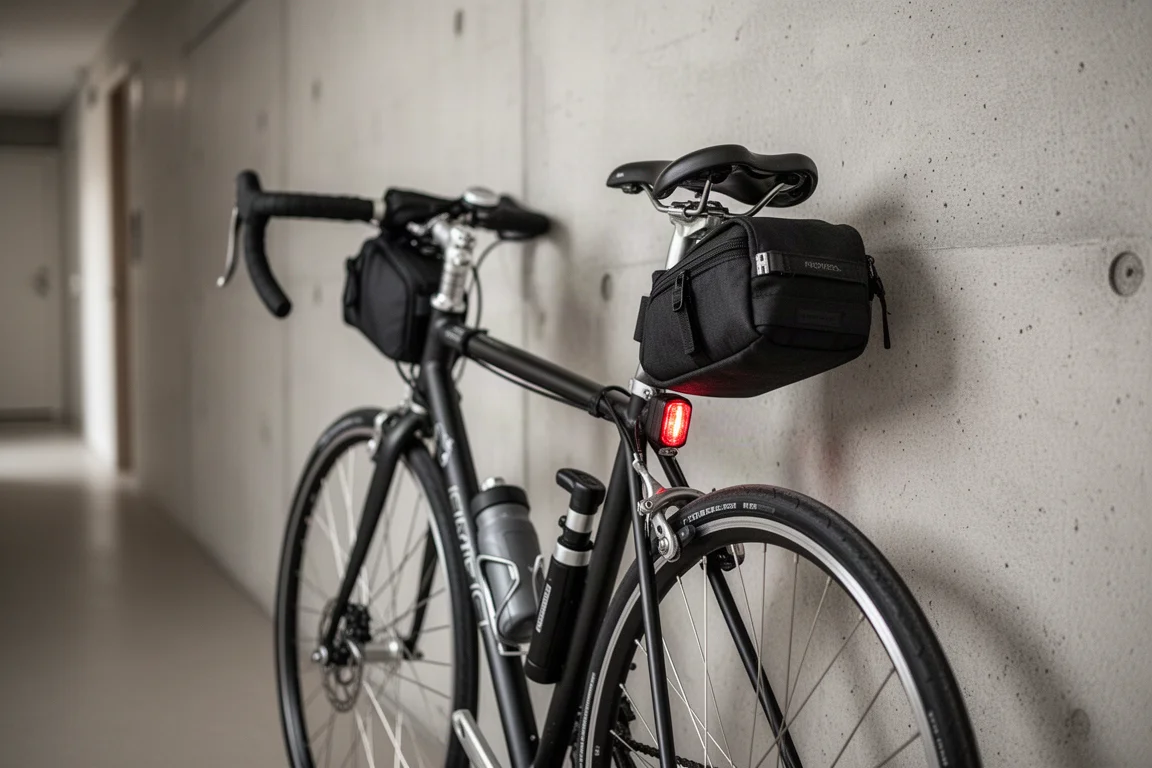
Everything on this list is meant to be bought once and kept for years. Check the details that are easy to get wrong: inner tube size, valve type and valve length, lock ratings against your insurance policy, and helmet fit before anything else. Buying inner tubes in bulk online often works out cheaper, while a local bike shop can be a good place for bundles and advice.
Conclusion
None of these items is glamorous, and none of them is expensive relative to what a ruined ride costs in time and money. A patch kit, a multi-tool, a pump and a lock deal with the failures that end rides, while a helmet, lights and clipless pedals make the riding itself safer and more enjoyable. Start with the essentials, add the rest as you go, and most of the problems that catch out new cyclists stop being problems at all.
Further reading
Related Reviews
Cycling Gear
8 Cycling Products Riders Keep Coming Back To
Eight cycling components and accessories with clear strengths, honest trade-offs and long-standing reputations among riders and mechanics.
Cycling Gear
Aero Helmets and Bottle Setups Tested: Six Options Ranked by Measured Watt Savings
Wind tunnel data on six aero helmets and bottle setups, with real watt savings, practical trade-offs, and guidance on what is worth buying first.
Cycling Gear
Aero Road Bikes and Fast Tires Worth Watching in 2026
Four aero road bikes and one fast road tire, with the real strengths, the open questions, and what to check before you buy.