Cycling Accessories
Bottle Tech for Cyclists: A Side-Entry Cage, a Grippier Bottle, and a Bottle Sterilizer
Three bottle-related upgrades for cyclists, covering a castor-oil-based side-entry cage, a textured bottle that is easier to hold, and a microwave bottle sterilizer.
Introduction
Hydration gear rarely gets the attention that wheels or drivetrains do, yet it is one of the few parts of a bike that every rider touches on every ride. The three items here each address a different, very ordinary problem: getting a bottle in and out of a frame with limited space, keeping a firm hold on a bottle while riding, and cleaning a bottle thoroughly enough to feel good about refilling it.
None of these are headline upgrades in the way a new wheelset is. They are the kind of small additions that quietly remove friction from a ride, and each one has a clear reason to exist rather than being a cosmetic variation on something you already own.
What Matters in Bottle and Cage Upgrades
The first question with any cage is access. A frame with a tight front triangle, a small main triangle or a rear shock can make a standard top-entry cage awkward to use, and side entry solves that by letting the bottle slide out at an angle rather than straight up.
Grip and retention matter just as much. A bottle that is glossy and slick is harder to hold when your hands are wet, gloved or tired, and friction on the bottle surface is the simplest way to reduce the chance of dropping it.
Hygiene is the third piece. Bottles see sports drink, sweat and warm car boots, so anything that makes a deeper clean practical without a lot of effort is worth a look. Material sourcing has also become part of the conversation, with some components now made from renewable feedstocks rather than conventional crude-oil-derived plastics.
Elite Cannibal Bottle Cage
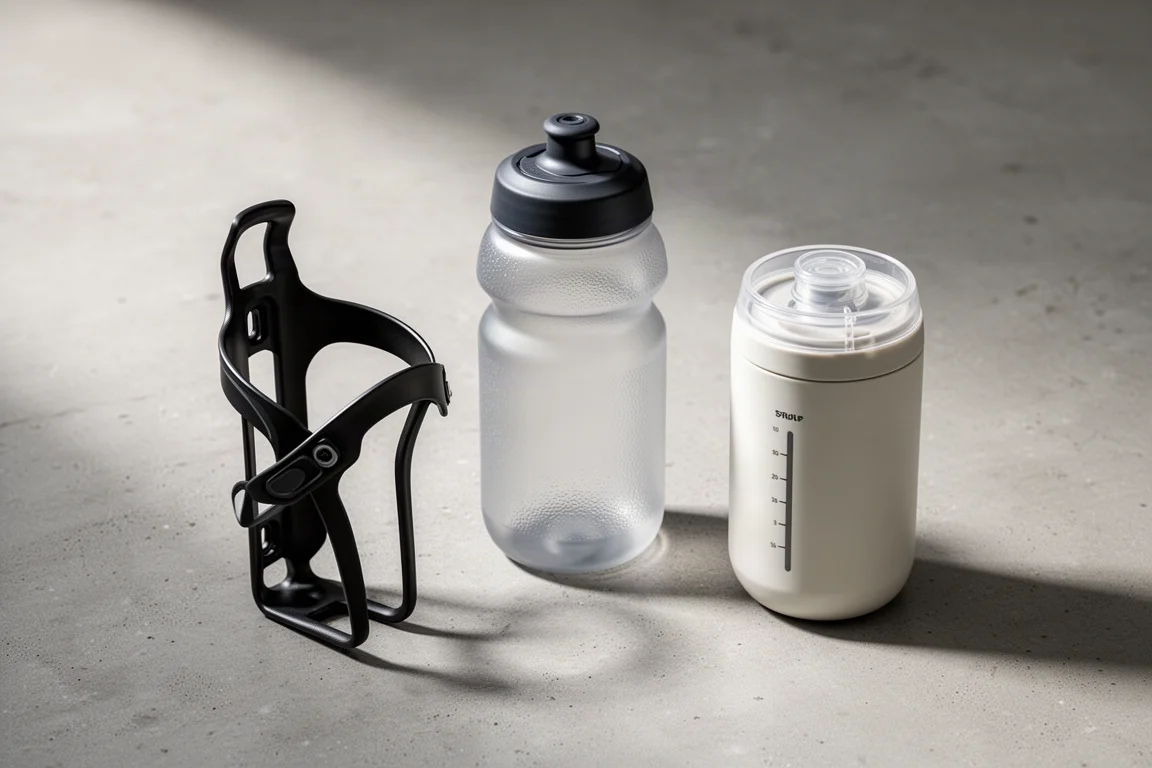
The Cannibal is a long-running design built around side entry, which makes it useful on frames where a conventional top-entry cage is hard to reach, particularly small frames and bikes with limited space in the front triangle. The more distinctive detail is the material: this version is made from castor oil rather than the fossil-fuel-based feedstocks normally used for plastics, such as naphthalene derived from crude oil.
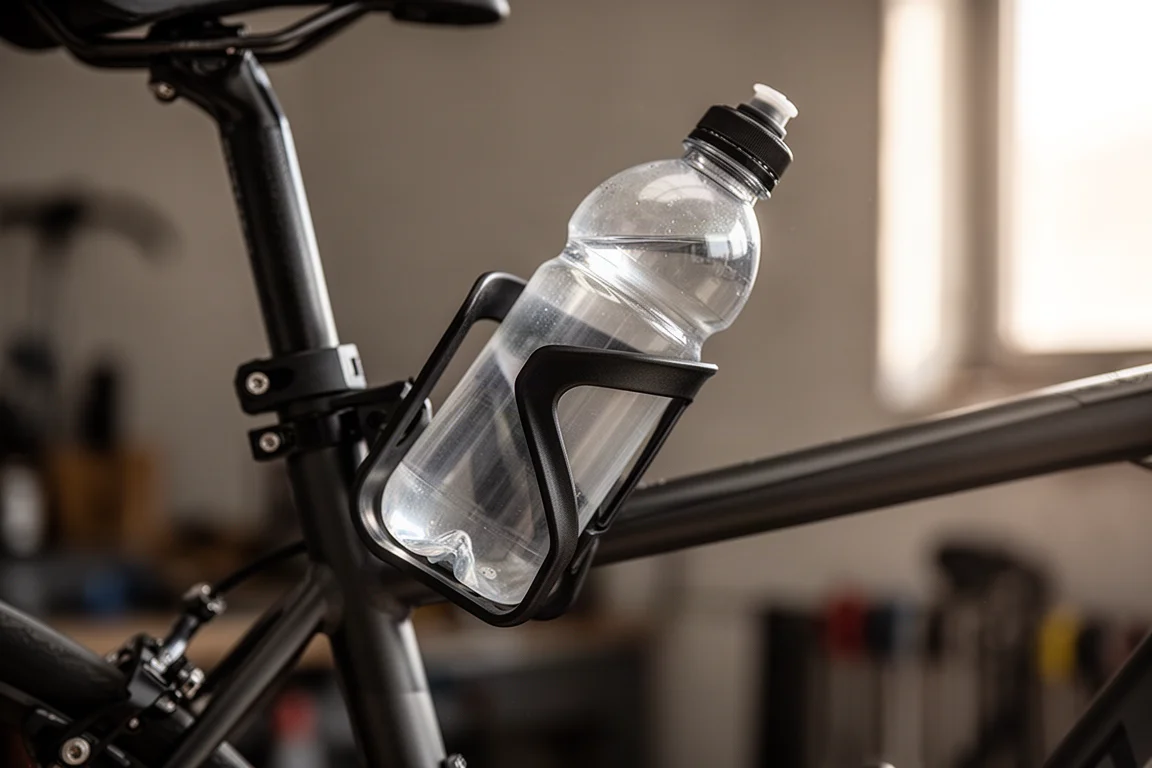
That makes it a sensible choice for riders who want their components to come from a more sustainable source without changing how the cage behaves. It is a bottle cage first and an environmental statement second, and the side-entry layout is the part you notice every ride.

Elite Flytex Bottle
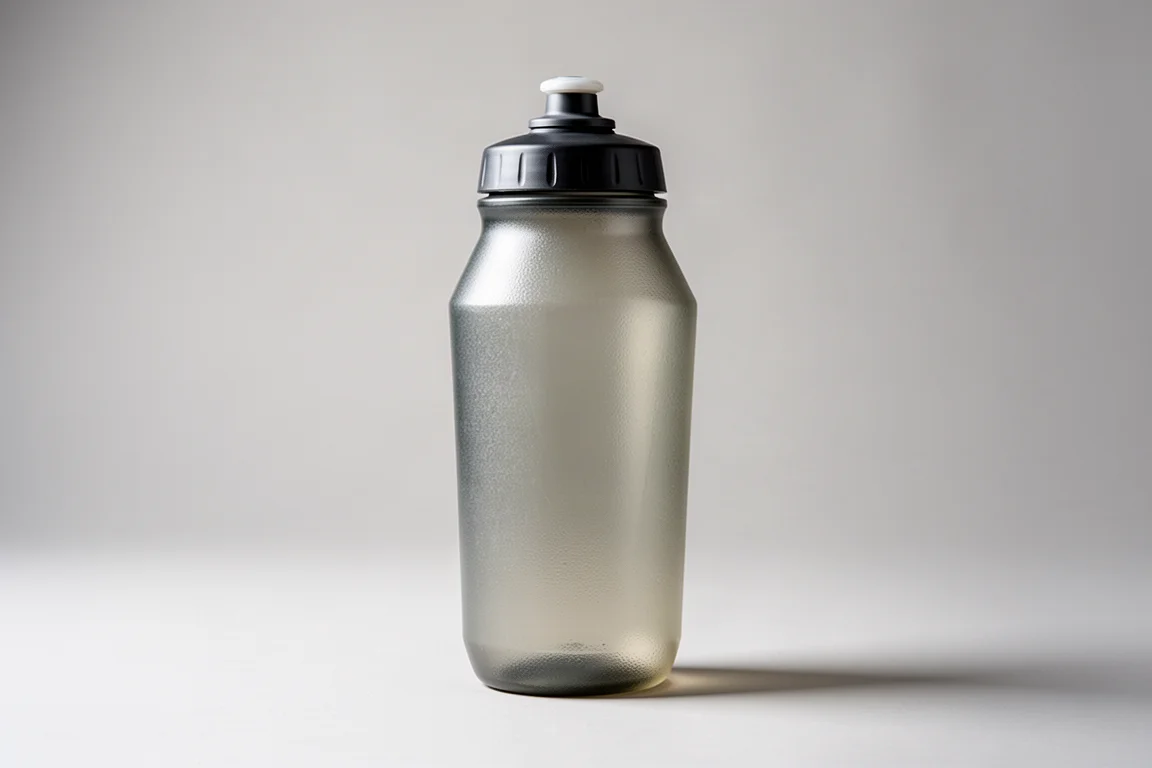
The Flytex keeps the familiar bottle shape but adds a textured finish across the outside. A standard bottle tends to be glossy and can feel slick once hands or the bottle itself are wet, and the texture raises friction so the bottle is easier to grip and less likely to be dropped mid-ride.
Because the overall form is unchanged, it works with the cages you already have and slots into the same routines as any other bottle. The grip improvement is the entire point here, and it is the kind of change you notice most on rough surfaces, in wet weather or when wearing gloves.
Neato Bottle Sterilization Device
The Neato is a new bottle sterilization device, and the routine is deliberately simple. Take the bottle apart, remove the lid from the top and the nozzle, place the bottle in the device, add a small amount of water, roughly five milliliters, up to the marked line, and microwave it for one minute at 750 watts. The result is a sterilized bottle, with a claimed 99.9 percent reduction in bacteria.
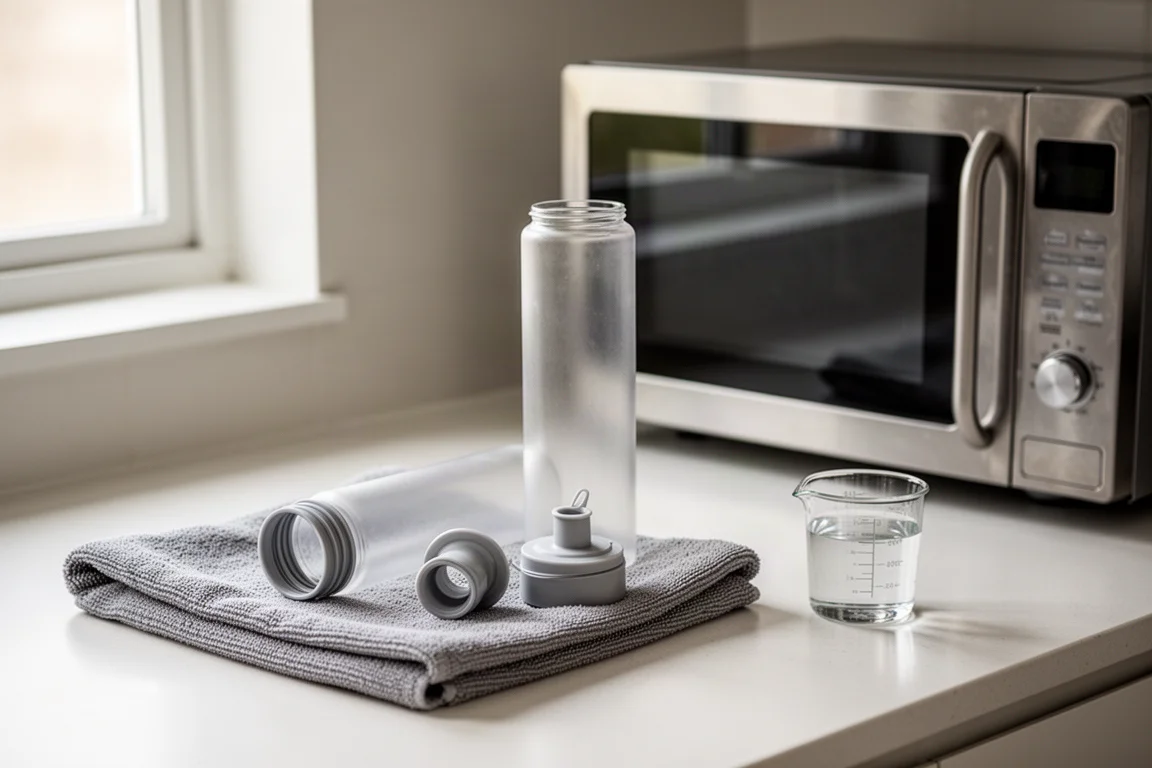
Because it needs only a microwave and a splash of water, it fits into an existing cleaning routine rather than replacing it. The disassembly step is part of every cycle, which is worth knowing if you prefer a bottle you can simply rinse and refill.

Who Should Consider Each Option
The Cannibal cage suits riders whose frame makes bottle access awkward, and anyone who prefers components made from renewable rather than fossil-fuel-based feedstocks. If your current cage already works smoothly and material sourcing is not a priority, there is less reason to change.
The Flytex bottle is aimed at riders who ride in wet or muddy conditions, wear gloves, or simply want a more secure hold on a bottle that otherwise behaves exactly like a standard one.
The Neato device makes the most sense for riders who use the same bottles repeatedly and want a deeper clean than rinsing provides, and who have a microwave available at home or at the workplace.
Buying Advice
Start with the problem you actually have rather than the product. If reaching for a bottle is the annoyance, a side-entry cage is the fix. If bottles slip in your hand, the textured surface is the relevant upgrade. If the concern is what has been growing in a bottle between rides, the sterilizer is the one that changes your routine.

It also helps to think about the whole setup as a system: a cage that suits your frame, a bottle that is easy to hold, and a cleaning method you will actually follow. Buying one item at a time and living with it for a few rides is usually more useful than replacing everything at once.
Conclusion
These three items sit at the practical end of cycling upgrades. The Cannibal cage solves frame access and shifts the material story toward castor oil, the Flytex bottle trades a glossy finish for a surface that is easier to hold, and the Neato sterilizer turns a minute in the microwave into a properly clean bottle. None of them will change how fast you ride, but each one makes a small, recurring part of riding noticeably easier.
Further reading
Related Reviews
Cycling Accessories
7 Inexpensive Everyday Products That Are Brilliant for Cyclists
Seven cheap household products that solve real problems for cyclists, from portable bike washing and dry shoes to clean bottles and protected paintwork.

Cycling Accessories
Amazon Cycling Accessories Worth Buying: Five Practical Picks
A basket of low-cost cycling accessories judged on real-world use, from a dash cam style camera and light combo to bone conduction headphones and one tool best left on the shelf.
Cycling Accessories
Electric Bike Pumps Compared: AS2 Pro Tiny Pump vs AS2 Pro Max
A practical look at two battery-powered bike pumps: what they do well, where they fall short, and which one suits which kind of rider.