Loudspeakers
CSS Typhon Review: A Warm, Full-Range Three-Way Floorstanding Speaker
A close look at the CSS Typhon: deep bass extension, a warm midrange, a tiltable top section, and the amplifier pairing that suits it best.
Introduction
The CSS Typhon is a three-way floorstanding loudspeaker from Creative Sound Solutions, sold direct from Michigan in the United States. A pair retails at $5,500 with free shipping within the US, and international buyers can have them shipped worldwide for an additional $500.
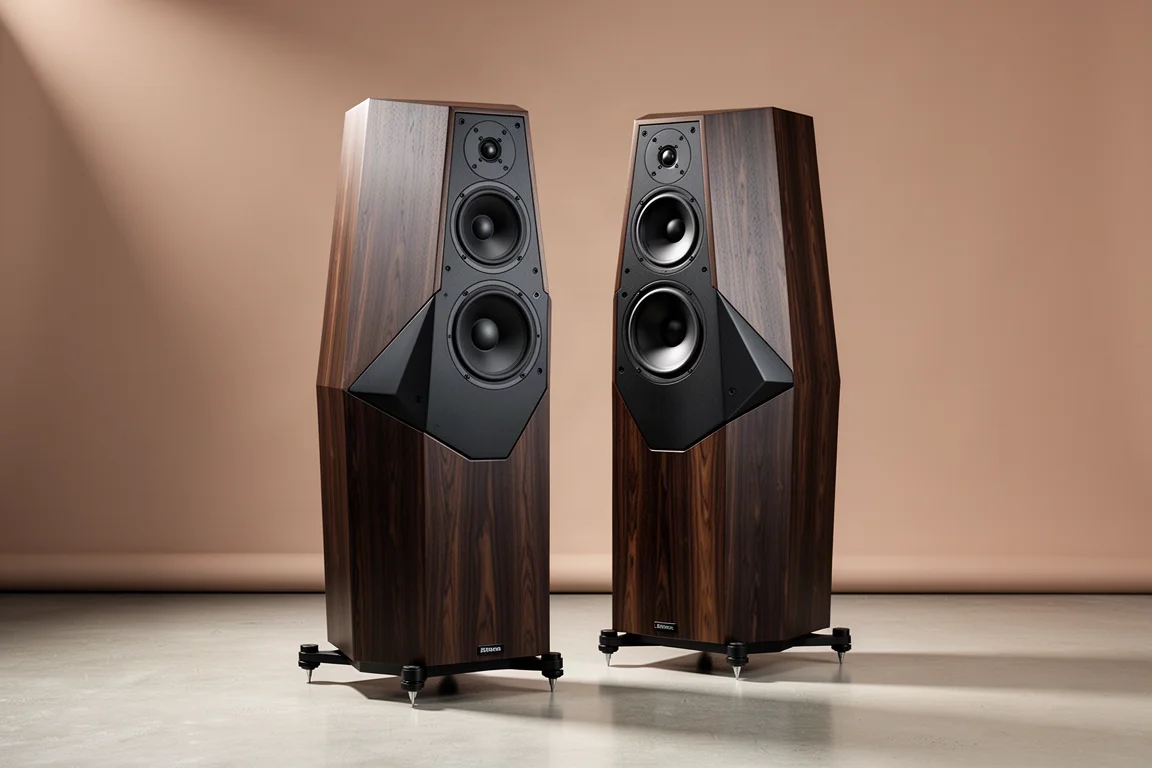
The concept behind the Typhon is a genuinely full-range three-way that borrows structural ideas usually reserved for far more expensive designs: separate bass and midrange cabinets, sloped front baffles, and a top section that can be tilted to align the tweeter with the listener’s ears. The result is a speaker with a strong personality rather than a neutral studio tool, and it rewards a little thought about partnering equipment and room setup.
Who the CSS Typhon Is For
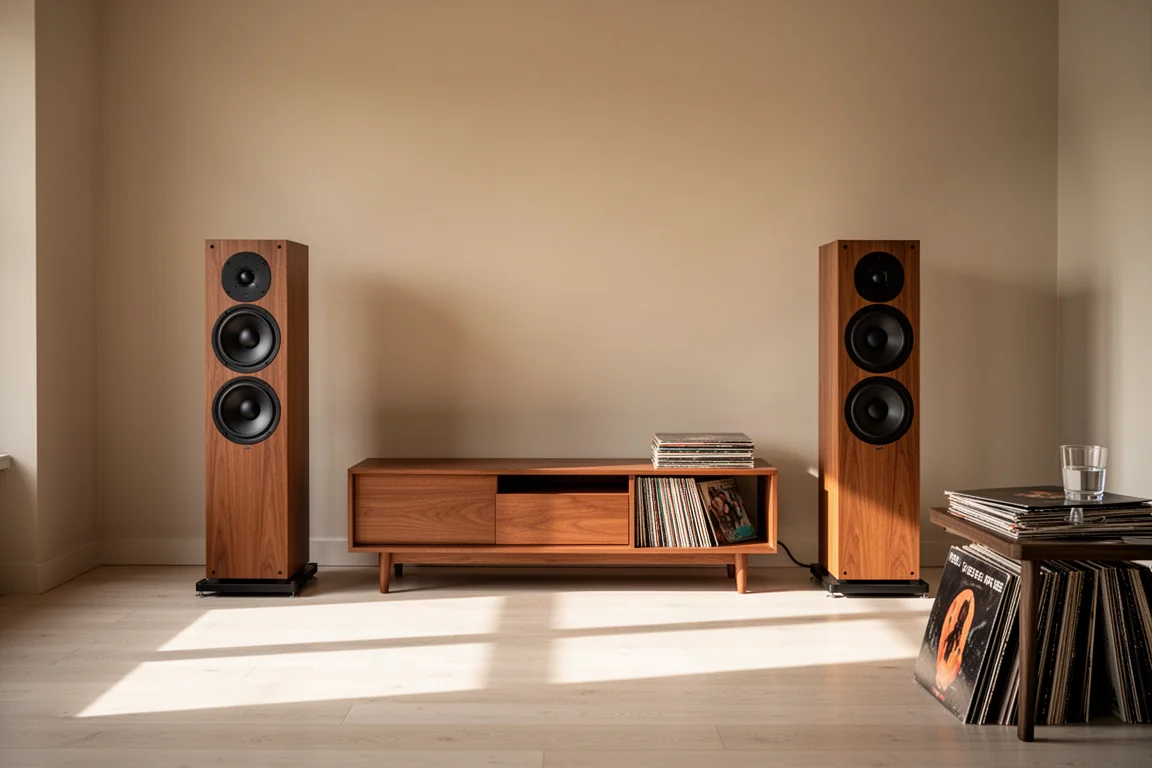
The Typhon make the most sense for listeners who want a relaxed, forgiving presentation that still digs deep. They suit people who listen for long stretches, including at high volume, without wanting to reach for the volume control because of fatigue. They are also a natural fit for anyone trying to take the edge off a bright-sounding system, and for listeners who want deep, defined bass without adding a subwoofer.
This is not a speaker aimed at anyone chasing the last word in transparency or absolute neutrality. The Typhon have a distinct character, and that character is the point. Buyers who want a speaker to disappear into the recording rather than add its own warmth should look elsewhere.
Main Strengths
Bass is arguably the headline. The Typhon are rated down to 31 Hz anechoic, with claims that room boundary reinforcement can take them as low as 20 Hz. In practice the low end is delivered with well judged weight and impressive note to note distinction, which is a harder trick than raw extension alone.
Resolution is strong as well. Set against other speakers in the same broad class, the Typhon hold their own on detail while reaching lower frequencies that many of those designs simply cannot produce. The midrange sits distinctly on the warm side of neutral, with very good macro detail, open and effortless dynamics, and excellent separation between instruments. That character comes from a genuine three-way layout with a dedicated 7 inch midrange driver rather than a two-way compromise.
The tweeter is clearly capable. High frequency information and timing cues are preserved, which helps the Typhon create a soundstage with exceptional depth and more than acceptable width for cabinets of this size.
Design and Build Quality
Each speaker stands just over 1.1 m (44 in) tall and weighs 33.6 kg (74 lb). The design splits into two sections. The lower enclosure houses two 178 mm (7 in) glass fiber paper infused bass drivers and uses a rear port that is flared with diffusers to aid airflow. The upper cabinet is sealed rather than ported and carries the midrange and tweeter.
The driver line-up is coherent: the same CSS LDW 7 driver used for bass duties also handles the midrange, taking over at 230 Hz and running up to 2,400 Hz before handing off to the CSS LD25X soft fabric dome tweeter. Crossover components come from Jantzen, including resistors and inductors, with Jantzen Superior capacitors used in the tweeter circuit.
Binding posts are good quality, and there are additional posts at the top of the bass enclosure to connect the upper module. Cabinets use an irregular hexagonal shape that is wider at the front than the back, which reduces parallel surfaces and helps control internal standing waves. Outrigger feet and spikes are included. The veneer finish is respectable for the price, though it does not attempt the leather and furniture grade finishes found on far more lavish designs.
A tilt mechanism lets the top section angle forward in 1 degree steps, up to 5 degrees of total adjustment, so the tweeter can be brought vertically on axis with the listener.
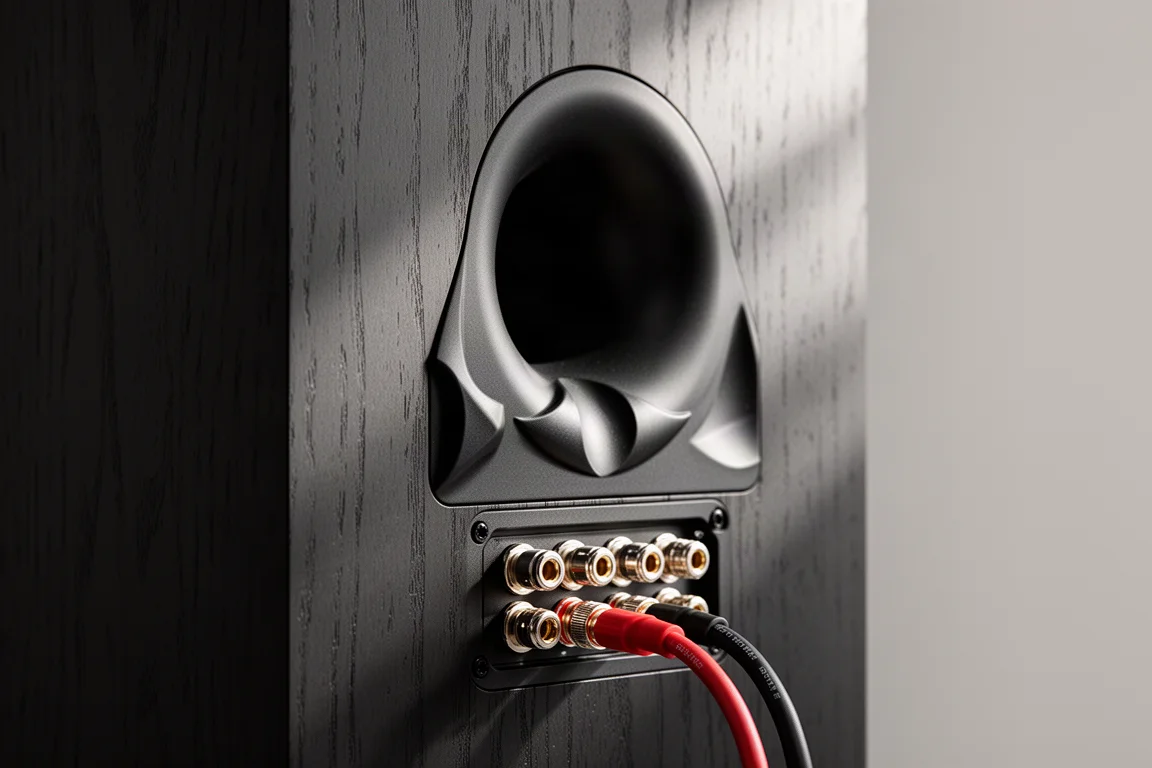
The extra complexity here, four enclosures instead of two, sloped baffles, hexagonal cabinets, and the tilt mechanism, is part of what the price reflects. It is a considered piece of industrial design rather than a conventional box.
Amplifier Matching and Setup
The Typhon are rated at 87 dB sensitivity into 4 ohms, equivalent to 84 dB into 8 ohms. Low sensitivity is the trade-off for deep bass extension, and it means the speaker needs a reasonable amount of power for genuinely loud listening, with something over 100 watts being a sensible target. Moderate levels are achievable with far less.
Because the speaker has a warm and easygoing character, amplifier pairing matters more than usual. Amplifiers with a drier, more analytical presentation and very good bass control tend to bring out the best in them. Highly neutral or restrained amplifiers can make the Typhon sound flat and dull rather than revealing.
Things to Consider Before Buying
Two points are worth weighing before committing.
The first is tuning. Micro detail is a little less conveyed than on the most transparent designs: the leading edges of notes are slightly softened, and very fine information in the middle of a note, such as vocal vibrato or the reverberation of a plucked string, is smoothed over. Cymbal hits are not given quite the prominence of instruments in lower octaves.
The second is adjustability, and this one has a practical upside. The tweeter is set to measure objectively flat, and CSS offers the option to adjust the tweeter level up or down by up to 3 dB, either before delivery or afterwards. The service is free of charge, with the customer covering shipping for the top modules both ways. A change of 1 or 2 dB is likely to be enough for most tastes.
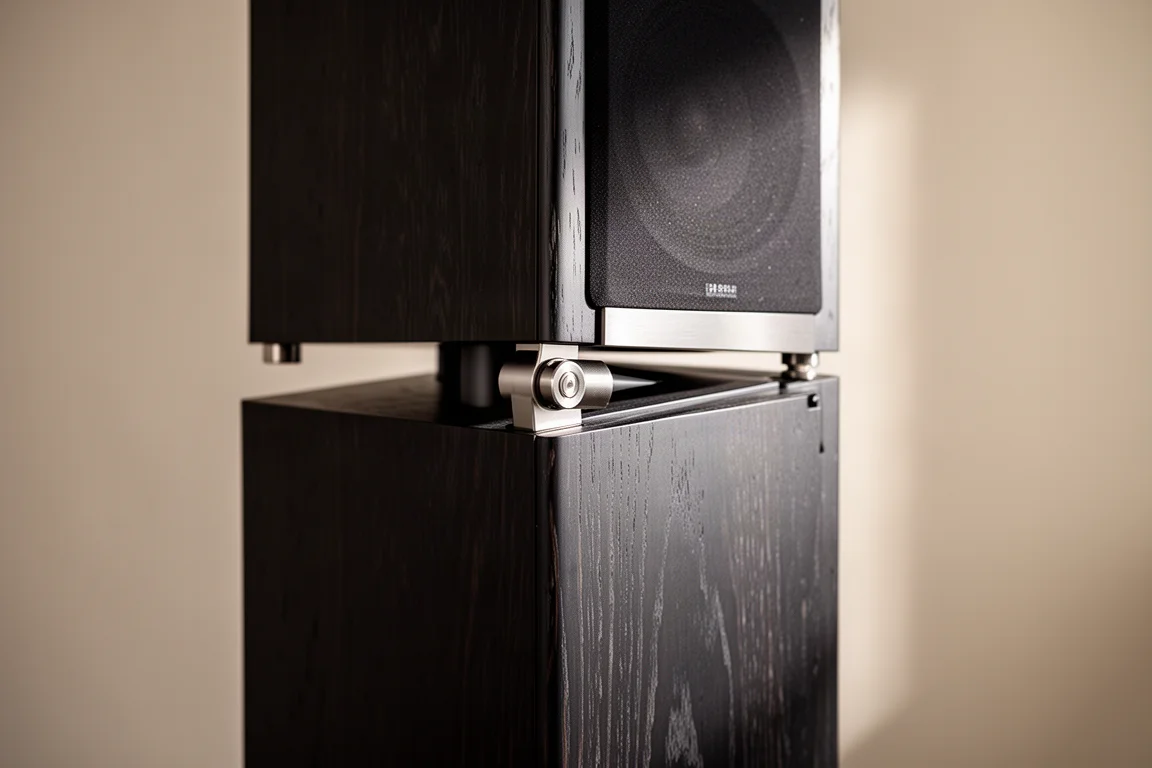
It is also worth noting that the tilt mechanism is easy to set either flat or at maximum tilt, while the interim positions are a little fiddly to dial in precisely.
Room Placement and Setup
The Typhon are not particularly difficult to accommodate, partly because they are not bass monsters in the room-shaking sense. A sensible starting point is to keep roughly 3 ft between each speaker and the side walls and the wall behind them, which helps avoid time smearing. From there, use the tilt adjustment to aim the tweeters directly at your ears rather than relying on the factory setting.
Buying Advice
The Typhon are mature sounding speakers. They deliver good levels of detail without pushing it forward, and they combine real bass extension with a degree of control that smaller speakers, and some similarly sized ones, struggle to match.
The right buyer is someone who values an easygoing, forgiving presentation, wants to calm a bright system, listens at all levels including very loud for long periods without fatigue, and wants deep, defined bass without a subwoofer. Within that remit the Typhon do more than enough to earn a strong recommendation.
If you are shopping for a speaker that majors on ruthless neutrality and maximum micro detail, this is not the design for you. If you want a full-range three-way that makes long listening sessions easy while still delivering convincing low frequency weight, the Typhon deserve a serious place on your shortlist.
Conclusion
The CSS Typhon is a distinctive, well-considered three-way floorstander with deep bass, a warm midrange, and a genuinely useful tilt adjustment. It asks for some care in amplifier matching and rewards thoughtful placement, and its tweeter level can be tailored to taste. Buyers who understand its character will find a lot to like.
Product link
View more details for CSS Typhon
This product is mentioned in the review. Check the specifications, options, and compatibility before buying.
View more details for CSS TyphonFurther reading
Related Reviews
Loudspeakers
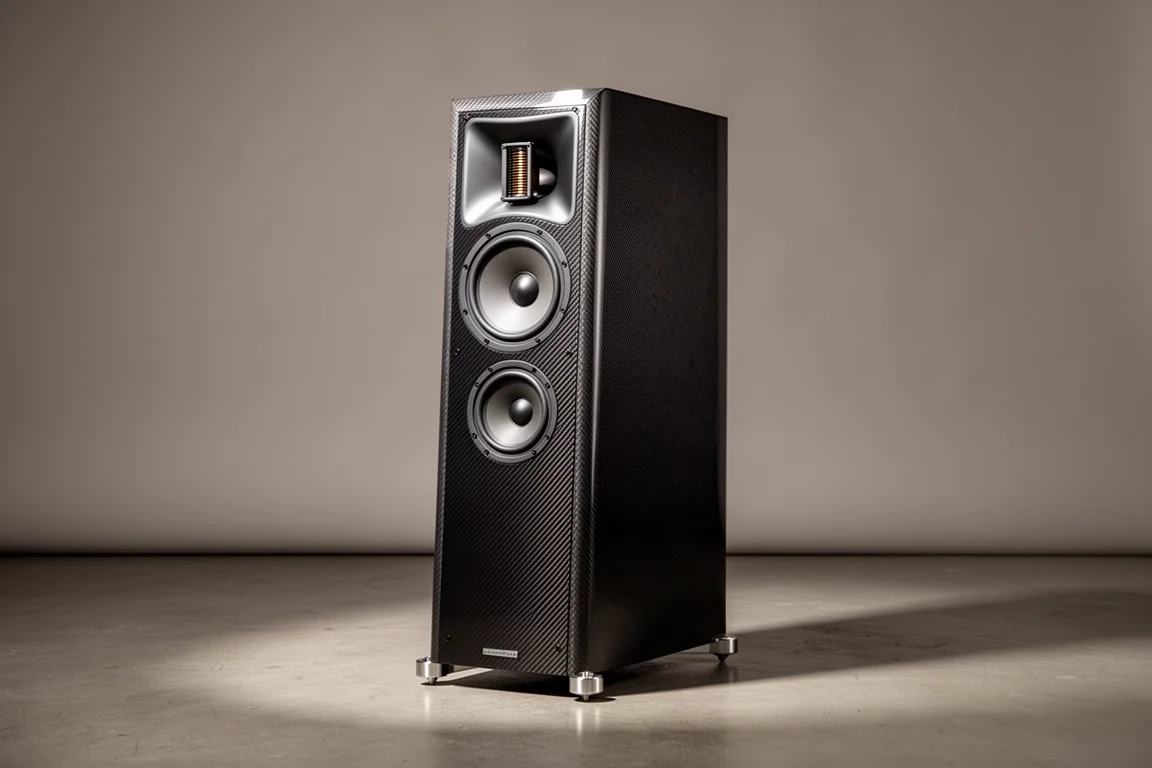
Borresen X2 Review: Deep Bass and a Warm Balance From a Slim Floorstander
A close look at the Borresen X2 loudspeaker: ribbon tweeter and carbon fiber drivers, bass below 30 Hz without a subwoofer, and how it behaves with solid state, integrated and tube amplification.
Loudspeakers
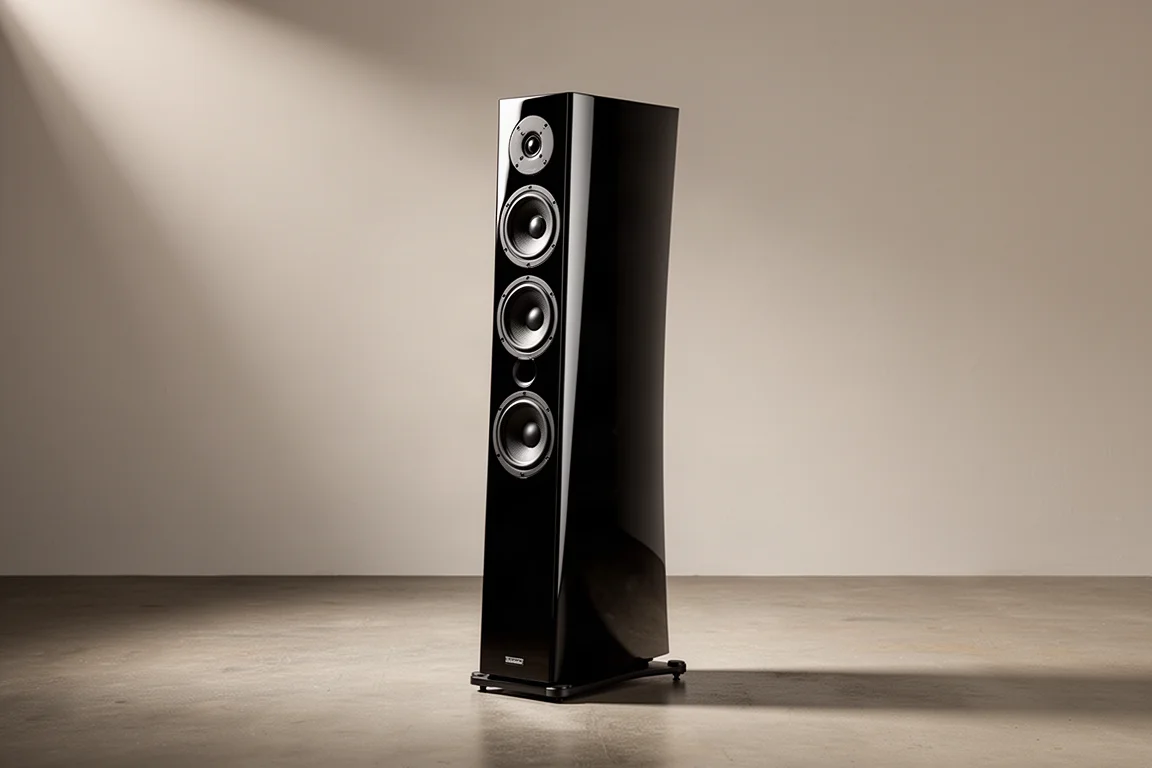
Borresen X3 Review: A Danish Floorstander Built Around Soundstaging
The Borresen X3 pairs a true ribbon tweeter and a slim Danish cabinet with remarkable imaging, fast transients, and a few practical trade-offs worth knowing before you buy.
Loudspeakers
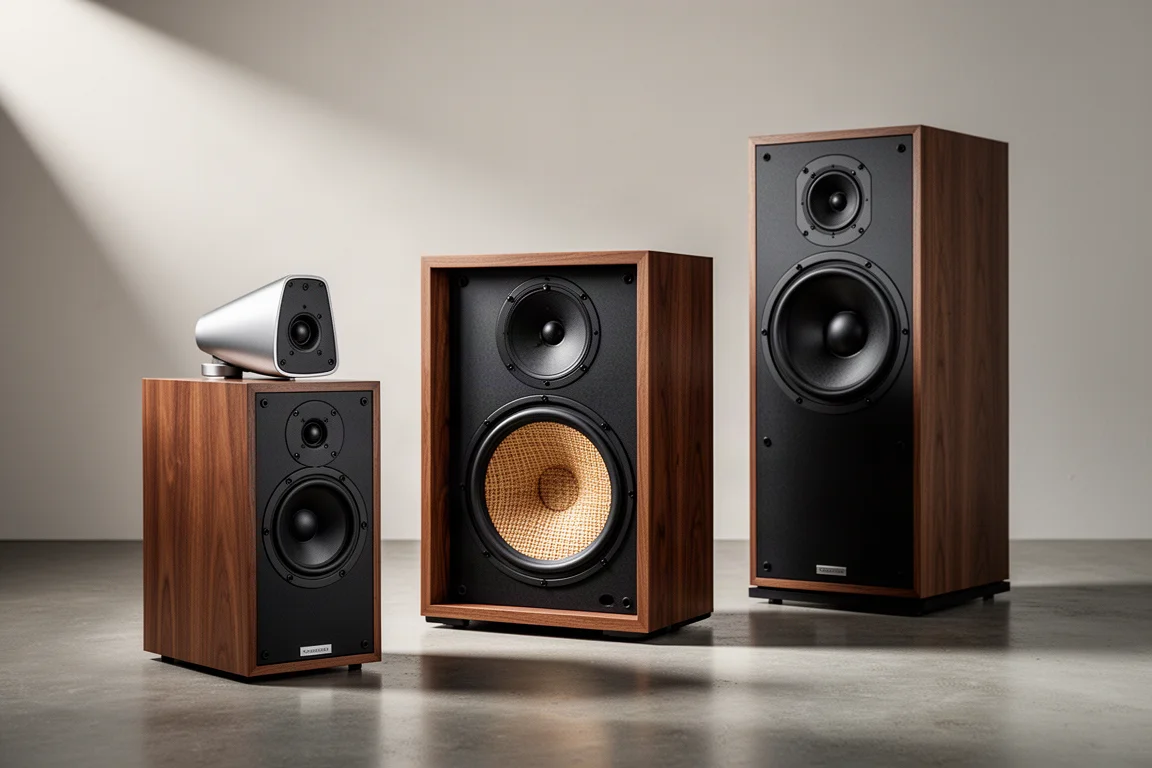
Bowers & Wilkins 705 S3 vs Wharfedale Linton vs Zu Audio DWX: Three Standmount Speakers Compared
A three-way standmount loudspeaker comparison covering the detail-led Bowers & Wilkins 705 S3, the value-focused Wharfedale Linton, and the dynamic Zu Audio DWX.