DIY Speakers
CSS Audio Criton 1TD-X vs GR Research X-LS Encore: Two DIY Speaker Kits Compared
A side-by-side look at two DIY speaker kits with nearly identical kit pricing, one built around tone and dynamic contrast, the other around depth and imaging.
Introduction
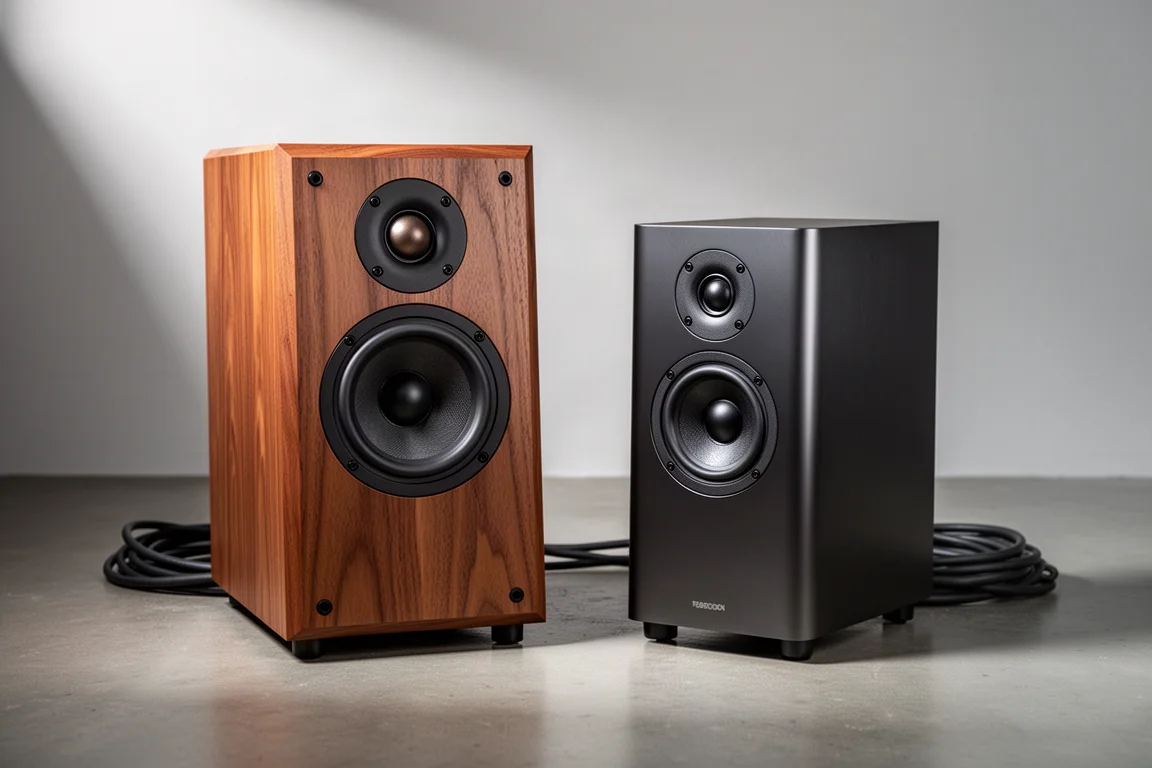
The CSS Audio Criton 1TD-X and the GR Research X-LS Encore are two do-it-yourself speaker kits that end up surprisingly close in price once you configure them to match. Both are sold as kits and as fully assembled finished pairs, so the decision is less about budget brackets and more about what you want the speakers to do in your room.
To make the comparison meaningful, the CSS Audio kit was specified with its standard crossover rather than the upgraded one, which brings the kit price to $934 against $935 for the GR Research kit. That one dollar gap removes price as a deciding factor and leaves the sound, the placement requirements, and the build path as the real differences.
Bass was deliberately taken out of the equation as well, because the CSS Audio kit has a noticeably fuller low end and that would have made the choice too obvious. What was left to judge was tone, imaging, and the way each kit handles voices and instruments.
What Both Kits Have in Common
Both kits are available in two forms: a kit you assemble yourself, or a finished pair that arrives ready to play. Both also deliver a deep soundstage, and both were judged to have minimal flaws for the money, which is why the final verdict leans on priorities rather than on overall quality.
The two designs are not the same size, though. The GR Research X-LS Encore is the smaller speaker of the pair and uses a smaller woofer, and its price went up at one point because of supply chain issues. The CSS Audio Criton 1TD-X is the larger design with the fuller low end, and it responds quite differently depending on how far it sits from the wall behind it.
CSS Audio Criton 1TD-X: Tone and Dynamic Contrast
Pricing for the CSS Audio Criton 1TD-X runs at about $2,349 for a finished pair with all the available upgrades, $1,334 for a kit with all the upgrades, and $934 for a kit built with the standard crossover using Dayton Audio parts. That standard crossover is still a solid part of the design, and it is the configuration that lines up with the GR Research kit on price.
In listening, this is the kit that leans toward tone. String instruments in particular come across with real dynamic contrast, so the difference between a soft pluck and a hard scrape stays intact instead of being smoothed over. The presentation is intimate rather than distant, and the low end has genuine weight and texture, especially when the speakers are not pushed far out into the room.

One listener picked this kit in eight out of ten blind listening passes, mostly on the strength of that tone and the realism of plucked and bowed strings. The trade-off is that its soundstage, while deep, is not as far-reaching as the GR Research design.
GR Research X-LS Encore: Depth and Imaging
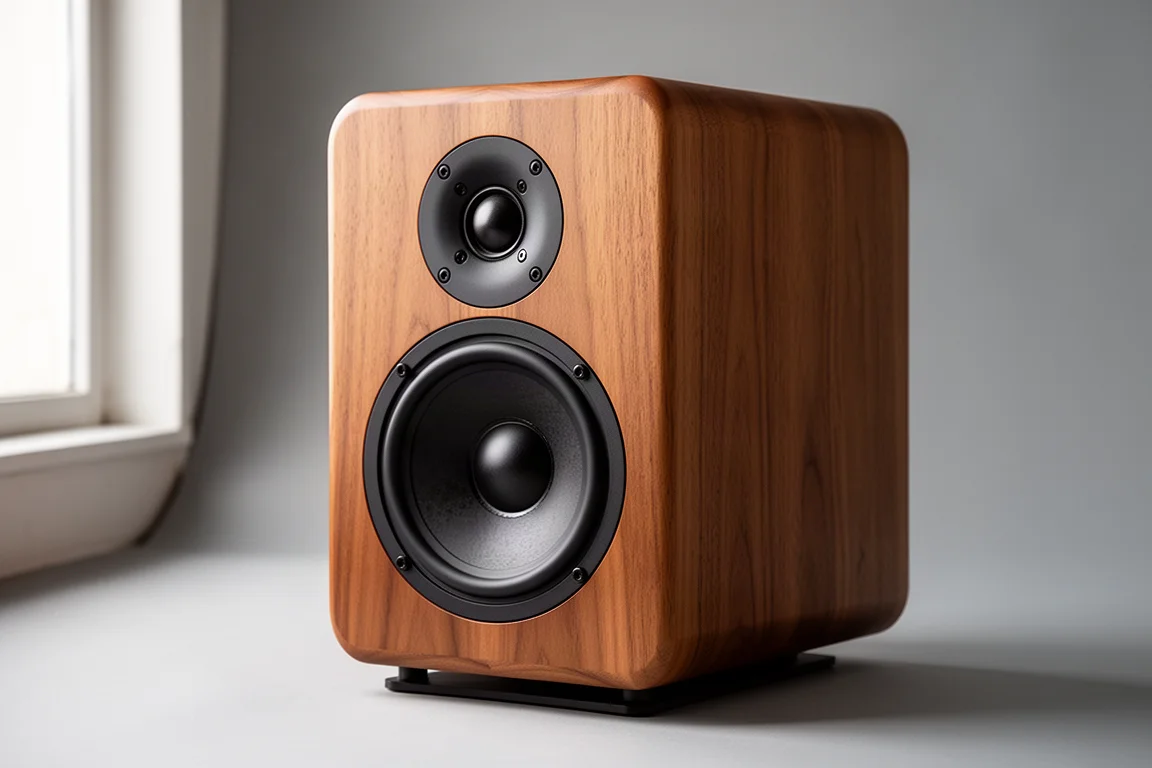
The GR Research X-LS Encore is priced at $1,670 for a finished pair with all the available upgrades and $935 as a kit with all the upgrades, with the smaller cabinet and smaller woofer accounting for part of the difference.
This kit is tuned to prioritize the upper midrange and the high frequencies rather than bass output, and it is designed to sit four to five feet away from the wall behind it. Set up that way, it produces exceptional depth and width, with clean separation between stacked vocals and instruments, and a fairly neutral balance that does not add a bass boost of its own.
The other listener chose this kit in nine out of ten blind passes, drawn to how precisely it placed performers in the space and how naturally it handled material that is not immaculately produced. If you want music to sound smooth and pleasant rather than raw, this is the character that delivers it.
Placement and Amplifier Pairing: Why Setup Matters
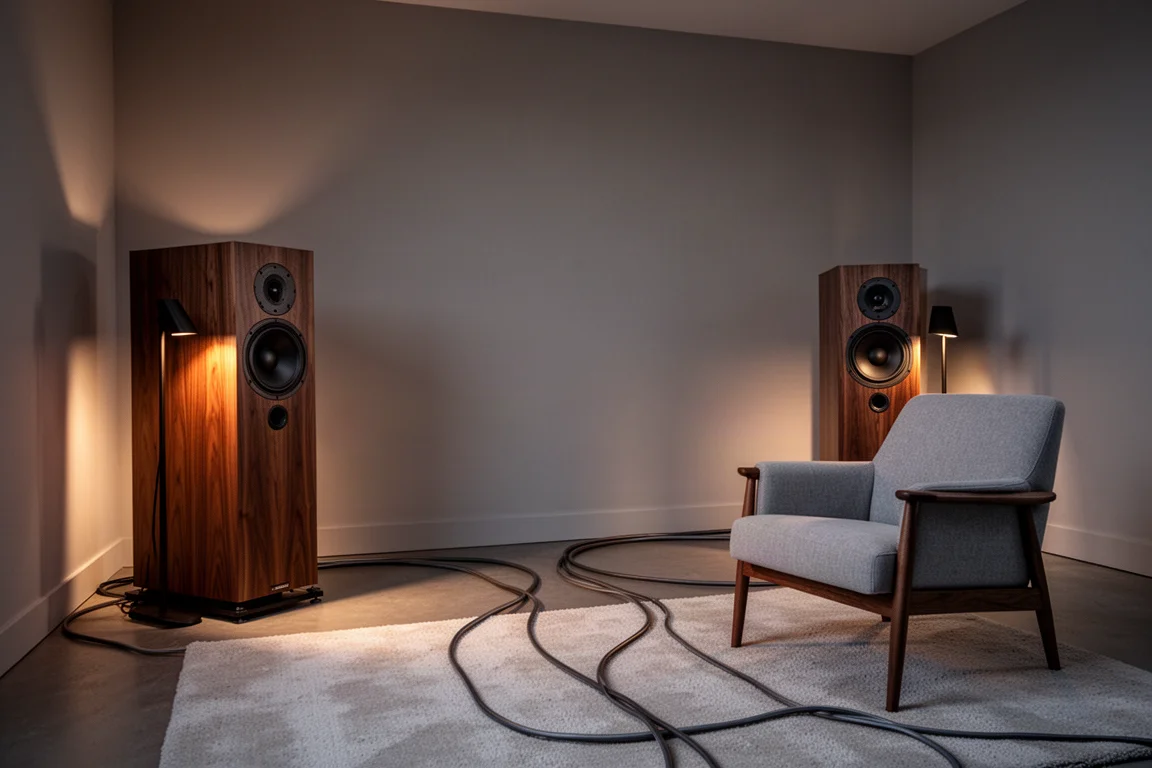
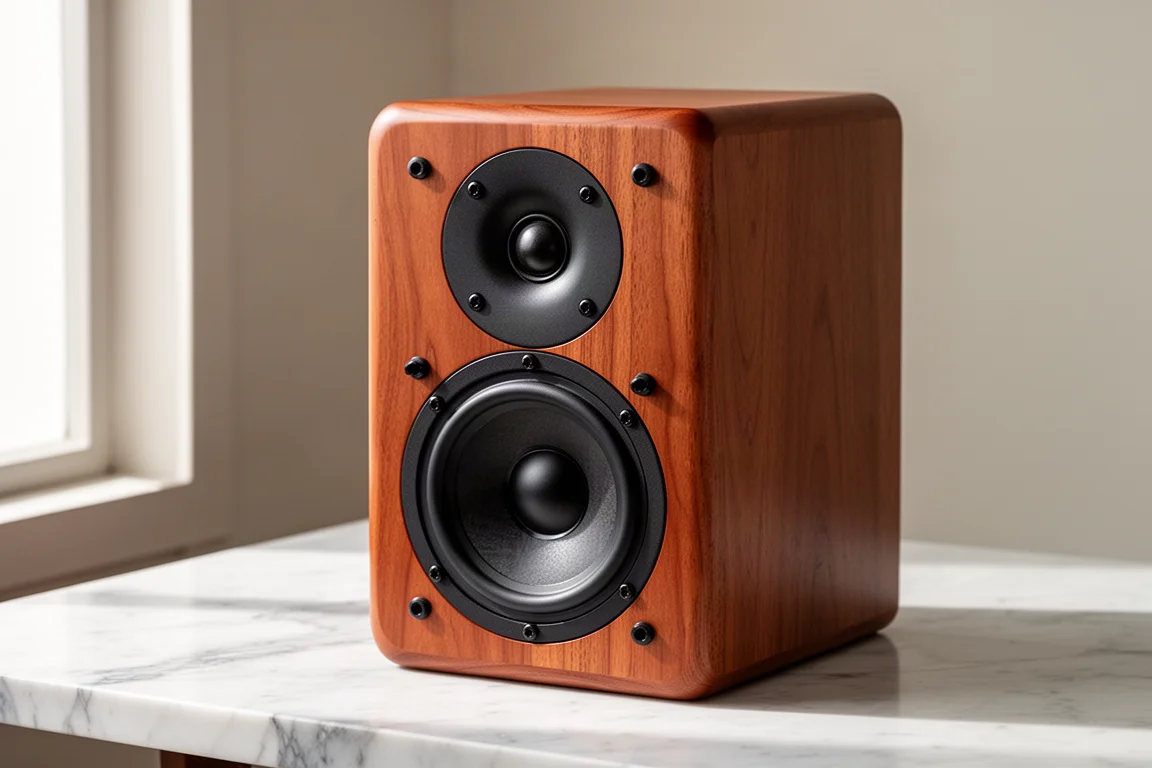
Neither speaker was evaluated in its ideal position, and that is worth understanding before you choose. The GR Research X-LS Encore wants four to five feet of space behind it, which is a large distance for most rooms, while the CSS Audio Criton 1TD-X is better suited to a more typical placement closer to the wall, where it gains bass texture and authority.
For this comparison both were run roughly four to four and a half feet out from the wall. That distance flatters the GR Research design and works against the CSS Audio kit, yet the CSS Audio still held its own, which says something about how forgiving it is.
Amplifier pairing mattered just as much. A new class D amplifier was a very good match for the GR Research kit and only an adequate one for the CSS Audio kit, which is a reminder that a speaker can change character substantially with a different amplifier.
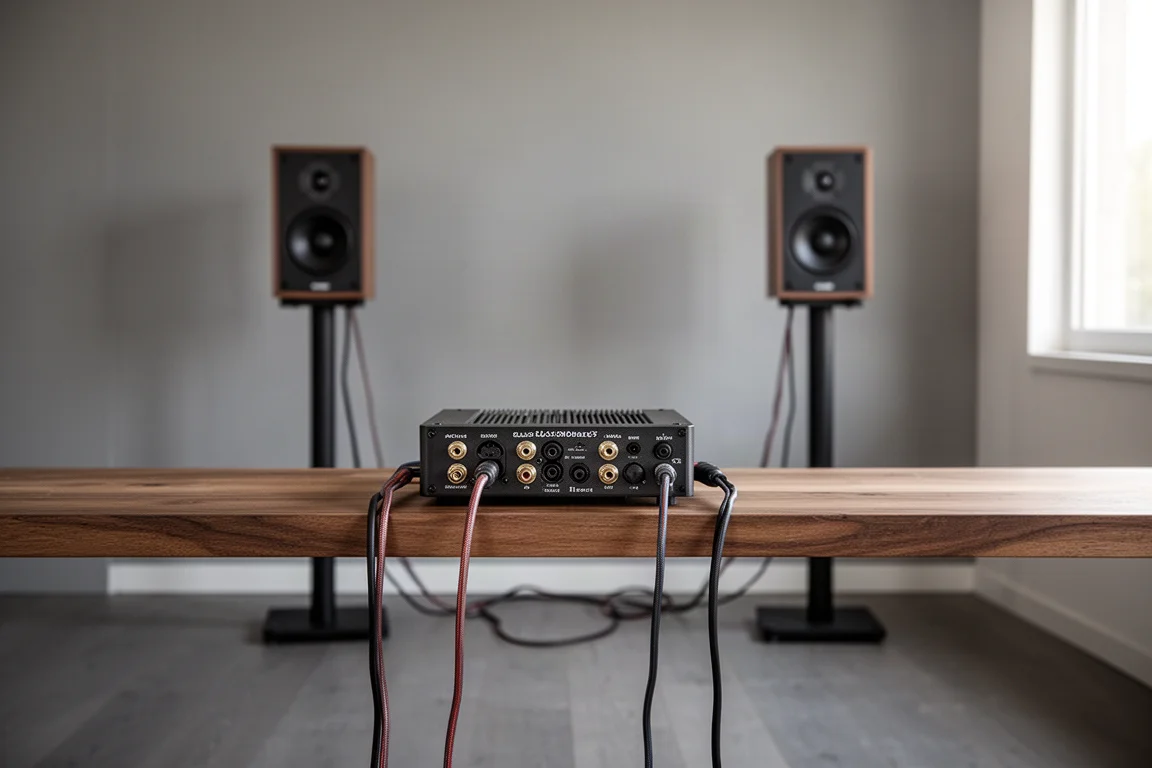
The practical takeaway is simple: the room and the amplifier are part of the sound. If you cannot give a speaker several feet of breathing room, factor that in before you commit.
Price and Value: Kits Versus Finished Pairs
The kit route is where these two designs meet most evenly. At $934 and $935 respectively, the CSS Audio Criton 1TD-X with the standard crossover and the GR Research X-LS Encore with all upgrades sit within a dollar of each other, and both were described as excellent value at that price.
Finished pairs widen the gap. The CSS Audio Criton 1TD-X comes in at about $2,349 with all upgrades, while the GR Research X-LS Encore lands at $1,670 with all upgrades. If you would rather not assemble anything, the GR Research option is the less expensive finished speaker of the two.
Buying Advice: Which Kit Suits Your Priorities
Choose the CSS Audio Criton 1TD-X if tone is what you notice first. It rewards listeners who play acoustic and electric guitar, strings, and vocal-led material, and who want the weight of a note to come through. It also fits rooms where the speakers will sit relatively close to the wall, since that is where its low end works best.
Choose the GR Research X-LS Encore if depth and imaging are what you listen for. It places performers precisely, stays neutral rather than bass-forward, and costs less in both kit and finished form. It does ask for several feet of clearance behind it, so it suits a room that can give it that space.
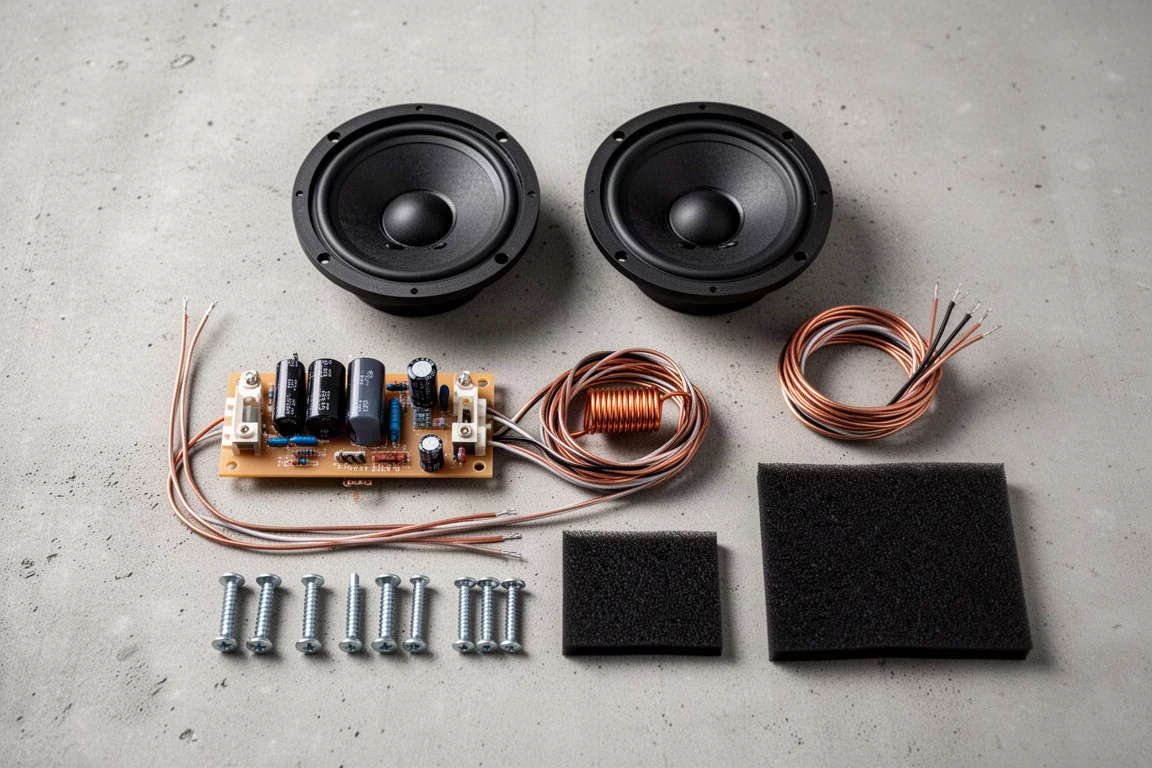
If your room is small and your placement options are limited, the CSS Audio kit is the more forgiving of the two. If you have the space and you value a wide, deep stage, the GR Research kit earns its place.
Conclusion
Both kits are strong performers with very few weaknesses, and the blind comparison split cleanly along preference rather than quality. One listener went for tone and dynamic contrast, the other for depth and precision, and neither choice was obvious from the outside. Match the kit to the way you listen and to the room you actually have, and either one will serve you well.
Further reading
Related Reviews
Speakers
13 Under-the-Radar Speakers Still Worth Buying
Thirteen speakers that quietly stayed in production while newer models took the spotlight, from budget bookshelf pairs to a full-size tower.
Powered Speakers
AbramTek X50 Review: Powered Speakers With Real Bass and a Full Feature Set
The AbramTek X50 pairs a phono preamp, HDMI ARC, optical, and Bluetooth with genuinely capable sound. Here is what it does well and what to check before buying.
Bookshelf Speakers
Acoustic Energy A100 Mark II Review: A Compact Standmount With an Expansive Soundstage
The Acoustic Energy A100 Mark II brings clarity, natural tonality and a wide soundstage to an entry-level standmount, with a few setup details worth knowing first.