Recumbent Bikes
Cruzbike V20c Review: A Lightweight Recumbent Built for Speed
A practical look at the Cruzbike V20c, a light and aerodynamic recumbent that climbs better than expected and descends remarkably fast, with a genuine learning curve at low speed.
Introduction
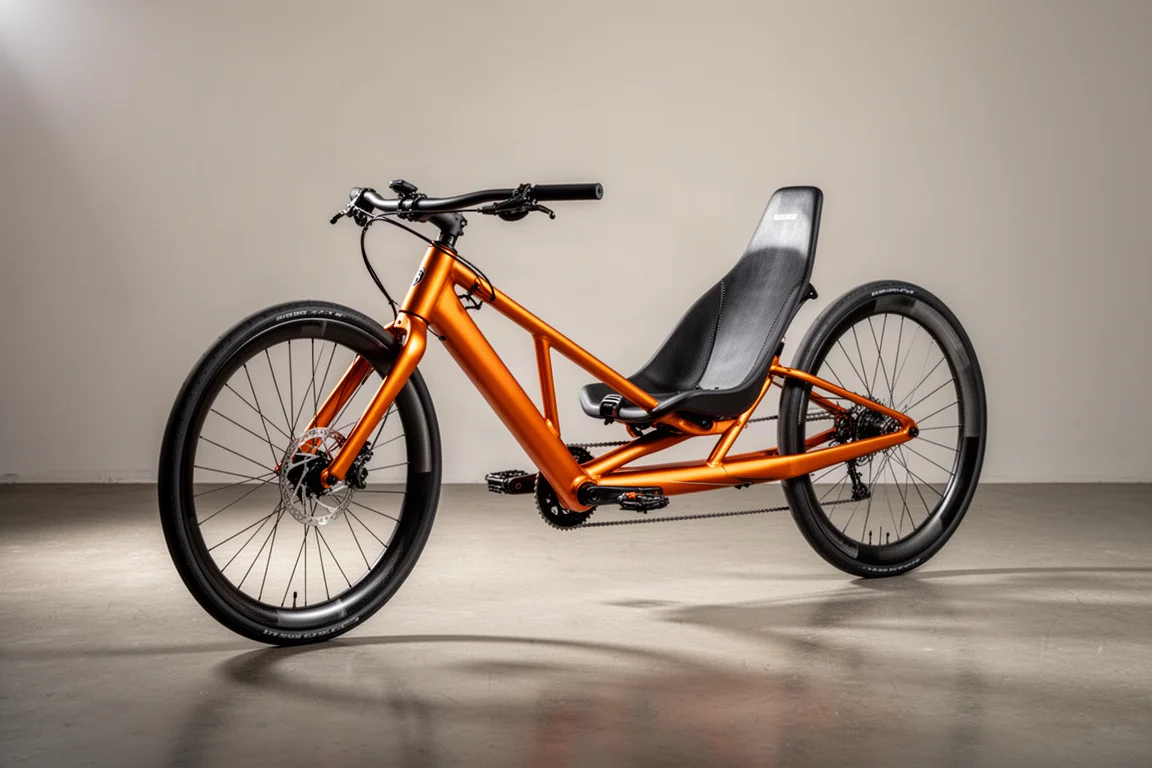
Recumbents have a long standing reputation as some of the fastest human powered vehicles on the road, and the Cruzbike V20c is built to make that reputation feel real on everyday tarmac. It is a notably light recumbent that Cruzbike designed to behave as much like a conventional road bike as possible, with the company positioning it as a machine that should be as easy to climb on as a standard upright bike.
That idea faced a demanding test on a 50 km route along the eastern edge of the Brecon Beacons National Park in Wales, a ride built around the 13 km Gospel Pass ascent, where gradients reach up to 20 percent, followed by a descent and a return along rolling country lanes. The V20c climbed, descended and covered ground, and it left a strong impression in some areas alongside a clear set of caveats in others.
Who this product is for
The V20c suits riders who care about aerodynamic efficiency and want to travel quickly on long, open roads. It is also a natural fit for cyclists who are curious about recumbents and are willing to invest time in learning a different set of handling skills, because the reclined position changes almost everything about how the bike is started, steered and pedalled.
It is less obviously suited to riders whose typical route is steep, technical and frequently interrupted by stops, where the recumbent layout asks for considerably more care and technique.

Riders who spend most of their time on busy roads should also weigh the low seating position carefully, because sitting closer to the ground changes how visible the bike is in traffic, and recumbents remain uncommon enough that drivers may not be expecting one.
Main strengths
Lightweight build and climbing ability
The V20c is a genuinely light recumbent, and that shows on gradients. Cruzbike’s design goal was to make it feel as close to a normal bike as possible, and on the long Gospel Pass climb it held a line and stayed stable at a pace that would surprise anyone who assumes recumbents cannot climb.
Power delivery also improves with familiarity. Research carried out with an America’s Cup sailing team found that riders could train themselves to produce comparable power in a seated position over time, which suggests the usual complaint about recumbents and climbing is at least partly a matter of adaptation rather than a fixed physical limit.
Descending speed and stability
Descending is where the V20c makes its strongest case. The low, aerodynamic position builds speed almost without effort, and the sensation sits closer to a go-kart or a bob sled than to a road bike. Once it is rolling, it feels like the fastest bike on the road.
That speed comes with a mental adjustment. At first the bike feels nervous at the speeds it reaches, and confidence only arrives with time in the saddle and a relaxed upper body. For riders who regularly ride fast open roads, the payoff is a machine that holds momentum exceptionally well.
Relaxed pedalling and comfort
The reclined position takes weight off the hands and arms entirely, and the pedal stroke becomes noticeably smoother once the upper body is relaxed. Looking ahead and staying loose is the key habit, because tension in the shoulders and arms translates directly into a less efficient, less stable stroke.
The legs sit well above hip height on steeper sections, which takes some getting used to, but the position is stable once the rider settles into it and stops fighting the bike.
Things to consider before buying
Getting started and low-speed stability
Setting off is the hardest part of riding the V20c. At low speed the bike wobbles, and a hesitant start can turn into a weave. The reliable approach is to select a big enough gear before pedalling away, because starting in too small a gear creates exactly the wobble that makes the first few metres difficult.
Stopping on a steep climb is a bigger problem. Once momentum is lost on a narrow, steep section, restarting is very hard and walking may be the only practical option. Riders who expect to stop and start often on hard gradients should factor that into their decision.

Traction and power on steep gradients
Putting power down on steep, slippery surfaces is genuinely difficult, because there is very little weight over the wheel that drives the bike. Smoothness matters more than force here. Sitting back, pulling back on the bars and keeping the pedal stroke even preserves traction far better than pushing hard.
The bike itself copes well with rough surfaces. A large pothole on the descent was absorbed without drama, even though it was enough to unsettle the rider and require a firm hold on the brake levers.
Visibility and familiarity
Recumbents are rare on open roads, and drivers are not always looking for one. The low position makes that a real consideration, particularly in traffic and in poor weather, where being seen early matters more than usual.
Buying advice
The V20c is at its best on long, open roads where it can hold high speed and make proper use of its aerodynamics, the conditions in which recumbents are capable of reaching 50 to 60 km/h. Riders who want to cover distance quickly, and who are prepared to practise the start, the climb and the descent, will get the most from it.
If most of your riding is steep, technical climbing on broken surfaces, a conventional bike will be simpler and easier to live with. If your riding is long and open, with room to build and hold speed, the V20c is worth serious consideration. It is a bike that rewards patience with pace.
Conclusion
The Cruzbike V20c is a fast, light recumbent with a steep learning curve and a genuine reward at the end of it. It climbs far better than its layout suggests, descends with remarkable speed, and asks for patience and smooth technique at low speed. Riders who want aerodynamic performance on open roads, and who are willing to adapt how they ride, will find a lot to like here.
Product link
View more details for Cruzbike V20c
This product is mentioned in the review. Check the specifications, options, and compatibility before buying.
View more details for Cruzbike V20cFurther reading
Related Reviews

Road Bikes
10 New Road Bikes Worth Watching: Aero, Titanium, Steel and Endurance Standouts
A practical roundup of 10 new road bikes, from aero flagships chasing single-watt gains to titanium, steel and endurance platforms built for real roads.

Saltwater Aquarium Setup
10 Questions About Cycling a Saltwater Aquarium: What You Need to Know
Essential questions and answers for cycling a reef tank or saltwater aquarium, from biome building to light management and bacterial supplements.
Cycling Components
A 20,000-Mile Budget Race Bike Build: Five Parts Worth Knowing
A rim brake race bike assembled from low-cost components and ridden for 20,000 miles. Here is what delivered real speed, what caused problems, and what to weigh before copying the formula.