Road Bikes
Cross XTR 1400 Review: What a Very Cheap Road Bike Actually Delivers
A close look at the Cross XTR 1400, a red 27.5-inch road bike with 14 Shimano gears, a 12.6 kg build and a price that undercuts almost everything else on the market.
Introduction
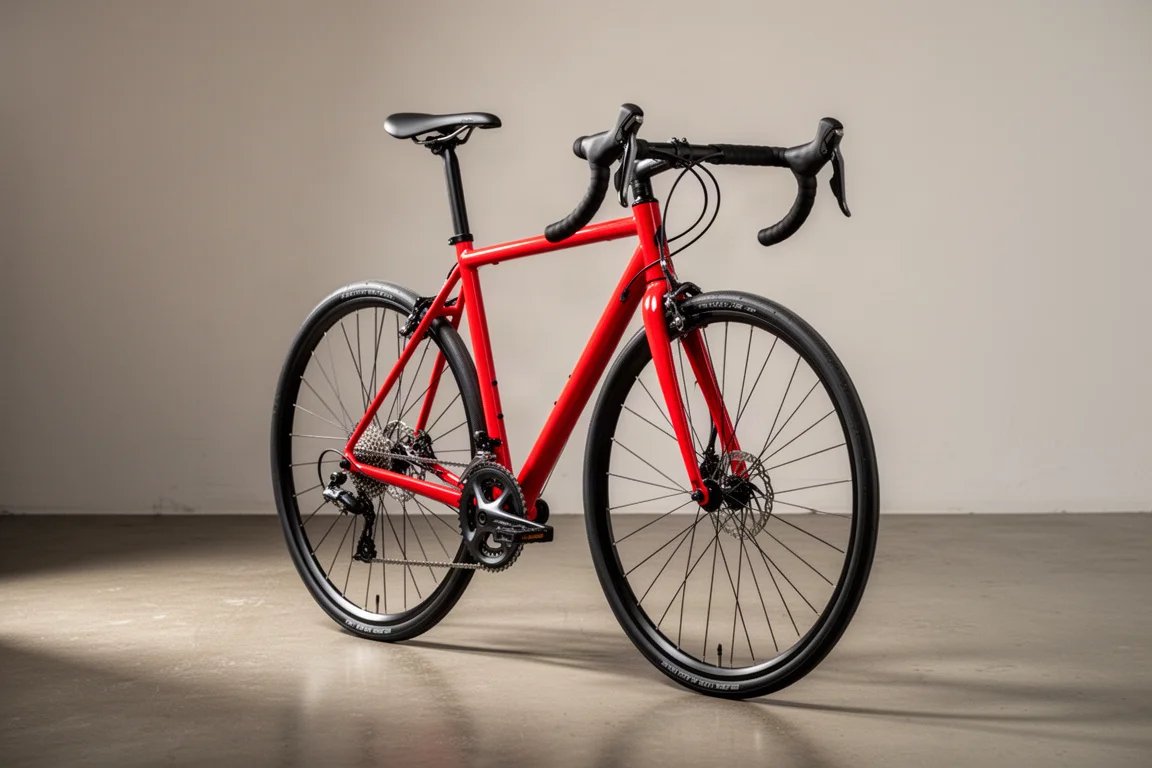
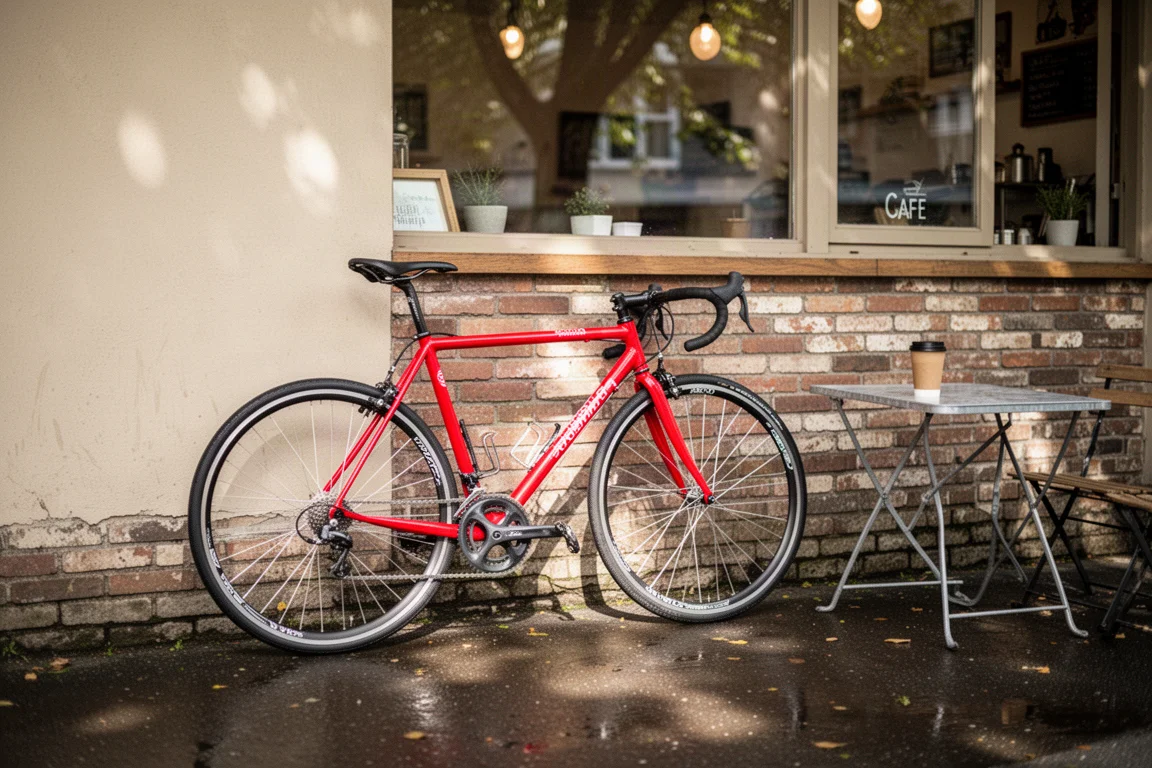
A road bike that costs less than one percent of a top-end model is always going to raise questions, and the Cross XTR 1400 is exactly that bike. It is a 27.5-inch wheel, unisex road bike finished in red, sold at a price that makes premium carbon look almost absurd in comparison.
The specification reads simply: 14 Shimano gears, a rigid frame and fork, and a measured weight of 12.6 kg. That is close to double the weight of a bike costing around ten thousand pounds, and the money saved is almost the same figure in reverse. Everything about the Cross XTR 1400 comes back to that trade-off, and it deserves to be judged on both sides of it.
Who this product is for
This is a bike for short journeys, everyday commuting, and riders who want to get fit without committing serious money. Assembly is minimal, and after a quick check the bike is essentially ready to ride straight out of the box. Nothing about the build requires specialist tools or a workshop visit.
It also makes a sensible case against other cheap transport. The purchase price is roughly equivalent to seven and a half train fares on a typical commute, and the bike keeps working after those fares would have been spent. For someone who wants a simple tool to cover a few miles each day, that arithmetic is genuinely appealing.
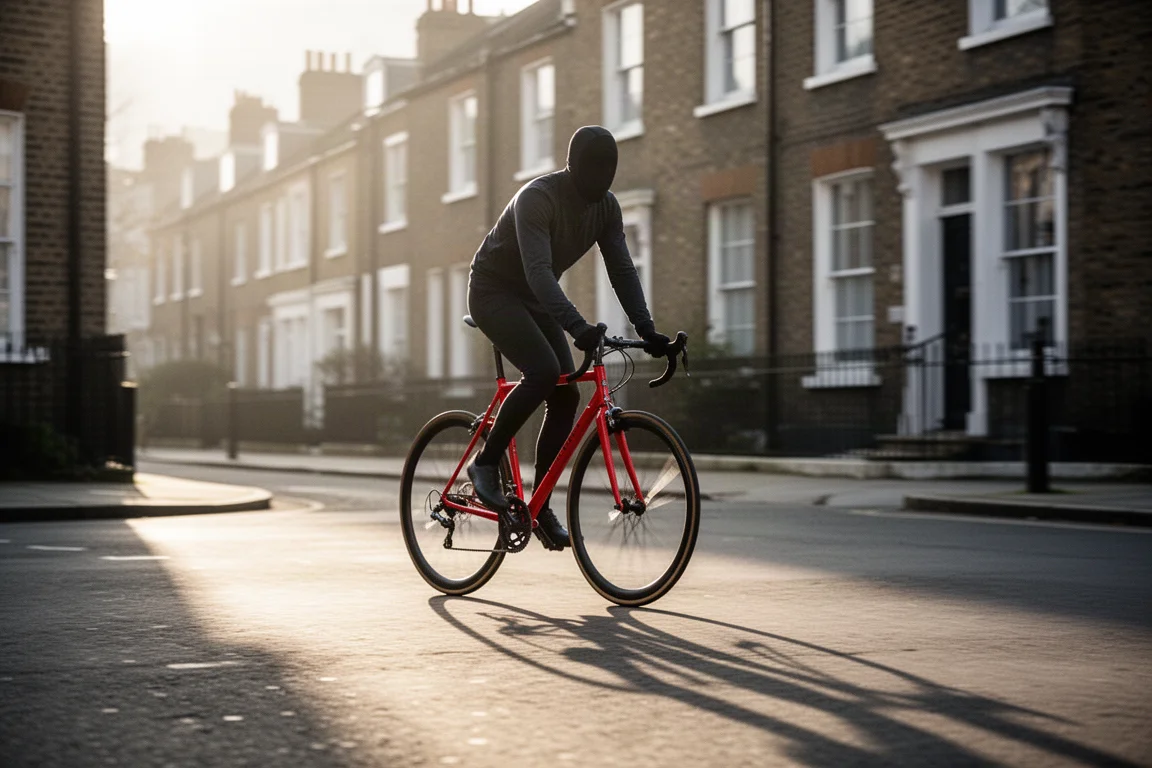
The catch is fit. The frame is sized for taller and more flexible riders, so shorter or less experienced cyclists should think carefully before ordering. Anyone under six feet tall, or anyone who prefers an upright riding position, is likely to find this bike uncomfortable rather than convenient.
Main strengths
There are 23 individual components on this bike, which puts the average value of each part, frame and wheels included, at under four pounds. Judged against that number, several parts perform far better than expected.
Reliable 14-Speed Shimano Gearing
The gearing is the strongest part of the package. All 14 Shimano gears shift reliably, predictably and easily, and the range gives plenty of ways to adapt pedal power to the road. The shifters sit on the brake hoods rather than on the bars, which is less convenient than the layout found on more expensive bikes and can be knocked accidentally with a knee when riding out of the saddle. That is a minor annoyance rather than a functional problem.
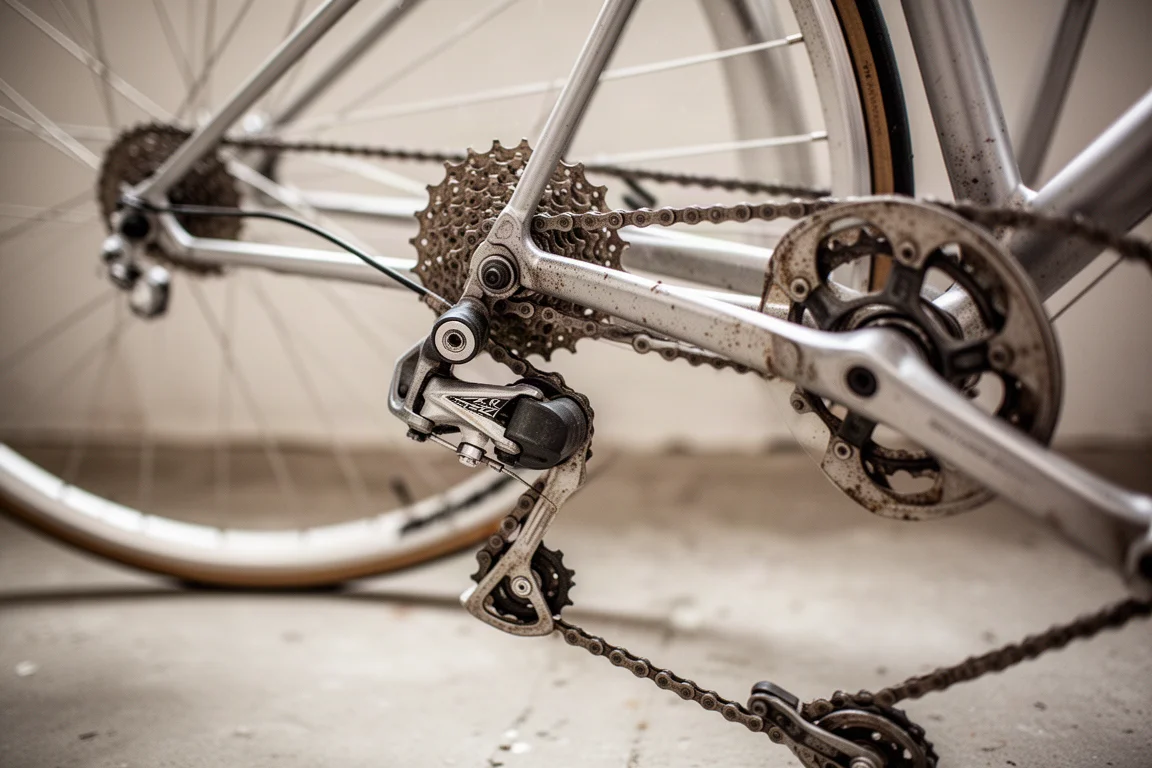
For a drivetrain at this price, the consistency is the real achievement. Shifting that behaves the same way every time is what keeps a low cost bike usable day after day.
A Surprisingly Comfortable Saddle
The saddle is another pleasant surprise. It is comfortable enough to settle into without fuss, which matters on a bike where every other contact point asks something of the rider. For a component that would cost very little on its own, it does its job well.
Things to consider before buying
User ratings for this bike sit at around 3.5 out of 5, which reads more like a verdict on value than on performance. Most owners describe the bike as comfortable and high quality, particularly the gearing, and several mention that assembly was quick and delivery was on time. The criticisms are more specific and worth reading closely.
The Riding Position Is Very Stretched Out
The geometry is the first serious issue. Normally, less experienced riders get a more upright position for comfort and confidence, while stronger riders stretch out. This bike inverts that logic. It is the most stretched-out setup of its kind, with the brake hoods sitting an unusually long way from the saddle.
Most of the blame belongs to the handlebars. At a glance they look like ordinary road bars, but the forward section is roughly twice as long as it should be. Plenty of riders simply will not be able to reach the brake hoods at all, and since the brakes are operated from that position, that is more than an ergonomic problem.
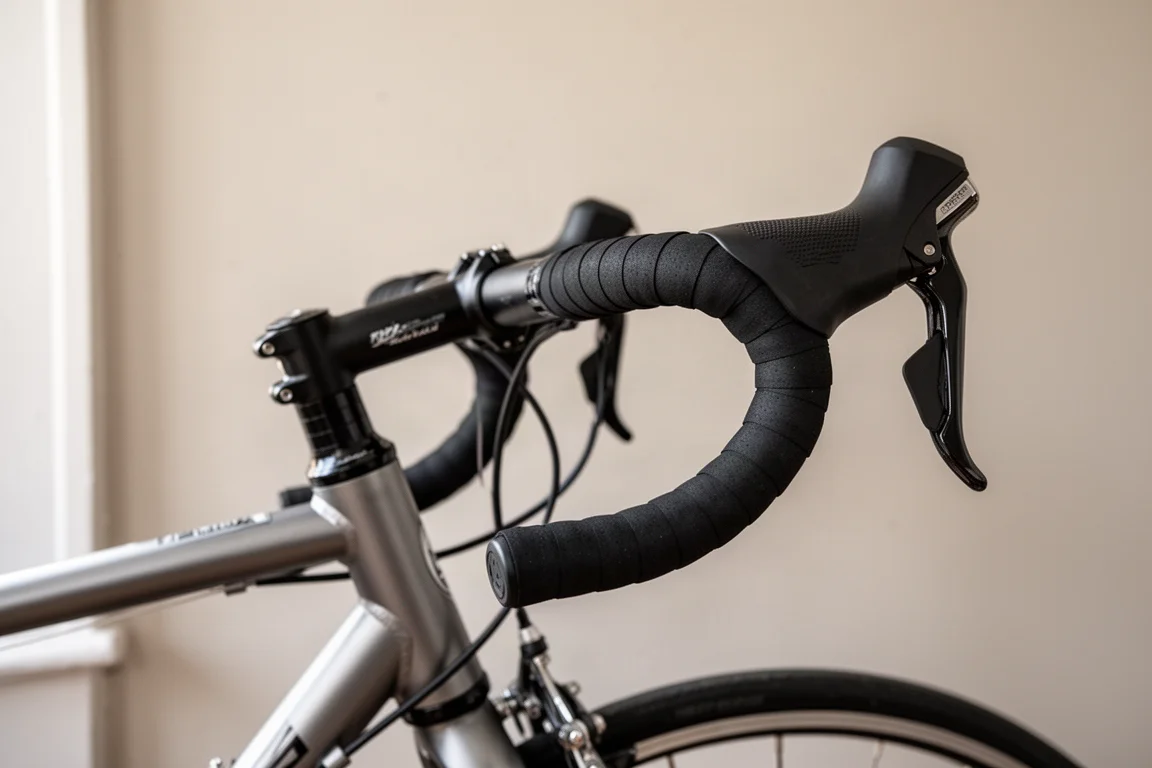
If reach is comfortable, the bars themselves are usable. If it is not, no amount of adjustment will turn this into a relaxed commuter.
Braking Performance Is the Biggest Concern
Braking is the weakest area of the bike by a wide margin. With the rear brake pulled fully on, the bike could still be pushed forward, and adding the front brake into the mix did not transform matters. Over a commute of around 20 km, there were several moments where the lack of stopping power felt genuinely exposed.
Part of the problem is spring strength inside the calipers, which means much of the effort from the fingers goes into squeezing rather than stopping. There is also visible flex in the calipers themselves, and the brake pads offer very little bite. Wet weather would likely make an already limited setup considerably worse.
One owner report describes a front brake detaching and catching the front wheel during a slow ride, with no injury only because of the low speed. That is a single account rather than a pattern, but it is the kind of detail worth knowing before buying.
Weight, Tires and Suspension Wording
The listed specification is worth reading carefully. The rigid suspension is best understood as no suspension at all, which is normal for a road bike and simply an odd way to describe it. The tires are described as road and trail specific, but in practice they are road only and would not cope with trail use.
At 12.6 kg the bike is heavy, though the weight is less of a penalty than it sounds for stop-start town riding. What matters more is that the money saved has to go somewhere, and on this bike it clearly went towards the frame, the gears and the saddle rather than the brakes or the contact points.
Buying advice
The honest position is that the Cross XTR 1400 works as a tool rather than as a rewarding bike. On a commute of around 20 km it averaged roughly 28 km/h, which is only about 0.5 km/h slower than a gravel bike costing around 100 times more, and around 3 km/h slower than a road bike costing around 112 times more. That difference amounts to a few minutes on a typical journey, which puts the value argument firmly in this bike’s favour.
The counterargument is that a bike with an extreme position and very limited brakes may put more people off cycling than it converts. Riders looking for a comfortable machine to build fitness on should look at other options, and the used market is worth checking carefully at this price level, where a secondhand bike often offers better brakes and a more sensible fit.
If you do buy one, budget for the fit rather than the parts. Check that you can comfortably reach and squeeze the brake levers before riding in traffic, keep speeds modest on descents, and treat wet weather with extra caution. Handled that way, the bike delivers what it promises: efficient, low cost transport.
Conclusion
The Cross XTR 1400 is a genuine bike at a price that seems almost impossible, and it does the fundamentals of getting a person from one place to another with reasonable speed and less effort than walking. Its gearing and saddle exceed expectations, while its stretched-out position and weak brakes fall well short of them.
Anyone tall, flexible and riding short, calm distances will get real use out of it. Anyone expecting comfort, confident braking or trail capability should spend their money elsewhere. Judged strictly as cheap transport, it makes a case. Judged as a bicycle to enjoy, it has clear limits.
Product link
View more details for Cross XTR 1400
This product is mentioned in the review. Check the specifications, options, and compatibility before buying.
View more details for Cross XTR 1400Further reading
Related Reviews

Road Bikes
10 New Road Bikes Worth Watching: Aero, Titanium, Steel and Endurance Standouts
A practical roundup of 10 new road bikes, from aero flagships chasing single-watt gains to titanium, steel and endurance platforms built for real roads.
Road Bikes
2026 Tour de France Road Bikes: Six Race Machines Worth a Closer Look
Six race bikes from the 2026 Tour de France grid, reviewed for paint, silhouette, wheels and the specification details that matter to buyers.
Road Bikes
3T Strada Italia Review: A Radical Aero Road Bike That Rides Smooth
A made in Italy carbon aero road bike with a deep head tube, wide tire clearance and a genuinely comfortable ride. Here is what to know before buying.