Astronomy Accessories
Cosmic Shards Messier Deep Sky Objects Card Set: A Handy Field Reference for Stargazers
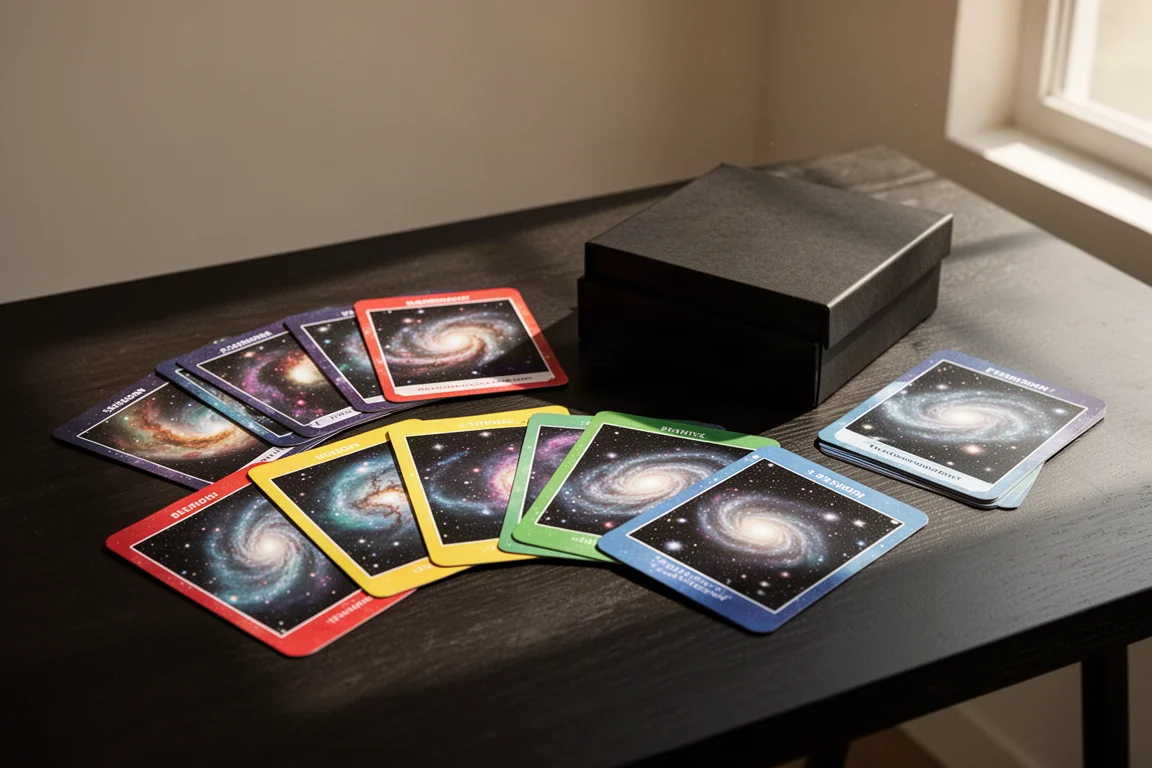
A 110-card boxed set covering the full Messier catalog, color-coded by season and packed with practical observing info for beginners and seasoned amateur astronomers alike.
Introduction
Every so often a product shows up that solves a problem you did not quite realize you had. The Cosmic Shards Messier Deep Sky Objects card set is one of those. It is a boxed set of 110 cards, one for every object in the Messier catalog, and it manages to be both a friendly gateway into astronomy for younger stargazers and a genuinely useful field reference for experienced amateur astronomers.
The catalog itself has a great backstory. In 1757, a French astronomer named Charles Messier became obsessed with comets after an attempt to find Halley’s comet. Working from a hotel in Paris, he ran a systematic search of the sky for comets, but he kept running into things that were not comets: galaxies, star clusters, and nebulae. He documented these non-comets carefully, and the list eventually grew to 110 objects. That catalog, with each item labeled M plus a number, is still one of the most famous lists in astronomy. M1 is the Crab Nebula, and M42 is the Great Orion Nebula. In practice, it is a list of the coolest things you can point a telescope at in a dark sky, after the Moon and Jupiter.
Messier did eventually find 13 comets, but it is the catalog of “bothersome non-comets” that made him a permanent part of astronomical history. These cards bring that catalog into a format you can actually use at the eyepiece.
Who This Card Set Is For
The set is partly designed to get kids excited about astronomy, and it does that well. One honest step toward keeping young people interested in this hobby is avoiding a terrible first telescope. The second step is showing them the genuinely spectacular things a good telescope can reveal. Colorful, information-packed cards they can hold in their hands, followed by a real view through the eyepiece, is a proven combination.
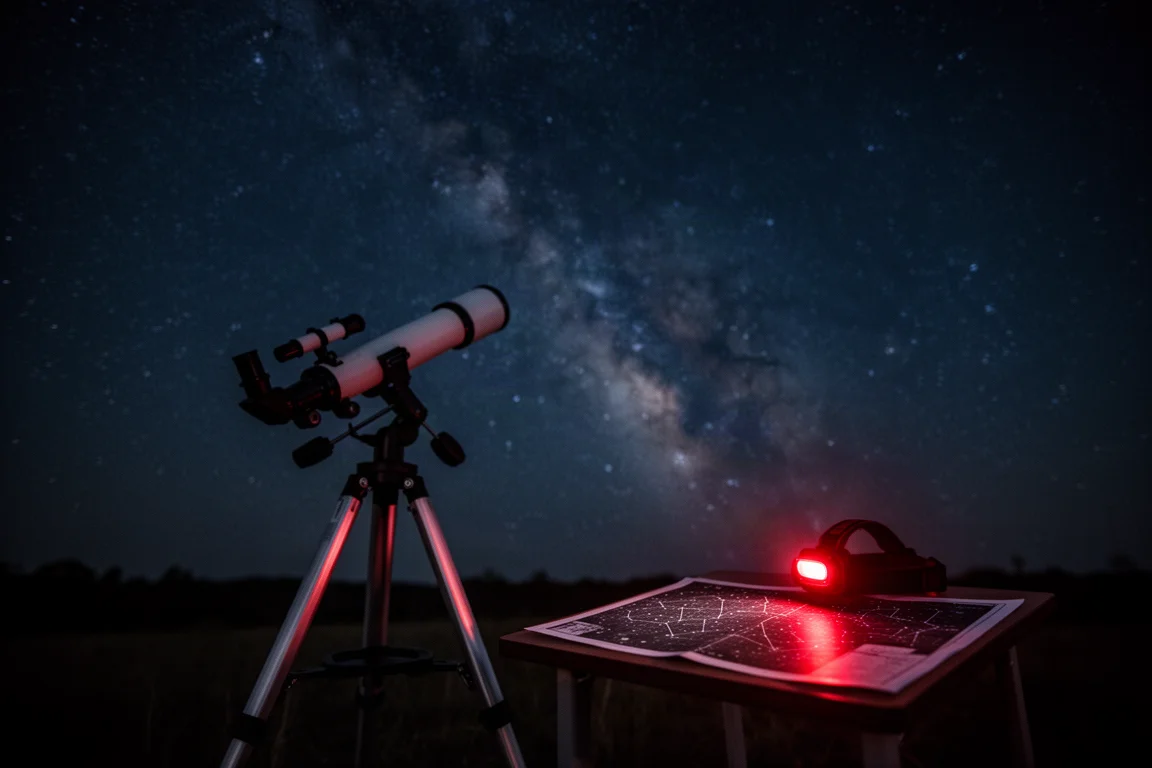
But these cards are not just for beginners. They are equally useful for amateur astronomers, particularly in spring when the Messier marathon season arrives. If you run a marathon hunt through the catalog and you use a Telrad finder, this set becomes especially relevant, because the cards are built around that exact workflow.
Main Strengths
There are three things that make this set stand out. First, the cards are not on a smartphone, so the battery will never die mid-observing session. Second, they are divided and color-coded by season: blue is winter, red is autumn, yellow is summer, and green is spring. That makes finding what is visible tonight remarkably quick. Third, and most importantly, the information on each card is genuinely useful. These were clearly made by astronomers, for astronomers.
Take the M42 card for the Orion Nebula as an example. The front shows the Messier number alongside its NGC designation (NGC 1976, since the New General Catalog is a separate listing), the official name, the object type as an emission and reflection nebula, and the season color. It also shows the constellation with highlighted stars such as Betelgeuse, Alnitak, and Rigel, plus the Telrad circles: a set of concentric red circles matching what you see through a Telrad viewfinder. That makes star-hopping to the target far more intuitive, and the Orion Nebula sits right between Alnitak and Rigel.
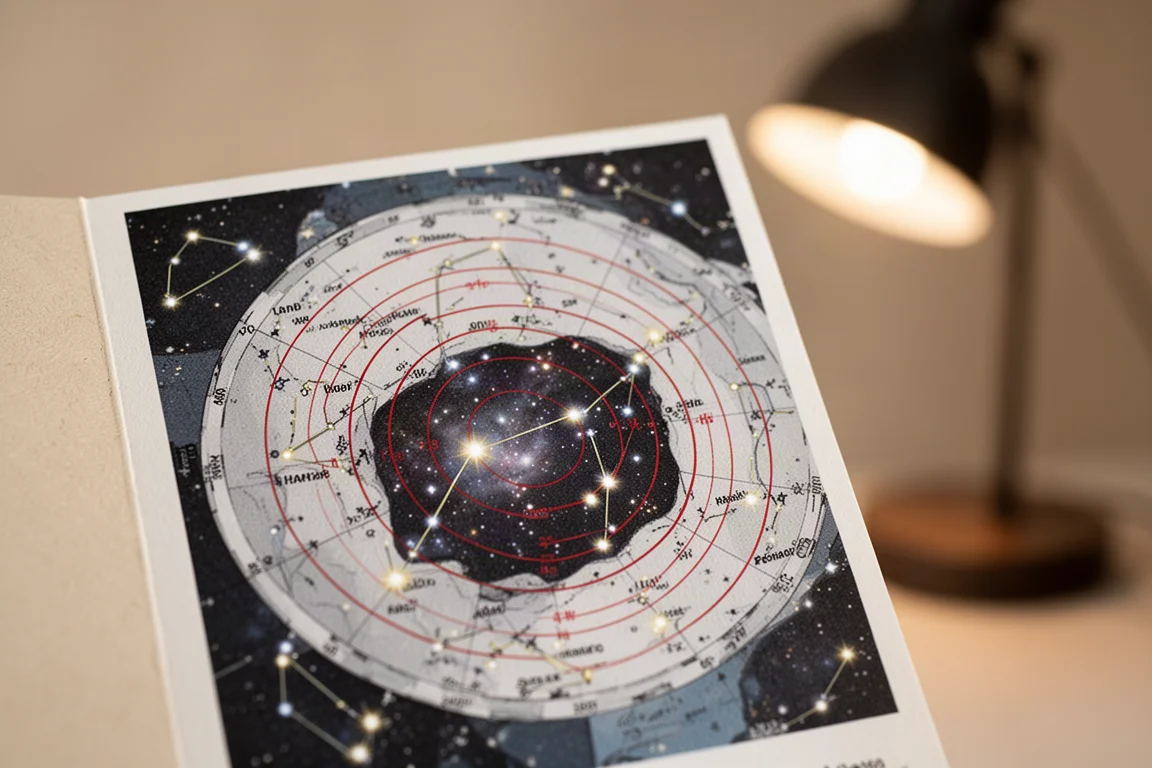
The card also includes an eyepiece simulation of what you might actually see, alongside a full color photograph typically sourced from NASA, ESA, or skilled private astrophotographers whose images often involve hours of stacking and data accumulation.
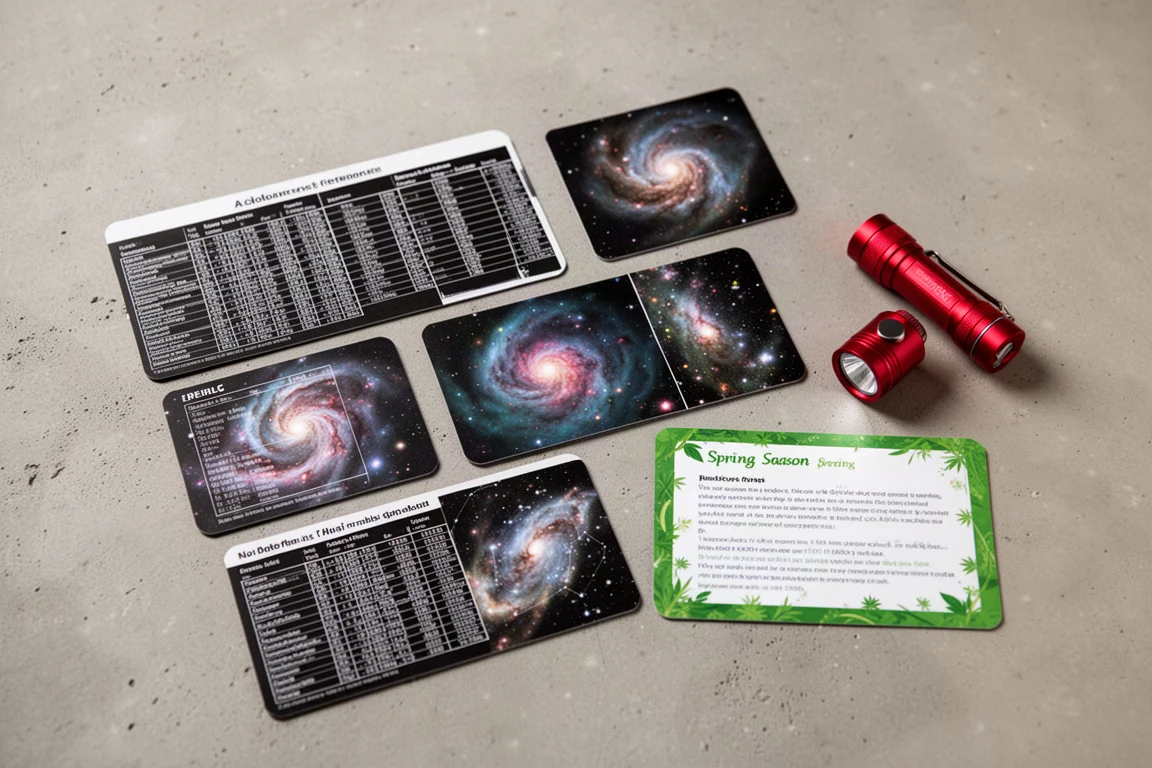
The back of each card goes deeper. You get the apparent magnitude (4 for M42), the distance (1,350 light years), the apparent size in the sky (65 by 60 arc minutes, for reference roughly double the full Moon), the object’s age (2 million years), and the number of stars involved (thousands, which makes sense for a nebula). There is a difficulty rating from 1 to 5, with M42 rated a 1 because it is one of the easiest deep-sky objects to see, even from the city. The card lists the best observing months (December through February), recommended equipment (binoculars, a small telescope, or a larger telescope all work here), suggested eyepiece magnification (low to medium for this fairly large object), and recommended filters such as an OIII, UHC, or H-beta to bring out finer details in a dark sky.
Each card also carries right ascension and declination coordinates, which is handy if your telescope rides on an equatorial mount, plus a description section covering what the object is, when it was discovered, when Messier added it to the catalog (1774 for M42), and interesting facts. One favorite: the Orion Nebula was the first deep-sky object ever photographed, back in 1880.
Things to Consider Before Buying
This is a physical reference, so it lives in a box rather than an app. That is a strength at the eyepiece, but it also means the set is something you carry and keep track of during observing sessions. The depth of information is a clear plus for hobbyists, though very young children may mainly engage with the colorful images at first and grow into the data over time.
Buying Advice
Right now, the box set runs about $40 on Amazon. Considering that the whole thing functions as an information-packed reference covering the entire Messier catalog, that feels like a fair price. The seasonal color coding alone saves real planning time, and the Telrad circle overlays turn each card into a practical finding chart rather than just a pretty picture.
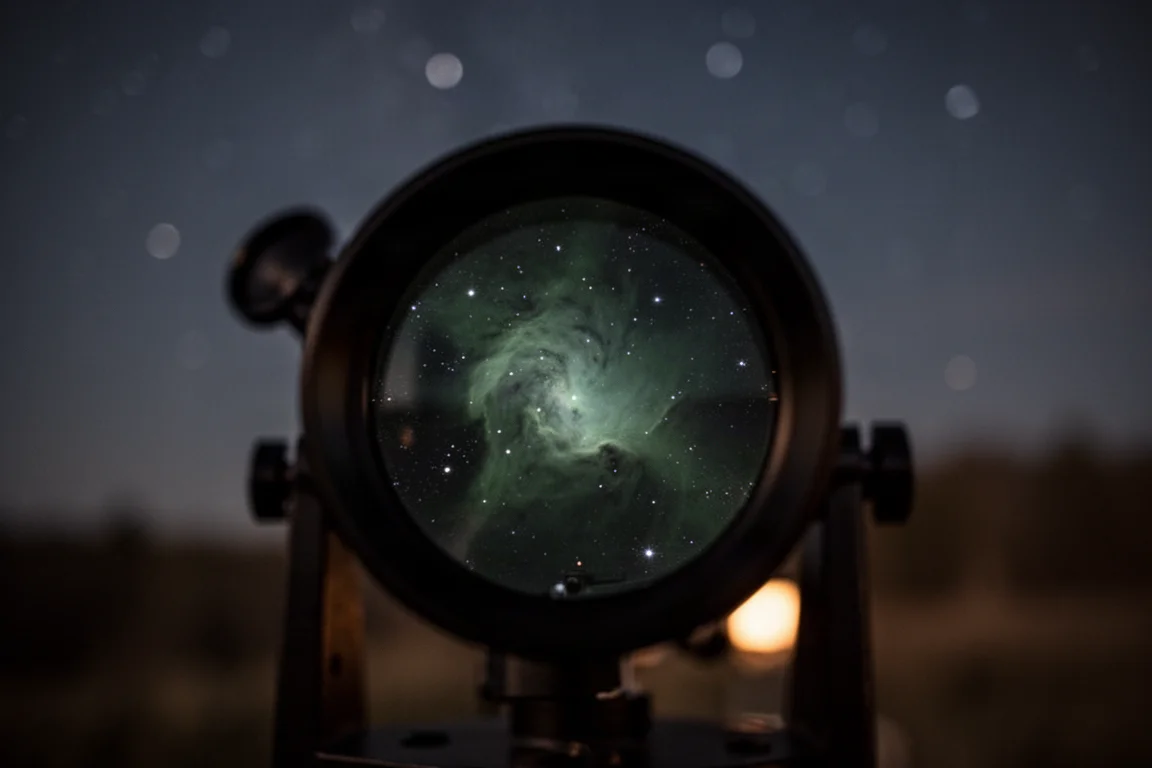
If you are new to telescopes, pair the cards with a decent instrument and start with easy targets like the Orion Nebula. If you are an experienced observer planning a Messier marathon in the spring, the Telrad circles on every card will earn their keep quickly.
Conclusion
The Cosmic Shards Messier Deep Sky Objects card set succeeds at something rare: it works equally well as a beginner-friendly introduction to astronomy and as a serious observing reference for adults. With 110 season-coded cards, honest eyepiece simulations, and genuinely practical data on both sides of every card, it is a thoughtful tool for anyone who wants to work through the best sights the night sky has to offer. Clear skies.
Product link
View more details for Cosmic Shards Messier Deep Sky Objects Card Set
This product is mentioned in the review. Check the specifications, options, and compatibility before buying.
View more details for Cosmic Shards Messier Deep Sky Objects Card SetFurther reading
Related Reviews
Astronomy Accessories
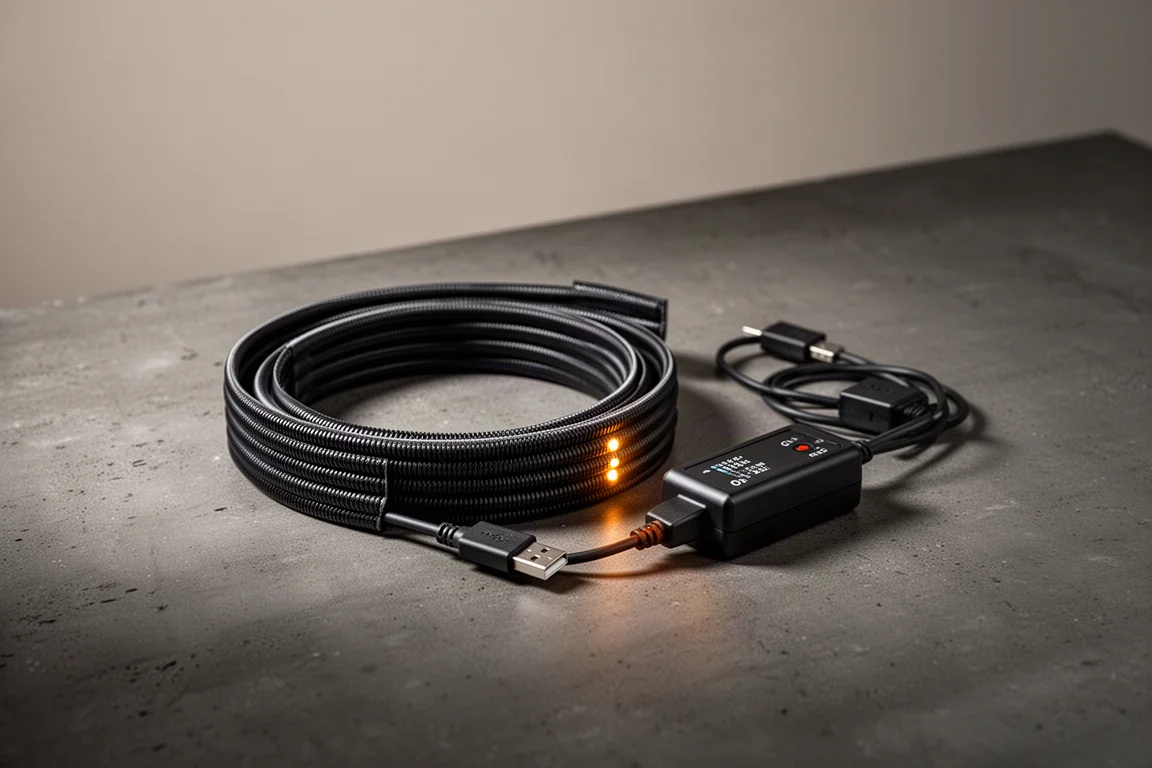
Apertura Premium Dew Strips Review: The All-Inclusive Dew-Heater Kit
A complete dew-strip solution with built-in controller, USB power, and adapters for nearly any visual or imaging telescope setup.
Astronomy Accessories
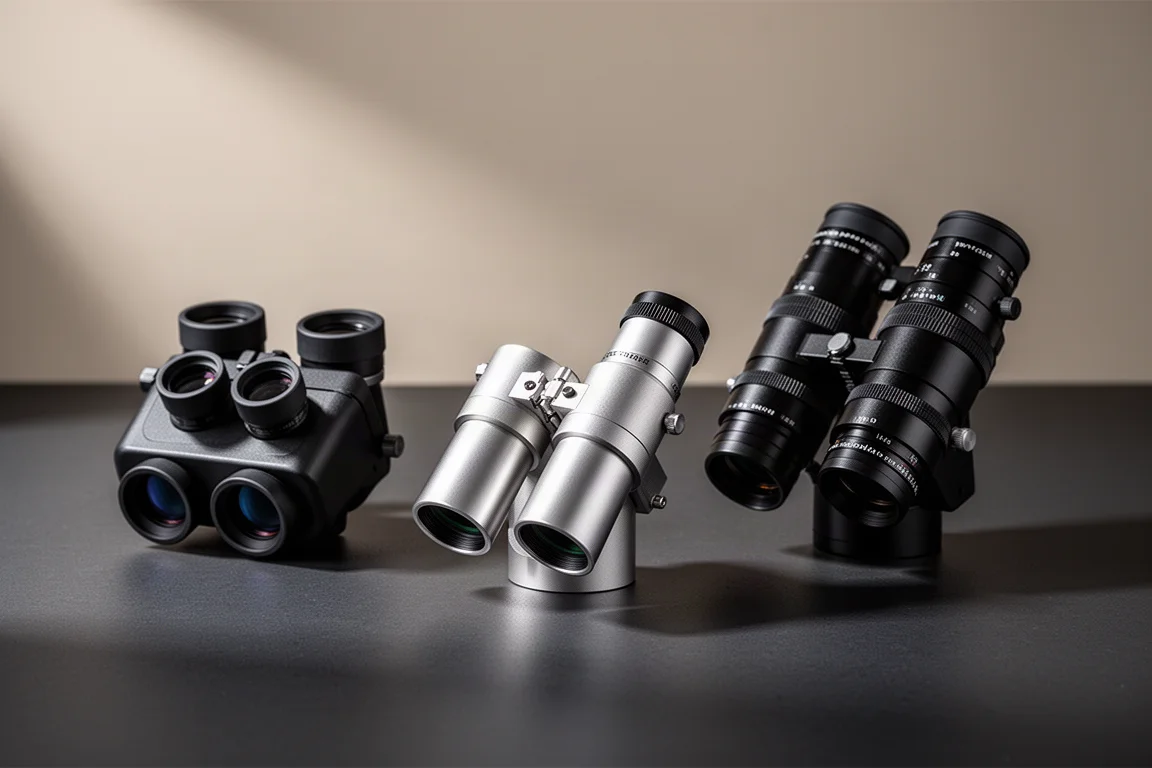
Best Astronomy Binoviewers: Three Options Compared for Any Telescope Budget
We tested three binoviewers across a refractor, a Maksutov-Cassegrain, and an 8-inch Dobsonian. Here is how they compare on focus, optics, and value.
Astronomy Accessories
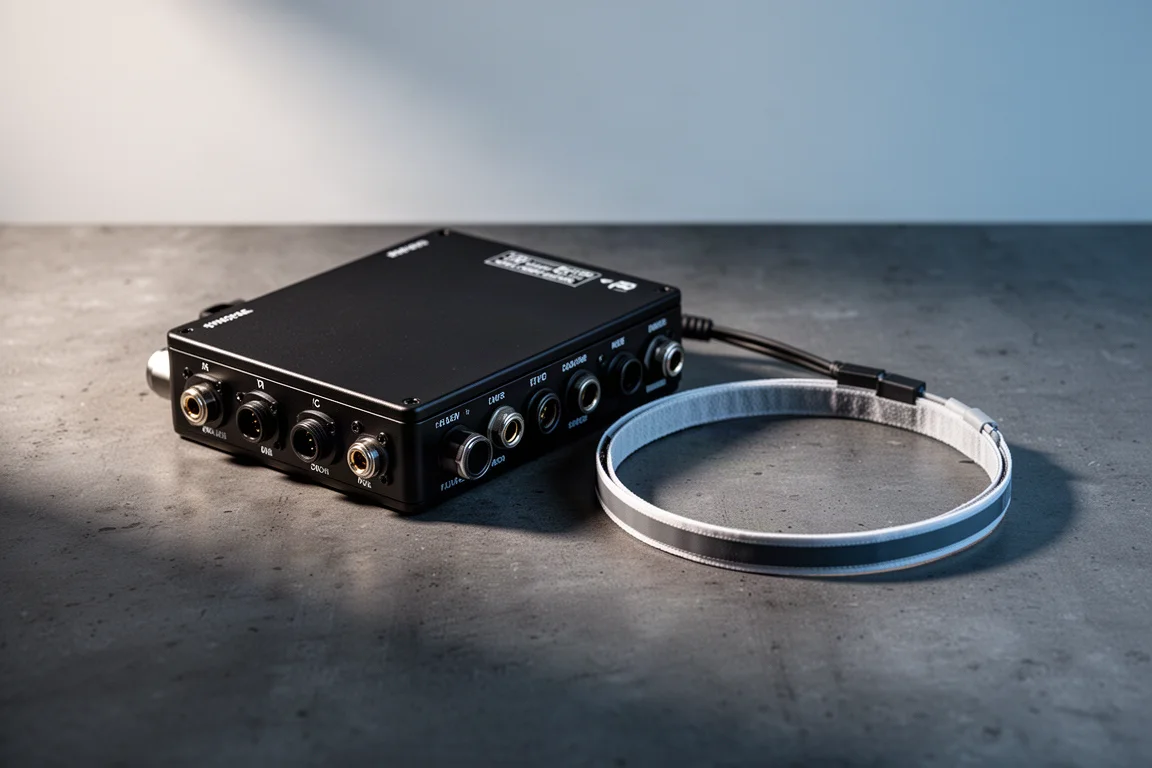
Celestron Dew Controller and 8-inch Dew Heater Ring Review: Smarter Dew Control for Schmidt-Cassegrains
A close look at Celestron's dew controller and 8-inch dew heater ring, covering setup, hand controller and software control, and where this system makes the most sense.