Sports Watches
Coros Pace Pro vs the Mid-Range Sports Watch Field: Six AMOLED Options Compared
Coros finally goes AMOLED with the Pace Pro. Here is how it stacks up against the Pace 3, Polar Vantage M3, Suunto Race S, Garmin Forerunner 265 and Fenix 8.
Introduction
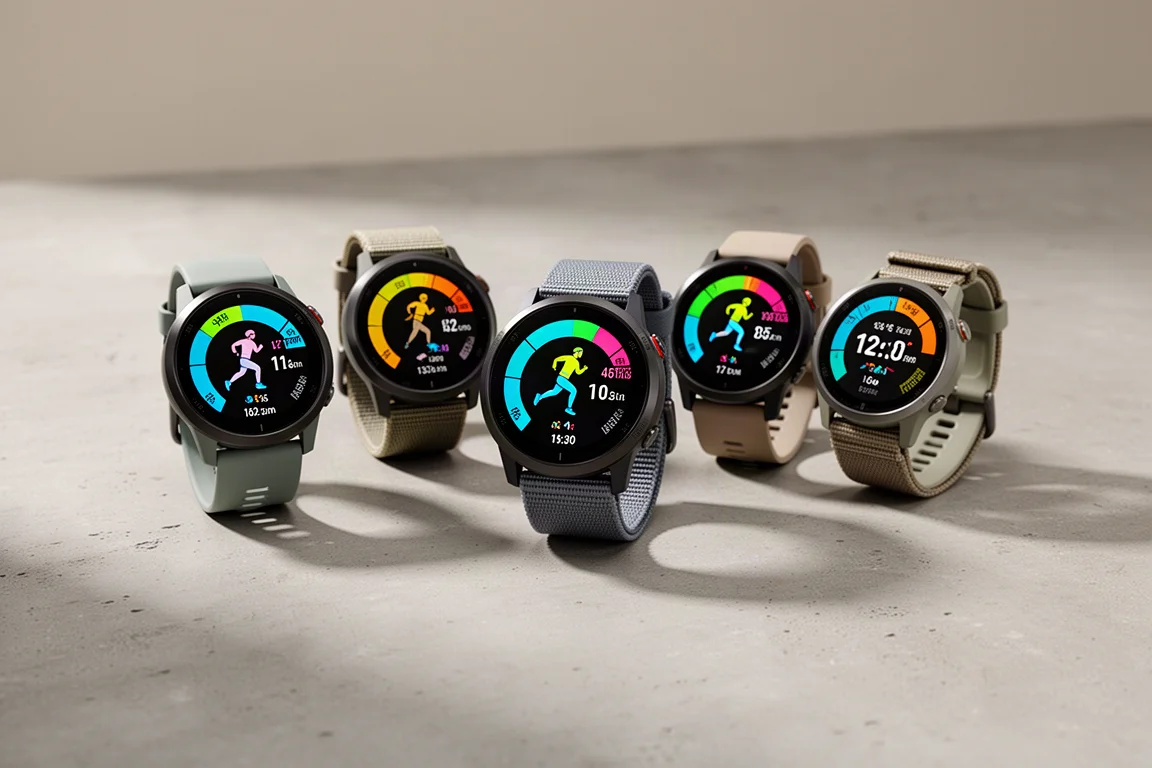
The mid-range sports watch market has gone quiet-to-competitive in a single year. Coros has entered that field with the Pace Pro, its first AMOLED multisport watch, priced at $349 in the US and £349 in the UK. That moves it out of the affordable bracket the Pace 3 occupied and puts it shoulder to shoulder with the Polar Vantage M3, Suunto Race S and Garmin Forerunner 265.
This guide walks through what the Pace Pro offers, how it differs from the Pace 3, and where it sits against the watches it now competes with, including the premium Garmin Fenix 8 as a reference point.
What Matters in This Price Range
At around $350, buyers should expect four things: an accurate dual-frequency GPS setup, a readable display, reliable heart rate tracking and sensible battery life. It is also worth looking at build quality, since the gap between a polymer case and a more premium finish is noticeable when you wear a watch all day.
The watches below all meet most of those expectations on paper. The differences come down to materials, software feel, mapping and whether the extra features justify the price step over the Pace 3.
Coros Pace Pro: Coros Goes AMOLED
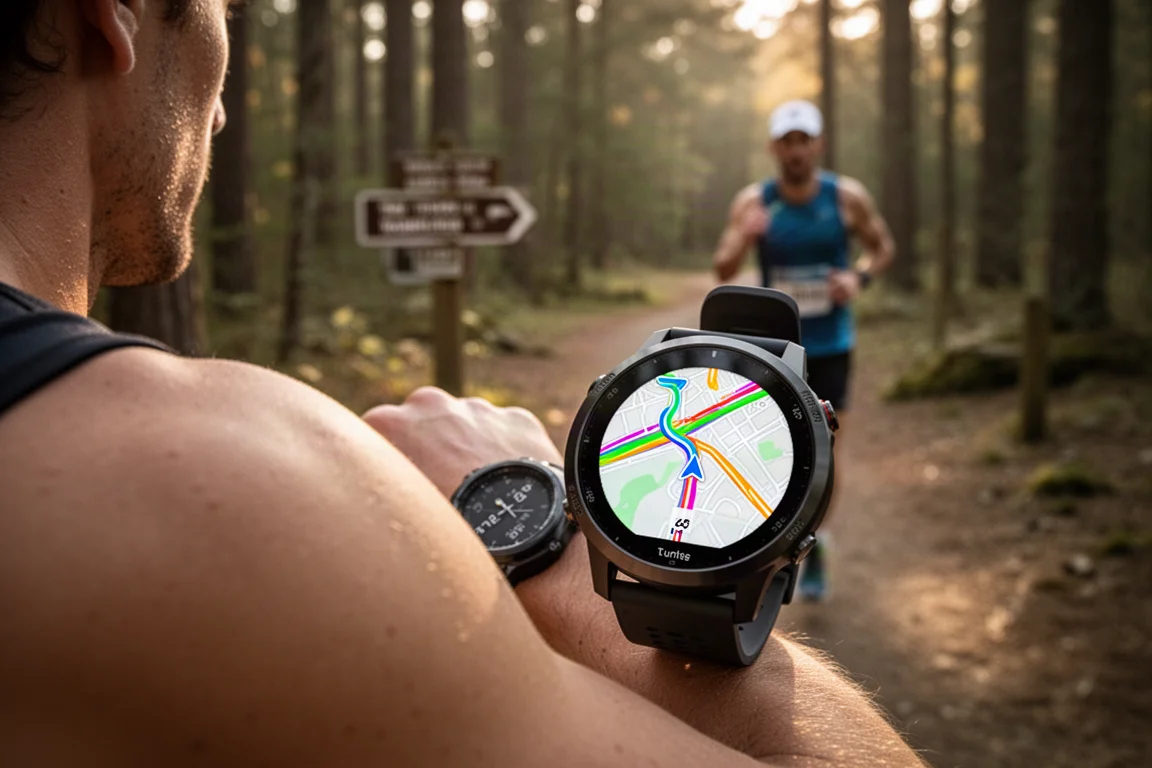
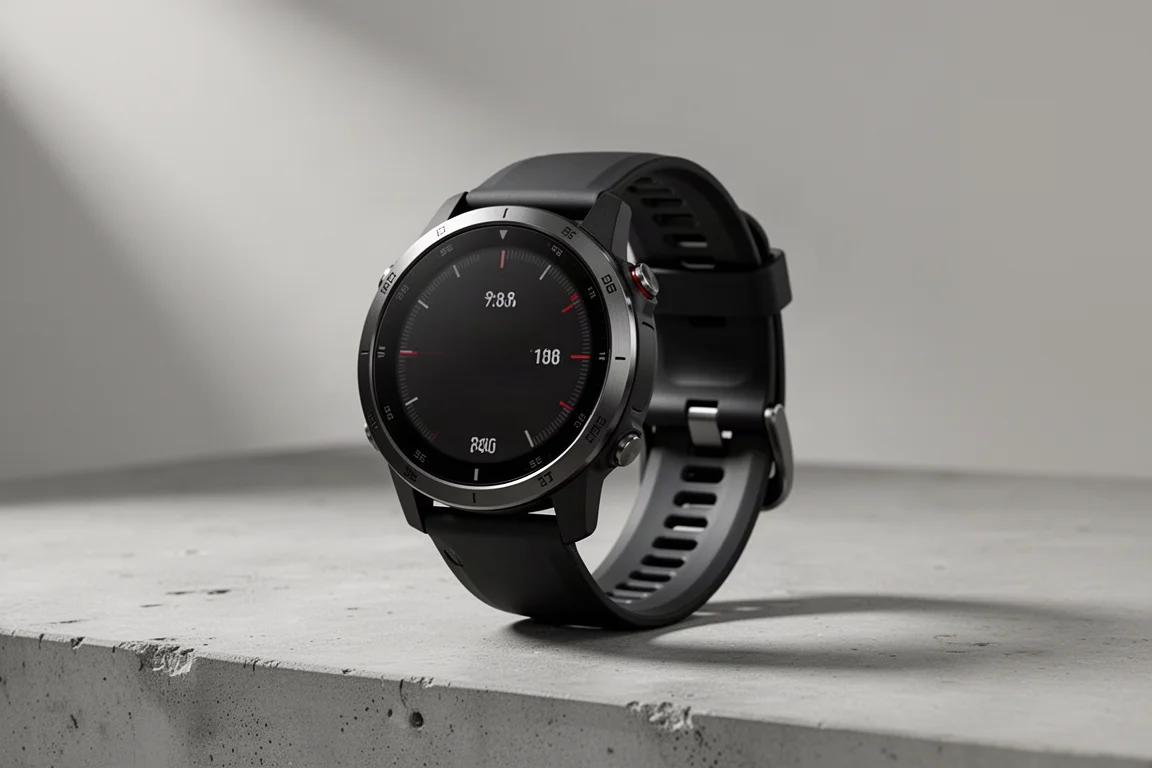
The headline here is the larger 1.3-inch AMOLED touchscreen with an always-on mode and up to 1,500 nits of brightness. It is clear and easy to read in all conditions, including under tree cover, and the punched-up color and brightness bring running stats to life. The screen does not look quite as sharp as the Polar Vantage M3 or the Fenix 8 in side-by-side use, but the difference is small and it is easy to read outdoors.
Inside, a new processor delivers twice the performance of the Pace 3 with 32 GB of storage for music and maps. You get dual-frequency GPS, external sensor pairing, an added ECG sensor, free offline mapping with turn-by-turn navigation, 50 m water resistance, and a choice of silicone or nylon bands. Battery life is listed at up to 20 days without the always-on screen, 6 days with it, 38 hours of GPS in all-systems mode or 31 hours with dual-frequency GPS. Charging moves to a neat keychain-style USB-C adapter, and Coros support will send you a cable if you need one.
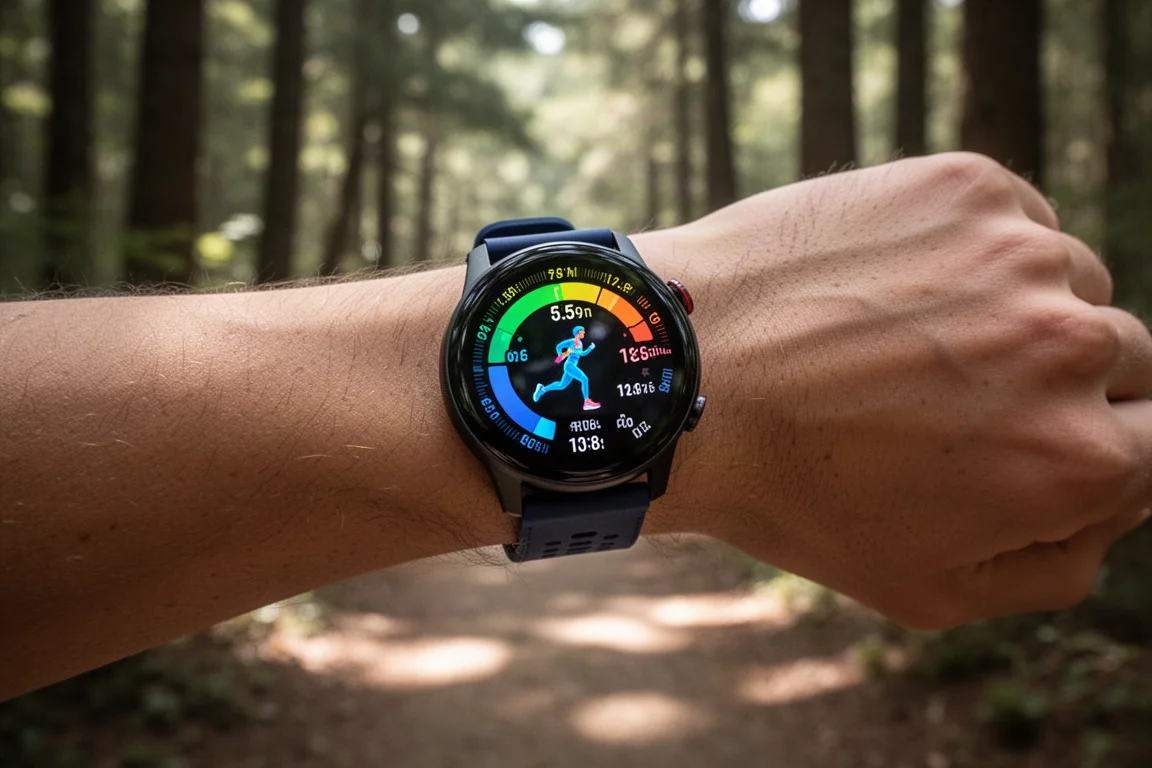
On the wrist it is a bigger watch than the Pace 3, moving from a 41 mm case to 46 mm, but it stays thin and lightweight and sits snugly against the wrist. The polymer case and larger buttons keep the Pace-line look, though the materials feel a step cheaper than the Vantage M3 or Race S. The included silicone band is long and less comfortable than a nylon strap, so swapping bands is worth doing.
Early accuracy testing was encouraging: on mixed forest and park runs, distance, pacing and heart rate tracked closely against reference chest straps and other watches, though optical heart rate showed some high spikes during interval efforts in early tests. A caution for Pace 3 owners: unless you really want an AMOLED screen, there may not be enough here to justify the upgrade.
Coros Pace 3: The Value Benchmark
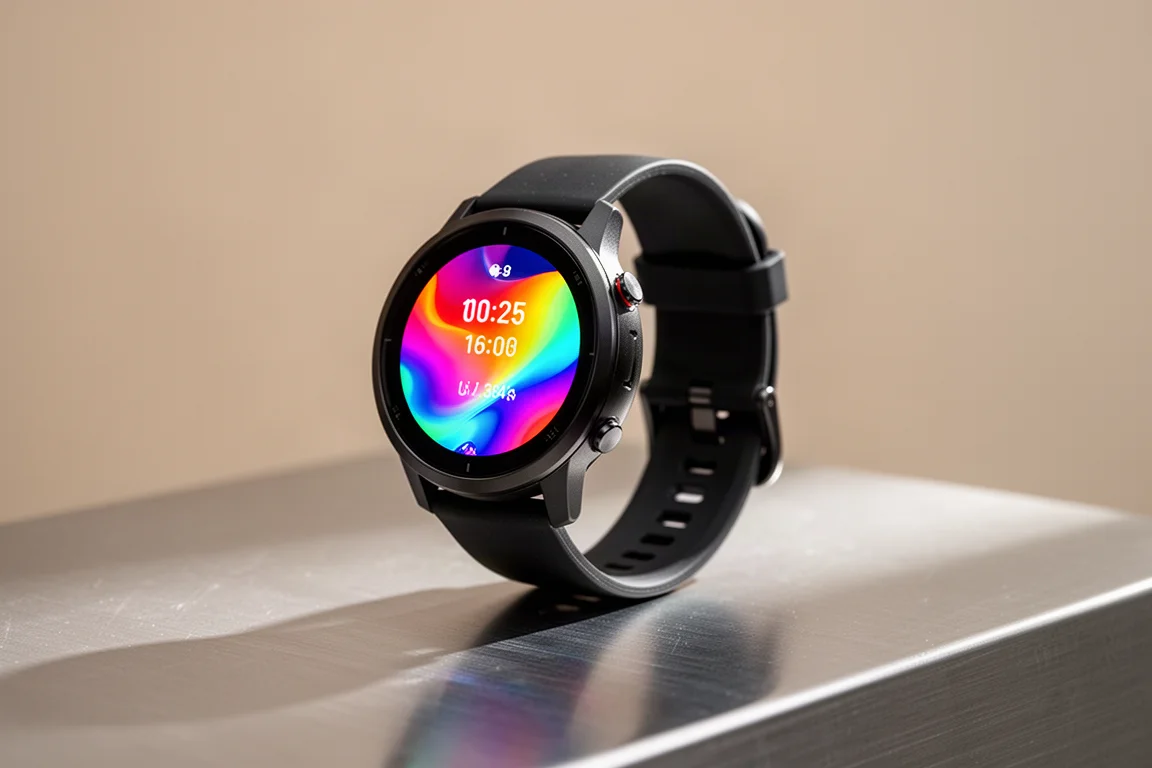
The Pace 3 remains the affordable anchor of the Pace line. It offers the 41 mm case, dual-frequency GPS, external sensor support and the lightweight, comfortable fit that defines the range. It lacks the AMOLED screen, the offline maps, the ECG sensor and the extra storage of the Pro, but its core tracking experience stays strong.
If you are happy without a color touchscreen and free mapping, the Pace 3 still covers the essentials at a lower price. For anyone stepping up from it, the Pro is less a Pace 3 with a new screen and more a slightly different, larger device.
Polar Vantage M3: The Closest Rival
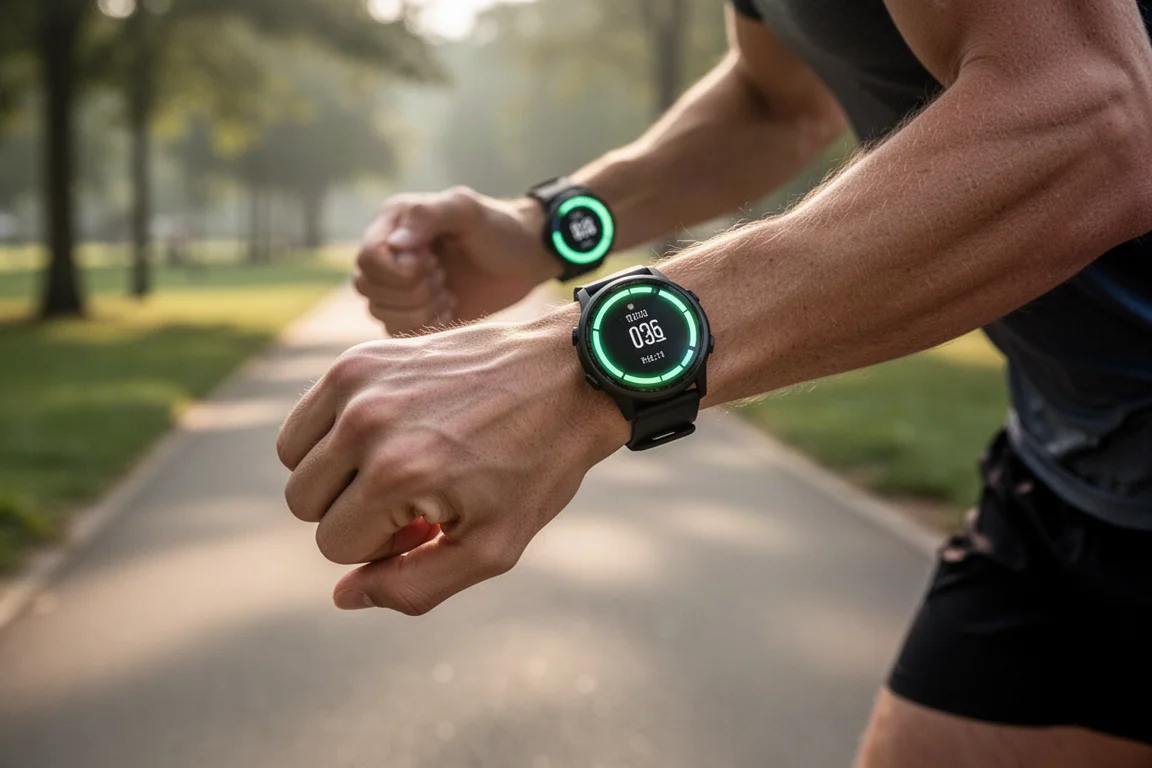
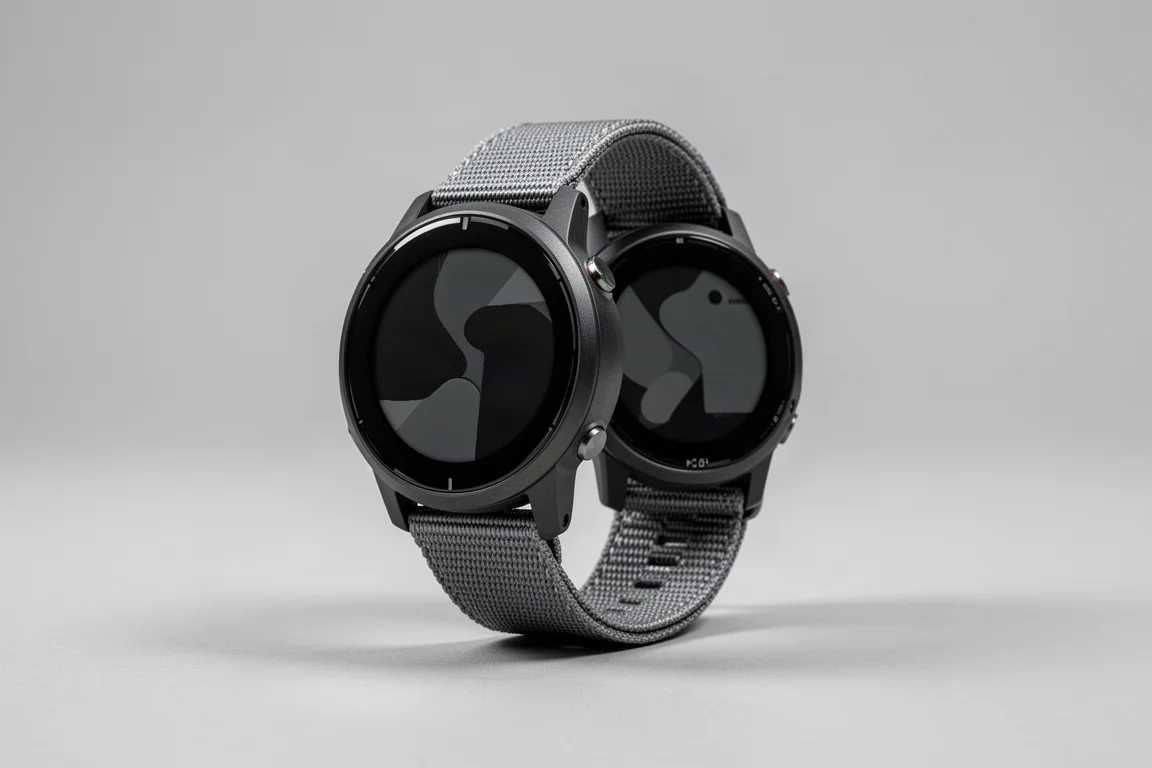
The Vantage M3 sits at a similar price to the Pace Pro with a broadly similar feature set, including offline maps, and it has been an enjoyable watch to use. Its build feels more premium, with better materials across the casing, bezel and crown, and it wears well, though it is noticeably thicker than the Pace Pro.
In early testing its optical heart rate drifted during hard efforts, at one point locking onto cadence during a run, so wrist-based accuracy on both watches rewards longer-term evaluation. For map quality, the Polar sits close to the Pace Pro, though the Pace Pro’s AMOLED screen makes its own maps feel nicer in use.
View more details for Polar Vantage M3
Suunto Race S: The Value All-Rounder
The Suunto Race S launched earlier and remains an excellent value watch, offering a strong all-round package of accuracy, design and features. The Pace Pro’s Coros software feels a little nicer and slicker by comparison, while the mapping experience between the two is close, with not a huge amount separating them.
Where the Race S clearly beats the Pace Pro is materials. The Suunto’s finish looks and feels more premium, and if build quality matters to you it is the more attractive object on the wrist. GPS performance between the two is likely to be there and thereabouts based on early use.
Garmin Forerunner 265: The Polished Option
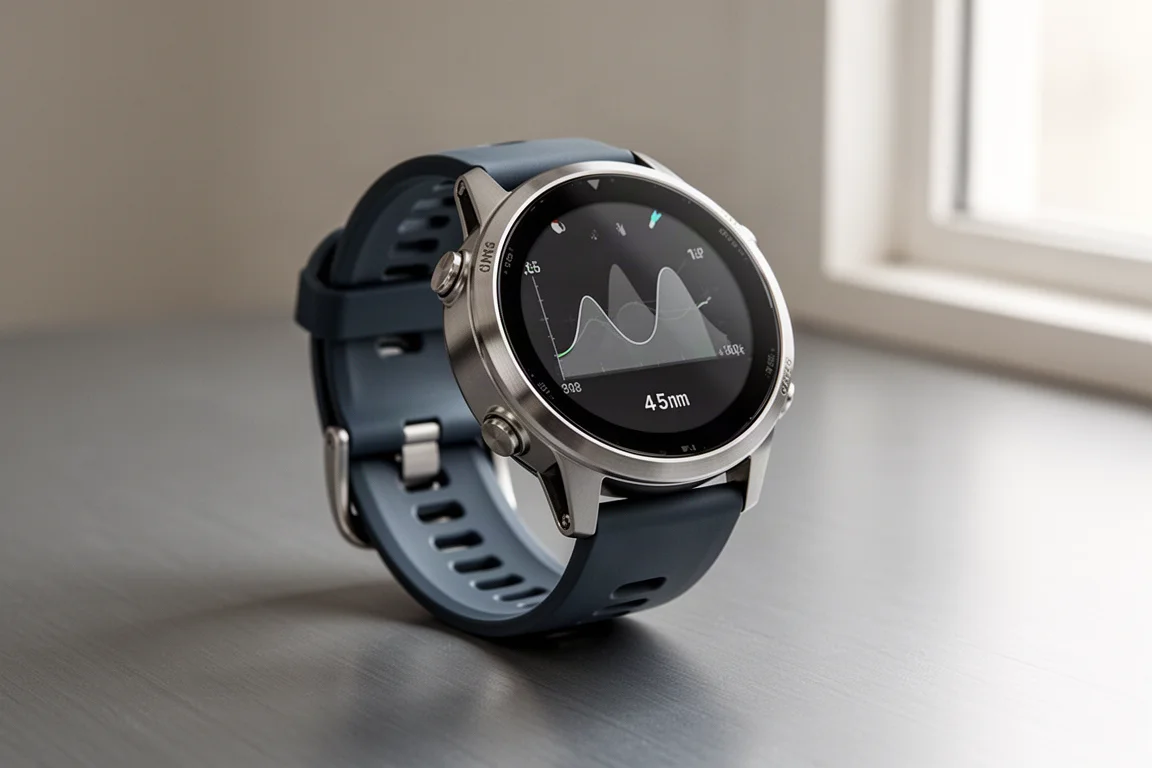
The Forerunner 265 has been around a while and costs a little more than the Pace Pro. As an overall smart-and-sports-watch package it is arguably the better device, with a refined experience that justifies the premium if you want Garmin’s polish.
If your priority is the strongest all-round smartwatch-style running watch and your budget stretches slightly further, the 265 is the one to weigh the Pace Pro against. If you want to save money and stay in the same performance bracket, the Coros is the value pick.
Garmin Fenix 8: The Premium Reference
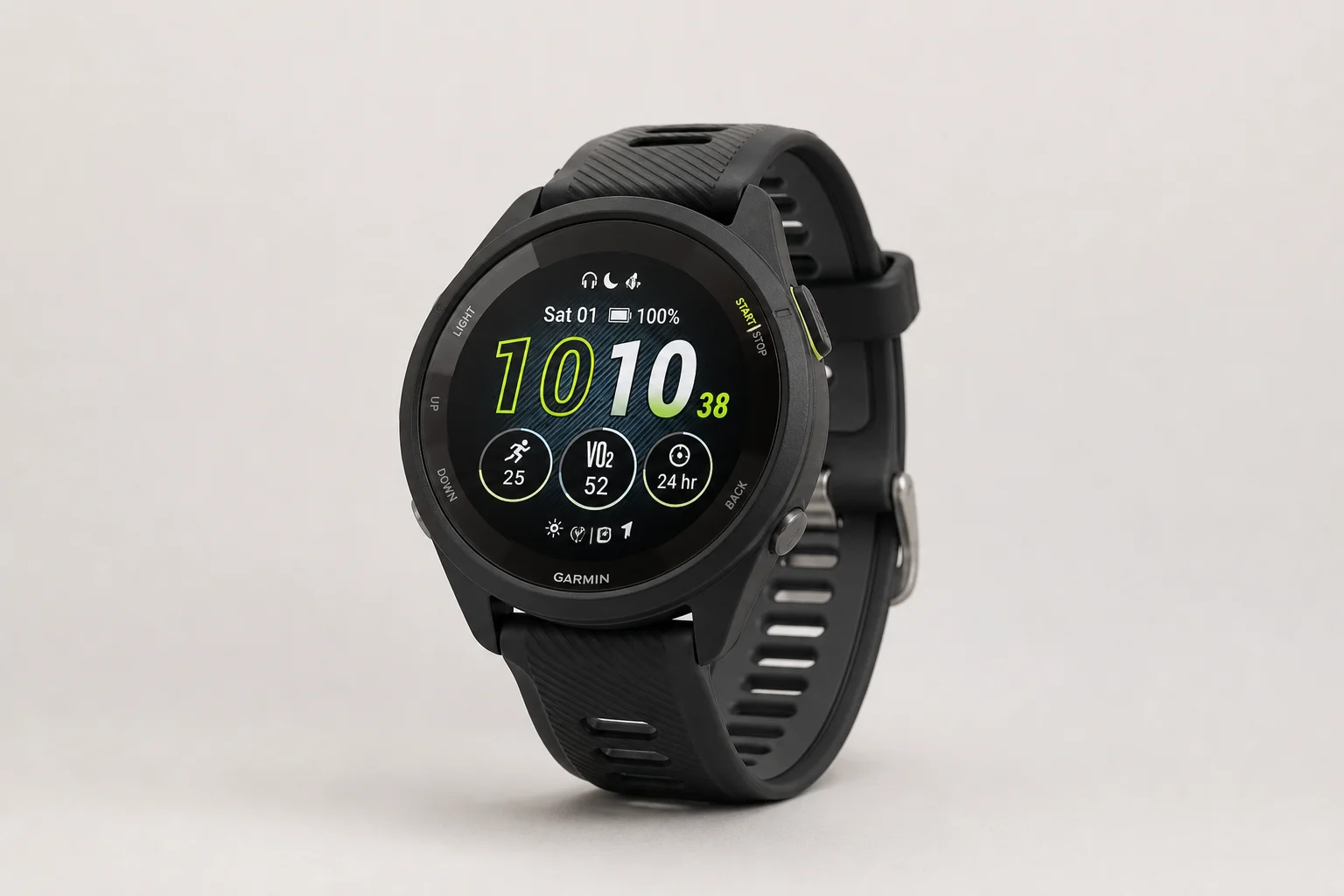
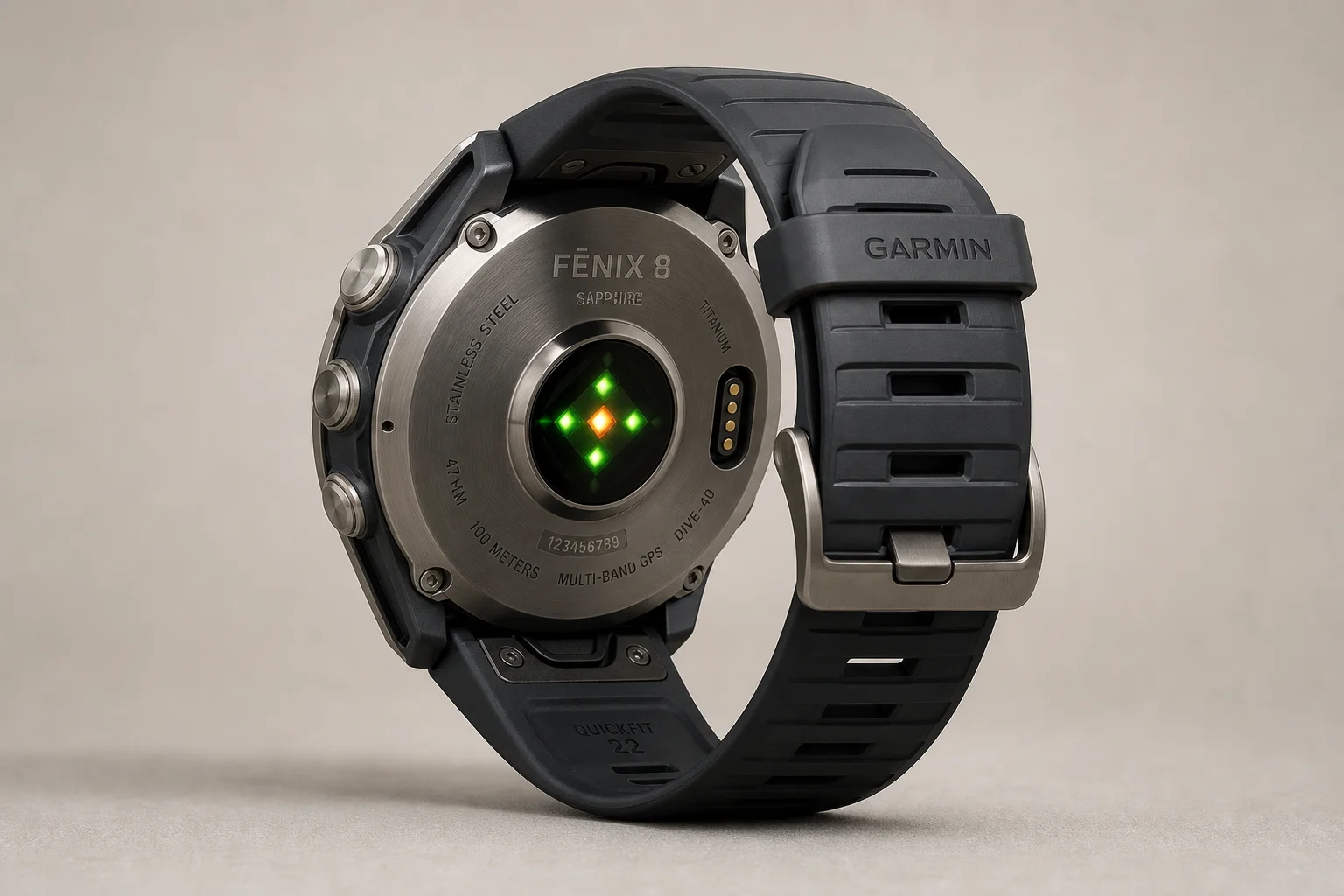
The Fenix 8 was used purely as a benchmarking reference rather than a direct rival, and it shows why the top tier costs more. In short park-loop tests it tracked distance within a margin of error of the mid-range watches, and its screen is among the sharpest and most premium of the group.
For most runners, the Fenix 8 is only worth considering if you want hardcore design or exceptional battery life, since the mid tier now delivers a genuinely impressive slate of features without that price jump.
Which Mid-Range AMOLED Watch Should You Buy?
If you want the best balance of battery life claims, lightweight comfort and free offline maps, the Pace Pro is a convincing first effort and holds its own against similarly priced rivals. Early battery figures looked healthy: overnight drain of about 1% with the always-on screen off, roughly 8% for an hour of dual-frequency running.
If premium materials matter most, the Suunto Race S or Polar Vantage M3 are the better-looking, better-finished watches. If software polish and the smartwatch experience matter most, the Forerunner 265 justifies its higher price. If you simply want dependable essentials at the lowest cost, the Pace 3 still does the job.
Conclusion
The Pace Pro is a strong, accurate first AMOLED watch from Coros that keeps its trademark battery life advantage on paper and adds maps, ECG and more storage over the Pace 3. Its trade-offs are a larger, more plastic-feeling body and a higher price. Whether that premium is worth it depends on how much you value the AMOLED screen, but as an entry into the Coros ecosystem it is now a much more attractive one.
Further reading
Related Reviews
Sports Watches
Garmin Sports Watch Guide: Finding the Right Model for Your Fitness Level
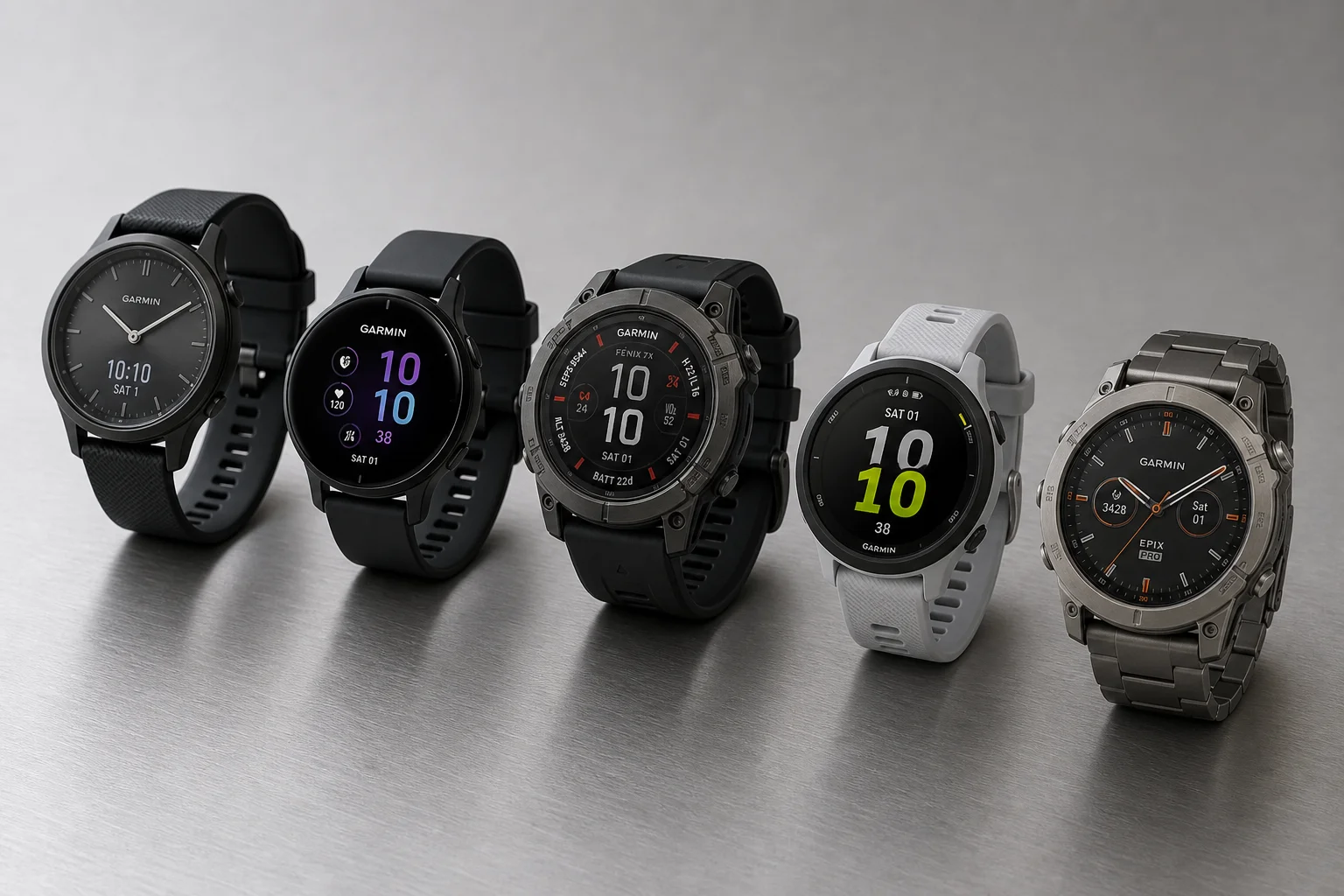
A comprehensive overview of Garmin's sports watch lineup, from casual fitness trackers to advanced multisport devices, helping you choose the right model for your needs and budget.
Sports Watches
Coros Pace Pro Review: A Complete Overhaul That Finally Feels Premium
Coros rebuilt the Pace Pro from the ground up with an AMOLED display, onboard maps, and a new heart rate sensor. Here is how it all holds up in real use.
Sports Watches
Polar Vantage M3 Review: The Sweet Spot in Polar's New Watch Lineup
A closer look at the Polar Vantage M3, which brings an AMOLED display, dual-frequency GPS, offline maps and the same software platform as Polar's flagship watches at a friendlier price.