Sports Watches
Coros Pace 4 Review: What's New, Battery Life, Accuracy, and How It Compares to the Pace Pro and Pace 3
Coros's new entry-level sports watch adds an AMOLED display, a microphone, and dual-band GPS while keeping the price low. Here is how it stacks up against the Pace Pro and Pace 3.
Introduction
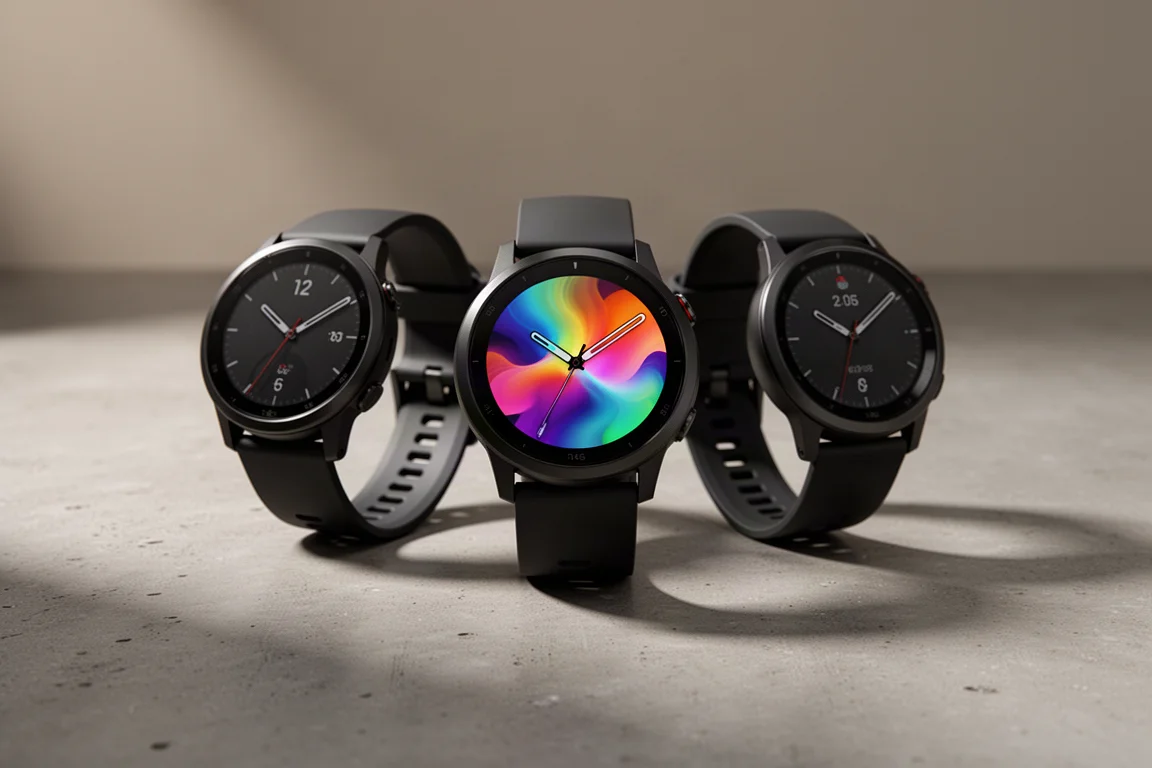
Coros’s Pace series has long been the sweet spot of the lineup: plenty of sports features in a small, budget-friendly package. The new Pace 4 continues that tradition with refreshed hardware, headlined by a switch to an AMOLED display, the addition of a microphone, and a price of $249, just a slight increase over the Pace 3’s $229 launch price. After extended testing, the big question is whether the Pace 4 is the right pick, or whether the newly discounted Pace Pro and Pace 3 deserve your attention. Coros has also announced price drops for both older models around the middle of November, which makes this decision genuinely interesting.
Design, Weight, and Display
The Pace 4 is Coros’s new entry-level watch, and it delivers a surprising amount of hardware for the money. The 43 mm case weighs just under 40 g with the silicone band, and a nylon band option is planned with a claimed weight of around 32 g. On a 185 mm wrist it sits comfortably, and it is light and thin enough that you tend to forget you are wearing it, whether you are running, working at a desk, or sleeping.
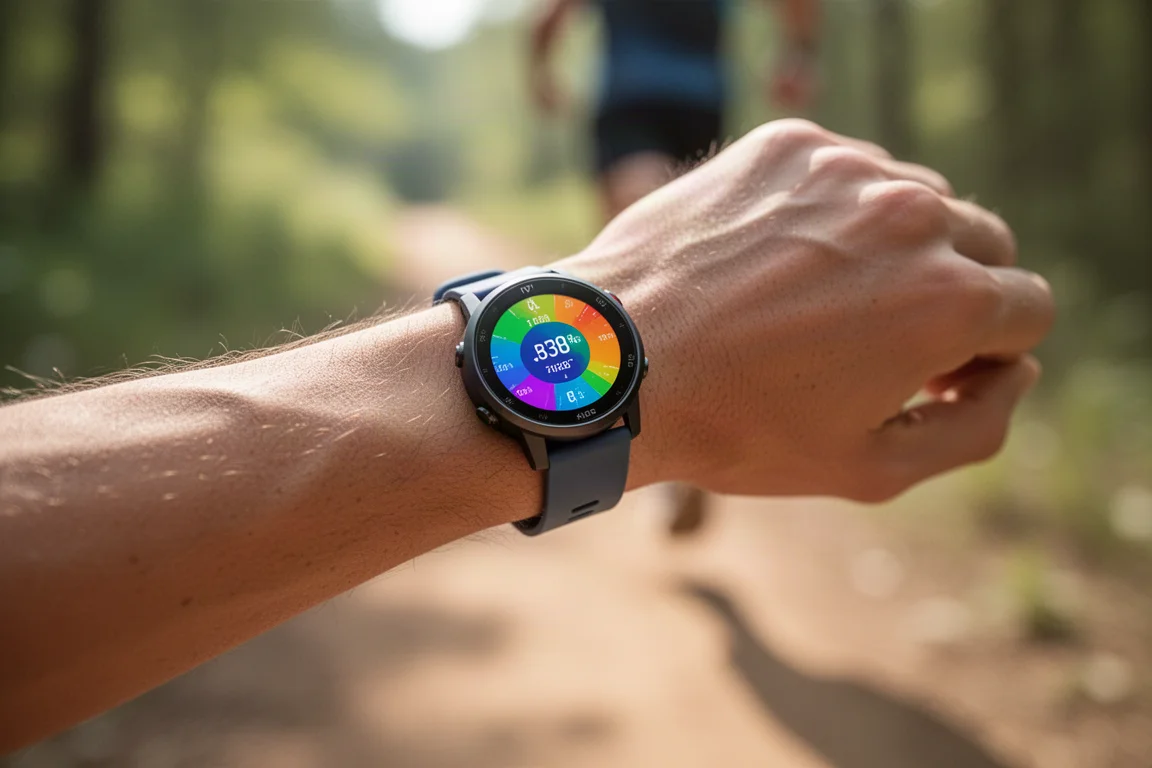
The headline change is the move from a memory-in-pixel display to AMOLED. Memory-in-pixel panels consume less power and can sometimes be easier to read when direct sunlight hits them, but AMOLED looks better in every other respect: more colors, more contrast, more pixels, and higher brightness. The Pace 4’s peak brightness of 1,500 nits proved plenty bright outdoors, and in cloudy or overcast conditions the AMOLED panel actually holds an advantage. Three brightness levels are available, and the lowest setting is comfortable for daily use.
Controls and the New Microphone
Navigation uses a touchscreen plus three physical buttons. The upper right button doubles as a rotating dial and enter button, the lower right is the back button, and the lower left houses a new action button. That action button is a genuinely thoughtful addition: during outdoor activities you can use it to jump straight to the map page from any screen, or assign it to other functions such as the new voice pin feature. Both the action button and back button behavior are customizable, so if you never mark laps, you can swap that function for something you actually use.
The new microphone opens up another use case entirely. It is not for taking calls; the Pace 4 has no speaker, only a beeper. Instead, the microphone is for voice notes. You can log performance or nutrition details mid-activity, such as tracking carbs per hour, or simply capture random thoughts on a run. Notes sync to the app when you save the activity, complete with automatic transcription.
Battery Life in the Real World
Battery life depends heavily on whether you enable the always-on display. Without it, Coros advertises up to 19 days. With always-on enabled, the claim is up to 6 days, and that estimate held up well in testing: around 5 days of real use with long outdoor rides, real-time heart rate recording, and sleep tracking, all on the lowest brightness setting. Higher brightness levels will trim those figures.
For outdoor activity tracking, Coros advertises 24 hours in dual-frequency mode with the always-on display, up to 41 hours in single-band mode with it off. In testing with the always-on display at lowest brightness, the watch exceeded the claim without a route loaded and came in only slightly under when following one. Those are solid numbers by any standard.
Sports Tracking and Training Features
The Pace 4 is a full multi-sport watch. It covers running, cycling, pool and open water swimming, multi-sport and triathlon modes, plus a good range of gym and outdoor recreation profiles. Higher-end Coros watches add more niche outdoor profiles such as climbing and fishing, but the Pace 4 covers the essentials thoroughly.
Health tracking includes heart rate, calories, steps, sleep, heart rate variability, and stress. There is also an SpO2 sensor for blood oxygen, though it is intended for high-altitude use rather than sleep tracking.
For runners, the watch collects advanced running dynamics from the wrist: stride length, running power, ground contact time, stride height, and stride ratio. Broader training tools include training load, training status, recovery time estimation, running performance tracking, and a race predictor that produced realistic numbers based on current running volume. The watch can also estimate cycling FTP when paired with a power meter, though that estimate ran notably higher than an actual FTP of around 280 to 285 W in testing.
Routes and navigation use breadcrumb-style routing: you can retrace your path back to the start and load route files to follow, but there are no offline maps like on Coros’s higher-end watches.
GPS and Elevation Accuracy
The Pace 4 carries a dual-band satellite chipset with two modes: a single-frequency “high” mode and a dual-frequency “max” mode. Testing took place largely in steep canyons with heavy tree cover using dual-frequency mode; if you typically run or ride in wide-open terrain, the single-band mode should serve you well.
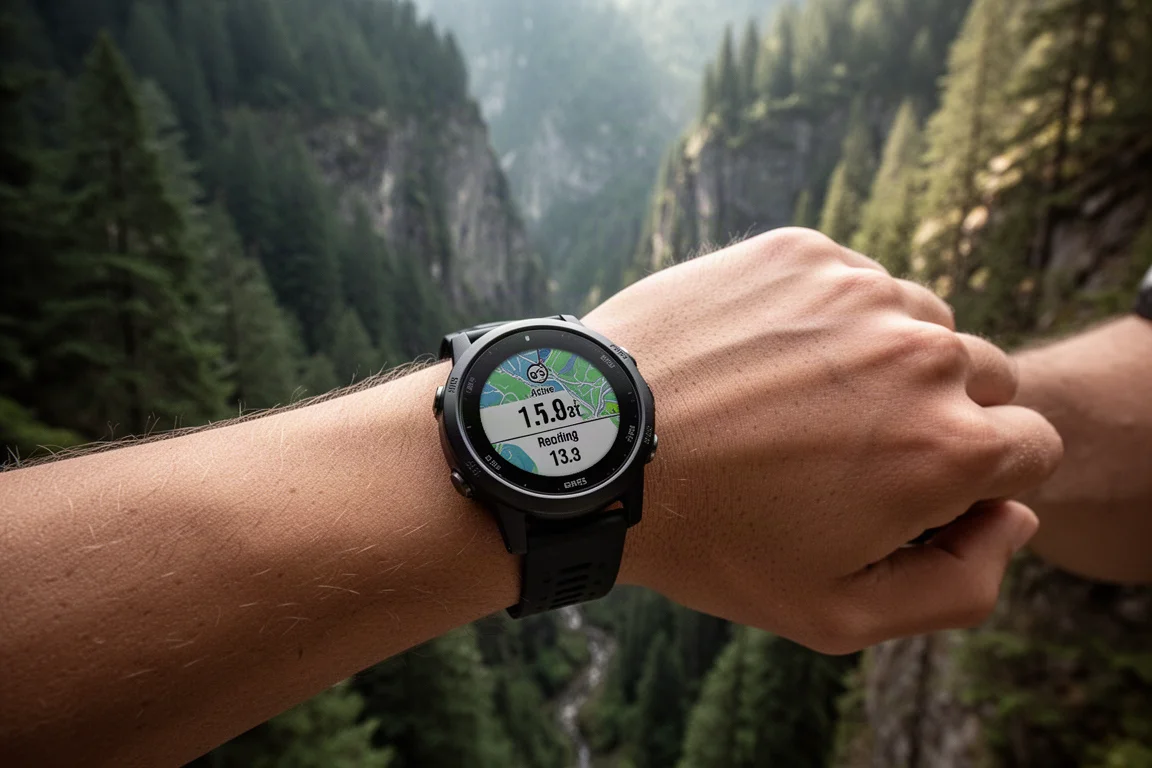
Distance tracking was rock solid across runs and rides, lining up closely with other devices. GPS track quality was equally strong, with no wavering even on fast corners, and the watch performed extremely well on a demanding ride through steep canyon walls.
The built-in altimeter matched reference elevation figures on almost all activities, but one flat ride produced a noticeably higher elevation gain, driven by small amounts of shakiness in the elevation plot that accumulated over the distance. No major spikes, just a lesson that the altimeter is best trusted on more varied terrain.
Heart Rate Accuracy
The Pace 4 uses Coros’s latest generation optical heart rate sensor. Indoor cycling results were excellent, matching other sensors perfectly. Outdoor rides were mostly solid, though a handful of momentary spikes appeared, and on a long mixed road-and-gravel ride, rough downhill sections threw the readings off. A heavier reference watch on the other wrist fared even worse in the same conditions.
Runs were decent overall, tracking in line with other sensors for most of the distance with a few beats per minute of wavering at points. On a trail run descent, the sensor fell into a cadence lock, mistaking footstep rhythm for heart rate. Weight training and high-intensity intervals, the hardest cases for optical sensors, produced surprisingly reasonable results, though arm curls remained tricky. For stricter accuracy, the watch pairs with external heart rate straps, cycling power meters, and smart trainers.
Pace 4 vs Pace Pro vs Pace 3: Which Should You Buy?
At $249, the Pace 4 continues Coros’s tradition of delivering a value-packed lightweight sports watch, and it is extremely competitive against other brands at this price. The $20 increase over the Pace 3 buys meaningful hardware upgrades, particularly the AMOLED display and microphone.
The complication is Coros’s own pricing. Around the middle of November, both the Pace 3 and the Pace Pro are receiving price drops. With the Pace Pro discounted, it sits only about $50 above the Pace 4 and adds offline maps, though it lacks the microphone. For many buyers, those maps are a significant difference. However, the Pace Pro is a larger watch and does not match the Pace 4’s lightness, and there is something to be said for a watch this light with this many features.
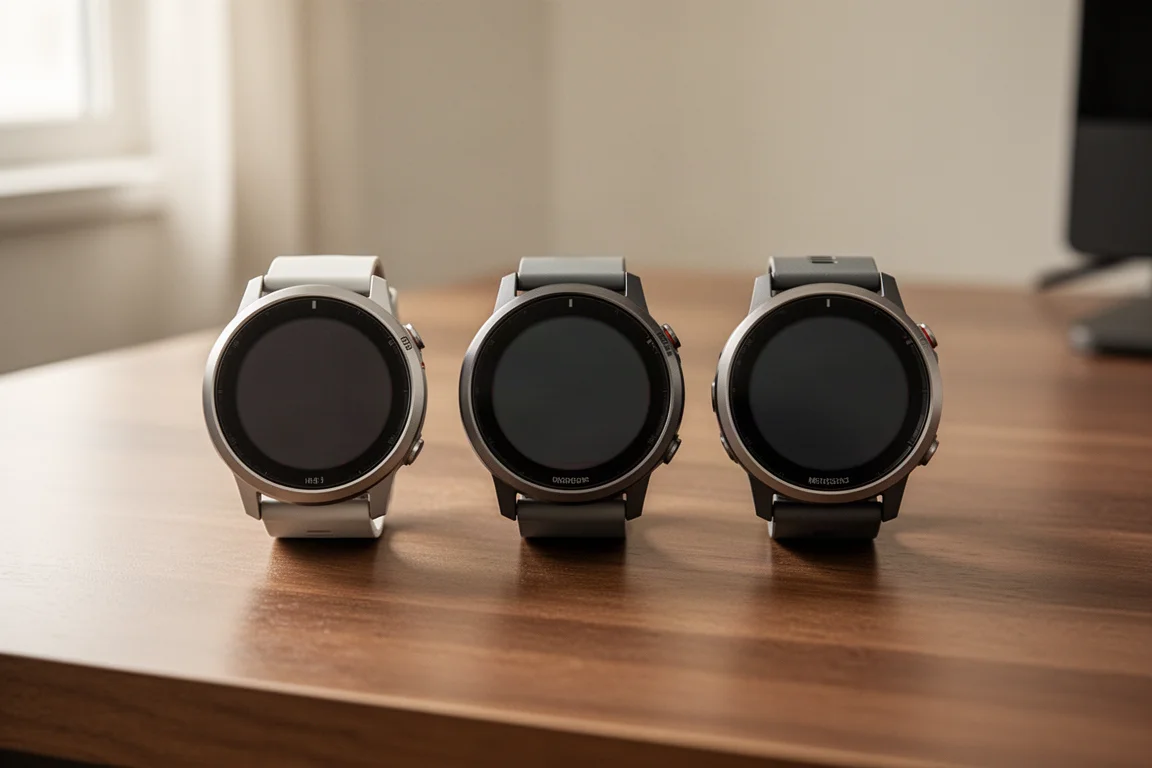
The Pace 3, meanwhile, becomes an even more compelling budget option after its drop. If you already own a Pace 3, the Pace 4’s AMOLED screen and microphone are the main reasons to upgrade; if battery-focused simplicity matters most to you, the older watch still holds its own.
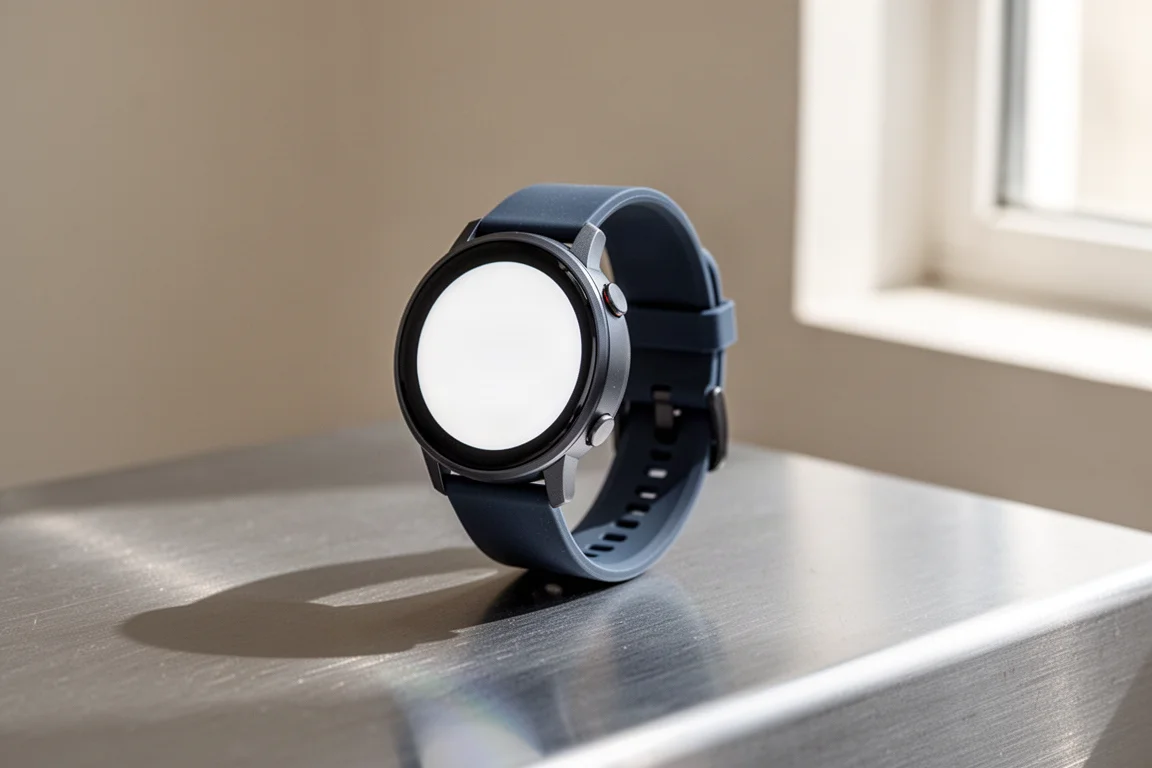
The Pace Pro makes sense if offline maps matter more than weight, especially at its new lower price point announced for mid-November.
View more details for COROS Pace Pro
The Pace 3 remains the entry point for buyers who want the core Pace experience at the lowest cost, and its upcoming price drop makes it worth watching if budget is the priority.
Buying Advice
If you want the best balance of weight, features, and price, the Pace 4 is the standout: AMOLED brightness, dual-band GPS, a genuinely useful action button, and battery life that comfortably backs up its claims. If offline maps are essential, compare the Pace Pro at its new price before committing. And if you are happy with a simpler screen, the discounted Pace 3 is hard to beat on value.
Conclusion
The Pace 4 is a really good deal for the money. It keeps the light, comfortable character that defines the Pace series while modernizing the display, adding voice notes, and maintaining excellent GPS accuracy. The discounted Pace Pro and Pace 3 give buyers real alternatives at either end, but as an all-around lightweight sports watch at $249, the Pace 4 is tough to argue with.
Further reading
Related Reviews
Sports Watches
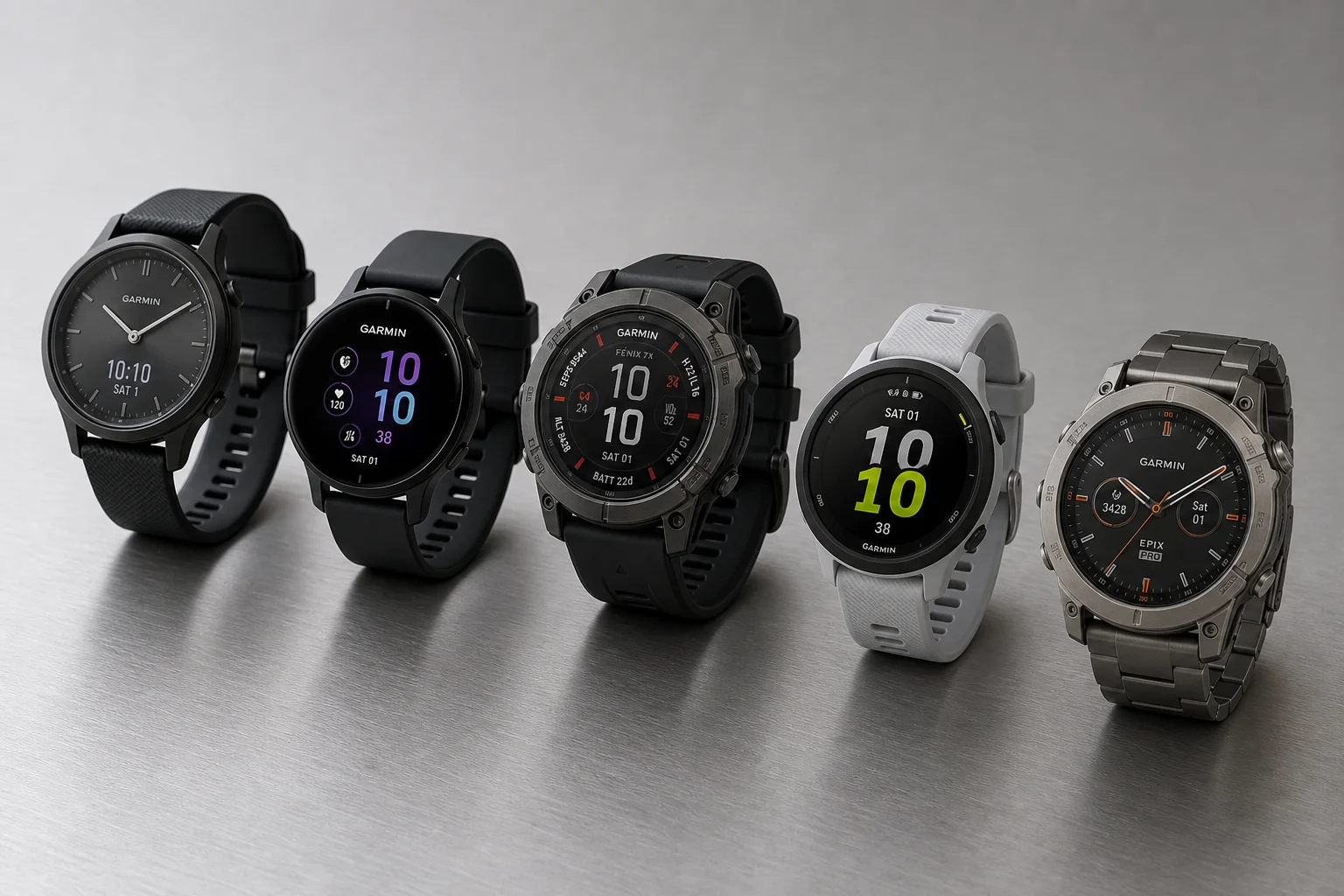
Garmin Sports Watch Guide: Finding the Right Model for Your Fitness Level
A comprehensive overview of Garmin's sports watch lineup, from casual fitness trackers to advanced multisport devices, helping you choose the right model for your needs and budget.
Sports Watches
Coros Pace Pro Review: A Complete Overhaul That Finally Feels Premium
Coros rebuilt the Pace Pro from the ground up with an AMOLED display, onboard maps, and a new heart rate sensor. Here is how it all holds up in real use.
Sports Watches
Polar Vantage M3 Review: The Sweet Spot in Polar's New Watch Lineup
A closer look at the Polar Vantage M3, which brings an AMOLED display, dual-frequency GPS, offline maps and the same software platform as Polar's flagship watches at a friendlier price.