Sports Watches
Coros Nomad Review: A Rugged Outdoor Watch With Real Mapping at $350
Coros Nomad brings a brighter MIP display, offline topographic maps, voice notes, and fishing modes at $350, undercutting the Garmin Instinct 3 while covering most everyday features.
Introduction
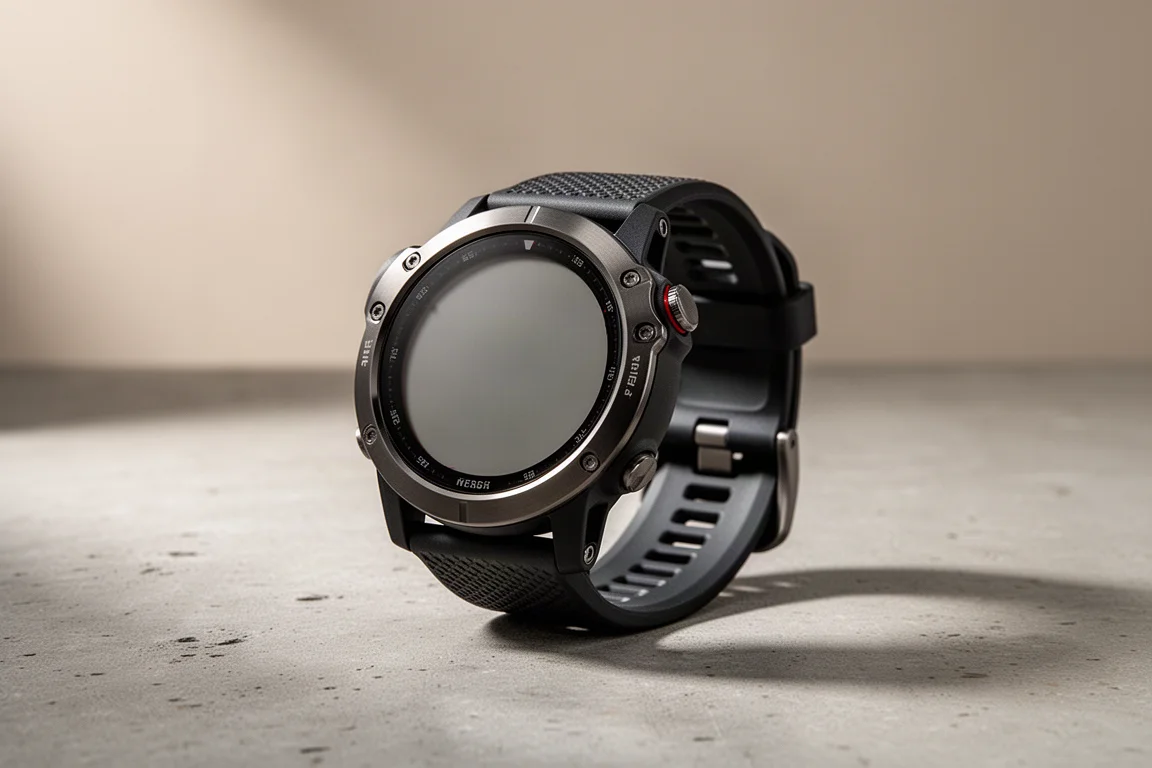
The Coros Nomad is an outdoor adventure watch built to handle everything from trail runs and open water swims to fishing trips and long mountain treks. Priced at $350, it enters a space largely owned by the Garmin Instinct line, and it does so with a few genuinely useful advantages, most notably full offline topographic mapping that Garmin’s Instinct 3 does not include even at its higher $400 to $500 price points. After extended testing across trail runs, city runs, open water swims, and a multi-hour alpine trek, this looks like one of the strongest Coros watches to date.
First Impressions and Design
The Nomad deliberately leans into a rugged, Instinct-inspired look, and the comparison is unavoidable. It is worth remembering that Garmin’s own Instinct watches draw heavy inspiration from classic Casio designs, so this is more of a shared design language than a copy. Where the Nomad stands apart is in the hardware details.
The headline upgrade is a new 1.3-inch MIP display that is brighter and more contrasty than previous Coros MIP screens. On top of that, the Nomad uses mineral glass instead of the plastic seen on many budget-level watches, which should hold up better to scrapes and hard use.

The battery picture is equally solid. Coros claims 34 hours in dual frequency mode (the default) and up to 50 hours in the all-systems GPS configuration. In real testing on a 7.5-hour mountain trek with navigation and the optical heart rate sensor running, the watch dropped from 100% to 80%, which works out to roughly 37 hours of battery life and comfortably exceeds the stated figure.
The New Action Button and Voice Notes
On the upper left of the case sits a new action button. It is not customizable out of the box in the general smartwatch configuration, but within individual sport profiles such as running, trail running, or cycling, you can remap what it does. By default it switches data views; it can also be assigned to trigger a voice pin.
Voice pins are geotagged voice notes recorded during sport modes, captured through a new dual microphone array. This is the first Coros watch to include any microphone at all. There is no speaker, however, so you cannot play notes back from the watch, hear spoken alerts, or listen to music; a simple beeper still handles chirps. When you record a pin, the watch automatically transcribes the message, shows the pinned location on the map, and syncs it to the Coros app.
The implementation is not perfect. Recording a voice pin through the settings menu forces a GPS lock first, and there is no single unified place to browse all your voice notes; you need to remember which activity you were in and tap through them. That said, it still works better than Garmin’s version on recent watches, where geotagged notes cannot be viewed in the Garmin Connect app at all. Ideally each company would borrow the other’s best pieces, but Coros has done the harder half well.
Offline Mapping and Navigation
Full offline topographic mapping is arguably the Nomad’s most persuasive feature, especially given the competition. Coros has also added points of interest to the map, street and trail labels, and clearer differentiation between streets and trails.
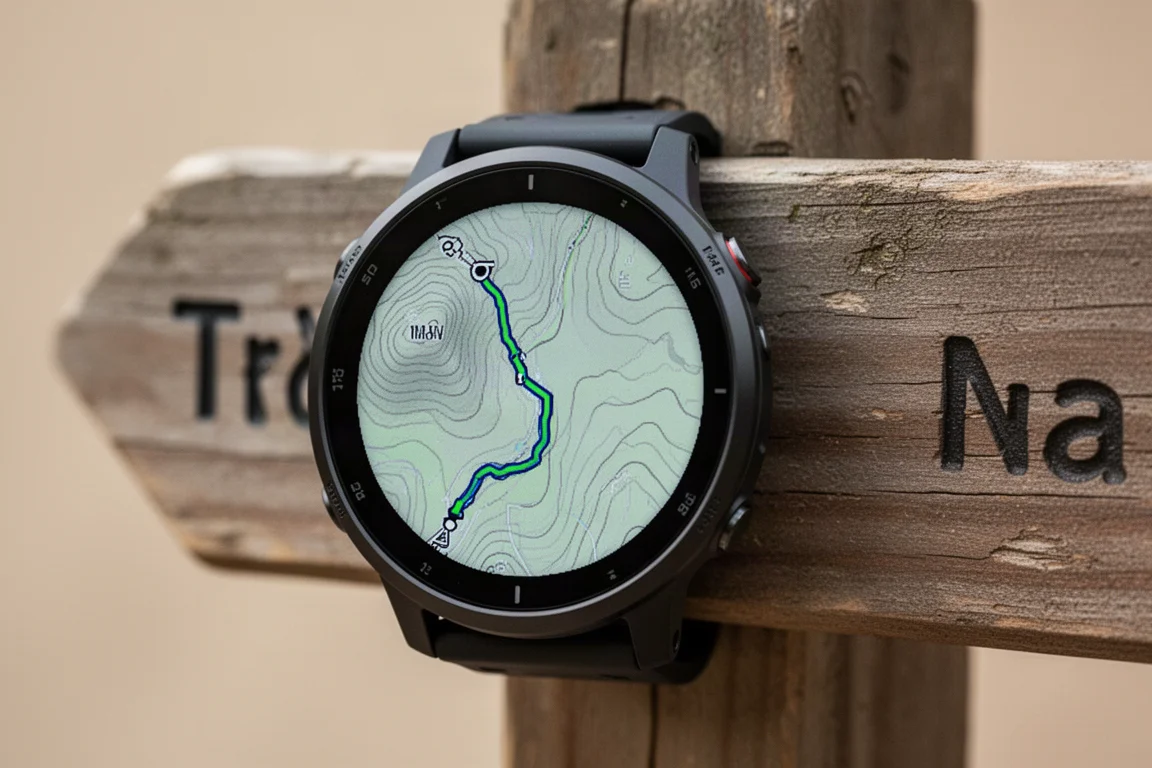
Routes are typically created in Strava, Komoot, or the Coros app and then sent to the watch. This workflow remains a bit clunky: unlike Garmin, which auto-syncs routes from third-party services, Coros requires you to open the map, refresh, and manually push the route. Once loaded, navigation works well, with route overlays, zooming, turn notifications, off-course alerts, and route reversal.
One key gap to know about: Garmin supports offline rerouting, so it can recalculate if you stray from a planned route, while Coros (like Polar and others) cannot. In practice, offline rerouting is something many reviewers use roughly zero to one times per year, so it is a minor miss rather than a dealbreaker, but it is worth knowing if it matters to you.
Training Load and Daily Metrics
Coros made a point of adopting a 7-day trending training load, a metric many athletes have asked for since the body does not reset every day. The initial implementation fell short, surfacing the rolling 7-day load only deep within the app’s training status rather than on the watch itself. Notably, an update arriving shortly before release corrects this, bringing a proper 7-day load to both the watch and the app across all relevant screens. That responsiveness to feedback is a good sign, as Coros has consistently shipped meaningful software updates every quarter or more frequently over the past couple of years.
Fishing Modes and Outdoor Extras
Fishing is where Coros has pointed most of its marketing for the Nomad, and the watch packs a remarkable set of dedicated modes: fly, lure, boat, shore, offshore, inshore, kayak, boat fly fishing, and shore fly fishing. Each mode is individually customizable.

Starting a fishing mode launches a GPS activity that tracks time in the background, and a lower-right button lets you log catches as well as cover and structure, recording both times and locations. Afterwards, the app builds out a fishing log with your catch history, best fishing times, and marked points of interest. New environmental data pages add temperature, precipitation, wind, barometer, tide levels, and moon phases, all customizable like any other sport mode.
Depth data has also been added to the maps and is visible outside fishing modes too, but the quality is currently poor, with the vast majority of coverage missing. Since it can hardly get worse, improvements over time seem plausible.
Journaling in the Coros App
The app’s journaling feature builds on the voice notes system by letting you attach videos and photos to activities. You can then share the whole journal via a private URL, letting friends view your photos, videos, and voice notes on a single page. A new 3D map replay option, similar to what Strava and Polar offer, rounds out a genuinely fresh and social-friendly set of app features.
GPS and Heart Rate Accuracy
The Nomad uses the same sensor and GPS chipset approach as previous Coros watches, and the results back that up. In the Alps, tracks were essentially spot-on through steep rock cliff sections and dense forests, with all compared units landing within a couple of meters of each other. Elevation graphs were virtually identical across units despite shifting weather.
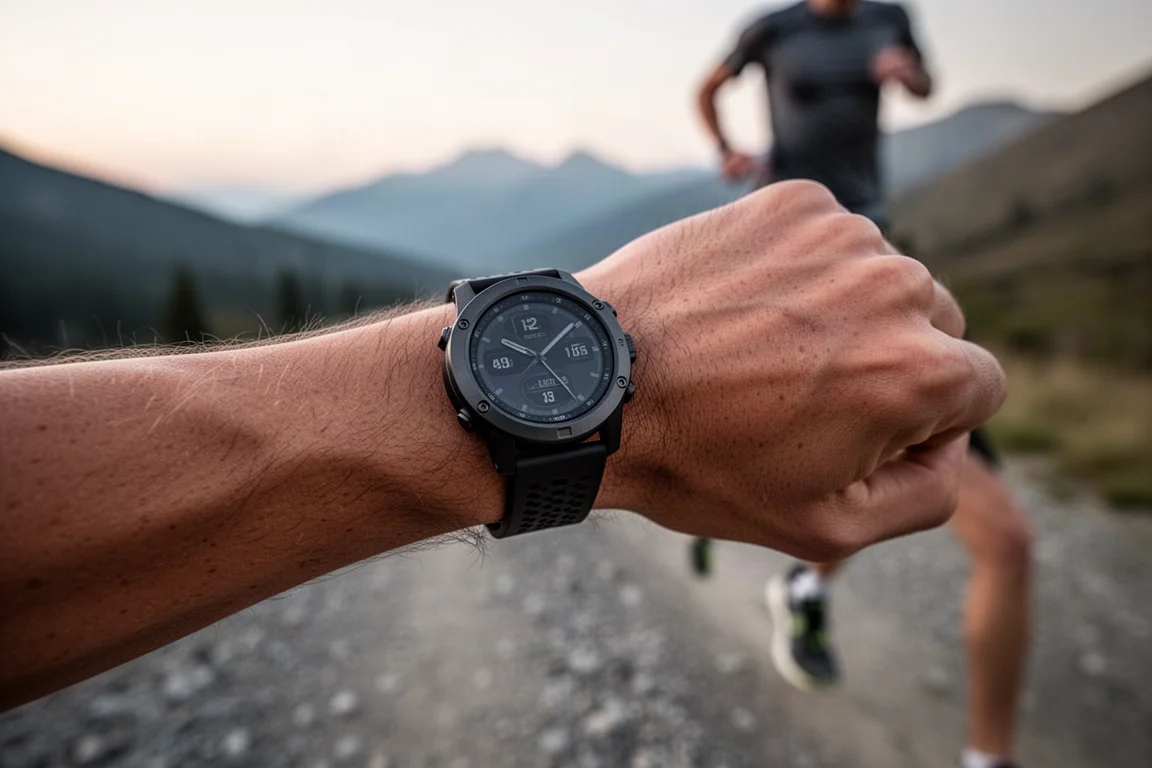
City testing in New York held up well too, with accurate tracking under an overpass despite tall buildings nearby, and only brief jitter at crosswalks in a spot that troubled every watch tested. Open water swimming produced one of the best Coros open water tracks seen, with only a minor quibble at the very end.
Heart rate tells a slightly less flattering story. A steady-state run had an early unexplained dropout before settling; a slow-build run showed several small wobbles; an interval run missed some interval starts without being badly wrong. On the flip side, a three-hour outdoor ride matched a chest strap impressively well. Overall, GPS performance joins the industry-leading camp, while optical heart rate lags slightly behind industry leaders at any price.
Buying Advice
At $350, the Nomad sits in a genuine pricing sweet spot. The Garmin Instinct 3 starts at $400 and climbs to $500, and even at those prices it does not include offline mapping. Garmin does hold real advantages, including solar charging options that deliver far better battery life in that configuration. But for the features most people use day to day, especially mapping, Coros has closed the gap in a way competitors have not, and nearly all of Garmin’s rivals now include mapping under $500, under $400, and even under $300.
If you want an outdoors watch with rugged styling and the features people actually use daily, the Nomad deserves a spot on your short list alongside the Garmin Instinct. The quirks that do exist, such as clunky route syncing, look fixable in software, and Coros has a strong track record of delivering updates.
Conclusion
The Coros Nomad is one of the best watches the company has made, combining a brighter MIP display, real offline topographic mapping, useful voice notes, dedicated fishing tooling, and accurate GPS in a $350 package. Optical heart rate remains a step behind the leaders, and a few workflows could be smoother, but as a well-priced rugged outdoor watch it is an easy one to recommend.
Product link
View more details for Coros Nomad
This product is mentioned in the review. Check the specifications, options, and compatibility before buying.
View more details for Coros NomadFurther reading
Related Reviews
Sports Watches
Garmin Sports Watch Guide: Finding the Right Model for Your Fitness Level
A comprehensive overview of Garmin's sports watch lineup, from casual fitness trackers to advanced multisport devices, helping you choose the right model for your needs and budget.
Sports Watches
Coros Pace Pro Review: A Complete Overhaul That Finally Feels Premium
Coros rebuilt the Pace Pro from the ground up with an AMOLED display, onboard maps, and a new heart rate sensor. Here is how it all holds up in real use.
Sports Watches
Polar Vantage M3 Review: The Sweet Spot in Polar's New Watch Lineup
A closer look at the Polar Vantage M3, which brings an AMOLED display, dual-frequency GPS, offline maps and the same software platform as Polar's flagship watches at a friendlier price.