GPS Sports Watches
Coros GPS Watch Range Guide: Which Watch Fits Your Running
From the lightweight Pace 2 to the adventure-ready Vertix 2, a practical breakdown of the Coros GPS watch range and which model suits your training.
Introduction
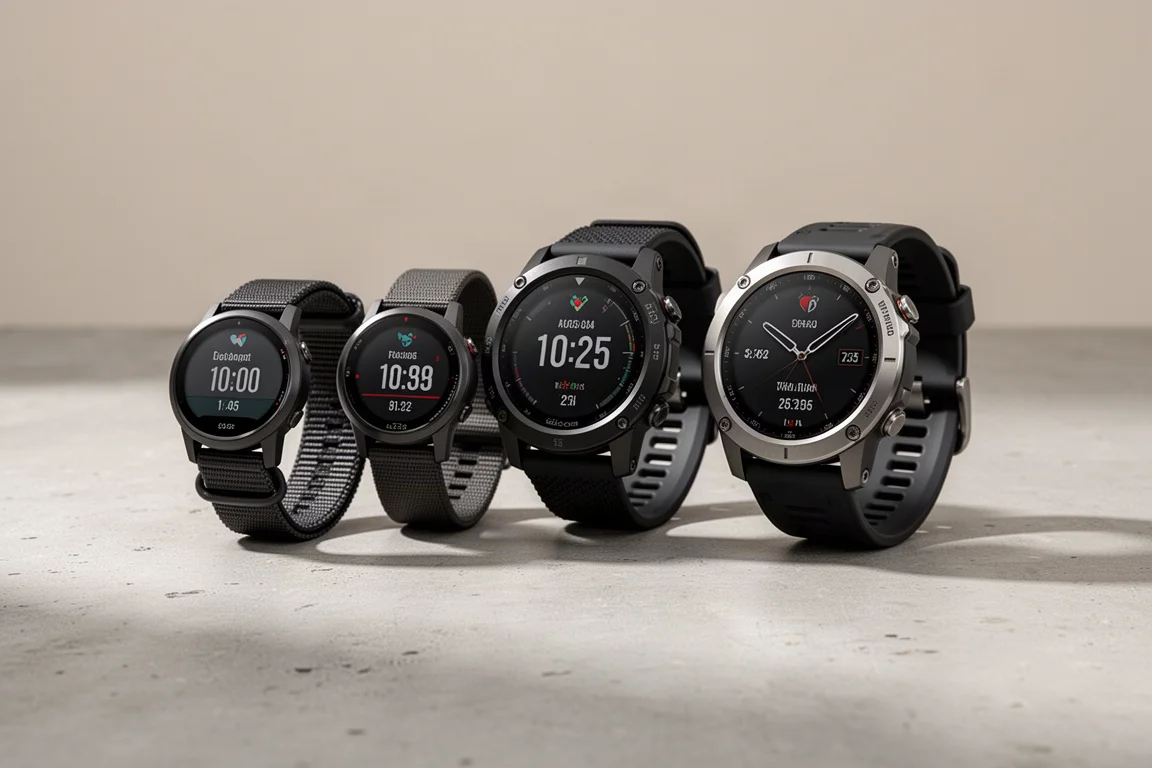
Coros has built its reputation on GPS sports watches that cover a wide spread of runners, from road and track athletes chasing 5k and marathon personal bests all the way to ultra and trail runners heading into the mountains for hours at a time. The range spans the Pace 2, Apex, Apex Pro, and Vertix 2, and each model targets a fairly distinct type of runner.
Two things stand out across the whole lineup. First, battery life is genuinely impressive on every model, with the larger watches capable of running for weeks rather than days. Second, Coros rolls out new features across its entire range, so older watches keep receiving updates well after launch. Recent examples include the EvoLab training features arriving on both the Pace 2 and the Vertix 2, route syncing from Strava, a dedicated multi-pitch climbing sports mode, and a customizable shortcut via the backlight button. The result is a watch that arguably gets better over time, which makes any of these a fairly future-proof purchase. And while running is the focus here, every model tracks a broad set of sports including swimming, water sports, and skiing.
Features Shared Across the Coros Range
Before looking at what separates the watches, it helps to know what they all share. EvoLab is Coros’s sports science platform, giving athletes personalized fitness, fatigue, and performance insights with metrics such as training load, recovery, and intensity monitored daily, weekly, and long term.
Running power data shows the rate of effort used while running, calculated using metrics including weight and speed for a clear view of real-time workout intensity. There are pre-designed training plans plus workouts created by athletes, and you can build custom plans and workouts of your own. Sleep monitoring gives a detailed breakdown of the amount and types of sleep achieved, and every device carries a full sensor suite: optical heart rate, barometric altimeter, accelerometer, gyroscope, and compass. Phone notifications from apps and messaging services arrive directly on the wrist.
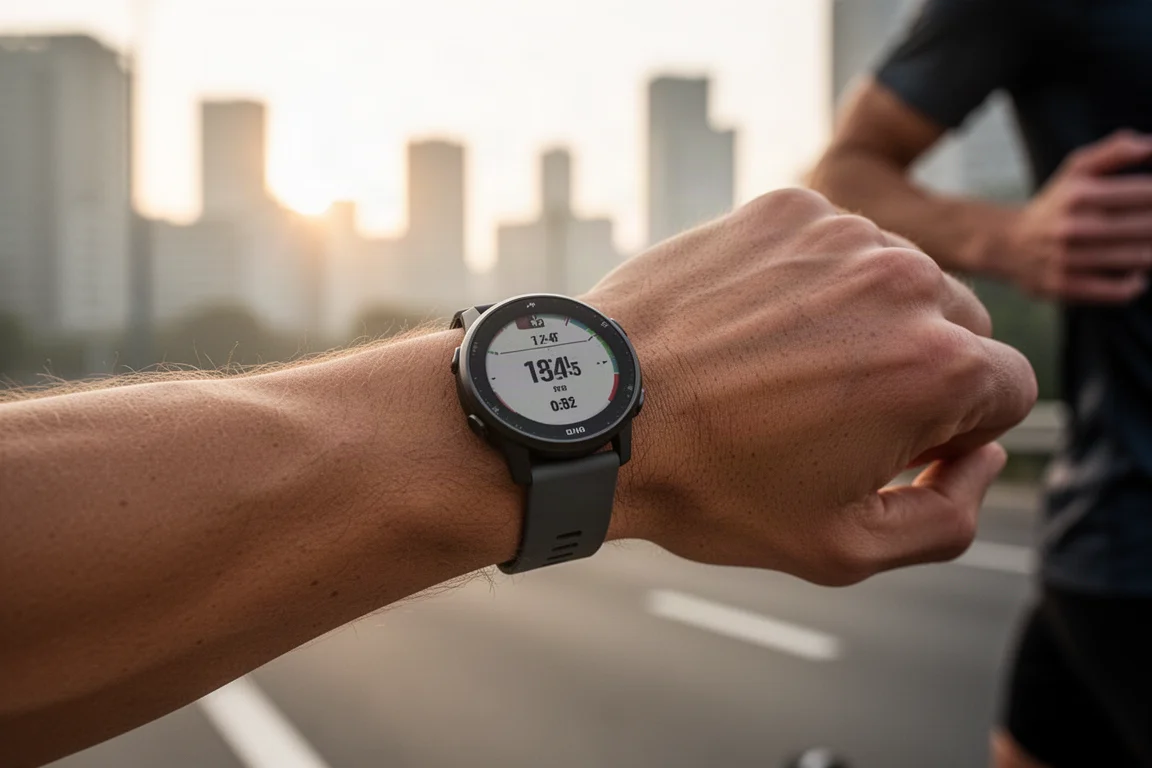
Coros has also confirmed further feature rollouts, including topo maps for the Vertix and the Apex Pro, so the software story keeps developing across the lineup.
Coros Pace 2: Lightweight Value for Road Runners
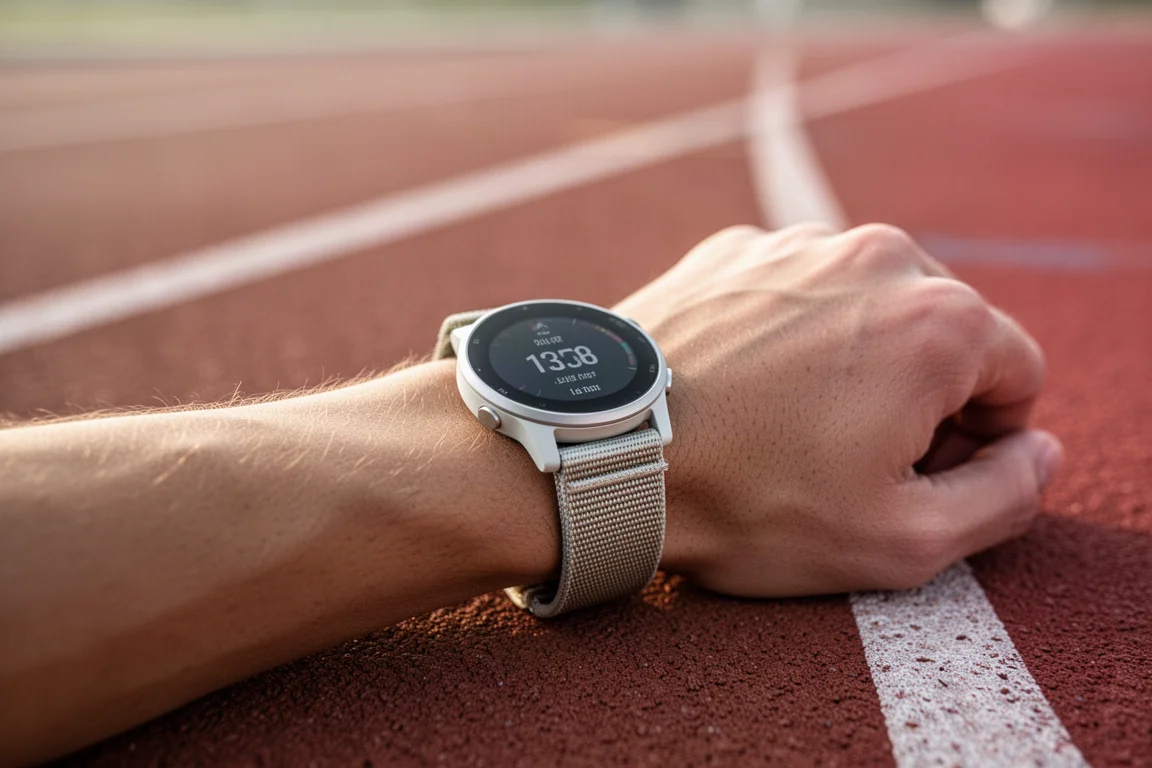
The Pace 2 packs a huge array of features into a slim, extremely light design, making it the pick for runners who want a smaller watch without compromising on features. Priced at £180, it brings most of the features found on far pricier watches, which makes it a standout value option. It suits serious road and track runners training for everything from 5k up to the marathon, and it has the battery to go further: 30 hours in full GPS mode or 60 hours in UltraMax mode.
It weighs just 29 grams with the nylon band, yet still fits a clear 1.2 inch screen showing up to six stats at once. There is a dedicated track running mode for extra accuracy, full triathlon support with multi-sport and open water swimming modes, and Bluetooth and ANT+ connectivity for external sensors alongside the built-in barometric altimeter and compass.
Training guidance covers workout planning with on-the-run guidance, plus the same EvoLab analysis as the rest of the range: recovery advice, race predictions, and an accurate assessment of training load and fitness. The design is stripped back with two buttons, one being the digital dial that makes menus easy to navigate. Battery life reaches up to 20 days of daily use, and it tracks sleep and daily activity too.
Colour options are the widest in the range: navy and white as the originals, joined by gold, green, and red seasonal options, plus a special Eliud Kipchoge edition with red and green accents inspired by the Kenyan flag. That edition carries real pedigree, as the Pace 2 was the watch Eliud Kipchoge wore when he won the marathon gold medal at the Tokyo Olympics. The Kipchoge edition comes with the Coros Pod, which can also be bought separately for live running form stats, while the Pace 2 can measure running power from the wrist without any extra sensor. All in all, if you are pushing for PBs on the road and want an accurate, feature-rich device in a very lightweight package, this is the Coros to get.
Coros Apex: A Step Up in Materials and Battery
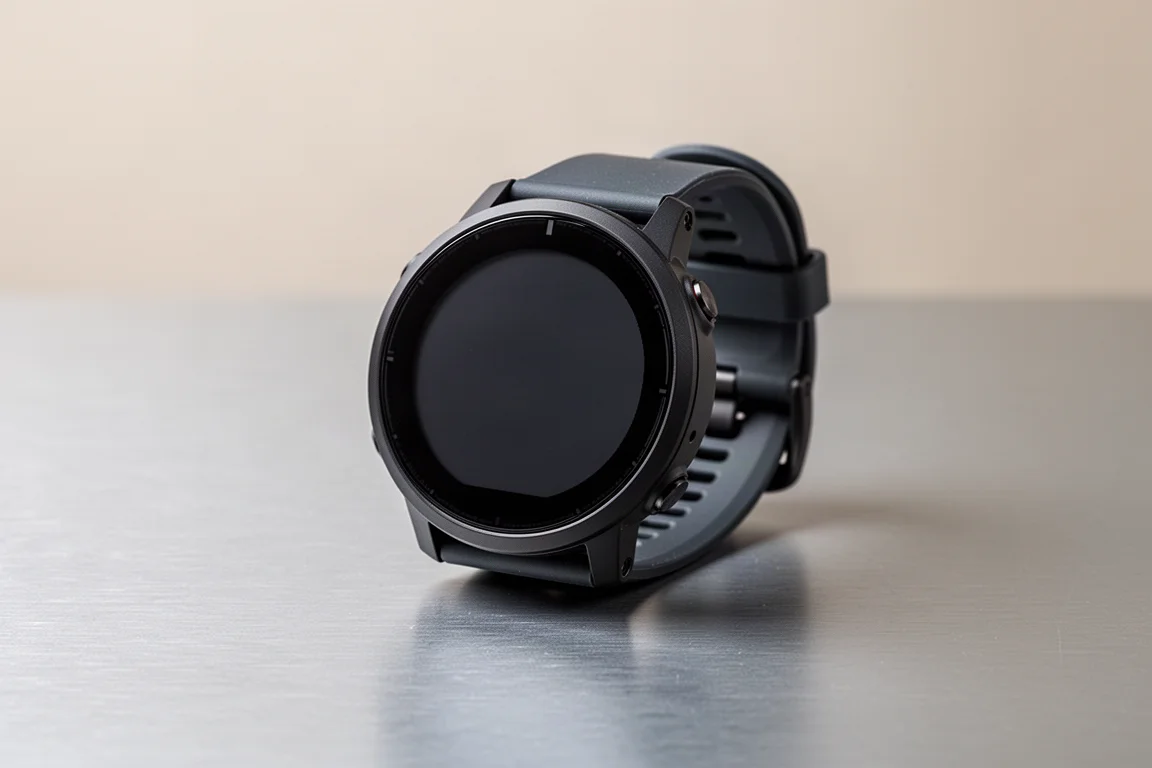
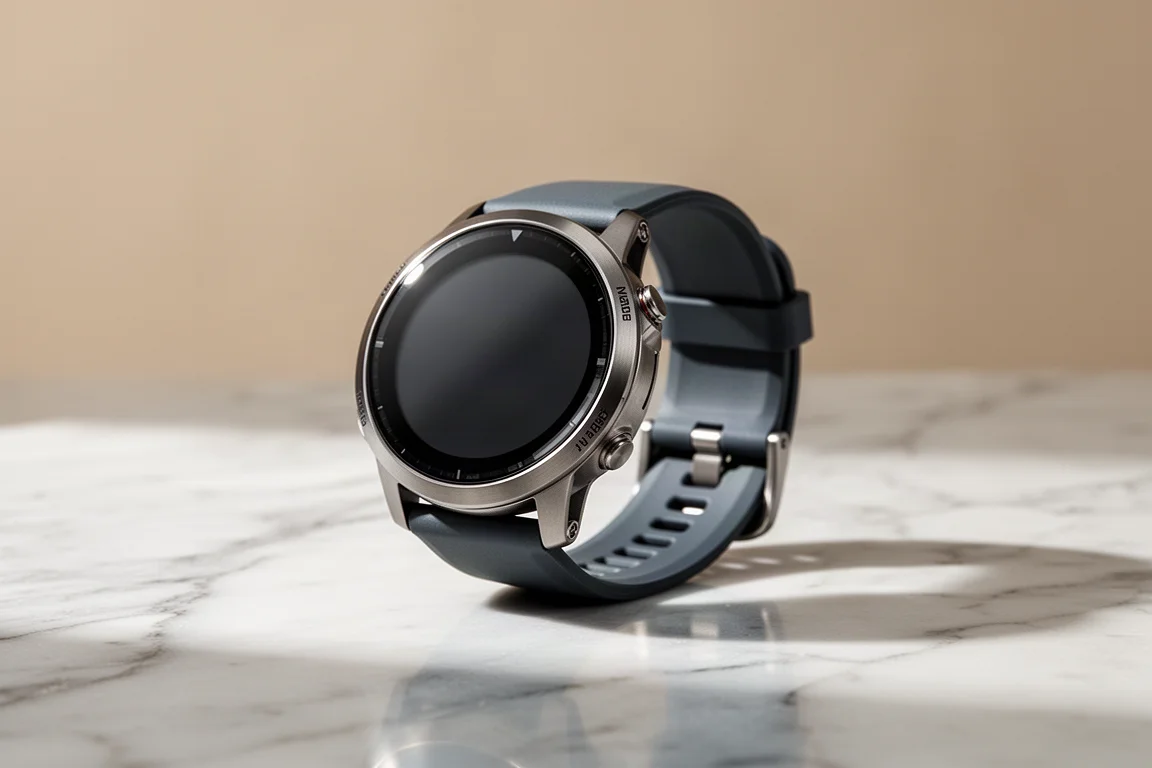
The Apex sits above the Pace 2, offering a step up in case materials, durability, and battery life, and generally serving as a better companion for running and exploring outdoors. It comes in 46mm and 42mm sizes with always-on memory LCD displays, aluminium covers, and either a stainless steel or titanium alloy bezel.
It tracks outdoor runs, treadmill runs, and track sessions, supports training plans, and works with third-party apps like Strava and TrainingPeaks. EvoLab delivers advanced running data such as VO2 max, fatigue, and training load, with additional recovery time insights. External sensors including heart rate monitors and foot pods like the STRIDE add another dimension to training.
For navigation, the Apex offers breadcrumb and back-to-start features with the ability to upload routes to the watch. Away from running you get phone notifications from Android and iPhone, automatic sleep tracking, and 24/7 heart rate monitoring. Battery life follows the Coros pattern: the 46mm model lasts up to 100 hours in UltraMax GPS mode and the 42mm up to 80 hours, with weeks rather than days of day-to-day use. For runners who want a bit of everything from road to trails without the top-tier price, the Apex is a well-rounded middle-ground choice.
Coros Apex Pro: Durability and Altitude Data
The Apex Pro is a GPS watch focused on durability and increased data for the outdoors, designed for heavier-duty activities from technical trail running to climbing and hiking. Hardware-wise, it takes a clear jump in battery life over the Apex: 40 hours of full GPS usage, an increase of 14 hours, and 45 days of general daily use, up from the already impressive 30 days of the Apex.
Technical upgrades largely target athletes training at altitude, including 24/7 blood oxygen monitoring via an optical pulse oximeter and a dedicated altitude mode. Touchscreen technology makes it easier to view activity screens during training and to browse detailed historical data. There is also a backlight always-on mode so you can view your activities through the night without a big battery hit, automatically turning off at sunrise, plus a dedicated backlight button for quick glances.
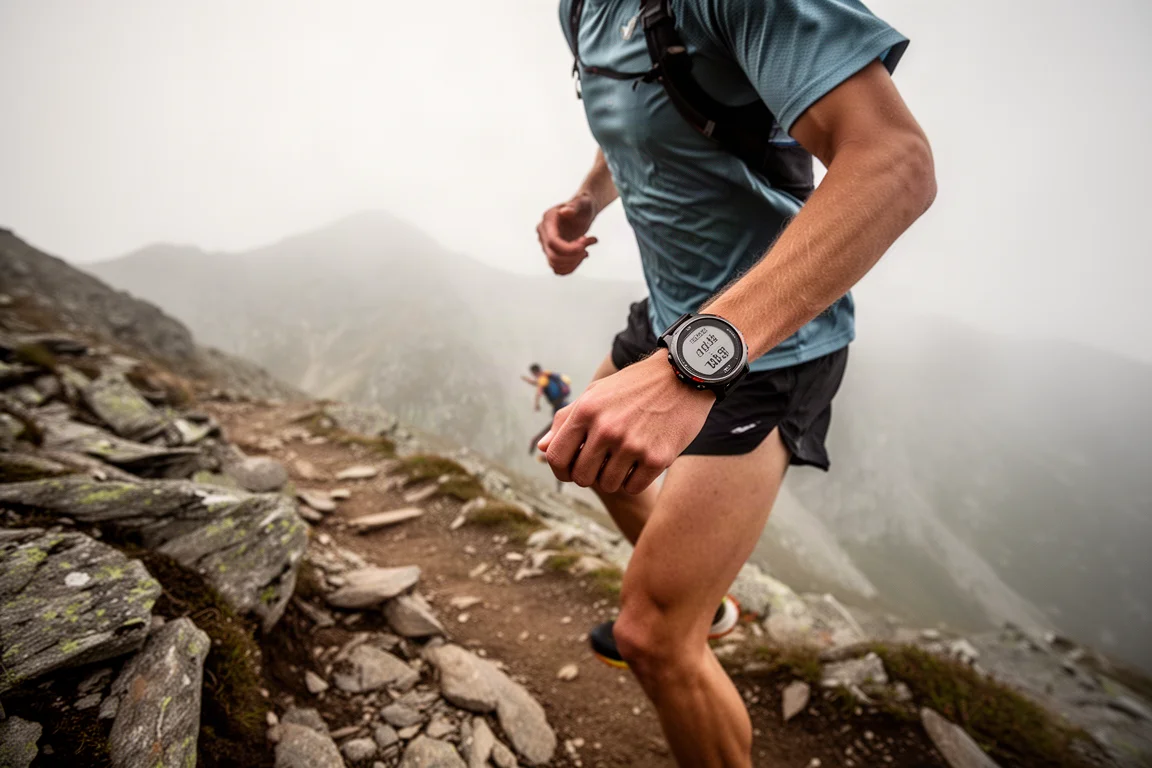
It also includes onboard maps, with topo maps confirmed as rolling out, and its refined look means it pairs as easily with everyday clothing as with a trail kit. For runners who split their time between road, trail, and hiking and want a genuinely all-round watch, the Apex Pro covers a lot of ground.
Coros Vertix 2: Built for Big Adventures
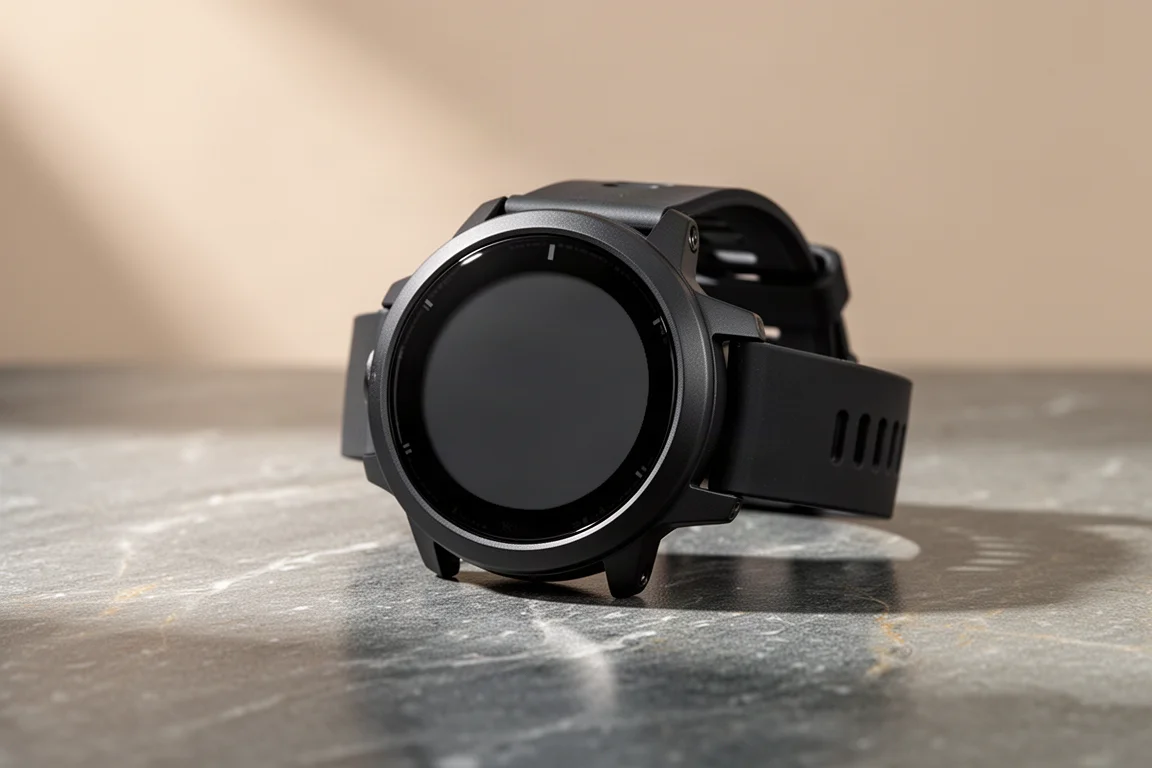
The range-topping Vertix 2 is built for runners who like bigger adventures. Its 140-hour full GPS battery life, extendable up to 240 hours in UltraMax low-frequency GPS mode, plus global offline topo maps and a big rugged build, put it firmly in expedition territory. It is the only Coros that speaks to all five satellite systems and offers dual-frequency satellite link-up, aiming to boost accuracy in trickier GPS spots.
That near-never-die battery also appeals to runners who want the luxury of charging once a month, even in full marathon training where you might be running 10-plus hours a week. The 1.4 inch display is the biggest on any Coros and can show up to eight customizable stats at a time.
Durability is serious: water resistance to 100 meters, a diamond-like coated sapphire display, and a coated titanium alloy bezel. There are extra physiological tracking smarts too. It is the only Coros to offer ECG-based heart rate variability readings from the wrist, useful for guiding training and recovery, along with an optical pulse oximeter that monitors blood oxygen at high altitude. The final standout is 32GB of music storage with offline playback, ideal for runners who like music but hate carrying a phone. One long-run tester noted the reassurance of picking up a watch still showing 12% battery after days of use and heading out for hours more, with no battery anxiety at all.
Which Watch Should You Choose?
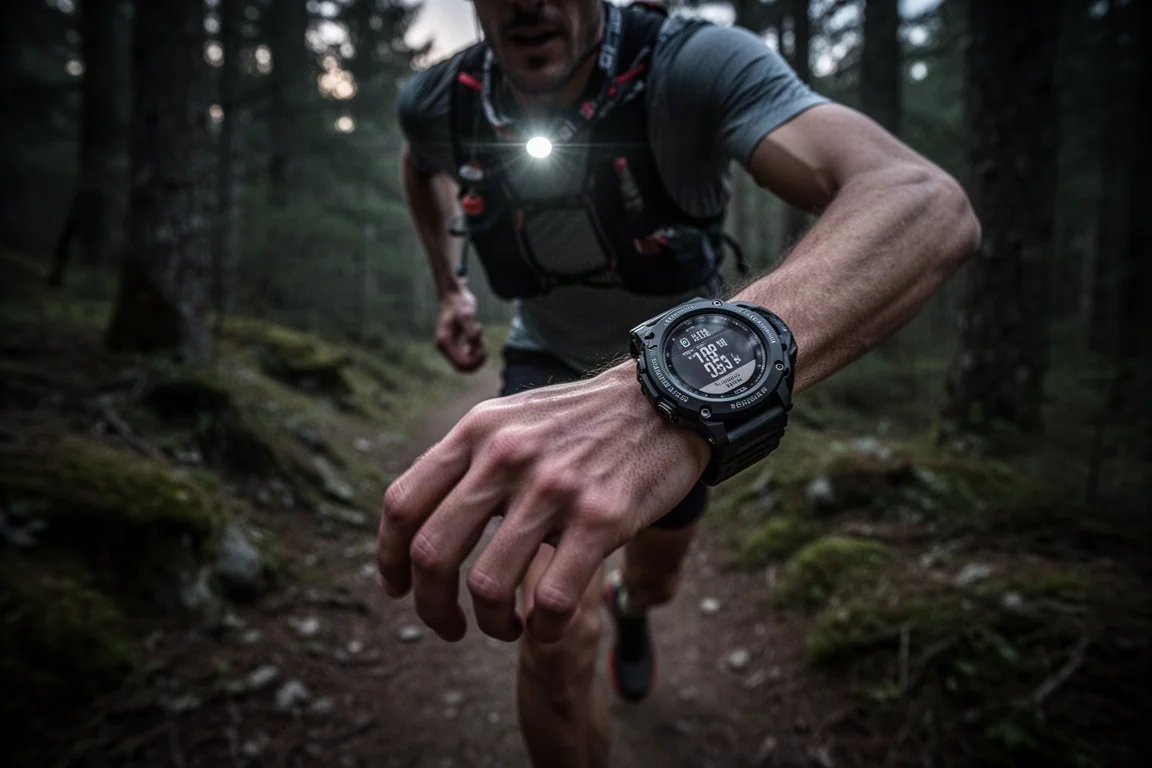
A simple way to decide: if you are a lightweight-focused road runner chasing marathon PBs and value, the Pace 2 does everything you need in the lightest package in the range. If you want a well-rounded watch for a mix of road and trails with better materials and battery, the Apex is the sensible middle ground. If you add hiking, technical trails, and altitude training to the mix and want maps on the wrist, the Apex Pro earns its place. And if you are an ultra runner who regularly spends four or more hours getting lost in the hills, the Vertix 2’s battery, durability, navigation, and HRV tracking make it the clear pick.
Conclusion
The Coros range is unusually coherent: every watch shares the same EvoLab platform, sensor suite, and long battery philosophy, and new features arrive across the lineup rather than being locked to top models. That makes the buying decision mostly about size, battery, build, and the specific features you will actually use, and there is a clear answer at every level from track sessions to multi-day ultras.
Further reading
Related Reviews
GPS Sports Watches
Polar Grit X2 Pro vs Vantage V3 vs COROS Vertix 2S: Which Flagship Adventure Watch Makes Sense
Polar's new flagship shares its internals with the Vantage V3 and goes up against the COROS Vertix 2S. Here is what two months of testing revealed about GPS, heart rate, navigation, and value.
GPS Sports Watches
Coros Apex 2 vs Garmin: Six GPS Sports Watches Worth Comparing
A practical look at the Coros Apex 2, Apex 2 Pro, Vertex 2, and three Garmin rivals, with what each does well and where the trade-offs sit.
GPS Sports Watches
Coros Apex 4 Hands-On: Titanium Build, Faster Mapping, and a Battery Built for the Mountains
A first look at the new Coros Apex 4 GPS sports watch, including its titanium construction, improved mapping, built-in speaker, and standout battery life.