Cycling Gear
Copying the Pros: Three Race-Proven Cycling Upgrades Worth Considering
Deep-section wheels, short-nose saddles, and narrow handlebars show up in the professional peloton for good reasons. Here is what transfers to regular riding, and what is better left to the pros.
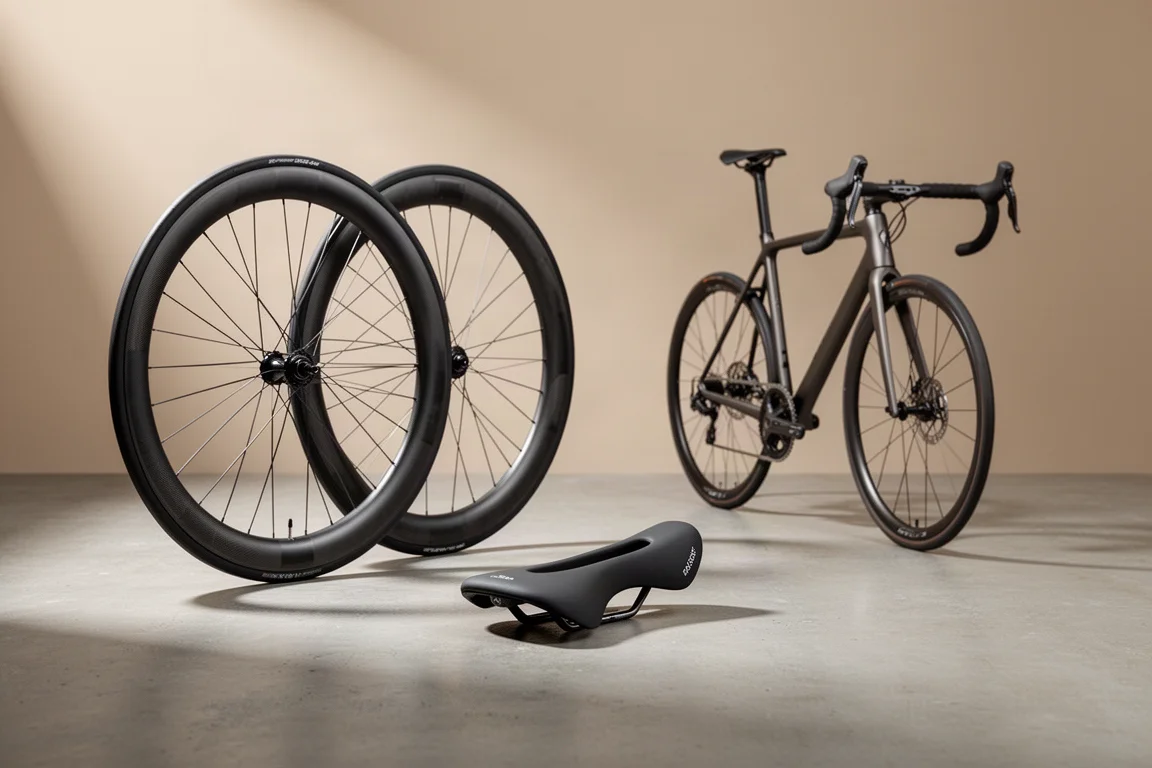
Introduction
Professional riders are an easy group to imitate. They have access to more technology, more testing time, and a deeper understanding of the latest equipment science than most amateurs ever will, and they are paid to go as fast as possible. When a piece of equipment helps them win races decided by tiny margins, it is reasonable to ask whether it would help the rest of us too.
Some of it does. Some of it does not. The difference usually comes down to how fast you ride, how often you ride, and whether you have a team car behind you. This guide covers three pieces of equipment that have earned their place in the professional peloton and make sense for regular riders, along with the trends that are better left to the people who ride 30,000 km a year.
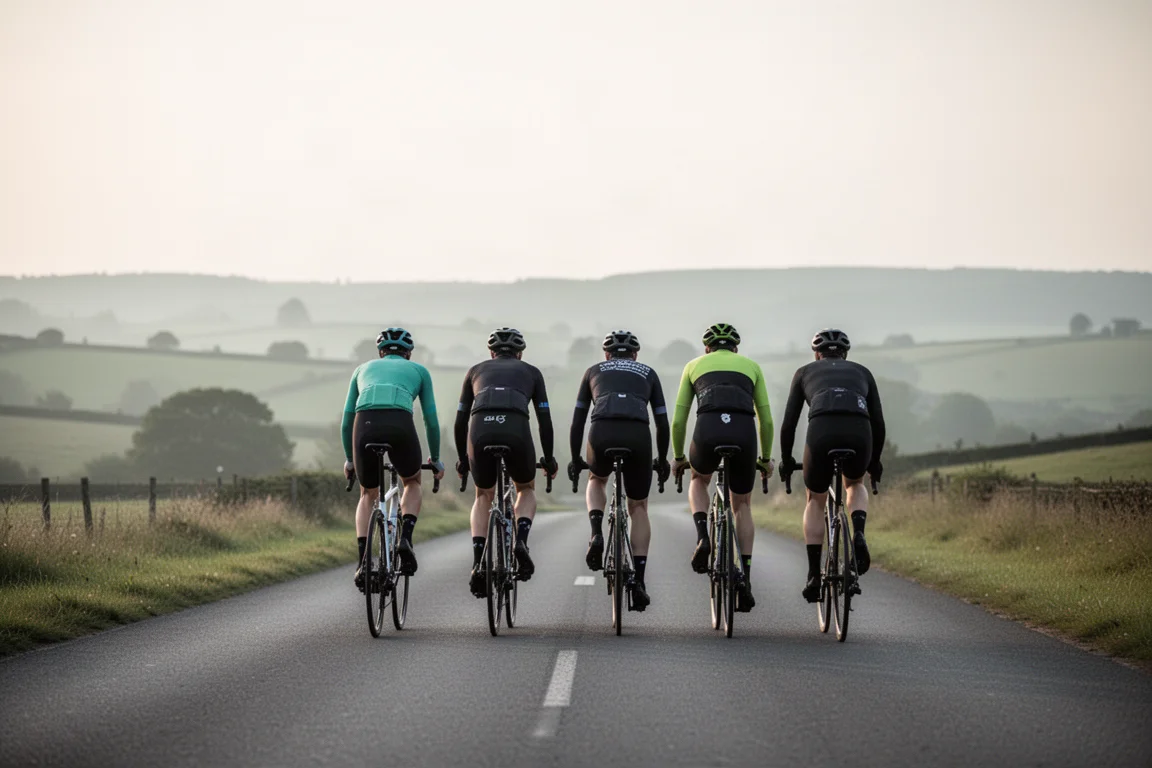
One principle runs through everything below: an item earns a recommendation here only if it delivers a real benefit at the speeds and distances most riders actually cover, not because it looks the part.
What the Pros Get Right
The biggest shift in professional equipment thinking is that aerodynamics now matters more than weight. The UCI weight limit of 6.8 kg is rarely reached, and pro bikes are often weighed at 7.2 to 7.4 kg during races. Teams have accepted the extra grams because aerodynamic drag costs more time than the weight does.
The reason is straightforward. Above roughly 15 mph, the rider accounts for about 80 percent of the total drag, so reducing frontal area and smoothing airflow pays off. Professionals ride far faster than most amateurs, which makes the gains larger for them, but any rider above that threshold still benefits. Because amateur riders often spend longer on the course than a professional does, the accumulated benefit can be meaningful.
Wider tires and tubeless setups fit the same pattern. Professional riders held on to 23 mm and 25 mm tires for a long time while regular riders moved to 28 mm, 30 mm, and 32 mm. The peloton has now followed: 28 mm is the new standard, and 30 mm and 32 mm appear on gravel and pavé stages. Wider tires offer lower rolling resistance because the contact patch is shorter and wider, and they can be run at lower pressures, which absorbs bumps instead of spending energy lifting the bike and rider over them. Comfort improves as well, and a wide tire at around 50 to 55 PSI copes far better with rough roads, cracks, and potholes.
Tubeless has followed a similar path. Tubs, once glued to the rim, are effectively a thing of the past in the professional peloton. Modern tubeless tires and rims fit together reliably, inflate with a normal track pump, and are less messy than they used to be. Some teams still use lightweight TPU or latex inner tubes with tubeless-compatible tires rather than sealant, because sealant needs topping up over weeks and months and makes tire changes messier. Either approach works, and compatibility issues are largely a thing of the past.
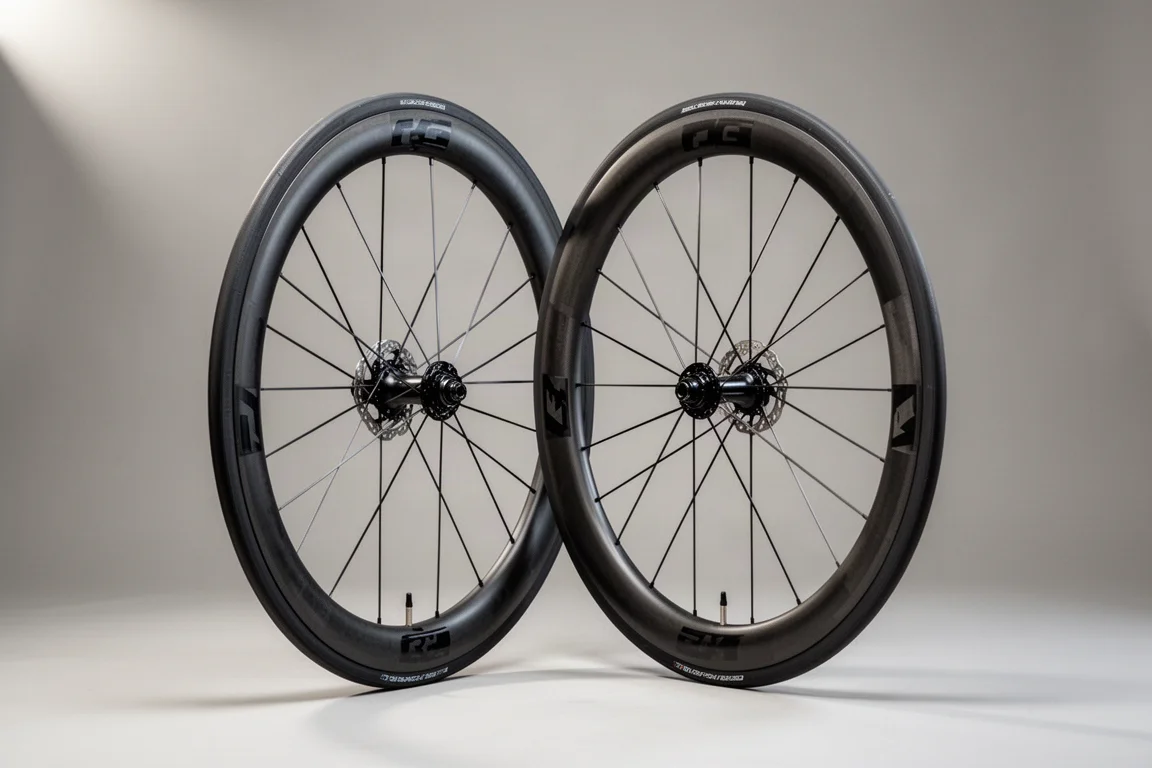
ENVE SES 4.5: Deep-Section Wheels
Deep-section aerodynamic carbon wheels are the clearest performance upgrade available for a road bike, and they are the first thing worth copying from the professional peloton. Most professionals ride rims between 40 and 50 mm deep, a depth that balances aerodynamic gain against weight and handling.
The ENVE SES 4.5 sits in that range and is one of the wheelsets that shows up under riders at the sharp end of the Tour de France. There is a long-running debate about switching to a shallower, lighter wheel for mountain stages, which saves roughly 100 to 200 g of climbing weight. The counter-argument has held up: the aerodynamic advantage of a deep rim on the descent and on the flat run to the finish line outweighs that small weight saving. For most riders, deep-section wheels remain the single biggest aerodynamic gain available on a road bike.
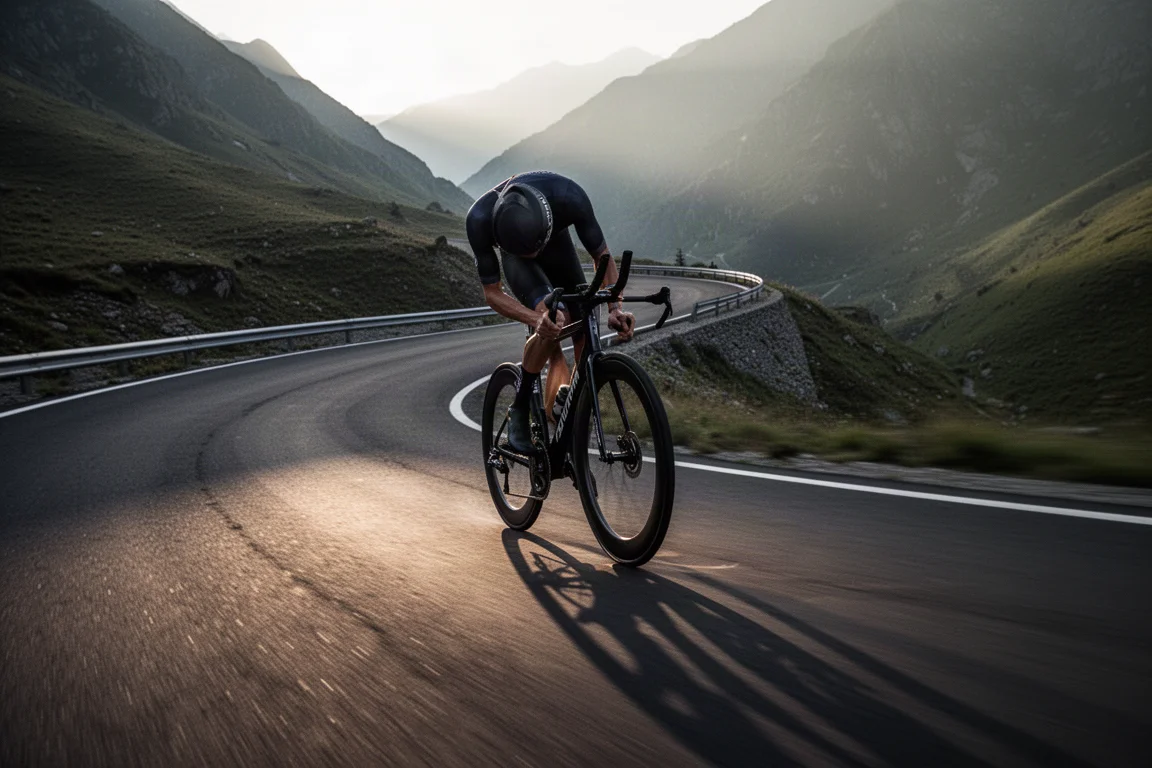
That makes them a sensible first upgrade for riders who want to go faster on the same effort. The trade-offs are worth knowing before buying. A deeper rim is heavier than a shallow one, so riders who prioritize climbing weight above everything else should think carefully. As with any wheel change, frame, brake, and axle compatibility are worth confirming before ordering.
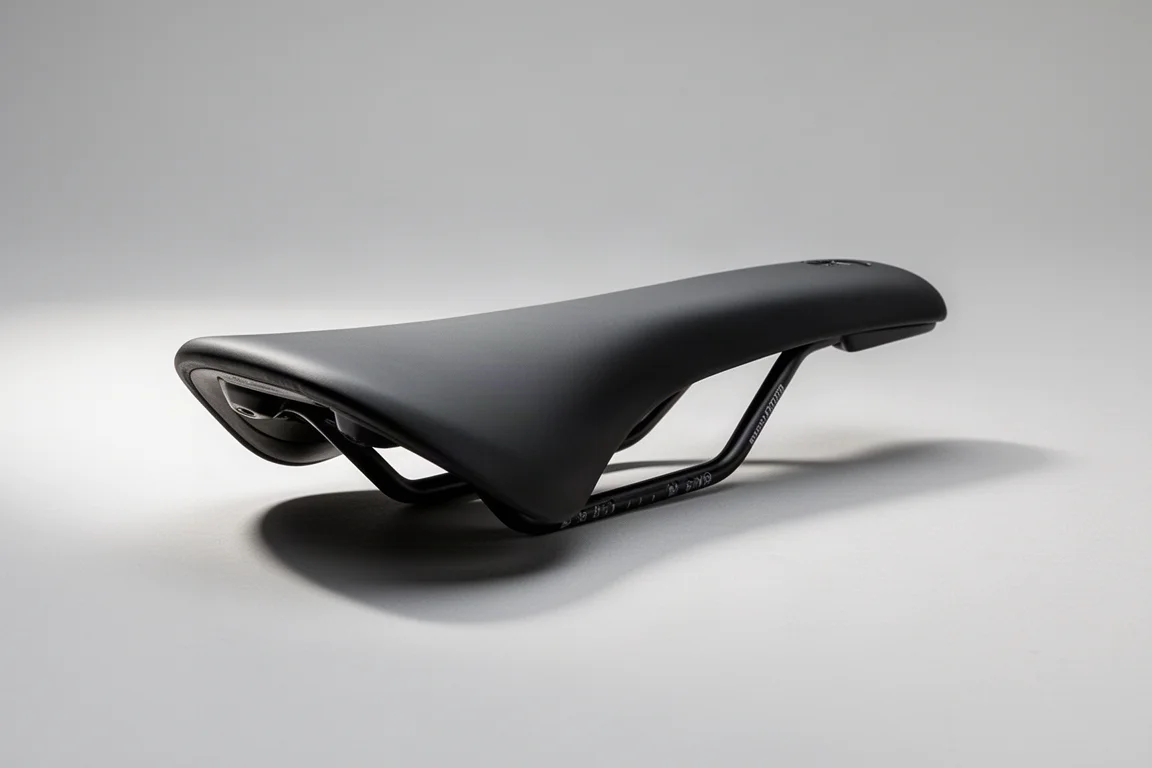
Specialized Power: Short-Nose Saddles
Saddle design has gone through a lot of change over the years, and the current professional trend is the short-nose saddle, with the Specialized Power among the best-known examples. The shape exists because of how modern professionals sit on a bike: many run a frame size smaller to get a lower front end, then push the saddle as far forward as the rules allow to open up an aggressive aerodynamic position.
UCI rules govern how far the nose of a saddle can sit in front of the bottom bracket. Removing two or three centimetres of nose works around that limit and lets a rider move further forward. Away from racing, short-nose saddles are also genuinely comfortable, which is why the shape has spread well beyond the professional peloton.
Trek Madone: Narrow Handlebar Geometry
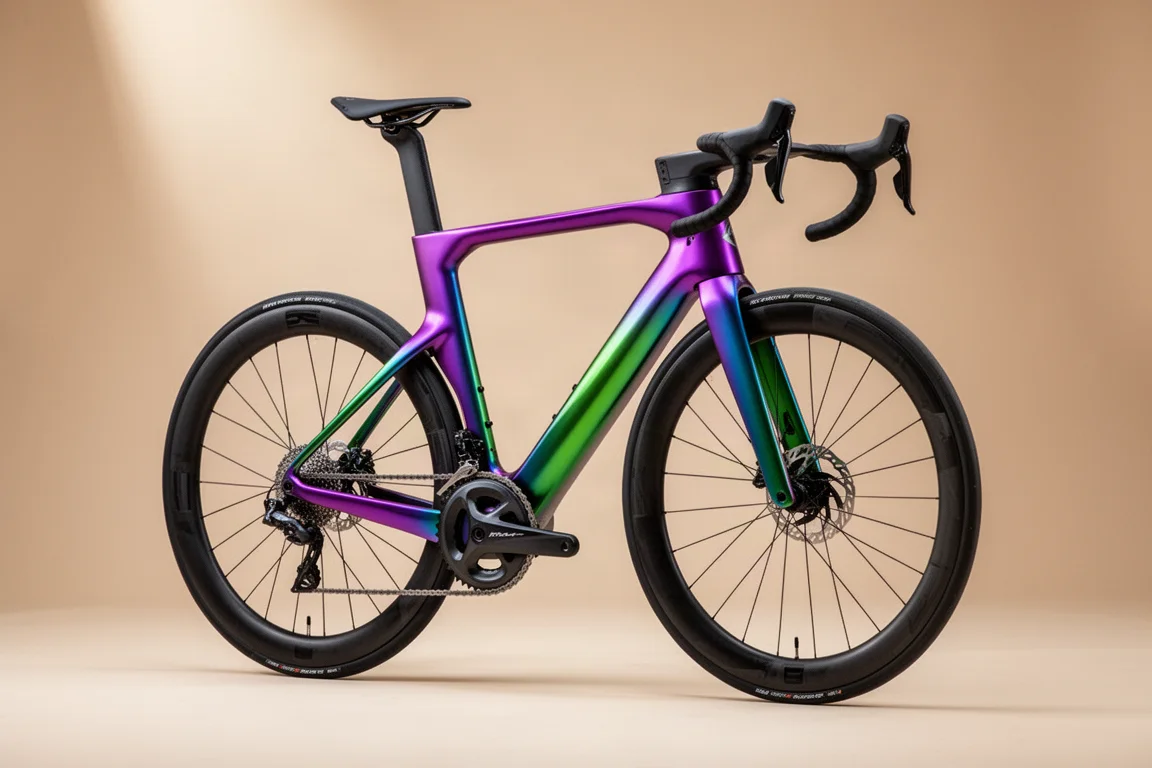
Handlebar width has become one of the fastest-moving trends in the professional peloton, and the reason is simple physics. If the rider is roughly 80 percent of the drag above 15 mph, making the body’s frontal profile smaller means punching a smaller hole in the air. Narrow bars reduce drag, so a rider goes faster for the same effort or holds the same speed with less of it.
Manufacturers have responded with narrower designs. The Trek Madone is a good example: it is a road bike built around a very narrow handlebar. The modern pattern is narrow at the hoods, where the aerodynamic position is held, with a flare in the drops for more control when descending. The UCI has moved to limit how narrow a setup can go with the hoods turned in, so there are boundaries to work within.

Upgrading a handlebar is one of the easier aerodynamic wins, though there is one practical wrinkle worth flagging. Bikes with a one-piece handlebar and stem need a matching one-piece replacement, which is a trickier job than swapping a standard bar, but it is not impossible for a competent mechanic.
What to Leave to the Pros
Not everything transfers. Slammed stems are the classic mistake. A stem with no spacers between it and the frame looks professional, but a very low front end demands the flexibility and conditioning that come from riding 30,000 km a year. Riders who get out once or twice a week often pay for it with back pain, sore shoulders, and a miserable few hours in the saddle. Even within the professional peloton the trend has moved away from fully slammed stems, with more riders running a few spacers. Being sensible about fit costs nothing and is faster in practice.
Massive gearing is another trend to leave alone. Where 53/39 was once standard, 54, 55, and 56-tooth chainrings are now common. That makes sense in a peloton averaging extremely high speeds, but big gears demand enormous power and fitness to turn. Most riders never use the full cassette range behind a chainring that large. Smaller chainrings paired with a wide-range cassette, such as a 12-speed setup of that type, suit the speeds and power outputs regular riders produce, and they make climbing easier rather than harder.
Skin suits fall into the same category. Once reserved for time trials, one-piece shorts-and-jersey outfits are now used across entire stage races by the fastest riders. They are faster, but they sacrifice comfort, versatility, and practicality, including the three pockets most riders rely on. Professionals are serviced by a team with food and water, so they do not need to carry much. For regular riding, a normal jersey and shorts remain more comfortable and more practical.
Aero socks are the final item to question. Long socks made from special fabrics that channel air around the leg can save a few watts, which matters in a race. For a sportive or a weekend ride at real-world speeds, the saving is small and the style cost is high. Unless you are racing, ordinary socks are the better call.
Buying Advice
If the goal is simply to ride faster, prioritize the changes that deliver the largest benefit for the money.
Wheels come first. A deep-section carbon wheelset in the 40 to 50 mm range is the biggest aerodynamic gain available on a road bike, and it improves every ride rather than one specific type of terrain. Confirm compatibility with your frame and brakes before ordering.
Tires are the cheapest meaningful upgrade. A move to wider rubber, around 28 mm and up, brings lower rolling resistance and a large comfort gain, and it can be paired with a tubeless setup or lightweight inner tubes depending on how much maintenance you are willing to take on.
Position and contact points come next. A short-nose saddle can support a more aggressive position and is comfortable in its own right, so it is worth checking whether the shape suits you before committing. A narrow handlebar reduces frontal area, and a bike designed around one, such as the Trek Madone, delivers that benefit from the start.
Then there is the list to skip. Do not slam the stem to chase a look. Do not fit gearing built for professional race speeds. Leave skin suits and aero socks to riders who are actually racing. The gains from those choices are small at amateur speeds, and the costs in comfort and practicality are real.
Conclusion
The professional peloton is a useful testing ground, but it is not a template. Deep-section wheels, wider tires, tubeless setups, short-nose saddles, and narrow handlebars have all earned their place because they deliver measurable benefits at speeds most riders reach. Slammed stems, oversized gearing, skin suits, and aero socks are tuned for a different kind of riding.
Copy the first group and you will go faster for the same effort. Leave the second group to the pros, and you will enjoy the ride a great deal more.
Further reading
Related Reviews
Cycling Gear
8 Cycling Products Riders Keep Coming Back To
Eight cycling components and accessories with clear strengths, honest trade-offs and long-standing reputations among riders and mechanics.
Cycling Gear
Aero Helmets and Bottle Setups Tested: Six Options Ranked by Measured Watt Savings
Wind tunnel data on six aero helmets and bottle setups, with real watt savings, practical trade-offs, and guidance on what is worth buying first.
Cycling Gear
Aero Road Bikes and Fast Tires Worth Watching in 2026
Four aero road bikes and one fast road tire, with the real strengths, the open questions, and what to check before you buy.