Road Bikes
Five Cool Mid-Range Road Bikes Worth Considering
A practical look at five distinctive mid-range road bikes, from aluminium race frames to an aero carbon build with adjustable bars.
Introduction
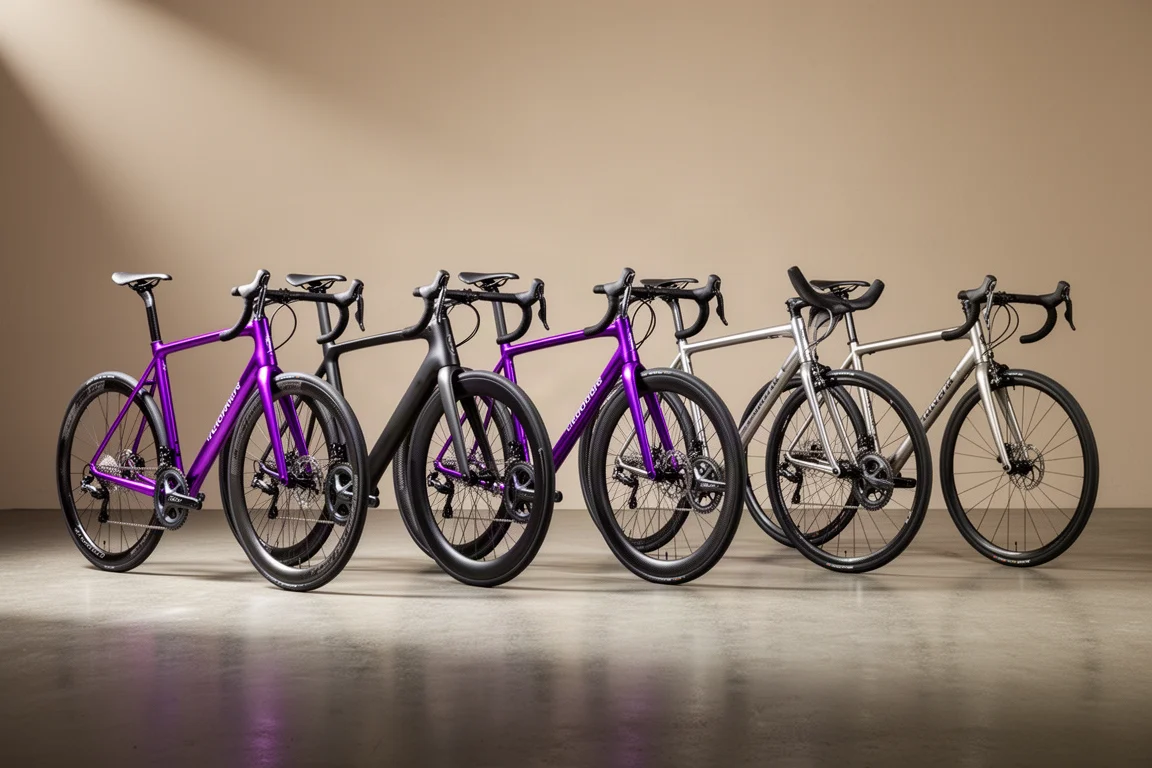
Mid-range road bikes are a genuinely interesting place to shop. The ceiling for this group sits at around £5,000, which sounds like serious money until you compare it with the top-end race machines that can cost more than twice as much. Not every bike here approaches that ceiling either. What they share is character: a finish that stands out, a spec that punches above its price, or a small brand with a clear point of view.
The five bikes below cover aluminium race frames, an aero carbon build, and a couple of lesser-known names. Each one earns its place for a different reason, and each one suits a slightly different rider.
What to Look For in a Mid-Range Road Bike
At this price point, three things do most of the work: frame material, groupset, and wheels. Aluminium frames paired with carbon forks remain the value play, and several bikes in this group borrow race geometry directly from carbon models. Carbon fibre frames start to appear at the upper end of the range, usually paired with deeper wheels and integrated cockpits.
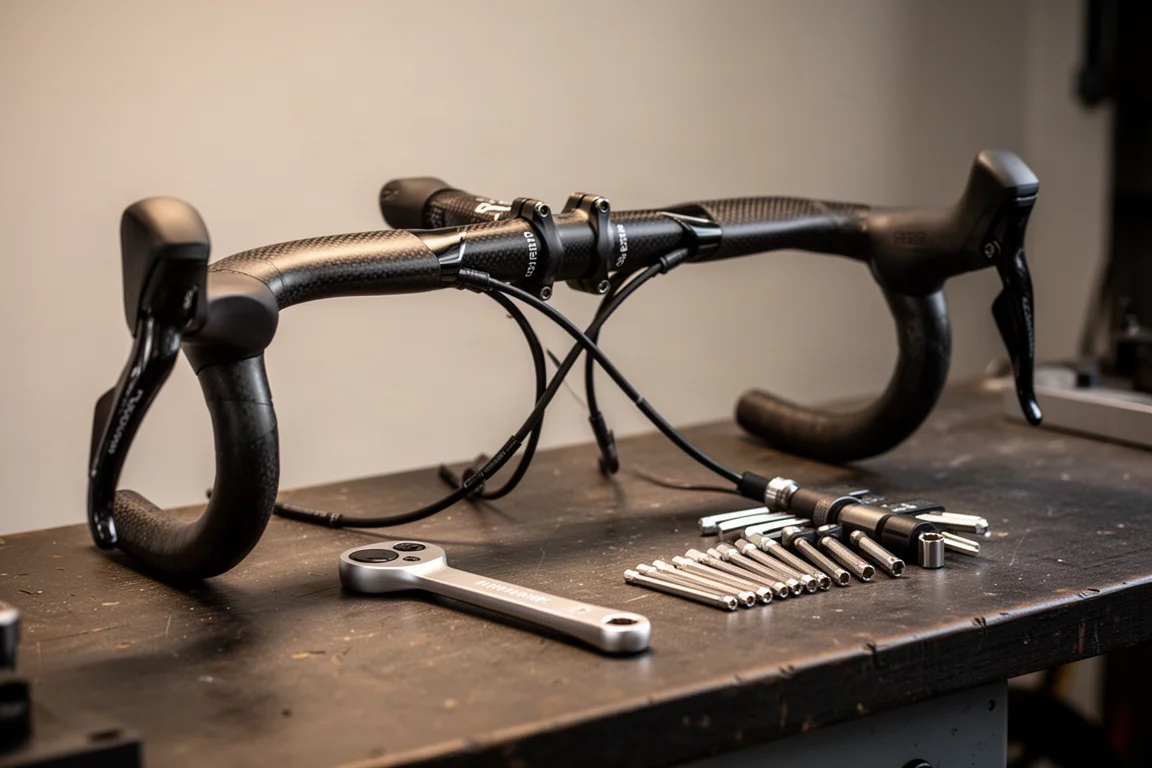
Fit and adjustability matter just as much as the spec sheet. A one-piece cockpit looks clean, but if the bar width or drop shape turns out to be wrong, swapping it can be expensive, especially when brake hoses need to be re-run. Adjustable or replaceable handlebars are a practical advantage that is easy to overlook. Threaded bottom brackets and standard through axles also make long-term maintenance simpler.
Also worth checking: whether the frame takes mudguards or racks, whether shifting is electronic or mechanical, and whether the brand sells framesets so you can build the bike your own way.
Condor Italia RC Limited
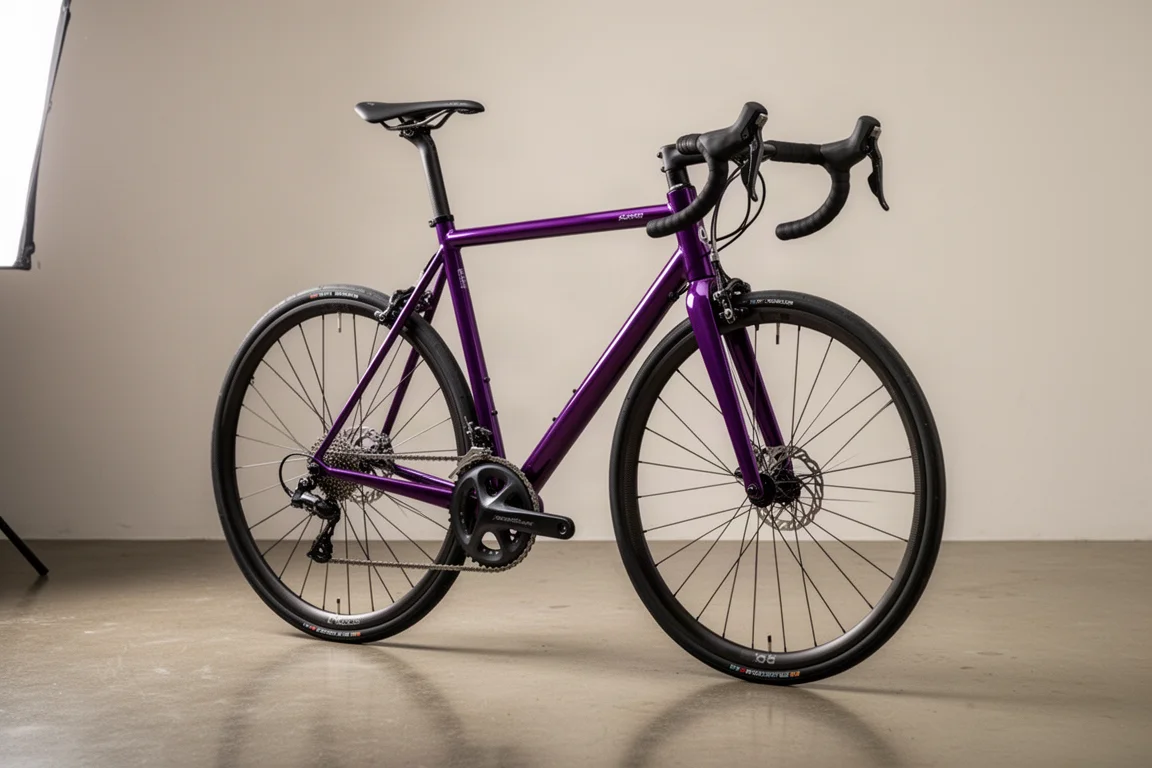
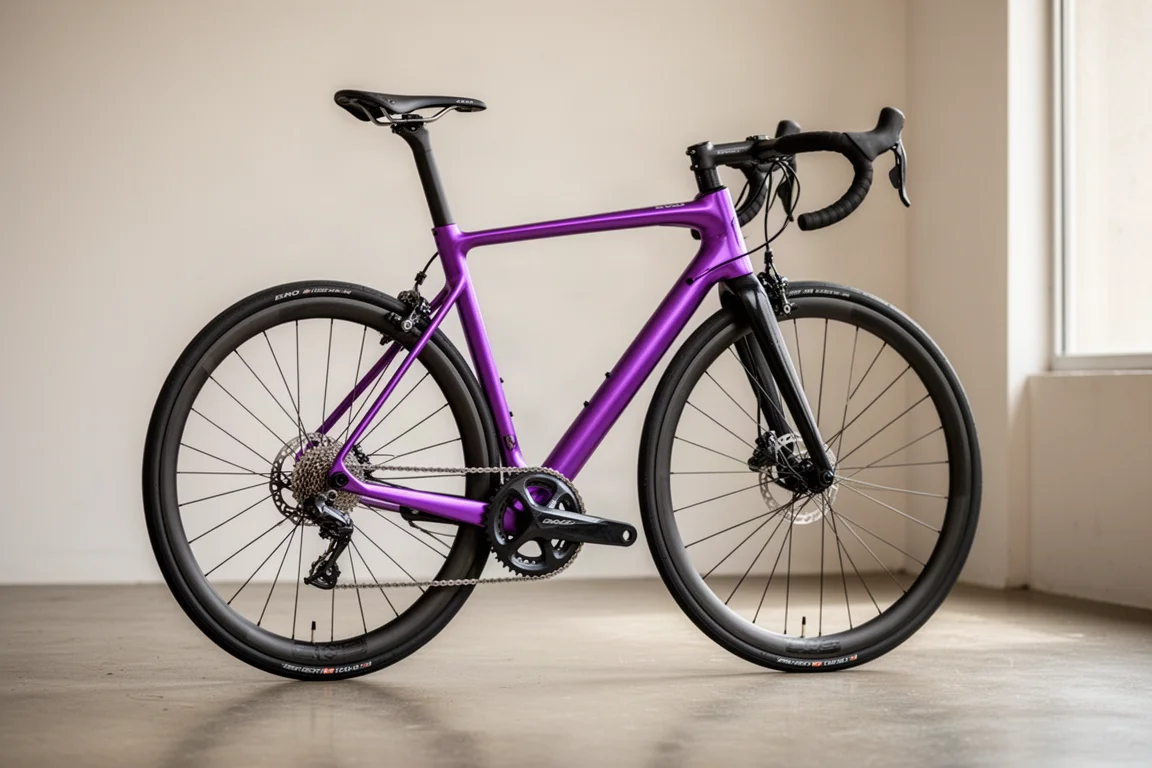
The Condor Italia RC Limited is an aluminium racing frame with a carbon fork, made in Italy for a British brand. The limited edition purple finish is the headline, and there is a standard green option as well. Builds start at £3,762 with Shimano 105 and rise to £4,470 with Ultegra Di2, with the frameset alone listed at £1,500.
Condor has been a London bike shop since 1948, founded by Monty Young, and its racing ties run deep. The brand ran its own race team from 1955 and later backed a team that raced UK criteriums and premier calendars from 2006. That heritage shows in a bike designed around going fast on tight, technical circuits.
Because Condor is a real bricks-and-mortar shop, the buying process is a conversation rather than a checkout page. Custom spec is central to how the brand works, so a different build, a different size, or a frame you supply yourself can all be discussed. A rim brake version of the Italia is also available.
Canyon Aeroad Rival
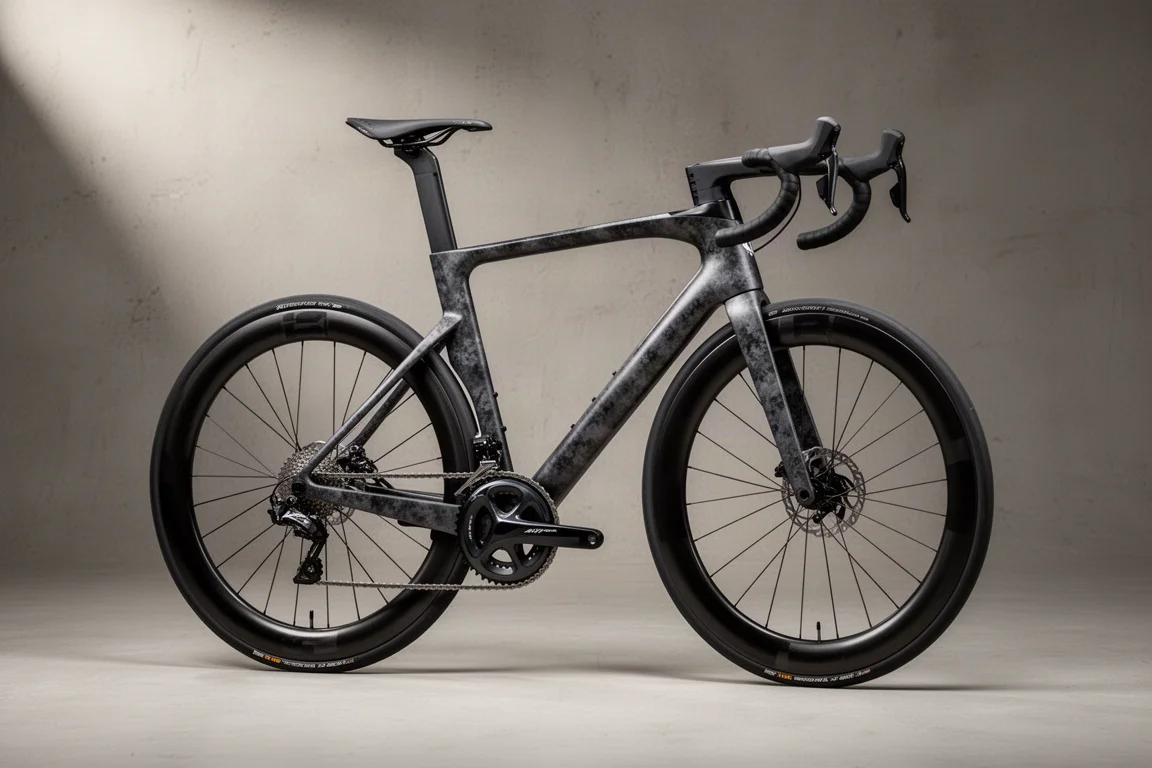
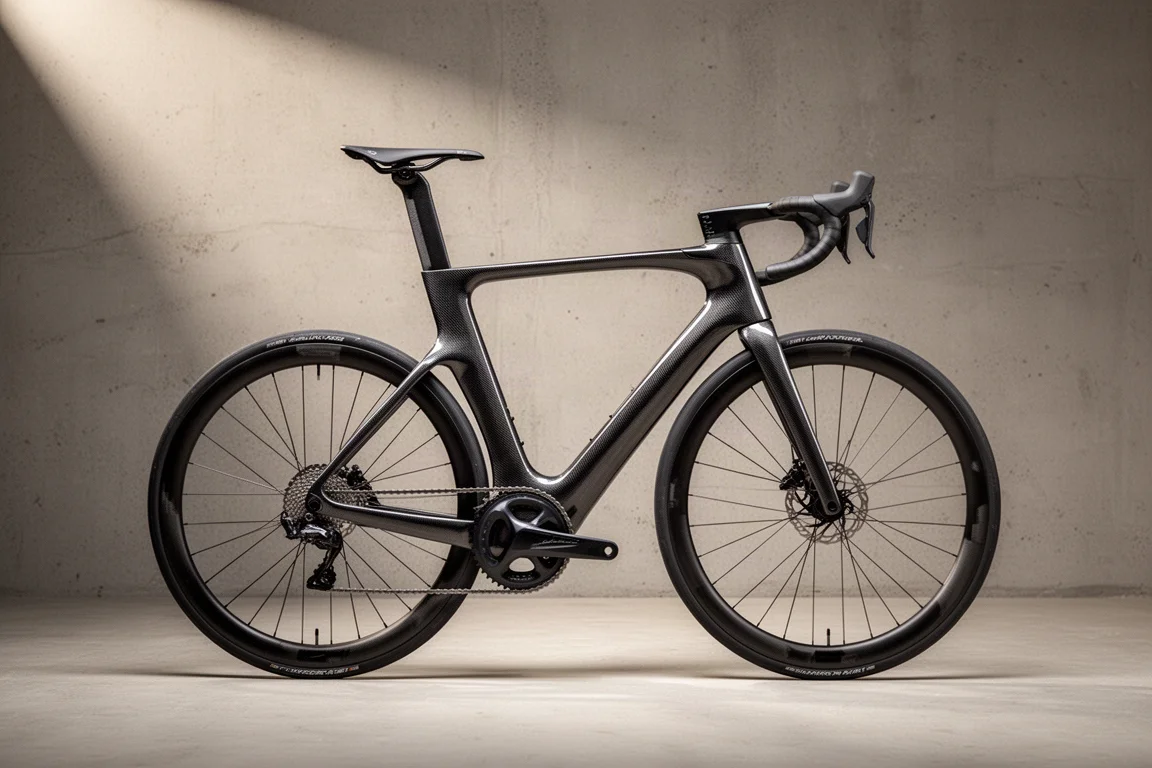
This is the aero option in the group: a carbon aero frame with SRAM Rival and 65mm deep DT Swiss carbon wheels, listed at a reduced price from £4,399. Those wheels are not part of the current DT Swiss recall. Canyon also includes the adjustable handlebars with the aero drop shape on this build, which is not always the case.
That handlebar detail is the most interesting part. The aero drops have a shallower shape, so moving from the hoods to the drops feels less extreme than on a deeper bar. Width options run from 35cm to 40cm, and there is 19 degrees of flare, which is noticeable the moment you get on the bike. The flare also changes the angle the shifters end up at, so the usual trick of angling them inwards is not needed.
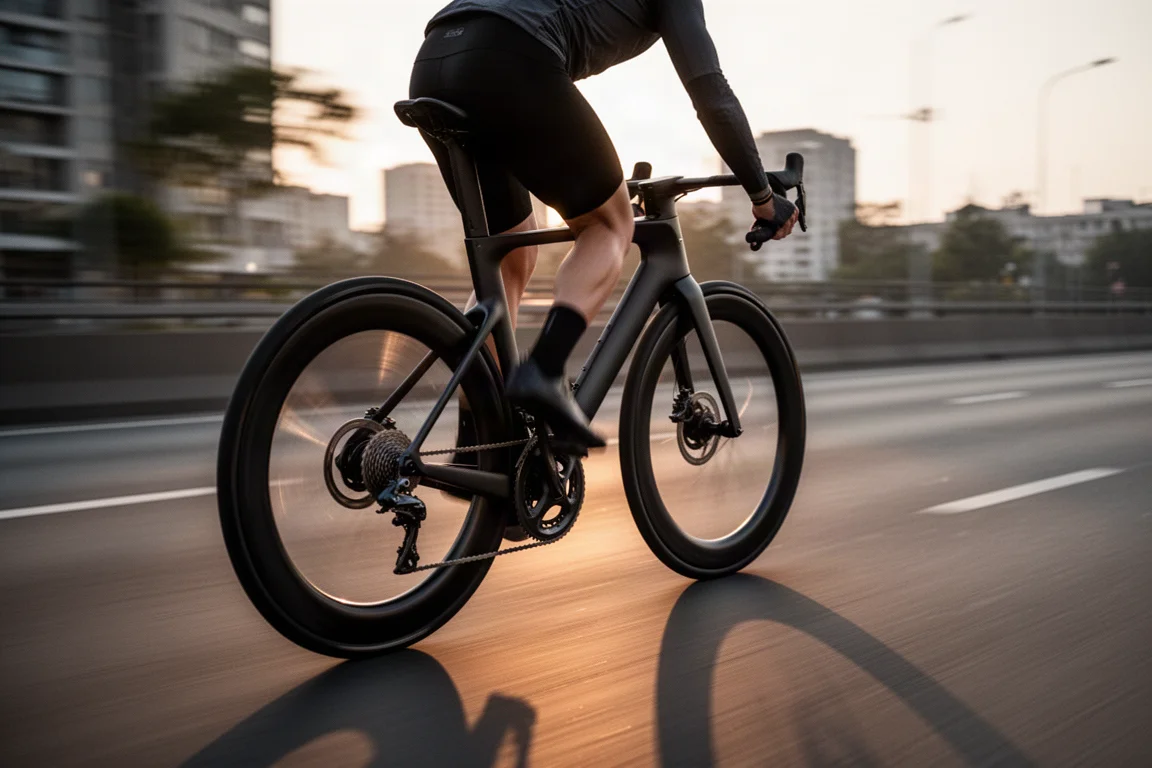
The wider benefit is adjustability. Buying a bike with a fixed one-piece cockpit and discovering the bar width is wrong is a frustrating and expensive problem, because replacements can cost hundreds and the labour often includes re-bleeding brakes. Adjustable bars remove most of that risk, and the narrower width options help smaller riders who are often left out of stock sizing.
For the money, this build looks quick. Rival builds from other big brands at a similar price typically do not include a carbon cockpit or deep carbon wheels. The paint is a subtle urban camo style, which is one of the more distinctive finishes at this price.
Specialized Allez Sprint
The Allez Sprint is the aluminium race bike in Specialized’s range, and it shares its geometry with the carbon Tarmac. A carbon fork keeps weight down, and the complete build with Shimano 105 is £2,599, which makes it one of the more accessible ways into race geometry.
Aluminium race frames tend to feel stiff, and the slightly aero-shaped tubing here does nothing to soften that. On rough, potholed roads it can feel firm, which is a familiar trade-off on aluminium road bikes at this level. For younger racers and riders who prioritize responsiveness, that firmness is usually part of the appeal.
Practical details are handled well. Cables are routed internally for a clean look, the bottom bracket is threaded, which makes replacement easier, and the frame uses through axles, so there is room to upgrade components later. Higher-spec builds are available, and this frame is capable of being raced as it comes. The purple finish is the pick, though the other UK paint options are also strong.
Standert Kreissäge
Standert is a German brand that only makes metal bikes and has built a dedicated following online, helped by lifestyle-led marketing rather than pure race results. This build is the standard Kreissäge rather than the RS. It uses less expensive aluminium tubing and is manufactured in southern China, where the RS is made in Italy, which is how the price comes down.
The build is €3,799 with Ultegra Di2 and shallow DT Swiss wheels, and it includes a carbon one-piece bar and stem. It is not the polymer version used on the RS, but the details are clearly considered and the tubing, paint, and overall design are sharp. There is no frameset option, which is a limitation if you like to build from scratch. Because the brand is based in Germany, import duties may apply on top of the listed price.
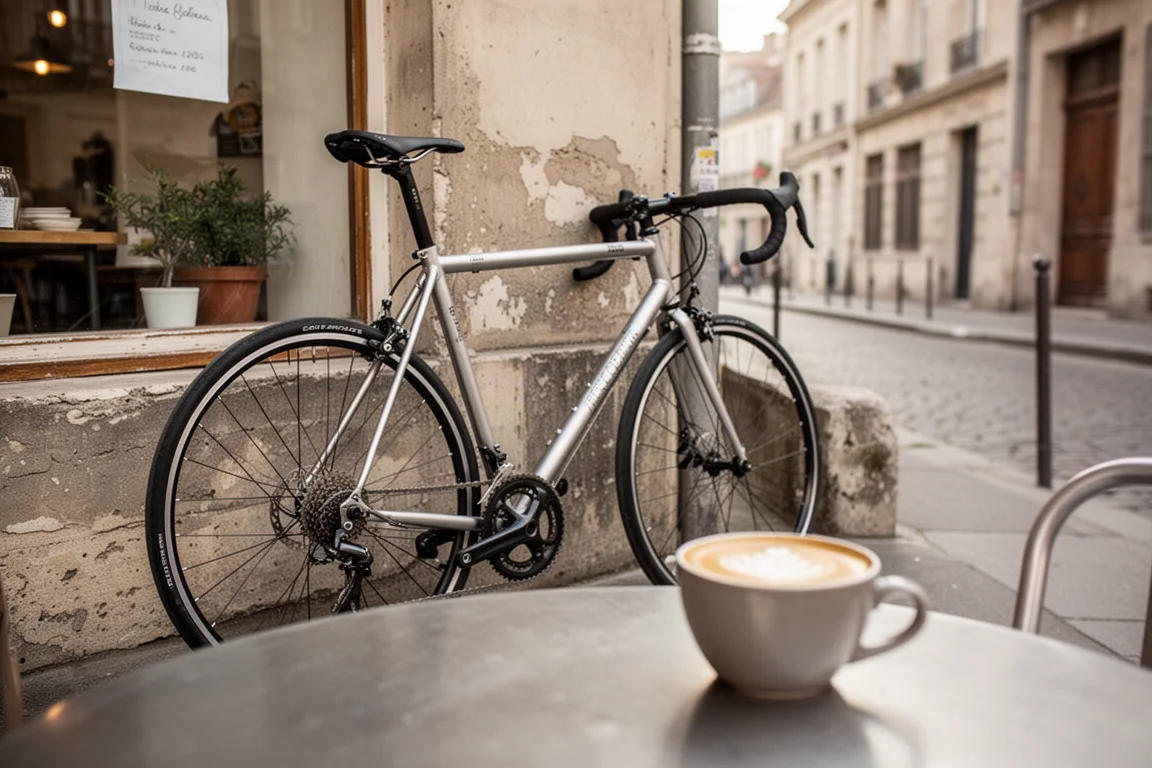
The appeal here is partly about how the bike looks and where it fits into riding culture. Bikes like this are often bought because they are seen in cities such as Berlin and Girona, and the marketing around them leans toward coffee stops as much as race podiums. That shift toward lifestyle-led bike marketing is more attainable for most riders, and more people on bikes is a good outcome for everyone on the road.
Mason Definition Integral
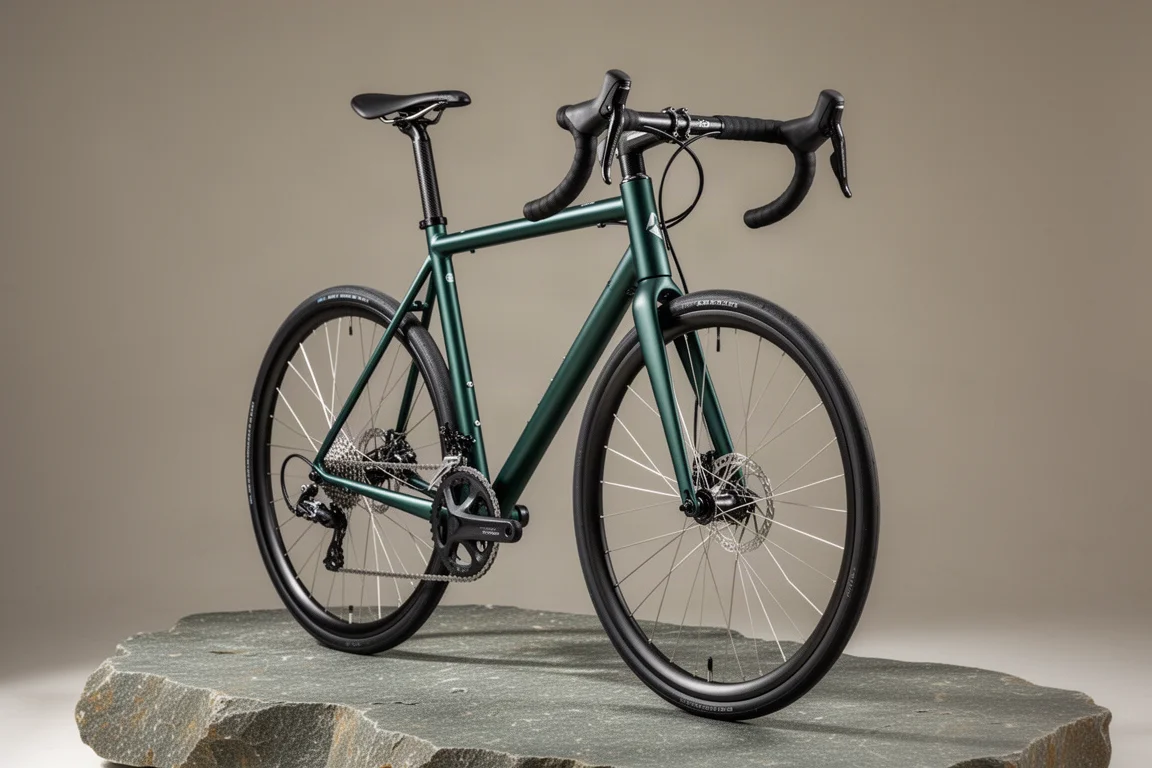
Mason is a British brand with its aluminium frames made in Italy, and the Definition Integral is the version of the Definition that stands out. Both the Definition 3 and the Integral are labelled endurance bikes, but the Integral uses a low stack, which gives it a more aggressive riding position.
Cable routing is fully internal through the headset, so the front end looks completely clean, and some riders will love that while others will not. The Integral is electronic shifting only and has no mudguard or rack mounts. The Definition 3 offers those mounts and takes mechanical groupsets, which makes it the more practical choice of the two, though not the more eye-catching one.
The frameset is £1,550 and several spec options are listed. A launch edition build paired SRAM 1x with an aero chainring, a detail that suits the bike’s character. Mason is a small company, so a quick email is the simplest route to a custom build. What earns the Integral its place here is the shape of the fork, the look of the rear end, and the fact that buying one supports a small bike company.
Buying Advice
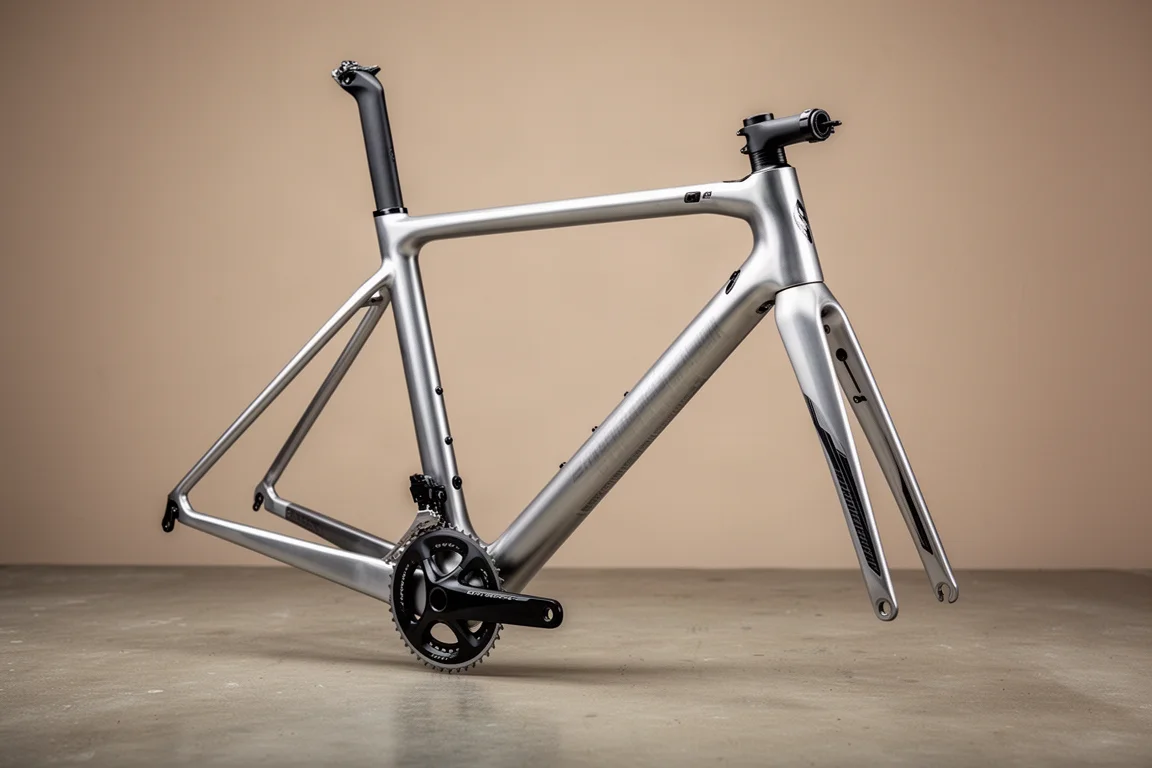
Start with the frame and geometry, because those are the parts you cannot change later. An aluminium frame with a carbon fork and Shimano 105 covers a lot of ground for the money, and it leaves budget for wheels or a better groupset down the line. Carbon frames with deep wheels and integrated cockpits sit at the top of this range, and they deliver more speed for a higher price.
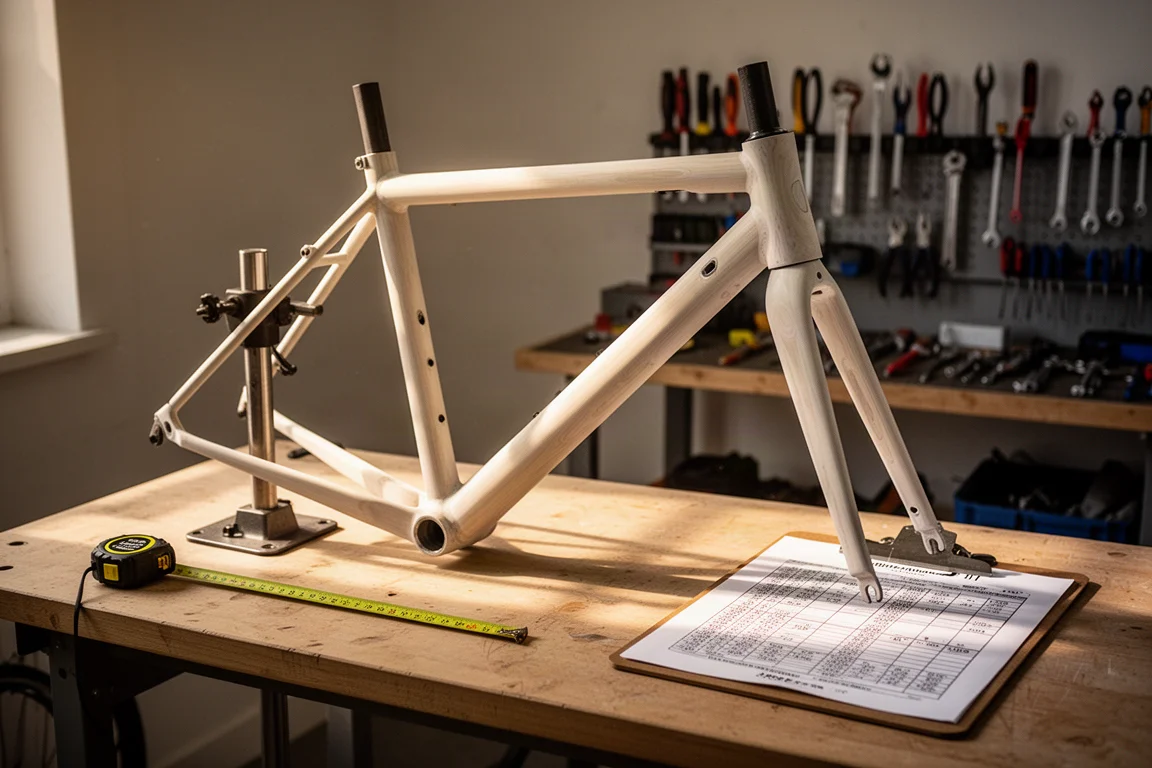
Then think about fit. Adjustable handlebars, a choice of bar widths, and a frame that takes a standard seatpost make a bigger difference to how much you enjoy a bike than a marginal weight saving. Threaded bottom brackets and through axles make maintenance and upgrades easier over several seasons.
Finally, consider the brand behind the bike. Small companies such as Condor, Standert, and Mason often allow custom specs and provide direct support, and Condor in particular is a physical shop you can walk into. Watch for import duties if the brand ships from outside the country you are buying in, and check whether a frameset option exists if you prefer to build your own.
Conclusion
None of these five bikes needs to be the most expensive machine in the shop to be worth owning. The Condor and the Allez Sprint show how much character an aluminium race frame can carry, the Aeroad Rival delivers aero speed with genuinely useful adjustability, and the Kreissäge and Definition Integral prove that small brands can offer something the big names do not. Match the bike to the riding you actually do, and the mid-range ceiling stops feeling like a compromise.
Further reading
Related Reviews
Road Bikes
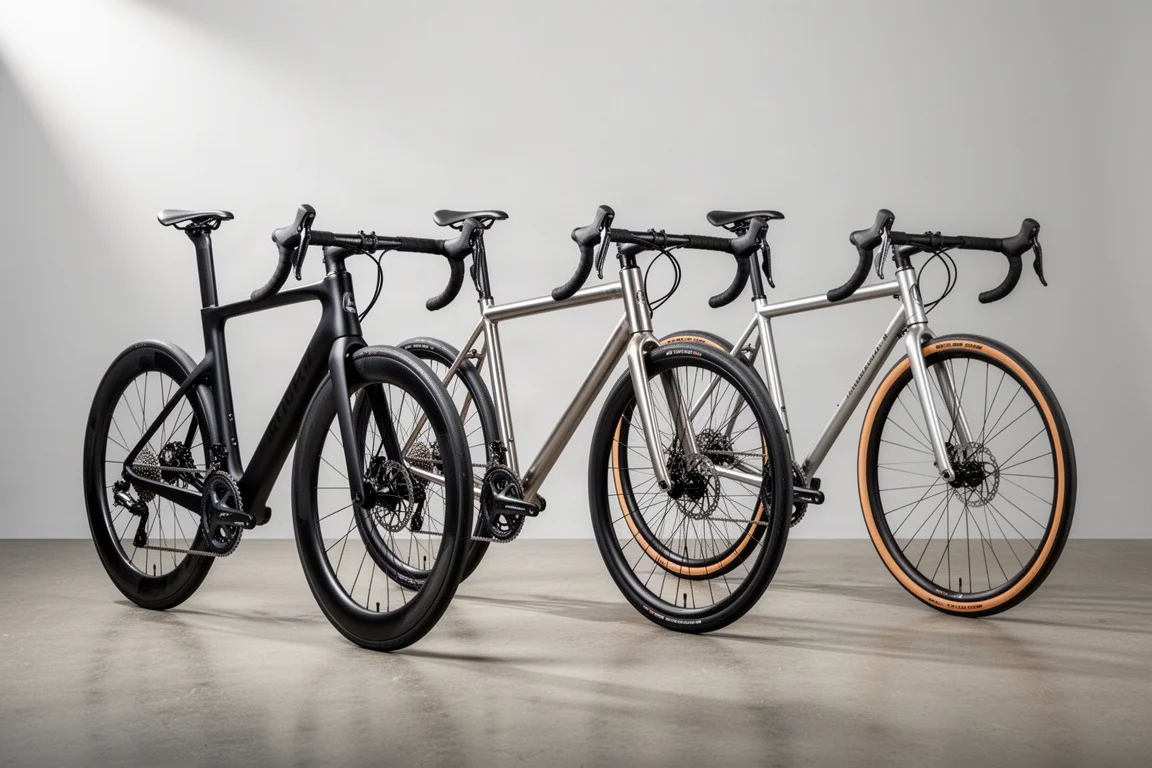
10 New Road Bikes Worth Watching: Aero, Titanium, Steel and Endurance Standouts
A practical roundup of 10 new road bikes, from aero flagships chasing single-watt gains to titanium, steel and endurance platforms built for real roads.
Road Bikes
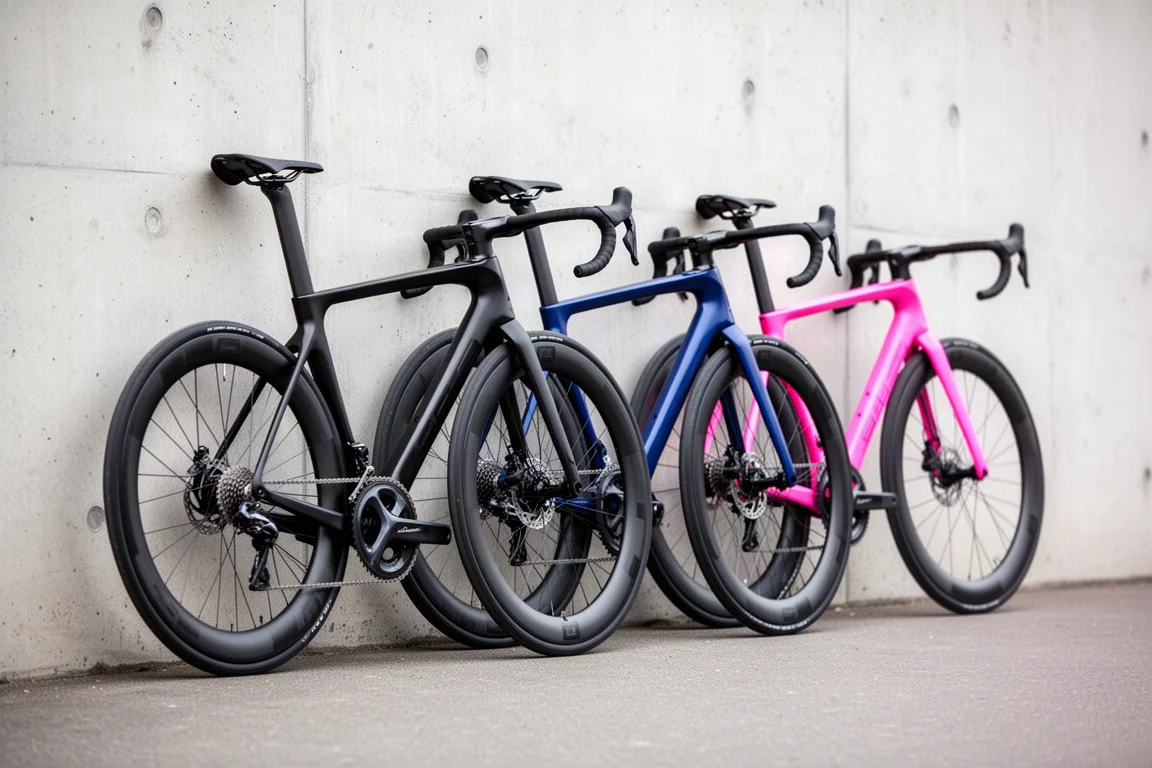
2026 Tour de France Road Bikes: Six Race Machines Worth a Closer Look
Six race bikes from the 2026 Tour de France grid, reviewed for paint, silhouette, wheels and the specification details that matter to buyers.
Road Bikes
3T Strada Italia Review: A Radical Aero Road Bike That Rides Smooth
A made in Italy carbon aero road bike with a deep head tube, wide tire clearance and a genuinely comfortable ride. Here is what to know before buying.