Road Bike Tires
Continental GP5000 STR Review: The 35 mm Road Tire That Changes How You Ride
Continental's GP5000 STR in 35 mm brings tubeless road grip and comfort to rough surfaces, but tire clearance and weight are real considerations.
Introduction
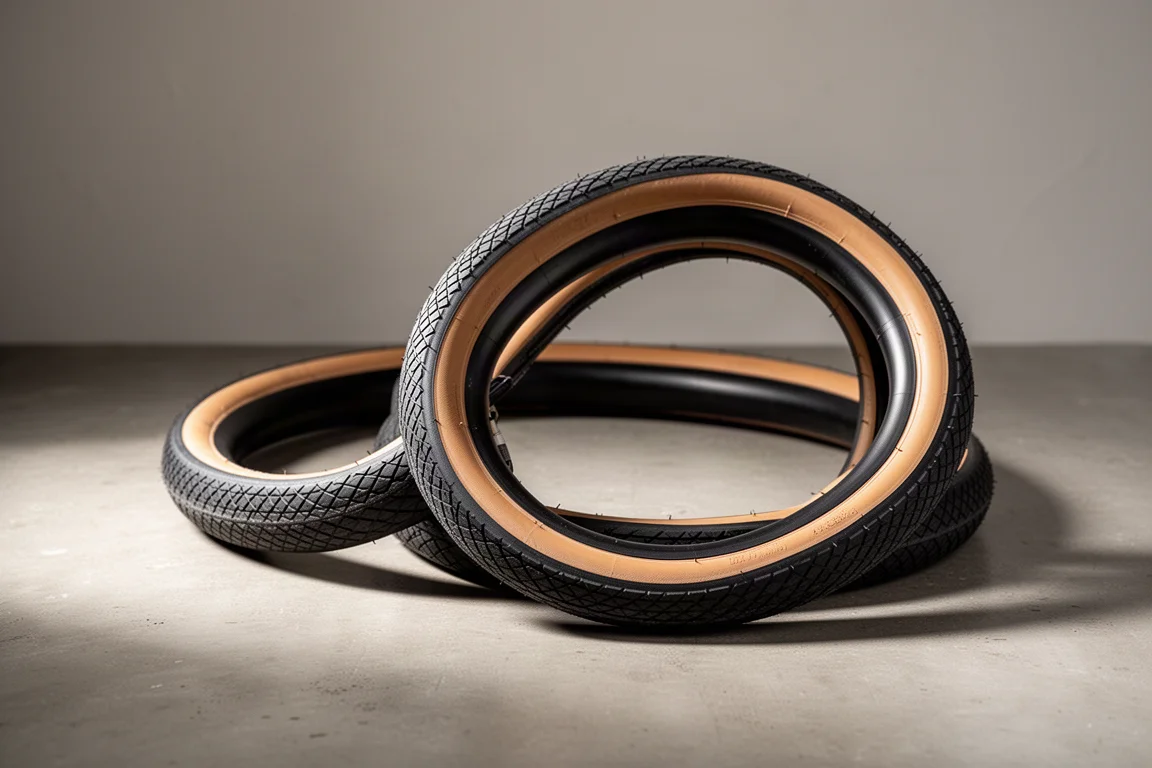
Continental’s GP5000 has been a familiar name in road tires for years, but it has never been offered in this volume. The GP5000 STR is the 35 mm version, built tubeless-ready and aimed squarely at riders who want the pace and grip of a fast road tire with the cushioning of something much wider.
That combination is what makes this tire interesting. A 35 mm road tire is not a gravel tire and not a traditional 25 or 28 mm race tire. It sits in the space between, and for riders whose local roads are rough, cracked, or peppered with potholes, that space is increasingly where the smart money goes.
After just over a month of riding in all conditions, from heavy rain to dry sunshine, the picture is fairly clear. This is an excellent tire with a genuinely narrow set of compatible bikes. Both halves of that statement matter when you are deciding whether to buy.
Who This Tire Is For
The GP5000 STR in 35 mm makes the most sense for three kinds of riders.
The first is anyone with generous frame clearance who wants a faster-feeling option for rough surfaces without stepping all the way up to gravel tires. The second is a gravel bike owner with a second set of wheels who wants to build a road-focused setup for wet or dry weather riding. The third is a heavier rider looking for comfort that does not come at the cost of speed.
It is a much harder sell for anyone on a road frame with tight clearances. The reality of modern wide rims is that a tire of this size often measures wider than its nominal figure once mounted, which leaves very little room to spare.
Ride Feel and Grip on Rough Roads
The character of this tire is the same supple, sticky grip that has made the GP5000 line so well regarded, simply delivered in a much larger package. It performs impressively in the wet and just as impressively in the dry.
Where the width really earns its place is on poor road surfaces. Roads with heavy patching, cracks, and potholes that would normally demand a careful line choice simply get swallowed up. The tire absorbs that punishment rather than transmitting it, and the difference is obvious over the course of a long ride.
Pressure is a big part of the story. A rider weighing around 95 kg can run these at roughly 50 PSI and still find them smooth and supple rather than sluggish. That is the balance this tire strikes: comfortable and forgiving, but not slow. The lower rolling resistance and improved rim interface that come with wider tires are part of why it feels this way.
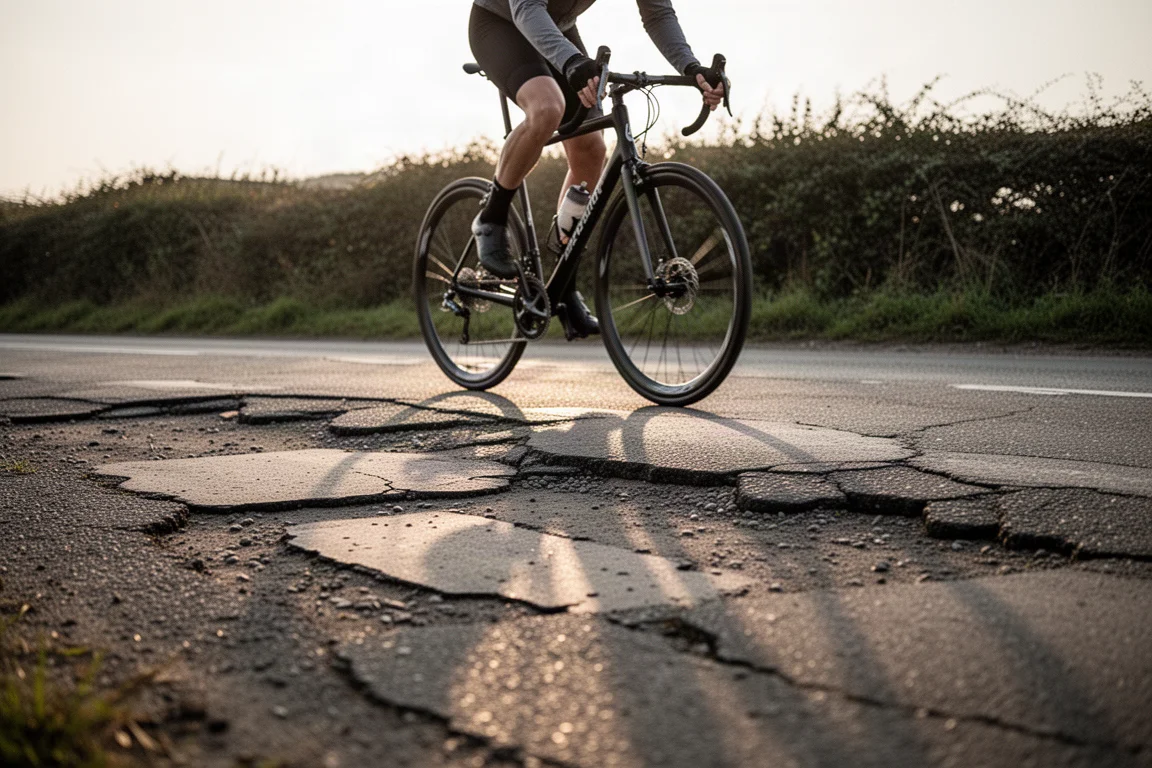
For riders who have only ever known narrow, high-pressure road tires, the sensation is the headline. Rough tarmac stops being something to endure and starts being background noise.
Tubeless Setup and Measured Width
The STR designation means tubeless-ready, and in practice this has been straightforward. The tires mounted easily across three different wheel sets, sealed without fuss, and have so far run without punctures.
One detail worth knowing before you buy is that the mounted width comes up slightly larger than the nominal figure. On one rim set the tires measured around 35.8 mm. On another set they came up at approximately 35.5 mm, and on a third very lightweight set, around 35.6 mm. In every case, slightly bigger than 35.
That is not a fault, but it is a planning consideration. If your frame or fork has a strict tire clearance limit, assume the real-world measurement will be the wider number rather than the label on the sidewall. Modern wide rims make this effect more pronounced, not less.
Weight, Clearance, and Other Trade-Offs
The clearest trade-off is weight. Each tire weighs around 365 g, which is a meaningful increase over the 28 mm version at roughly 280 to 290 g. That is the cost of the extra volume, and it is worth going in with clear eyes about it.
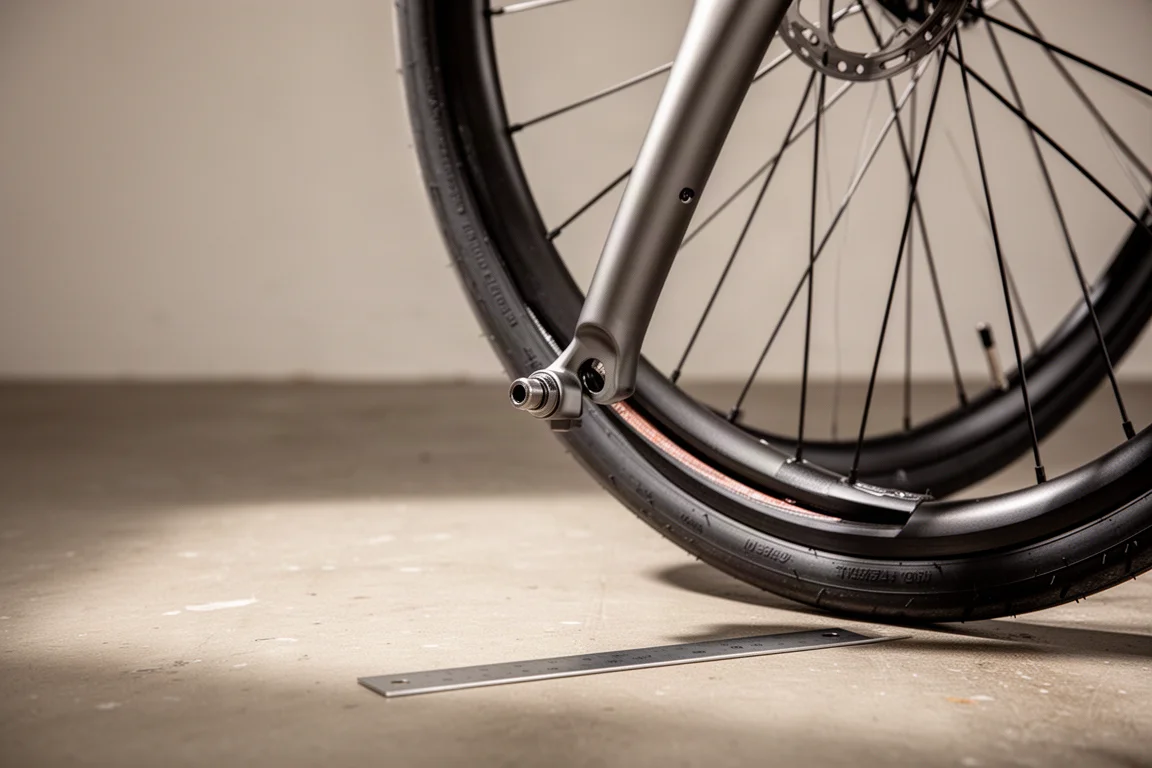
The bigger issue is clearance. Of seven fairly modern road bikes, this tire fitted only one: an endurance and all-road machine with roughly 42 to 45 mm of clearance. It did not fit a 2018 aero race frame, a third-generation SuperSix Evo, a custom titanium bike, or a Specialized Tarmac SL6. That is not a fringe problem. It is the single most likely reason a buyer ends up disappointed.
So the practical takeaway is simple. Measure and check your frame’s stated clearance before ordering, and leave yourself a margin beyond the nominal 35 mm figure once the tire is inflated on your rims.
Buying Advice
Would these tires be recommended? Without question, provided they fit the bike you already own.
For anyone with a gravel bike and a spare set of wheels, they are close to ideal. They let you roadify a bike for fast, comfortable riding in wet or dry conditions, and they deliver the same grip and suppleness that has made this line so popular, just with far more cushioning underneath.
For riders on tight-clearance road frames, the honest answer is that buying these tires is not a reason to buy a new bike. That is too large a leap for a tire purchase. But if a new frame is already on the horizon, tire clearance deserves a serious look in the spec sheet. The direction of travel in road riding points toward wider tires and lower pressures, with lower rolling resistance, more comfort, and a better interface with modern wide rims.
On price, the recommended retail figure is 84.99, though shopping around has turned up these tires for as little as 60. At the lower end of that range, the value case is straightforward. At full retail, they are a considered purchase rather than an impulse one.
Conclusion
The Continental GP5000 STR in 35 mm is a genuinely impressive tire. It brings the grip, suppleness, and tubeless convenience of a proven road tire line into a size that makes rough roads far more pleasant, and it does so without feeling slow. For riders who can fit it, it is an easy recommendation.
The caveat is equally clear. Weight is up, and clearance is the limiting factor for a great many modern road frames. Check the numbers carefully, allow for the tire coming up slightly wider than its label, and this becomes a very confident purchase for the right bike.
Product link
View more details for Continental GP5000 STR
This product is mentioned in the review. Check the specifications, options, and compatibility before buying.
View more details for Continental GP5000 STRFurther reading
Related Reviews
Road Bike Tires
Best Budget Road Bike Tires 2026: Nine 25c Tires Tested for Rolling Resistance
Nine budget road tires, all 25c and mostly around £20, went through the same rolling resistance protocol. Here is what the numbers say and which tire suits which rider.
Road Bike Tires
Best Road Bike Tires 2026: Six Options Tested From Budget to Premium
Six road tires across a wide price spread, from around £20 to £92, compared in real-world timed runs on wet roads to see what extra money actually buys.
Road Bike Tires
Best Road Bike Tires Compared: Continental GP 5000 S TR vs Vittoria Corsa Pro vs Pirelli P Zero Race RS
A back-to-back comparison of three 30 mm tubeless road tires, covering timed speed results, cornering feel, ride quality, and which one suits which rider.