Road Bikes
Condor Leggero Review: An Italian-Made Carbon Race Bike Built Around Ride Quality
A practical look at the fourth generation Condor Leggero, an Italian-made carbon race bike with standout composure, racy geometry, and a premium price tag.
Introduction
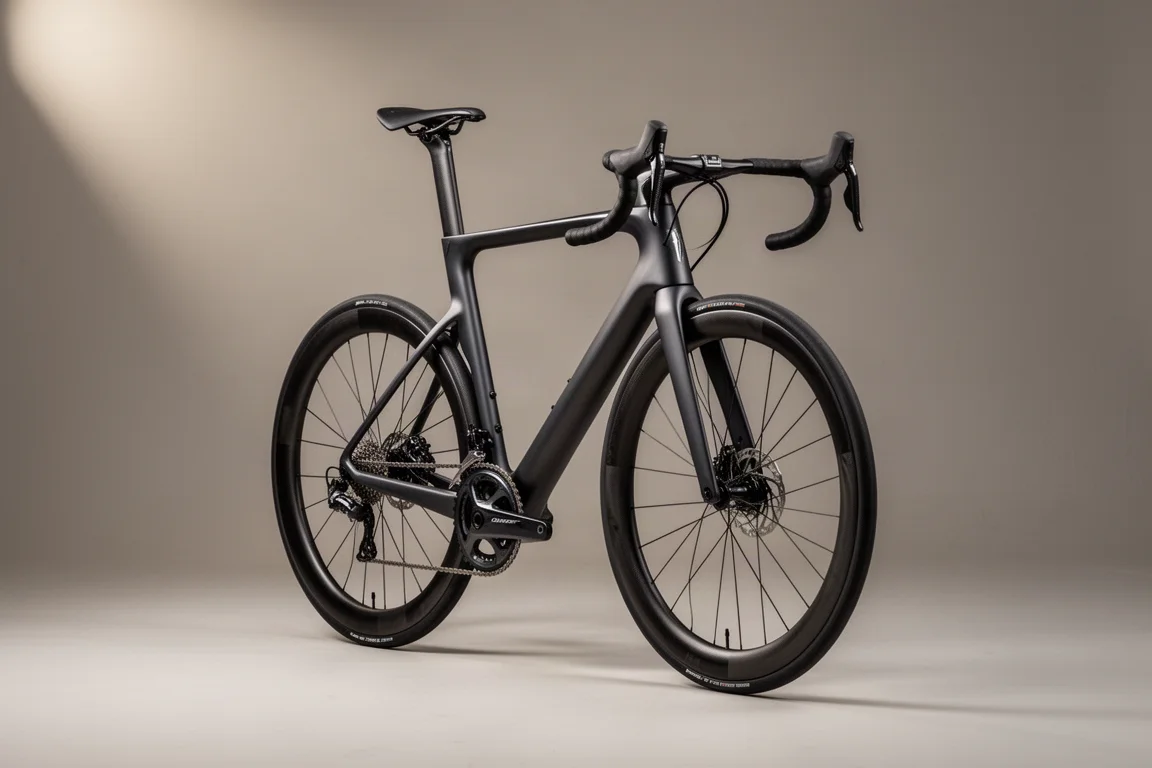
Condor Cycles has been selling and building bikes from central London for decades, and it is one of the oldest bike shops in the world. The Leggero is the fourth generation of its flagship race bike, and it takes a noticeably different path from the headline superbikes it sits alongside.
Condor makes no claim that the Leggero is the lightest or the most aerodynamic road bike on the market. The pitch is a full carbon frame and fork produced in Italy by a specialist builder that makes its own carbon frames, wrapped in modern integration and tuned for ride quality rather than outright stiffness.
That combination makes it an interesting alternative for riders who want race bike speed without the harshness that often comes with it. This guide covers what the Leggero does well, where it asks for compromise, and how its pricing and specification line up.
Who the Condor Leggero Is For
The Leggero is aimed at riders who want a proper race bike but place a high value on comfort and composure over the last few watts. Its geometry is genuinely racy, with a low, aerodynamic position that keeps frontal area small, and it compares closely with a typical race bike in stack and reach.
Frame sizes run from 46 to 61. A size 55 with a 120mm stem suited a 181cm rider well and felt close to a 56 from other brands, so riders who normally sit between sizes should expect the fit to land where they are used to.
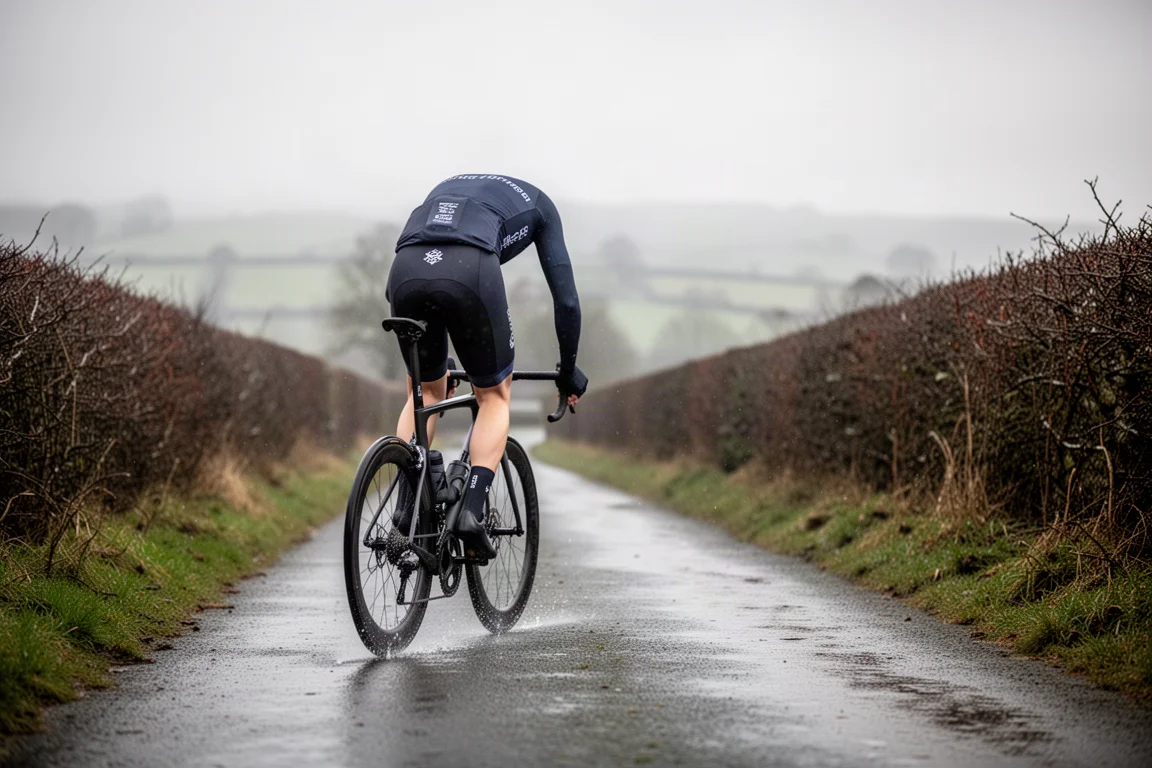
Condor also includes a free bike fit at its London store with a Leggero purchase. Frames are stock sizes, but the components are matched to the individual rider, which matters more than ever on modern aero frames with integrated cockpits and proprietary seat posts that are difficult to adjust afterwards.
Frame, Geometry and Fit
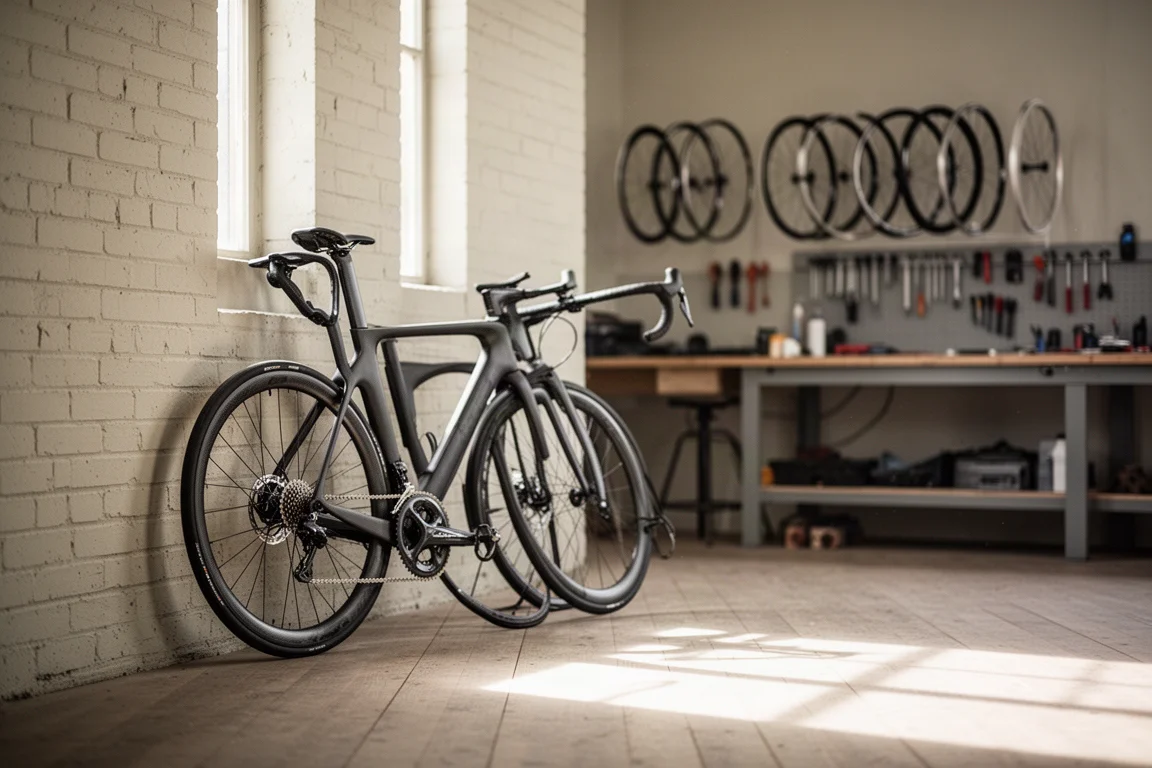
The frame is full carbon, with full internal routing, a press-fit bottom bracket, and the option of a one-piece carbon handlebar and stem. The build tested here runs 32mm tires, which fills the available clearance and pushes the bike towards the generous end of the race bike category.
Geometry is the part that will feel familiar to most racers. The stack and reach are aggressive, the position is low and aerodynamic, and the overall shape of the bike is designed to keep the rider’s head down and reduce frontal surface area. Riders stepping across from a mainstream race bike should find the numbers translate easily.
The tested bike uses a two-piece bar and stem rather than a fully integrated cockpit, which leaves room to change stem length or handlebar shape later. It is a small detail that makes the bike easier to live with over several seasons.
Main Strengths: Ride Quality and Handling
The standout quality is the ride. Ripples and cracked tarmac are absorbed with a suppleness that is not a given on carbon race bikes, and the payoff is a bike that stays composed over long, rough distances without feeling soft when pushed.
Handling follows classic race bike thinking. Steering is light and turning is fast, yet the bike never feels nervous or twitchy. It is quick and accurate through corners, comfortable in a fast-moving group, and stable enough to keep the rider relaxed at speed. The low, aggressive stance and the aerodynamic handlebar shape support that.
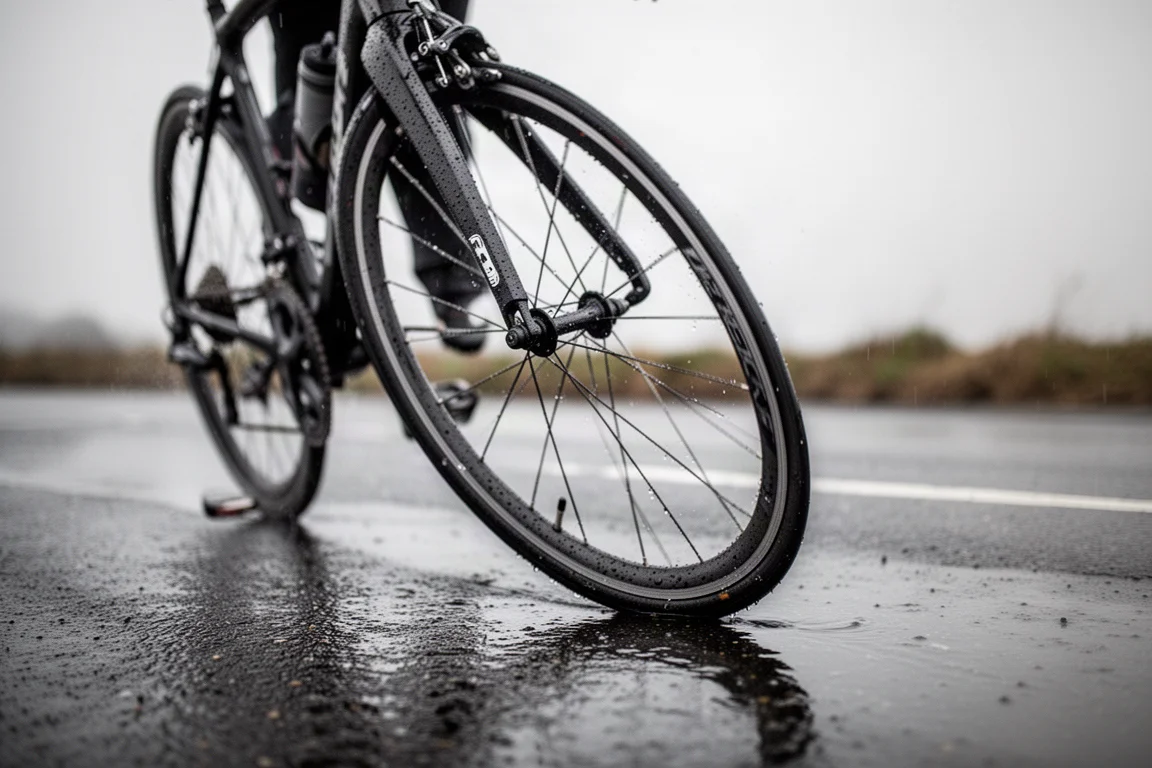
On the scales, a size 55 with no bottle cages, computer mount, or pedals comes in at 7.8kg. The build also arrived with 32mm Hutchinson Blackbird tires, which proved fast and grippy and inspired confidence in cold, windy, wet conditions. A more familiar Continental Grand Prix 5000 was fitted during testing as a reference point, and the underlying character of the frame came through either way.
Things to Consider Before Buying
The Leggero is not a wind tunnel optimised platform, and it does not deliver the same electric, urgent feel as some of the most popular aero race bikes. It is a quick bike and it is not slow, but riders chasing outright aerodynamic numbers should weigh that up honestly.
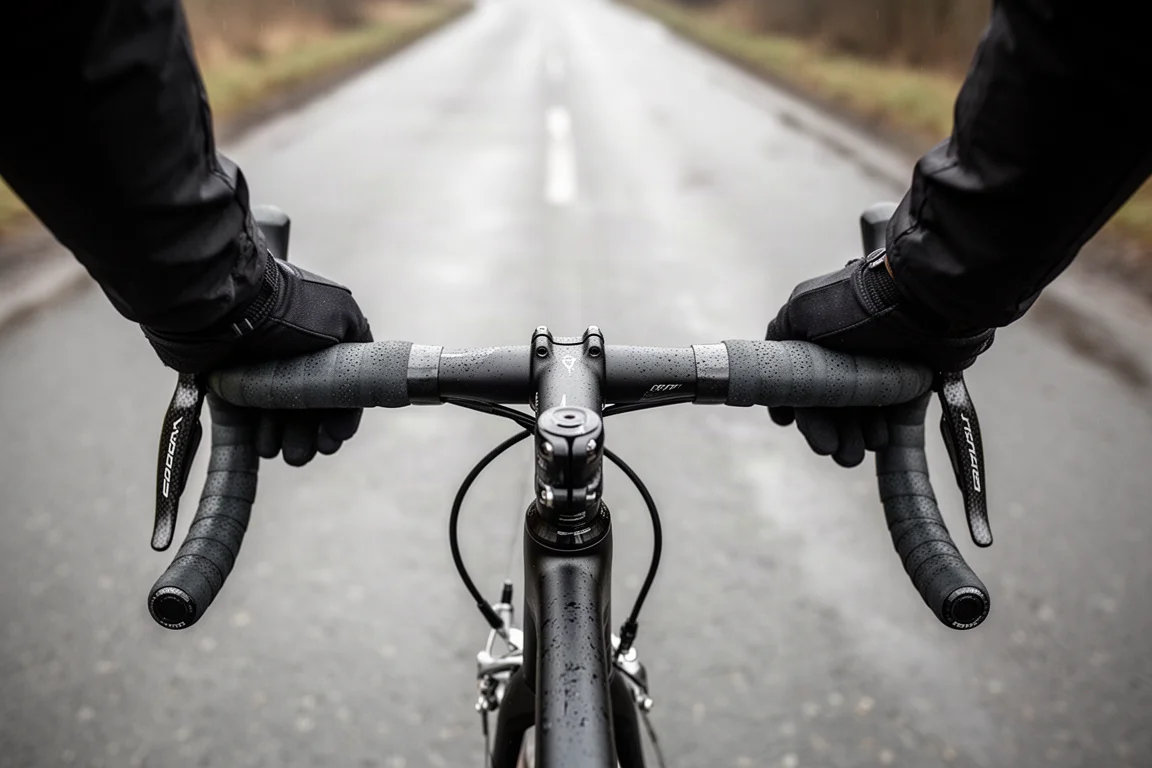
The Campagnolo Super Record 13-speed groupset on the flagship build is the other main consideration. Shifting is quick, precise, and reliable, including front shifts, cross-chaining, and shifts under load on a climb, but the thumb shifter sits a long way back on the hood. Changing gear means moving the hand and angling the thumb backwards, which is not something riders need to do on Shimano or SRAM.
Small dimple buttons on the inside of the hoods offer a workaround, with the left button shifting down and the right shifting up, but they are small, not especially tactile, and are positioned as optional accessory buttons that can be assigned to other functions such as a computer.
Brake lever feel is another point to check on a test ride. The levers are firm, but they carry more weight and resistance than the light, smooth action that has become the benchmark on rival groupsets.
Component Notes: Drivetrain, Wheels and Tires
The Campagnolo Super Record 13-speed groupset is a flagship set, and on the road it performs at that level. Gear changes are quick and precise, a little behind Shimano for outright speed and roughly on par with SRAM. The system runs fairly quietly, though shifts can sound slightly clunkier than either rival. Hood shape is excellent, with curved brake levers and a tactile finish that feels good in the hand.
The Shamal wheels are a mid-depth, all-round set with the wavy rim profile that has become common in the wheel market, alternating between 40mm and 45mm. Internally the rims measure 23mm, and the hooked design means tubeless setups or inner tubes are both viable. Tires on the build tested were 32mm Hutchinson Blackbird, quick and grippy in poor conditions.
Pricing, Specification and Market Position
A frameset, which is the frame and fork with a free bike fit at the London store, is £5,000. Electronic builds begin with a Shimano 105 Di2 groupset, and the flagship build tested here, with Campagnolo Super Record, Shamal wheels, and carbon finishing kit throughout, comes to £10,730.
That is serious money, and the market context matters. A Trek Madone with a Shimano Dura-Ace groupset lands around £700 below that figure, while an Italian-designed aero bike manufactured in Asia sits roughly £500 above it. The Leggero sits inside the expected band for a top-end carbon frame paired with a top-end groupset.
What buyers are paying for is where the frame comes from. It is made in Italy by a smaller specialist manufacturer, where production costs are higher than in the large Asian factories that mass-produce frames at greater volume. For riders who value that, the premium is part of the appeal rather than a drawback.
Buying Advice
The Leggero makes most sense for riders who want race geometry and speed but are not willing to accept a harsh ride to get it. If comfort over long distances and rough roads matters, this is a bike that rewards that priority.
Before committing, decide how much the groupset layout matters. Riders who have spent years on Shimano or SRAM ergonomics may find the Campagnolo thumb shifter hard to adapt to, and that is not something a specification sheet will tell them. A test ride, or at least time spent on the hoods, is worth arranging.
The free bike fit is a genuine part of the value here. Sizing runs from 46 to 61, and fit is the one element that is easiest to get wrong and most expensive to correct afterwards, particularly with an integrated cockpit. Buyers who want to build their own specification can start from the £5,000 frameset.
Conclusion
The Condor Leggero is not chasing the lightest or the most aerodynamic headline. It is a race bike built around ride quality, with a supple, composed feel, confident handling, and a low, fast position that still keeps the rider comfortable. The Italian-made frame and the included bike fit give it a character and ownership experience that is hard to find elsewhere at this price.
The compromises are real. There is no wind tunnel story, the Campagnolo thumb shifter will not suit every rider, and the brake lever feel is heavier than the smoothest alternatives. But for riders who want a quick, elegant, classically proportioned race bike that looks after them over long days, the Leggero is well worth considering.
Product link
View more details for Condor Leggero
This product is mentioned in the review. Check the specifications, options, and compatibility before buying.
View more details for Condor LeggeroFurther reading
Related Reviews
Road Bikes
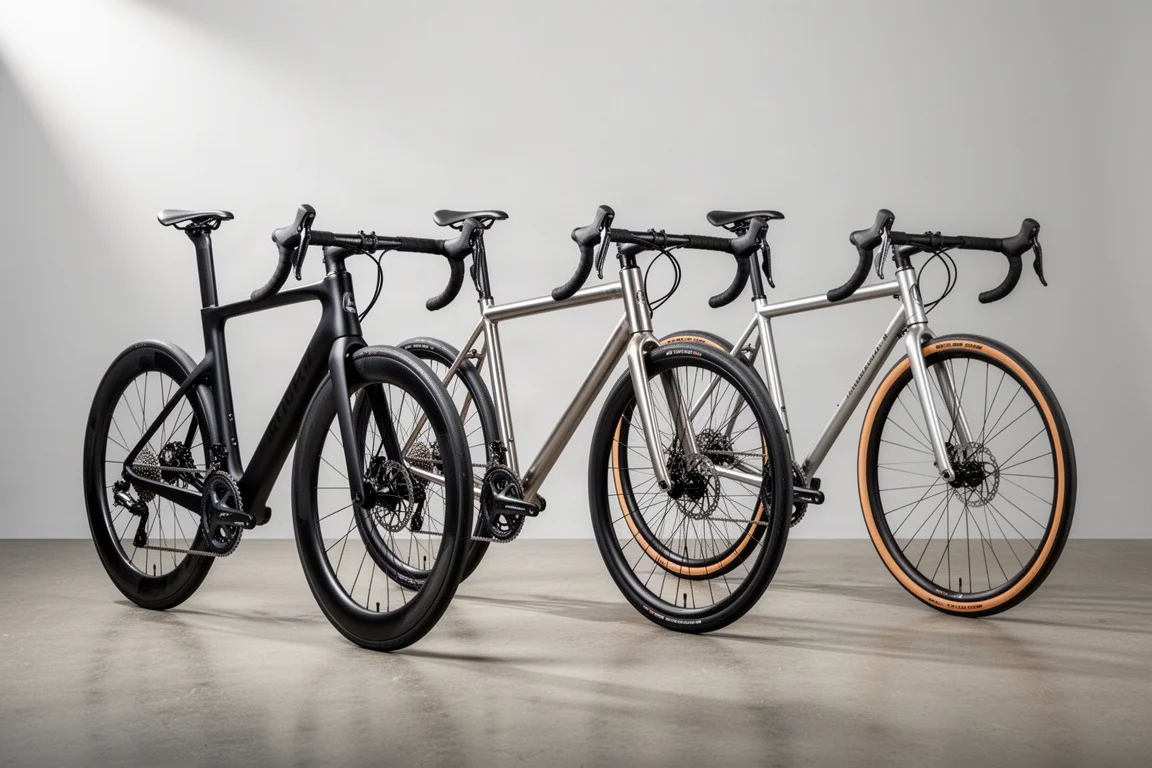
10 New Road Bikes Worth Watching: Aero, Titanium, Steel and Endurance Standouts
A practical roundup of 10 new road bikes, from aero flagships chasing single-watt gains to titanium, steel and endurance platforms built for real roads.
Road Bikes
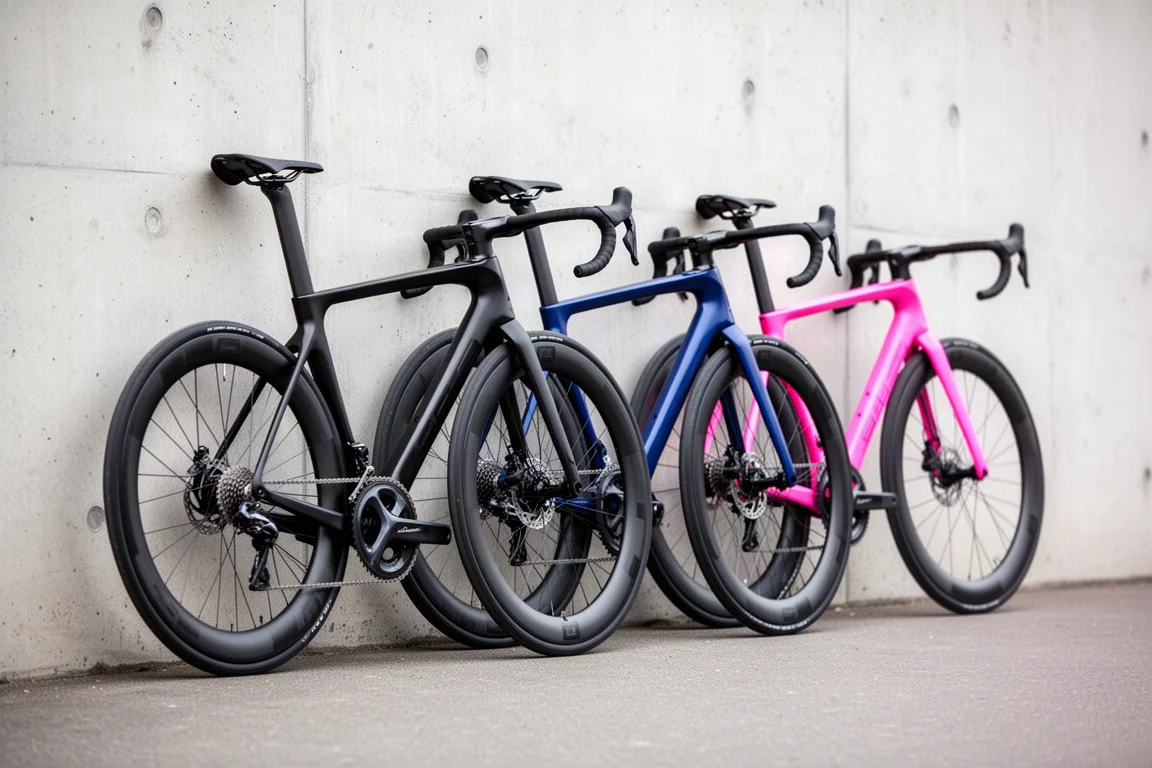
2026 Tour de France Road Bikes: Six Race Machines Worth a Closer Look
Six race bikes from the 2026 Tour de France grid, reviewed for paint, silhouette, wheels and the specification details that matter to buyers.
Road Bikes
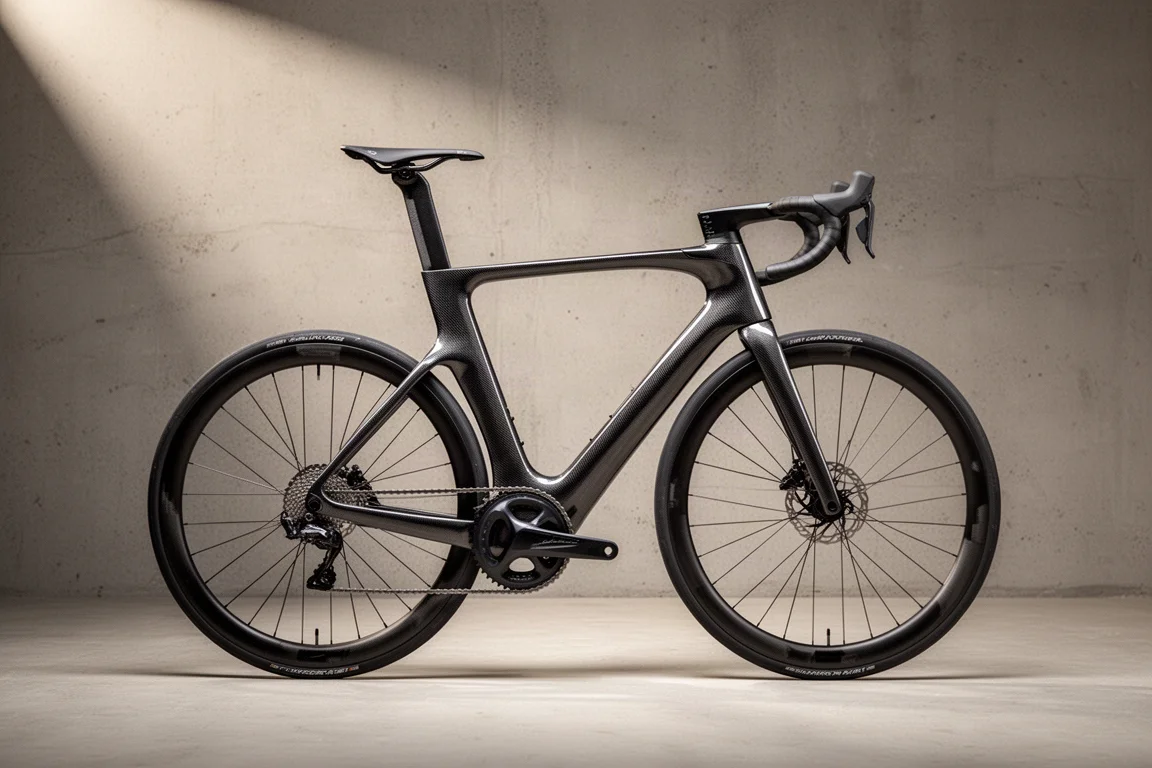
3T Strada Italia Review: A Radical Aero Road Bike That Rides Smooth
A made in Italy carbon aero road bike with a deep head tube, wide tire clearance and a genuinely comfortable ride. Here is what to know before buying.