Aircraft
Comp Air 6.2 Review: A Six-Seat Experimental Kit Aircraft Built Around the Family
A 100% carbon fiber, six-passenger amateur-built kit aircraft with a 350 hp turbocharged Lycoming, 840 nm range, and a builder-friendly single-piece wing.
Introduction
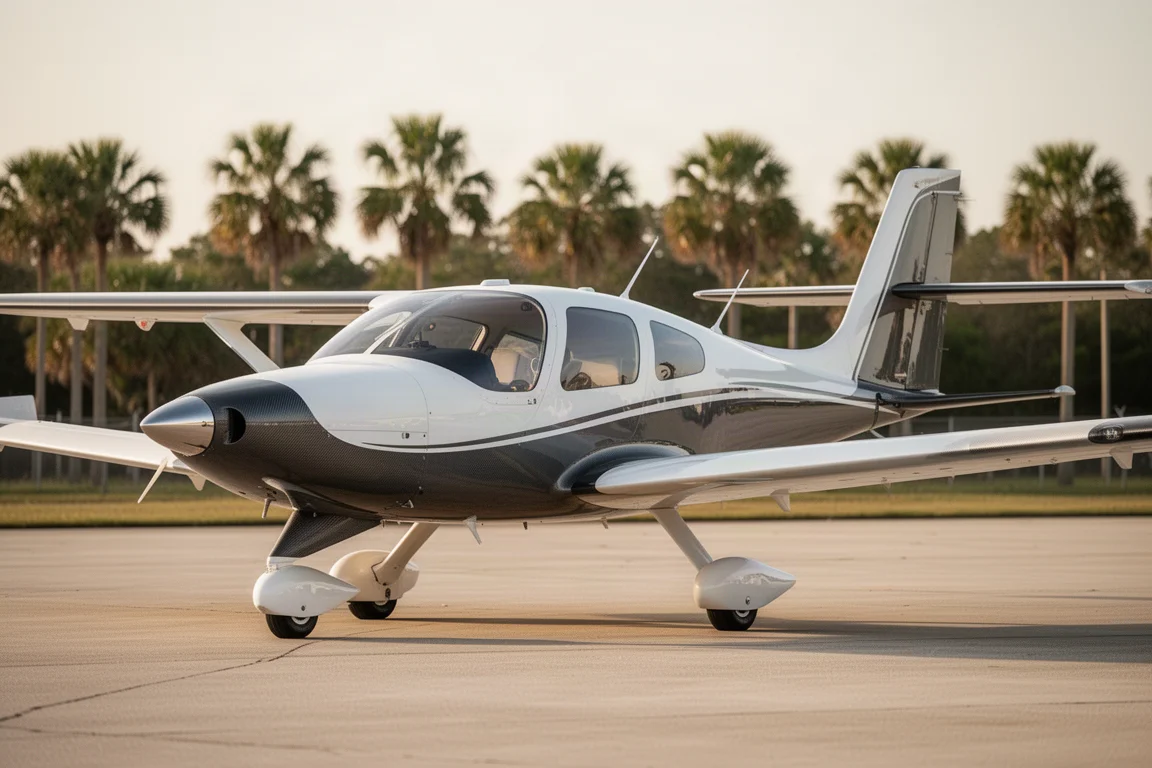
Six-seat experimental kit aircraft are rare, and ones designed to carry the whole family with real range and payload are rarer still. The Comp Air 6.2, built by Comp Air Aviation in Titusville, Florida, is exactly that: a 100% carbon fiber, six-passenger amateur-built airplane that has been flying for just over a year with around 125 hours on the airframe. It is the 18th aircraft designed and built by the company’s president, and the design philosophy is clear from the start: a genuinely useful family airplane.
First Impressions
The 6.2 is a high-wing, tricycle-gear aircraft with big doors on each side and the kind of visibility that makes low-wing pilots jealous. It is powered by a Lycoming TIO-540 turbocharged engine producing 350 horsepower, paired with a Hartzell Top Prop carbon fiber propeller. The company describes the concept simply: carry six people, baggage, and fuel, with an 840 nautical mile range.
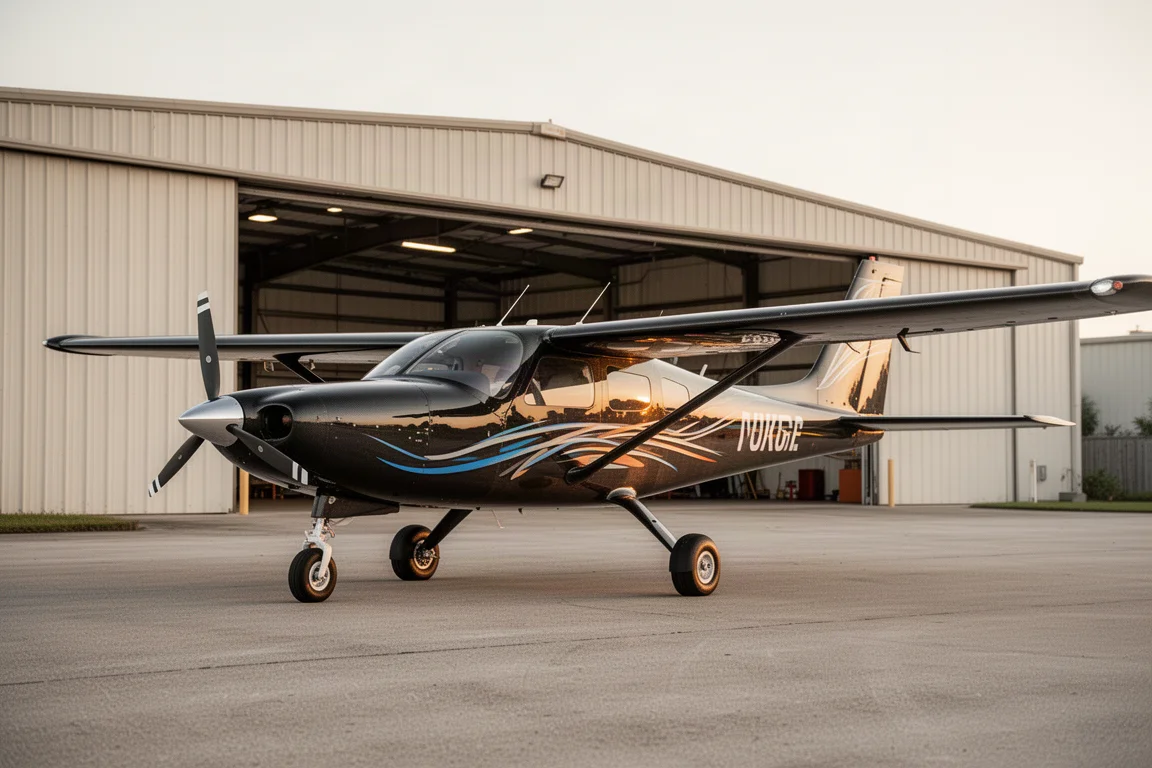
That brief is backed by numbers. The 6.2 carries a 2,000 lb useful load and holds 100 gallons of fuel, which is what makes the long-range family-travel mission realistic rather than aspirational.
Construction: Carbon Fiber Done for the Builder
The entire airframe is carbon fiber, molded in house. The standout feature is the wing: it is a single piece from tip to tip, with a continuous spar and continuous drag spar. That eliminates wing-to-fuselage intersections, makes the structure stronger, and dramatically simplifies the build. The builder aligns one wing once, rather than fighting to match two.
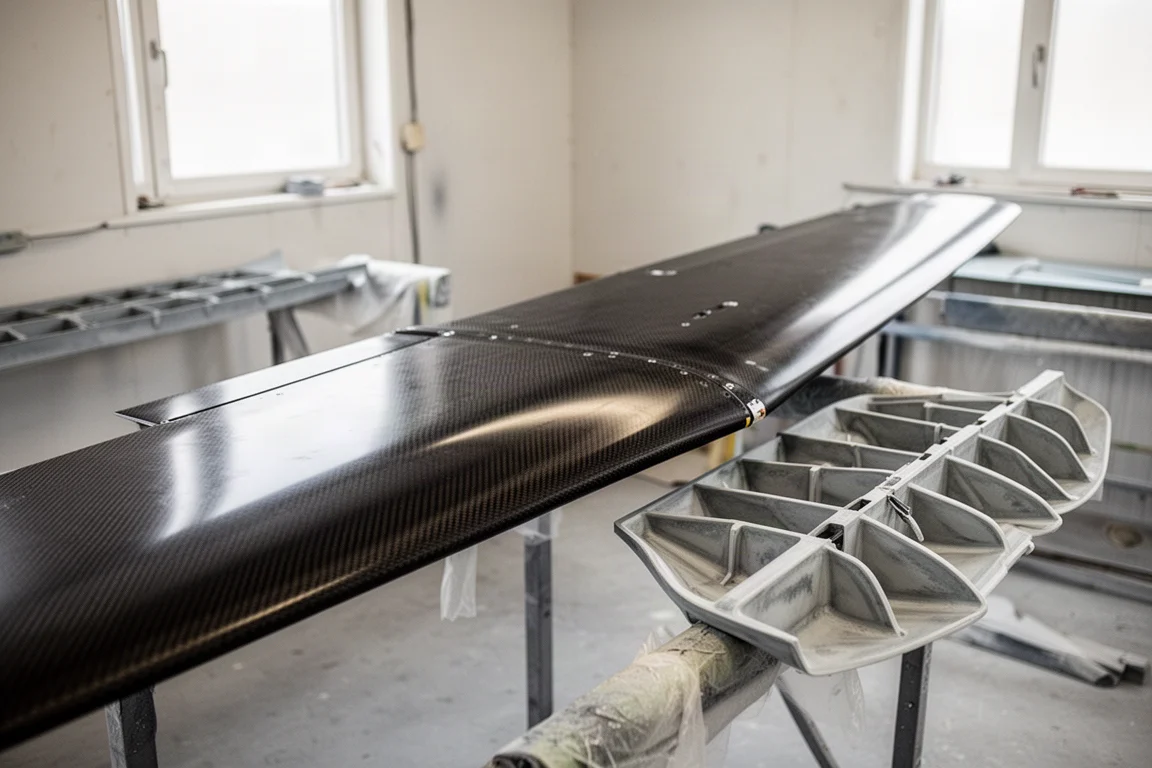
The kit is genuinely builder-friendly. The fuselage arrives assembled in two halves with the vertical stabilizer incorporated into the mold, ribs pre-cut and fitted, and the spar and drag spar already installed in the wing. All critical primary structure is completed at the factory so the builder cannot introduce structural mistakes. Builders will reinforce the engine mount area and finish the assembly, but the hard structural work is done.
As a standard kit, expect 2,500 to 3,000 hours of labor. Builder assistance programs can substantially reduce that, with options ranging from partial help to full laminating, assembly, and even paint, with as much or as little involvement as you choose.
Cabin, Controls and Visibility
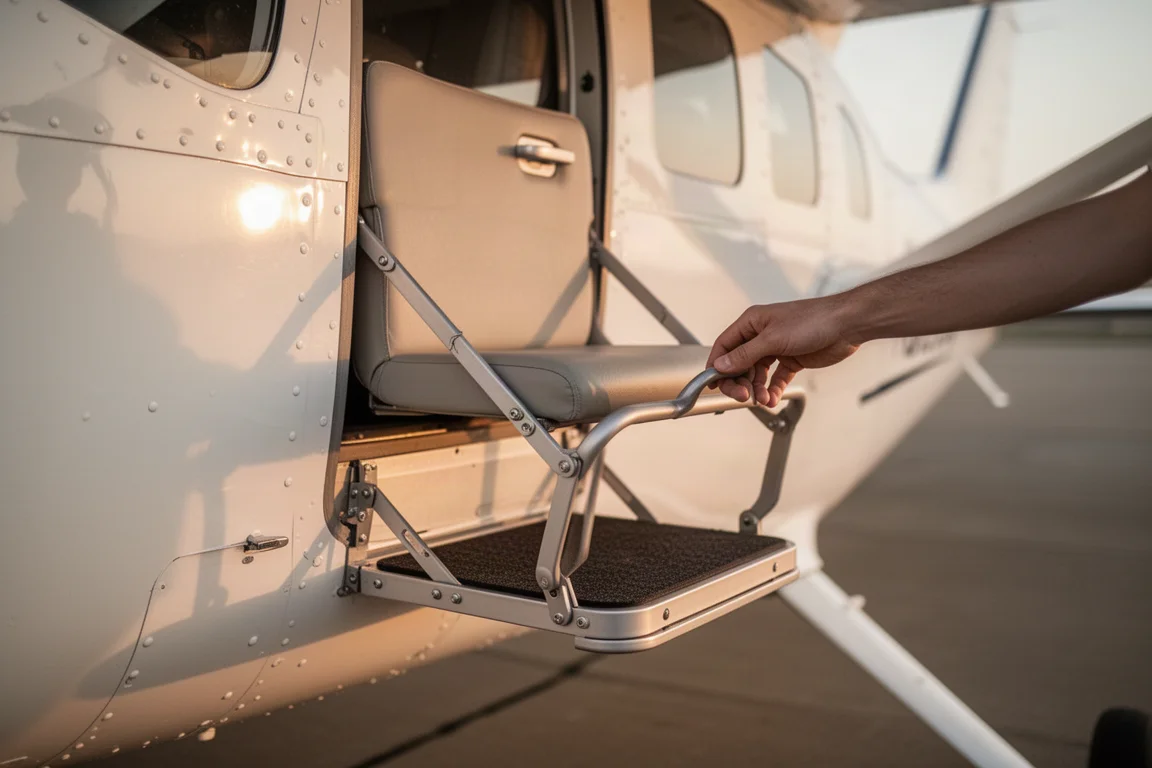
Getting in is easy thanks to a folding step that doubles as an armrest when stowed. Seats adjust up and down and slide forward to the pilot’s preferred flying position. Controls are conventional: yokes, rudder pedals, cable-operated ailerons and rudder, with push rods running through the wings and elevator actuation via cable and push rod.
Three large doors give every seat in the cabin a good view out, which is exactly what you want in a family airplane. The panel is supplied cut, and the fit-out is up to the builder. The factory example chose a fully Garmin installation with dual large screens, a backup horizon, autopilot, and a 650 nav/com radio.
Performance and Handling
The performance envelope suits the mission well. Stall speed is 64 knots with flaps up at around 70 knots, and the large 40-degree slotted flaps reduce stall speed by about 6 knots. Climb is strong: initial rate of climb at gross weight is around 1,200 to 1,500 ft/min, and at a 130-knot cruise climb the airplane averages 500 ft/min all the way to 20,000 feet.
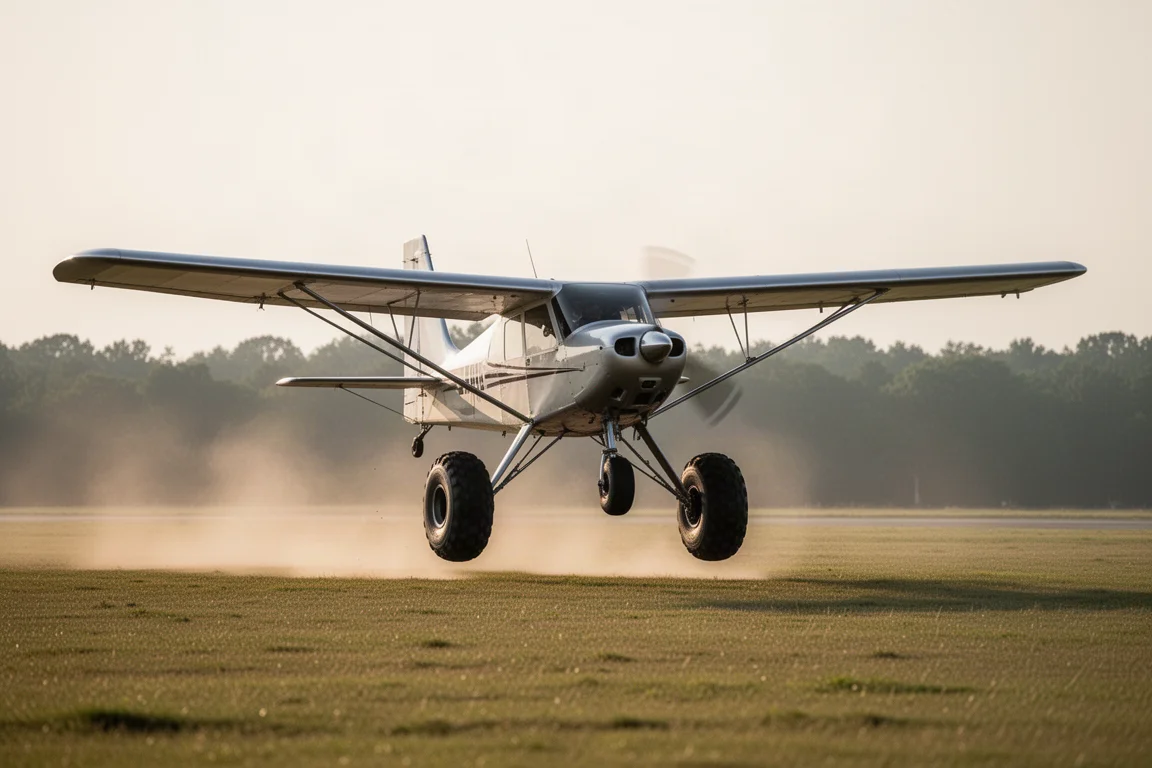
Thanks to the turbocharged engine, cruise speeds stay impressive at altitude: roughly 185 knots at 15,000 feet and up to about 190 knots higher still, burning 19 gallons per hour. The 6.2 is designed for multiple surfaces, with a solid 7075 aluminum main gear that can accommodate larger tires, up to 10-inch mains. The company’s comparison is simple: if you can fly a Cessna 206 somewhere, this airplane will go there too.
Control surfaces are deliberately oversized. The freestyle ailerons, 2:1 differential ratio, large horizontal stabilizer, large elevator, and tall vertical stabilizer all trade a slight top-end speed penalty for control authority, a wide CG range, and stability, which matters when flying family and when the design also needs to work on floats.
Things to Consider Before Buying
- Build time is substantial: 2,500 to 3,000 hours as a standard kit, though builder assistance reduces this considerably.
- The turbocharged 350 hp engine burns 19 gallons per hour at cruise, so fuel costs scale with the speed.
- Some top-end speed is traded away for the large control surfaces, a deliberate safety choice.
Buying Advice
The Comp Air 6.2 makes sense for builders who want one airplane that does everything: six seats, real payload, long range, turbine-adjacent performance on a piston engine, and the ability to operate from unimproved fields. If you want a project you can finish mostly yourself, plan for the full labor estimate. If you want the airplane flying sooner, the builder assistance options are worth a close look. For current pricing and builder assist details, check Comp Air’s website directly.
Conclusion
The Comp Air 6.2 fills a genuine gap in the experimental market: a carbon fiber, six-place kit aircraft with family-hauling capability, high-altitude turbo cruise, and a build process designed to minimize builder mistakes. For pilots seeking a do-everything six-seater they can build themselves, it is one of the few options that delivers on all fronts.
Product link
View more details for Comp Air 6.2
This product is mentioned in the review. Check the specifications, options, and compatibility before buying.
View more details for Comp Air 6.2Further reading
Related Reviews
Aircraft
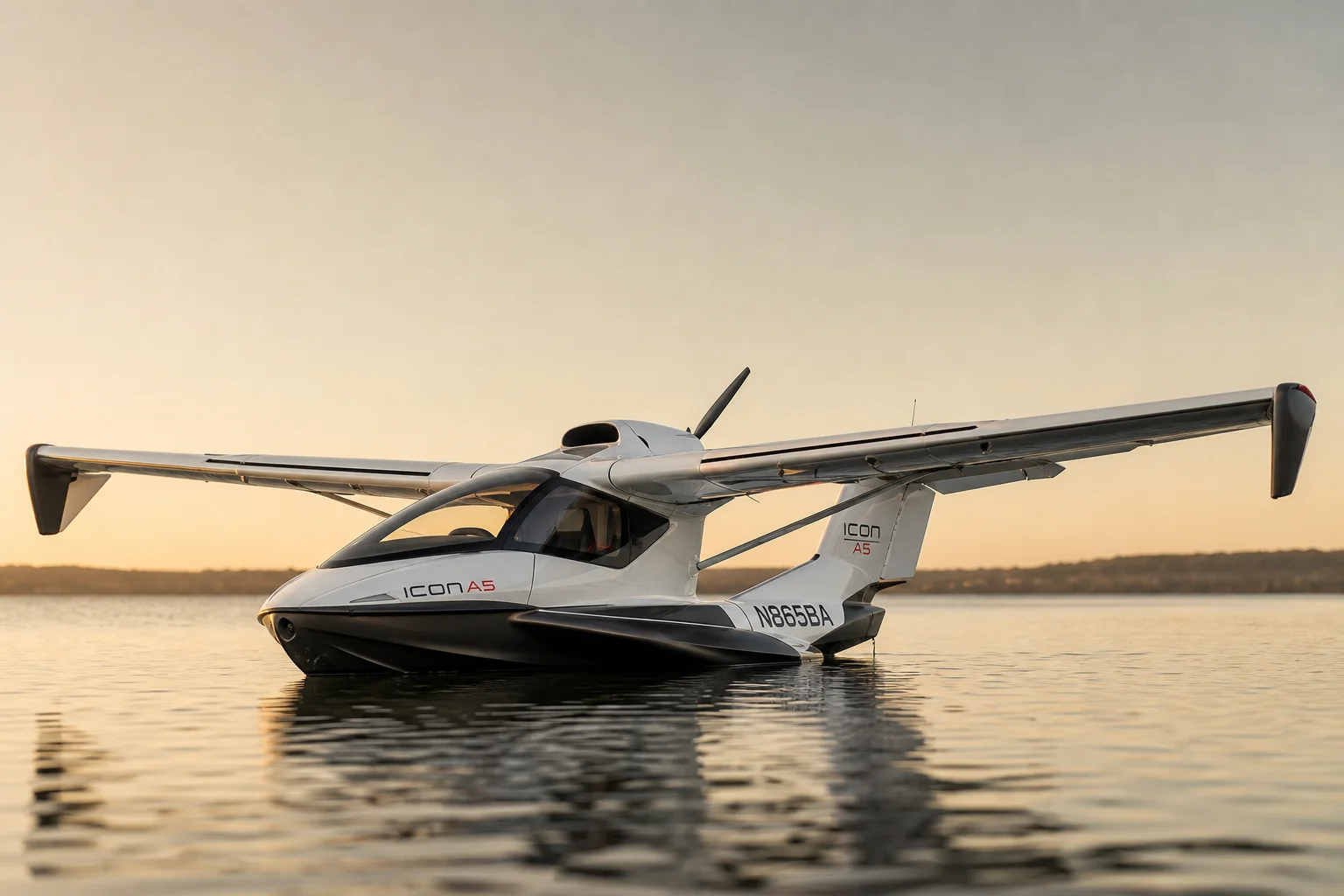
Icon A5 Amphibious Aircraft Review: Adventure Aviation Redefined
The Icon A5 combines sleek design, accessible controls, and water-landing capability in a three-hundred-thousand-dollar light sport aircraft built for explorers and adventure seekers.
Aviation
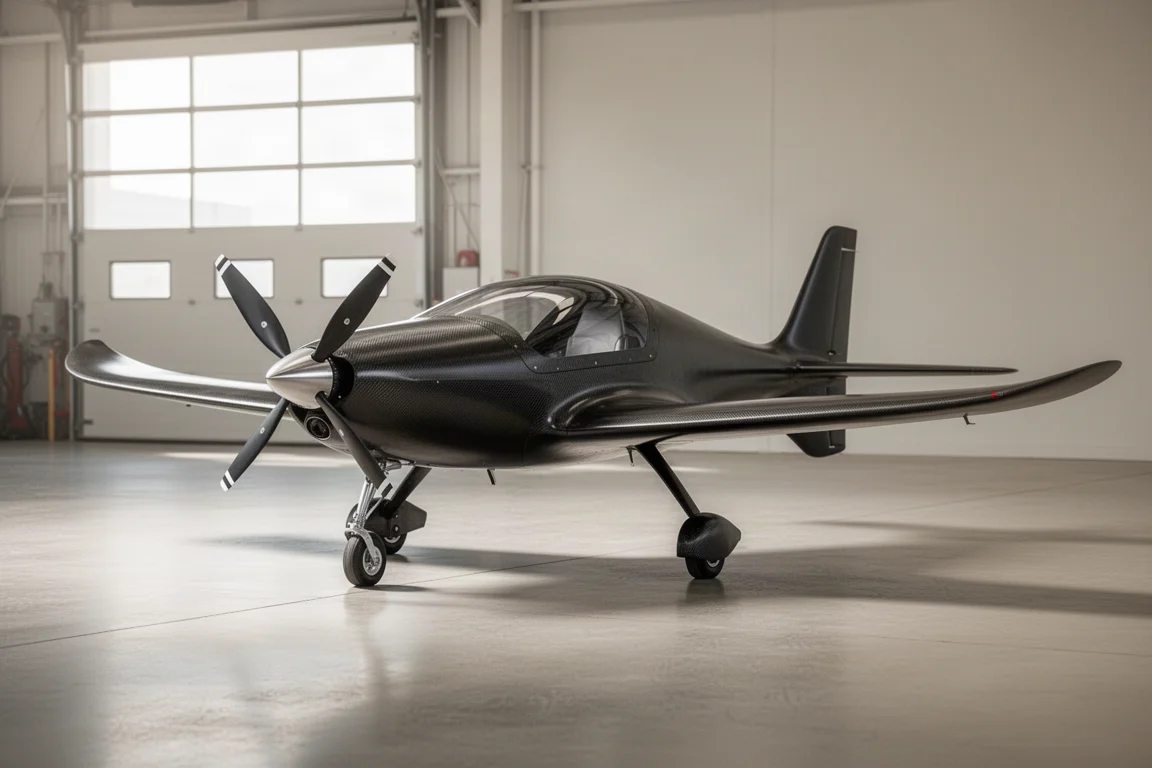
Aero Technics ACH 212 Solo Review: A Carbon Fiber Solo Kit Aircraft You Can Build Fast
A nearly 30-year-old Czech design still offered only as a kit: 90% carbon fiber, quick-release wings, a 350 to 400 hour build, and performance that surprises.
Aviation
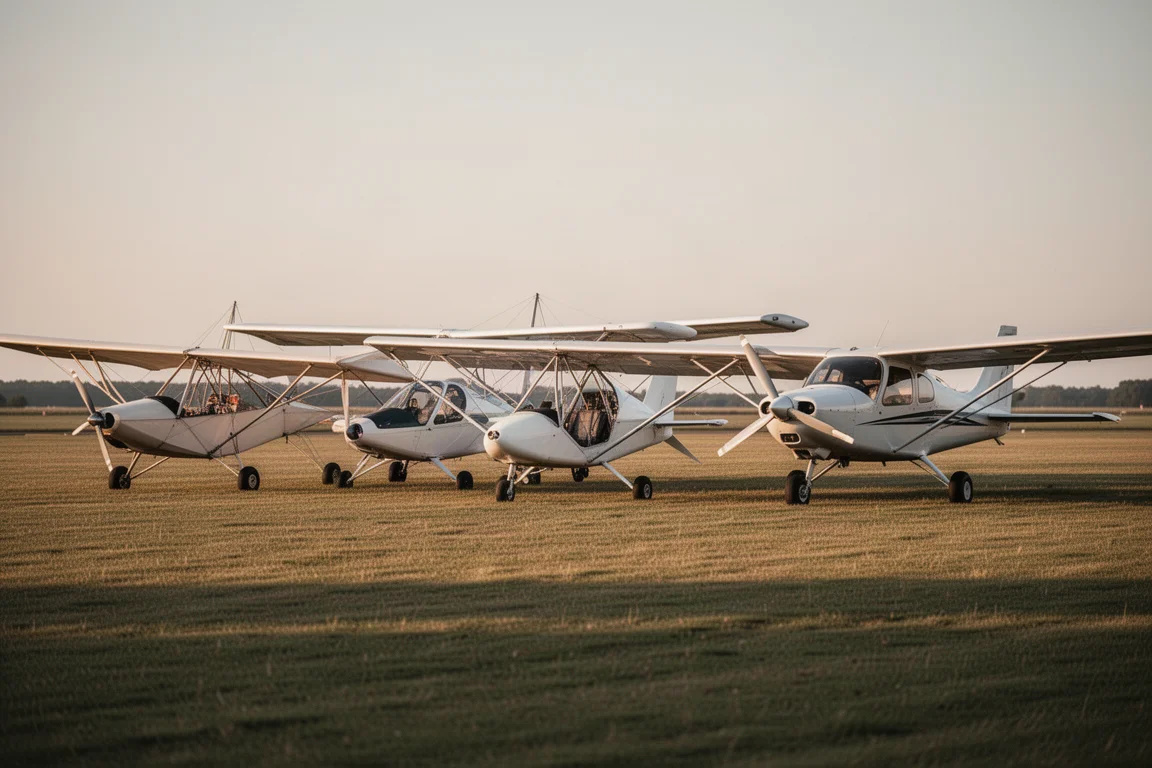
Top Part 103 Ultralight Aircraft You Can Build and Fly Without a License
From the Aerolite 103 to the Kolb Firefly, these Part 103 ultralights offer flying fun with no pilot license required.