Aircraft
Blackshape Prime and Gabriel: Performance Numbers Worth Knowing Before You Buy
Real takeoff, climb, cruise, and short-field figures for the Blackshape Prime, plus what changes when you step up to the larger Gabriel.
Introduction
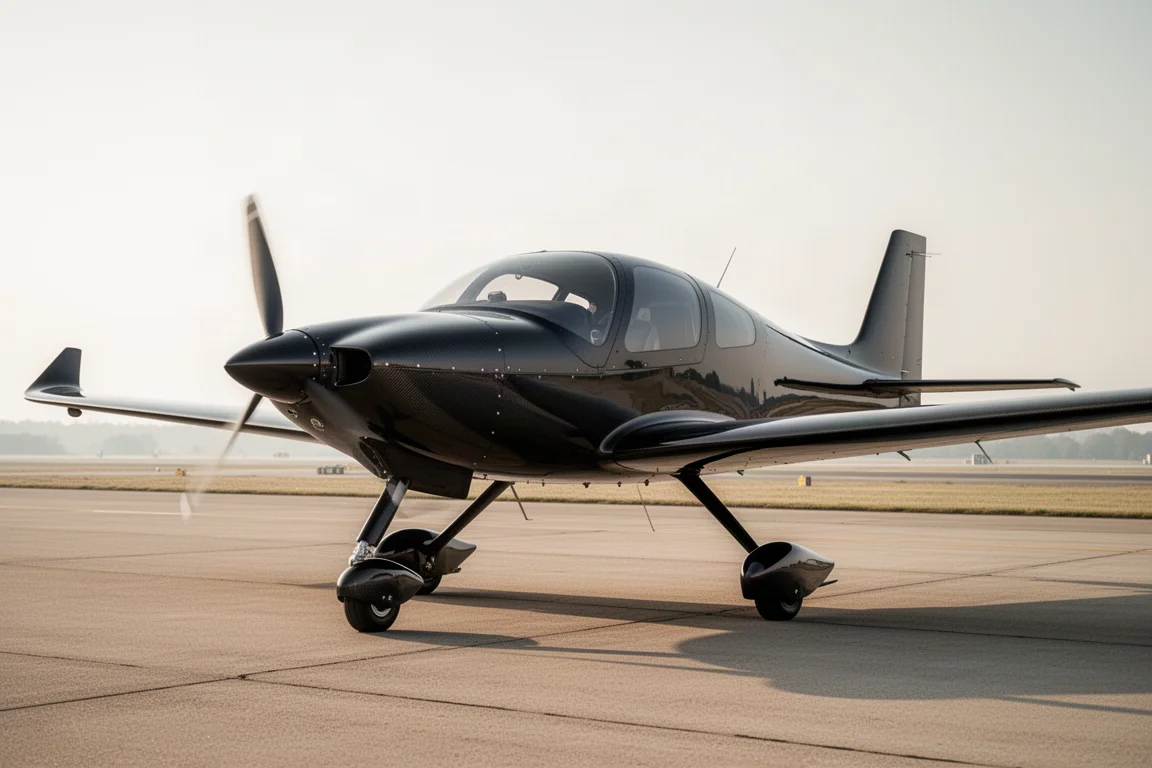
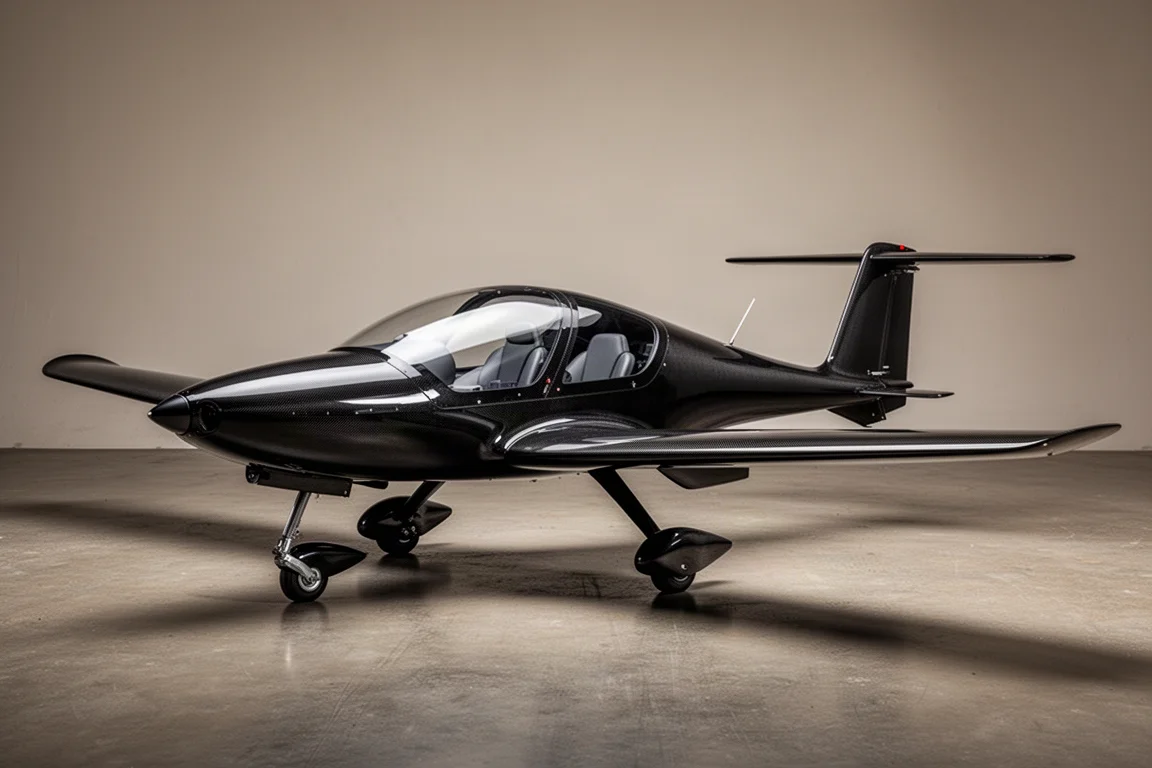
The Blackshape lineup has been turning heads wherever it lands, and for good reason: a sleek carbon-fiber airframe, retractable gear, and numbers that punch well above what the compact size suggests. This guide walks through the practical performance figures for the Blackshape Prime, then looks at what changes when you scale up to the larger Gabriel, so you can judge which one matches how you actually fly.
The figures below come from flying done on a Florida day around 85 degrees, with tanks near full and a pilot on board, which makes them a fairly honest baseline rather than a best-case brochure.
Takeoff and Climb Performance
On a normal, non-max-performance takeoff, the Prime rotates around 60 knots and clears a 50-foot obstacle in roughly 1,000 feet of runway. From there, a conservative climb is about 1,650 feet per minute, which gets you into cooler air quickly even on hot days.
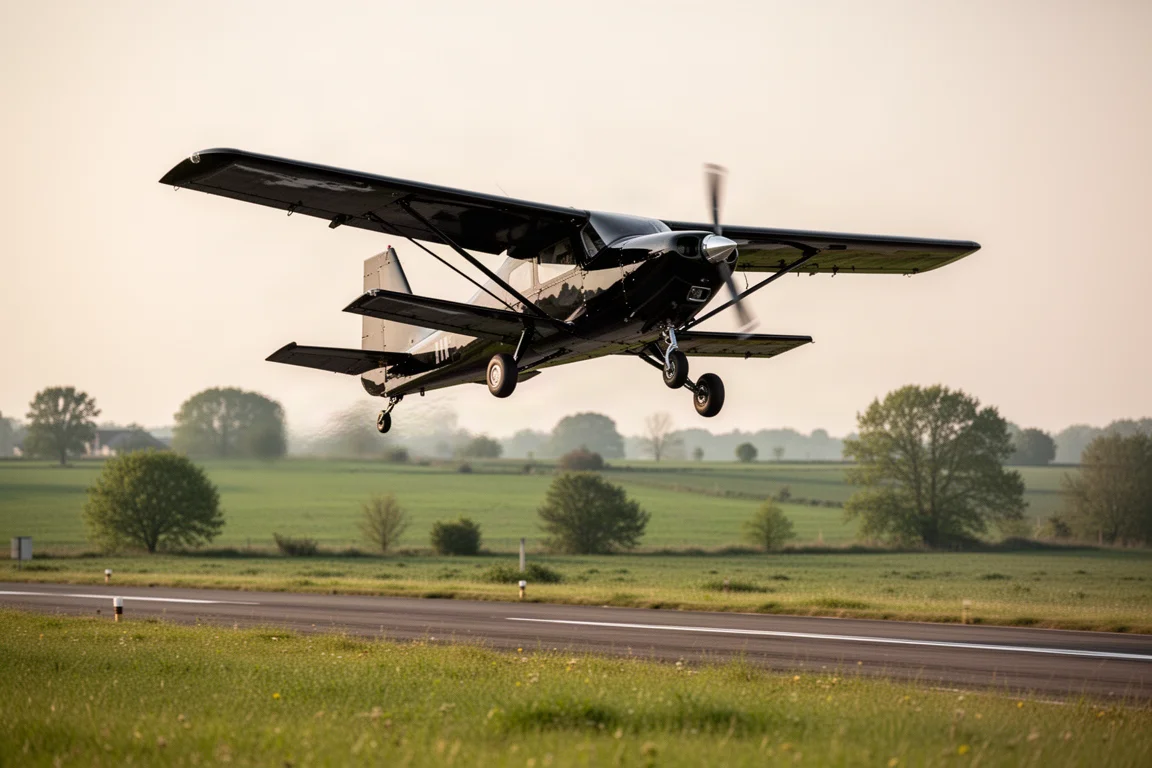
For a steep climb profile, the sweet spot is around 90 knots; faster, shallower climbs sit above 100 knots. With full or near-full tanks and a pilot aboard, the aircraft has shown climbs around 2,100 feet per minute, sustained even in Florida heat and humidity. The cowl and front intake were purpose-designed for the Rotax engine, and the design keeps cooling solid throughout aggressive climbs, so the airplane hits those numbers reliably without overheating.
One retract-specific note: get the gear up soon after liftoff. The climb-out is brisk enough that leaving it down risks an overspeed condition.
Cruise Speed and Fuel Burn
This is where the Prime shows its versatility. Three cruise settings cover very different missions:
- Economy cruise at roughly 125 to 130 knots, burning around 3.7 gallons per hour
- Pushed cruise at about 160 knots, burning around 6.5 gallons per hour
- Max cruise at 182 knots true airspeed, burning about 8 gallons per hour
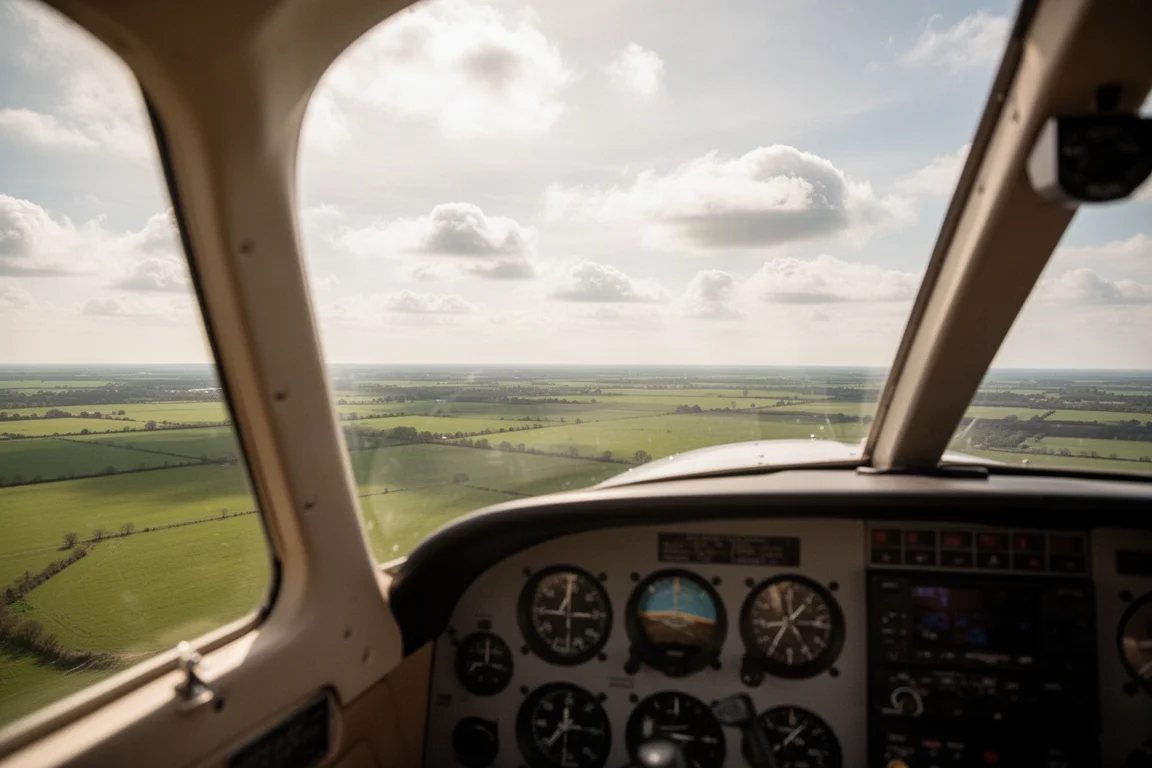
Importantly, that top cruise figure is sustainable. Unlike an engine limited to short bursts of high RPM, the derated 135 horsepower output (down from 140) lets you hold max cruise after leveling off without time restrictions. Whatever trip length or storm-chasing urgency you have, the airplane keeps moving.
Short-Field Landing Performance
The Prime operates comfortably well below the 1,000-foot runway figures shown on paper, demonstrated with full tanks and a pilot aboard. For short fields, use two notches of flaps, rotate around 60 knots, and you can roll out and land in well under 1,000 feet. With one notch of flaps, you get a faster rollout and more speed, at the cost of a longer ground run.
Stall speeds are 58 knots clean and 45 knots with flaps. On final, hold speed through the pattern, burn down from around 80 knots, and flare at roughly 55 to 60. The airplane sticks once it is on the ground, and braking is effective enough to smoke the tires on a firm short-field arrival.
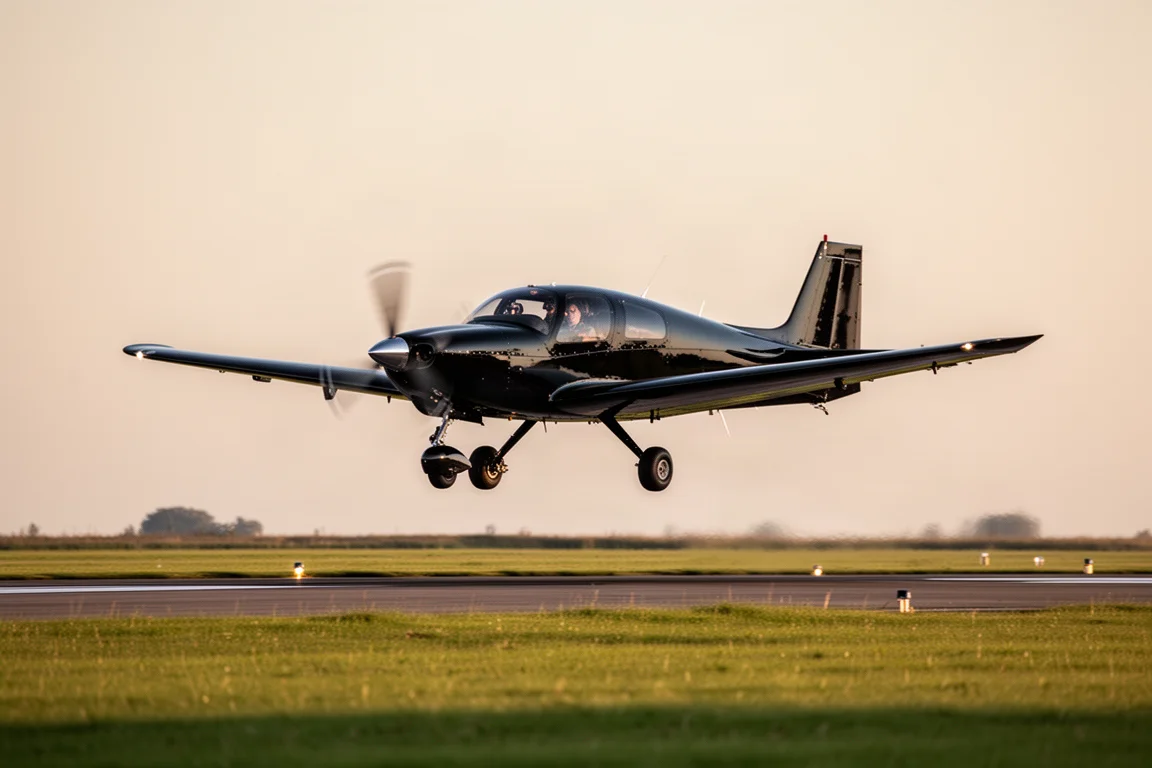
The landing gear is not simply rigid: it uses a trailing-link design, similar in concept to an F-18’s gear, that absorbs energy on touchdown. That smooths landings, helps braking, and is a big reason these aircraft operate successfully from grass strips in Europe.
Weight, Utility, and Certification
On this particular Prime, empty weight is 950 pounds with a 1,325-pound maximum takeoff weight, giving a useful load around 500 pounds on paper (more lightly equipped examples weigh less). The luggage compartment is rated at about 45 pounds, and in practice two backpacks plus a camera bag fit comfortably, depending on CG position. Even loaded with full fuel, two people, and a full luggage bay, the airplane delivers the performance figures above.
In the US, the Prime currently flies as experimental exhibition and is certified by the German DLV, which applies some of the strictest certification standards in the industry. The practical restriction is simple: experimental exhibition limits you to flying within the continental United States. It is not currently a light sport aircraft, though the 1,325-pound max weight is close to the 1,320 LSA figure, and the manufacturer expects to test toward MOSAIC standards when they are announced. The demonstrator shown here uses the Rotax 915; future units will receive the 916.
Both models are DLV-certified for aerobatics at plus 4 G and minus 2 G, which covers gentleman aerobatics within those limits.
Prime or Gabriel: Which One Fits You
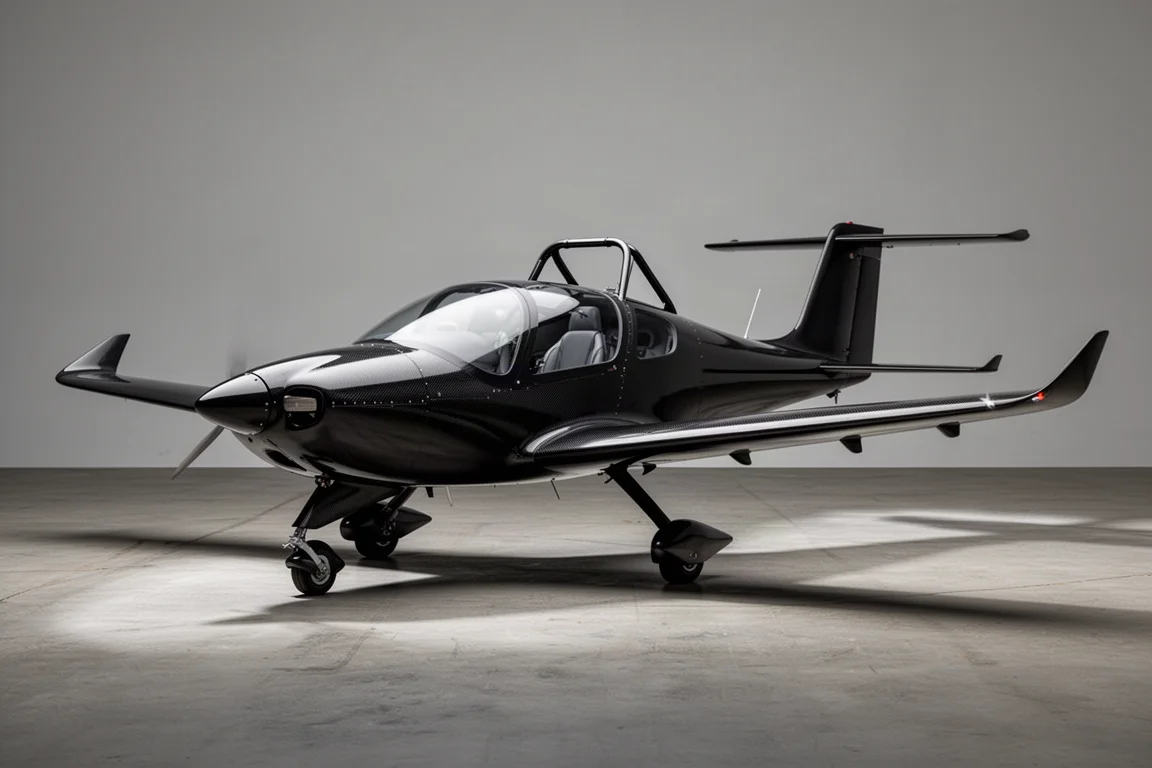
The Gabriel is essentially the big sister of the Prime: about 20% larger and somewhat heavier, with similar performance. Where the Prime is a great individual owner’s aircraft, the Gabriel is also aimed at flight schools and training operations, and it is already used that way in other parts of the world, including military training scenarios.
The certification path differs in a meaningful way. While the Gabriel also flies as experimental exhibition, it has received FAA certification, so future units of that model will be certified for use in the US. If factory certification matters to your mission, that is a genuine differentiator.
Buying Advice
Choose the Prime if you want the sharpest blend of speed, short-field capability, and two-place practicality in a compact composite package, and you are comfortable with experimental exhibition operating limits. Choose the Gabriel if you need more cabin and capability for training or heavier duty cycles, and you value the certified path for future units. Both deliver comparable cruise performance, so the decision mostly comes down to size, mission, and certification needs rather than speed.
Conclusion
The Blackshape Prime and Gabriel together cover a wide operating envelope: sub-1,000-foot takeoffs and landings, climbs around 2,100 feet per minute, and a max cruise of 182 knots that you can hold all day. For buyers who want light-aircraft economy with genuinely fast cross-country pace, this lineup is worth a close look before your next aircraft purchase.
Further reading
Related Reviews
Aircraft
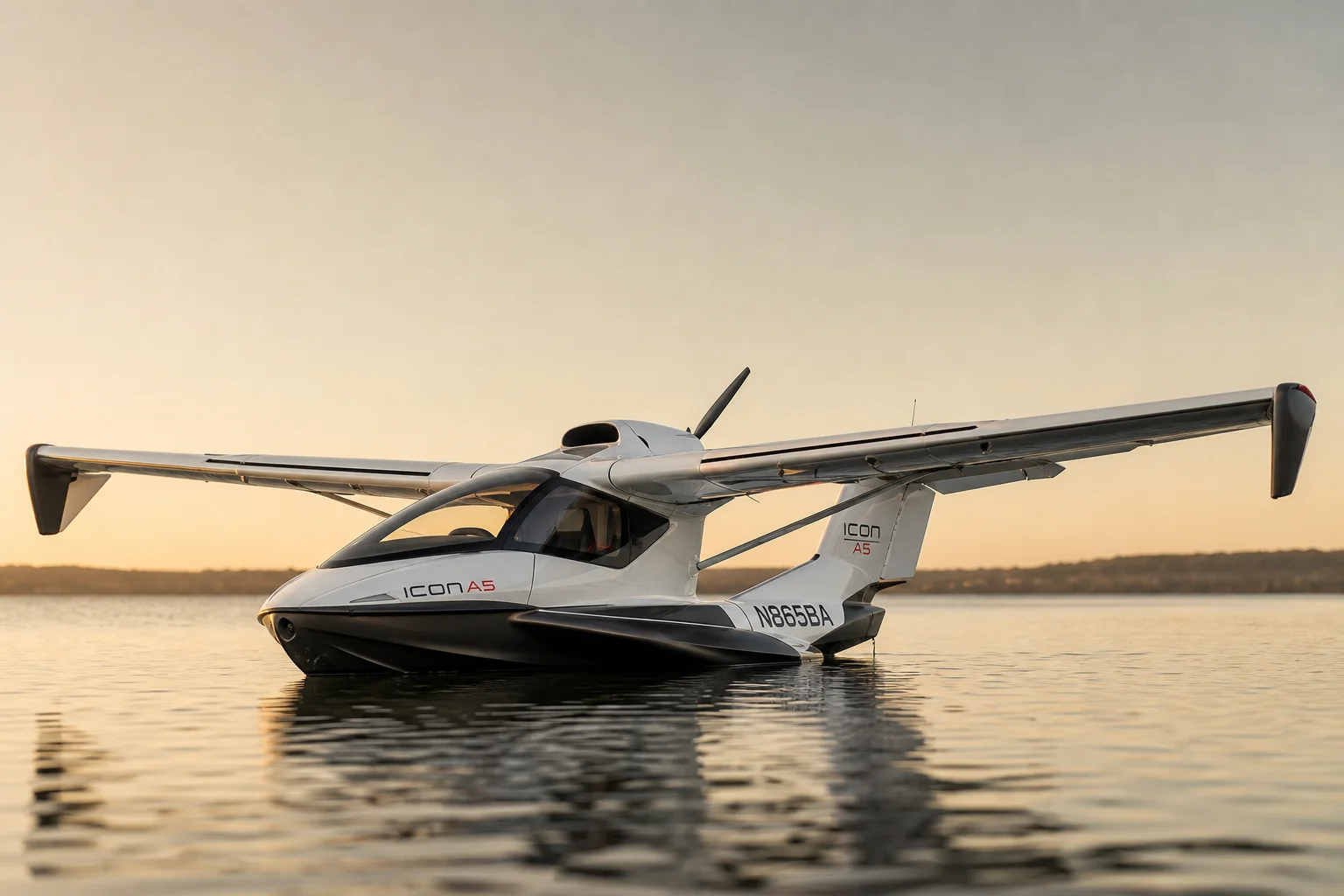
Icon A5 Amphibious Aircraft Review: Adventure Aviation Redefined
The Icon A5 combines sleek design, accessible controls, and water-landing capability in a three-hundred-thousand-dollar light sport aircraft built for explorers and adventure seekers.
Aircraft
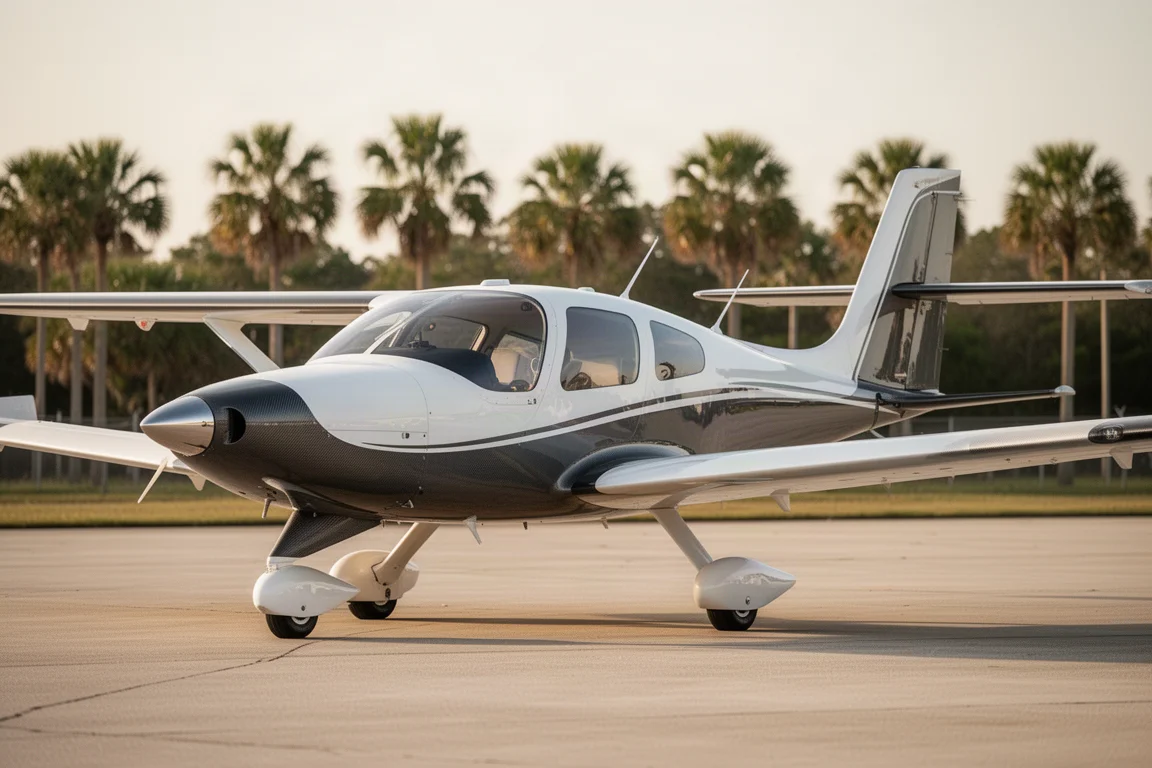
Comp Air 6.2 Review: A Six-Seat Experimental Kit Aircraft Built Around the Family
A 100% carbon fiber, six-passenger amateur-built kit aircraft with a 350 hp turbocharged Lycoming, 840 nm range, and a builder-friendly single-piece wing.

Backpacking Gear
Building a 10 lb Base Weight: An Ultralight Backpacking Gear List
A practical walkthrough of the ultralight pieces behind a 10 lb base weight, from a 765 g pack and a roomy one-person tent to a full camp chair and a dependable water filter.