Winter Camping Gear
Comfortable Winter Camping Gear List: 12 Essentials for Down to -25°C
A comfort-first winter camping kit built around a shelter, sleep system, and stove that stay reliable down to about -25°C, plus the electronics and insulation that keep a cold camp running.
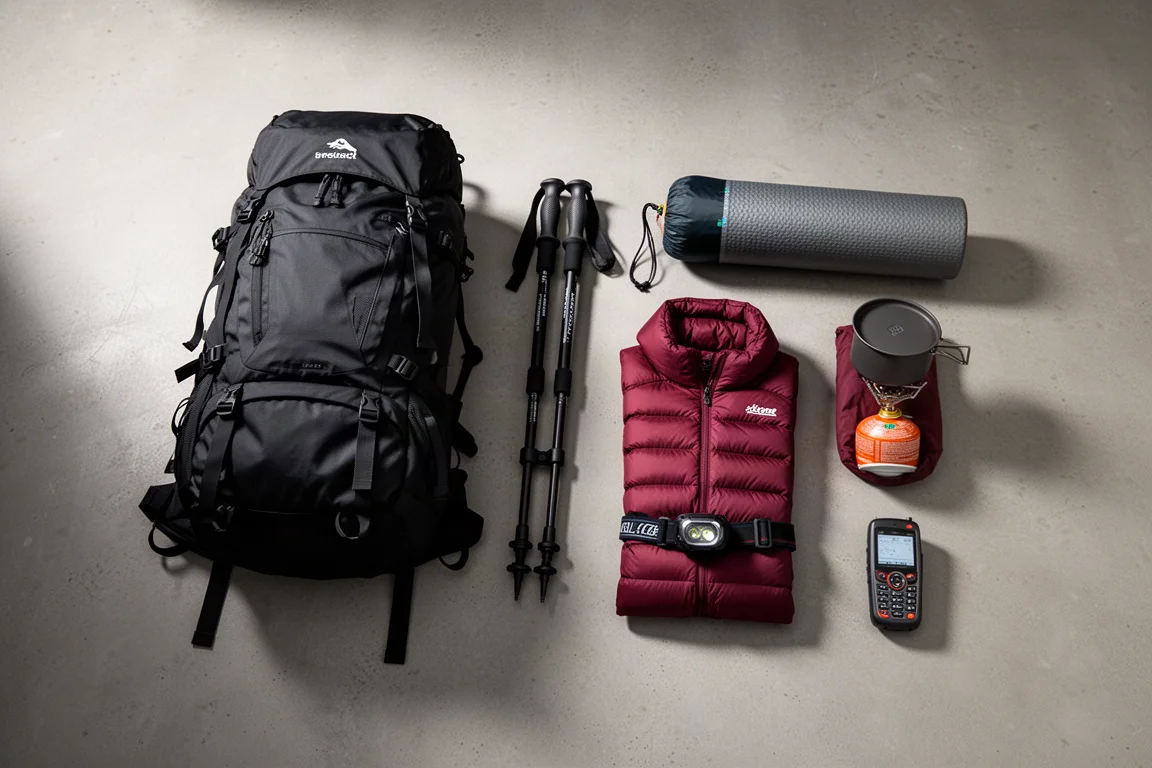
Introduction
Winter camping is demanding. The nights are long, the cold is persistent, and most gear lists ask you to trade comfort for warmth. This one does not. Every item here was chosen to keep a winter camp comfortable down to roughly -25°C, which covers the conditions most people actually camp in, rather than the extremes of a -40°C expedition.
The kit is built around three priorities: sleeping warm, being able to melt snow for water, and keeping the electronics that matter charged and working when temperatures drop.
How This Winter Gear List Was Chosen
A winter kit has to do more than a three-season kit, so the criteria are stricter. Warmth for the weight carried matters, but so does how an item behaves when it is cold, damp, and used every day for a week.
Cold-weather function came first: stoves that can run on inverted canisters, batteries that keep working below freezing, and insulation that does not hold sweat against the skin. Packability and durability came next, because bulk and a failed zipper are both serious problems in winter. Ease of use was weighted heavily too, since cold hands make complicated gear a liability.
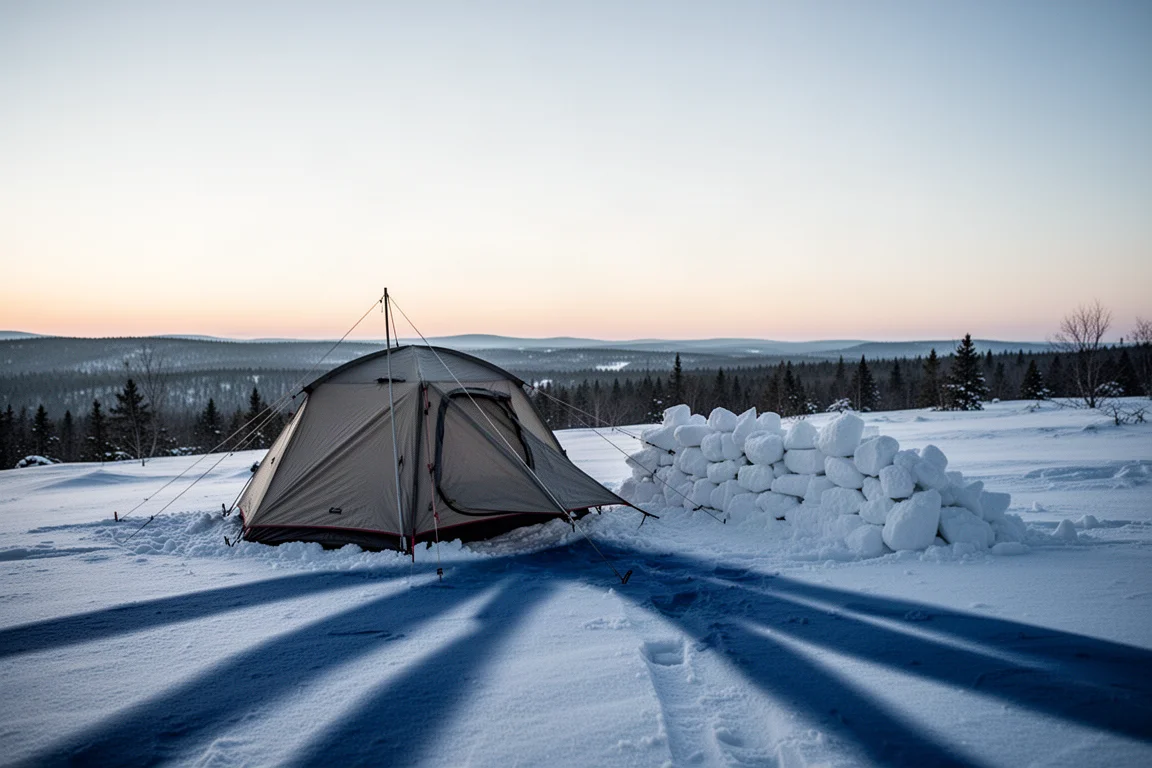
Cost was the final filter. Several items here are expensive, and where a cheaper alternative does nearly the same job, that is noted so you can decide where to spend and where to save.
Pack: Seek Outside Divide 4800
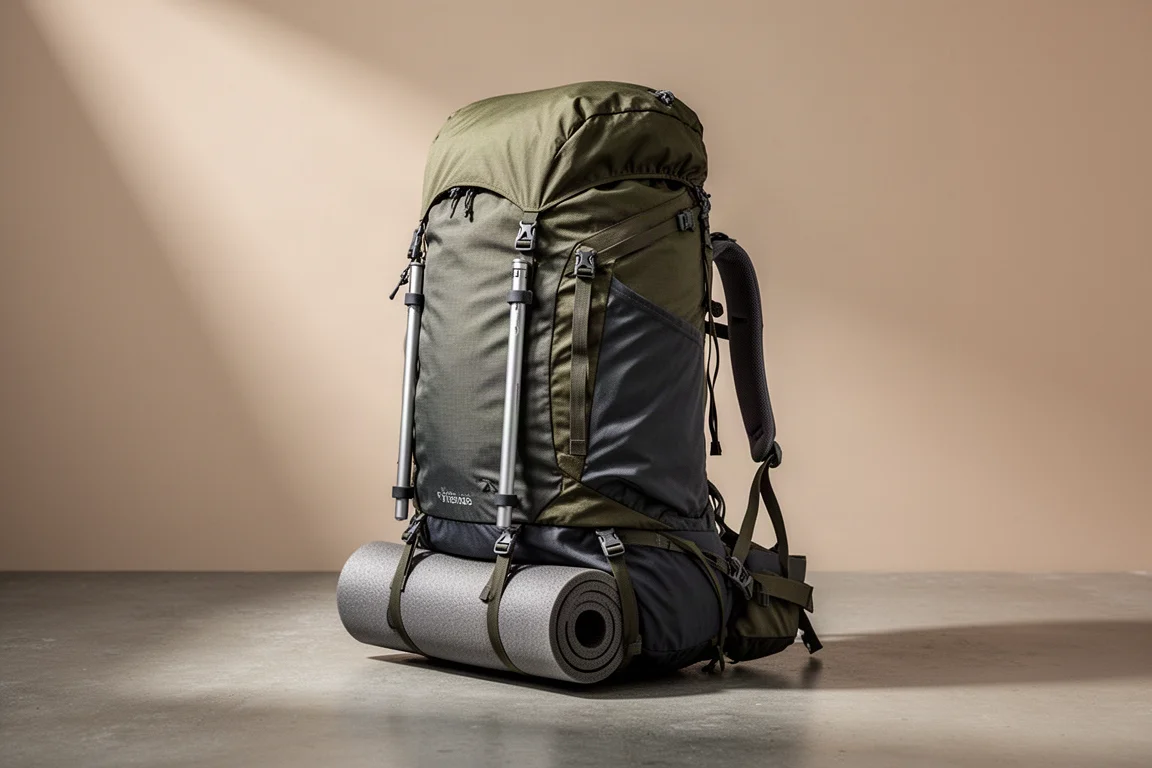
The Divide 4800 is a large, frame-based pack with roughly 75 litres of internal volume. That is enough space for a bulky winter sleep system, spare layers, and a week of food, and the frame carries heavy loads well.
Two details matter most in winter. The torso length is adjustable, so the fit can be dialled in for the load you are carrying, and there are modular strap points on the sides, lid, and base for attaching bulky items to the outside. A closed-cell foam pad rides well strapped underneath.
The one gap is a dedicated avalanche pocket for a shovel and probe, which would make it close to ideal for trips in avalanche terrain.
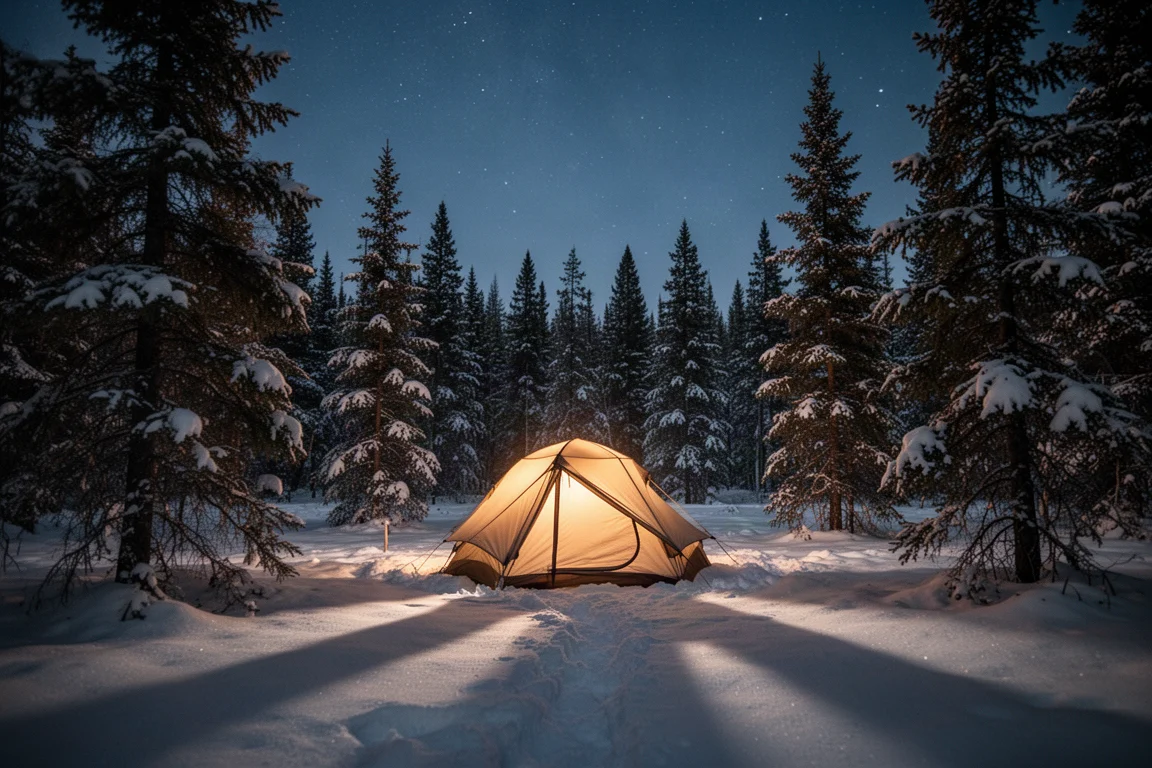
Shelter: Durston X-Dome 1+
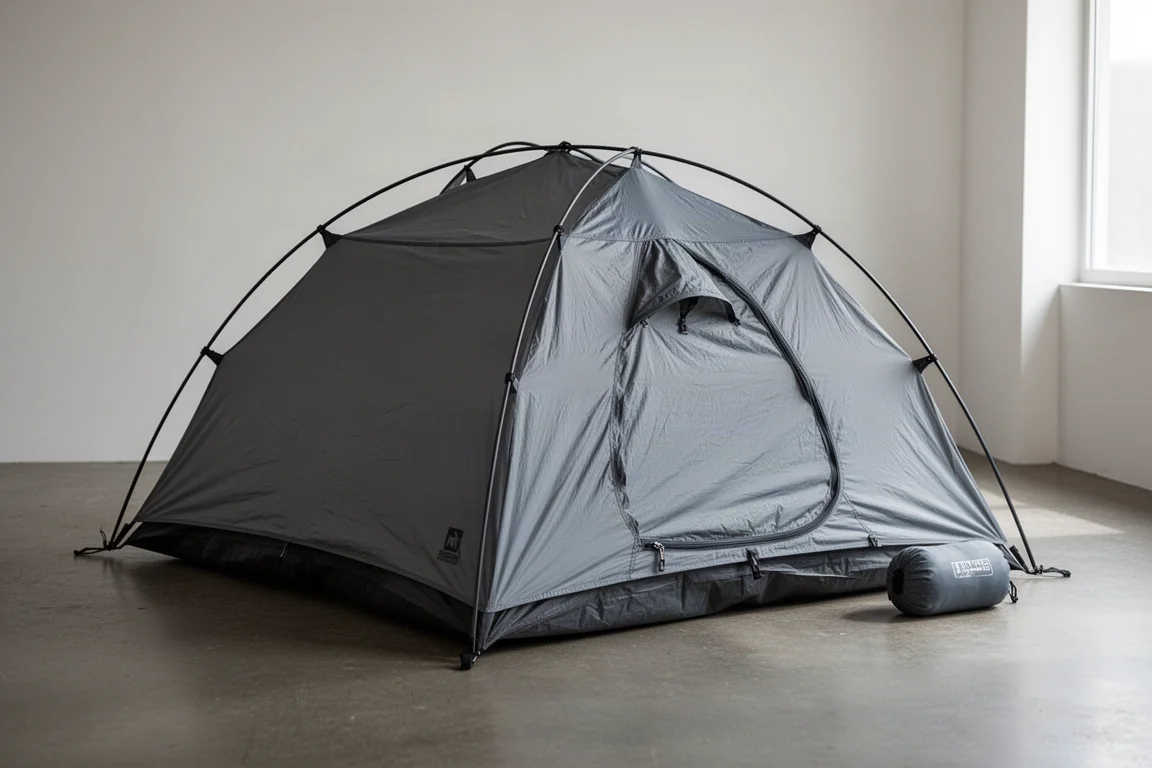
The X-Dome 1+ is not marketed as a four-season tent, yet it has proven itself in genuinely rough winter conditions. It handles ridgetop winds up to around 100 km/h and carries a serious snow load when it is fully guyed out.
The solid inner is the winter-relevant option. It adds roughly 5°C of warmth compared with the mesh inner, which is a useful buffer rather than something to rely on. Three practical strengths stand out: it weighs under a kilogram, which is rare for a shelter this capable; it is tall enough to sit up and change clothes; and it has internal storage plus a vestibule for a pack.
It is freestanding and pitches all in one, so setup does not mean wrestling with an inner and fly separately, and awkward stake placements are less of a problem.
Sleeping Pad: Sea to Summit Ether Light XR Pro
This is not the warmest pad on the market, but it is the most comfortable pad that has stayed workable on snow down to -25°C. It matches the warmth of the closest winter rivals while relieving pressure better, thanks to a dimpled baffling system.
The reflective insulation returns heat to the sleeper, and the design is noticeably lighter and more compact than earlier winter pads in the same class.
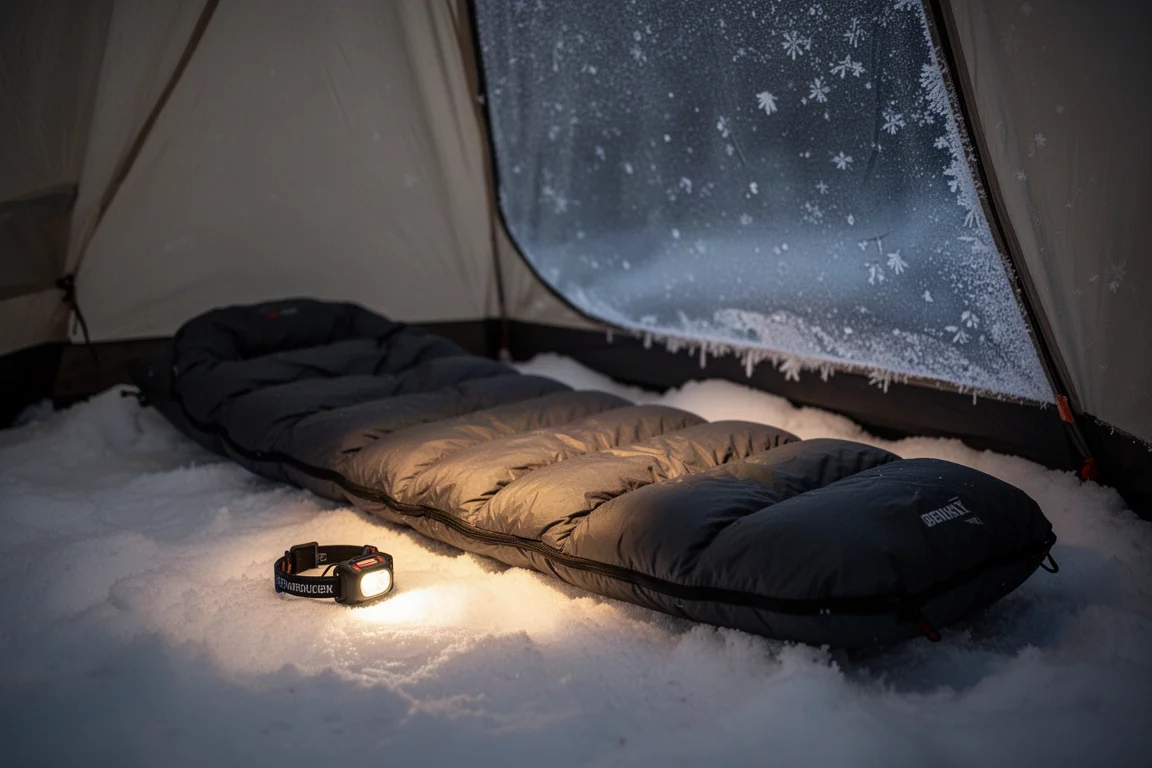
A closed-cell foam pad goes underneath for extra warmth and as a backup if the inflatable fails. It doubles as a seat when a chair is not along for the trip.
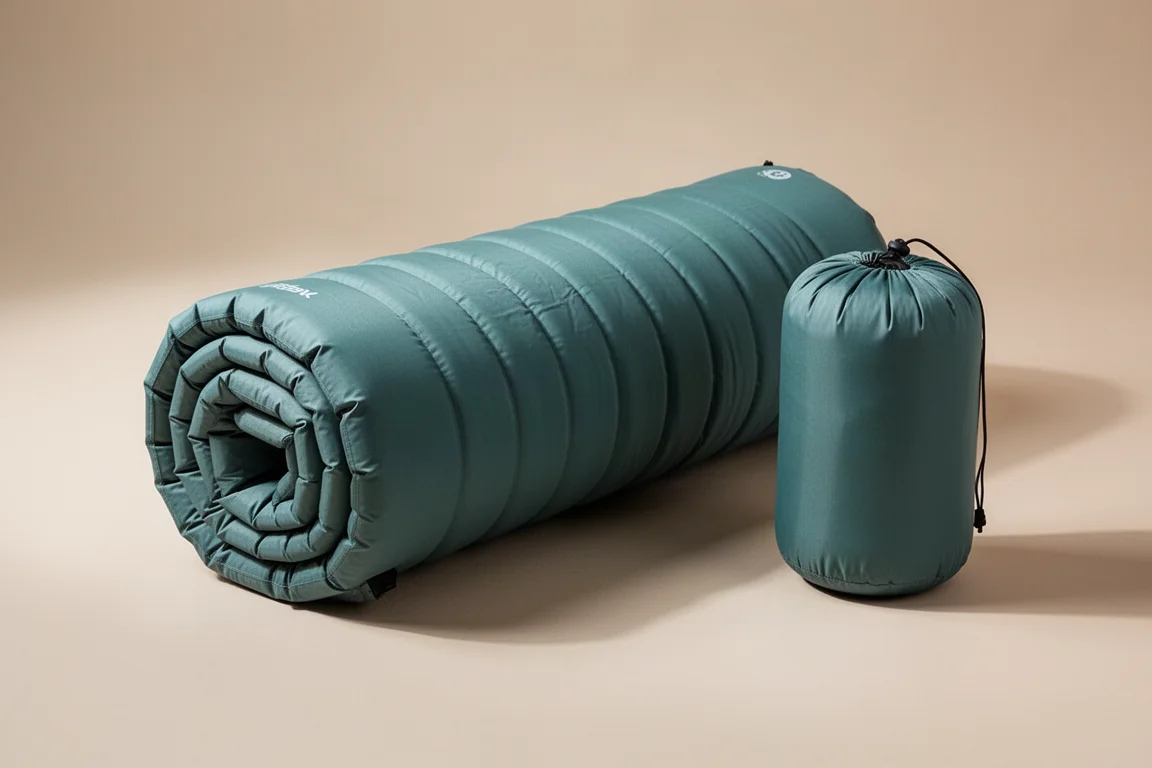
Sleep System: Zenbivy Winter Bed
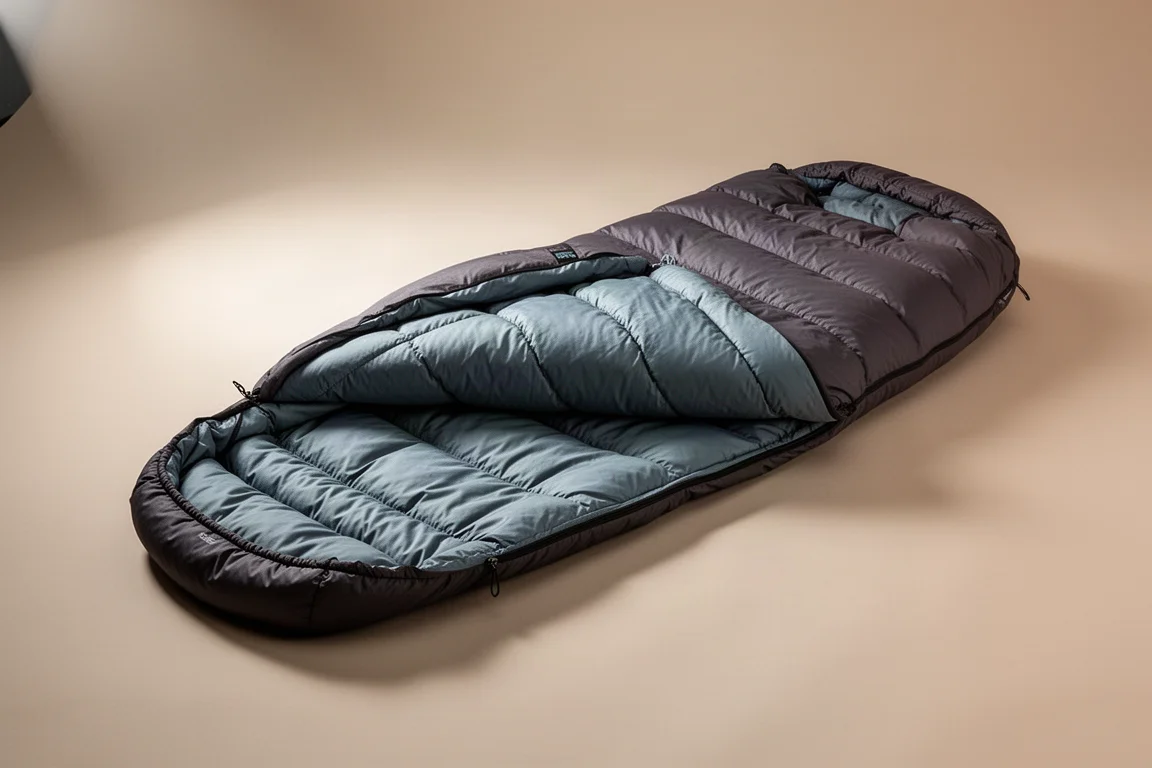
The Winter Bed is a genuinely warm sleep system, and it has kept a sleeper comfortable down to -25°C. It is heavy and packed with down, but that weight buys a lot of warmth and a lot of freedom.
Because of the quilt-style design, you can roll over underneath it without fighting the bag. Side, stomach, and back sleeping all work. Draft walls along the sides stop cold air from creeping in, the hood keeps the head warm, and the soft top pillow has a down topper that adds both comfort and insulation.
Camp Chair: Nemo Moonlight Elite
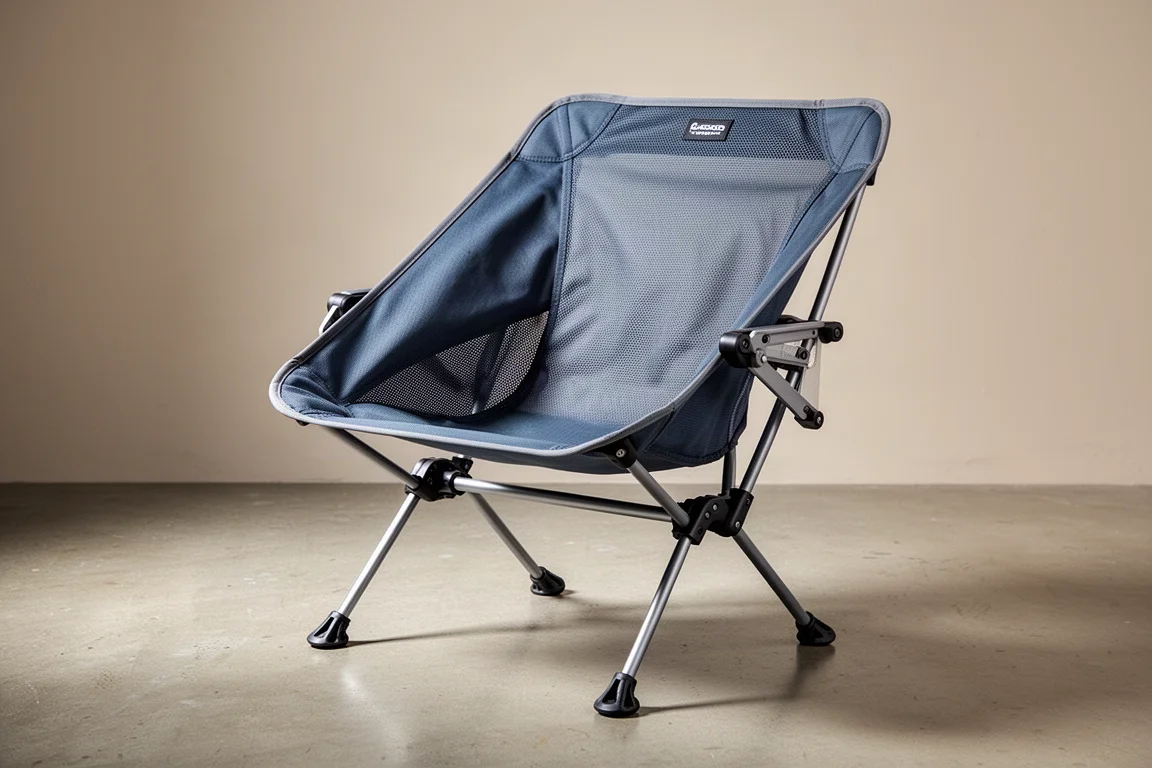
A chair is a small luxury that changes how a winter evening feels, and the Moonlight Elite gets two winter-specific details right.
First, it fits a Nemo Switchback closed-cell pad exactly, so the foam pad that doubles as insulation can become the seat of the chair. Second, the carry case doubles as a footprint, which stops the chair legs from sinking into snow and leaving you sitting on the ground.
Stove: Primus Ulti
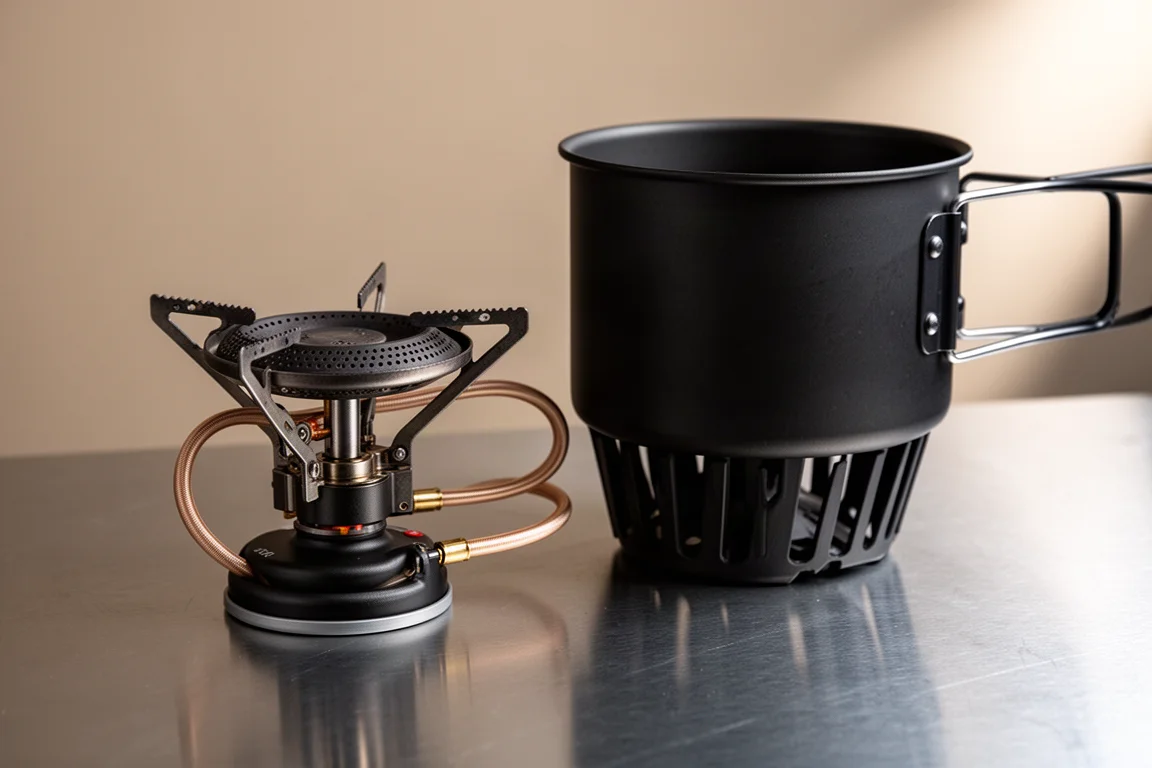
Winter cooking is mostly about melting snow, and that is where canister fuel gets complicated. A good canister is roughly 80 percent isobutane and 20 percent propane. Isobutane stops being a gas at -12°C, while propane keeps going down to about -40°C. Below -12°C the canister needs to be inverted so the stove can draw liquid fuel, and liquid fuel has to be turned back into gas before it will burn. That is the job of a preheating tube: run the stove upright for a moment to heat the tube with propane, then flip the canister and let the hot tube vaporise the liquid isobutane.
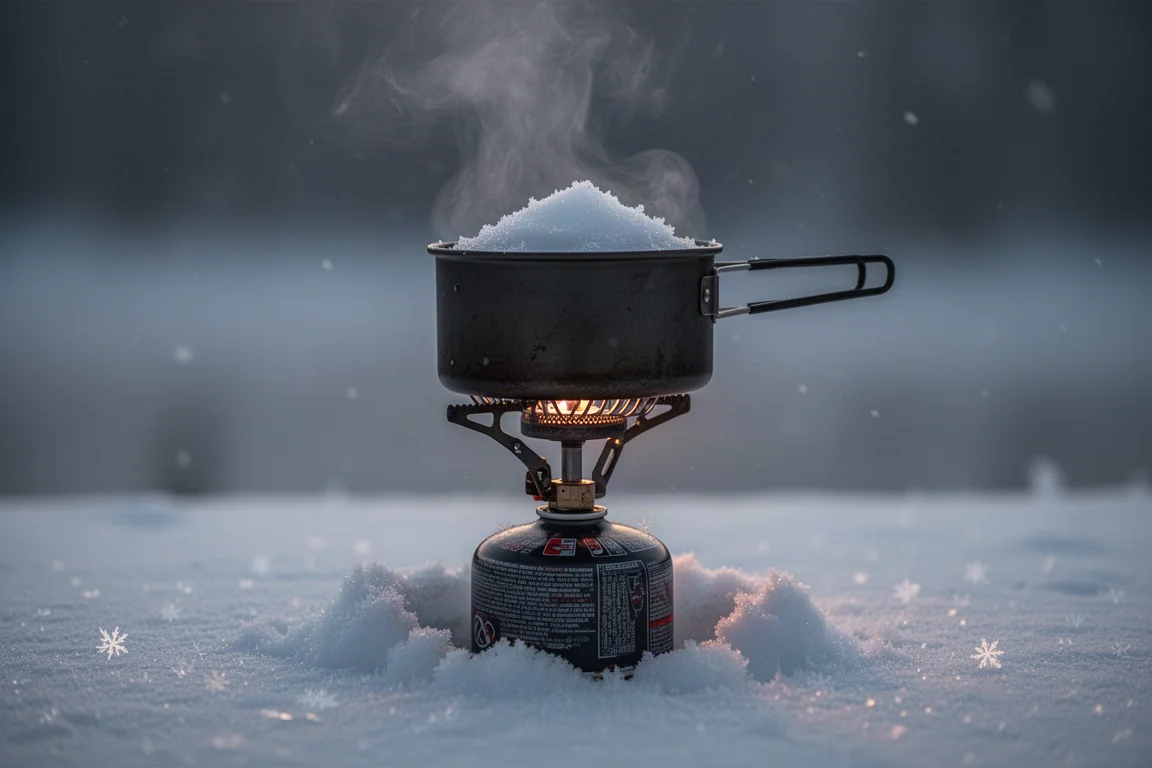
The Ulti pairs that inverted-canister capability with a radiant burner, which is quiet, fuel-efficient, and stable in wind. With the heat exchanger pot that comes with it, it is one of the most efficient stoves available for winter use. It is also a very expensive stove. A much cheaper remote-canister stove such as the MSR WindPro II will still get the job done, just with less efficiency.
Power Bank: Nitecore Summit 10000
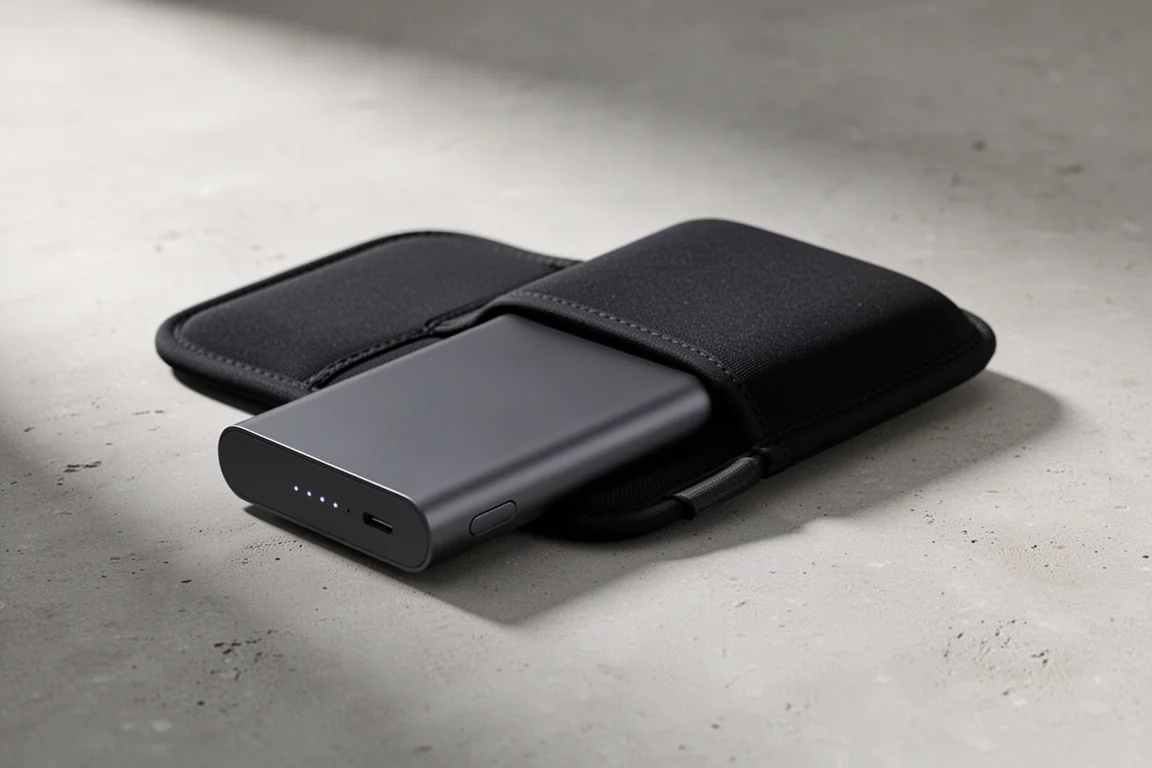
Cold is brutal on batteries, and a power bank is what keeps a headlamp and a satellite communicator alive on a long trip. The Summit 10000 is built for exactly that: an internal heater draws a small amount of power to warm the cells, letting it operate down to -20°C at closer to its rated capacity.
The trade-off is a single USB-C port, which is limiting when several devices need charging on the same evening. Even so, the heating feature makes it the obvious choice for winter trips.
Headlamp: Petzl Swift RL
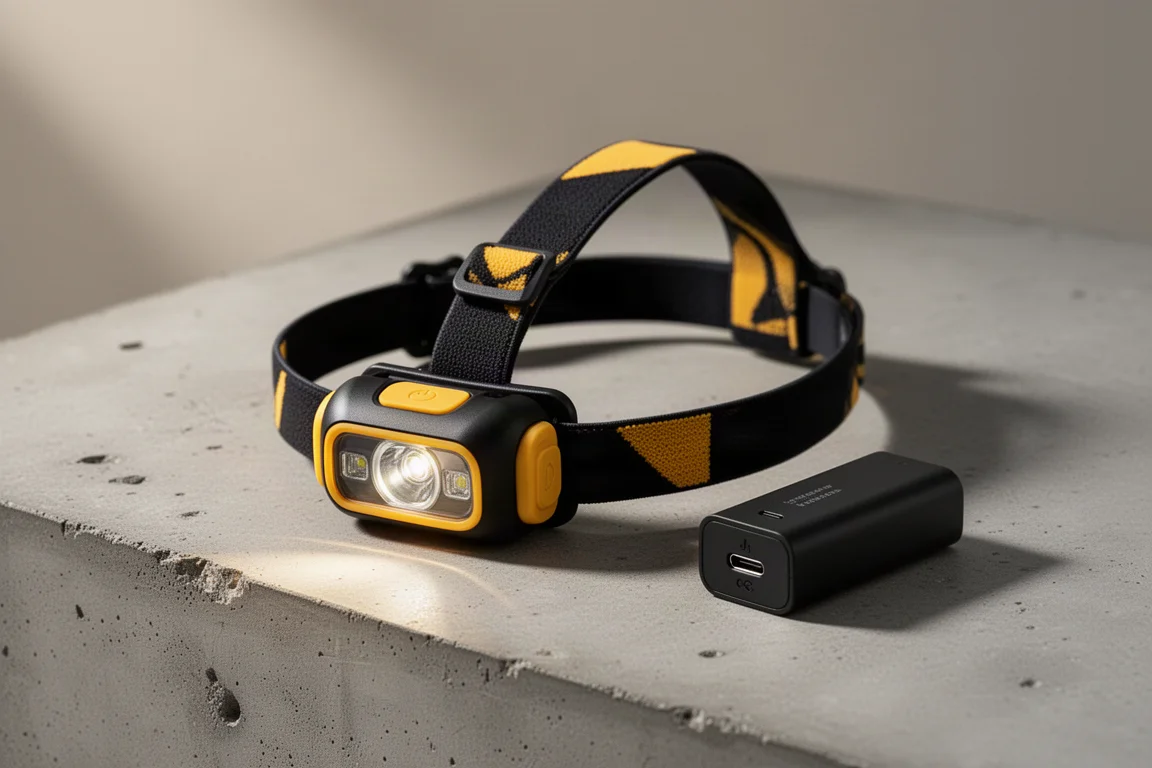
Long nights mean a headlamp gets used a lot. The Swift RL weighs about 100 grams and reaches up to 1,000 lumens with adaptive brightness, which raises output for distant objects and drops it for close work, stretching battery life without leaving you underlit.
The battery is replaceable and has a USB-C port built in, so a spare can be charged and swapped in without extra cable arrangements for the light.
The main frustration is the single control button, which handles both brightness and switching between white and red light. Separate buttons for each would be easier to use with gloves on.
Satellite Communicator: Garmin inReach Messenger Plus
A satellite communicator is not optional equipment in winter. Rescue is hard, sometimes impossible, and being able to message teammates or call for help is the difference between an inconvenience and an emergency.
The Messenger Plus is preferred here over the newer, smaller option because of its better battery capacity, which matters when the cold is already draining everything else. Reliability and feature set are the reasons to stay with this family of devices, and the SOS function is a last line of defence rather than a plan.
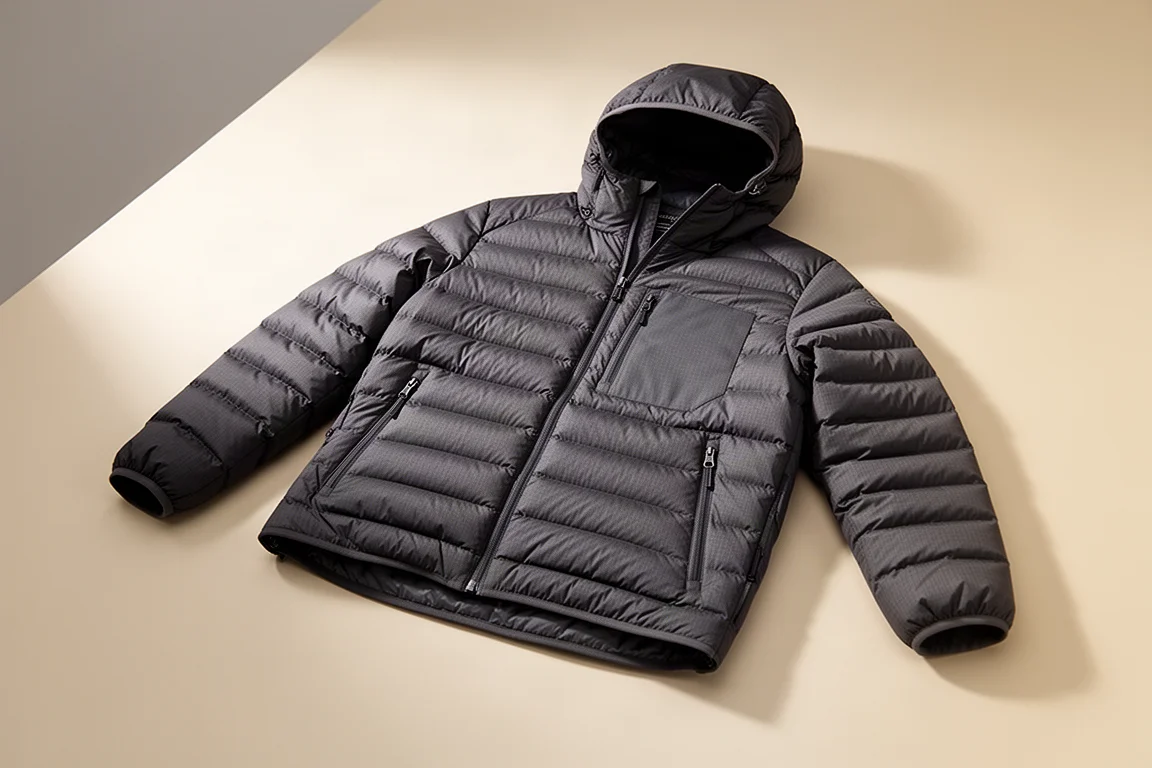
Insulation: Rab Mythic Ultra Down Jacket
For camp insulation, the Mythic Ultra offers the best warmth-to-weight ratio available, staying very light while still being very warm. Two hand pockets and a chest pocket give you somewhere to keep a phone or a pair of gloves warm.
The catch is the price, which is very high. A heavier and far less expensive down parka, such as the Decathlon Down Parka, can be just as warm or warmer, and the only real penalty is the extra weight in the pack.
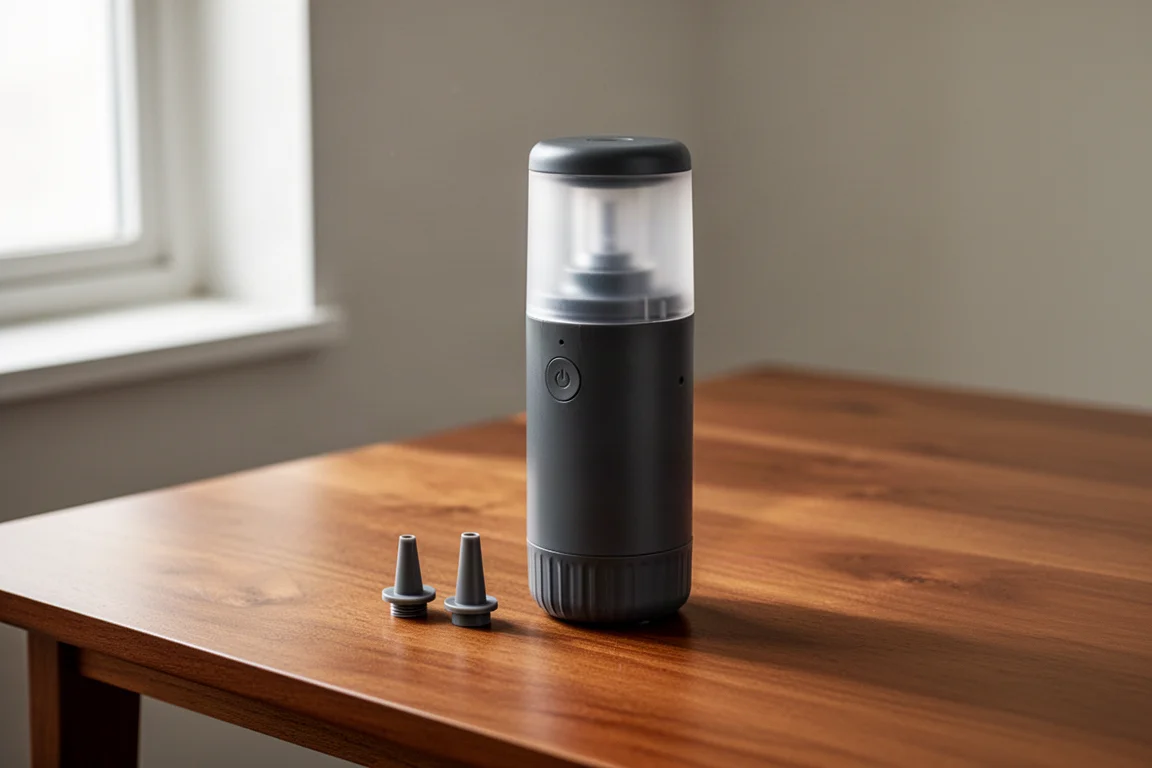
Pump: Flextail Max Pump 3
Inflating a pad by mouth pushes warm, moist air inside it. As that air cools, pressure drops and the pad needs topping up again and again. A pump avoids the problem entirely and is simply easier at the end of a cold day.
The Max Pump 3 also has a lantern mode, which is genuinely useful when the nights run long and you want light in the tent without draining a headlamp battery.
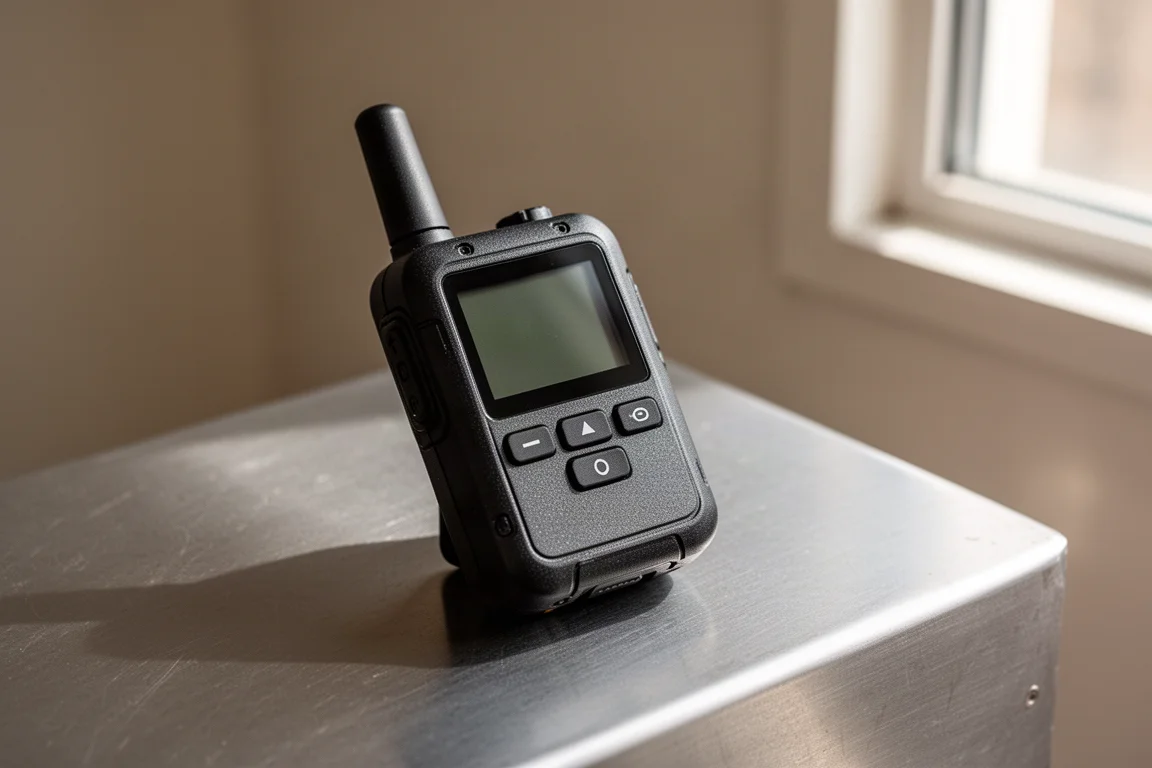
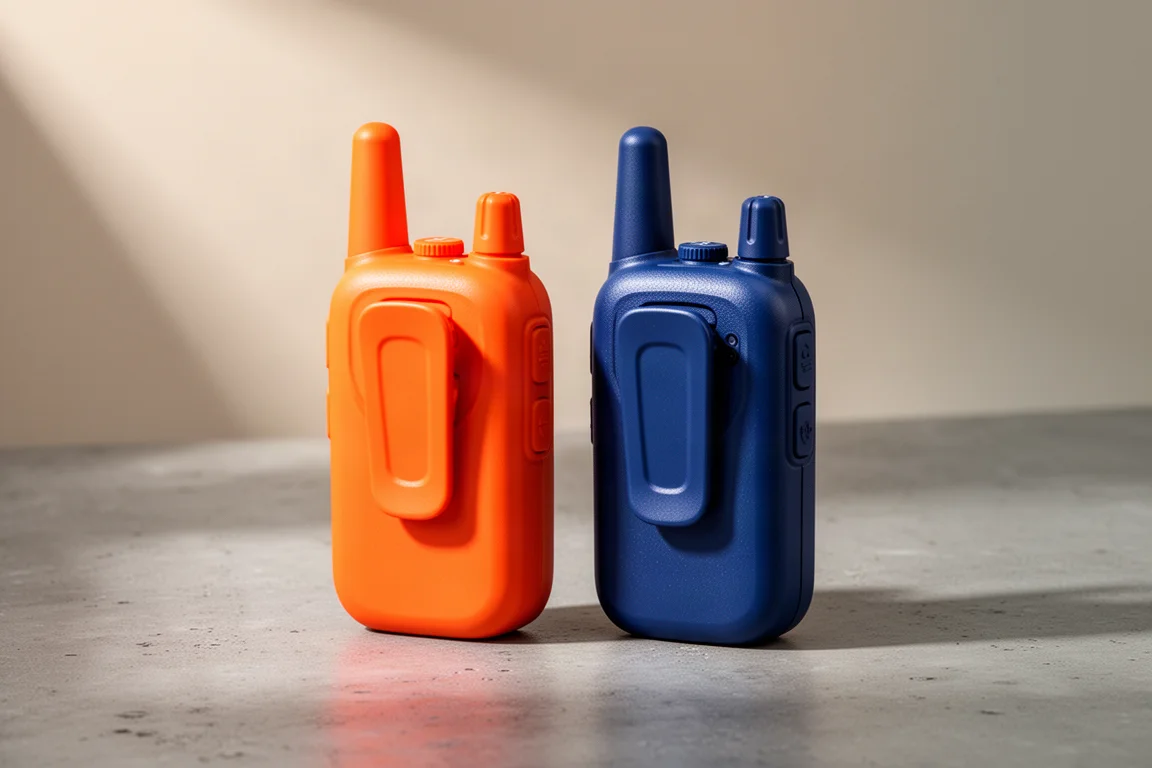
Two-Way Radios: Rocky Talkie
On group trips, radios have become close to essential for staying in contact with the people you are travelling with. For solo trips they are unnecessary.
Rocky Talkies are chosen for being durable, reliable, and immediately understandable. Cheaper radios with more functions exist, but being able to hand a radio to a friend and have them use it straight away is worth the extra cost.
What to Prioritize When Buying Winter Camping Gear
Start with the sleep system, because it decides whether the trip is enjoyable. A pad that works on snow, a bag or quilt rated for the temperatures you actually expect, and a closed-cell pad for redundancy are the foundation of a comfortable camp.
After that, spend on anything that keeps water and power flowing: a stove that can run on an inverted canister below -12°C, a power bank with cold-weather protection, and a reliable headlamp. Clothing matters too. Base layers that move moisture away from the skin, such as polypropylene mesh, keep you dry, and breathable soft shells manage temperature around camp better than waterproof shells.
Finally, be honest about cost. A heavy but inexpensive down parka or a simpler remote-canister stove will get most people through a comfortable winter trip. The premium items here earn their price through weight savings and efficiency, not because they are the only things that work.
Conclusion
Comfort in winter comes down to a handful of decisions: a sleep system that is warm enough, a stove that still works when the temperature drops below -12°C, and electronics that keep running in the cold. Everything else is refinement. Put the budget into those three areas first, and the rest of the kit can be built up over time.
Further reading
Related Reviews
Winter Camping Gear
Affordable Winter Camping Gear: Six Budget Pieces Tested Below Freezing
Three reflective sleeping pads, an updated down jacket, a titanium pot and a $25 winter stove, assessed on frozen ground at around minus 12 degrees Celsius.
Winter Camping Gear
Best Winter Camping Gear 2026: Seven Pieces Worth Packing
A practical look at seven winter camping items, from an insulated parka rated to minus 20 degrees Celsius to a titanium stove built for cold canisters.
Winter Camping Gear
Ultimate Winter Camping Gear List: Proven Essentials for Cold-Weather Adventures
A curated list of winter camping gear that has proven itself in freezing temperatures, from shelter and sleep systems to cooking and safety essentials.