Road Bikes
Colnago Y1 RS vs V5 RS: Two Superbikes, Two Very Different Rides
An aero-first race machine against the lightest frame Colnago has ever built. Here is how the Y1 RS and V5 RS differ, and which one suits the way you ride.
Introduction
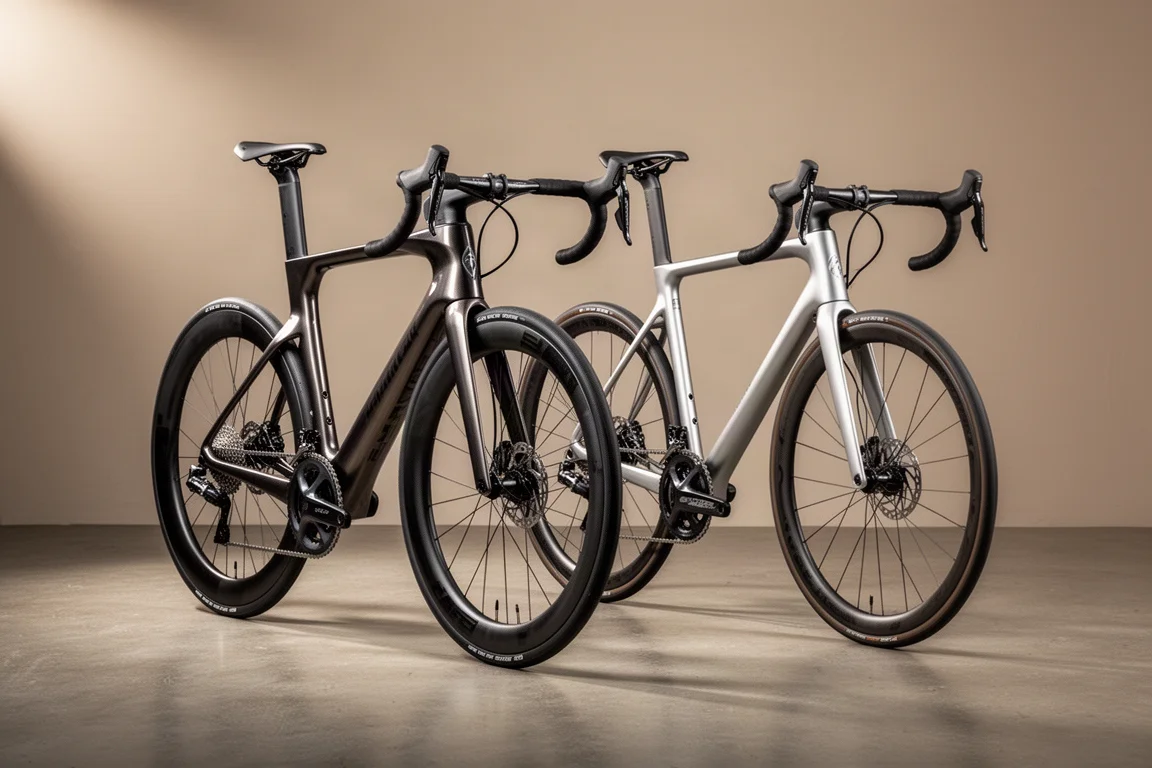
Colnago builds two of the most sought-after superbikes in professional racing: the Y1 RS and the V5 RS. Both serve as team bikes for the UAE squad, both sit at the cutting edge of the Italian brand’s engineering, and both are genuinely fast. They simply arrive at speed from different directions.
That matters because the choice between them is not really about which bike is better. It is about which set of priorities matches the riding you actually do. One is built around aerodynamic efficiency and stiffness. The other is built around the lowest possible weight while keeping most of the aerodynamic gains. Here is what separates them, what the numbers say, and how that plays out for riders who are not racing for a living.
How These Two Colnago Superbikes Differ
Colnago’s reputation rests on three things: cutting-edge technology, striking design, and race wins. Both of these bikes carry that pedigree, and both were refined using the same computational fluid dynamics software developed for Colnago with research partners at Khalifa University and Politecnico di Milano. The design briefs, however, were quite different.
The Y1 RS is an aero-first machine. Colnago designed it to be as aerodynamically efficient as possible and as stiff as a race bike reasonably can be. Its shape is uncompromising, all angles and aggression, closer in spirit to an Italian hypercar than to a traditional road frame.
The V5 RS is a lightweight bike that has been made considerably more aerodynamic than its predecessor. When weight and stiffness are your most important metrics, the design freedom is more constrained, and at first glance the V5 RS looks the more conservative of the two. Look a little closer and it is just as advanced.
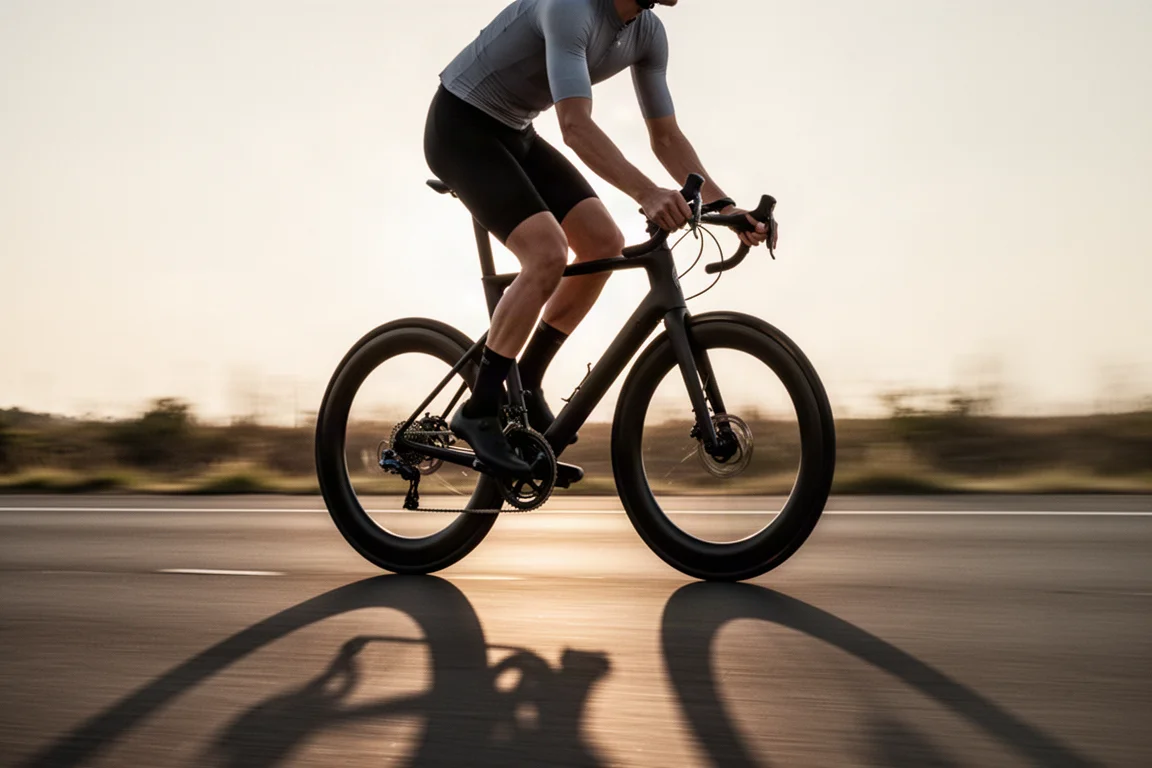
In the wind tunnel at 50 km/h and zero degrees of yaw, the previous V4 RS needed 415 watts. The V5 RS needs 406 watts, while the Y1 RS needs 395 watts. At that speed the gap can be the difference between riding below threshold and being pushed into the red, though 50 km/h is a pace most riders will not hold for long.
Colnago Y1 RS: The Aero-First Race Bike
The Y1 RS is the faster of the two in the conditions it was built for. In a road comparison at a sustained 400 watts it was consistently around 0.2 km/h quicker than the V5 RS, although that run also used slightly narrower handlebars and the deeper 6.7 wheelset. In a top-speed comparison the Y1 RS sat at roughly 58 to 59 km/h, while the V5 RS hovered closer to 57 to 58 km/h.
Stiffness has been increased beyond the V4 RS, which makes sense on faster, flatter roads where bigger riders push more power, and it is a clear advantage in sprints. The trade-off is that extra rigidity is less of a benefit for lighter riders and on rougher surfaces, where additional compliance becomes the more useful quality.
Colnago V5 RS: The Lightweight All-Rounder
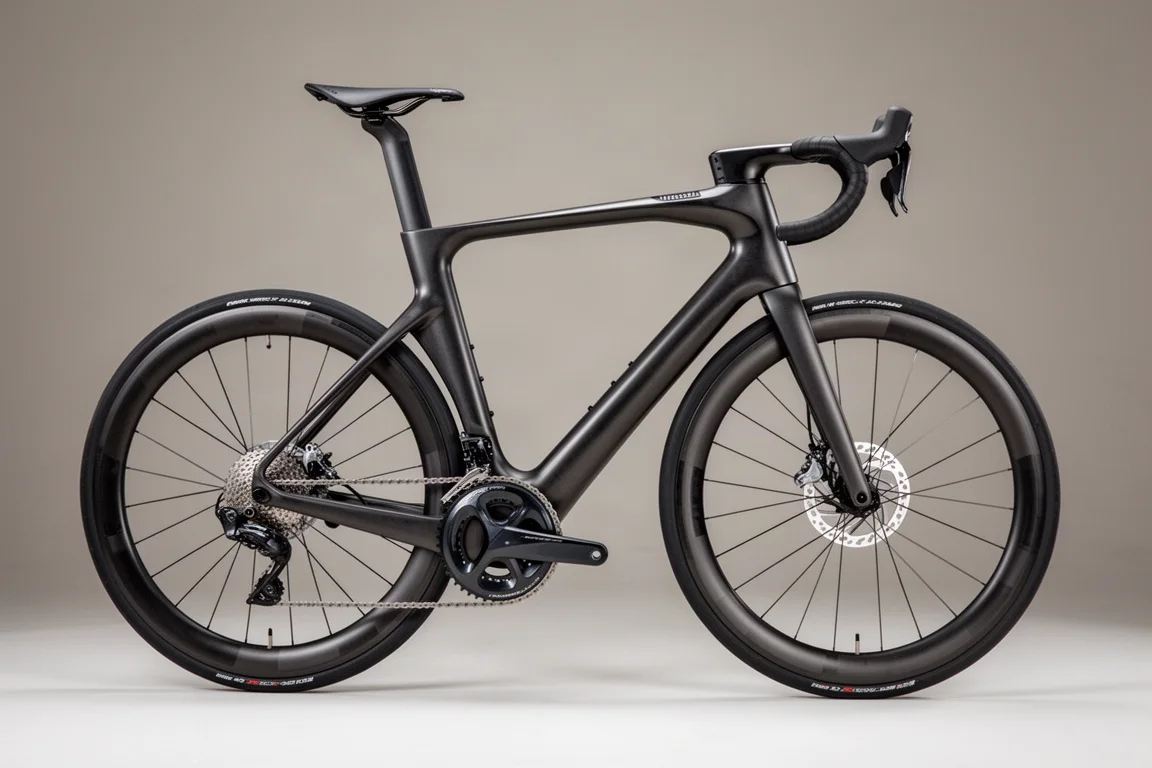
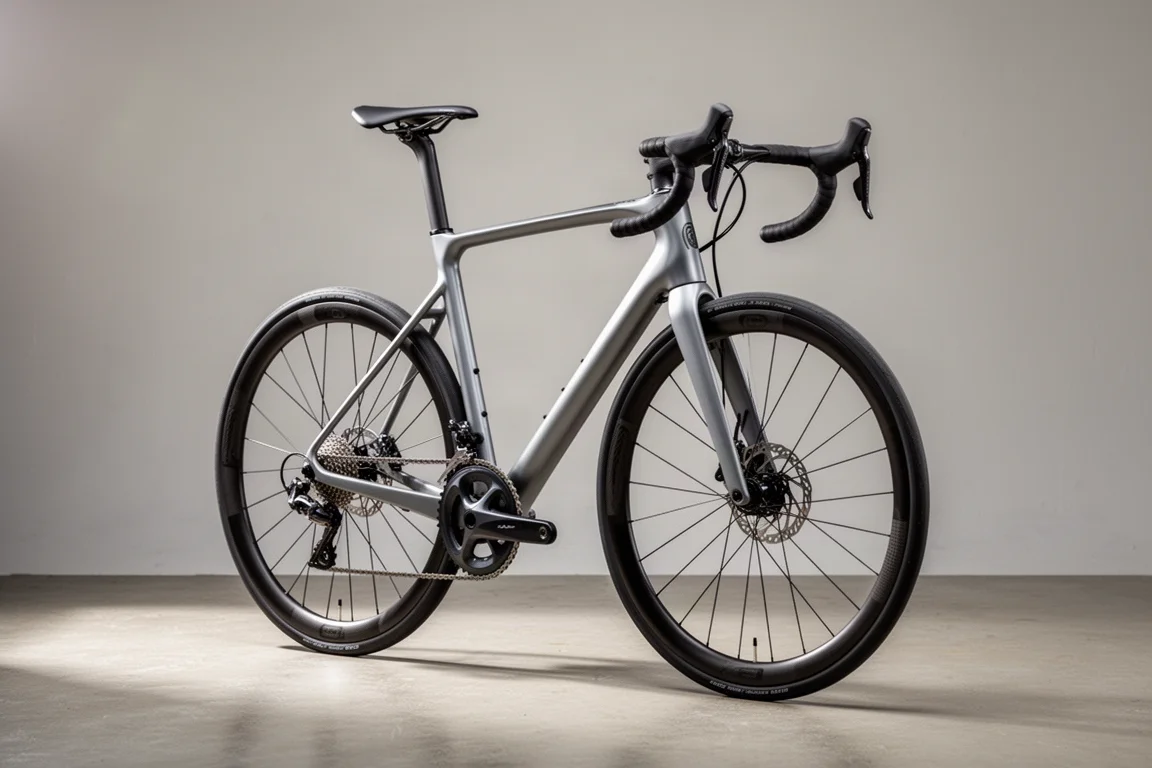
The V5 RS uses the lightest frame Colnago has ever produced: 685 g for the frame and 1,027 g for the frameset, which is 146 g lighter than the V4 RS. At the same time, Colnago reduced frontal area by 13 percent compared with the V4 RS, bringing the new bike closer to the Y1 RS than to its own predecessor. Colnago states that stiffness has been maintained at V4 RS levels through raised seat stays and a refined bottom bracket and seat tube junction.
The scales make the difference plain. Built up with pedals and a head unit, the V5 RS weighed 7.26 kg, and it would be straightforward to build one below 6.8 kg. The Y1 RS, in its deeper-wheel configuration, came in at 7.96 kg. The frame and fork difference alone is 395 g.
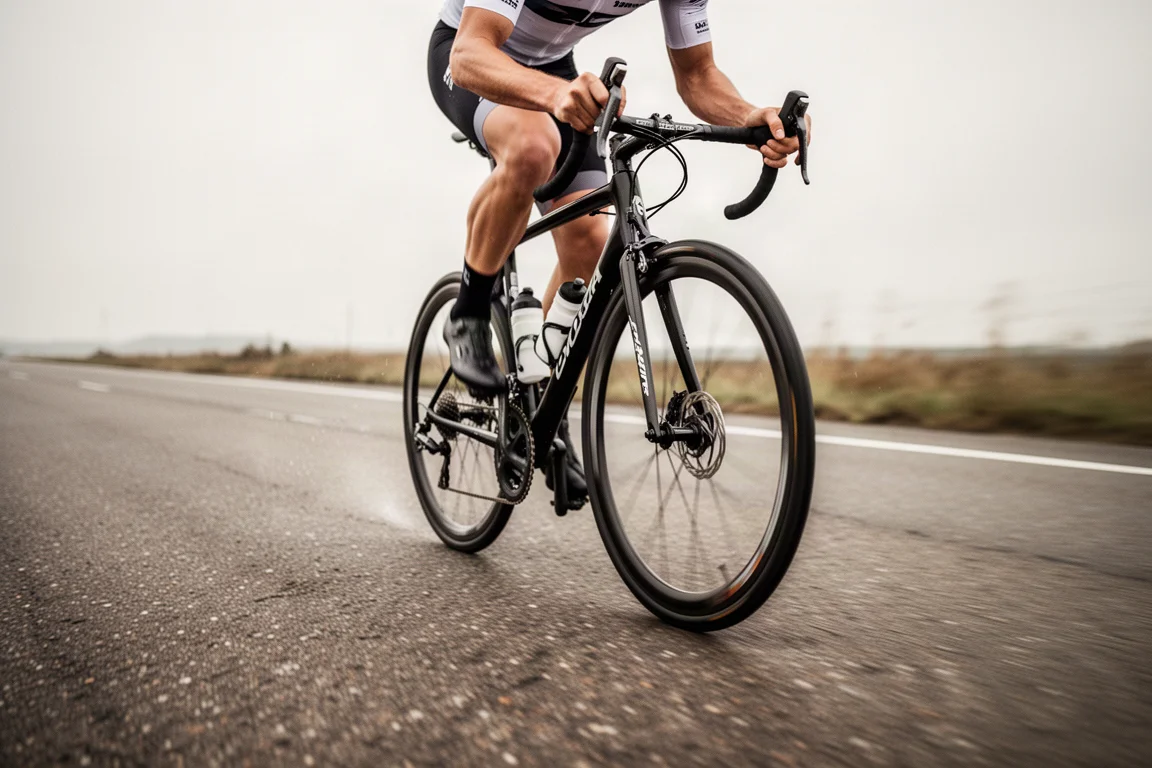
That weight is not only about climbing. A lighter bike is something you notice lifting it out of the garage, carrying it out of an apartment, and accelerating away from a standstill.
Wheels and Setup: What the Team Actually Runs
Wheels shape these bikes as much as the frames do. The V5 RS as tested runs Enve 4.5 wheels, 50 mm deep at the front and 56 mm at the rear with a 25 mm internal width and a weight of 1,432 g. The Y1 RS runs the deeper Enve 6.7 set, 60 mm and 67 mm deep with a 23 mm internal width and a weight of 1,457 g.
Enve’s guidance for the team is revealing. Its wheel calculator suggests riders are almost always best served by the 4.5 set unless a route includes something like a 14 percent uphill time trial. The 4.5 offers around 97 percent of the aerodynamic benefit of the deeper 6.7 while handling better: the shallower rim is more responsive to steering input and more stable in crosswinds. For riders travelling at 30 to 35 km/h, the shallower 3.4 wheelset at 39 and 43 mm deep is lighter again and may be the fastest all-round option.
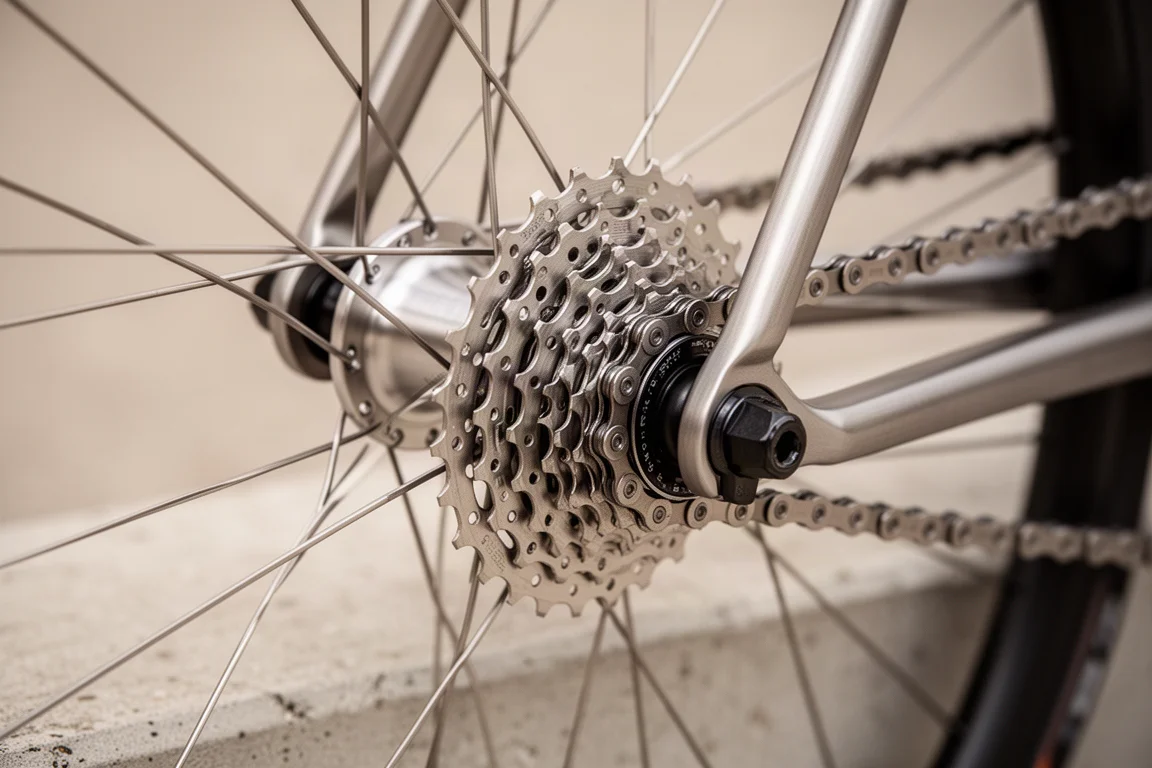
One detail worth knowing: Enve wheels ship with a 60-tooth ratchet in the freehub, and the team swaps it for a 40-tooth ratchet to reduce freehub drag while coasting.
What the Numbers Mean at Real Rider Speeds
Aerodynamic advantages shrink as speed drops, and that is where the comparison becomes genuinely useful. At 35 km/h the difference between the Y1 RS and the V5 RS is just 4 watts. That is not nothing, but it is unlikely to decide your day.
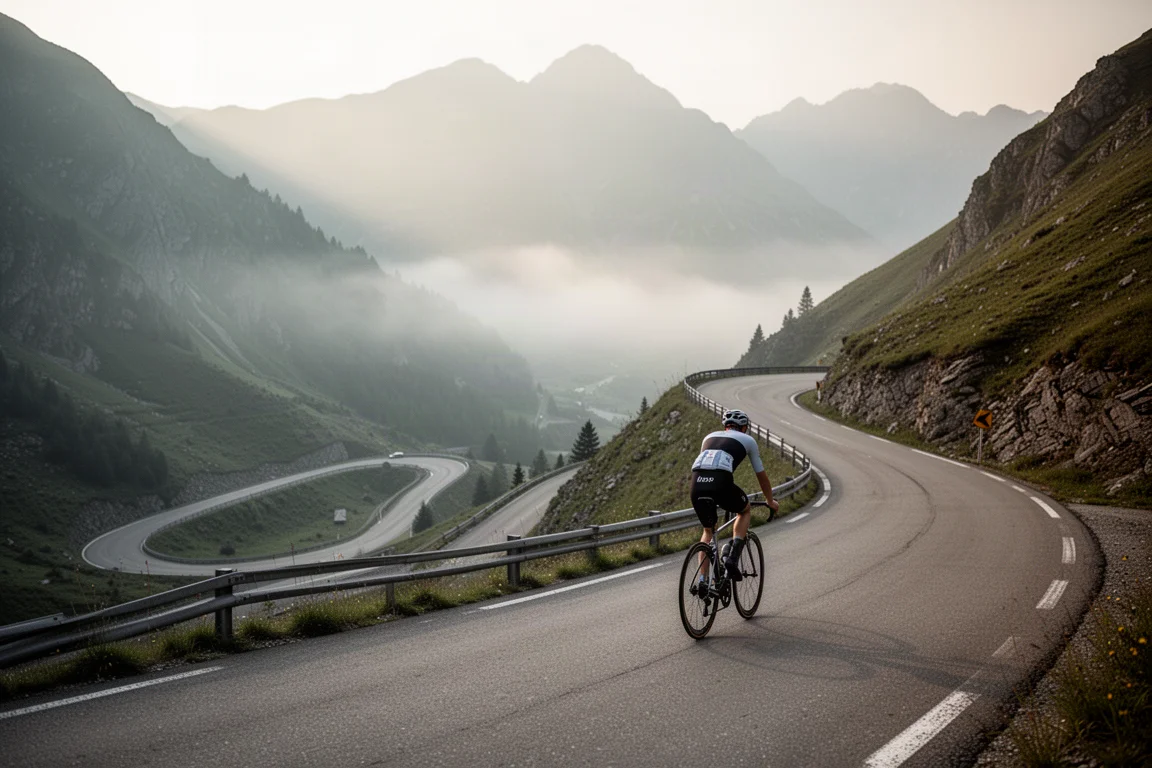
The broader logic still favours the aero bike, because it is faster more of the time. Weight, however, remains something riders can feel, and it is why bikes like the V5 RS exist and are so well liked. At professional power outputs on a climb such as Alpe d’Huez, the lighter bike works out around 20 seconds quicker, which could decide a stage, though the margin is less decisive for the rest of us.
Course selection matters even at the highest level. The team’s lead rider has chosen the lighter platform rather than the aero bike for the cobbled classics, a reminder that the fastest bike on paper is not always the fastest bike for the day.
How Each Bike Feels to Ride
Aero bikes feel like aero bikes, and that character is worth weighing alongside the numbers. The Y1 RS wants to be ridden fast. It rewards hard efforts and feels remarkable when you are pushing on, but ease off the gas and it becomes noticeably less rewarding.
The V5 RS does not ask for that commitment. It still feels good at lower speeds, and its geometry and handling make it a bike that invites hard riding on varied roads, from smooth climbs to rough surfaces.
Neither bike is designed to cruise gently. These are performance race bikes with firm, purposeful ride qualities, and the differences between them are stark when ridden back to back. The comparison is a little like a thoroughbred race car: thrilling on the right road, less comfortable everywhere else.
Buying Advice: Choosing Between the Y1 RS and V5 RS
The Y1 RS makes sense if aerodynamic efficiency is the priority. It suits riders who spend most of their time on fast, flat roads, who sprint, and who want the quickest option in the conditions where aero matters most. It also rewards stronger riders who benefit from the added stiffness.
The V5 RS makes sense if you want the lightest frame Colnago has built without giving up most of the aerodynamic gains. It is the more versatile choice for climbing, for mixed terrain, and for rougher roads, and it is the easier bike to live with at lower speeds. It also gives away very little in outright speed at the paces most riders actually sustain.
If you are choosing between the two and you are not racing for a living, the deciding factor is likely to be the terrain you ride most often and the feel you prefer, not the last few watts. Riders who want a bike that pushes them to go faster will enjoy the Y1 RS. Riders who want speed on demand but a more forgiving character everywhere else will likely be happier on the V5 RS.
Conclusion
The Y1 RS and V5 RS are both outstanding race bikes, and the gap between them is smaller than the difference in their personalities. The Y1 RS is the aerodynamic and stiffness flagship, quickest where speed is high and efforts are hard. The V5 RS is the lightest frame Colnago has made, and it keeps enough aerodynamic advantage to stay competitive while being the more comfortable and more versatile ride.
Choose the Y1 RS for aero-first speed. Choose the V5 RS for low weight, better handling, and a bike that feels rewarding at any pace.
Further reading
Related Reviews
Road Bikes
10 New Road Bikes Worth Watching: Aero, Titanium, Steel and Endurance Standouts
A practical roundup of 10 new road bikes, from aero flagships chasing single-watt gains to titanium, steel and endurance platforms built for real roads.
Road Bikes
2026 Tour de France Road Bikes: Six Race Machines Worth a Closer Look
Six race bikes from the 2026 Tour de France grid, reviewed for paint, silhouette, wheels and the specification details that matter to buyers.
Road Bikes
3T Strada Italia Review: A Radical Aero Road Bike That Rides Smooth
A made in Italy carbon aero road bike with a deep head tube, wide tire clearance and a genuinely comfortable ride. Here is what to know before buying.