Road Bikes
Colnago Y1 RS vs Colnago V5 RS: Which Superbike Fits Your Riding?
Two Colnago race bikes, one aero-first and one lightweight all-rounder. A clear look at measured speed, weight, stiffness, and ride feel before you choose.
Introduction
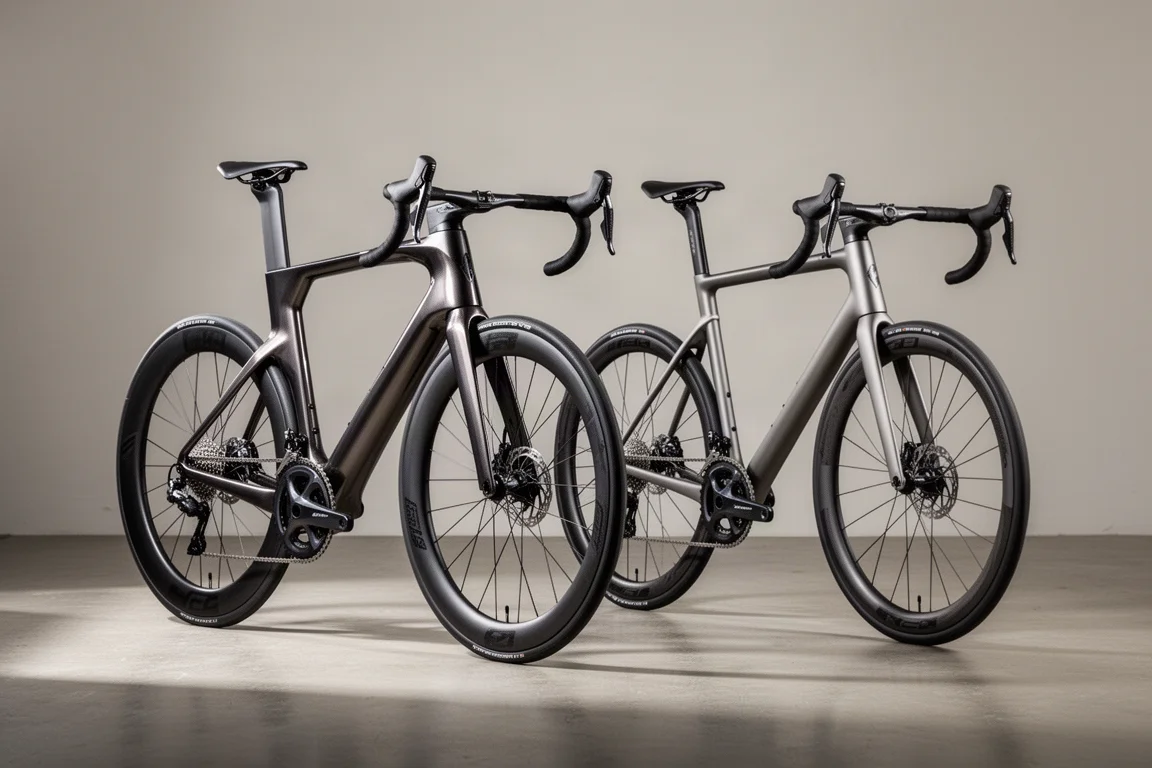
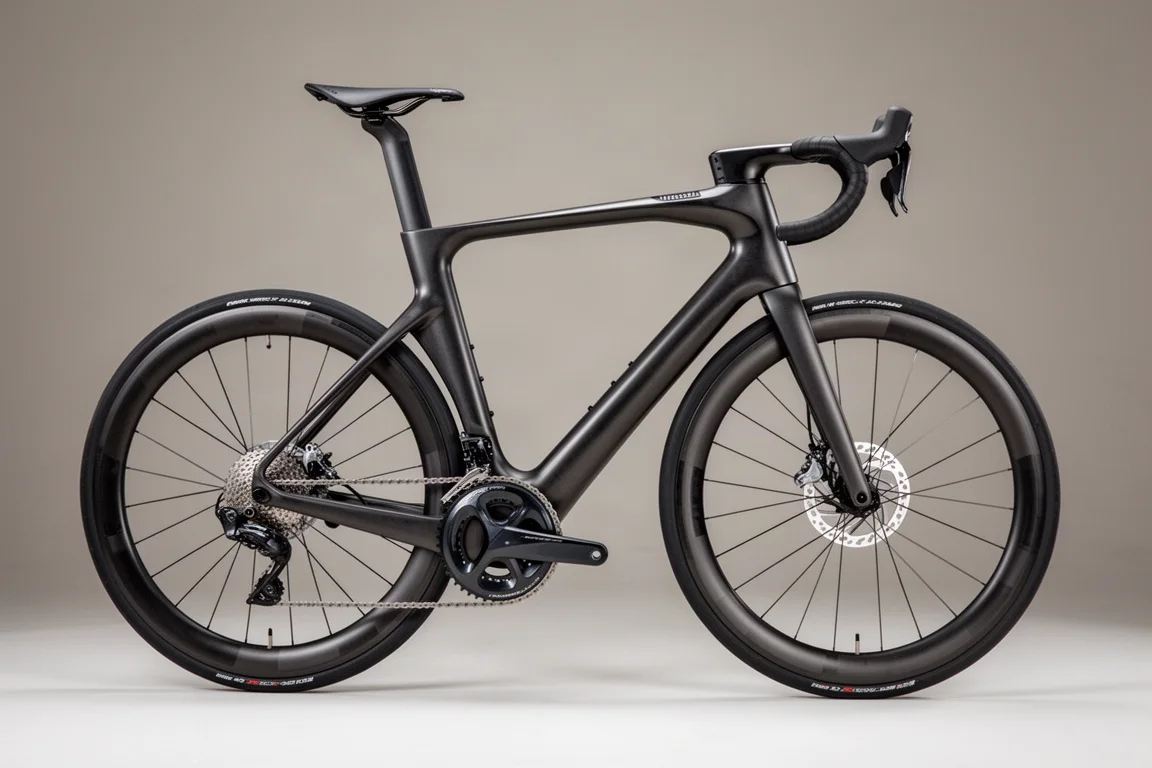
Colnago currently builds two race bikes at the top of its range, and they are aimed at different riders. The Y1 RS is the aerodynamic machine: shaped for maximum speed, built to be extremely stiff, and styled with the angular aggression of an Italian hypercar. The V5 RS is the lightweight all-rounder, built around the lightest frame the brand has produced and designed to be fast everywhere rather than fastest in one specific place.
Both are ridden at the highest level of the sport, both are shown here with team-spec carbon wheels, and both sit at the absolute cutting edge of what a road race bike can be. The interesting question is not which one is better. It is which one suits the way you ride.
What Sets These Two Colnago Race Bikes Apart
Colnago is a prestigious Italian brand with a long reputation for three things: cutting-edge technology, striking design, and winning races. That heritage is visible in both of these frames. They were also developed with the same computational fluid dynamics software, created for Colnago in collaboration with researchers at Khalifa University and Politecnico di Milano, which is why two very different-looking bikes share the same underlying aerodynamic thinking.
The Y1 RS is the more dramatic design. Every surface has a purpose, and that purpose is to reduce drag while keeping the frame as stiff as possible. The V5 RS looks more restrained at first glance, and that is a consequence of its priorities: when low weight and stiffness are the most important targets, the freedom to chase pure aerodynamic shapes is more limited. Look closer and it is just as advanced. It replaces the V4 RS, a bike that won almost everything there was to win, so the question is what Colnago changed to improve it.
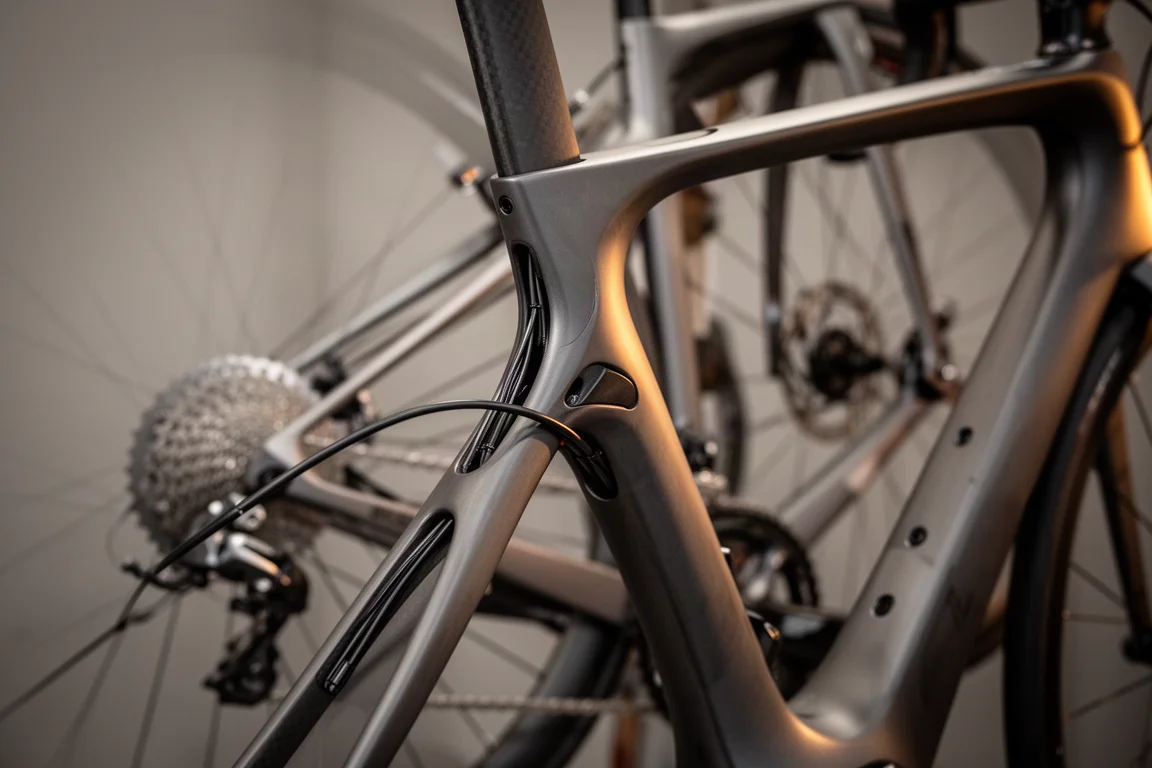
For riders comparing the two, the practical differences come down to three measurable areas: drag, weight, and stiffness, plus the harder-to-measure question of how each bike feels underneath you.
Colnago Y1 RS: The Aero Specialist
The Y1 RS is the faster of the two in aerodynamic terms, and the numbers are unusually clear. In wind tunnel testing at 50 km/h, it required 395 watts to hold speed, against 406 watts for the V5 RS and 415 watts for the previous V4 RS. At that speed the difference is not academic: it can be the gap between riding below your threshold and pushing into the red.
On the road, testing at a steady 400 watts showed the Y1 RS consistently around 0.2 km/h faster than the V5 RS, although that comparison also included narrower handlebars and the deeper 6.7 wheelset. In a top speed test, the Y1 RS reached 58 to 59 km/h where the V5 RS hovered around 57 to 58 km/h.
Stiffness is the other half of the Y1 RS story. It has been increased beyond the V4 RS, which makes it particularly effective on fast, flat roads, in sprints, and for bigger, more powerful riders. The trade-off is compliance: on rougher surfaces, and for lighter riders, that extra stiffness is less of an advantage than the more forgiving V5 RS.
Colnago V5 RS: The Lightweight All-Rounder
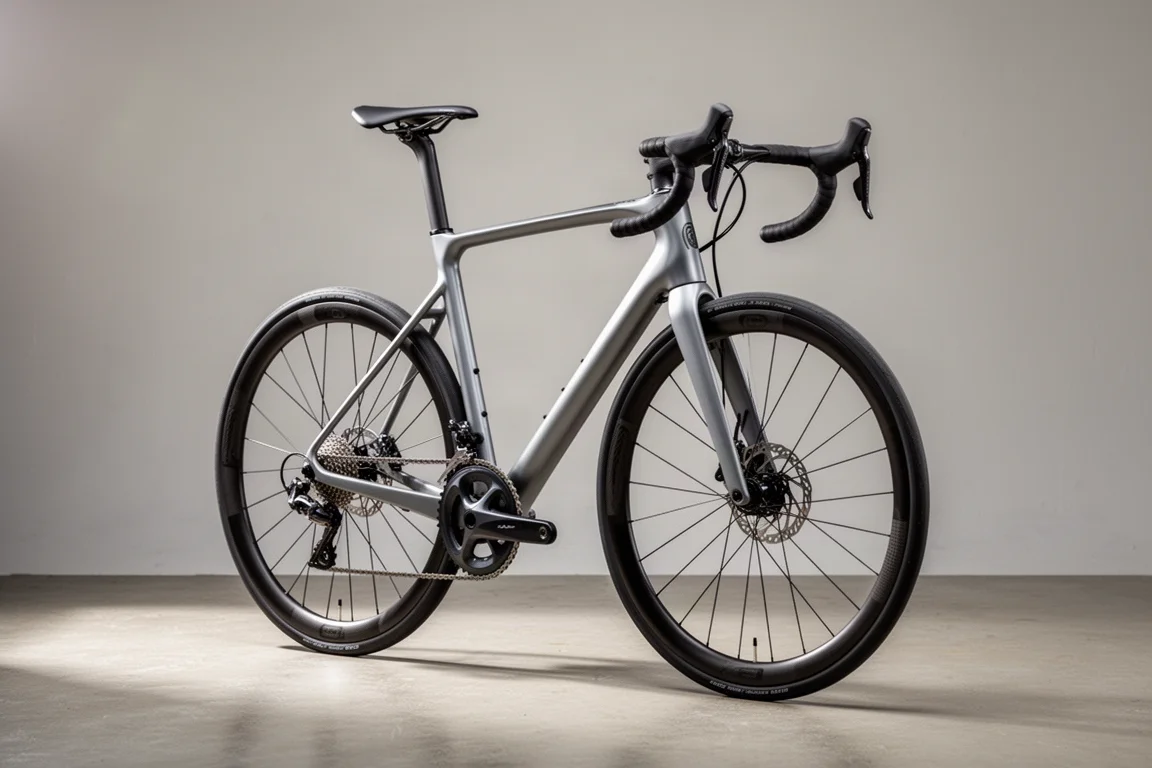
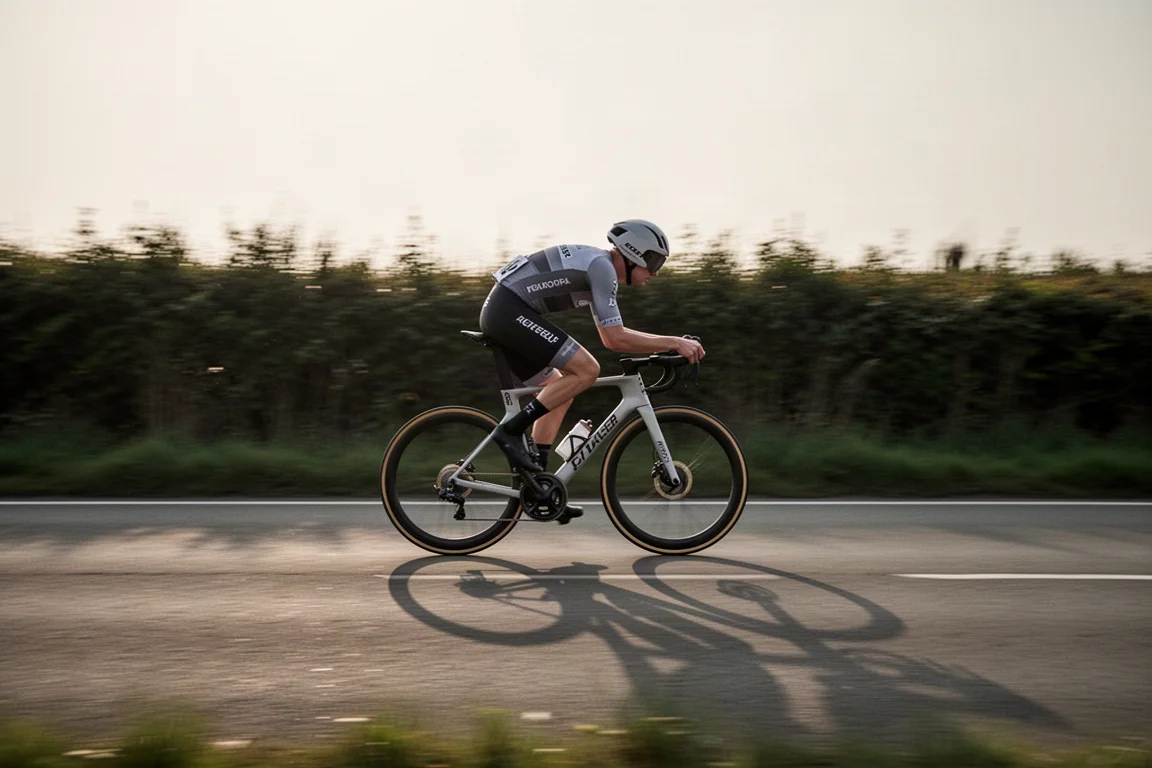
The V5 RS is built around the lightest frame Colnago has ever made: 685 g for the frame and 1,027 g for the frameset, which is 146 g lighter than the V4 RS. It is also more aerodynamic than its predecessor, with frontal area reduced by 13 percent, bringing it closer to the Y1 RS than the V4 RS ever was.
Colnago states that stiffness has been maintained at V4 RS levels, a bike that was already stiff enough for the demands of professional racing, and says this was achieved by raising the seat stays and refining the junction between the bottom bracket and the seat tube. That combination of lower weight, better aerodynamics, and unchanged stiffness is what makes the V5 RS such a complete package.
The weight advantage shows up in complete builds. With pedals and a head unit fitted, the V5 RS build weighed 7.26 kg, which leaves very little to remove before reaching the 6.8 kg race limit. The Y1 RS build, with its deeper wheels, weighed 7.96 kg. The difference between the two complete bikes was in the region of 600 to 700 g, and the frame and fork alone account for 395 g of that.
Aerodynamics and Real-World Speed
The wind tunnel numbers deserve a closer look, because they explain when each bike actually pays off. At 50 km/h, the Y1 RS needs 395 watts, the V5 RS 406 watts, and the old V4 RS 415 watts. For a professional rider, that could be the difference between a successful long breakaway and a doomed shorter effort.
At more realistic amateur speeds, the picture changes. At around 35 km/h, the difference between the Y1 RS and the V5 RS is just 4 watts. That is still a real difference, and it still matters over a long ride, but it is far less likely to decide your day. The same pattern shows up in wheel choice: the shallower, lighter option tends to be the fastest all-round setup for most riders, with the deeper option reserved for specific high-speed efforts.
In other words, the faster bike on paper is not automatically the faster bike for your riding. The Y1 RS wins when speed is high and sustained. The V5 RS closes most of the gap at lower speeds while giving up nothing in practicality.
Weight, Stiffness, and Ride Feel
Weight still matters in professional racing, and it still matters to everyone else, partly because it is something you can feel. You feel it lifting the bike out of the garage or carrying it out of an apartment, and you feel it when you accelerate.
On a climb such as Alpe d’Huez, the V5 RS would be roughly 20 seconds faster than the Y1 RS at professional pace. That is potentially enough to win or lose a stage. For a fast amateur, the gap is measured in seconds rather than minutes, which is worth knowing before you spend heavily to chase it.
Stiffness divides the two bikes in a different way. The Y1 RS is the stiffer frame, which rewards high power output on fast roads and in sprints. The V5 RS, while maintaining V4 RS stiffness levels, offers more compliance, which becomes an advantage for lighter riders and on rougher roads. The team’s leading rider chose the V4 RS, the V5 RS’s predecessor, for the cobbled classics rather than the aero bike, which says a lot about how much surface and rider weight change the calculation.
Ride feel is harder to quantify but just as important. The Y1 RS encourages you to ride fast: it feels exceptional when you are pushing power through the pedals, and noticeably less rewarding when you ease off. The V5 RS feels good even at lower speeds, and its geometry and handling make it a bike that invites hard riding almost anywhere.
Wheels and Setup Considerations
Both bikes are shown here with team-spec carbon wheelsets, and the differences between them follow the same logic as the frames.
The V5 RS runs the 4.5 wheelset: 50 mm deep at the front, 56 mm at the rear, with a 25 mm internal width. The Y1 RS runs the deeper 6.7 set: 60 mm and 67 mm deep, with a 23 mm internal width. The weights are close, at 1,432 g and 1,457 g respectively. The shallower set offers around 97 percent of the aerodynamic benefit of the deeper one, with more reactive steering and better stability in crosswinds.
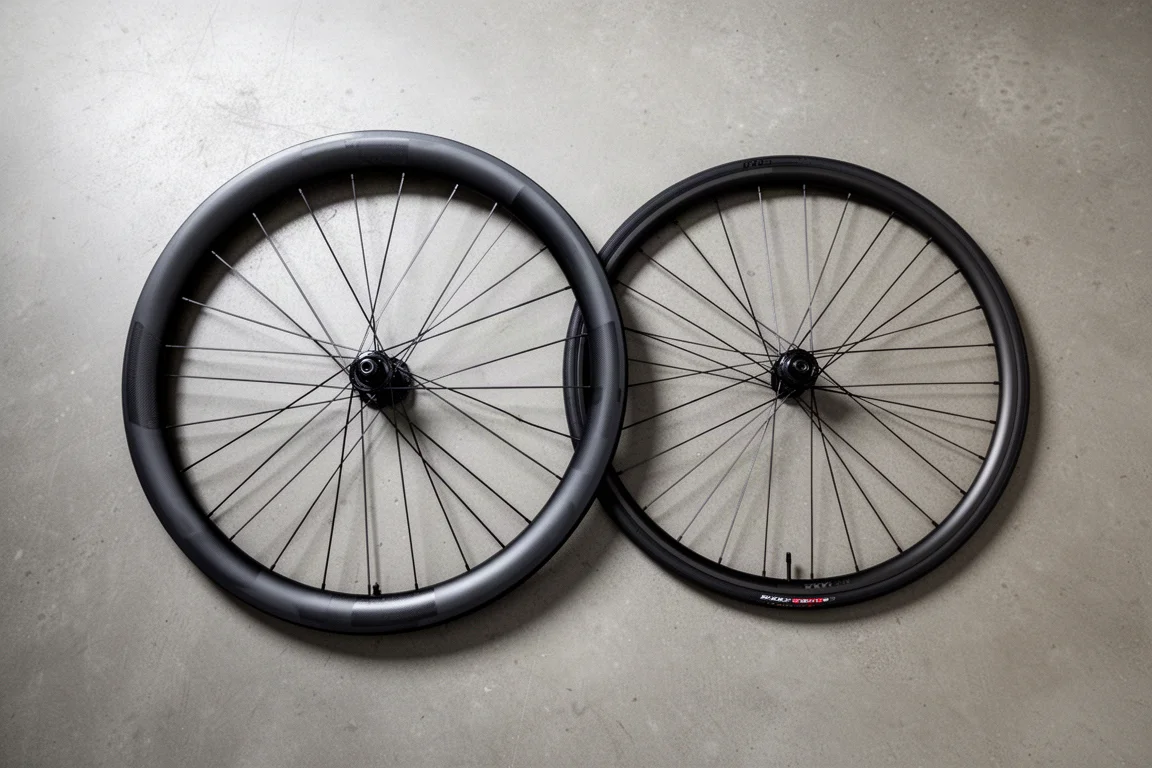
There is a useful detail in the freehub as well. These wheels ship with a 60-tooth ratchet, but the professional team swaps in a 40-tooth ratchet to reduce drag while coasting. For riders who spend most of their time at 30 to 35 km/h, a lighter and shallower 3.4 wheelset, at 39 mm and 43 mm deep, may be the fastest all-round option of all.
Design, Character, and Everyday Ownership
Aesthetics are personal, and both bikes attract strong opinions. The Y1 RS is the more extroverted design, the kind of bike that stands out in a city or on a group ride. The V5 RS is quieter and more classic in its proportions, and for many riders that restraint is part of the appeal.
It is worth remembering what these bikes are. They are performance race bikes, not machines designed for a relaxed cruise to the shops. That race-focused character is exactly what makes them exciting, and it also comes with firmer ride quality and a position built around speed. If you want the fastest possible bike for competitive riding, that is the point. If you want a bike that feels equally rewarding on an easy day, the V5 RS is the more accommodating of the two.
Buying Advice: Which Colnago Suits You?
For most riders, the V5 RS is the easier recommendation. It delivers most of the aerodynamic performance of the Y1 RS at the speeds amateur riders actually sustain, it is lighter, it offers more compliance, and it is the more versatile race bike across climbs, rough roads, and long days. It is the bike to choose if you want one fast machine that does everything well.

The Y1 RS makes more sense for a specific kind of rider: someone who rides or races at high speed on flat and rolling roads, sprints, or simply wants the maximum aerodynamic advantage and the stiffest frame available, and is happy to accept the extra weight and firmer ride in exchange. If that describes your riding, the Y1 RS is the sharper tool.
Whichever you choose, the decision is really about matching the bike to your terrain, your speed, and your priorities rather than about which frame is objectively better. Both are exceptional race bikes, and both come from a brand with a long record of winning at the highest level.
Conclusion
The Y1 RS and the V5 RS represent two different answers to the same question. The Y1 RS is the aero specialist: lower drag, higher stiffness, and a ride that rewards hard, fast efforts. The V5 RS is the lightweight all-rounder: the lightest frame Colnago has made, improved aerodynamics over the V4 RS, and handling that stays rewarding at any speed. If you race at the sharp end and want every aerodynamic watt, the Y1 RS is the one. If you want a fast race bike that works everywhere and is easier to live with, the V5 RS is the more sensible and, for most riders, the more satisfying choice.
Further reading
Related Reviews

Road Bikes
10 New Road Bikes Worth Watching: Aero, Titanium, Steel and Endurance Standouts
A practical roundup of 10 new road bikes, from aero flagships chasing single-watt gains to titanium, steel and endurance platforms built for real roads.
Road Bikes
2026 Tour de France Road Bikes: Six Race Machines Worth a Closer Look
Six race bikes from the 2026 Tour de France grid, reviewed for paint, silhouette, wheels and the specification details that matter to buyers.
Road Bikes
3T Strada Italia Review: A Radical Aero Road Bike That Rides Smooth
A made in Italy carbon aero road bike with a deep head tube, wide tire clearance and a genuinely comfortable ride. Here is what to know before buying.