Road Bikes
Colnago Y1 RS vs Colnago V4 RS: Aero Speed or Lighter Weight?
A practical look at Colnago's new aero flagship and the lighter V4 RS, covering claimed drag savings, frameset weight, geometry changes, and what to check before buying.
Introduction
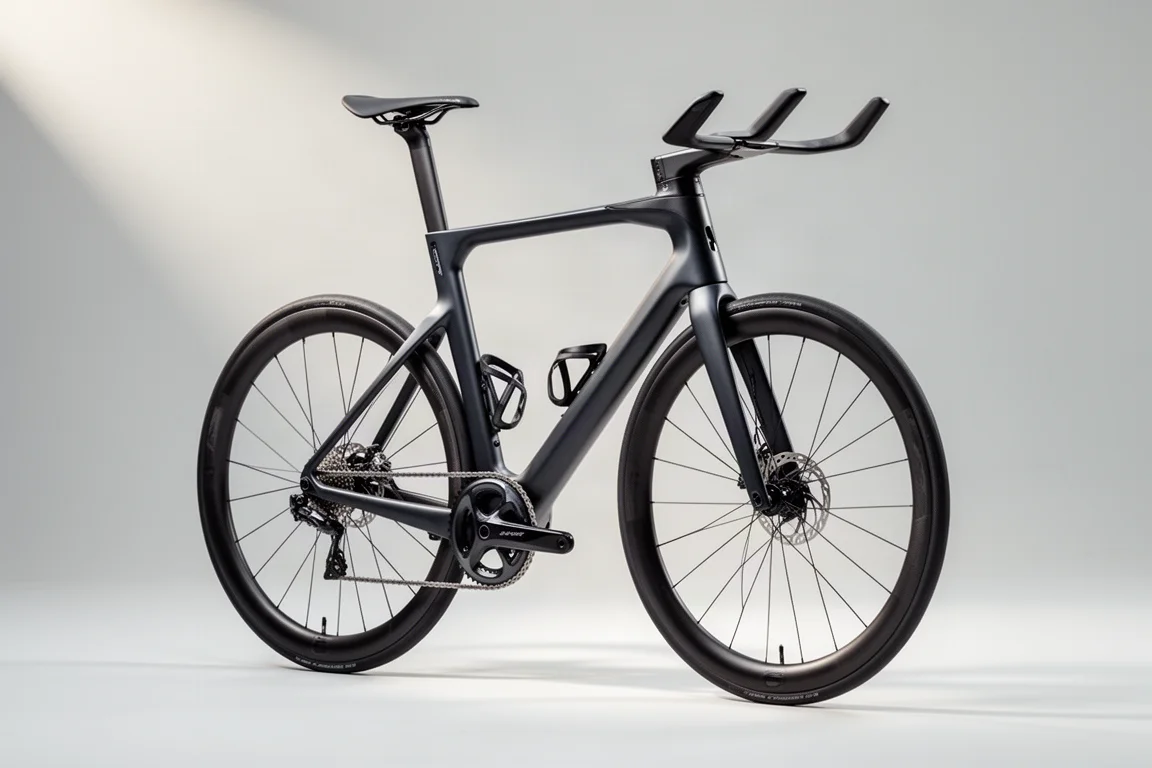
Road race bikes have settled into a fairly predictable formula over recent seasons: low weight plus aero shaping. Colnago’s new Y1 RS breaks with that pattern. It is a fully aero-optimised race machine, and Colnago claims it is faster than the competition, just as stiff as the existing V4 RS, and able to reach 7.45 kg in a team build with pedals and bottle cages fitted.
The V4 RS stays in the range as the lighter frameset, which raises a straightforward question for anyone shopping in this category. Do you want the new aero platform, or the lower-weight option that the team has raced until now?
What Colnago Claims for the Y1 RS
Colnago has published a white paper built on its own wind tunnel data. The headline claim is that at all yaw angles tested, both with and without a mannequin on board, the Y1 RS is faster than both the V4 RS and what Colnago describes as the best competitor.
The testing combined runs of the bare bike and runs with a mannequin in what the brand calls a WorldTour racing position, and the published figures are the average of three tests per setup.
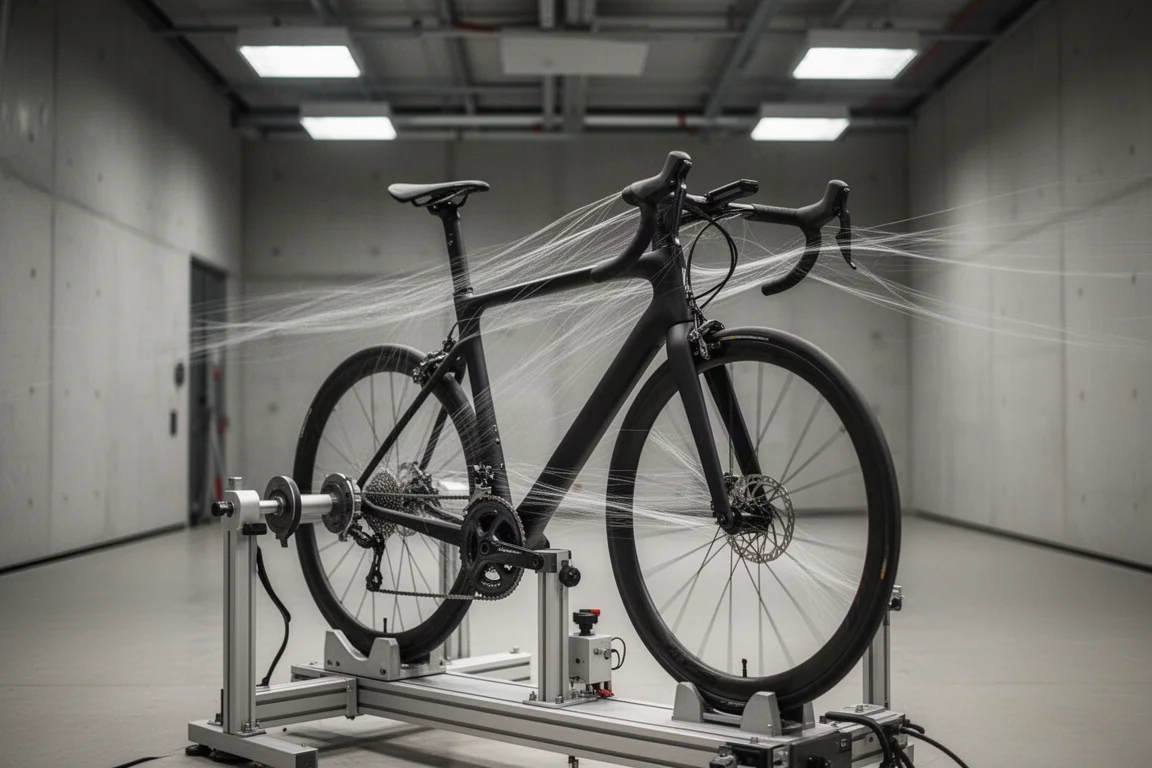
The way the gap changes is the interesting part. Against the V4 RS, Colnago claims a 20 watt advantage at 50 km/h. Against the unnamed benchmark bike, the same claim narrows to roughly one watt. Because the rival is not identified, that specific comparison is hard for anyone outside the brand to verify, and the wider gap to the V4 RS is the more meaningful figure to focus on.
Colnago Y1 RS: Aero Speed First
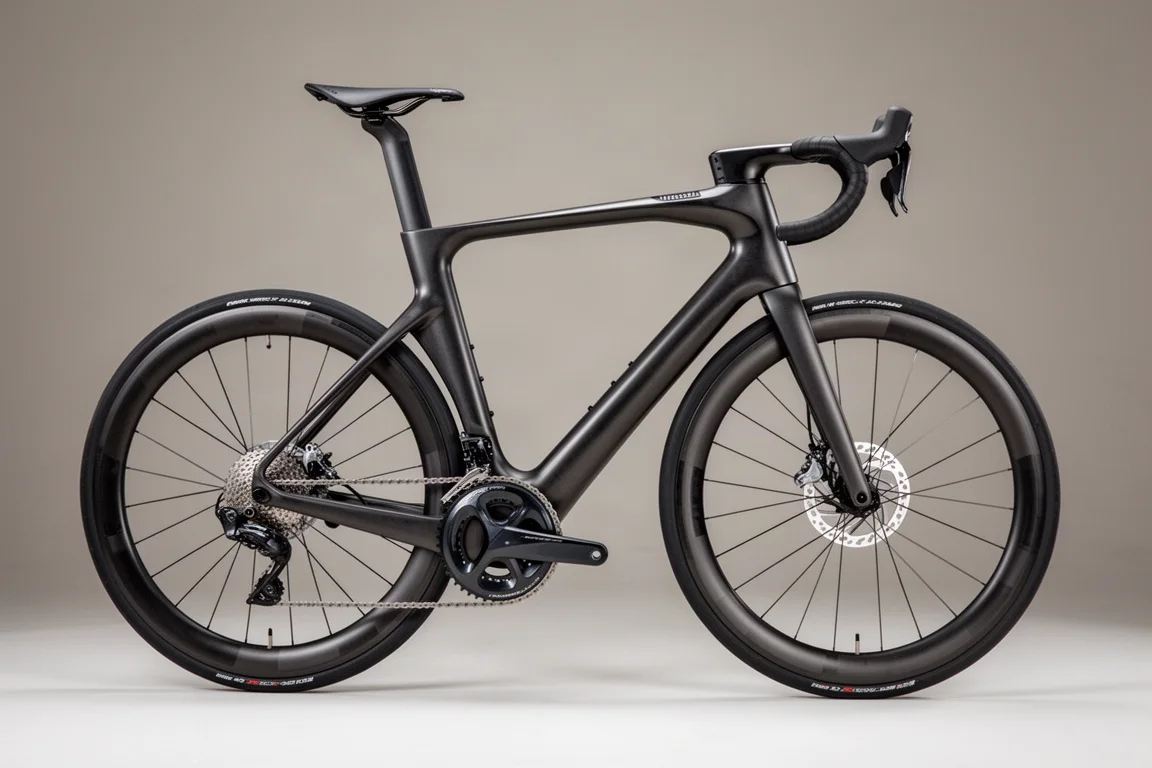
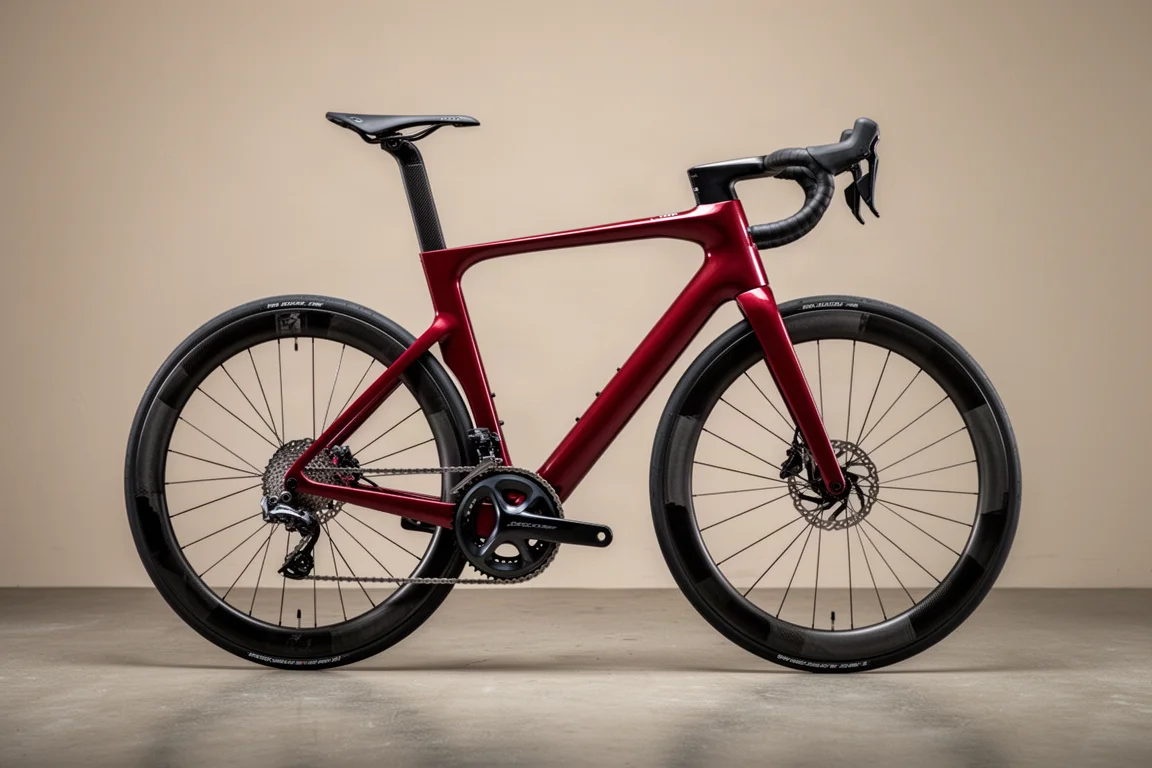
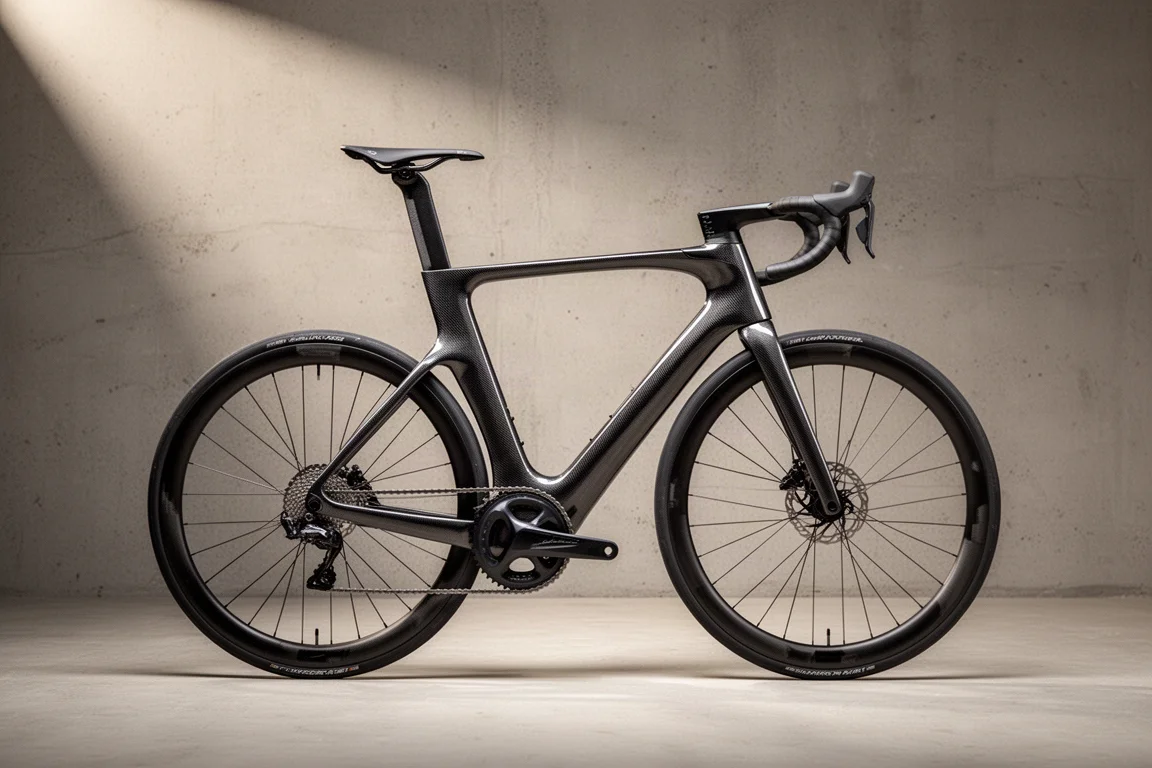
The Y1 RS is built around a hinged head tube design, a layout chosen to manage airflow and frontal area at the front of the bike. Colnago also developed a dedicated integrated cockpit for it, the CC.Y1, which uses a split stem and a distinctly angular, wing-like profile. The brand does not attach a specific drag reduction figure to the bar itself.
Down the frame, the down tube sits very close to the front tyre, and official tyre clearance is 32 mm. The seat tube and seat post arrangement is designed to place the saddle in a UCI-legal position for road racing while keeping the rear of the bike as efficient as possible.
Frame Details and Integrated Cockpit
Integrated bottle cages are part of the package. Colnago has shaped them to channel air more efficiently past a standard round bottle rather than letting the bottle sit as an aerodynamic obstacle. It is a smaller detail than the head tube redesign, but on a bike chasing single-digit watt savings, details of this kind add up.
The frameset is not the lightest option in the range. Colnago’s published bare frameset weight for the Y1 RS is about 242 g heavier than the V4 RS, which is a deliberate trade for the aerodynamic gains.
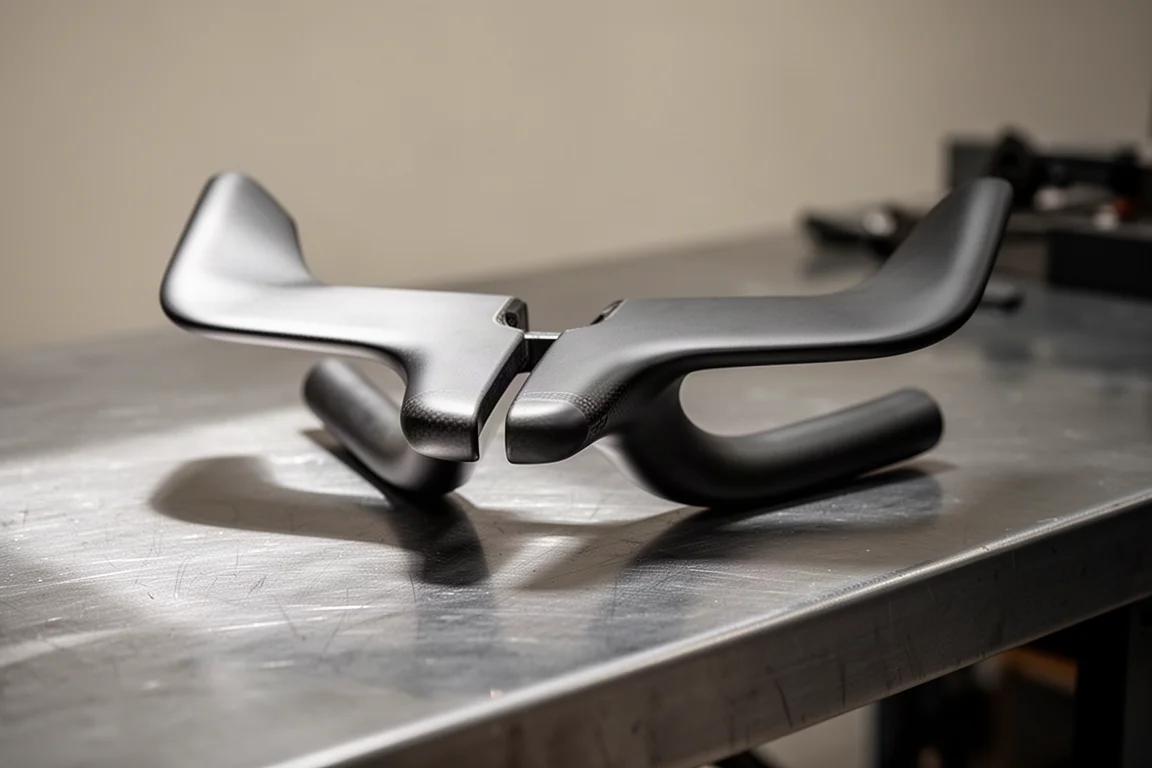
A split-stem cockpit and a hinged head tube are a different proposition from a conventional two-piece front end, so riders who adjust their own position or do their own maintenance should expect a less familiar routine than on a traditional setup.
Colnago V4 RS: The Lighter Alternative
The V4 RS is the reference point Colnago used for its own comparison, and the figures published alongside the Y1 RS effectively describe it as the less aerodynamic of the two. That does not make it a slow bike. It is the lighter frameset, and it remains the more sensible choice for builds where climbing and overall weight are the priority.
If the goal is a build close to the minimum weight limit, the V4 RS frameset starts roughly 242 g ahead of the Y1 RS before a single component is chosen.
Geometry, Fit, and Fork Design
The Y1 RS moves away from Colnago’s traditional geometry. Head tube and seat tube angles are slightly steeper, and the reach-to-stack ratio increases, which supports longer and lower riding positions.
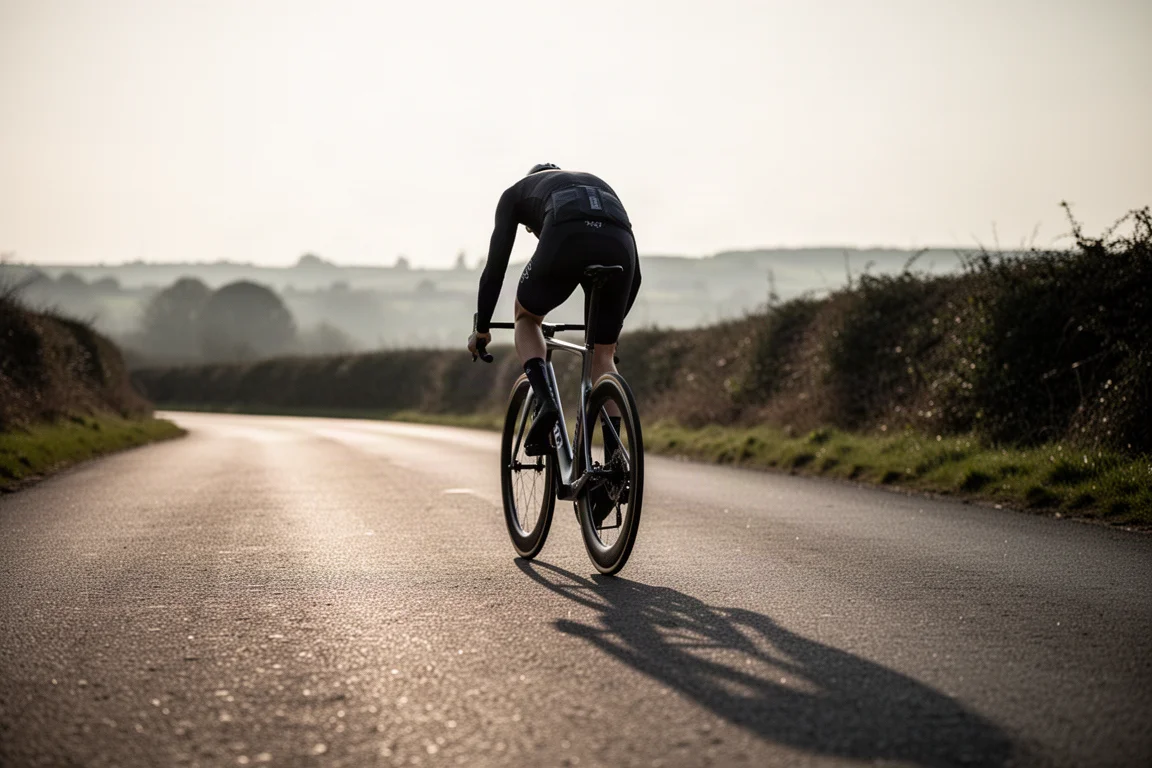
Each frame size also gets its own custom fork, a decision intended to keep handling characteristics consistent across the size range rather than letting the front end feel different from size to size. The result is a bike that reads as more aggressive than the brand’s usual output, and the geometry charts back that up.
Weight, Wattage, and Real-World Context
Colnago quotes 7.45 kg for a size medium team build including pedals and bottle cages. For an aero-optimised race bike that is a competitive figure, and it means the Y1 RS is not automatically ruled out on climbing days.
The wattage claims need context. Twenty watts at 50 km/h is a large number, but the real saving for any individual rider depends on frame size, the wheels and tyres fitted, and how the rider’s position and pedalling interact with the tube shapes. The published figures also assume a rider travelling alone at 50 km/h, which is a specific scenario rather than an average ride.
Overall Buying Advice
Two things are worth knowing before planning a purchase. First, the official launch is still months away, and Colnago has not released pricing for the Y1 RS. Second, only five complete bikes exist so far, and all of them are with the UAE team.
That means anyone interested in the Y1 RS is looking at a bike that has been announced and raced but is not yet broadly available. If you need a bike now and want the lighter option, the V4 RS is the known quantity and the easier purchase to plan around. If you are willing to wait for the aero platform, the Y1 RS is the one to watch, and its claims should become easier to assess once full pricing and independent testing arrive.
Conclusion
Colnago’s own data puts the Y1 RS clearly ahead of the V4 RS at speed and roughly level with an unnamed benchmark. The frameset is heavier than the V4 RS, and the bike is not yet on sale, so the decision comes down to timing and priorities. For flat and rolling race days the new platform is the faster choice on paper. For lighter builds and immediate availability, the V4 RS still makes sense.
Further reading
Related Reviews

Road Bikes
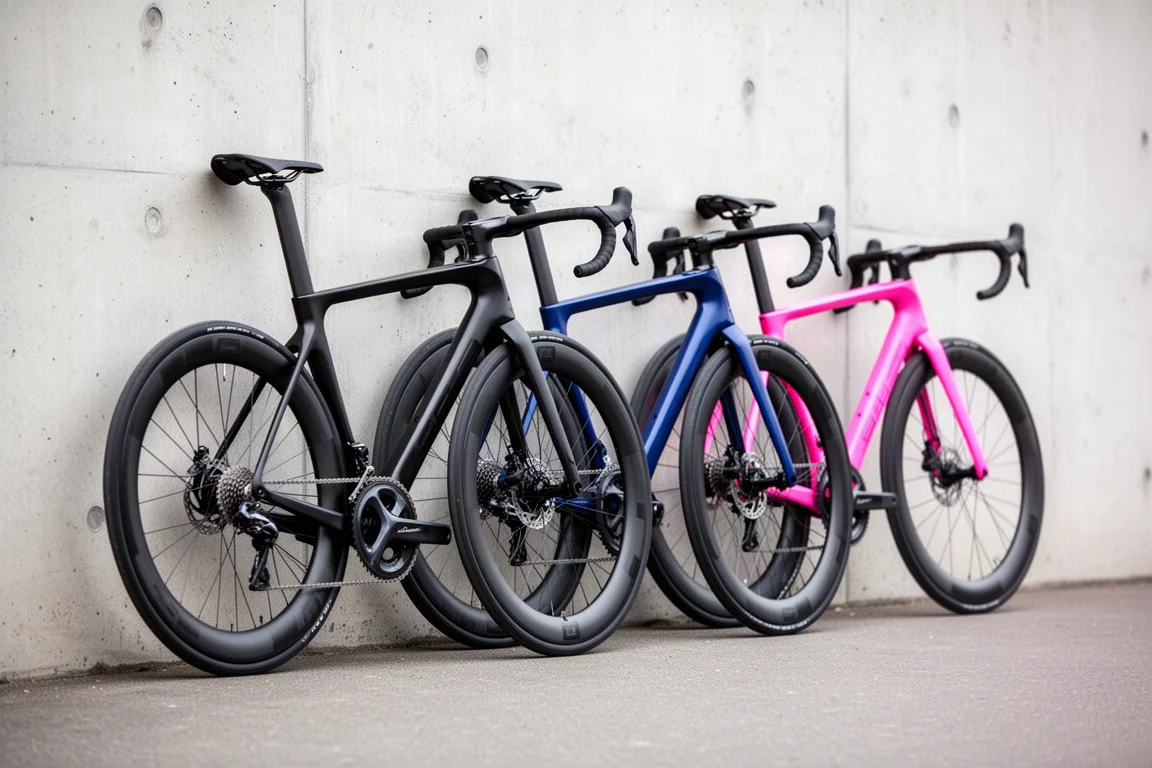
10 New Road Bikes Worth Watching: Aero, Titanium, Steel and Endurance Standouts
A practical roundup of 10 new road bikes, from aero flagships chasing single-watt gains to titanium, steel and endurance platforms built for real roads.
Road Bikes
2026 Tour de France Road Bikes: Six Race Machines Worth a Closer Look
Six race bikes from the 2026 Tour de France grid, reviewed for paint, silhouette, wheels and the specification details that matter to buyers.
Road Bikes
3T Strada Italia Review: A Radical Aero Road Bike That Rides Smooth
A made in Italy carbon aero road bike with a deep head tube, wide tire clearance and a genuinely comfortable ride. Here is what to know before buying.