Road Bikes
Colnago V5 RS Review: The Lightest Colnago Yet, Built to Race
The Colnago V5 RS cuts real weight from the V4 RS while keeping the geometry that made the V series so good to ride. Here is what matters before you buy.
Introduction
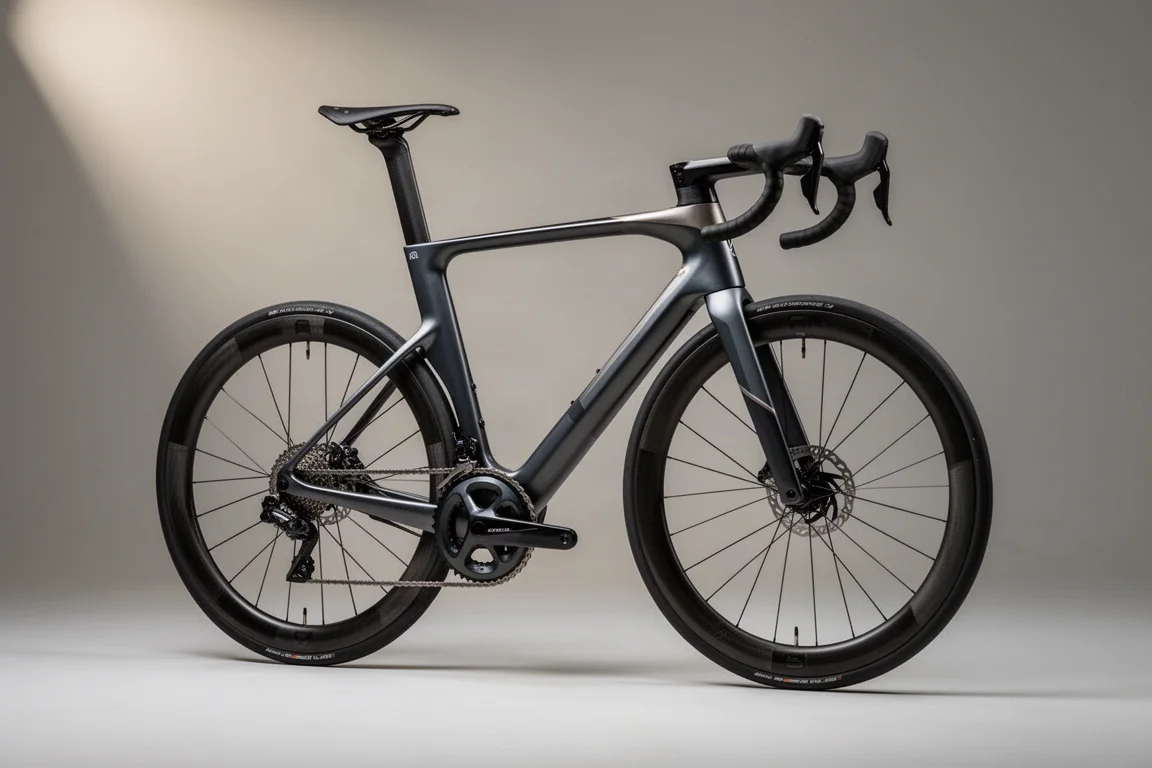
The Colnago V5 RS is the lightest frame Colnago has produced, and it arrives in the most competitive corner of the road market. Lightweight aero race bikes from several major brands now combine low frame weights with serious aerodynamic development, and for a long time Colnago competed on handling and ride quality rather than on the scales. The V5 RS is the brand’s clearest attempt yet to close that gap.
Much of the thinking behind it comes from the Y1 RS, the dedicated aero race platform launched earlier this year. With the most extreme aerodynamic territory already covered by that bike, the V5 RS was free to go on a diet while keeping the geometry and road manners that define the V series.
The numbers are the headline. The frame is claimed at 685 g unpainted in size 485, which is roughly a 54 cm by most other brands’ measurements. A complete size 51 build, equivalent to a 55 or 56 for a rider around 181 cm, weighed 6.9 kg with top-end components and no pedals. The previous V4 RS, built with almost the same parts, came in at 7.16 kg. That is a real shift for a brand that has never treated low weight as its main selling point.
Who This Bike Is For
This is a race bike for riders who want Colnago ride character without conceding anything meaningful on weight. If you have previously cross-shopped a V series frame against the lightest aero race bikes on the market and decided the Colnago was simply too heavy to justify, that objection is much weaker now. The V5 RS sits in the same conversation as the other low-weight aero race bikes in this class.
It also makes sense for existing V series owners. Anyone on an older generation frame who values the composed, stable feel of Colnago geometry will find the same personality here, with a useful reduction in mass and a modest aerodynamic step forward.
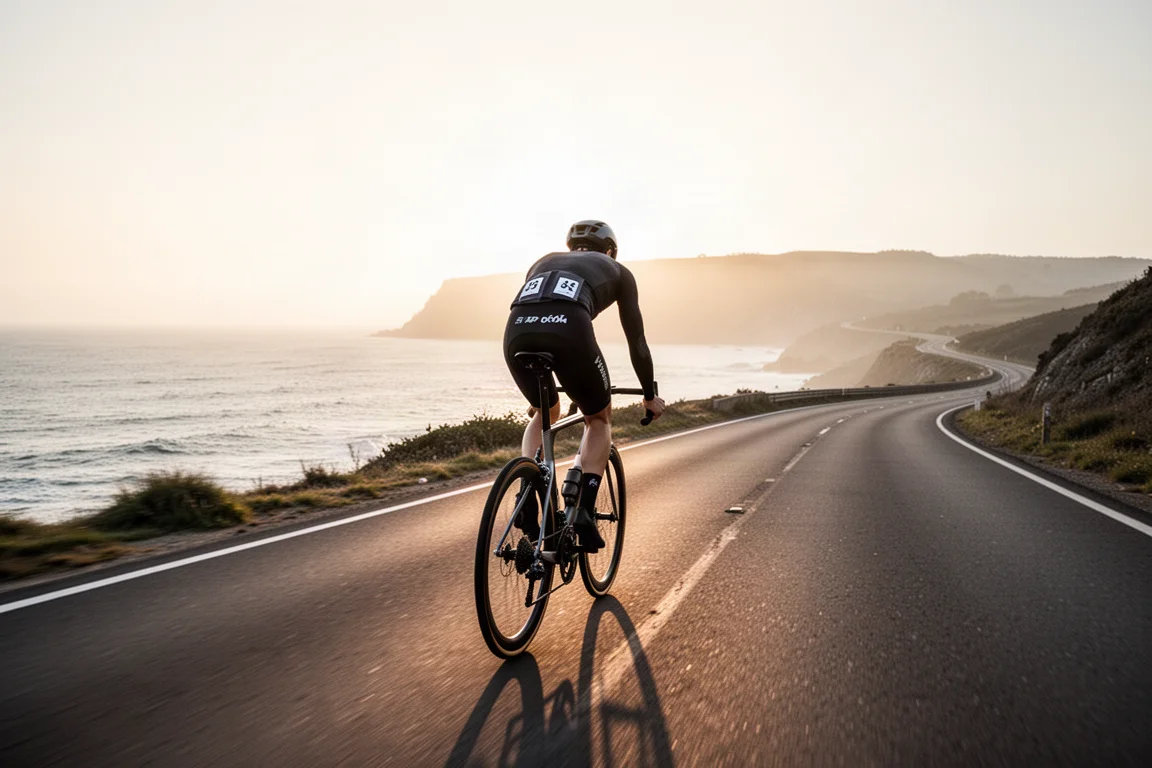
It is less suited to riders chasing all-day comfort or value. This remains a race platform with race priorities, and the ride quality reflects that. Riders who want a smoother, more forgiving position and a less aggressive feel should look at an endurance platform rather than a bike built around stiffness and low weight.
Main Strengths
A Lighter Frame Without a New Silhouette
At a glance the V5 RS looks close to the outgoing bike, and that continuity is deliberate rather than lazy. The changes are in the profiles and the internals. Up close the frame is noticeably slimmer and narrower, particularly at the rear, where the seat post is very thin.
The weight savings come from several places. A more advanced carbon layup and improved manufacturing processes reduce excess resin and internal wrinkles that cannot be seen from the outside. The fork drops from 372 g to 345 g. The multi-tool that used to live inside the handlebar stem is gone, and the seat clamp has been reworked entirely: instead of a metal wedge, a carbon thread is moulded into the frame and the bolt threads straight into it, hidden under a small rubber flap. That removes a chunk of metal and solves the familiar problem of a wedge sliding down the seat tube when the bike is packed for travel. The long-term durability of a carbon thread is the open question, and only time and a large population of bikes will answer it.
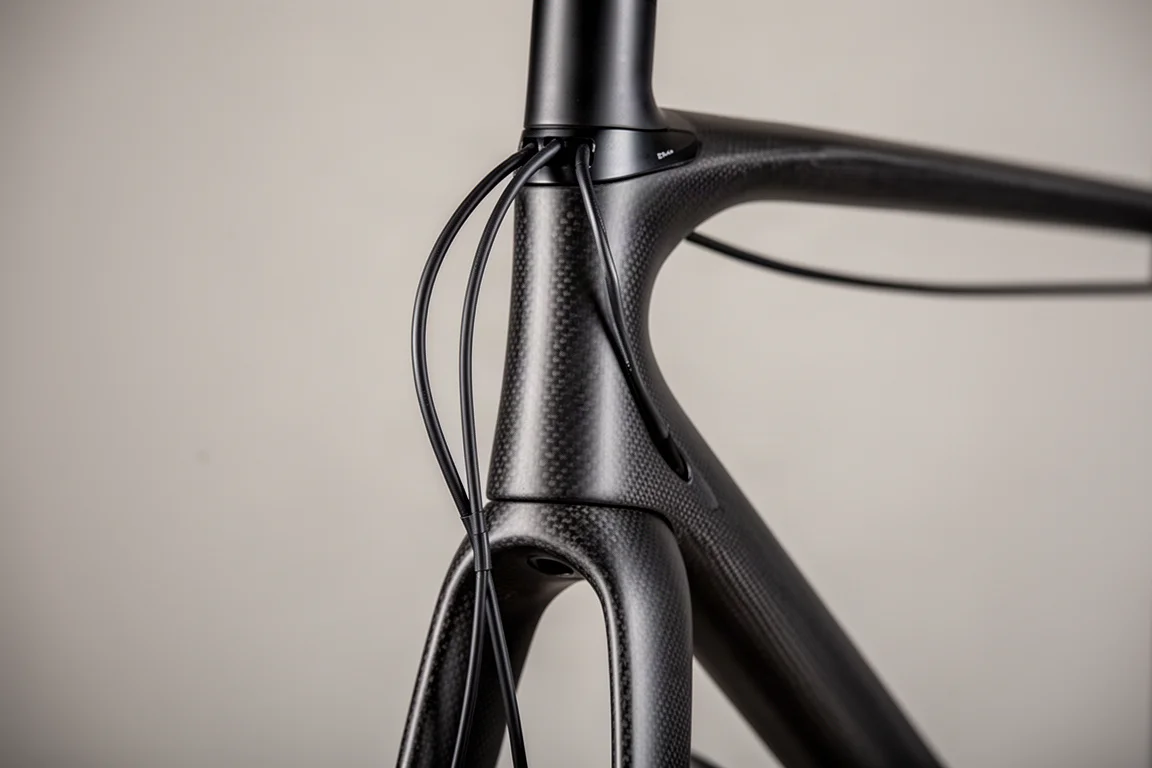
One consequence of the slimmer shapes is that a Shimano Di2 battery no longer fits in the seat post or seat tube. It now travels through the bottom bracket and into the down tube, which keeps mass low but makes a battery replacement a bigger job, since the cranks and bottom bracket have to come out. Batteries rarely fail, and the layout is a reminder of why wireless groupsets are increasingly attractive on frames this narrow.
Aerodynamics and Stiffness
Most of the aerodynamic gain comes from the narrower front end. Slimmer fork blades and a slimmer head tube cut frontal surface area by a claimed 13 percent, and the design thinking carried over from the Y1 RS brings the V5 RS closer to that bike without matching it. The claimed improvements are modest rather than dramatic.
For context, independent testing of the outgoing V4 RS has been published at around 221 W at 45 km/h, roughly 14 W behind the best-in-class figure in that test. Closing part of that margin while removing weight is a sensible direction, but it is worth treating the aero claims as an incremental gain rather than a transformation.
Stiffness was not considered a weakness on the V4 RS, and the goal here was to hold the same real-world riding stiffness while taking weight out of the frame. The head tube and bottom bracket areas were refined specifically to preserve that. Smaller headset bearings and a D-shaped steerer allow the brake hoses to run inside, and the bottom bracket moves from T47 to a threaded BSA 68 mm shell. Colnago states that frame stiffness around that area compensates for the smaller diameter interface.
Ride Quality and Handling
The geometry is unchanged from the previous generation, and that is good news. The V5 RS feels composed and stable at speed while staying agile, and it corners exceptionally well. It tracks through fast bends with a tightness that riders coming from other lightweight aero race bikes will notice immediately.
Stiffness under power is abundant. Out of the saddle on climbs and through corners, the frame gives very little away, and it feels firmer and edgier than some of the smoother lightweight race bikes in this category. Comfort is good for a race bike, though it is not a magic carpet ride and it is not as smooth as a dedicated endurance frame.
Speed is not in question. Whether it is faster than the outgoing bike or than its closest rivals cannot be settled without back-to-back comparison testing, so the honest position is that it is quick, stiff and enjoyable, with the precise ranking left open.
Things to Consider Before Buying
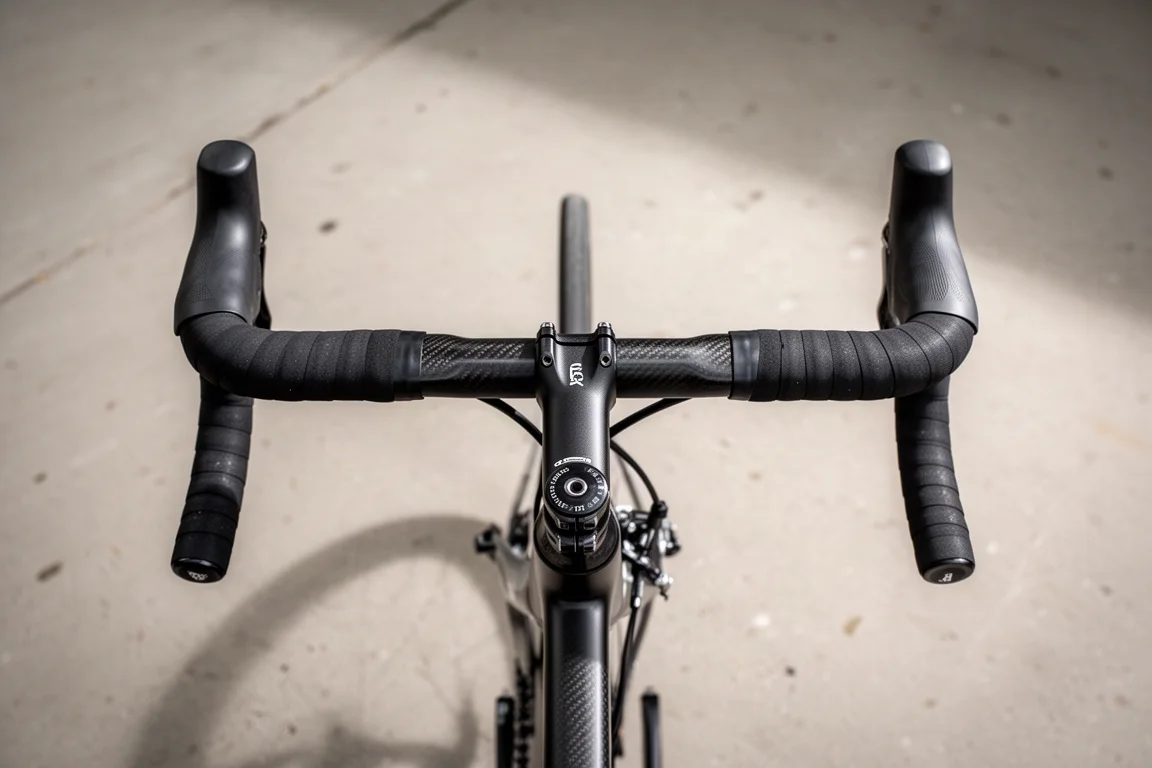
The most obvious reservation is the handlebar. The one-piece CC.01 bar measures 40 cm across the tops on a size 51 frame, and for a bike this focused on aerodynamics that feels wide. A 38 cm bar with more flare in the drops would suit the platform better, keeping the narrow position on the tops and hoods while adding control when descending. Handlebar width is personal, so this is a preference rather than a fault, but riders who care about frontal area should factor it in.
The battery relocation is worth understanding before you commit. It keeps weight low, but any future need to replace a Di2 battery means removing the cranks and bottom bracket. Riders who do their own maintenance should weigh that against the benefits.
Tyre clearance stays at 32 mm, unchanged from the previous bike and in line with others in this class. Given how quickly road tyres have widened, some riders may have expected 34 mm, but 32 mm remains a practical ceiling for a race frame and keeps the bike aligned with current race tyre trends.
Finally, the carbon seat clamp thread is new and clever, but it has no long track record. It behaved smoothly during short-term use, with no creaking or resistance, and a part this important would have been tested thoroughly, yet durability over years of seat post removal is unproven.
Buying Advice
The V5 RS makes the most sense for riders who were already drawn to Colnago handling but held back by weight. That hesitation is no longer well founded. The frame is genuinely light, the build weight is competitive with the leading lightweight aero race bikes, and the ride quality remains a genuine strength.
Buy it if you race, ride fast in groups, and value a stiff, sharp-handling bike with a stable, confidence-inspiring front end. Budget for a handlebar change if you prefer a narrower cockpit, and go in with realistic expectations about aerodynamic gains, which are incremental rather than transformative. If comfort, value or the widest possible tyre clearance matter more to you than race performance, a different platform will serve you better.

Riders upgrading from an older V series frame will feel a familiar bike with a usefully lower mass and a slightly more efficient front end. Riders coming from another brand should expect a firmer, edgier ride than the smoothest bikes in this category, in exchange for handling that many riders find more rewarding.
Conclusion
The V5 RS is a smaller visual step than its numbers suggest. Beneath the familiar silhouette is a lighter frame, a lighter fork, a narrower front end and a set of clever weight-saving details, all while preserving the geometry and stiffness that made the previous generation so enjoyable.
It is not a dramatic reinvention, and the aerodynamic improvement is best described as modest. What it does achieve is removing the one argument that used to count against Colnago in this class. Riders who want a fast, stiff, beautifully composed race bike with competitive weight now have a genuine reason to put this one on the shortlist.
Product link
View more details for Colnago V5 RS
This product is mentioned in the review. Check the specifications, options, and compatibility before buying.
View more details for Colnago V5 RSFurther reading
Related Reviews

Road Bikes
10 New Road Bikes Worth Watching: Aero, Titanium, Steel and Endurance Standouts
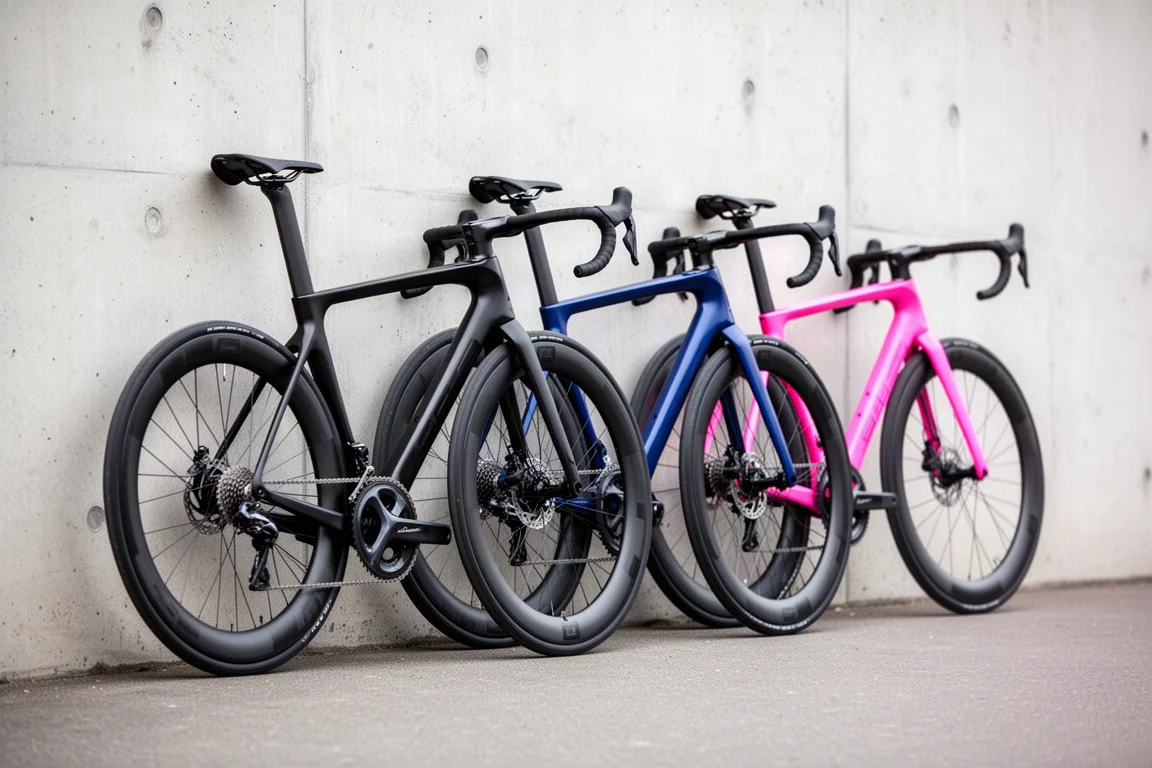
A practical roundup of 10 new road bikes, from aero flagships chasing single-watt gains to titanium, steel and endurance platforms built for real roads.
Road Bikes
2026 Tour de France Road Bikes: Six Race Machines Worth a Closer Look
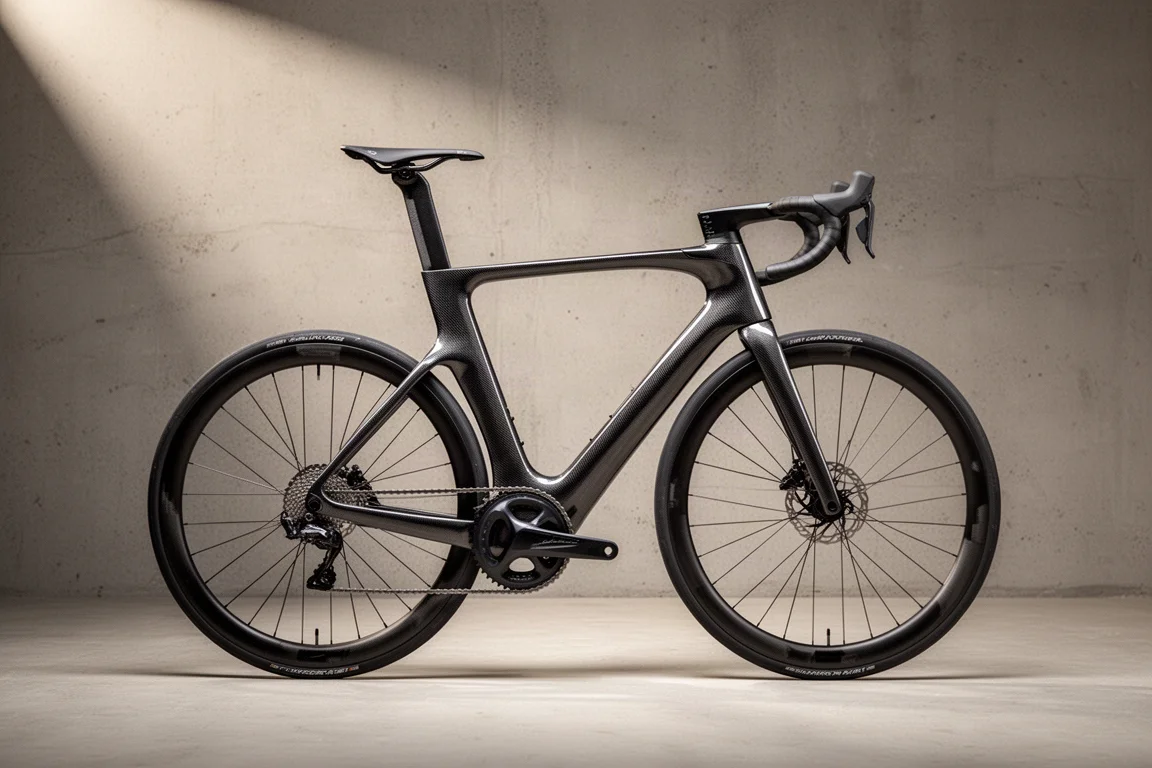
Six race bikes from the 2026 Tour de France grid, reviewed for paint, silhouette, wheels and the specification details that matter to buyers.
Road Bikes
3T Strada Italia Review: A Radical Aero Road Bike That Rides Smooth
A made in Italy carbon aero road bike with a deep head tube, wide tire clearance and a genuinely comfortable ride. Here is what to know before buying.