Road Bikes
Colnago V4RS Review: A Race Bike Built to Stay Fast Everywhere
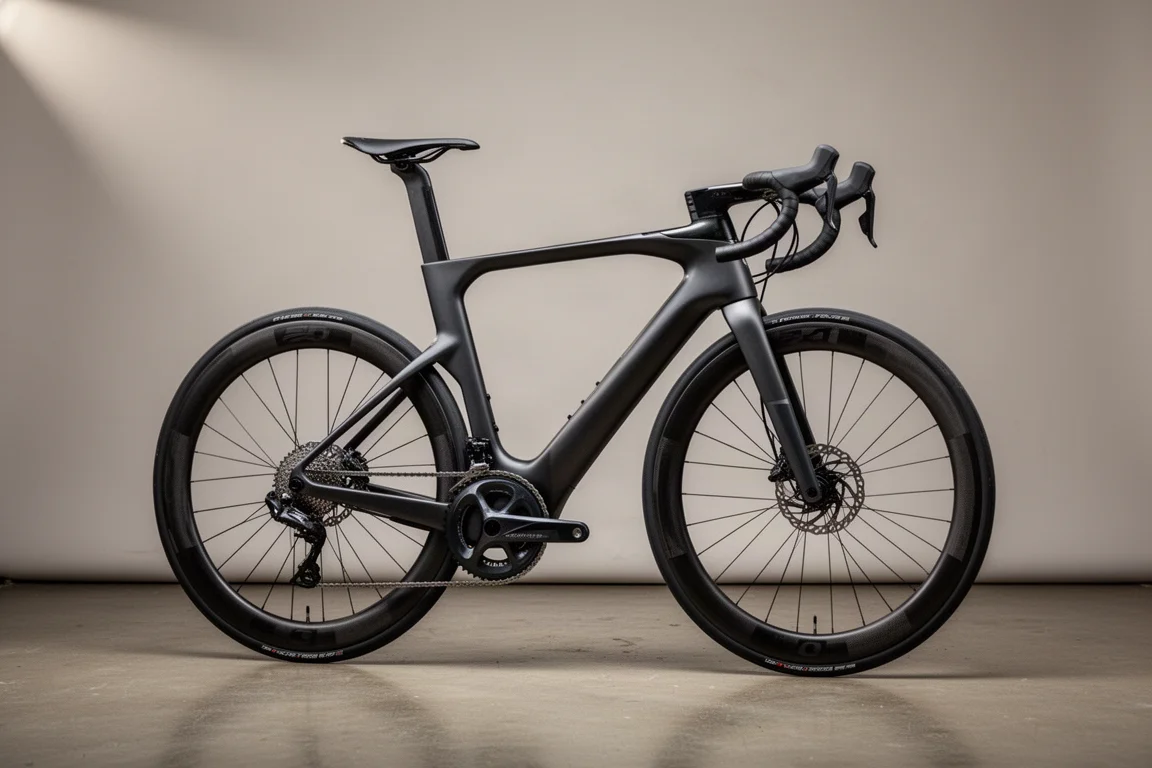
The Colnago V4RS takes the proven V3RS race platform and adds a new integrated front end, higher stiffness claims, improved frame robustness and room for 32c tires.
Introduction
The Colnago V4RS is the Italian brand’s new dedicated race platform, and it arrives as the direct successor to the V3RS, the bike that carried Colnago to victory in the 2020 and 2021 editions of the Tour de France. Before the official launch, the bike raced as the Prototipo with UAE Team Emirates at the Tour de France in July, where several versions were tested with different carbon layups. Across four months of competition use, that prototype recorded 23 victories and 28 podiums.
Those numbers explain why the V4RS matters beyond the usual model-year refresh. Colnago has taken a proven race-winning chassis and focused on three things: aerodynamic efficiency at the front end, stiffness under power, and a frame that stands up better to the knocks and bumps of real-world riding.
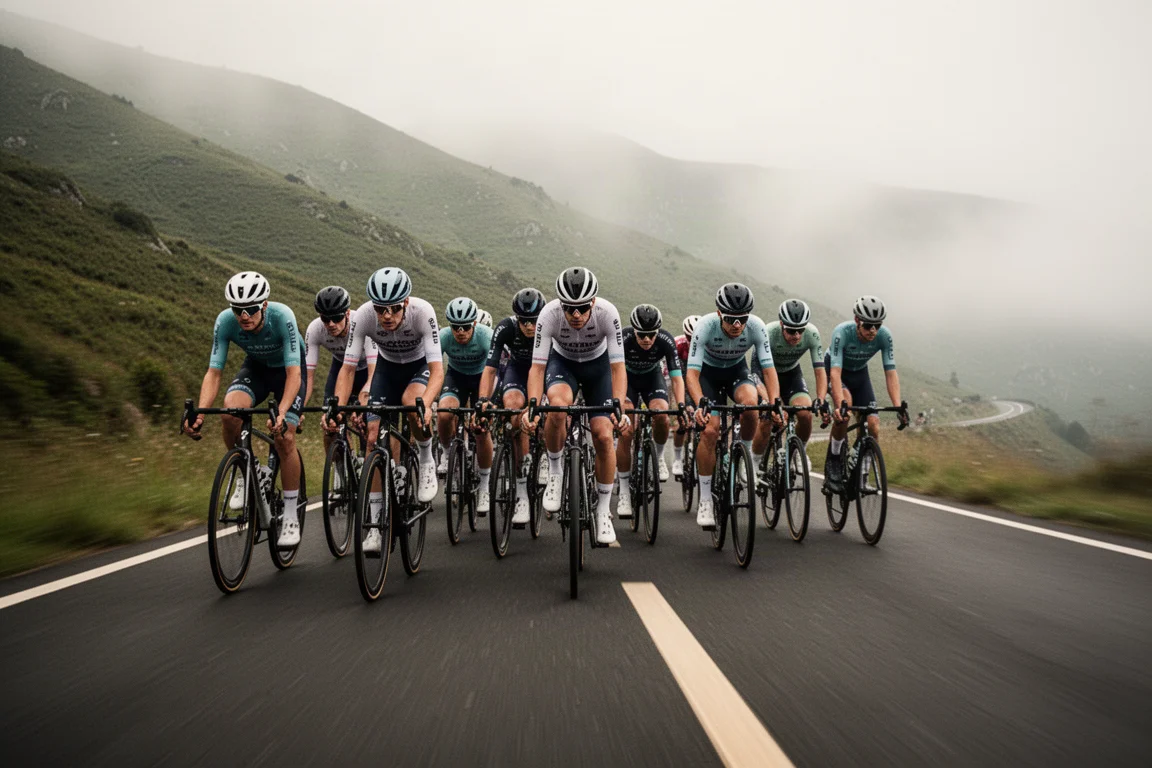
The result is a bike that keeps the character of the V3RS while pushing each of those areas forward. It is still unmistakably a race machine, but the changes underneath are more substantial than the familiar silhouette suggests.
Who This Bike Is For
The V4RS is aimed squarely at riders who race, or who ride fast in groups and want a bike that rewards that effort. It is a performance-first platform rather than an all-day endurance machine, and its priorities are clear: aerodynamic gains, efficient power transfer and a stiff front end.
That makes it a natural fit for criterium and road racers, fast group riders, and anyone who already trains and rides at a pace where small aerodynamic differences are worth chasing. Riders who value a more relaxed position, generous compliance or a lower entry price will find the V4RS less relevant to their needs, because everything about it is tuned toward speed.
Aerodynamics and Front-End Integration
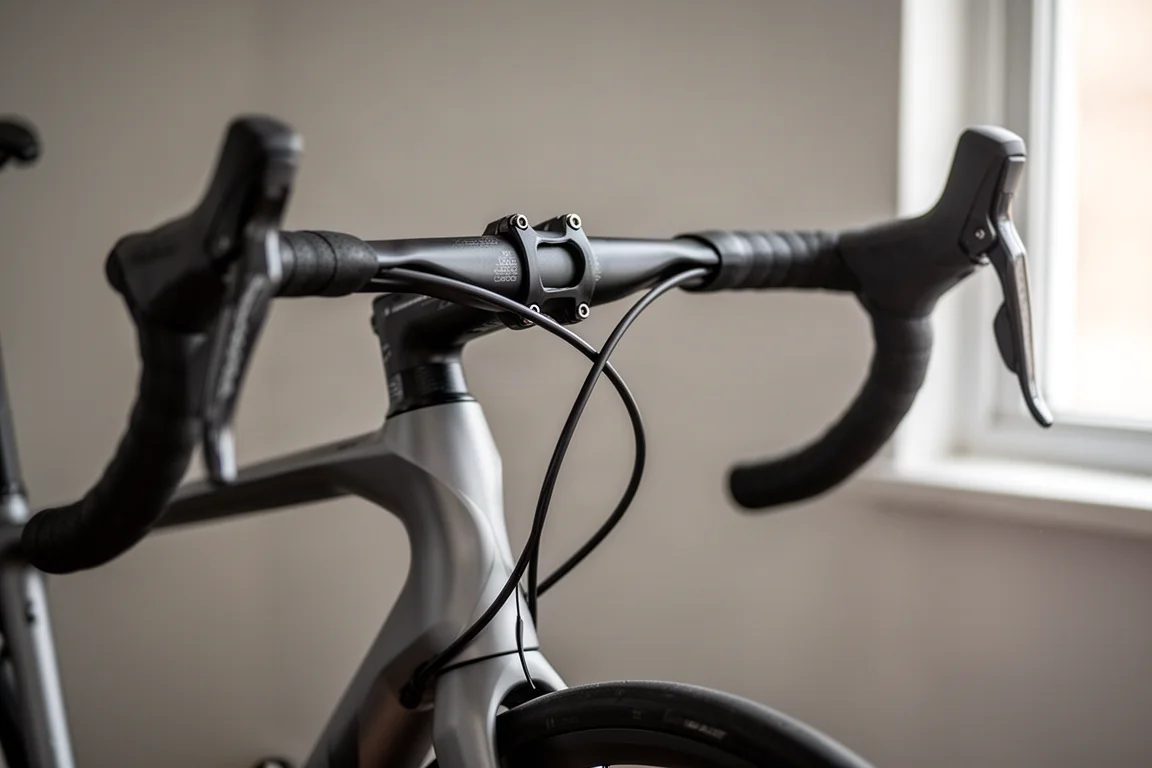
Aerodynamics was the main target for the V4RS, and most of the visible work happens at the front of the bike. Colnago developed a brand new fork designed to integrate seamlessly with a new head tube. That head tube is larger than the one on the V3RS, which allowed Colnago to keep a circular steerer rather than switching to a D-shaped one. The practical benefit is hose routing through a larger upper headset bearing.
Colnago also created a new integrated cockpit that shelters the hoses from the wind, and the bottom of the bars is slightly flared, which should help with control when descending in the drops. There is also a new 3D printed head unit mount, which Colnago says saves 0.75 watts at 50 km/h.
The wind tunnel work behind these numbers was conducted at 50 km/h, which is worth noting because it is a considerably higher test speed than the 40 km/h used in many previous aerodynamic comparisons. Testing at higher speeds tends to exaggerate the gaps between designs, and it is a useful figure mainly for riders who genuinely spend time at or near that pace, including on fast descents.
The headline claim from that work is that the new cockpit reduces drag surface by 16 compared with the cockpits fitted to the V3RS. Taken as a whole, Colnago claims the V4RS is faster than the outgoing V3RS.
Weight, Stiffness, and Durability
Weight savings on the V4RS are real but modest, and the details are worth reading carefully. The claimed total saving for the frame module is 57 grams. The frame itself is actually slightly heavier than before, while the new fork shaves 15 grams. Compared frame and fork alone, the difference between the V3RS and V4RS is only 12 grams, and the full 57-gram figure only appears when the complete module is measured, including headset, handlebars and stem.
That is a smaller gain than the headline number implies, and it is partly explained by the comparison itself: the V4RS uses an all-in-one integrated bar, while the V3RS used a separate bar and stem. For a bike built to go fast everywhere, weight is not the priority, and the UCI’s 6.8 kg minimum weight for race bikes means large reductions on a platform this light were never going to be practical anyway.
Stiffness is where Colnago claims a clearer step forward. The company says sprinting stiffness is up by 4 percent and seated stiffness by 5 percent. The approach involved identifying areas of the frame that experience different forces in different riding positions, then laying up the carbon to counteract those forces so more power reaches the tarmac. Colnago’s stiffness testing machines and methodologies are patent-pending, so the brand was not able to share much more detail than the percentage claims.
Durability is the third area of focus, and it is an encouraging one from a large brand. The new seat stays are said to improve flexural and stability impact properties, which in turn helps other components in the frame such as the headset. That headset is a CeramicSpeed unit, but it is not a conventional one: it uses a unique solid polymer construction with stainless steel components inside. It does not need re-greasing in the way a normal sealed cartridge bearing does, and while it can occasionally feel stiff after a long period of disuse, it smooths out quickly once it is moving again. Colnago also states that the lifespan of these headsets is very long.
Ride Character and Tire Clearance
One of the most useful changes for everyday riders is tire clearance. The V4RS accepts 32c tires, up from the 28c maximum on the V3RS. That opens up a wider range of tire choices and pressures, and it makes the bike better suited to rougher tarmac and mixed surface roads without giving up its race positioning.
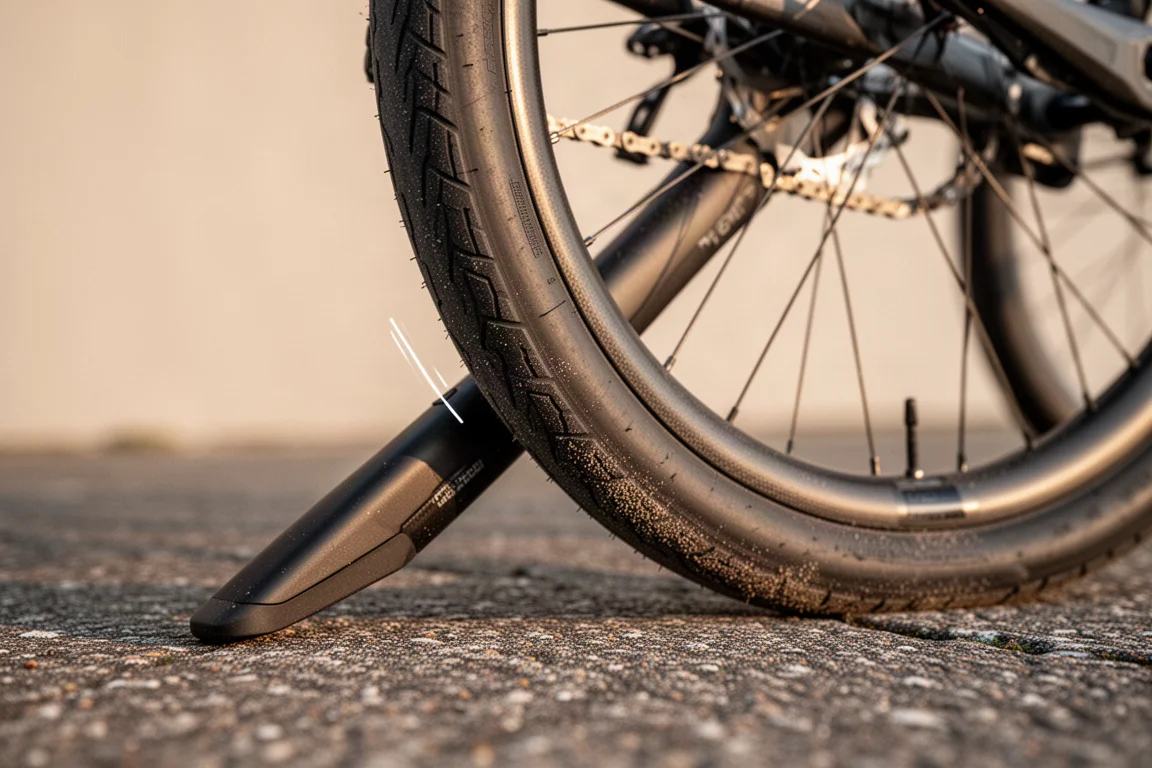
Combined with the aerodynamic claims and the increased stiffness figures, the broader tire capacity points to a bike that is intended to be fast on a wider variety of surfaces rather than only on smooth race roads. That is a meaningful shift for riders whose local roads are not billiard-table smooth.
Things to Consider Before Buying
The first consideration is price. The V4RS sits at the top of Colnago’s range, and the complete Team edition build is expensive. The second is the nature of the performance claims. Much of the aerodynamic testing was done at 50 km/h, so riders who spend most of their time at lower speeds should treat the watt savings as directional rather than directly transferable.
Weight savings are also modest, and the frame itself is slightly heavier than the V3RS, so anyone hoping for a significant drop in overall weight should adjust expectations. On the front end, the new 3D printed head unit mount is currently compatible with only one specific Wahoo head unit, with other head units expected to become compatible later, so buyers using a different computer should plan accordingly.
Finally, the stiffness improvements are brand claims based on patent-pending internal testing. Riders who want to know how the 4 percent and 5 percent figures translate into feel on the road will need to judge that for themselves on a test ride.
Pricing and Value
At launch, the V4RS Team edition is priced at 15,260 euros. That build includes a full Dura-Ace groupset with a power meter, a set of 3.4 wheels and the new Colnago integrated cockpit. For riders who prefer to build their own bike, the frameset, which includes the frame, fork, seat post and headset, is 5,250 euros.
That frameset price places the V4RS in the middle of what an S-Works Tarmac SL7 or a Pinarello Dogma F frameset costs. In other words, the V4RS is expensive, but it is not out of step with the rest of the top-tier race bike market. Value here depends on how much you want the Colnago ride character and the specific integration work at the front end.
Buying Advice
The V4RS makes the most sense for riders who already race or ride fast and want a proven platform with a more integrated front end and a bit more stiffness under power. The combination of aerodynamic refinement, 32c tire clearance and improved frame robustness makes it a more versatile race bike than a pure speed machine, and the prototype’s competitive record suggests the platform is well sorted.

If your priority is a lighter frame, a lower price, or a more relaxed riding position, this is not the bike to build a purchase around. But if you want a top-tier race bike that stays fast on imperfect roads and comes from a brand with a long racing history, the V4RS is a sensible place to put your money, provided the price and the computer mount compatibility both suit your setup.
Conclusion
The Colnago V4RS is a clear evolution rather than a reinvention. It takes the race-proven V3RS platform, adds a new integrated front end with a redesigned fork, head tube and cockpit, claims higher sprinting and seated stiffness, improves frame robustness with new seat stays and a polymer CeramicSpeed headset, and widens tire clearance to 32c. The weight savings are modest and the price is high, but for riders who want a fast, durable race bike that works on a wider range of roads, the V4RS is a credible and well-considered choice.
Product link
View more details for Colnago V4RS
This product is mentioned in the review. Check the specifications, options, and compatibility before buying.
View more details for Colnago V4RSFurther reading
Related Reviews

Road Bikes
10 New Road Bikes Worth Watching: Aero, Titanium, Steel and Endurance Standouts
A practical roundup of 10 new road bikes, from aero flagships chasing single-watt gains to titanium, steel and endurance platforms built for real roads.
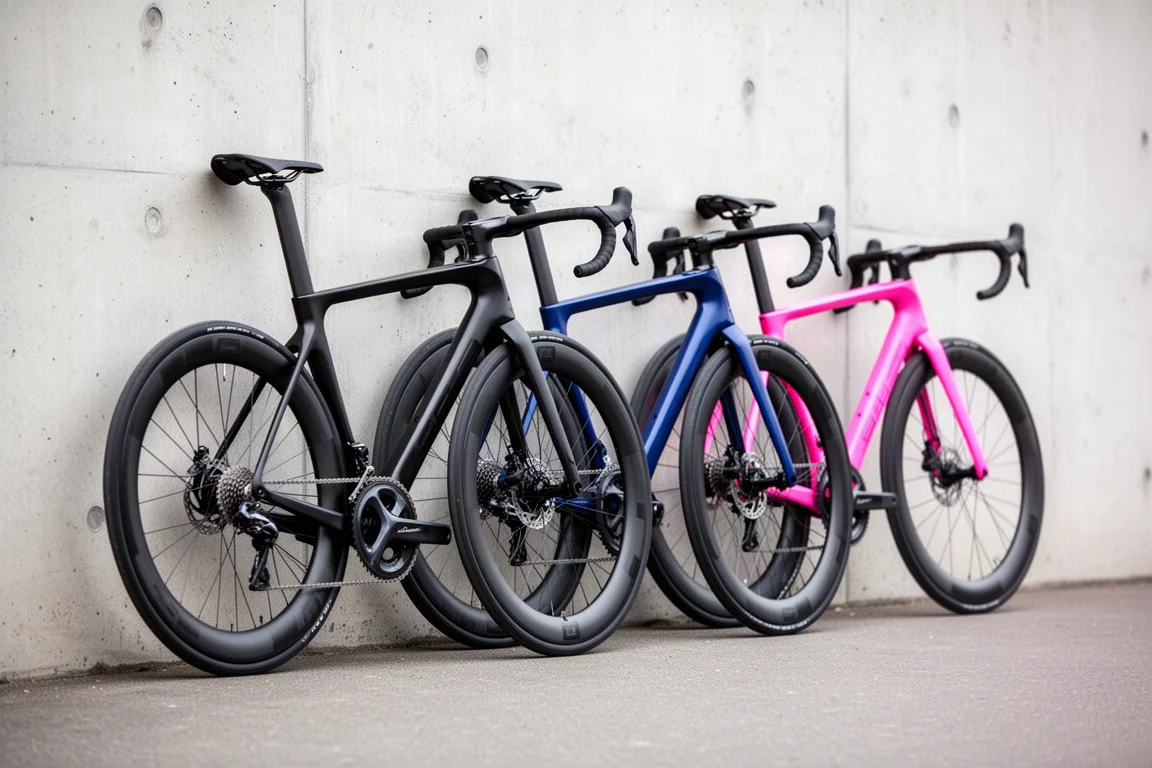
Road Bikes
2026 Tour de France Road Bikes: Six Race Machines Worth a Closer Look
Six race bikes from the 2026 Tour de France grid, reviewed for paint, silhouette, wheels and the specification details that matter to buyers.
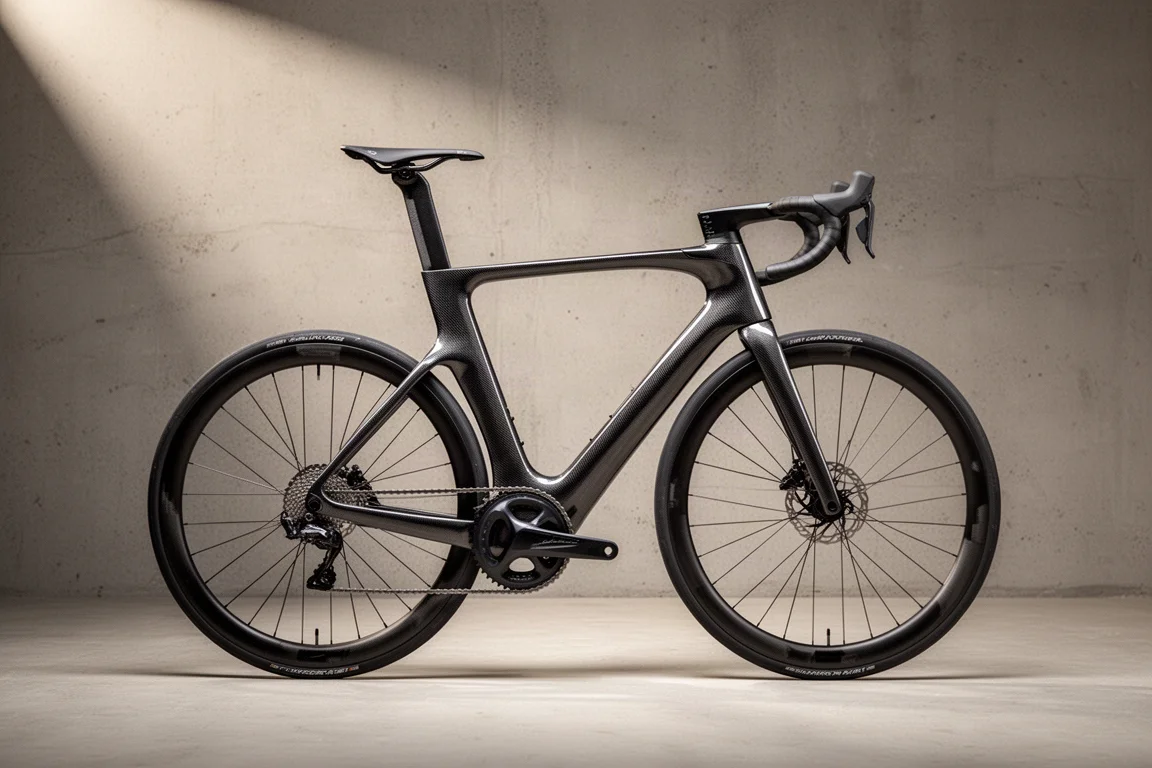
Road Bikes
3T Strada Italia Review: A Radical Aero Road Bike That Rides Smooth
A made in Italy carbon aero road bike with a deep head tube, wide tire clearance and a genuinely comfortable ride. Here is what to know before buying.