Road Bikes
Colnago C68 vs Master Olympic: What 30 Years of Bike Design Actually Changes
A 2022 carbon flagship meets a 1990s steel classic. How the Colnago C68 and Master Olympic compare on weight, comfort, gearing and measured road speed.
Introduction
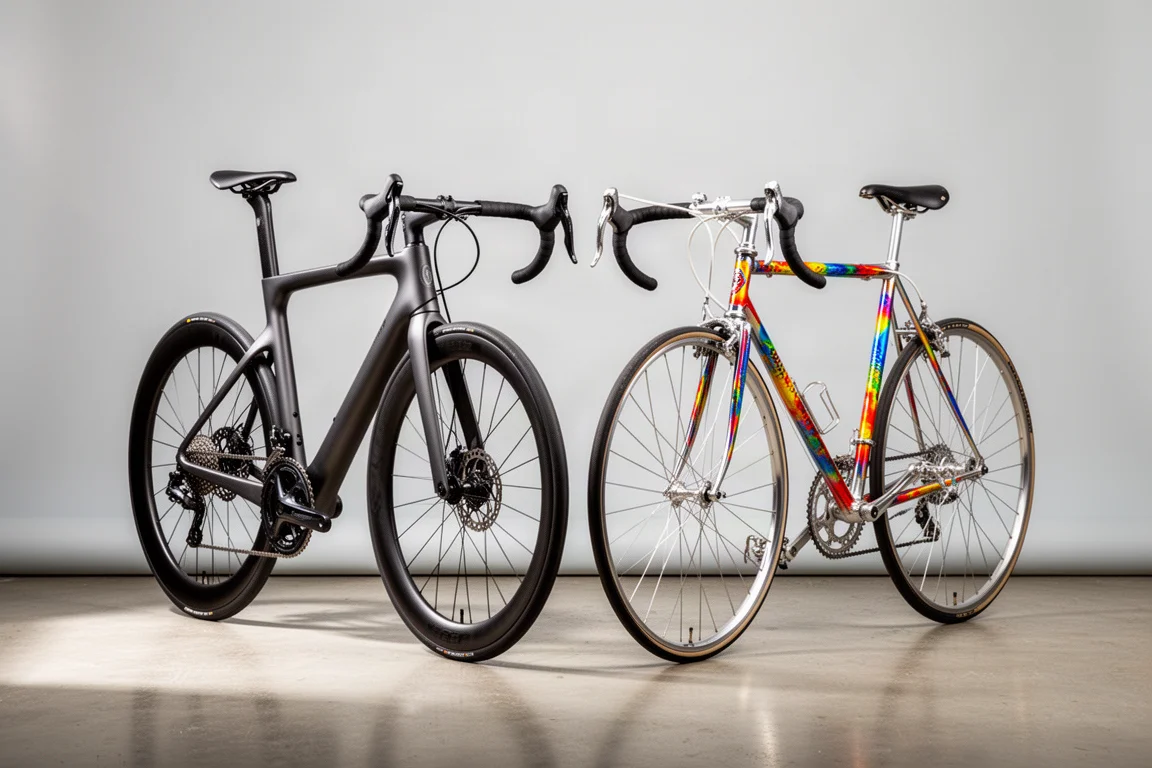
Thirty years separate these two road bikes, and the specification sheets could hardly look further apart: carbon against steel, disc brakes against rim brakes, electronic shifting against mechanical, 7.3 kg against just over 9 kg. What matters more is whether all of that progress actually shows up on the road, both in the numbers and in the feel.
This comparison puts the Colnago C68, the handmade-in-Italy carbon flagship of the C-series, next to the Colnago Master Olympic, a steel race frame from the early 1990s that was built to win. Both are quick. They simply arrive at speed in completely different ways.
What Separates These Two Bikes
Three decades of bicycle design sit between these frames. The C68 is a modern carbon platform with hydraulic disc brakes, a 12-speed electronic groupset and wide tyres. The Master Olympic is a Columbus steel frame with a close-ratio nine-speed drivetrain, rim brakes and narrow tyres. Materials, geometry, gearing and contact points all differ, which makes the comparison less about which bike is newer and more about which set of priorities suits a rider.
To keep things grounded, both bikes were ridden back to back on a 7.3 mile undulating course at a target of roughly 225 watts, which works out at around 20 mph for a rider of this size. A second run followed on a 1.25 mile climb averaging 6.6 percent, where weight matters more than aerodynamics.
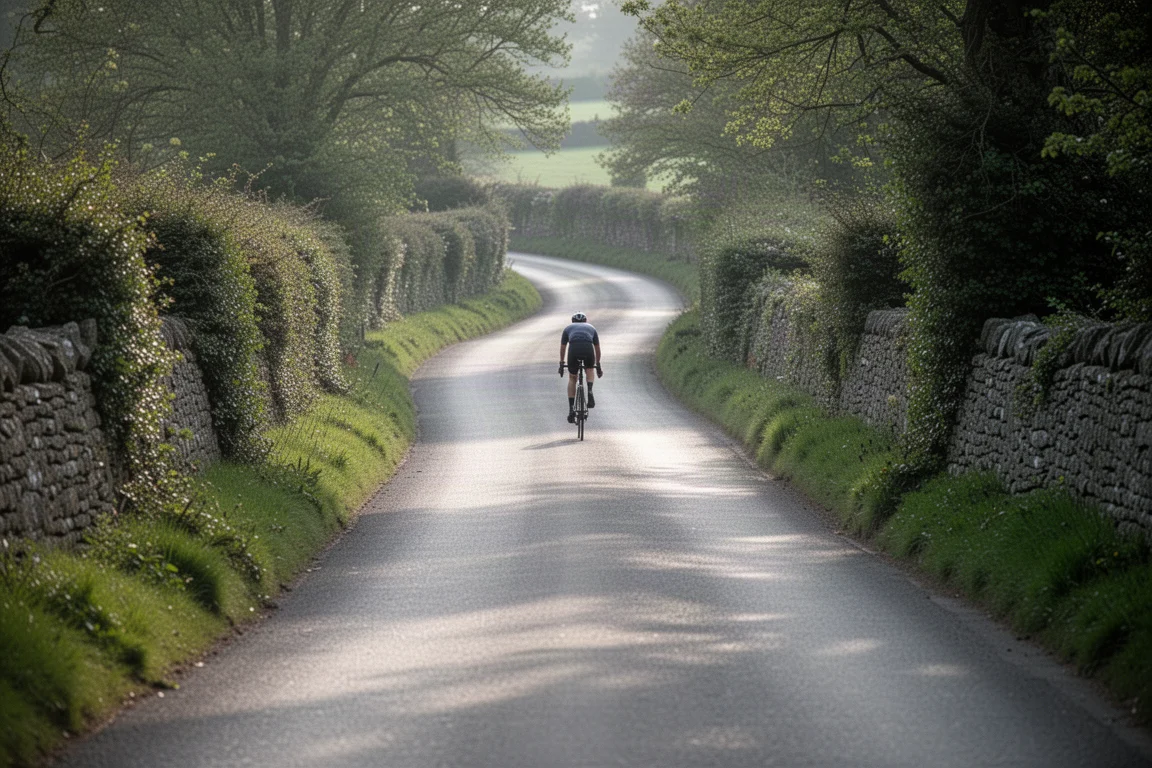
That mix of terrain is deliberate. The flat course rewards aerodynamics, rolling resistance and drivetrain efficiency, while the climb rewards low weight and easy gearing. Between them, the two runs cover most of what separates a 1992 race bike from a 2022 one.
Colnago C68: The Modern Carbon Flagship
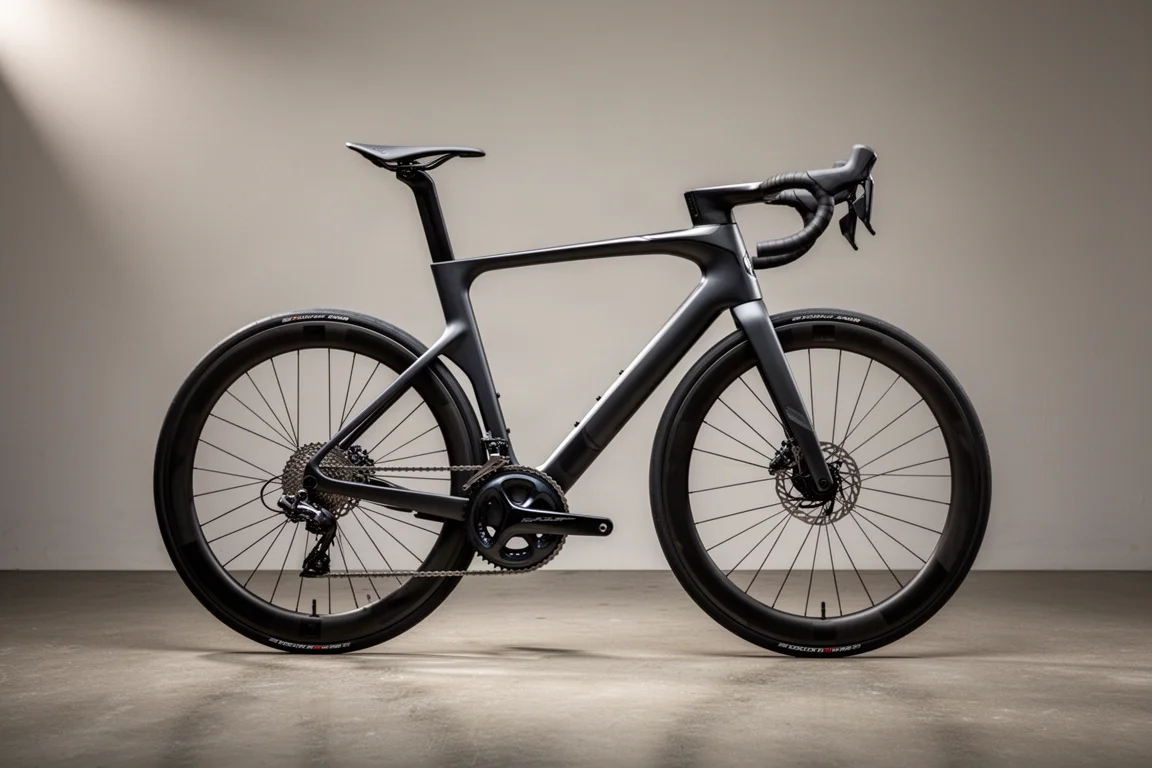
The C68 is the most sophisticated C-series bike Colnago has produced and the flagship of its handmade carbon range. It reads as a carbon monocoque, but the frame is actually built with integrated lugs: the bottom bracket shell forms part of the seat tube, while the top tube incorporates lugs that join it to the head tube and the seat tube. It is lighter, more aerodynamic and more comfortable than the C-series frames before it, and it is handmade in Italy.
The build is thoroughly modern. A Shimano Dura-Ace 9200 Di2 electronic groupset brings 12 speeds with a 52/36 chainset and an 11-30 cassette. Braking comes from Dura-Ace hydraulic discs, the wheels are Dura-Ace C50s, and the tyres are 28 mm Pirelli P Zero. The complete bike weighs 7.3 kg, with a 44 cm handlebar between the drops.
For riders who want the latest in shifting and braking performance wrapped in a traditional-looking package, this is the modern reference point.
Colnago Master Olympic: Steel Speed and Style
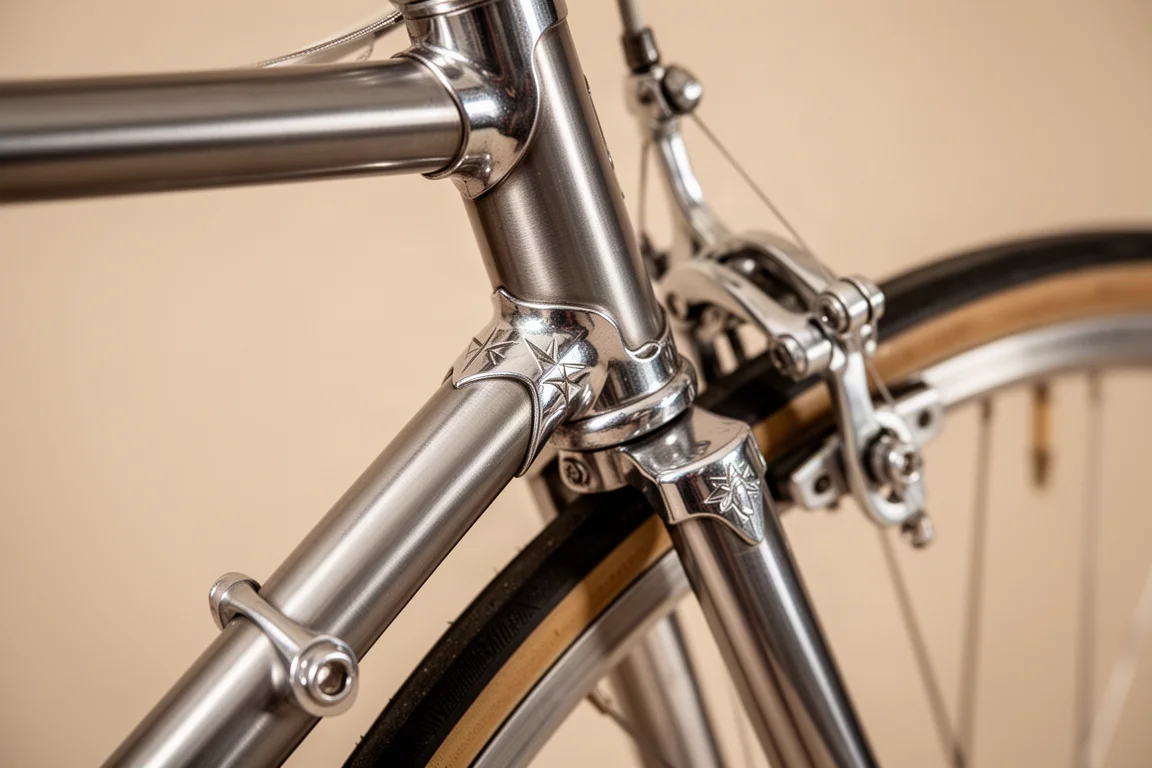
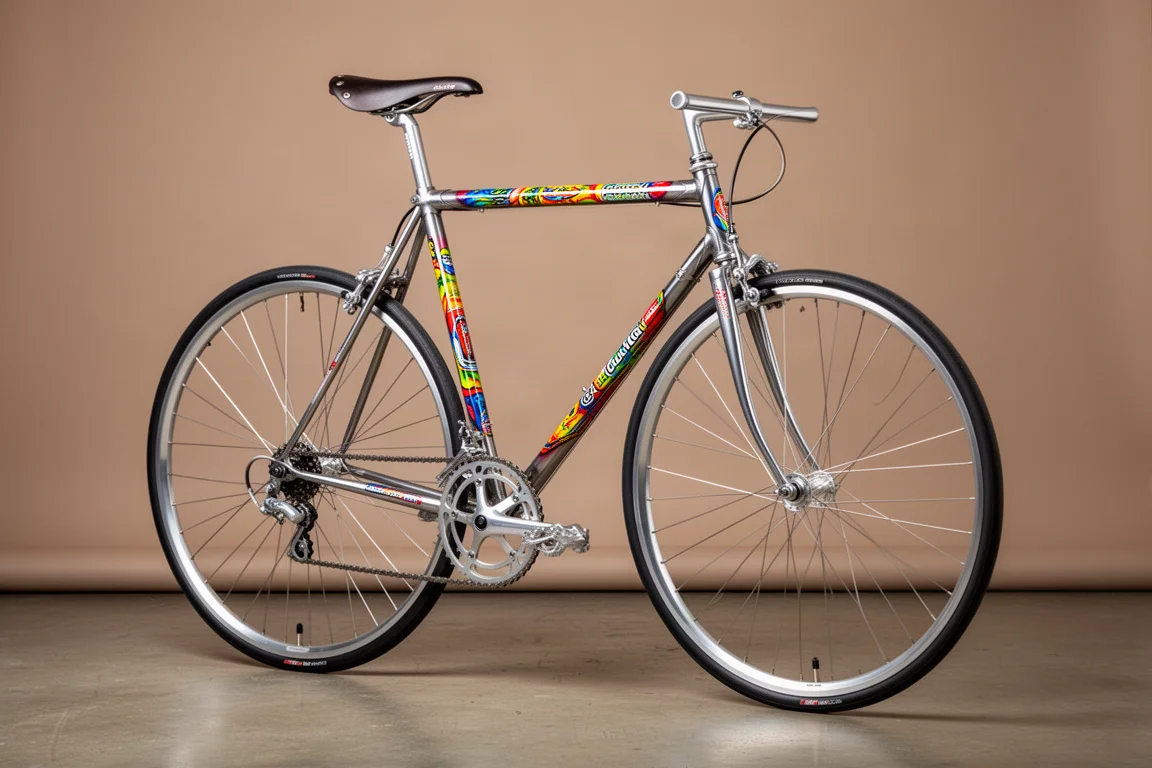
The Master Olympic is a steel frame with a story. It uses Columbus tubing with a star-shaped profile developed with Gilberto Colombo, brother of Antonio Colombo of Columbus, and it served as a team race bike of the 1990s ridden by Tony Rominger and his teammates. The geometry is aggressive, the clearances are tight, and the straight steel fork was designed for rigidity and directness.
Its drivetrain belongs to a different era entirely: Shimano Dura-Ace 7700, a nine-speed group launched in 1996, with a 53/39 racing chainset and a 12-23 close-ratio cassette. Braking is handled by Dura-Ace rim calipers. The wheels are handmade Peony rims built by Pete Matthews, wrapped in 23 mm Michelin tyres, and the complete bike weighs just over nine kilograms. The handlebar measures 38 cm between the drops, and the frame wears the Colnago Art Decor airbrushed finish alongside polished aluminium Dura-Ace components.
It is a beautiful object, and it is genuinely fast. It is also demanding, with narrow tyres, tight gearing and a riding position that asks more of the rider.
Head-to-Head: The Flat Course
On the 7.3 mile undulating course, the Master Olympic covered the distance in 21 minutes 15 seconds at 225 watts, averaging 20.7 mph. The C68, ridden harder at 234 watts, took 20 minutes 53 seconds at an average of 21.1 mph.
Once the two runs were adjusted onto a like-for-like power basis, the difference came out at 6.3 watts in the Master Olympic’s favour. That result sits inside the margin of error for this kind of field testing, where traffic and one-off events can skew a single run. Aerodynamic drag is roughly 80 percent rider, and the Master Olympic’s narrower 38 cm handlebar is a plausible part of the explanation. Tested without a rider aboard, the C68 would very likely be the quicker machine.
Head-to-Head: The Climb
The climb was a cleaner test. Leith Hill runs 1.25 miles at an average gradient of 6.6 percent, with a ramp partway up that pitches to roughly one in three. At around 10 mph, weight and gearing matter far more than aerodynamics.

On the Master Olympic the ascent took 7 minutes 53 seconds at 280 watts. On the C68 it took 7 minutes 39 seconds at the same 280 watts, a gap of 14 seconds. Thirty years of progress, measured on this climb, comes to 14 seconds.
The gap felt larger than it measured. The Master Olympic’s 39-23 bottom gear runs out quickly on a steep ramp, its narrower Dura-Ace hoods offer less to hold onto, and the 23 mm tyres transmit almost every imperfection in the surface. The C68’s 36-30 bottom gear allows the rider to stay seated through all but the steepest sections, and the electronic shifting makes it easy to stay in the right gear.
Ride Quality and Everyday Ownership
The Master Olympic feels firm, fast and smooth in its own way, and it is a pleasure on the right road. The C68 feels quicker, smoother and more plush, and it is easier to hold power on because it is simply more comfortable to ride.
That distinction matters more than the stopwatch suggests. Ride quality is what makes a bike inviting, and it is the main reason the C68 feels like the faster machine even when the numbers say the two are close. The Master Olympic is still a quick bike. It just takes more effort to get the best from it, and it does not always feel as quick as it is.
Buying Advice
The right choice depends on what you want from a ride.
The C68 suits riders who want modern performance without a futuristic look: disc braking, 12-speed electronic shifting, wide 28 mm tyres, low weight and a handmade carbon frame that still reads as a traditional Colnago. It is the more versatile and more comfortable bike to live with, and it rewards riders who want to stay seated and keep the power smooth on a long climb.
The Master Olympic suits riders who want the character of steel, a close-ratio racing drivetrain and a frame that draws attention wherever it goes. It is a bike to choose for the feel and the history rather than for outright efficiency. Its narrow tyres, tight gearing and aggressive position make it less forgiving, and for many riders that is exactly the appeal.

If the priority is speed with comfort and modern componentry, the C68 is the sensible answer. If the priority is the sensation of riding a classic race bike, the Master Olympic delivers something the newer machine cannot replicate.
Conclusion
Thirty years of development produced a lighter, stiffer, more aerodynamic and considerably more comfortable bicycle, and on a steep climb it was 14 seconds quicker. On the flat course, the two were close enough that the difference fell within the error margin of a field test.
That is a fair summary of the choice. The C68 is the better all-round machine and the easier one to recommend for most riders. The Master Olympic remains a fast, beautiful and thoroughly characterful bike that asks more of its rider and gives something different back in return.
Further reading
Related Reviews

Road Bikes
10 New Road Bikes Worth Watching: Aero, Titanium, Steel and Endurance Standouts
A practical roundup of 10 new road bikes, from aero flagships chasing single-watt gains to titanium, steel and endurance platforms built for real roads.
Road Bikes
2026 Tour de France Road Bikes: Six Race Machines Worth a Closer Look
Six race bikes from the 2026 Tour de France grid, reviewed for paint, silhouette, wheels and the specification details that matter to buyers.
Road Bikes
3T Strada Italia Review: A Radical Aero Road Bike That Rides Smooth
A made in Italy carbon aero road bike with a deep head tube, wide tire clearance and a genuinely comfortable ride. Here is what to know before buying.