Road Bikes
Colnago C68 vs Colnago Master Olympic: 30 Years of Road Bike Progress
A modern carbon flagship meets a 1990s steel race bike, with measured ride data and real ride quality differences to weigh before buying.
Introduction
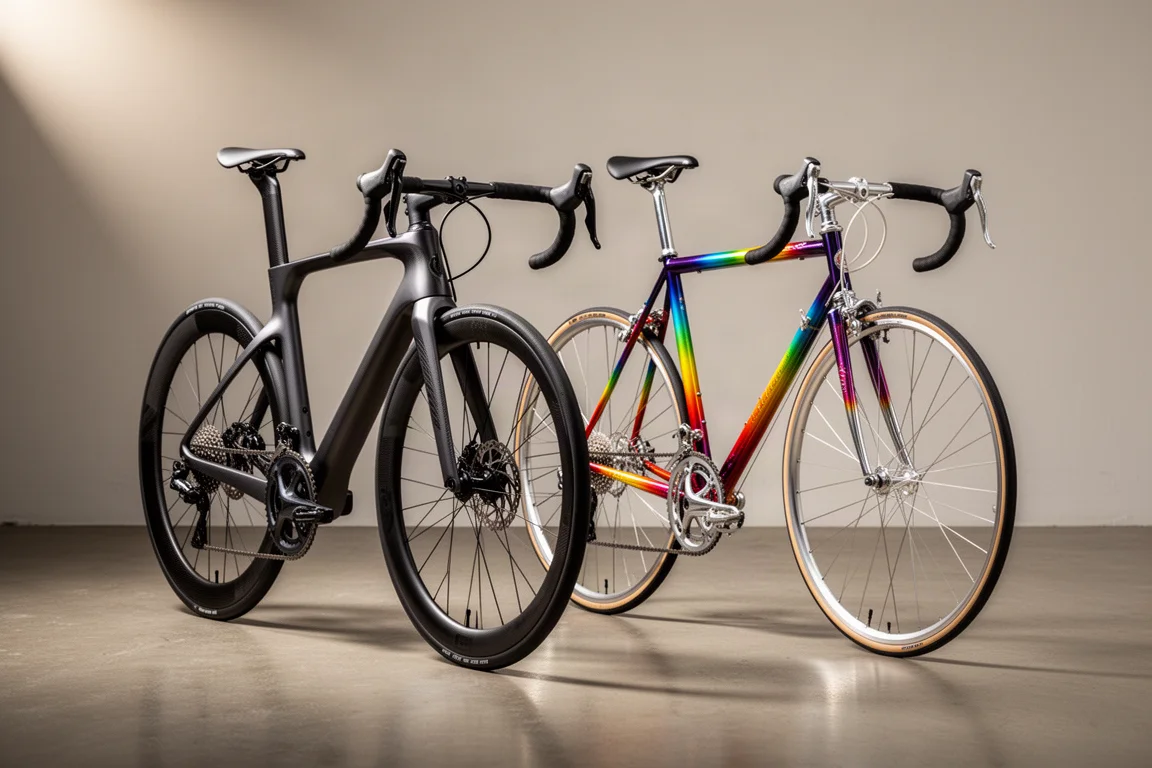
Three decades separate the Colnago C68 and the Colnago Master Olympic, and both were regarded as the best bike money could buy in their own era. The C68 is the current flagship handmade carbon bike from the Italian brand and the most sophisticated of the C-series so far. The Master Olympic was the state of the art in 1992, raced by Tony Rominger and the MAPEI team.
The interesting question is not which frame is newer. It is how much of those 30 years of development shows up as raw speed, and how much shows up in the way the bike feels underneath the rider. A back-to-back comparison using power meter pedals answers both parts: an undulating 7.3 mile circuit for aerodynamics and rolling resistance, and the Leith Hill climb for weight.
What Separates These Two Colnago Bikes
The two bikes were built to solve the same problem 30 years apart, but they go about it in completely different ways. The C68 looks like a carbon monocoque, yet it is built with integrated lugs: the bottom bracket shell forms part of the seat tube, while the top tube uses lugs to join the head tube and the seat tube. It is lighter, more aerodynamic and more comfortable than the C-series models that came before it, and it is handmade in Italy.
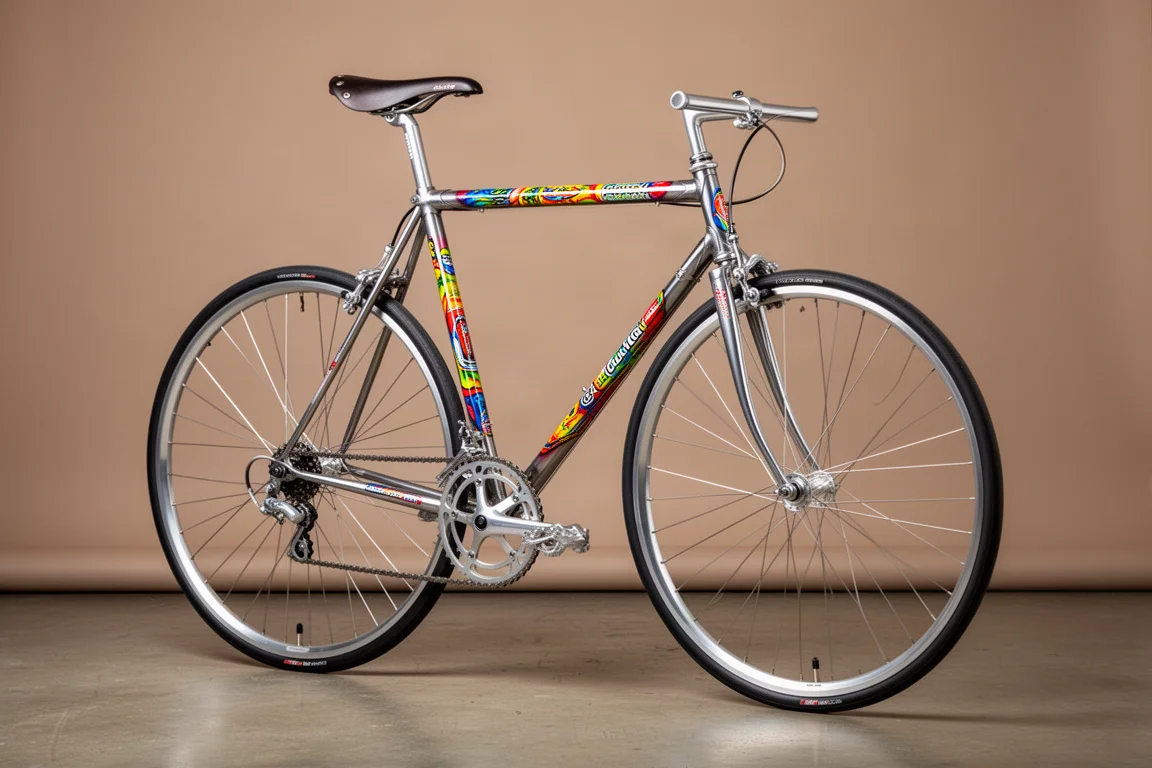
The Master Olympic is steel, built from Columbus tubing with a star-shaped tube profile developed with Gilberto Colombo, brother of Antonio Colombo of Columbus. It was designed for speed, with aggressive geometry, tight clearances and a straight Colnago Precisa steel fork built for rigidity and directness.

The component story mirrors the frames. The C68 runs 12-speed Shimano Dura-Ace 9200 Di2 with hydraulic disc brakes, Dura-Ace C50 wheels and 28 mm Pirelli P0 tyres, at 7.3 kg for the complete build. The Master Olympic runs nine-speed Dura-Ace 7700 with rim brakes, hand-built Peony wheels and 23 mm tyres, at just over 9 kg. One bike is built around control and comfort, the other around a stiff, direct connection to the road.
Colnago C68: Modern Carbon Flagship
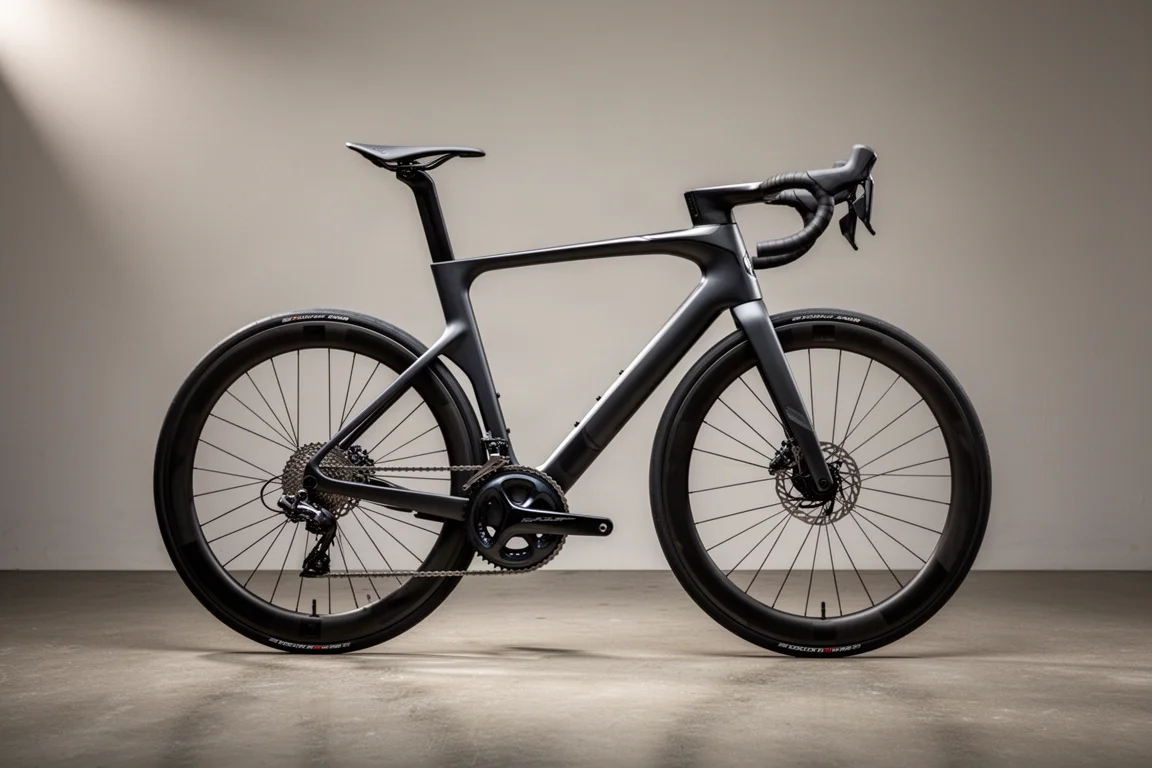
The C68 is the flagship handmade carbon bike in the range, and its construction is the most advanced the C-series has offered. Integrated lugs at the bottom bracket, top tube, head tube and seat tube keep the traditional Colnago look while delivering a frame that is lighter, more aerodynamic and more comfortable than its predecessors.
The build is thoroughly modern. Shimano Dura-Ace 9200 Di2 brings 12 speeds through a 52/36 chainset and an 11-30 cassette, matched to Dura-Ace hydraulic disc brakes. Dura-Ace C50 wheels carry 28 mm Pirelli P0 tyres, and the complete bike weighs 7.3 kg. Between the drops the handlebar measures 44 cm.
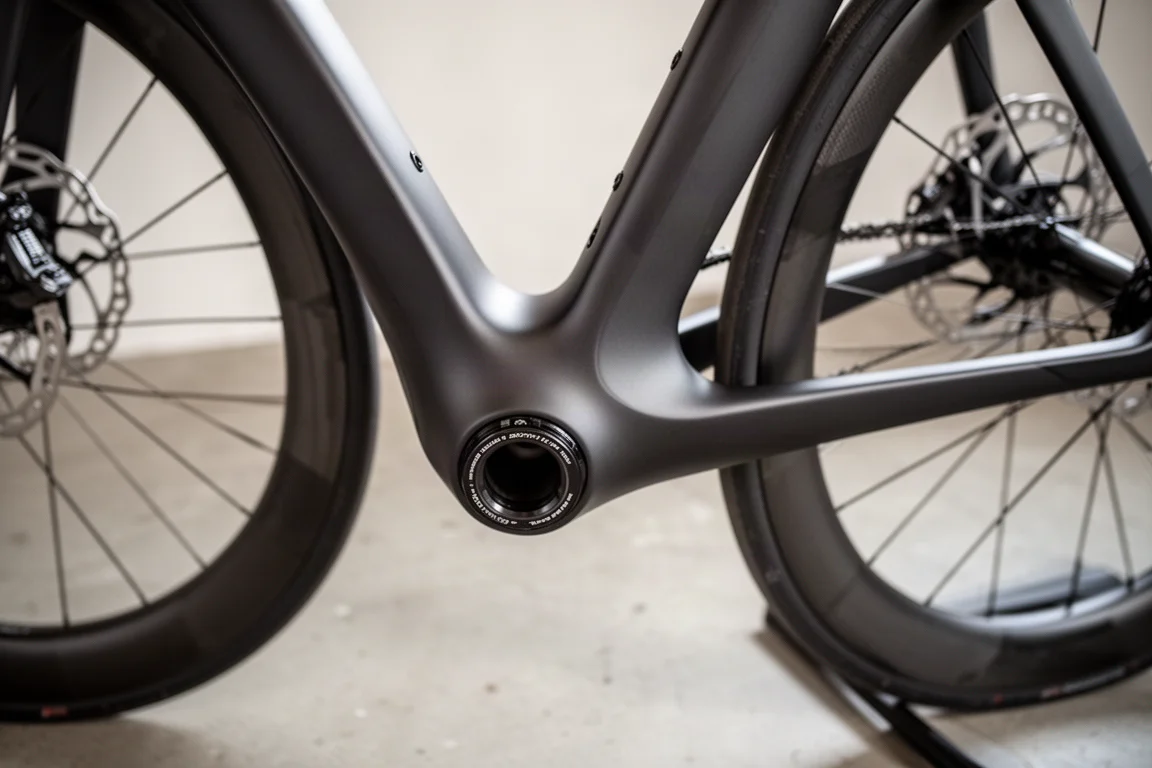
That combination is what makes the C68 so easy to ride hard. The wide gear range means a bottom ratio of 36 x 30 is available for the steepest pitches, and the electronic groupset keeps the chain in the right gear with a single button press, so the rider is rarely caught in the wrong ratio.
Colnago Master Olympic: Classic Steel Race Bike
The Master Olympic is a race bike in the truest sense. Aggressive geometry, tight clearances and the straight Colnago Precisa steel fork were all chosen for rigidity and directness, and the bike served as the MAPEI team machine in the 1990s.
Its Dura-Ace 7700 groupset is a very different animal from the modern one. The nine-speed transmission dates from 1996, with a 53/39 racing chainset and a close-ratio 12-23 cassette. Braking comes from Dura-Ace rim calipers, the hand-built Peony wheels are British made by Pete Matthews, and the tyres are a narrow 23 mm. The complete bike weighs just over 9 kg and the handlebar measures 38 cm between the drops. The art decor airbrushed paintwork sits alongside polished aluminium components.
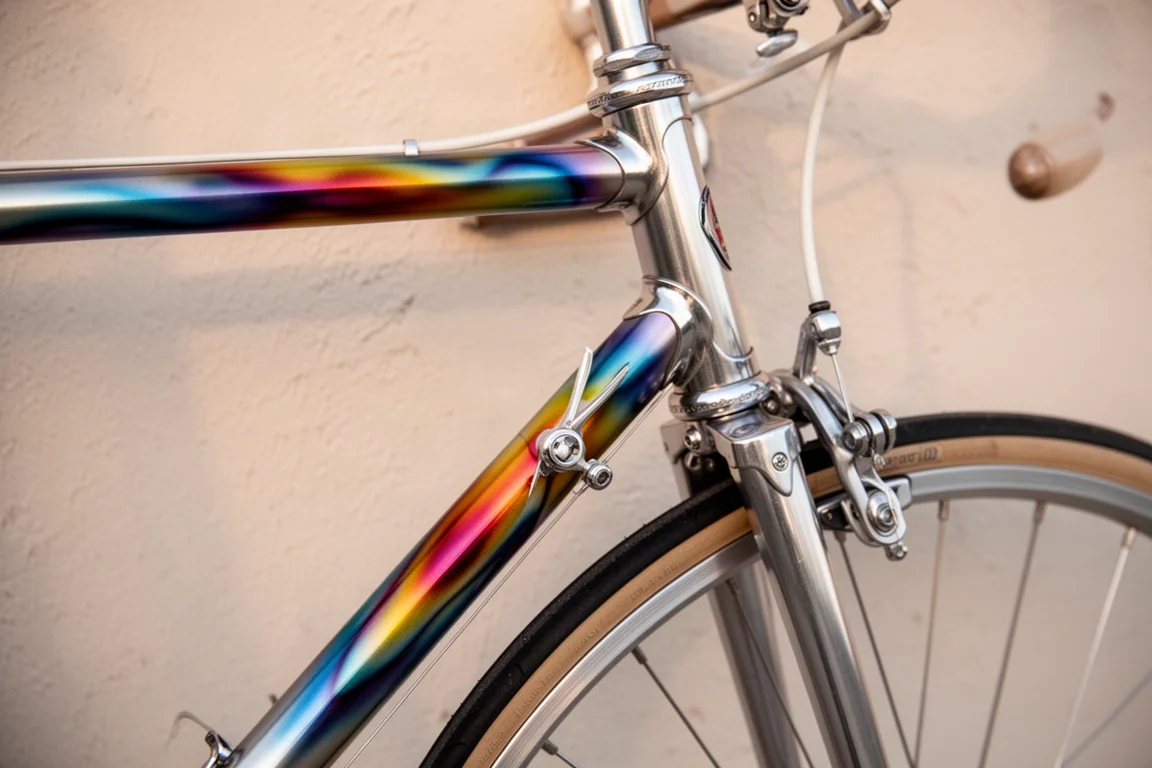
Those numbers explain a great deal about how the Master behaves. The narrower bar and close-ratio gearing suit fast, committed riding on smooth roads, while the 23 mm tyres and the older, narrower hoods make steep or broken surfaces much more of an effort.
What the Ride Data Shows
On the 7.3 mile undulating circuit, the Master Olympic covered the course in 21:15 at 225 watts, an average of 20.7 mph. The C68 completed it in 20:53, but at 234 watts and an average of 21.1 mph.
Because the two rides were not completed at identical power, the times were adjusted so they could be compared directly. After adjustment, the difference came out at 6.3 watts in favour of the Master Olympic, which sits inside the error margin for a field test of this kind. Traffic and one oncoming tractor are exactly the sort of variables that can skew a result. Tested without a rider, the C68 would almost certainly be the faster frame, and the narrower 38 cm bar on the Master is a plausible part of the explanation given how much of total drag comes from the rider.
Leith Hill gave a cleaner answer. The climb runs a mile and a quarter at an average of 6.6 percent, with a pitch after the car park that reaches around 32 percent, so at roughly 10 mph the gradient matters more than aerodynamics. The Master Olympic climbed it in 7:53 at 280 watts. The C68 climbed it in 7:39 at the same 280 watts. That is a 14 second gap, a clearer and more definite difference than the circuit test produced.
Ride Quality and Buying Advice
Ride quality is the part the data cannot capture, and it is the part that decides which of these bikes someone actually wants to own.
The Master Olympic feels firm, fast and smooth, and it is genuinely enjoyable on the right road. Uphill it is a different story. The older hoods are narrower and offer nowhere comfortable to put the hands, the 39 x 23 bottom gear arrives almost immediately, and the narrow tyres transmit every bump in the surface, so the rider ends up out of the saddle and steering around potholes rather than settling into a rhythm.

The C68 is the opposite experience on the same gradient. The extra gears allow the rider to stay seated for all but the very steepest sections, power goes down more smoothly, and the Di2 shifting means the correct gear is always one button press away. It also feels faster, smoother and plusher on undulating roads, which is why it is easy to end up pushing harder on it without noticing.
So which one makes sense? The C68 is the choice for a rider who wants the latest shifting and braking performance, a lighter 7.3 kg build and a modern frame that still carries a traditional look. The Master Olympic is the choice for a rider who wants a retro, seat-of-the-pants steel race bike with a paint finish that draws attention wherever it goes, and who accepts the narrower tyres, tighter gearing and firmer ride that come with it.
Conclusion
Thirty years of progress produced a 14 second advantage on a mile and a quarter climb, and an adjusted circuit result that was too close to call. The larger difference is in how the two bikes ask to be ridden.
If outright ride feel, modern shifting and braking performance and comfort are the priorities, the C68 is the one to choose. If the appeal is a fast steel bike with character and history, the Master Olympic still delivers, and it remains a quick bike even when it does not feel like one. Each serves a different purpose, and for riders who love Colnago, both are winners.
Further reading
Related Reviews
Road Bikes
10 New Road Bikes Worth Watching: Aero, Titanium, Steel and Endurance Standouts
A practical roundup of 10 new road bikes, from aero flagships chasing single-watt gains to titanium, steel and endurance platforms built for real roads.
Road Bikes
2026 Tour de France Road Bikes: Six Race Machines Worth a Closer Look
Six race bikes from the 2026 Tour de France grid, reviewed for paint, silhouette, wheels and the specification details that matter to buyers.
Road Bikes
3T Strada Italia Review: A Radical Aero Road Bike That Rides Smooth
A made in Italy carbon aero road bike with a deep head tube, wide tire clearance and a genuinely comfortable ride. Here is what to know before buying.