Stationery
College Note-Taking Essentials: 7 Supplies That Help You Keep Up in Lecture
Seven stationery picks and practical tips for college note-taking, from dotted notebooks to smudge-resistant pens and page markers.
Introduction
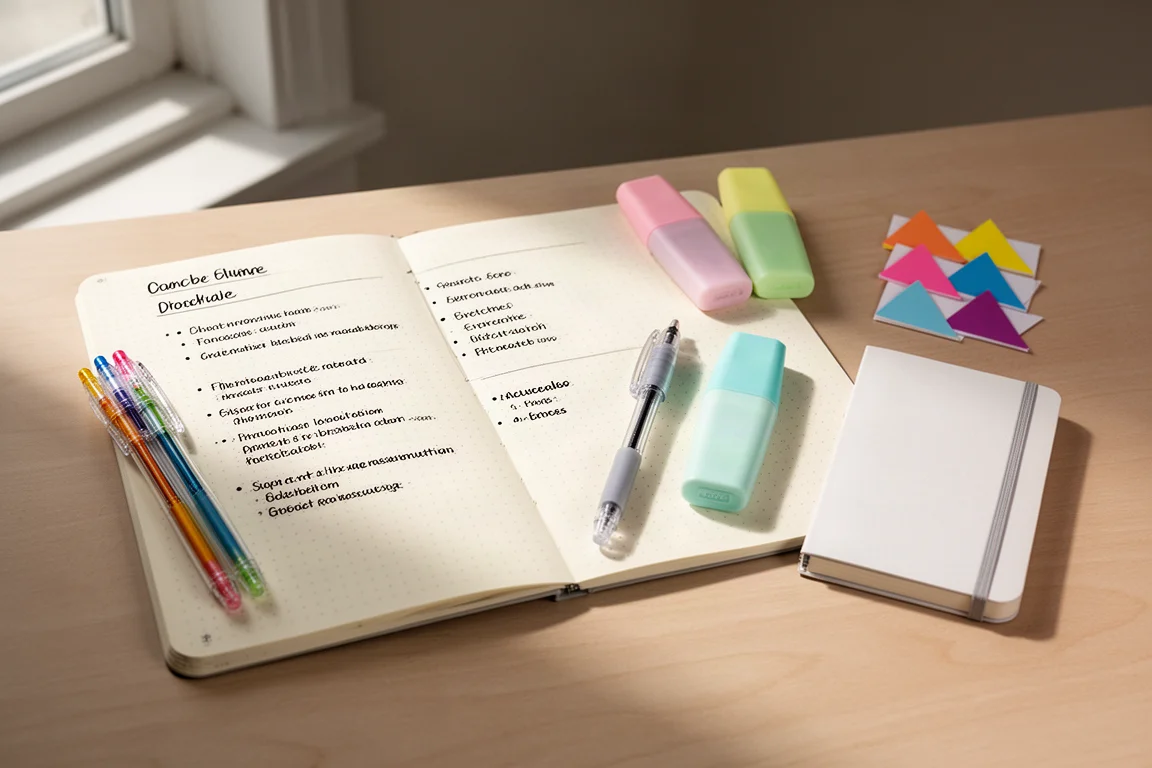
College lectures move fast, and professors will not slow down to teach you how to take notes. Getting more out of class comes down to two things: a note-taking method that fits the course, and supplies that keep your pages organized, readable, and smudge-free. This roundup gathers seven stationery picks that support those habits, plus the tips behind why they work.
Start With the Right Sheet Style
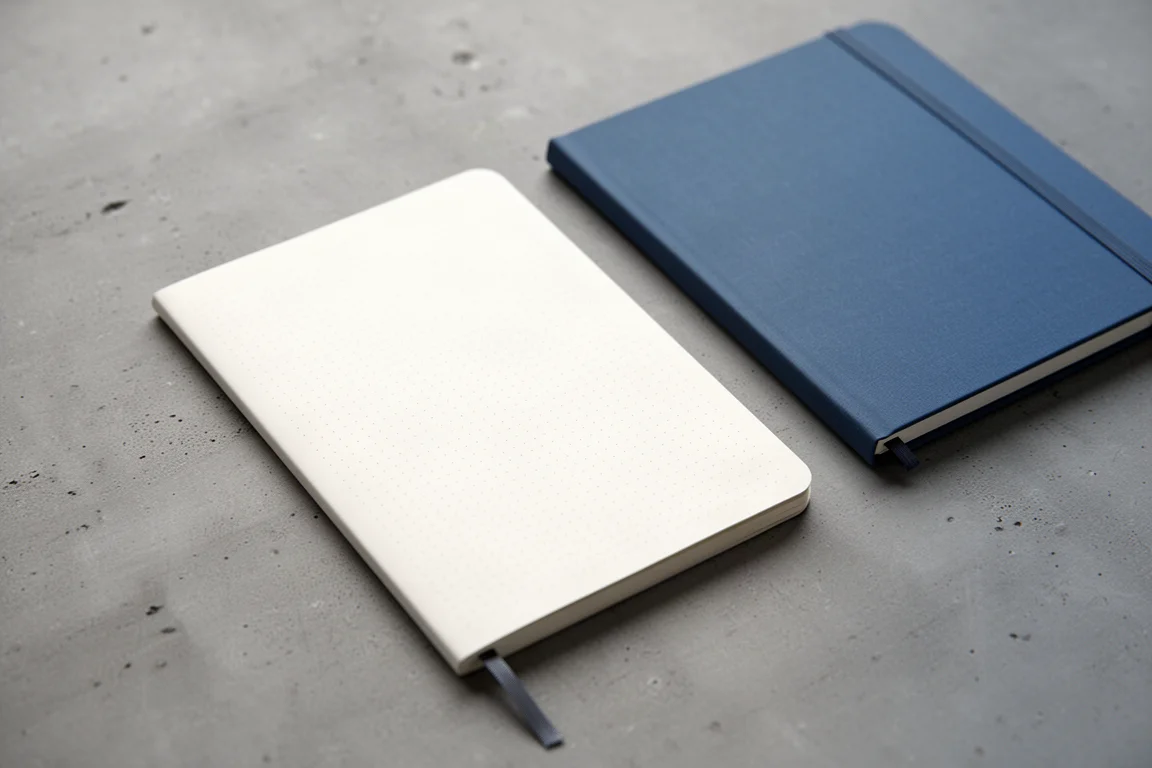
Before class, decide how you want to organize your notes: by chapter and lesson, by lecture date, or by drawing diagrams to connect ideas. A notebook crammed with tiny, uniform notes is hard to study from because you never know where to start. If you are unsure what sheet style to pick, dot grid is a safe bet: the dots give you guidelines for dividing sections without the restrictions of graph or ruled paper.
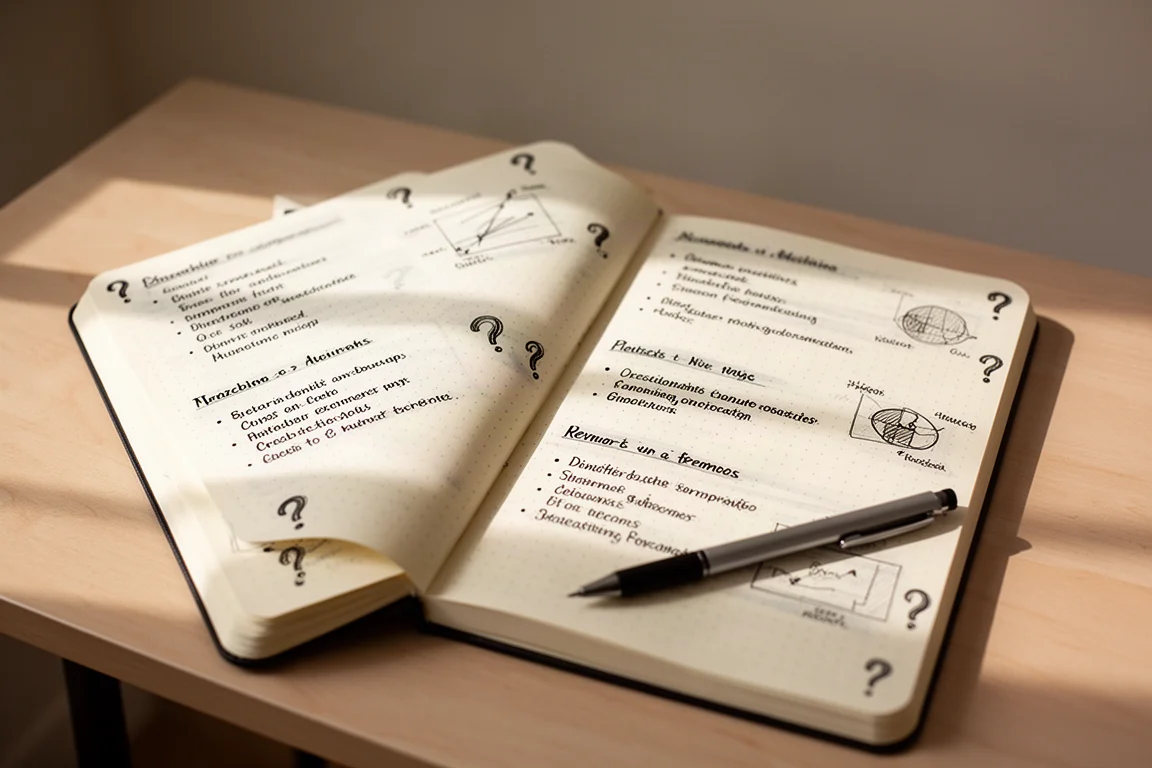
If you prefer ruled sheets, the Kokuyo Campus Dotted Rule Notebooks are worth a look. Depending on the course, you can keep room for diagrams, illustrations, questions, main points, or even a summary section to fill in when you review.
Write Bullets, Not Sentences
Writing full sentences slows you down during a lecture. Focus on important themes and topics so they are easier to reference later. If something is unclear, leave space to mark it, even with a few question marks, and follow up in class or during office hours. You will get more clarification from a conversation with your professor than from the lecture alone.
Make Key Points Stand Out
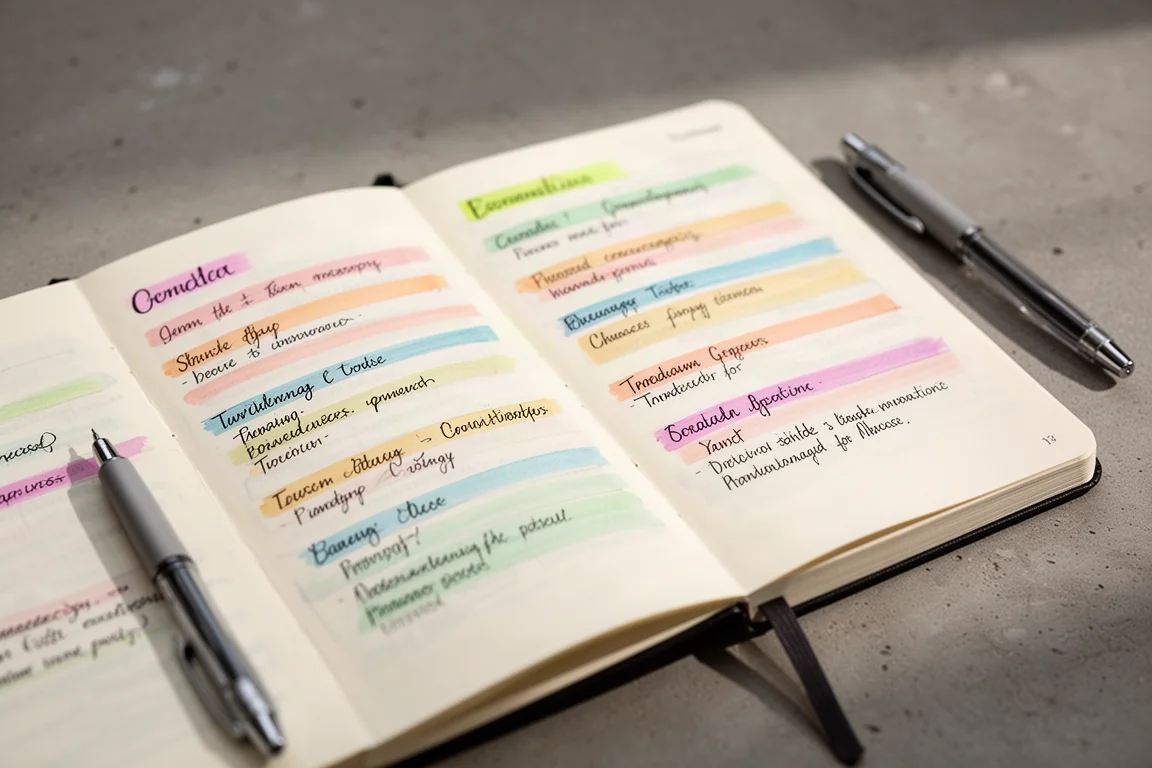
Visual hierarchy matters when you go back to study. Write main points larger than the rest of your notes, or color-code and highlight for quick visual cues.
Multi pens are handy here because they hold three to four colors in one body, letting you switch colors quickly without juggling pens. The Pilot Juice Up is a solid example of this format.
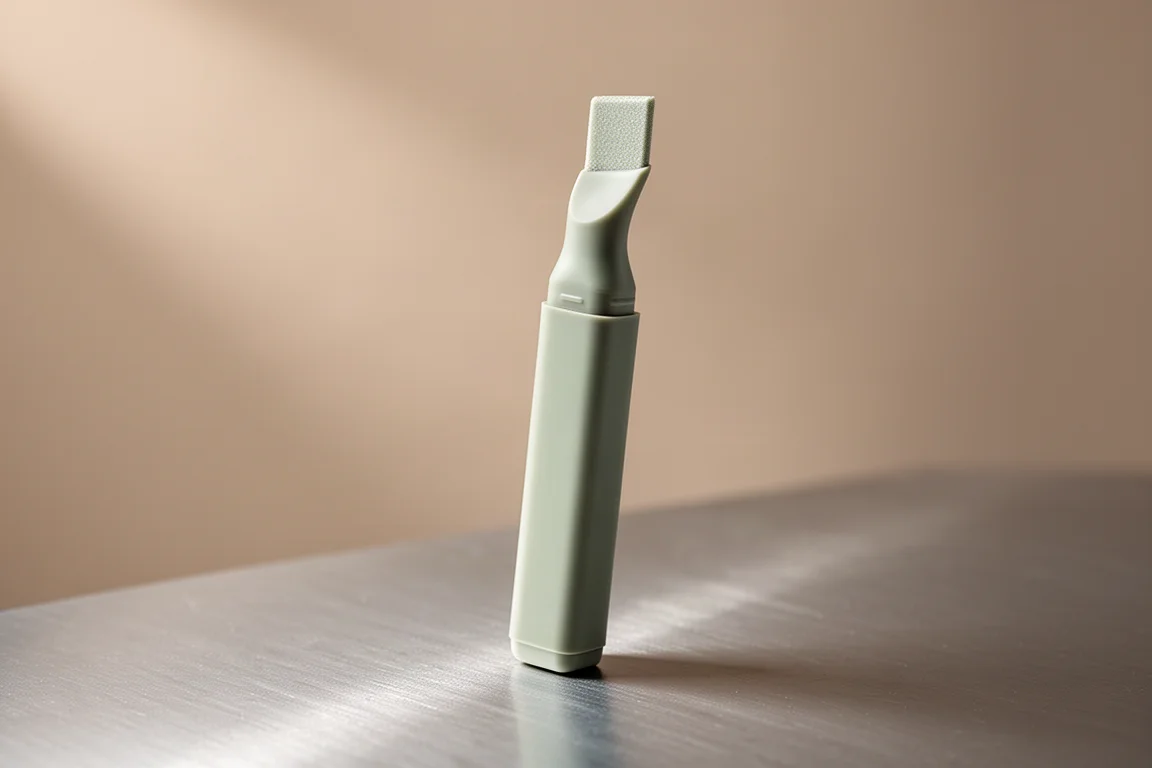
For highlighting, the Zebra Justfit Mojini Line stands out because it is formulated not to smear water-based ink. That means you can highlight over your notes without turning them into a smudged mess.
Mark What Matters With Page Markers
If your professor provides slides before class, use them. Grouping your notes with their relevant topics before the lecture makes referencing far easier. Index tabs help too, representing main topics, chapters, or themes.

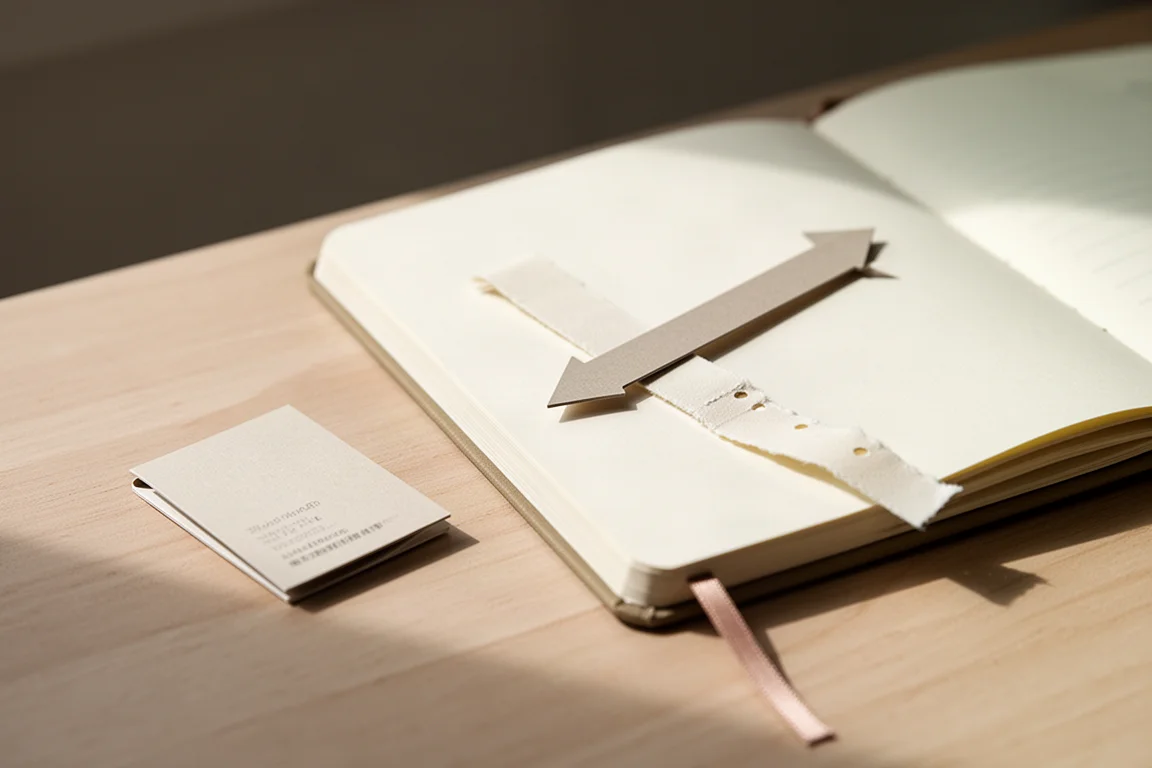
The Beverly Cocosasu Page Markers are a clever take on this: stick one at the spot you want to point out, tear the long part off, and use the remainder as a page flag. When you flip back later, the triangle shape lets you immediately locate the information you need.
Pick a Pen That Keeps Pages Clean
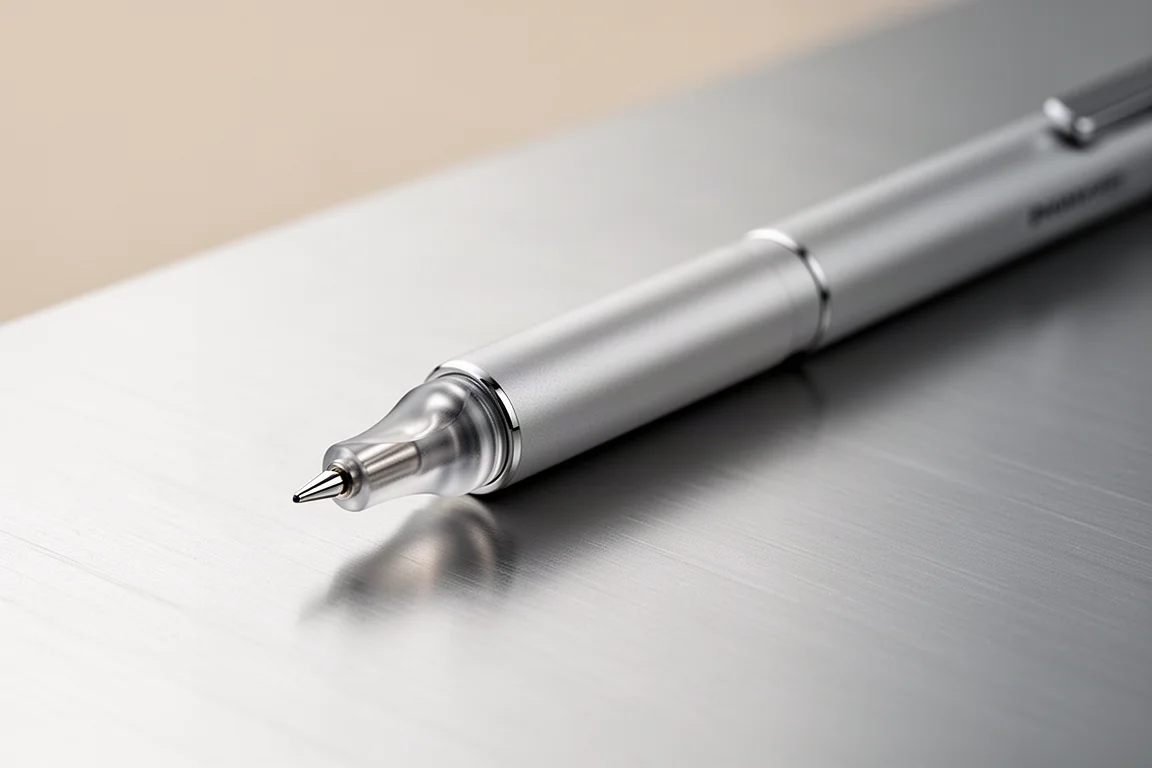
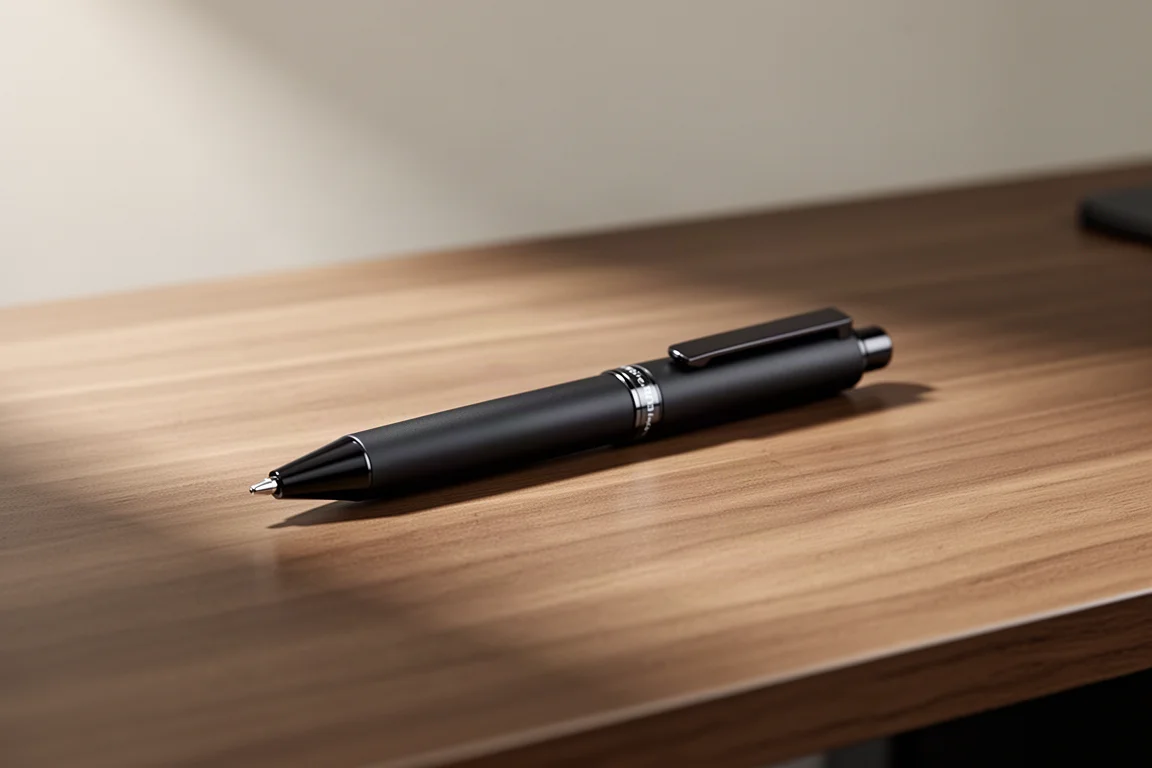
An overly juicy pen can smear your notes, which is worth avoiding if you highlight or write quickly. A smooth ballpoint like the Zebra bLen is a good choice. It is also designed to reduce rattling and vibrations while writing, which helps you concentrate.
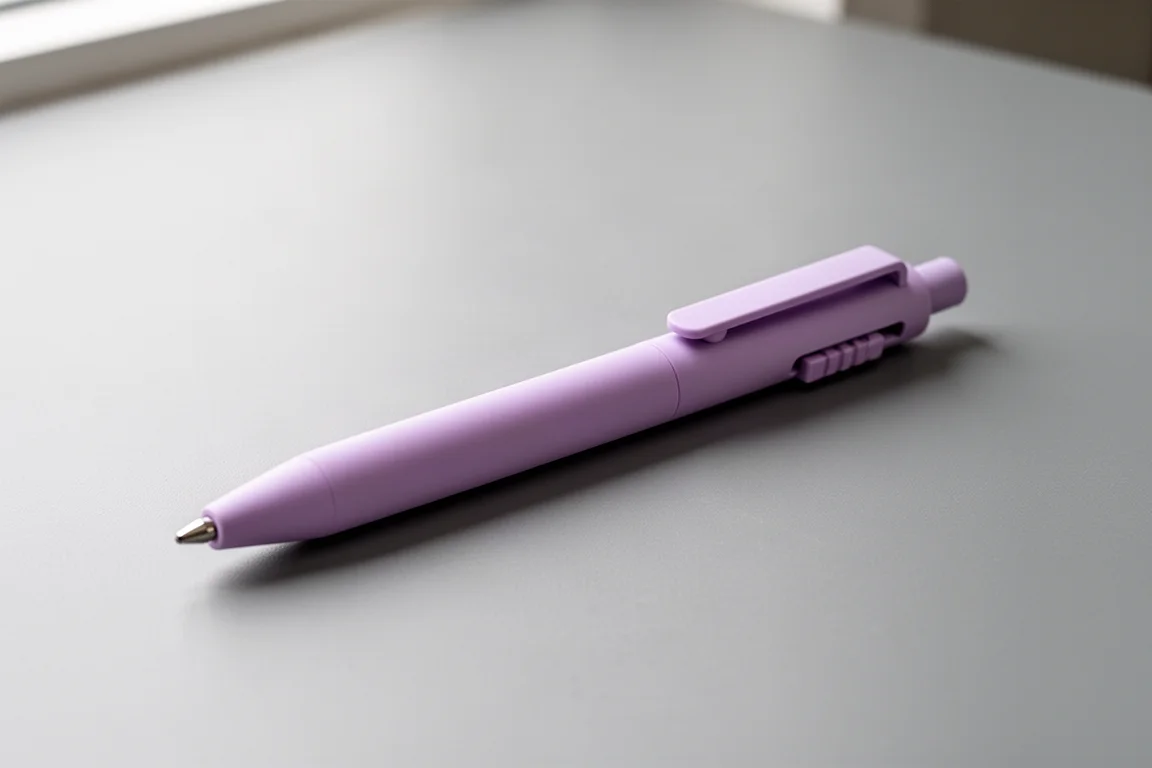
If you prefer gel pens, consider the Uni Ball One. Its ink is extra vibrant and pops off the page, which can help with information recall, and it dries immediately so you can highlight right after writing.
Blend Analog and Digital
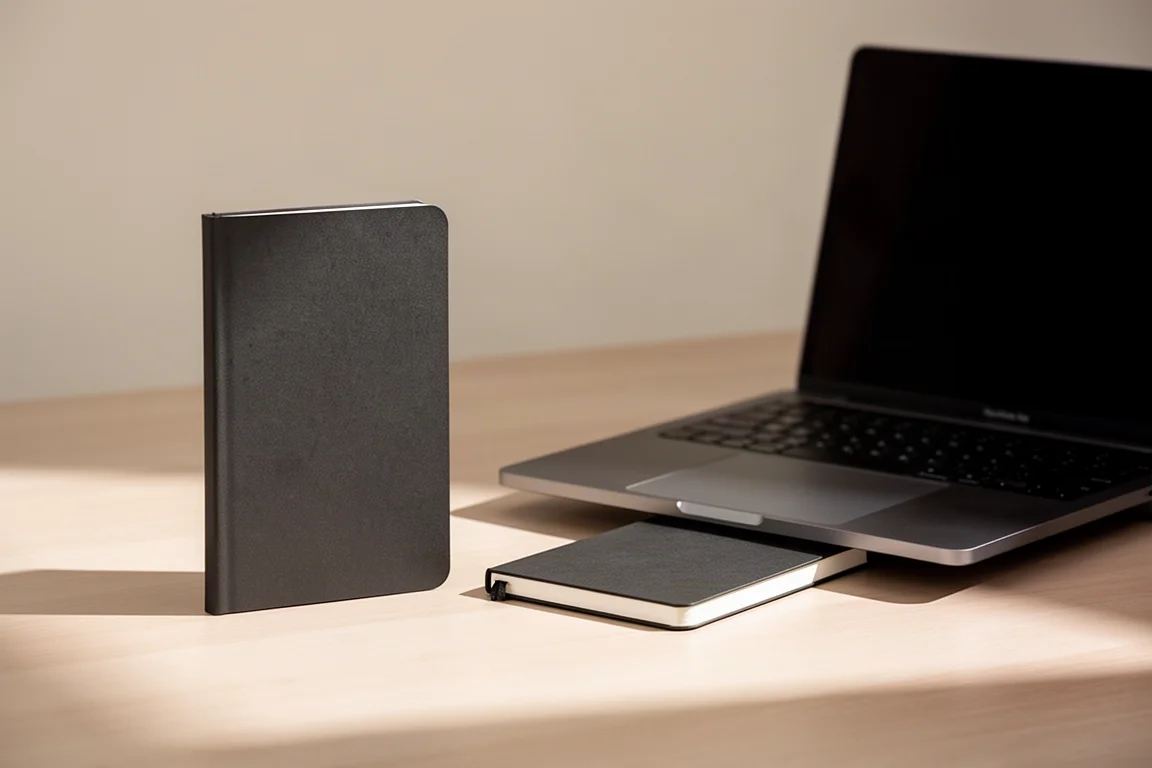
Pure digital note-taking is convenient, but a blend of analog and digital tools works better. Type longer-form notes on a laptop, and keep a notebook out for drawing diagrams or explaining concepts visually. The Kokuyo Campus Half Size Notebook fits neatly in front of your laptop, so you do not have to compromise on desk space.
A few habits round this out: sit closer to the professor so you are less tempted to scroll your phone or laptop, review your notes as soon as possible after class, ideally with a classmate who can fill in gaps, and use memo sheets to summarize lessons as quick refreshers before the next class or as a midterm study tool.
Conclusion
Good note-taking in college is less about working harder and more about removing friction: a sheet style that fits the class, pens that will not smear your notes, and markers that help you find things instantly. Any of these seven picks can make your study sessions smoother, and combining a few of them with the habits above will carry you through the school year.
Further reading
Related Reviews
Stationery
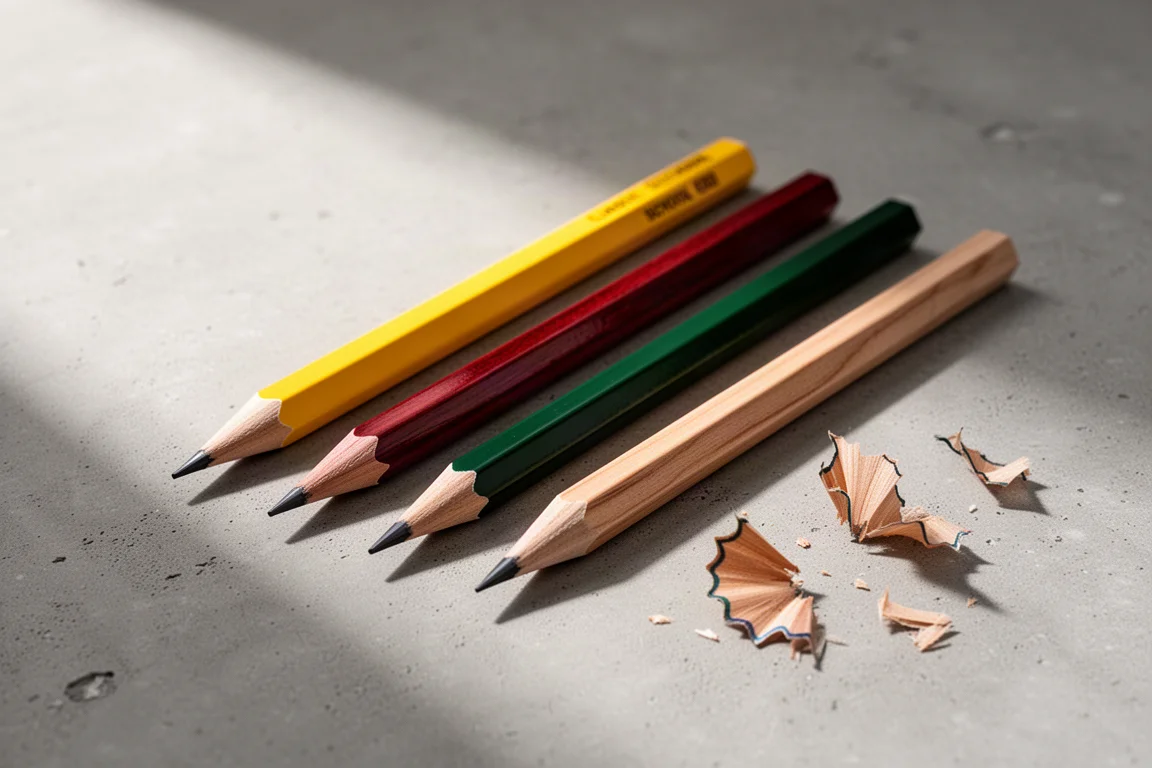
Musgrave Pencils Review: Four Classic Pencils from Tennessee's Last Pencil Factory
We put four Musgrave pencils to paper, from the classic Harvest to the Unigraph 1200 drawing pencil, to see what a century-old Tennessee workshop can still do.
Stationery
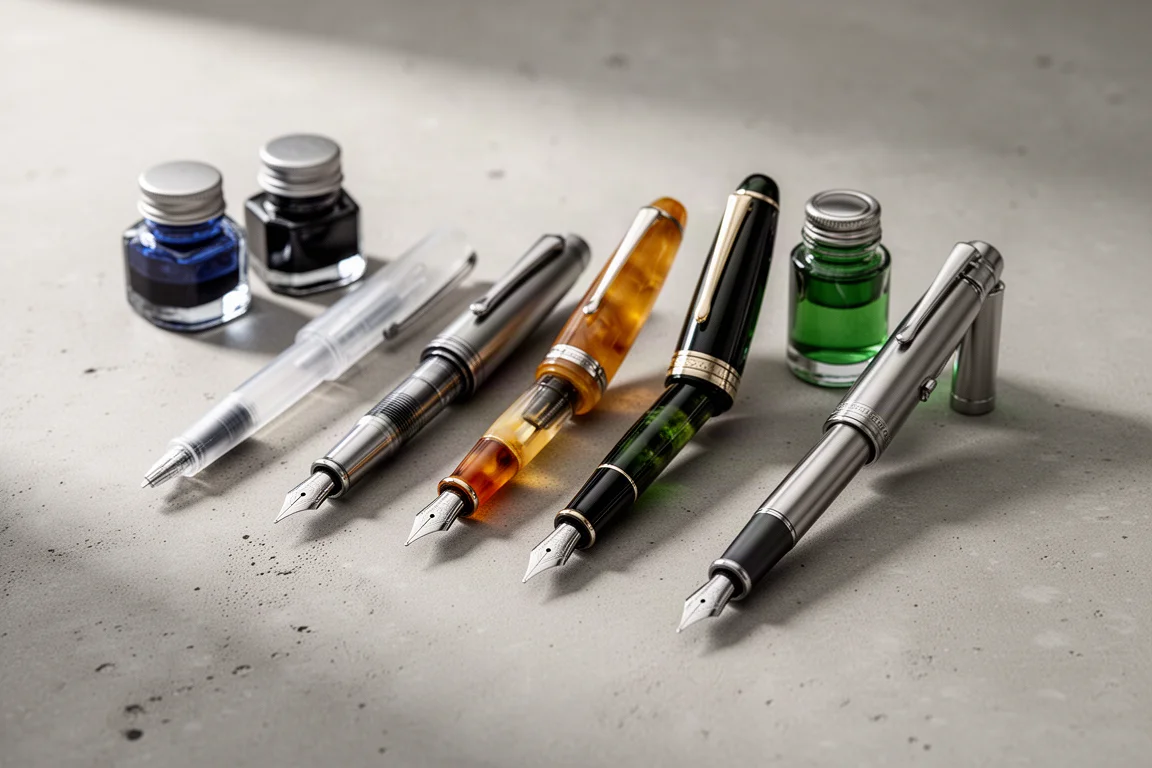
Fountain Pen Tiers Explained: From Starter Pens to Luxury Grails
A practical overview of the different levels of fountain pens and inks, from a sub-$20 starter setup to Italian piston fillers and retractable gold-nib everyday carries.
Stationery
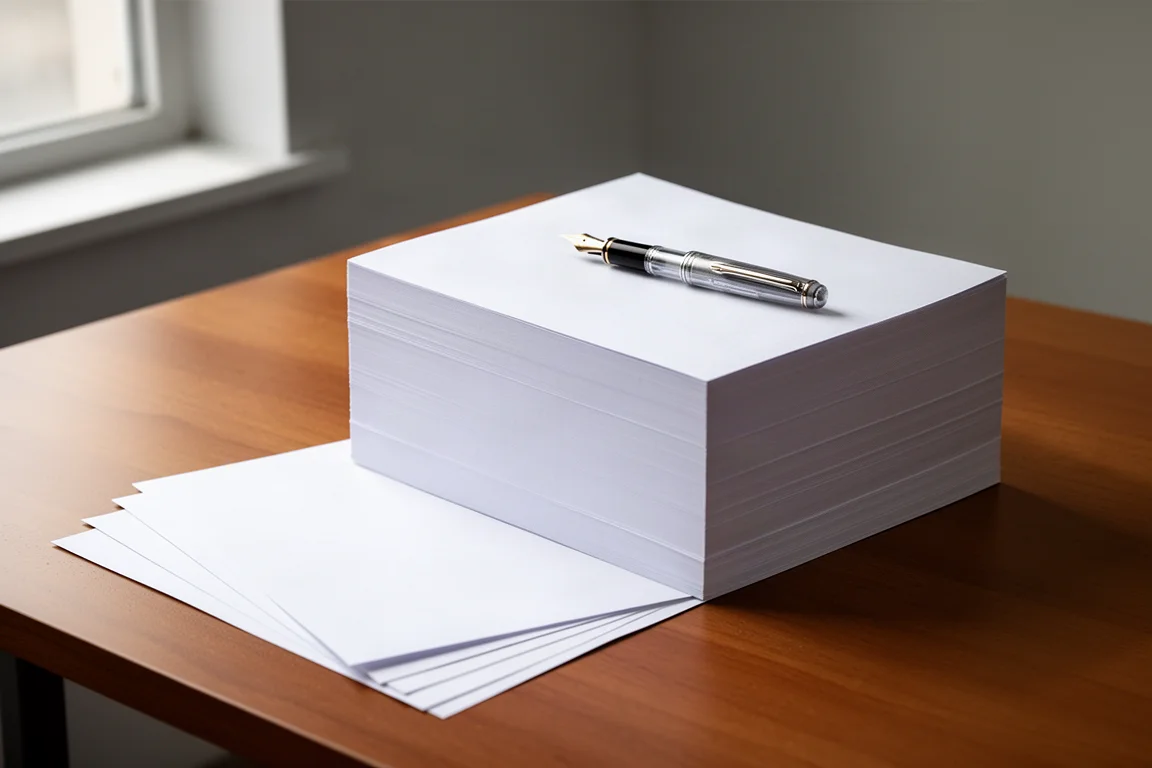
HP Premium 32 lb Copy Paper Review: A Fountain Pen Friendly Everyday Printer Paper
A heavy, smooth 120 GSM copy paper that handles fountain pens far better than standard printer stock, with only minor trade-offs in shading and sheen.