Camping Lanterns
Coleman Rugged Rechargeable Lantern Review: Bright, Tough, and Simple to Run
A two-mode rechargeable camping lantern with USB phone charging, measured brightness above its rating, and a low setting that never gets truly low.
Introduction
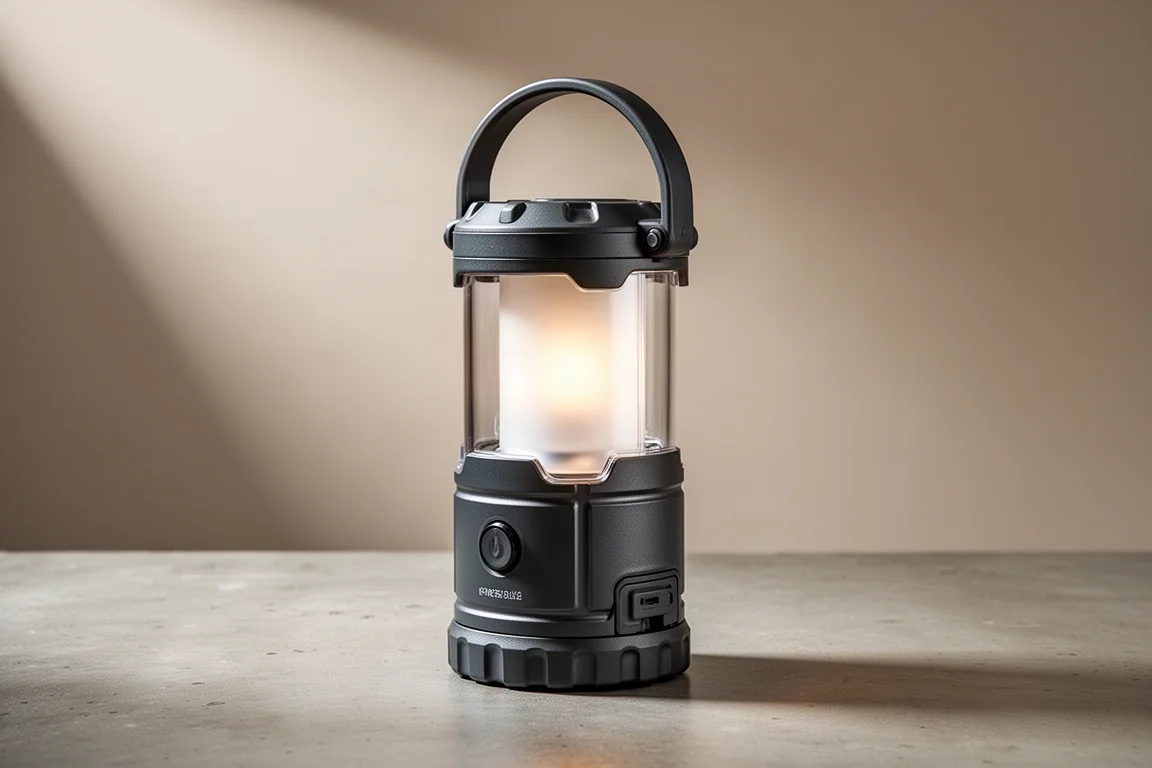
The Coleman Rugged Rechargeable Lantern is built around a deliberately plain idea: one switch, two brightness settings, a rechargeable battery, and a USB port that can top up a phone when the campsite has no power. There is no app, no colour tuning, and no menu to learn. Turn the switch left for low, right for high, and back to the centre for off.
That simplicity is the lantern’s main selling point, and measured performance backs up at least part of the marketing. High output runs well above the rated figure, and run times land close to the published numbers. The compromises show up at the dim end, where the low setting stays bright enough to feel harsh on dark-adjusted eyes, and in the absence of any battery gauge.
This review covers what arrives in the box, how the lantern charges, how it behaves as a power bank, measured light output and run time, tent coverage, durability, and water resistance, plus the trade-offs worth knowing before you buy.
Who this product is for
This lantern suits family tent campers, car campers, and anyone who wants a light a whole group can use without instructions. The large top handle makes it easy to carry between the car and the tent, and a carabiner can hang it from a tent loop when you want it overhead. It also works as an emergency light for a home kit, since it charges over USB rather than swallowing disposable batteries and can pass some charge to a phone in a pinch.
It is not a backpacking item. The lantern alone weighs 21.8 ounces, or 619 grams, which is a lot to carry on foot. Anyone who wants a genuinely dim night light, a flashing mode, or an SOS setting will need to look at other options.
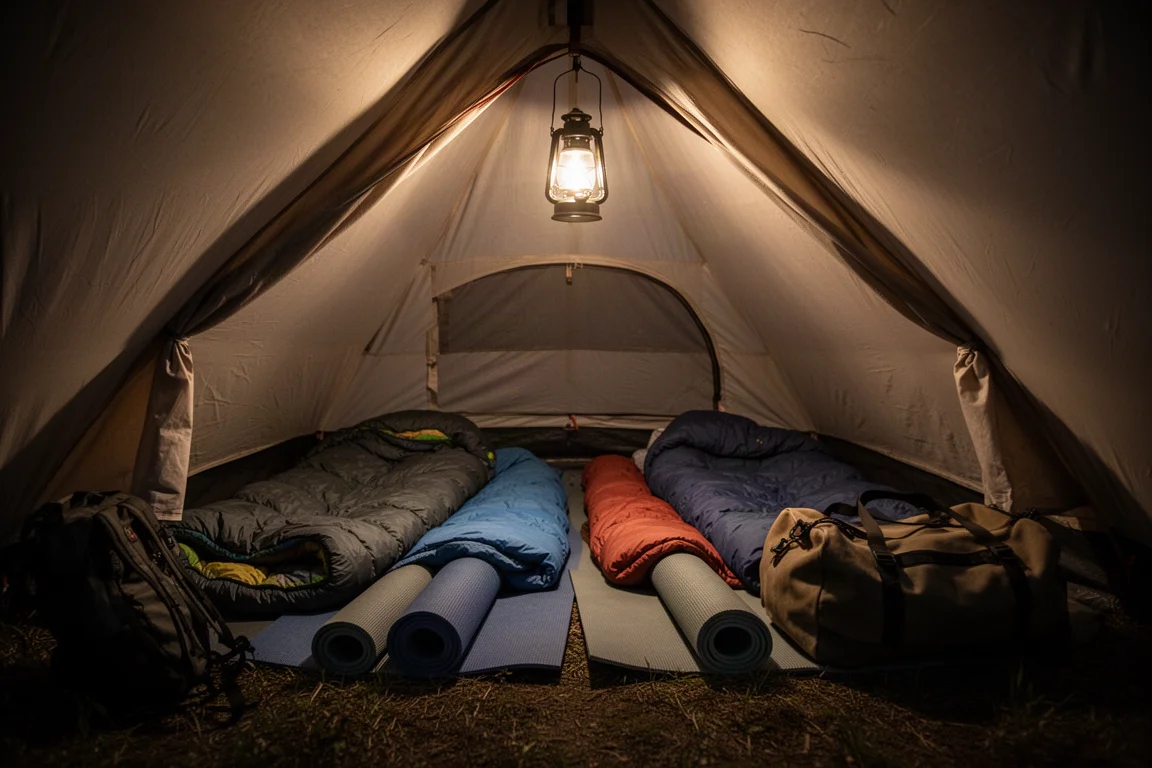
Think of it as a group lantern rather than a personal one. It performs best hanging from the centre of a tent or sitting on a picnic table, not tucked into a sleeping bag pocket.
Main strengths
The control scheme is the strongest part of the design. A single switch sits in the middle of the body: off in the centre, low to the left, high to the right. It is large enough to turn easily and it protrudes from the housing, so it is simple to locate by feel in the dark. There is nothing to memorise and no long-press sequences to learn.
Charging happens over USB instead of removable batteries, which is a cleaner arrangement for regular campers, and Coleman states that the LEDs are rated to last the life of the lantern without replacement. A compartment in the base stores the charging cable, keeping it with the lantern rather than in a separate bag. The rubber flap at the back hides a micro-USB charging input on top and a full-size USB output below it, so the same battery that runs the light can also charge a phone.
Brightness is generous for the class. Measured output on high came in near 675 lumens, and the tested lighting area on that setting is large enough to cover a 12-person tent and possibly a 14-person tent. The lantern also shrugs off repeated drops from hand height, which supports the rugged branding.
Light output, runtime, and real-world coverage
Coleman rates the lantern at 400 lumens on high and 100 lumens on low, with run times of 4 hours and 20 hours respectively, and a shine distance of 12 metres on high and 6 metres on low.
Measured results differ in interesting ways. On high, output came in at roughly 675 lumens, close to 70 percent above the rated figure, and low measured around 178 lumens. Run time tracked the published specs closely: about 4 hours and 20 minutes on high, and about 20 hours and 45 minutes on low.
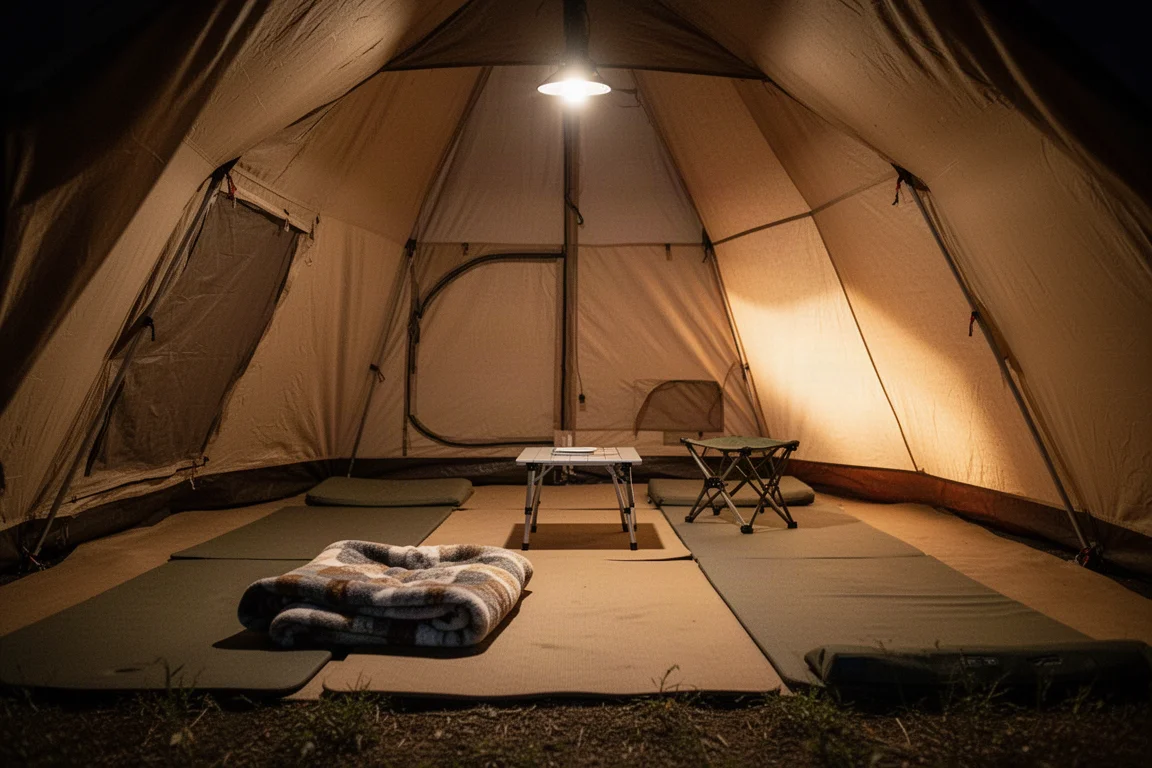
Shine distance was the weakest match. Light was no longer detectable at roughly 8.6 feet, or about 2.6 metres, on high, and about 6.9 feet, or 2.1 metres, on low. Both fall well short of the published 12 metres and 6 metres. Even so, that translates into a usable lighting area of roughly 232 square feet on high and about 149.6 square feet on low. For context, a 6-person tent covers about 93 square feet, an 8-person tent about 103.5 square feet, and a 10-person tent about 143.6 square feet. On area alone, the low setting covers a 10-person tent, while the high setting covers a 12-person tent and possibly a 14-person tent.
Inside a 6-person tent with the lantern hanging from the top, high mode lit the space comfortably, and reading at the edge of the tent was clear. Low mode also lit the whole tent, and a page stayed readable. Colour leans warm rather than cool. Up close the light is glaring even on low, and a more frosted LED casing would have softened it. Hanging overhead it is fine; sitting right beside it is less pleasant.
Things to consider before buying
Only two brightness settings exist, and neither goes particularly dim. At around 178 lumens, low is bright enough to feel blinding once your eyes have adjusted to darkness, which also caps the maximum low-mode run time at just under 21 hours. Lanterns with a near-zero low setting can stretch much further and double as a gentle night light.
There is no flashing or SOS mode, and no battery life indicator. The small light at the back only reports charging status, turning red while charging and green when finished. You cannot check how much capacity is left before you leave for a trip.
Charging performance and power bank use
Charging runs through the micro-USB input behind the rubber flap. A full charge took about 6 hours and 15 minutes, and the indicator light at the back stays red during charging and turns green once the battery is full. The lantern arrives with a partial charge, so it works out of the box, but topping it up before a trip is sensible.
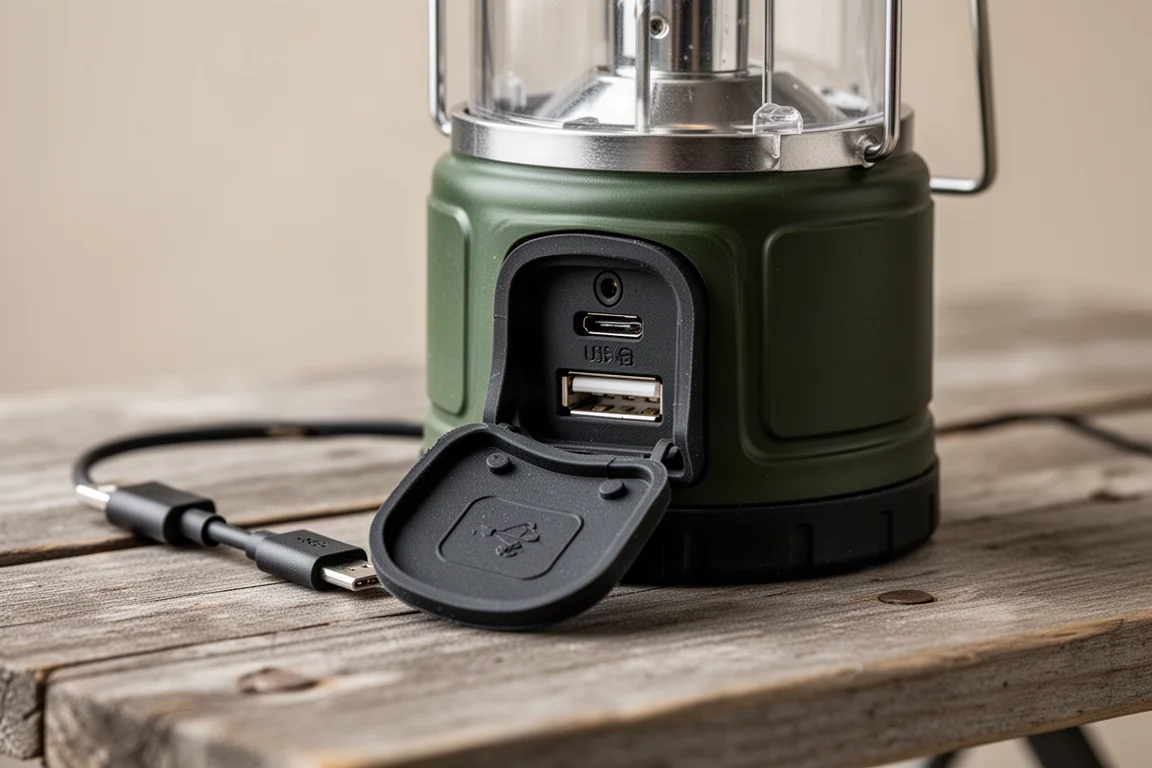
The USB output works as a power bank. In testing, a phone went from 34 percent to 97 percent in about 2 hours and 5 minutes on the first run, then from 26 percent to 42 percent in about 40 minutes on the second, where the connection became spotty near the end of the session. Together that is roughly 79 percent, close to one full charge of an iPhone 12. There was still enough capacity left for about 45 minutes of light on high, or about 3.5 hours on low.
Battery capacity is not published. Based on the charging pattern and the remaining light, a reasonable estimate sits somewhere around 3,500 to 4,000 mAh, though that figure should be treated as an approximation rather than a specification. If phone charging is the main reason you are considering this lantern, plan around those numbers, because topping up a phone takes a meaningful share of the battery that would otherwise run the light.
Durability, water resistance, and warranty
The lantern carries an IPX4 rating, which means protection from splashing water from any angle. It handles rain reasonably well but is not fully waterproof. After 15 to 30 minutes of moderate to heavy rain, the lantern still worked, but water found its way past the black flap near the charging ports, into the storage compartment in the base, and droplets appeared inside the globe where they could not be wiped away.
The drop test from hand height produced a predictable result: the storage cover at the bottom separates and anything inside spills out, but the lantern itself kept working. The globe is hard plastic rather than glass, which helps, and repeated drops left only minor scuffs. The base storage plastic shows wear over time. Coleman backs the lantern with a three-year warranty, which is longer than the one-year coverage on its tents.
Buying advice
Buy the Coleman Rugged Rechargeable Lantern if you want a straightforward, tough, bright lantern for tent camping, car camping, or emergency use, and you value a switch anyone can operate without a manual. Measured high output exceeds the rated figure, run times match the published specs closely, and the USB output adds real value on a trip without power.
Look elsewhere if a dim night light mode matters to you, if you want flashing or SOS settings, or if you need a battery gauge. The low setting is the main sticking point: it is bright enough to feel uncomfortable in a dark tent, and it limits how long the lantern can run on its dimmest mode. Anyone counting grams for a backpacking trip should also weigh the 21.8 ounce body before committing.
Conclusion
This is a well-made, easy-to-live-with lantern that trades flexibility for simplicity. The brightness, the USB charging, the cable storage, and the impact resistance all hold up, and the three-year warranty is a genuine plus. The costs are a low mode that never gets truly low, no battery indicator, and no emergency lighting modes. If those omissions do not bother you, this is a dependable light for the tent.
Product link
View more details for Coleman Rugged Rechargeable Lantern
This product is mentioned in the review. Check the specifications, options, and compatibility before buying.
View more details for Coleman Rugged Rechargeable LanternFurther reading
Related Reviews
Camping Lanterns
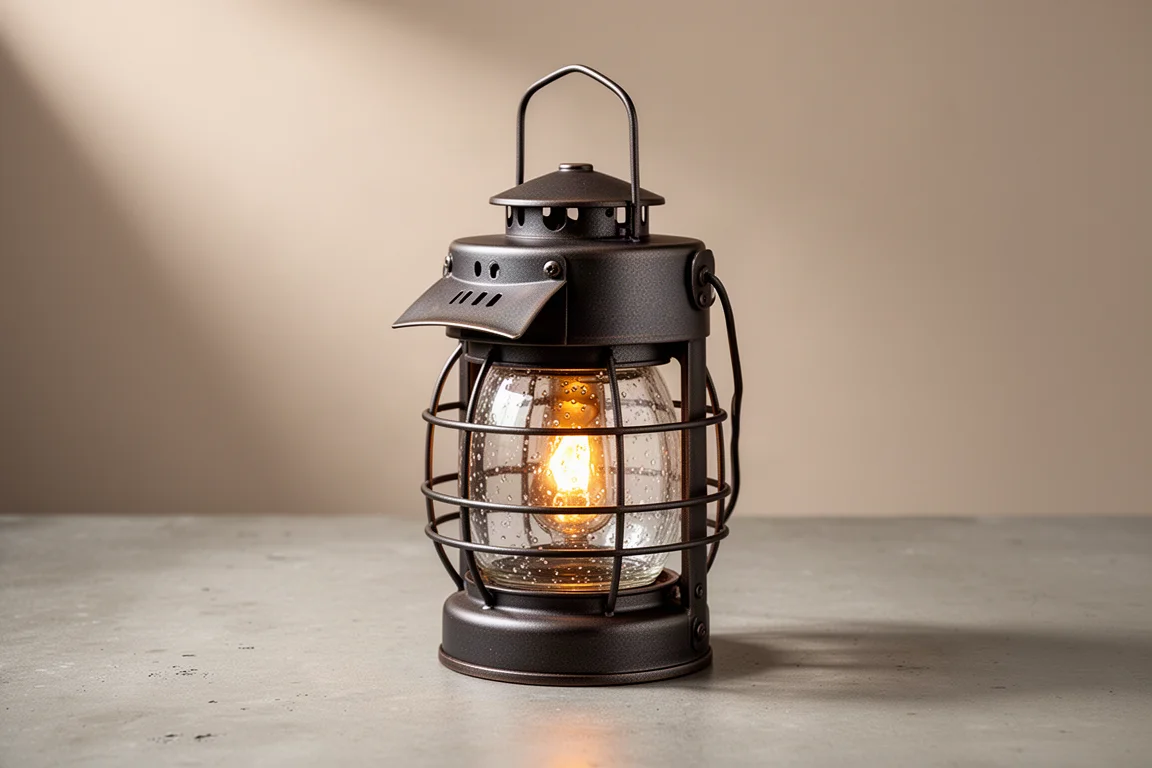
Barebones Railroad Lantern Review: A Vintage-Style Lantern That Beats Its Own Specs
A detailed look at the Barebones Railroad Lantern, covering measured brightness and runtime, charging behavior, weather resistance, and what to know before buying.
Camping Lanterns
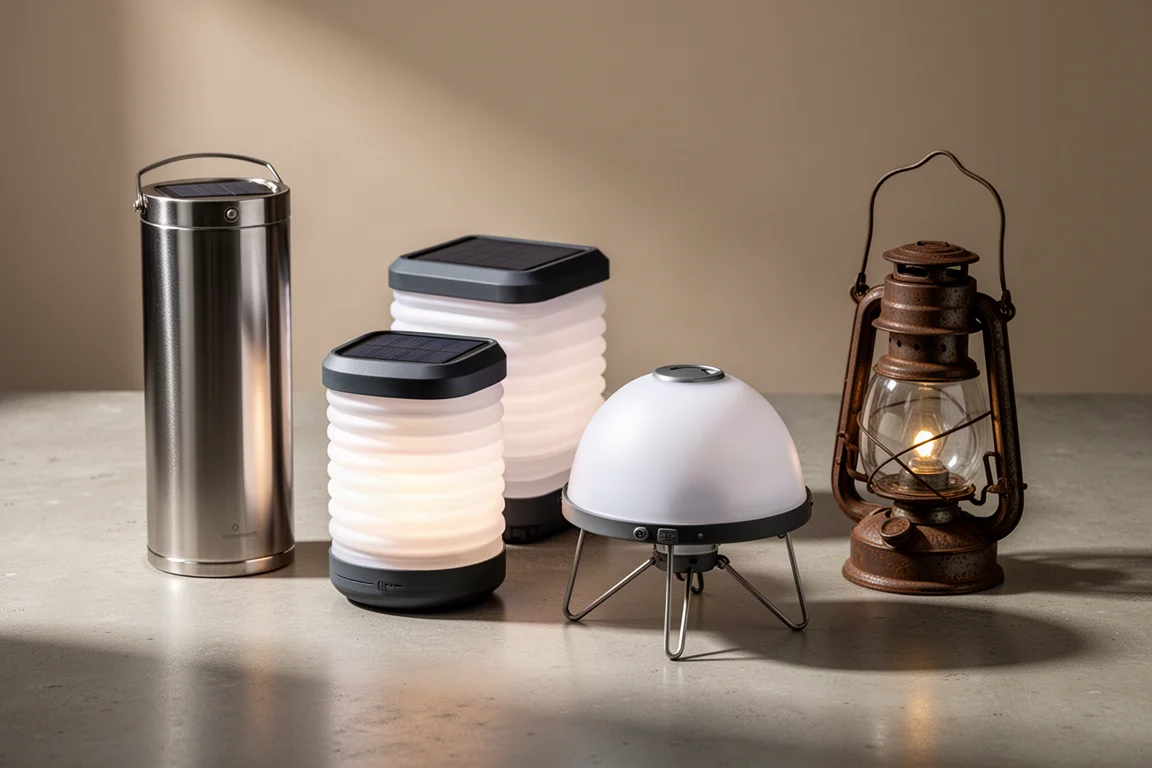
Best Rechargeable LED Camping Lanterns 2026: 12 Lanterns Compared
Twelve rechargeable LED camping lanterns measured for brightness, run time, features, ease of use, durability, and portability, with clear picks for every kind of camper.
Camping Lanterns
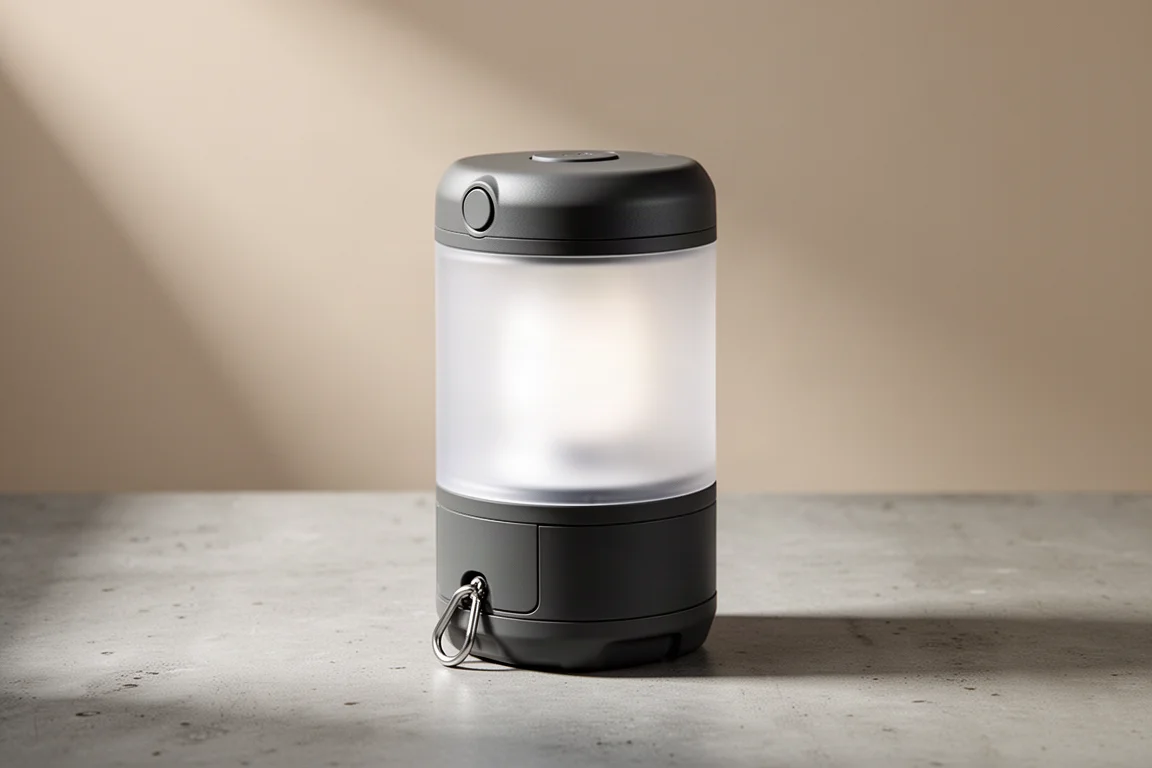
BioLite AlpenGlow 500 Review: A Versatile Rechargeable Camping Lantern
A rechargeable camping lantern with thirteen lighting modes, a 6,400 mAh power bank, and long measured runtimes, plus the warranty and safety trade-offs worth weighing first.