Cookbooks
Coconut and Sambal Review: An Approachable Gateway to Indonesian Home Cooking
A week of cooking 18 recipes from Lara Lee's Coconut and Sambal: what worked, what needed translation, and whether this 2020 cookbook earns its place on your shelf.
Introduction
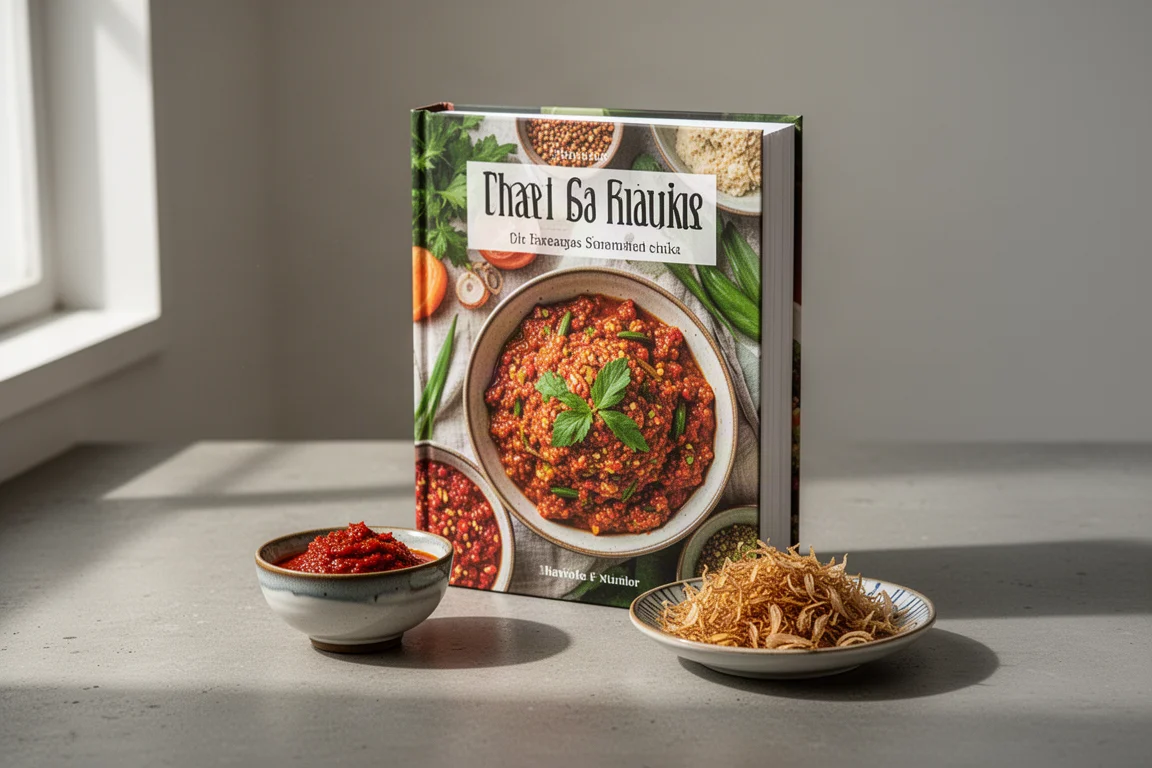
Coconut and Sambal is Australian-Indonesian chef Lara Lee’s first cookbook, published in 2020. Over one week of cooking, 18 of the book’s 105 recipes were made: six mains, five sides, one dessert, and six condiments and accompaniments. Most dishes took about an hour, made four servings, and the average cost worked out to roughly $7.48 per serving.
The premise is personal. Lara traces her journey of self-discovery through the Indonesian islands and their many cuisines, training with her mentor, Indonesian food writer Sri Owen, alongside recipes passed down from her grandmother Popo, herself a professional baker from Kupang in West Timor. The result is a cookbook that leans heavily on two ingredients that earn their place in the title: coconut and sambal.
After a full week with the book, the verdict landed at 8.2 out of 10, driven by approachable recipes, genuinely exciting flavors, and a surprisingly small number of duds. Here is how it breaks down.
Who This Cookbook Is For
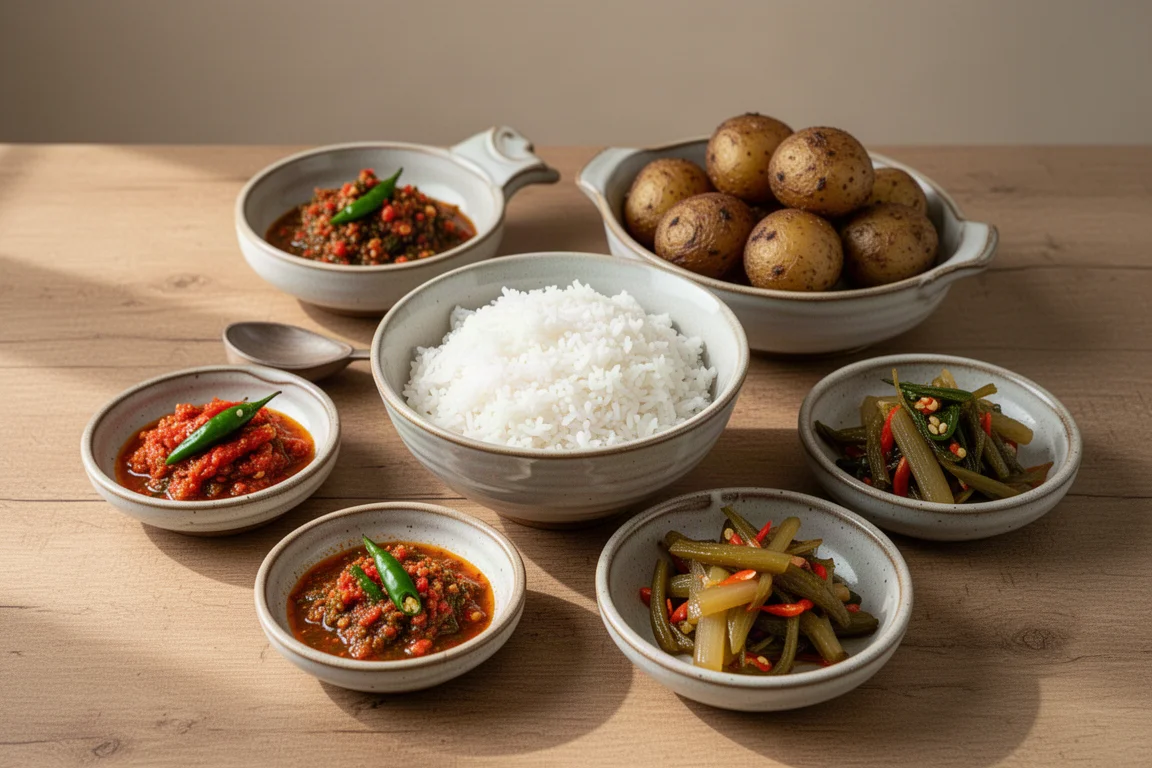
If you have been curious about Indonesian food but intimidated to start, this book is built for exactly that situation. Despite being written for a British audience, the recipes themselves are extremely beginner friendly. Lara explains the role each type of dish plays on an Indonesian table, helping newcomers understand how to structure a traditional meal, and the book stresses that an Indonesian day is not complete without rice at some point.
One of the standout details is the meal planning section in the back, with tips on meal structure, occasion-based ideas, and a collection of dishes sorted by dietary needs: vegetarian, vegan, gluten-free, and dairy-free recipes are all listed out. Lara also recommends using a food processor for all of her spice pastes rather than insisting on a mortar and pestle, which is exactly the kind of practical accommodation that makes a book like this approachable.
The hardest ingredients to source were the specific chilies for some of the sambals and makrut lime leaf, which can be hard to find in some places. Lara offers alternatives such as bay leaves or curry leaves in a pinch, though curry leaves may be even harder to find in much of the US, and those substitutions carry noticeably different flavors.
Main Strengths
This is a book that asks you to trust the process, and if you do, you are rewarded. Dishes are complex in flavor but simple in effort. Cuisines that usually feel inaccessible came through a bright, intensely flavored lens, and the recipes inspired immediate riffing on existing kitchen staples.
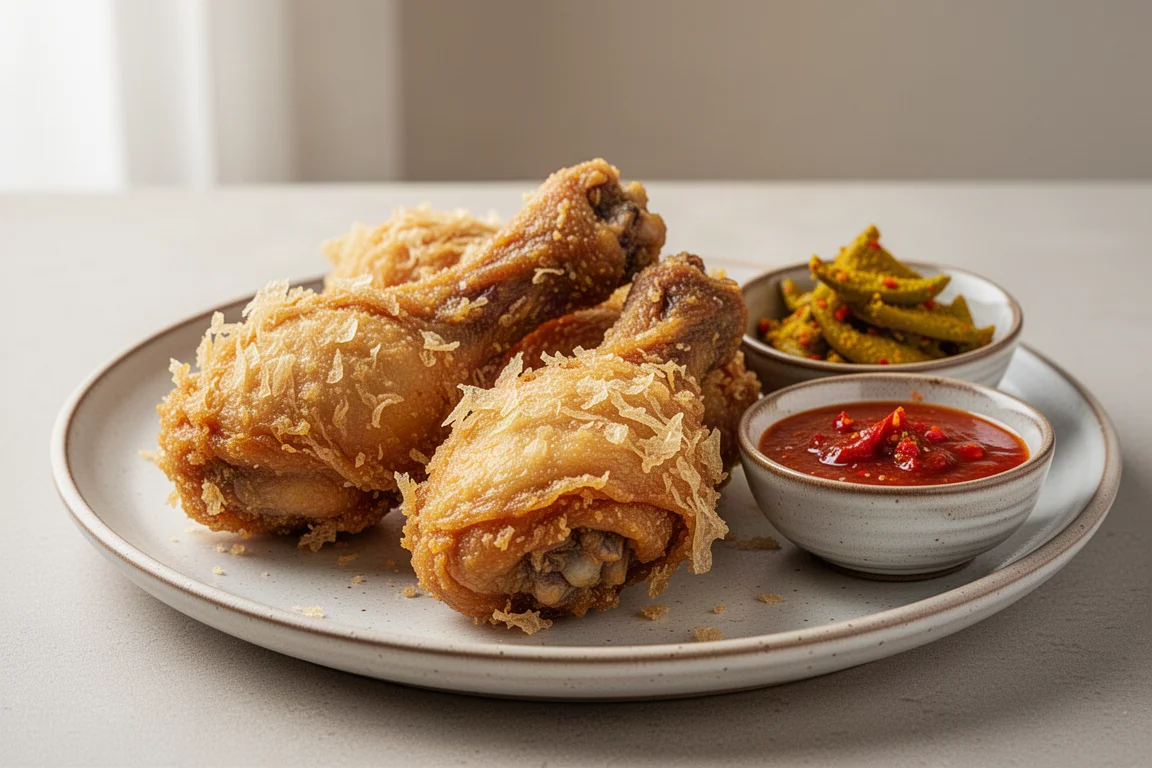
Several dishes stood out across the week. The crispy soy and ginger roasted potatoes earned a declaration of a new default roast potato recipe: simple, tossed with green onion, ginger, soy sauce, and vinegar, and a huge improvement over standard roast potatoes for very little effort. The smashed fried chicken, battered with buttermilk, egg whites, and vodka for an extremely thin, tissue-paper crisp crust, delivered great flavor once the frying method was adapted. The spiced meatball soup, reportedly Barack Obama’s favorite Indonesian meal, paired with peanut and makrut lime krupuk (fried rice crackers with peanuts and makrut lime) was a hard smash, with sweet shallot-rich broth, tender meatballs, brisket, and bok choy. The oven baked fish with tomato sambal showed how much one condiment can do: salty, acidic, and spicy all at once.
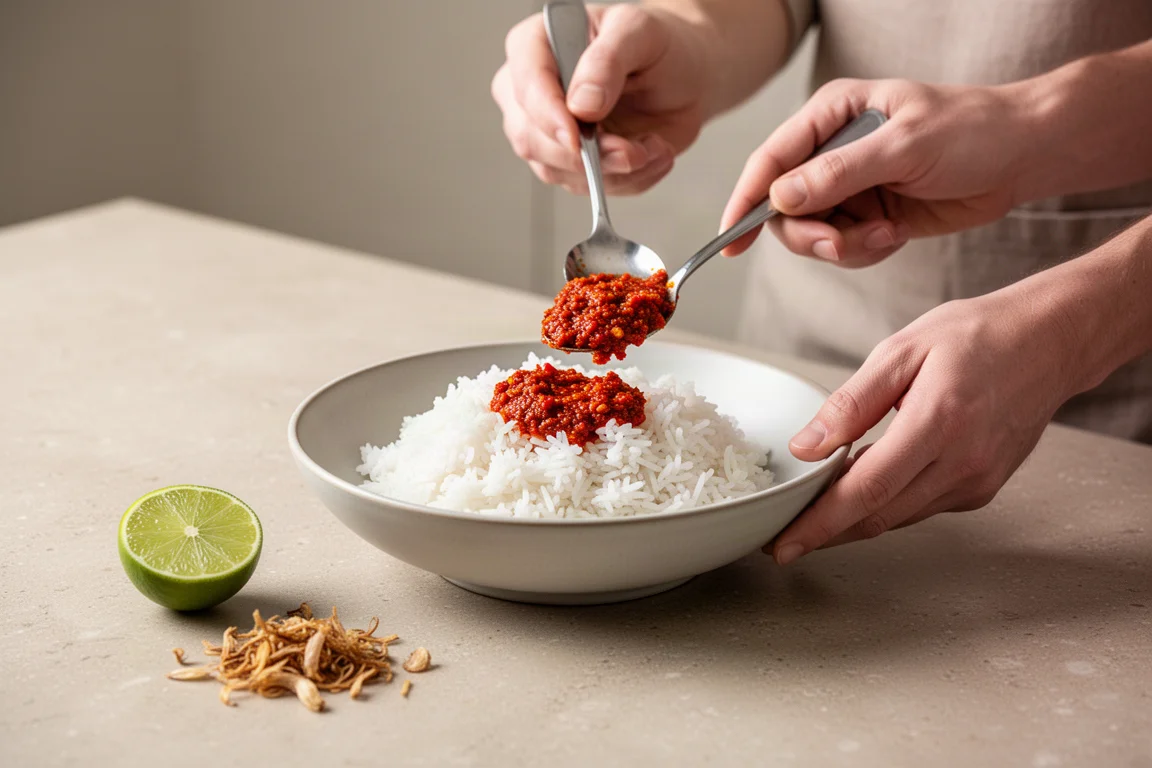
The tomato sambal itself became the quiet hero of the week, tossed onto eggs, rice, and more, and repeatedly preferred over the other sambal options. On flavor alone, this book earns a 10: of the 18 recipes cooked, 12 were rated smashes, comfortably beating the usual 50% threshold for calling a book worth the price of admission.
Design and organization also hold up. Recipes are arranged in nine traditional sections, with clean, compact layouts, island-of-origin details for specific dishes, heat levels, and suggested sambal pairings. The photos are simple, pretty, and refreshingly realistic, which matters enormously when cooking unfamiliar dishes.
Things to Consider Before Buying
The single biggest caveat for an American audience: this book is not translated for US kitchens. All oven temperatures are written in gas marks and Celsius, and ingredient and quantity conversions from British English to American equivalents require some homework. Chinese influence dishes need AP flour rather than whatever the original calls for, and a dessert spoon is not a US tablespoon. If you are not comfortable doing that translation yourself, expect some friction.
Cooking times occasionally needed adaptation too. The fried chicken, fried at a single temperature for large pieces, cooked far too dark too fast and required a lower starting temperature, a reminder that chicken sizes and kitchens differ globally. A few recipes underdelivered on seasoning: the braised duck legs were tougher than expected and needed more lime and salt, the coconut rice was pleasant but subtle, the turmeric pickles divided opinion, and the coconut and lime ice cream was dense and fatty to the point of feeling like sweet butter, needing more water content and an emulsifier to feel like true ice cream, even though the flavor itself was excellent.
Writing is the book’s weakest area, scoring a middling assessment. The prose in the intro and between sections can feel stiff, and Lara mentions many individual names in quick succession, crediting the people who taught her, which is admirable but makes the overarching story hard to follow. Recipes were otherwise easy to parse, with only one publishing error during the week: a set of toasted seeds with no instruction on what to do with them.
Buying Advice
If you want to start cooking Indonesian food and you are willing to do a little translation work, Coconut and Sambal is an easy recommendation. It is hands down one of the easiest books to cook from in a long time: once a sambal is made, dishes come together fast, and the pantry guide in the back goes beyond definitions to include substitutions, buying guides, and storage tips for Indonesian essentials.
Be aware that shallots are unavoidable. As with much of Southeast Asian cuisine, this is a very shallot-heavy book, so if you are not an onion fan, temper your expectations. Also note the green chili sambal carries a distinctly fishy character from fish paste, which is worth knowing if you are sensitive to fishy flavors; the tomato sambal is the safer first bet, and it is worth remembering it does not actually taste like tomato, just acidic, spicy, and salty.
Conclusion
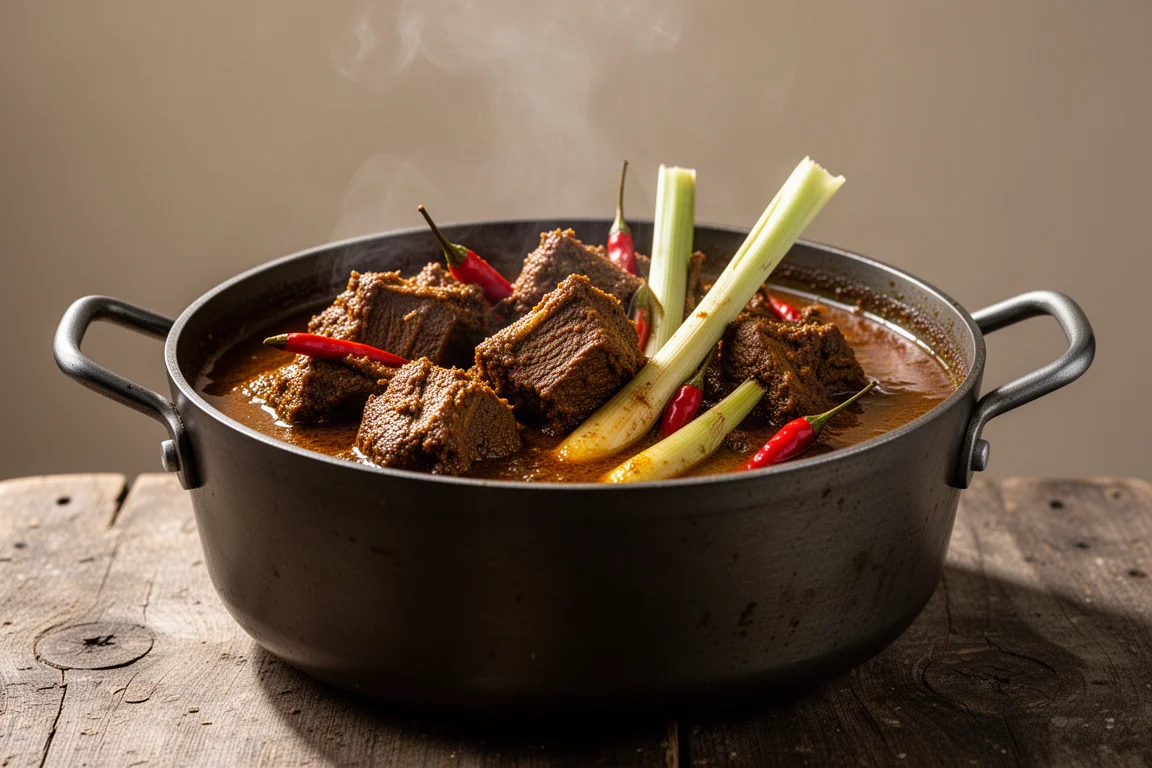
Coconut and Sambal delivered a 12-out-of-18 smash rate, a 10 for flavor, and a book that kept inspiring new ideas days after the cooking was done. The beef rendang alone, gently reduced for two and a half hours into something rich, caramelly, and complex, justifies the purchase for anyone curious about Indonesian cuisine. With an overall score of 8.2 out of 10, this is a cookbook that succeeds at exactly what Lara set out to do: inspire your home cooking.
Product link
View more details for Coconut and Sambal by Lara Lee
This product is mentioned in the review. Check the specifications, options, and compatibility before buying.
View more details for Coconut and Sambal by Lara LeeFurther reading
Related Reviews
Cookbooks
Africana Cookbook Review: A Pan-African Journey Worth Cooking Through
We cooked 13 dishes from Africana by Llorado Umashayor over one week. Here is what worked, what stumbled, and who this beautiful cookbook is really for.
Cookbooks
By Heart by Haley Catalano: First Look at a Calm, Practical Cookbook
We cooked two recipes from By Heart by Haley Catalano, including a tomato-based sandwich and chicken fat mashed potatoes, to see if the book's calm, detail-first approach holds up in a real kitchen.
Cookbooks
Charred by Genevieve Taylor Review: Vegetable Grilling Beyond Corn and Halloumi
We cooked 11 recipes from Charred over four days. Here is what works, what falls flat, and whether the book earns a spot on your shelf.