Road Bikes
Rim Brakes to Aero Frames: Three Cobbled Classic Race Bikes Compared
A 2015 rim-brake Giant Defy Advanced SL meets the Canyon Aeroad CFR and Specialized Tarmac SL8, and the differences in tires, brakes, cockpits, and gearing are striking.
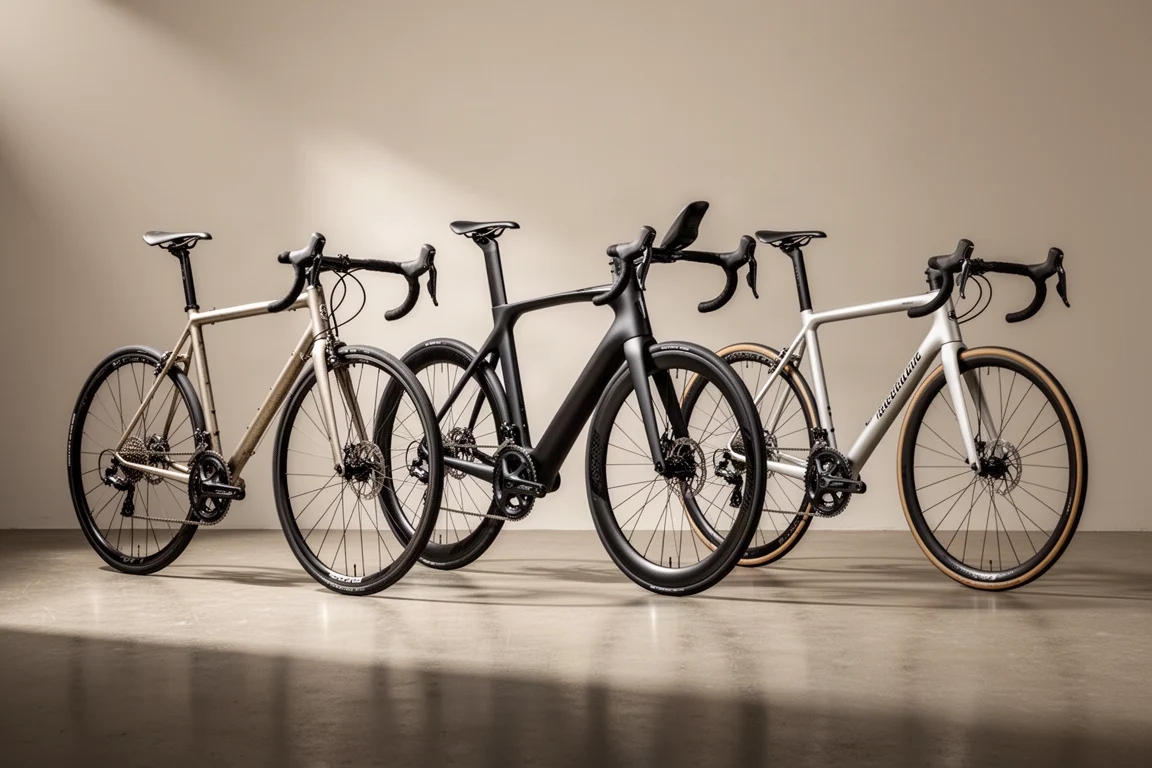
Introduction
The cobbled classic has become dramatically faster across ten editions. The 2015 winning average speed was 43.5 km/h. This year the men’s race averaged nearly 48 km/h. Fitness and tactics explain part of that, but a good share of it sits in the machines.
Three bikes make the shift easy to read. The Giant Defy Advanced SL won in 2015 with rim brakes and a traditional front end. The Canyon Aeroad CFR took the men’s race this year with a fully integrated aero frame. The Specialized Tarmac SL8 was raced by the reigning world champion with a rider-specific build. Tires, brakes, cockpits, and gearing have all moved in the same direction, and each bike shows a different stage of that journey.
How the Bikes Changed: Speed, Tires, and Brakes
In 2015 the winning bike was a deliberate compromise between speed and comfort. The Defy was not as fast as the team’s Propel or TCR, but it was not limited to 25mm tires, and 25mm simply is not big enough for cobbles. The rider actually raced the previous year’s Defy Advanced SL, because Giant specced disc brakes on the 2015 model and the UCI forbade them at the time.
That disc-brake Defy did appear in professional competition later that year. The UCI announced that all teams would have the opportunity to use disc brakes at two events of their choosing during August and September under a testing programme, with the idea that satisfactory feedback would see disc brakes officially introduced into the UCI World Tour in 2017.
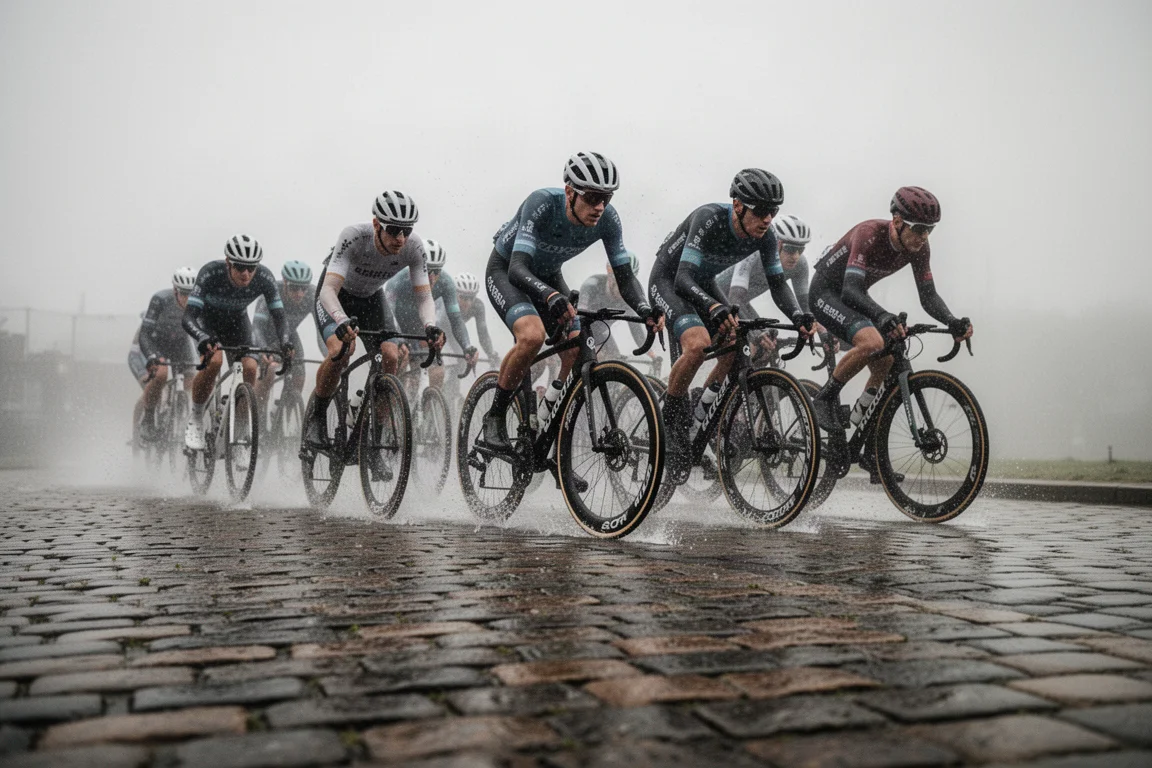
Today there is no such compromise. Both the Aeroad CFR and the Tarmac SL8 have been disc-brake only for years, and their tire clearance exceeds what rim brakes allow. The Aeroad officially fits 31mm tires. The Tarmac SL8 officially fits 32mm, and the men’s winner pushed his bike to that limit. Deeper tube shapes and integrated front ends finish the picture. One small detail deserves a nod: the 2015 bike carried an additional cross-top brake lever, a fitting you just do not see anymore.
Giant Defy Advanced SL: The 2015 Rim-Brake Baseline
The 2015 winning bike ran a 42cm Pro PLT handlebar, a width rarely seen in today’s pro peloton, along with a 53-tooth chainring. Its tires were 30mm wide, which was massive for the date. Few brands were making tubular race tires at that size on a production scale, so these were handmade for the race, with clincher treads glued onto 30mm tubular casings. Markings on the sidewall suggest nearly twice the pressure riders use today.
Canyon Aeroad CFR: Fully Integrated Aero
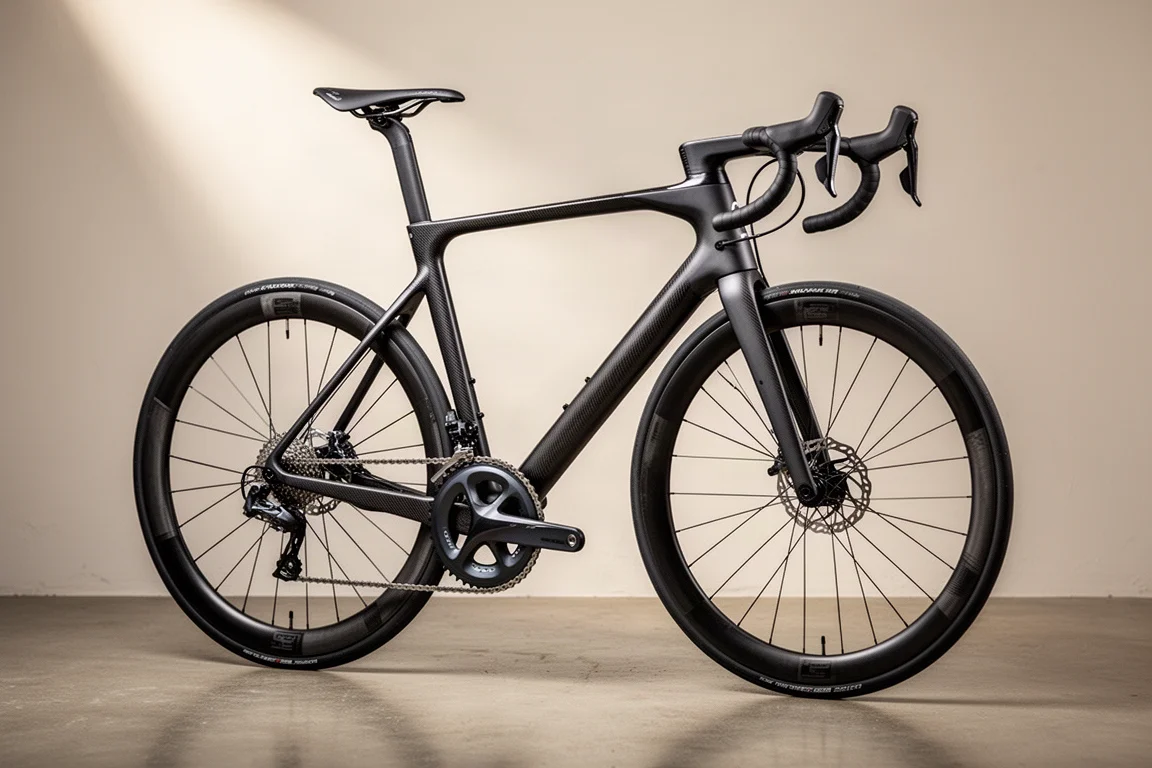
The Aeroad CFR removes the exposed cables that the 2015 bike carried. Its front end is fully integrated, and the flat tops of the adjustable CP0018 bar were set to 40cm, which helps save precious watts. Both modern riders sit noticeably narrower at the front than the 42cm bar of 2015 allowed.
Tire clearance is officially 31mm, but the men’s winner pushed it to 32mm, running a tubeless development of the 2015 tires in the form of 32mm Corsa Pro rubber. At the start line the men’s winner was running 3.46 bar, or 52 PSI, for a rider listed at 75 kilos. That is a seriously low pressure, the kind that might be expected to raise puncture risk, yet the same rider has come through the last two editions with zero flats. Just after the infamous Arenberg sector, a teammate with a rear puncture was seen still rolling comfortably with the tire apparently holding pressure, which points to tire inserts, likely from the tire brand, along with sealant. The gearing ran to a 54-tooth chainring, up from the 53 used in 2015.
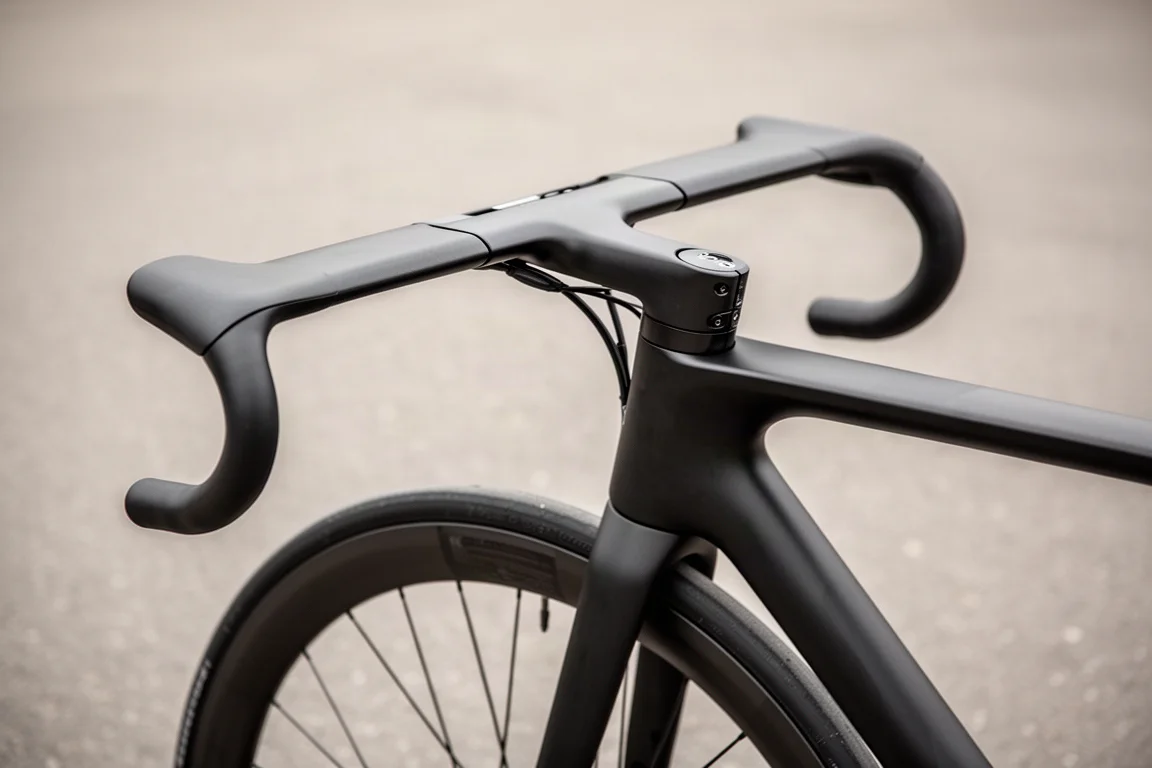
For a buyer, the takeaway is that this is a race platform built around wide tubeless rubber, low pressures, and a clean aerodynamic front end rather than around tire clearance as an afterthought.
Specialized Tarmac SL8: Wider Clearance and a Narrower Cockpit
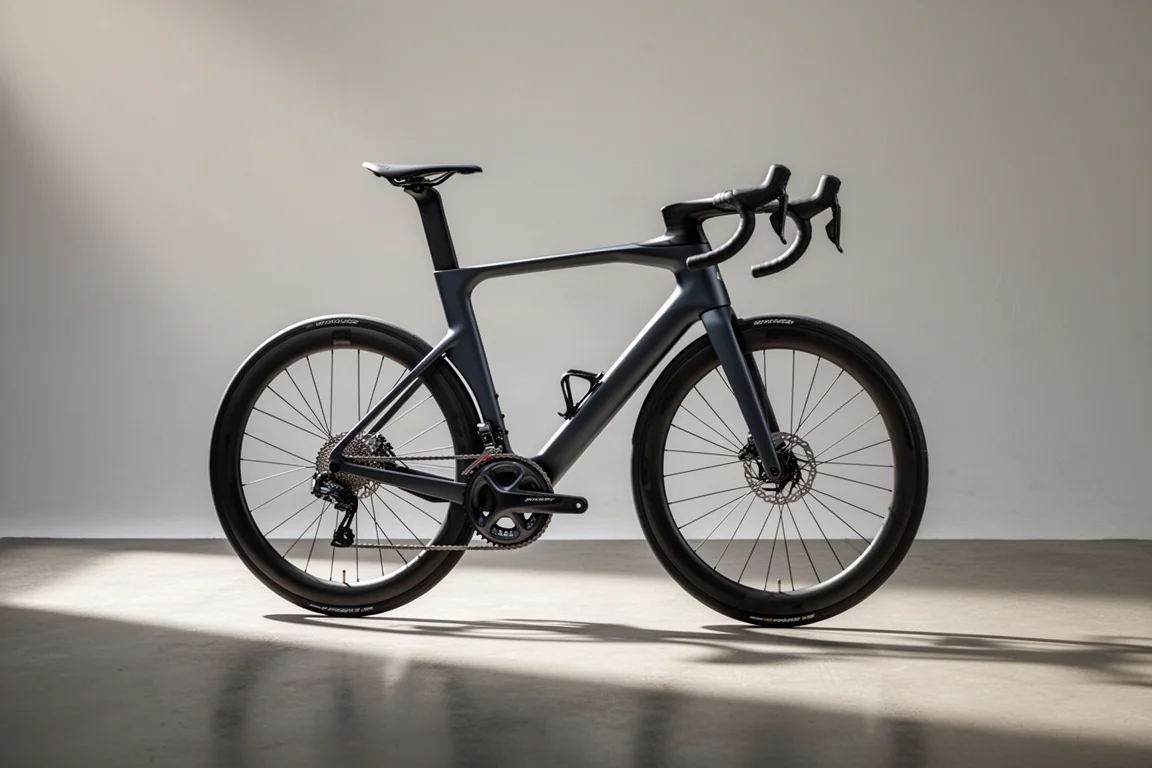
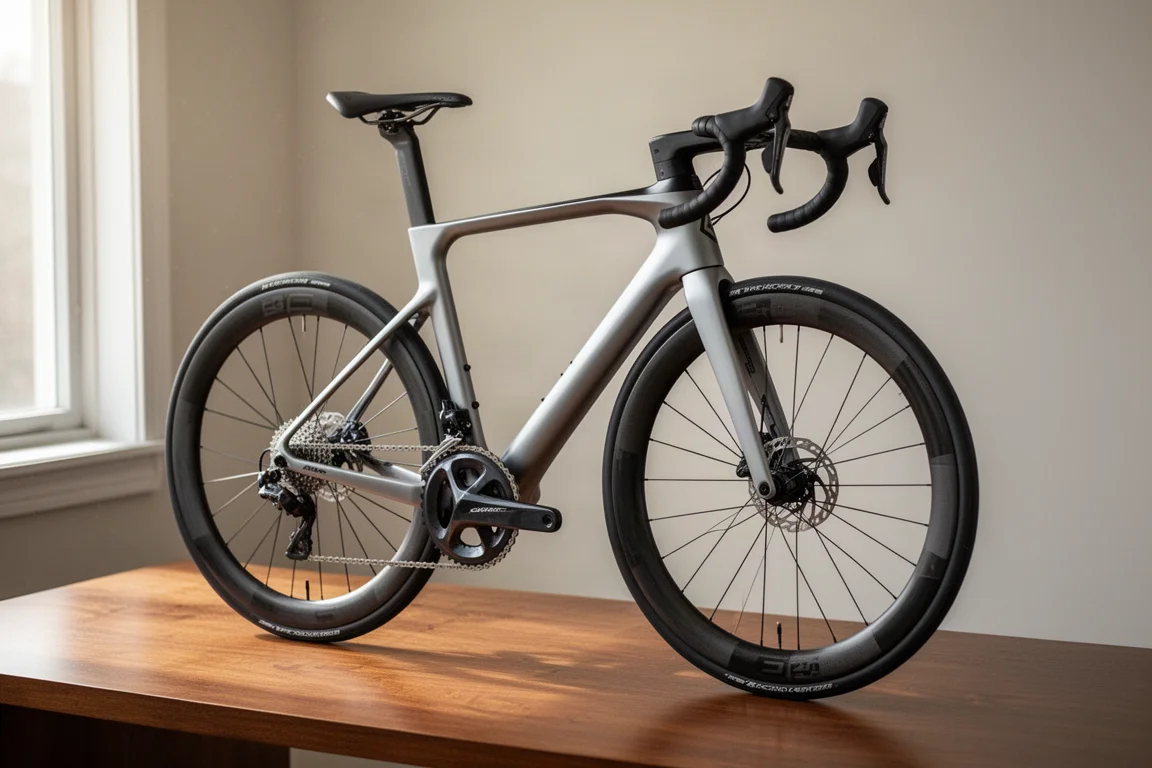
The Tarmac SL8 officially fits 32mm tires, and the reigning world champion ran 32mm Mondo tubeless tires, a model that debuted at last year’s edition of the race. Notably, the build skipped the integrated cockpit, using the stem from the previous generation SL7 paired with a bar whose drops resemble those of a gravel bar, possibly a 38cm model. At the front, that is narrower again than the 40cm used on the Aeroad CFR.
The drivetrain is one-by, with a 50-tooth chainring and an oil slick cassette matched by an oil slick chain. One-by gearing of this kind has been developed over several years rather than thrown together, and it works well while looking sharp at the same time.
Gearing: One-By Setups and Bigger Chainrings
Chainrings have grown. There was a 53-tooth ring in 2015 and a 54-tooth ring on the Aeroad CFR this year, but two riders on another team went much further, arriving with 60- and 62-tooth chainrings. Rather than having an inner ring to fall back on, both raced one-by with an 11-34 cassette out back.
The reason for bigger chainrings is not only speed. Many riders look to maximize drivetrain efficiency by keeping the chain at the bigger end of the cassette. It also looks good, which is obviously the whole point.
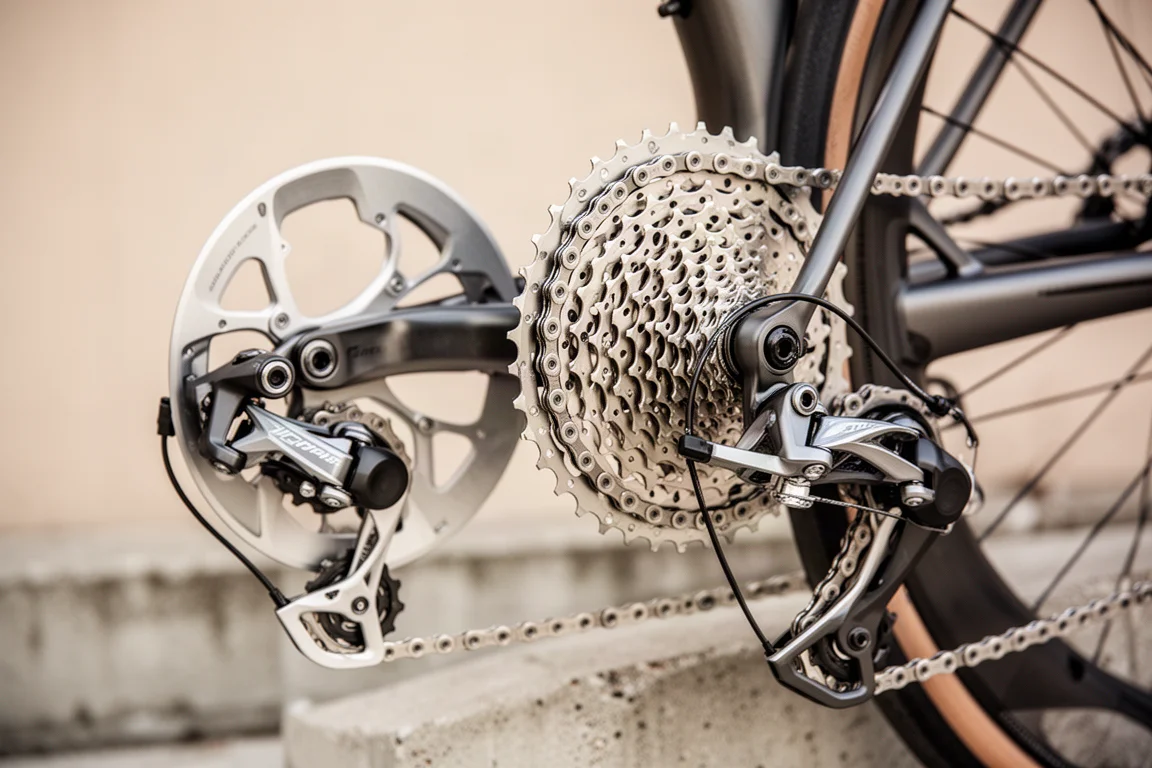
For anyone shopping for a modern road bike, this is a useful signal. One-by gearing is no longer a niche cobbles-only choice, and a large chainring paired with a wide-range cassette can cover a lot of ground.
Wheel and Tire Setup: Tubeless, Inserts, and Pressure
Tubulars were the pro tire choice for years, and even last year some favourites chose them over tubeless. This year only one team ran tubulars, using 30mm casings that are not publicly available elsewhere. Everywhere else, 32mm tires dominated: several teams on GP5000 S TR rubber, others on Corsa Pro, with a small number on the slightly grippier control version to cope with wet cobbled sections.
Some riders went wider still, with 35mm tires, and two riders used gravel bike tires, widths that would be illegal in a UCI cyclocross race. The battered sidewalls of the 2015 tires show how brutal this race is on rubber. You can have all the technology in the world and sometimes a puncture is simply luck of the draw, but inserts and sealant have clearly tilted the odds.
Overall Buying Advice
The first priority is tire clearance. A frame that officially fits 31mm or 32mm tires gives you the option of lower pressures and more grip without giving up speed, and it is the single biggest difference between the 2015 bike and today’s machines. Disc brakes are what make that clearance possible in the first place.
The second priority is the front end. A fully integrated cockpit is cleaner and likely faster, but an adjustable bar or a standard stem and bar combination, as used on the Tarmac SL8 build, keeps fit changes and travel simpler.
The third priority is gearing. A one-by setup with a large chainring and a wide cassette has been proven at the highest level on the roughest roads, and it removes a front derailleur from the equation.
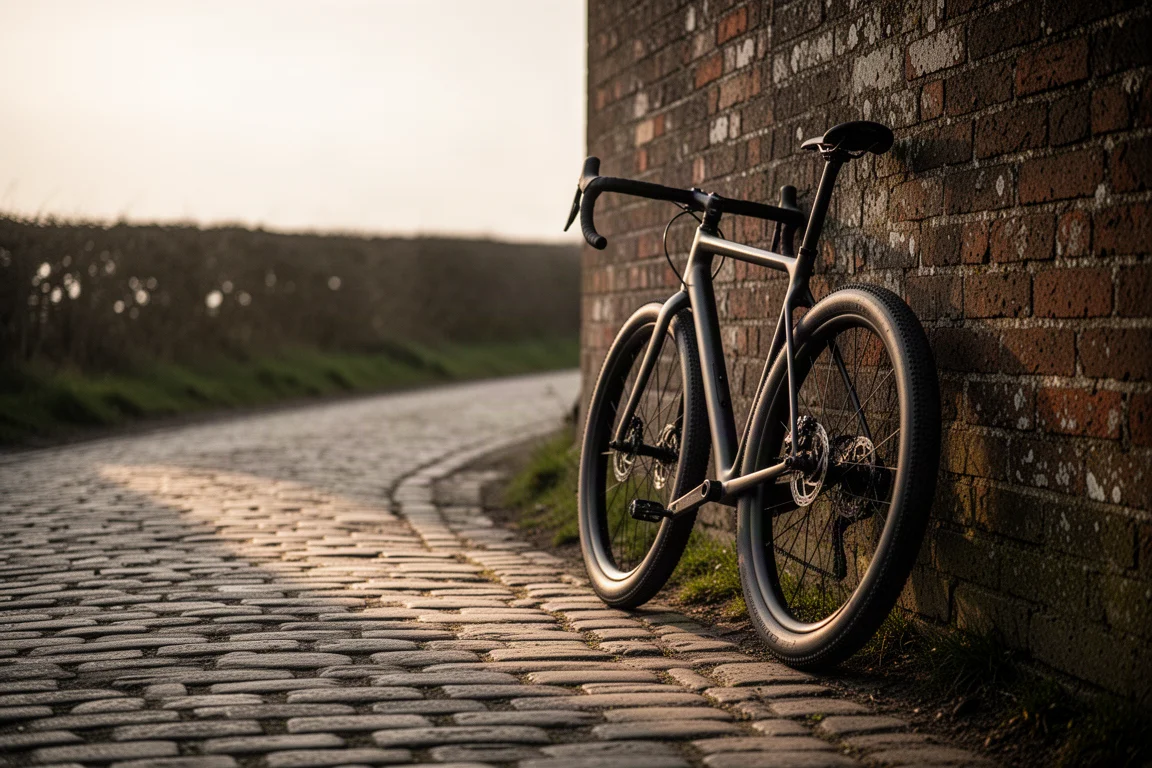
If you want the closest thing to a modern cobbled-race setup, look for a disc-brake frame with generous official clearance, tubeless-ready wheels, and the ability to run low pressures comfortably. If you are drawn to the 2015 aesthetic, the Defy Advanced SL is a reminder of how recently rim brakes, 42cm bars, and high-pressure tubulars were the norm.
Conclusion
Ten editions have taken the winning average speed from 43.5 km/h to nearly 48 km/h, and the bikes moved with it: disc brakes, wider tubeless tires, integrated front ends, narrower bars, and larger chainrings. The Giant Defy Advanced SL shows where the sport stood in 2015. The Canyon Aeroad CFR and the Specialized Tarmac SL8 show where it stands now, and the direction of travel is clear.
Further reading
Related Reviews

Road Bikes
10 New Road Bikes Worth Watching: Aero, Titanium, Steel and Endurance Standouts
A practical roundup of 10 new road bikes, from aero flagships chasing single-watt gains to titanium, steel and endurance platforms built for real roads.
Road Bikes
2026 Tour de France Road Bikes: Six Race Machines Worth a Closer Look
Six race bikes from the 2026 Tour de France grid, reviewed for paint, silhouette, wheels and the specification details that matter to buyers.
Road Bikes
3T Strada Italia Review: A Radical Aero Road Bike That Rides Smooth
A made in Italy carbon aero road bike with a deep head tube, wide tire clearance and a genuinely comfortable ride. Here is what to know before buying.