Outdoor Audio
Coastal Source Razor and The Cube: Outdoor Audio Built to Survive the Elements
A practical guide to the Coastal Source Razor outdoor speaker family and The Cube subwoofer, from the compact satellite to the true LCR soundbar.
Introduction
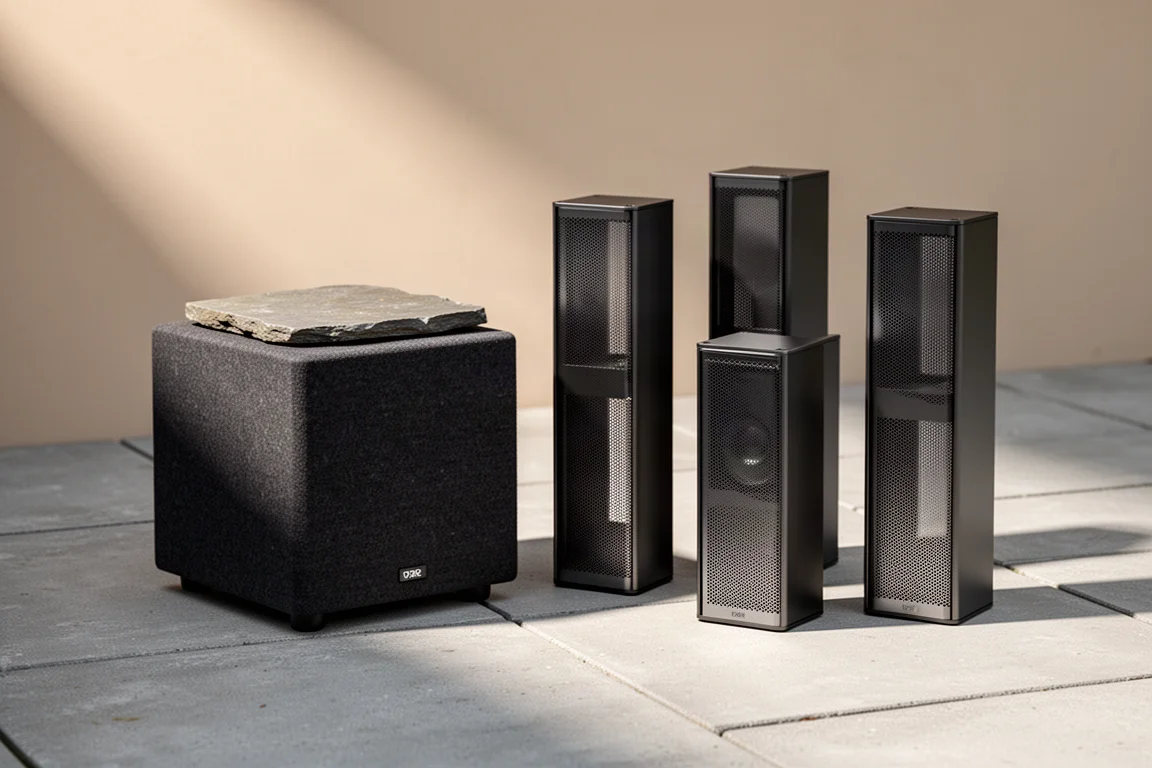
Outdoor audio has a harder job than indoor audio. Speakers and subwoofers that live outside have to cope with salt air, humidity, intense sun, and temperature swings, and they still have to sound like real hi-fi. Coastal Source builds specifically for that environment, and its latest lineup, introduced at Audio Advice Live 2024, pairs a new passive subwoofer called The Cube with an expanded Razor family of outdoor speakers.
This guide walks through what each piece is designed to do, where it fits in a yard or patio layout, and which configurations make the most sense for different spaces. The short version: the Razor line covers everything from a small satellite to a true LCR soundbar, and The Cube gives a system the low-frequency foundation that can be hidden in the landscaping.
How the Razor Family Fits Together
Every Razor product starts from the same extruded aluminum enclosure. Cabinets share a 10.5-inch width, with lengths running from a compact 10.5 by 10.5 inch shell up to a 36-inch version, plus a 24-inch model in between. What changes across the range is the driver complement: a standalone satellite with a 5.25-inch coaxial driver and a 1-inch tweeter, a dedicated single-input subwoofer module, and biamped models that add bass drivers alongside the same coaxial center.
Because that core coaxial driver carries across the line, the family stays timbre matched. Walk from a summer kitchen to a covered soffit around the corner and the character of the sound does not shift, even though the cabinets and their DSP tuning differ.
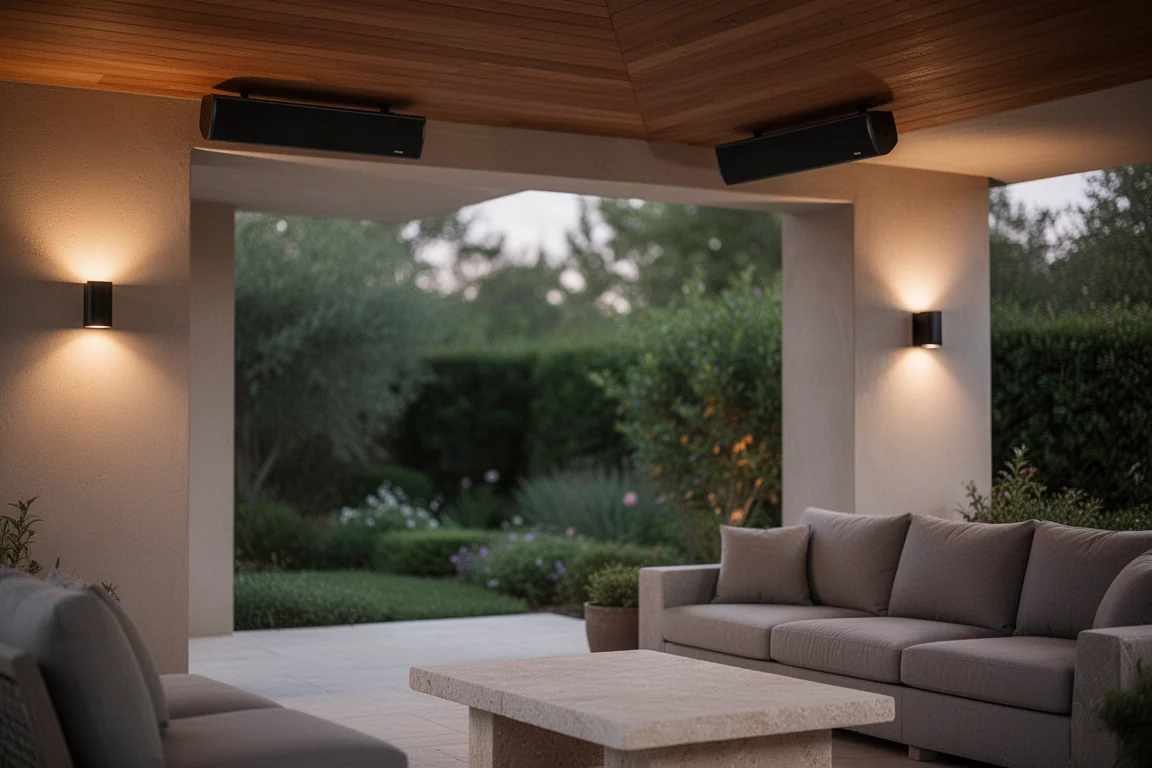
The 1-inch tweeter sits behind a fractal waveguide. That waveguide does two useful things: it simplifies the crossover, which reduces the coloration that multi-way designs often introduce, and it gives the tweeter wide, even coverage. In a listening demonstration, the Razor system delivered precise vocal clarity with an uncolored midrange, tight bass, and a cohesive soundstage that held together on bass-heavy material without sounding strained.
Two construction details are worth knowing. The cabinets are available in black or white with aluminum grilles, and the aluminum cones are coupled to the shell in a way that turns the cabinet into a heat sink. A heat-dissipating pad compresses the driver magnet against the back of the enclosure, which moves heat out of the driver while bracing it rigidly from front and back. In a cabinet only about three inches deep, that combination is what allows the drivers, crossovers, and enclosures, all designed in house, to reach outdoor volume levels without giving up composure.
Mounting flexibility is built in as well. Coastal Source prepares presets for freestanding, wall, corner, and soffit positions, and the appropriate tuning is loaded into the amplifier before the system ships.
Coastal Source The Cube Subwoofer
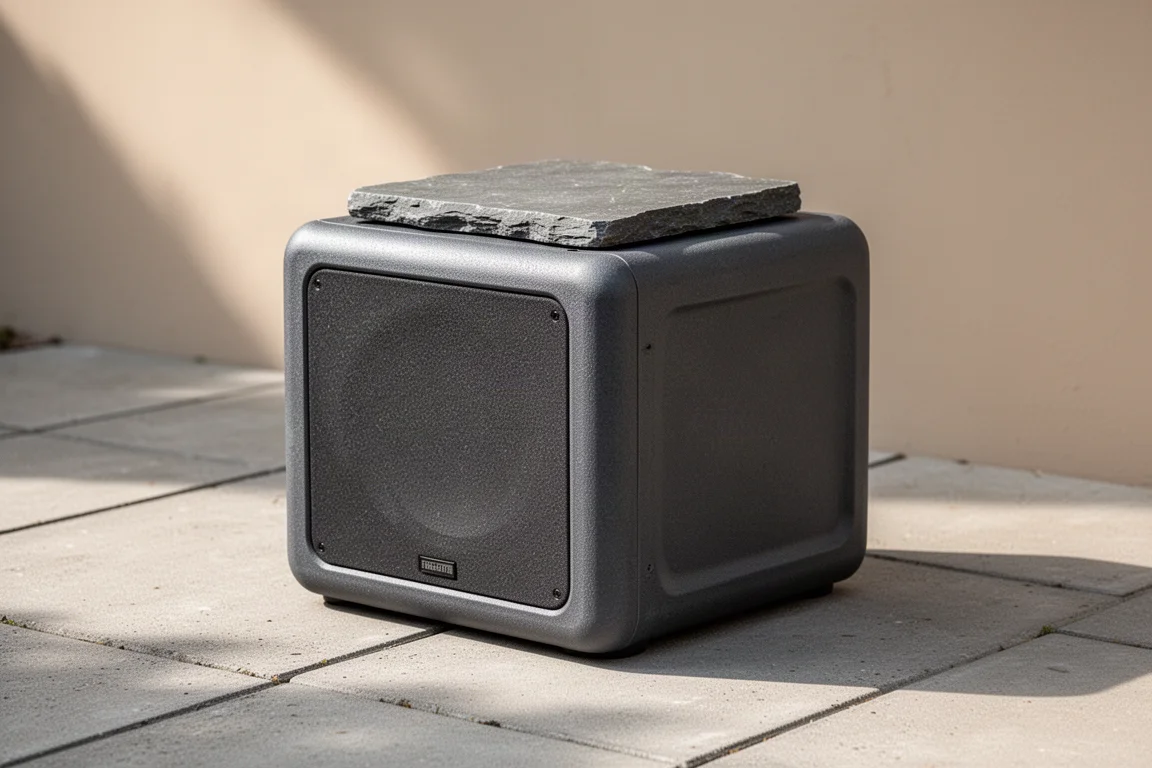
The Cube is a 17-inch passive subwoofer with a 10-inch down-firing driver, designed to sit on a deck, in a landscape bed, or anywhere else a conventional sub would be conspicuous. Its most distinctive feature is the top. A removable stone plate is standard, two alternative tops are offered, and owners can supply their own material. Coastal Source provides a template so a contractor can cut and inlay a matching surface, letting the sub disappear into existing stonework or decking.
That top is not purely cosmetic. It mass-loads the cabinet, which keeps a down-firing design planted when the driver is working hard. Firing downward brings other benefits too: the ground acts as a gentle low-pass filter, port turbulence is reduced, and the driver couples to the surface for extra low-frequency reinforcement. The enclosure uses the same rotomolded construction as the company’s bollard speakers, chosen to survive UV, heat, and cold, and the flared bottom port includes a system to keep insects out.
The driver itself was developed for this product: a 10-inch unit with a fiberglass cone, a Santoprene surround, an inside-and-outside wound 2-inch voice coil, and an aluminum cone basket. The design target was power handling, since outdoor listeners tend to run systems hard.
Setup flexibility extends to phase. A weatherized connector on the bottom of the cabinet can be unspun to switch phase from 0 to 180 degrees in the field, which is handy when several subs share one amplifier channel and only one of them needs inverting.
Coastal Source Razor Satellite
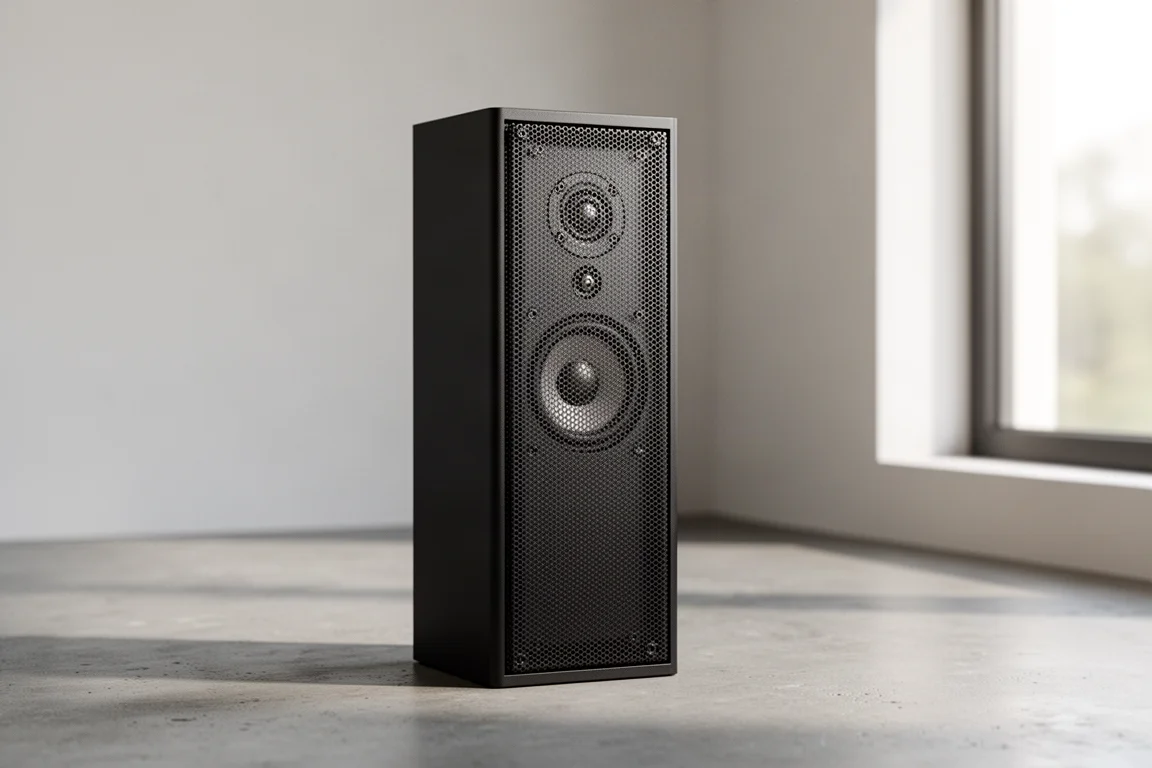
The satellite is the simplest way into the Razor family. It uses a single input and a single 5.25-inch coaxial driver paired with the 1-inch waveguide tweeter, in the same slim extruded aluminum shell as the rest of the range. Because it handles the mid and high frequencies, it is meant to be paired with a separate subwoofer, either The Cube in a planting bed or a subwoofer module hidden in a soffit.
Physically, it is the least obtrusive option in the line. The 10.5-inch width and beveled edges let it tuck into a corner or sit quietly under a soffit, and the black or white finish with an aluminum grille keeps it visually neutral against most exteriors. It also makes a sensible choice for zones that do not need deep bass reinforcement, such as a covered porch or a walkway, while still matching the voicing of a larger Razor system elsewhere in the yard.
Coastal Source Razor 310: Biamped Power in a Compact Cabinet
The 310 is a biamped Razor model that pairs the same 5.25-inch coaxial center driver with four sub drivers in a single cabinet. Biamping means the low-frequency section gets its own dedicated amplification, which is exactly what an outdoor space needs when there is no wall behind the speaker to help reinforce bass.
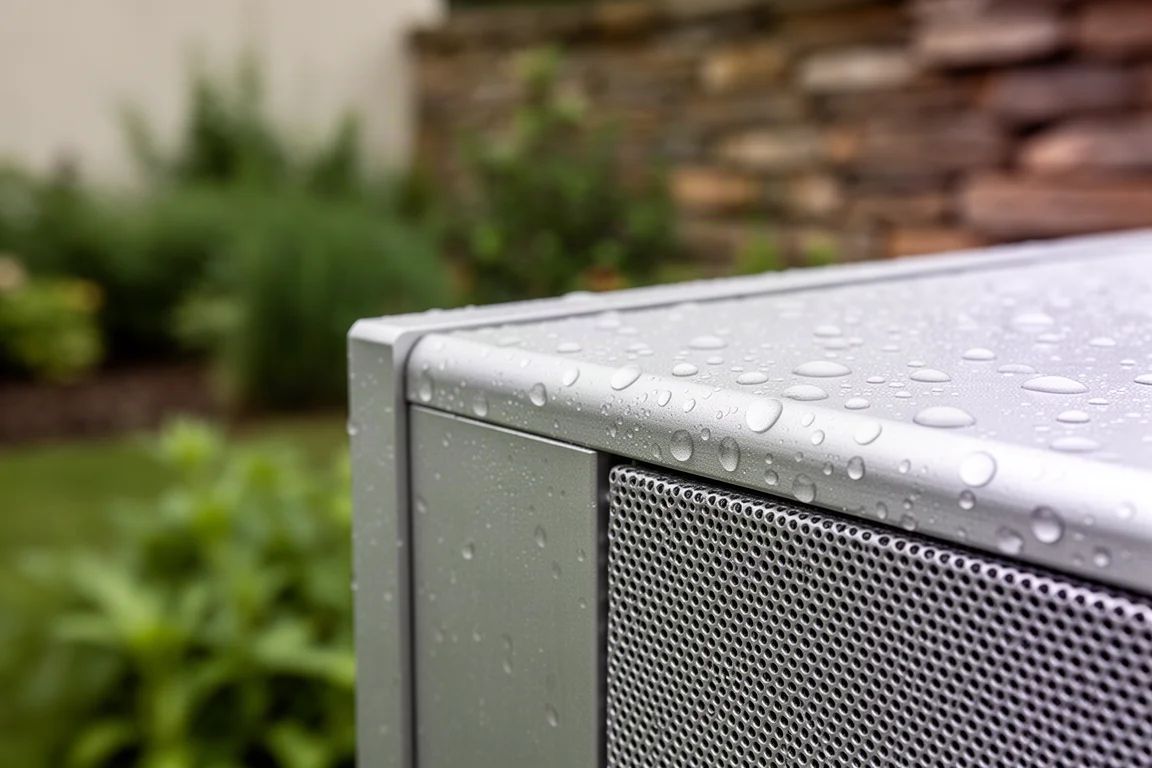
Because the sub drivers live in the same enclosure as the coaxial driver, the 310 delivers full-range output from one discreet box. That makes it a strong candidate for patios where a separate subwoofer would be awkward to place or conceal, and it keeps the visual footprint small while still providing the low-frequency weight that open-air listening tends to strip away.
It is also the model that makes the most sense when a yard is split into zones with different demands. A high-traffic summer kitchen can take the full-range cabinet, while a quieter seating area further out can use a simpler single-input speaker, and the shared coaxial driver keeps the two sounding like parts of the same system.
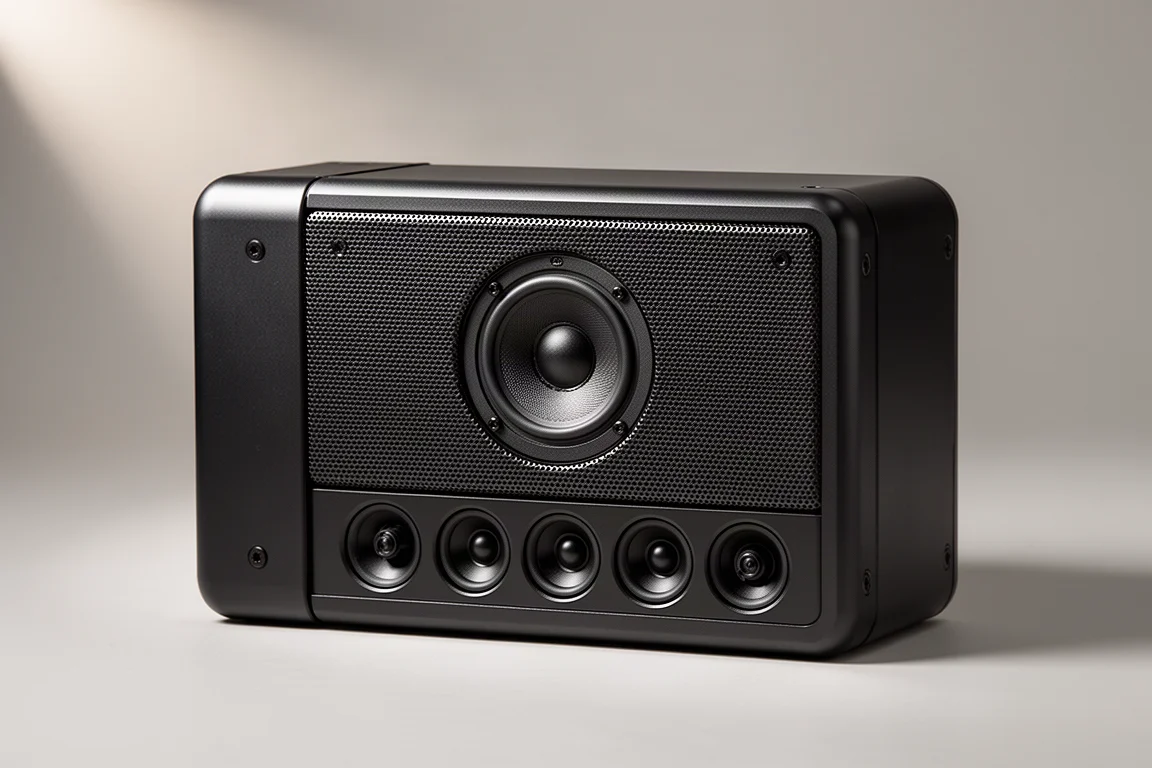
Coastal Source Razor 24-Inch Biamped Speaker
The most popular configuration in the range is the 24-inch biamped model, which combines a single 5.25-inch coaxial driver with two active bass drivers. It sits between the compact satellite and the larger multi-driver cabinets, and for many outdoor spaces it represents the simplest path to a full-range system: one box per channel, no separate subwoofer required.
It is also the model to consider when the installation plan calls for mixing approaches. Coastal Source notes that in a typical yard system you might place The Cube in a landscape bed for the deepest output and use a smaller cabinet on the wall, or skip the buried sub entirely and rely on the 24-inch biamped unit to carry the low end. Either way, the shared coaxial driver keeps the zones consistent.
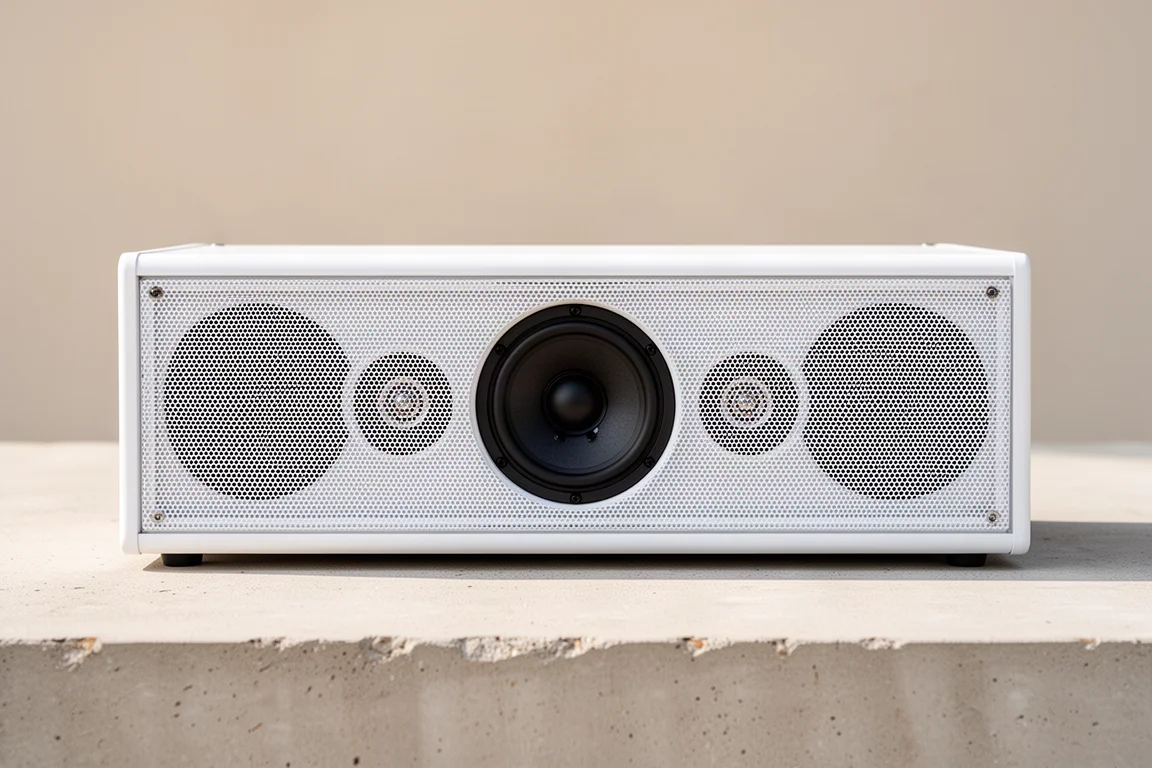
Coastal Source Razor Stereo Soundbar
The stereo soundbar brings the Razor driver platform to outdoor television and patio listening. It uses the same extruded aluminum construction and the same coaxial driver philosophy as the rest of the line, so it voices consistently with satellites and subwoofers elsewhere in the system.
For a patio where the goal is better sound for a screen rather than a full surround layout, a stereo soundbar plus a subwoofer is a compact and tidy arrangement. It also slots naturally into a multi-zone plan, since the timbre match means the soundbar does not stand out as a different system when the rest of the yard is running Razor speakers.
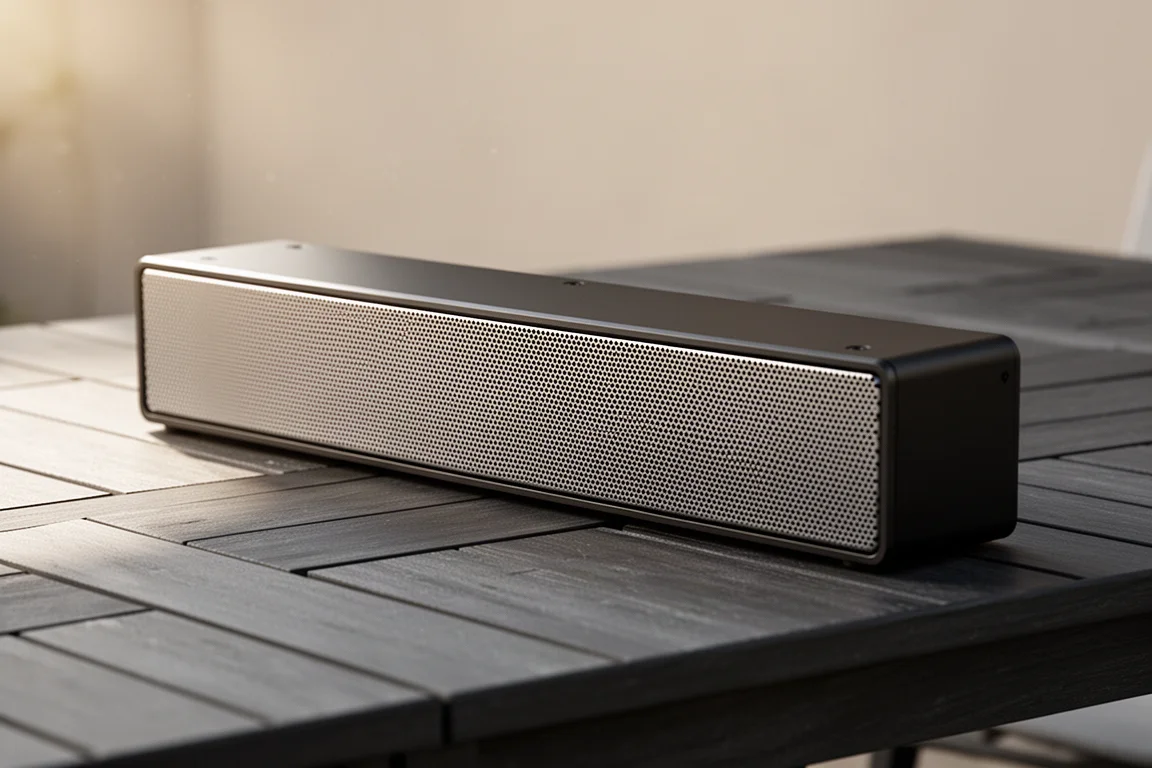
Coastal Source Razor LCR Soundbar
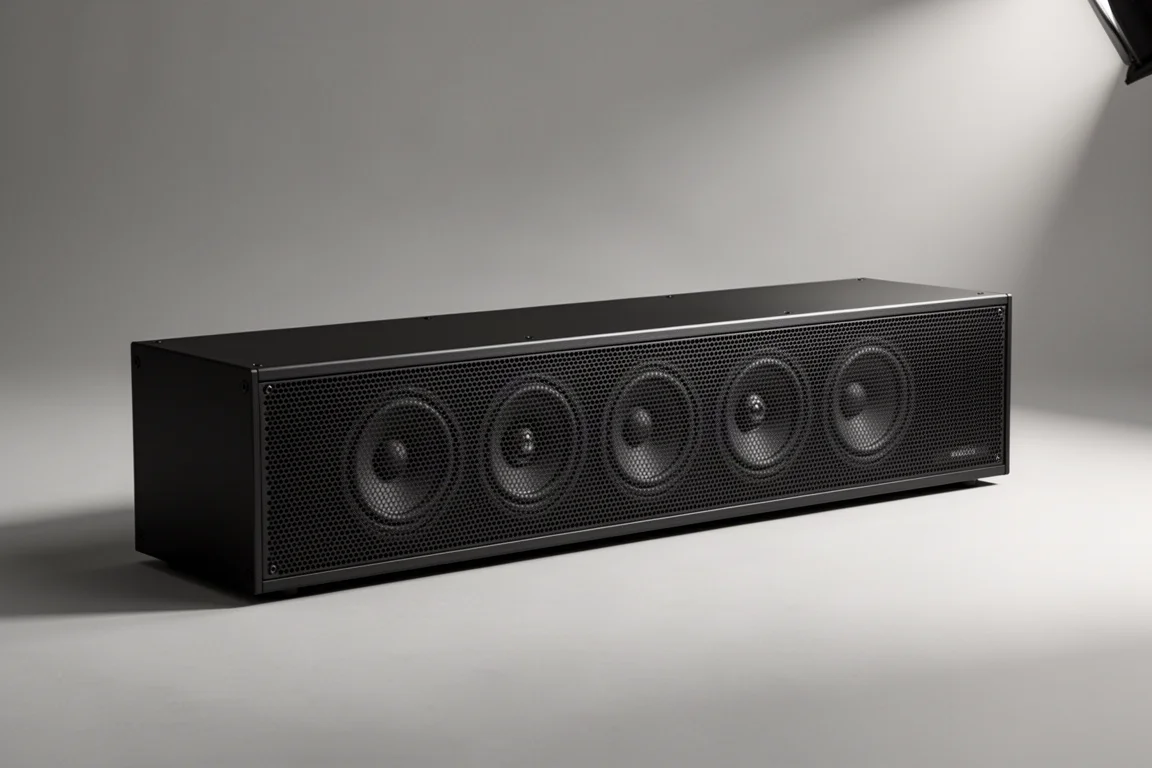
The LCR soundbar is the theater-oriented option: a true left, center, right enclosure that handles the three front channels from a single housing. Paired with satellites for surrounds and a subwoofer for the low end, it makes an outdoor 5.1 layout possible without three separate speaker positions across the front of a screen.
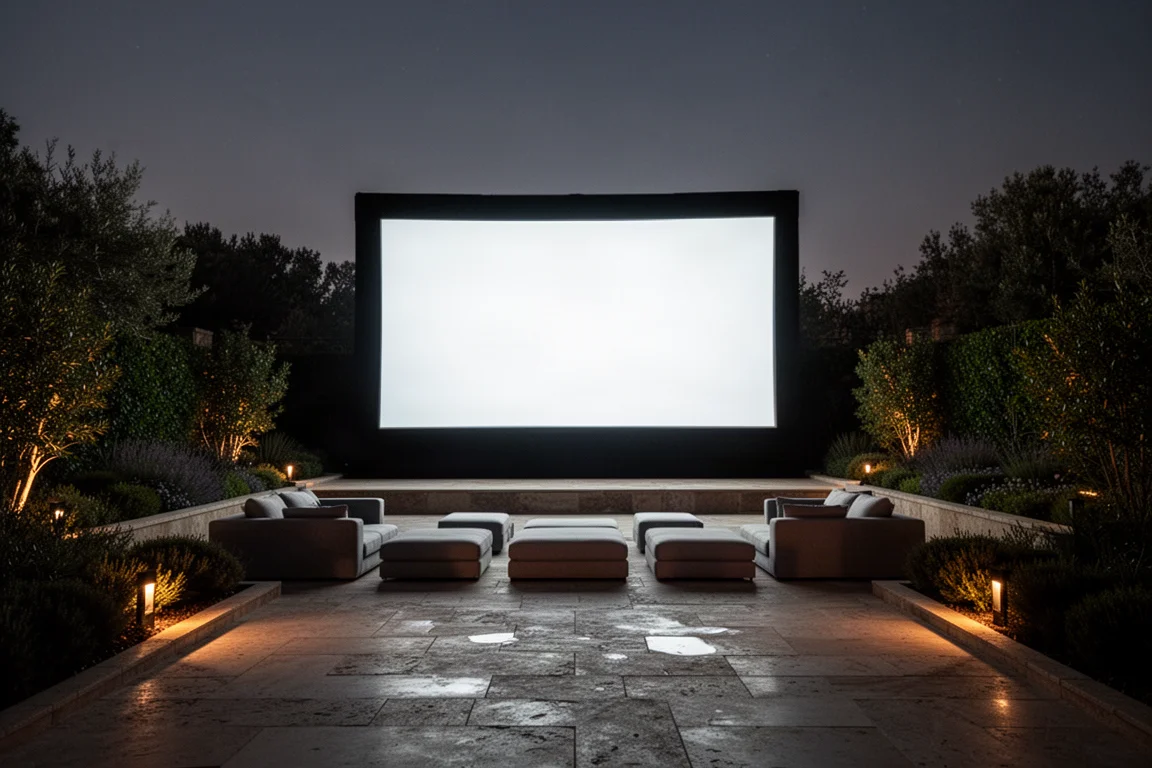
For anyone building a serious outdoor viewing area, this is the piece that keeps the front stage coherent. Coastal Source describes it as the best-sounding outdoor soundbar it offers, and it shares the same driver platform and voicing as the rest of the Razor range, so the transition from a movie to music playback stays natural.
Cables, Amplifiers, and DSP Control
A lot of outdoor audio failures happen at the connections, and Coastal Source treats cabling as a core part of the system rather than an accessory. The company’s molded multi-conductor cable is rated IP68, uses keyed connectors to keep phasing correct, and is available in lengths from roughly 5 feet up to 100 feet so a run can be assembled to fit the site.
The more interesting part is what a single cable carries. One run can deliver left, right, an internal subwoofer channel, and an external subwoofer channel, which means an outdoor amplifier can daisy chain through speakers and a sub on one cable. That simplifies retrofits considerably, since a yard that was not pre-wired during construction can still be equipped. Newer bollard speakers include both inputs and outputs, and The Cube has its input on the bottom.
Amplification is handled by either indoor rack-mount models or outdoor units, all multi-channel with full DSP and limiting. Systems are tuned at the factory before shipping, so a delivered system is essentially plug in and listen. Owners and installers who want to go further can adjust delay independently per subwoofer, apply parametric EQ filters, stack multiple EQ layers, and invert phase. The limiters, covering RMS, peak, and clip protection, are the one section locked at the factory to protect the drivers.
Control runs through free PC software. Rack-mount amplifiers also expose an internal web interface, so once they are on the home network all DSP adjustments can be made from a browser. Outdoor amplifiers share the same DSP feature set but do not include the web interface, so they need a direct PC connection; a weatherized RJ45 connector is provided, and many installations simply run Cat5 back to the rack so the amplifier stays permanently networked.
Warranty coverage is straightforward: five years on speakers, electronics, and cabling, with a lifetime warranty on lighting fixtures.
Buying Advice: Matching Razor to Your Outdoor Space
The right configuration depends mostly on where you can hide a subwoofer. If there is a landscape bed or planting area available, The Cube plus a pair of Razor satellites is an elegant combination: the sub stays out of sight under a custom top, and the satellites keep a small visual footprint on the wall.
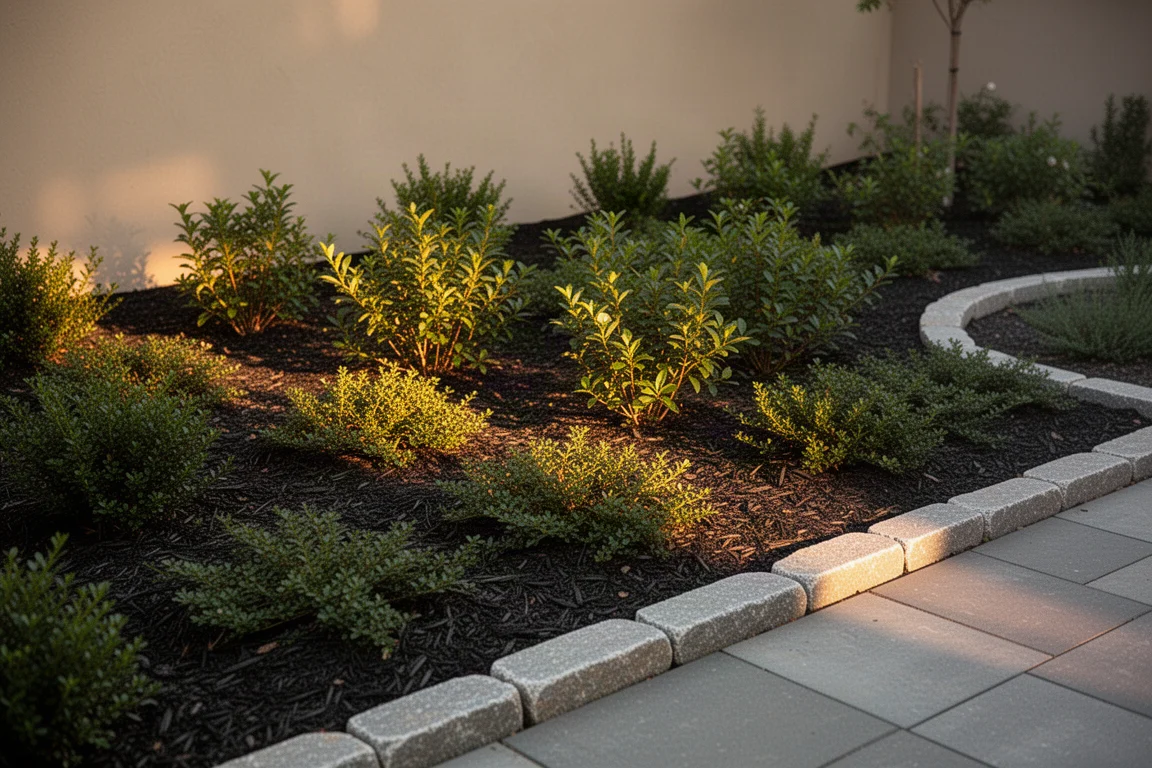
If burying a subwoofer is not an option, the Razor line covers the alternative in two ways. A 24-inch biamped cabinet or a 310 can carry the low end from the wall itself, or a subwoofer module can be tucked into a soffit while satellites handle the rest. Where an outdoor screen is involved, the stereo or LCR soundbar anchors the front stage and the rest of the system fills in around it.
Two practical points are worth planning for early. First, decide on mounting positions before ordering, since freestanding, wall, corner, and soffit placements each get their own factory preset loaded into the amplifier. Second, plan the cable runs. A single four-channel cable can link an amplifier, speakers, and a sub, but the path still has to be routed, and running Cat5 back to a rack at the same time keeps the outdoor amplifier accessible for future tuning.
Conclusion
The Cube and the Razor family are built around a single idea: outdoor audio should be as capable as indoor audio without being fragile or visually intrusive. The Cube hides deep bass inside a stone-topped cube that can be inlaid to match a deck, while the Razor line scales from a small single-input satellite to a biamped full-range cabinet and a true LCR soundbar, all sharing one coaxial driver and one voicing.
For buyers, the decision comes down to placement rather than performance. Work out where a subwoofer can live, choose the cabinet that fits that space, and let the factory tuning and the shared driver platform handle the rest.
Further reading
Related Reviews
Outdoor Audio
Coastal Source 12.0 Line Source Bollard Review: High Output Outdoor Audio for Large Properties
A close look at Coastal Source's flagship outdoor bollard loudspeaker, its line source ribbon array, weatherized build, and what a system like this costs.

Backpacking Gear
Building a 10 lb Base Weight: An Ultralight Backpacking Gear List
A practical walkthrough of the ultralight pieces behind a 10 lb base weight, from a 765 g pack and a roomy one-person tent to a full camp chair and a dependable water filter.

Road Bikes
10 New Road Bikes Worth Watching: Aero, Titanium, Steel and Endurance Standouts
A practical roundup of 10 new road bikes, from aero flagships chasing single-watt gains to titanium, steel and endurance platforms built for real roads.