Studio Headphones
Closed-Back vs Open-Back Headphones: Beyerdynamic DT 770 Pro and DT 990 Pro Compared
A practical comparison of closed-back and open-back studio headphones, using the Beyerdynamic DT 770 Pro and DT 990 Pro to explain which design suits recording, mixing, and everyday listening.
Introduction
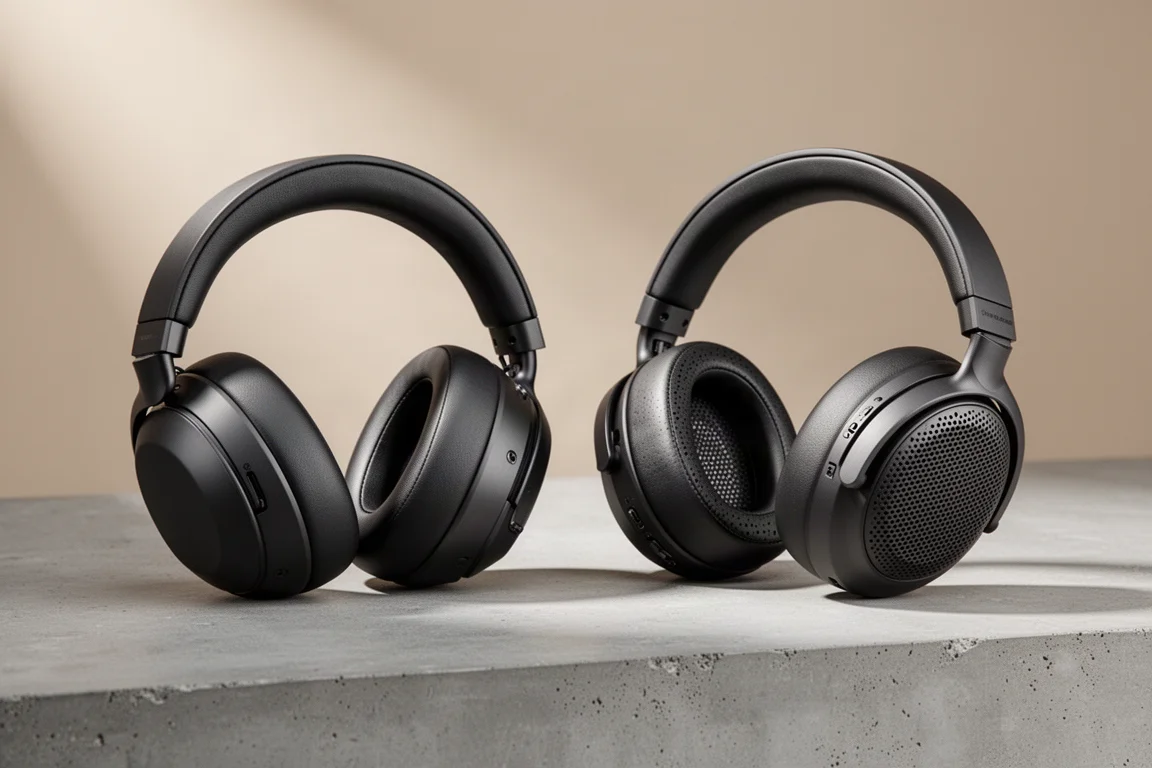
Most headphone buying decisions come down to a single structural question: is the ear cup sealed or open? The Beyerdynamic DT 770 Pro and the Beyerdynamic DT 990 Pro sit on opposite sides of that line, and comparing them is one of the clearest ways to understand what closed-back and open-back designs actually do to your listening experience. Neither approach is better in the abstract. Each one solves a different problem, and the right pick depends on where you listen and what you are doing.
How Closed-Back and Open-Back Designs Differ
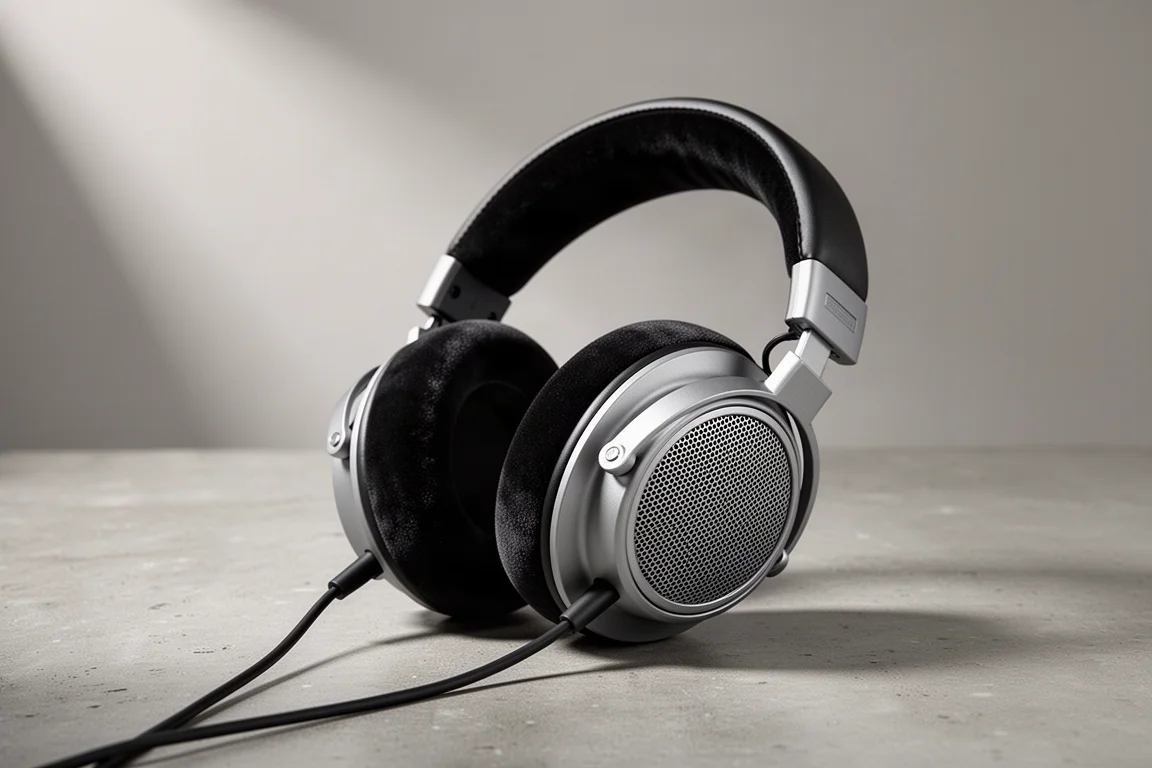
Closed-back headphones such as the DT 770 Pro have an enclosure around the outside of the ear cups. That sealed housing keeps outside noise from reaching your ears and keeps the sound inside the cups from escaping. Open-back headphones such as the DT 990 Pro are open behind the speaker, so the rear of the driver is not sealed off. Reflections inside the cup are allowed to escape instead of bouncing back toward the driver, which reduces the interference and cancellations that can muddy what you hear.
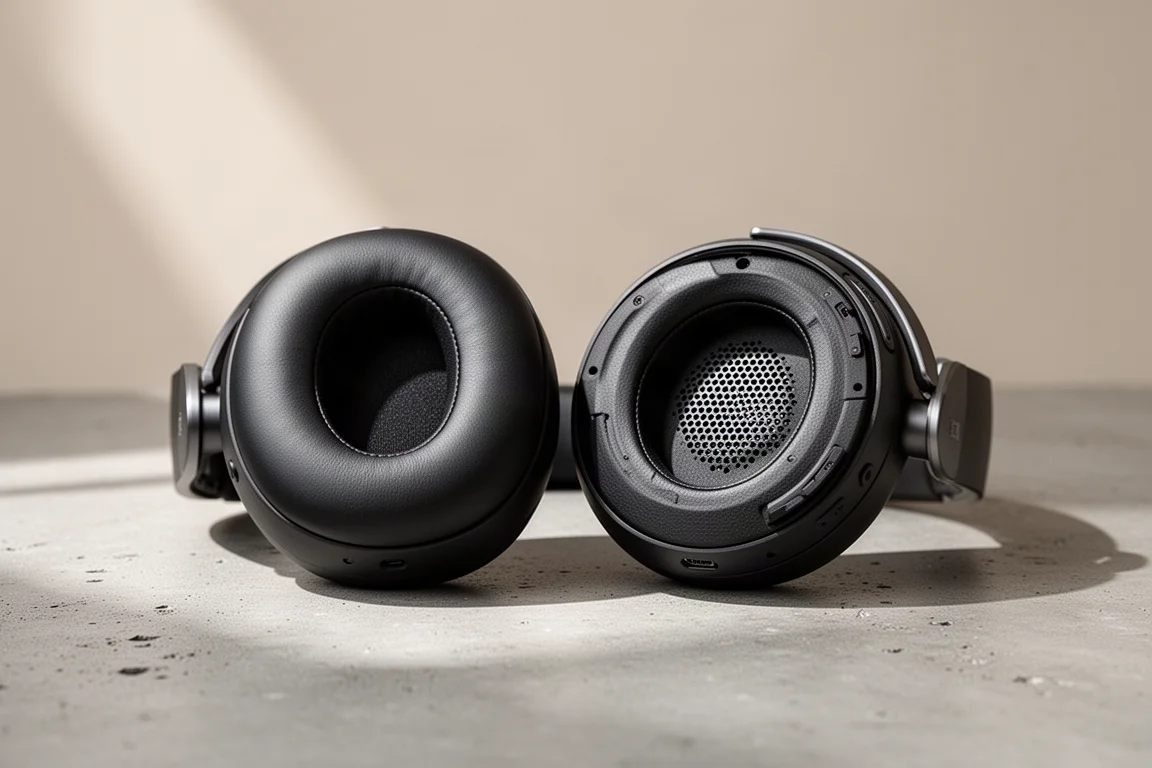
That one difference in construction shapes almost everything else: isolation, leakage, comfort over long sessions, and how wide the music feels around your head.
Beyerdynamic DT 770 Pro: Closed-Back Isolation
The DT 770 Pro is the practical choice in any noisy environment. Because the ear cups are sealed, you can focus on what is happening inside the headphones without being influenced by the sound around you. That matters when you are recording a loud instrument and trying to judge microphone placement, since a loud source in the room can otherwise make it difficult to hear what is actually going into the recording.
Closed-back designs also keep sound in, which is essential rather than optional in a recording session. If audio leaked out of the cups, it would reach the microphone. A common example is a click track or metronome bleeding into a take. Privacy is the other side of the same coin, and it is why closed-back headphones are the default for tracking acoustic instruments and vocals.
The trade-off is a slightly less natural feel. The seal that makes isolation possible also means the sound stays pent up inside the ear cups.
Beyerdynamic DT 990 Pro: Open-Back Soundstage
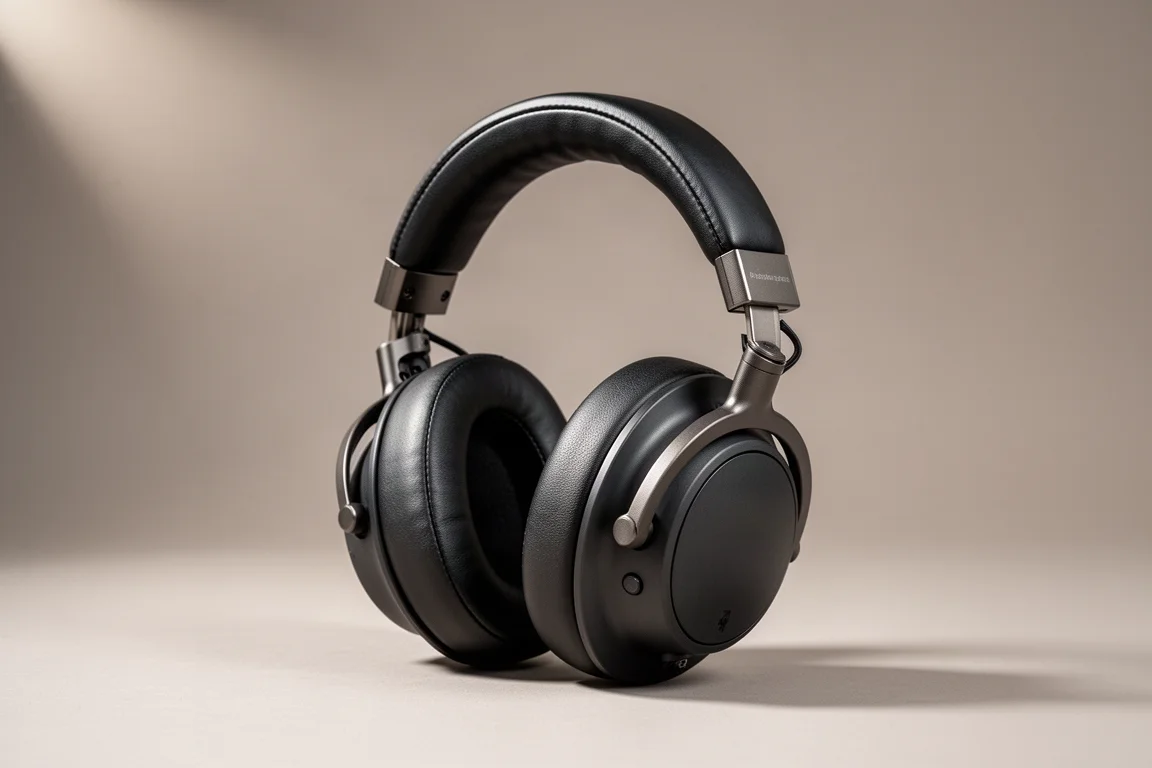
The DT 990 Pro takes the opposite approach. With the ear cups open behind the speaker, sound is not trapped inside the housing, and the result tends to feel more natural. Reflections escape rather than interfering with the driver, which makes long listening sessions more enjoyable and comfortable. Working through a full album or a film is easier on open-back headphones, provided the room is quiet.
Isolation is the clear sacrifice. Open-back headphones let in far more of the noise around you, so they suit quiet rooms where surrounding sound will not pull your attention away. They are a poor match for recording instruments in the same room, but they are excellent for critical listening, mixing, and mastering.
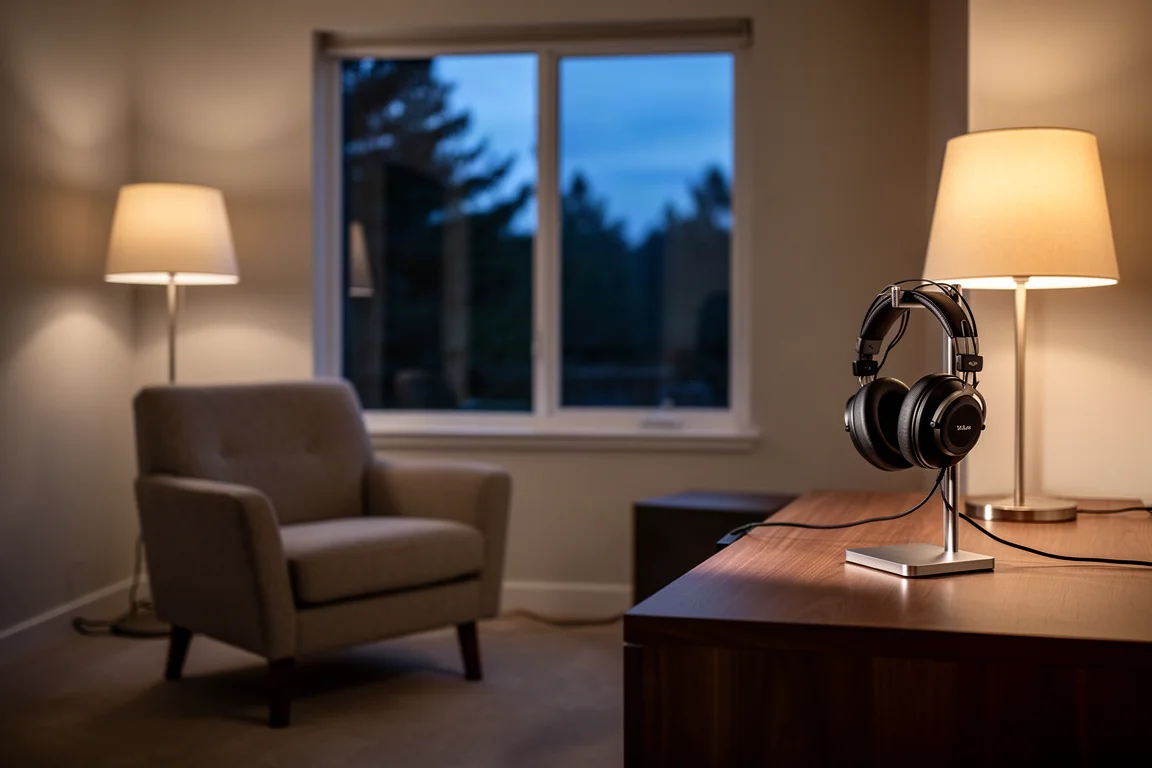
Leakage works in both directions as well. A lot more sound escapes from open-back headphones, so anyone nearby and any open microphone will hear it. In exchange, a quiet environment gives you a more accurate, open presentation: the indirect sound escapes more easily, you feel more connected to your surroundings, and the soundstage opens up. Music tends to feel as though it is happening in the room rather than in the space between your ears, although it still does not quite match the sense of listening through speakers.
Where Closed-Back Headphones Make Sense
Anything outside a treated, quiet room points toward a closed-back design. If you take headphones to a coffee shop, a gym, or a shared office, isolation is the feature that keeps the music audible and the environment out. The same logic applies inside a studio: closed-back headphones give you or a band an isolated listening experience during recording sessions, and they prevent monitoring audio from reaching the microphone.
One small side effect is worth knowing. Because your ears are sealed off from the room, it becomes harder to hear your own voice naturally, which is why closed-back headphones can make people speak louder than they intend.
Where Open-Back Headphones Make Sense
Open-back headphones reward a quiet environment. At home, in a dedicated listening space, or in a studio where nobody else is tracking, they deliver a more open and accurate sound for critical listening, mixing, and mastering. Because they let the room in, they are also surprisingly good for video conferencing, live streaming, and working from home. Hearing your own voice and your surroundings naturally makes them feel similar to the transparency effect on wireless earbuds that offer that mode, and it is much easier to keep your speaking volume under control.

The condition is simple: the quieter the room, the more of that advantage you actually hear.
Which Design Should You Choose
A music production studio benefits from having at least one pair of each. Closed-back headphones cover isolated listening during recording sessions, while open-back headphones cover mixing. They are complementary tools rather than competing ones.
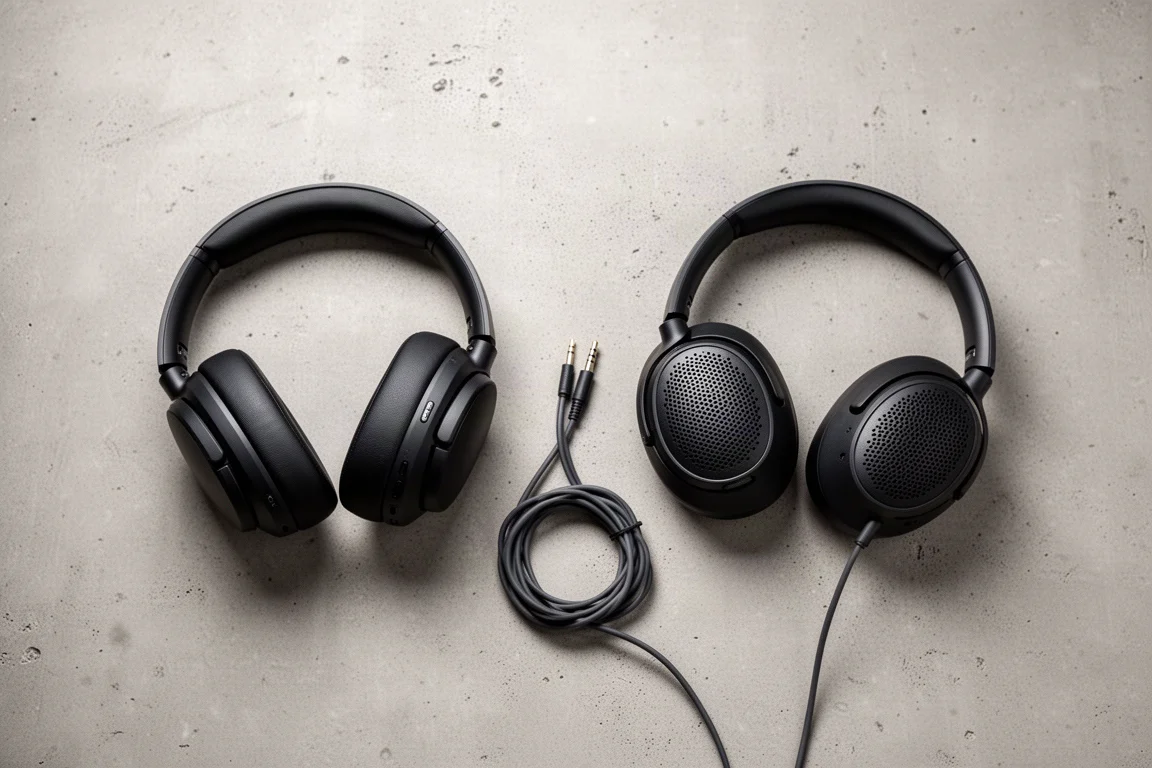
For casual listening, start with the environment. If you listen in a quiet space at home and want to optimize the listening experience, open-back headphones are the better fit. If your headphones travel with you to a coffee shop, a gym, or anywhere else with background noise, closed-back headphones are the safer and more useful choice.
Conclusion
The Beyerdynamic DT 770 Pro and DT 990 Pro make the closed-back versus open-back decision concrete. Choose closed-back for isolation, recording, privacy, and noisy surroundings. Choose open-back for a more natural, spacious sound in a quiet room, especially for critical listening, mixing, and mastering. If you work in a studio, owning one of each covers both jobs properly.
Further reading
Related Reviews
Studio Headphones
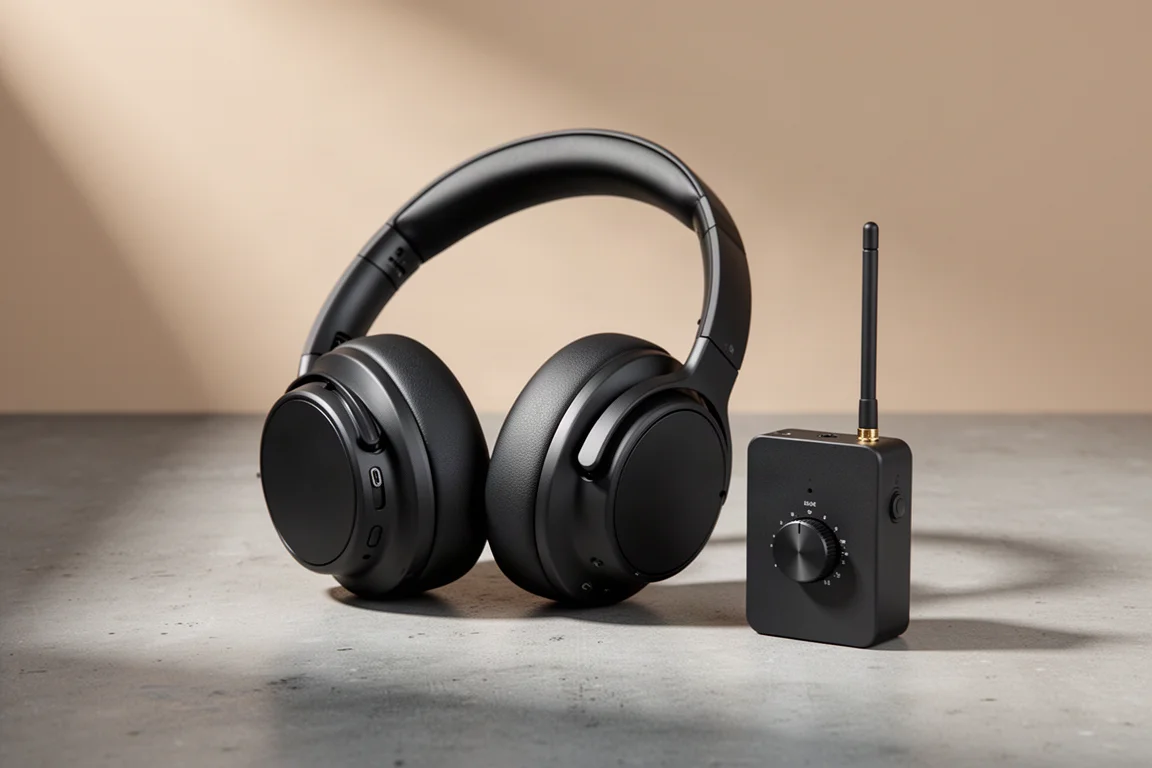
AIAIAI TMA-2 Studio Wireless Plus Review: Low-Latency Wireless That Works in the Studio
A studio-focused wireless headphone set with a low-latency lossless transmitter, Bluetooth and wired modes, plus the trade-offs worth knowing before buying.
Studio Headphones
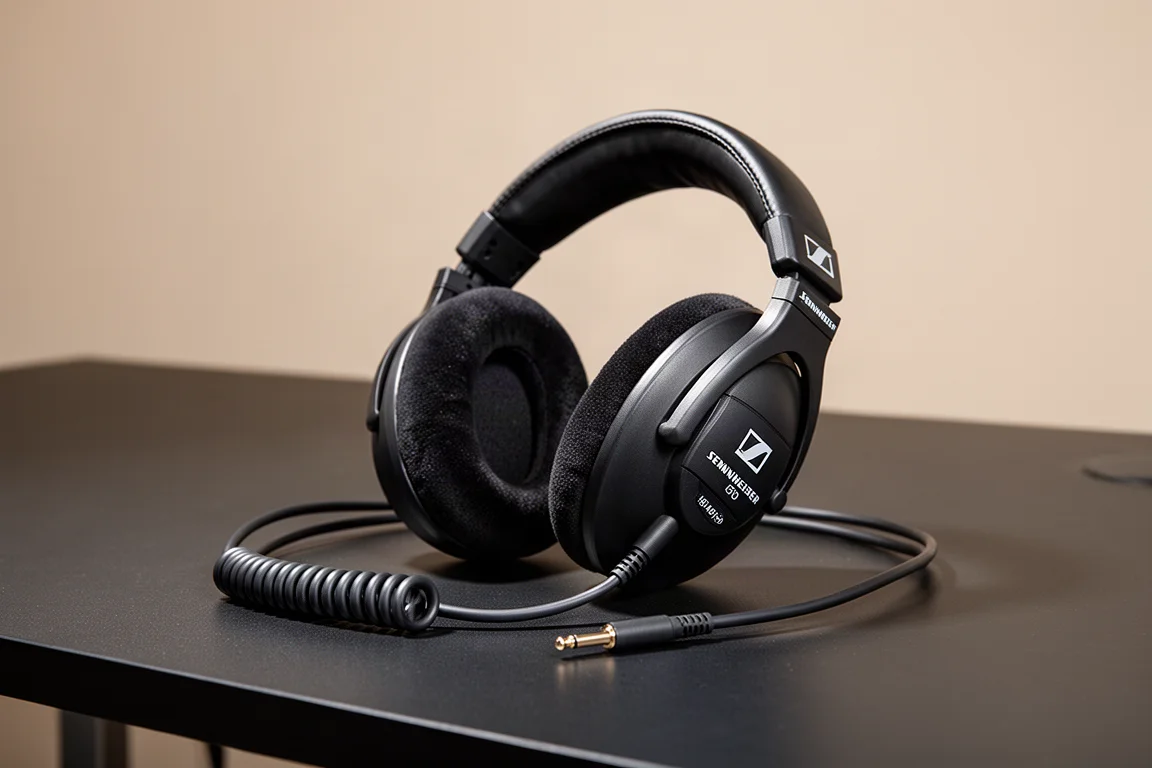
Sennheiser HD 480 Pro Review: A New Studio Standard for Closed-Back Listening
The Sennheiser HD 480 Pro brings studio-grade detail, comfort, and thoughtful design to closed-back monitoring. Here's how it fits into your workflow.
In-Ear Monitors
7Hz Timeless Review: A Planar IEM With Uncommon Presence
A planar in-ear monitor with a boosted low end, standout percussion and tonality, and a few traits worth weighing carefully before you buy.