Studio Headphones
AIAIAI TMA-2 Studio Wireless Plus Review: Low-Latency Wireless That Works in the Studio
A studio-focused wireless headphone set with a low-latency lossless transmitter, Bluetooth and wired modes, plus the trade-offs worth knowing before buying.
Introduction
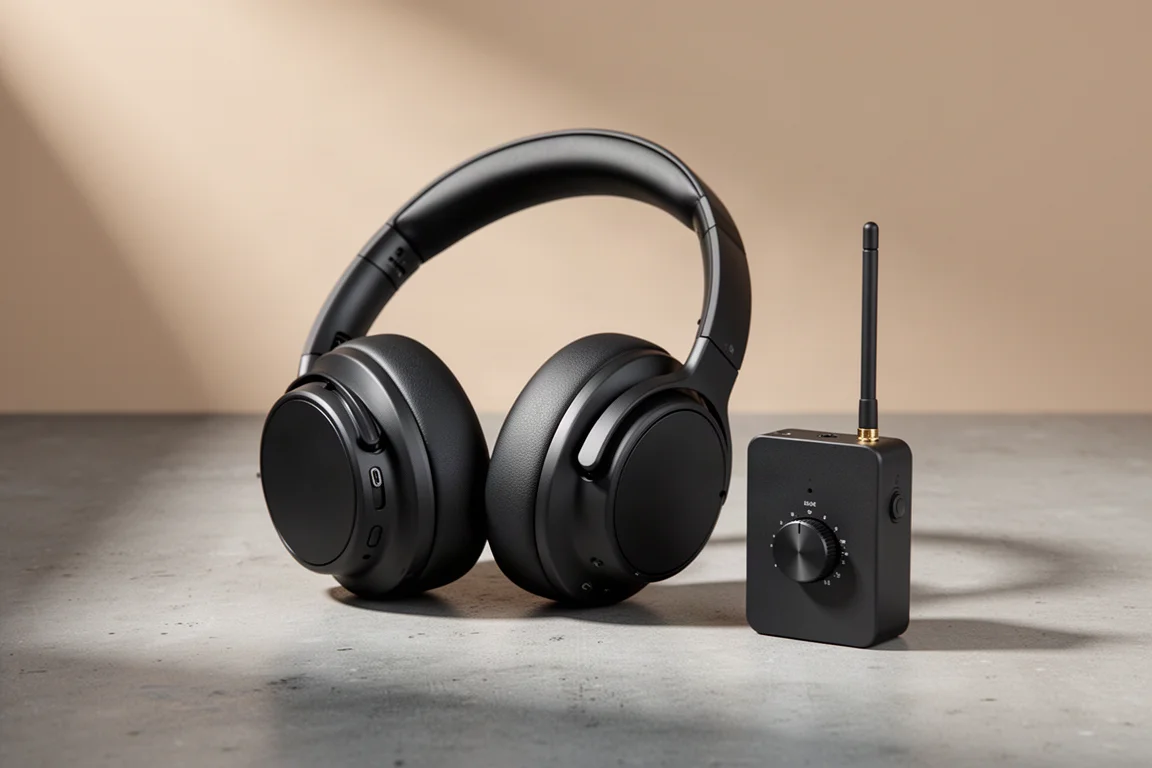
Wireless headphones and studio work have never been an easy match. Anyone who has tried tracking an instrument through a Bluetooth pair knows the problem: the monitoring delay caused by latency makes timing feel wrong, and the lossy codec softens the signal on the way to your ears. The AIAIAI TMA-2 Studio Wireless Plus approaches the idea differently, pairing a set of studio headphones with a dedicated transmitter that carries low-latency, lossless audio from any analog source. Bluetooth and wired listening are still on board, which makes this a genuinely flexible set rather than a one-trick wireless design.
This review covers how the headphones behave in a working studio, what the low-latency link actually delivers, and where a wired pair may still be the better answer.
Who This Product Is For
The clearest use case is input monitoring while tracking. In a room where the guitar rig, keyboard, and vocal mic are spread across the space, wireless monitoring removes the need to stay tethered to the audio interface. You can move from station to station while a song is being built without managing a headphone cable.
Guitar players get a specific benefit. With wired headphones, putting down or picking up an instrument usually means removing the headphones or working around the strap. A wireless pair removes both interruptions.
A second group is engineers working with outboard gear. When a pedal board or a rack sits across the room from the desk, a headphone cable rarely reaches it. Monitoring wirelessly while adjusting effects means hearing changes in real time instead of walking back to the speakers after every tweak.
There is also a practical use for microphone placement. Being able to listen from another room without a long cable and a separate headphone amplifier simplifies positioning. This does not extend to very loud sources such as drums, where bleed through the headphones is too strong to be useful.
Finally, live sound and house of worship engineers who mix both the room and a stream or recording can monitor the broadcast mix in a quieter space, which gives a better sense of what listeners at home will hear.
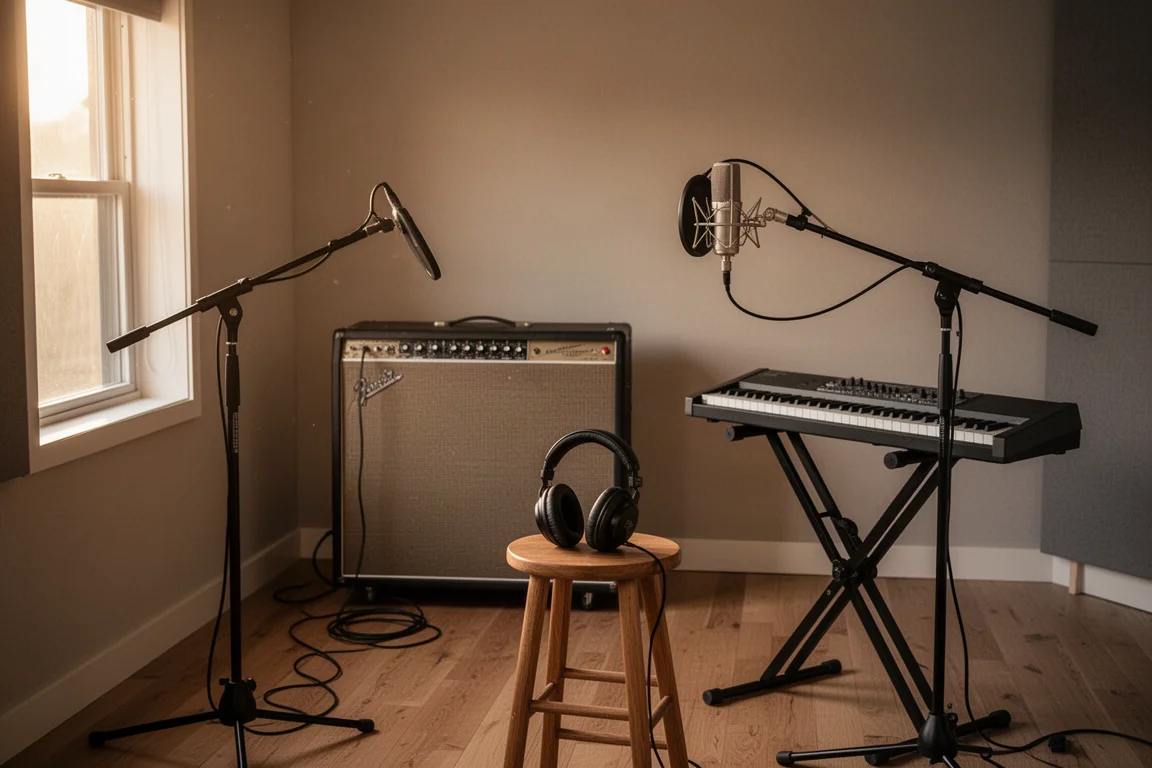
In practice, that makes the headphones most valuable to anyone whose studio layout forces them to move while listening rather than sit at a single desk.
Main Strengths
The frequency response emphasizes the region between 3 and 5 kHz. That is a meaningful choice for performance monitoring, because it brings out the detail of an instrument while other instruments are playing around it.
Versatility is the other headline. These can be used wired with the included cable for any headphone output, they can connect over Bluetooth to any Bluetooth device, and they can run in low-latency lossless wireless mode by plugging the transmitter into an analog source. Few headphones cover all three.
Comfort holds up over long sessions as well. The ear cups are spacious, which matters if you wear headphones for hours at a time.
Low-Latency Wireless Performance
Latency is the reason most wireless headphones stay out of the studio. Bluetooth delay can fall anywhere between 34 and 300 milliseconds, and stacking that on top of the latency from an interface and a DAW makes timing unworkable.
The TMA-2 Studio Wireless Plus runs at 16 milliseconds in its W+ link mode. Combined with the 3 to 12 milliseconds typically contributed by an interface and DAW, total latency lands somewhere around 19 to 28 milliseconds. For lossless wireless audio, that is a strong result, and it is what makes the headphones usable for recording rather than just listening.
It is not zero, however. If you are particularly sensitive to monitoring delay, wired headphones remain the safer choice. Other systems, such as Shure PSM setups, can reach lower latency still, but cost and portability are part of that trade-off.
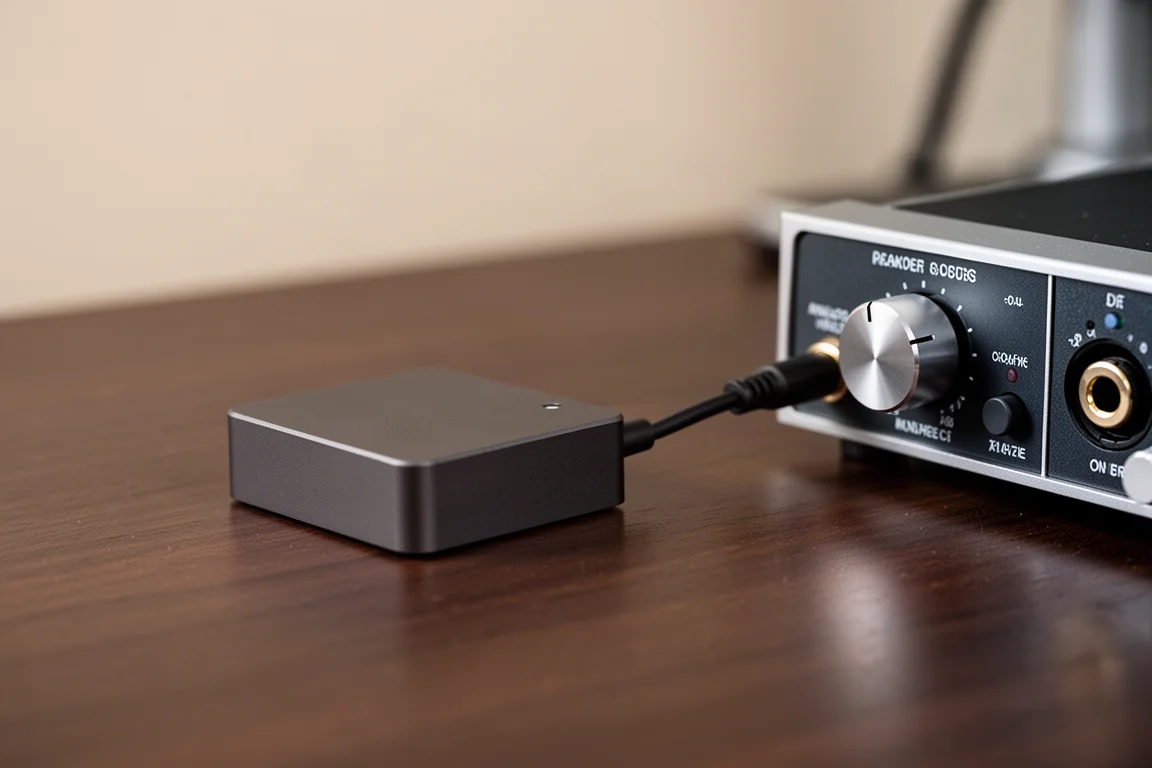
For tracking yourself on guitar or vocals, that margin is the difference between a monitor mix you can perform against and one that constantly pulls your timing off.
Input Flexibility and Everyday Listening
The transmitter is what separates this design from a normal Bluetooth pair. Connect whatever you want to hear to it, and the headphones receive that signal wirelessly without the compression of a Bluetooth codec. The same headphones can also be used with the included cable or as standard Bluetooth headphones.
The range is generous enough for casual use. With a turntable and phono preamp feeding the transmitter, moving to another floor produced no dropouts. That is not a recording scenario, but it says something about how reliable the link is in normal conditions.
Comfort and Battery Life
Battery life is rated at 80 hours for Bluetooth playback and 16 hours for low-latency wireless playback. The Bluetooth figure covers several days of casual listening, while the wireless figure is closer to a working week of sessions and needs a more regular charging habit.
On the head, the ear cups stay comfortable thanks to their size. For anyone who has struggled with clamping pressure over long tracking sessions, that is a real advantage.
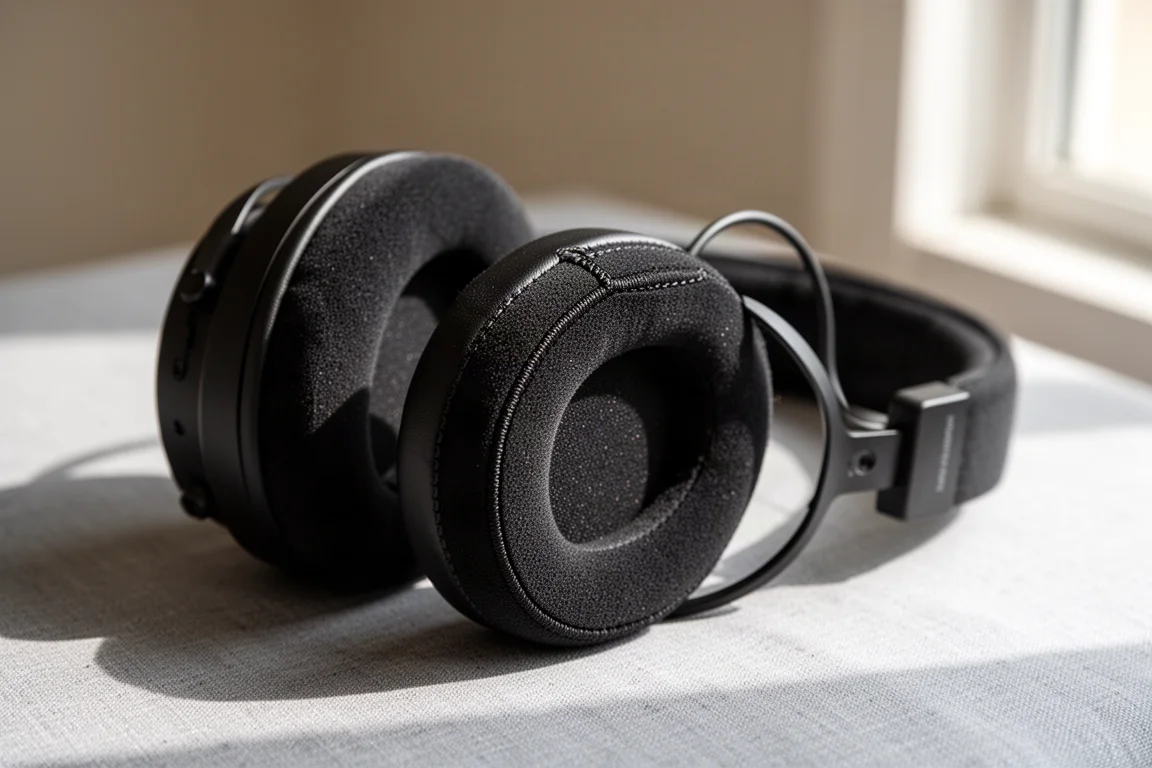
Across long sessions, that combination of space and stamina is what keeps the headphones on your head instead of pushed aside on the desk.
Things to Consider Before Buying
Latency is low but present, so the wireless link will not suit every workflow. Wireless mode also introduces a hiss. Sending a higher signal level to the transmitter and lowering the volume on the headphones themselves removes it, but that gain staging is worth knowing about in advance.
The 16-hour figure for low-latency wireless is a fraction of the Bluetooth runtime, which means charging becomes part of the routine if you rely on the transmitter. And because bleed through the ear cups is significant, these are not a solution for monitoring loud sources like a drum kit.
If most of your work happens seated at the desk with a cable, a wired pair covers the same ground with no charging involved.
Buying Advice
The decision comes down to how you actually work. If your sessions involve moving between instruments, adjusting effects at a rack or pedal board, placing microphones in another room, or monitoring a stream mix away from the room, the low-latency transmitter path is the feature that justifies the purchase. It turns a wireless pair into something you can genuinely record with.
If you are highly sensitive to latency, or you mix almost exclusively at the desk, a wired pair remains the straightforward answer, and the cost of a lower-latency alternative such as a Shure PSM system is worth weighing against the portability these headphones offer.
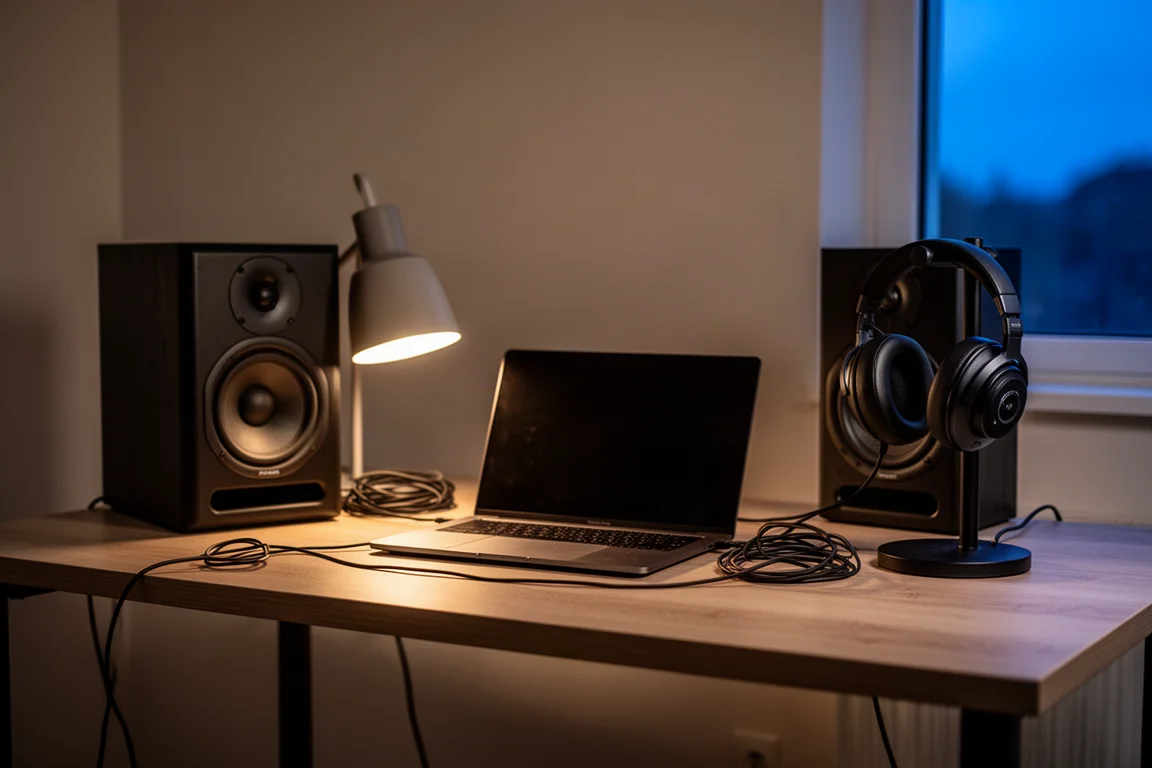
Either way, the goal is the same: a monitoring setup that stays out of the way while you play.
Conclusion
The AIAIAI TMA-2 Studio Wireless Plus solves a problem that wireless headphones usually create. Wired, Bluetooth, and low-latency lossless wireless operation in one set, with 16 milliseconds of wireless latency in W+ link mode and a frequency response tuned for hearing detail while performing. The hiss in wireless mode and the 16-hour wireless battery life are the compromises to accept, and anyone with a low tolerance for latency should stay wired. For producers and engineers who move around while they work, the flexibility is difficult to match.
Product link
View more details for AIAIAI TMA-2 Studio Wireless Plus
This product is mentioned in the review. Check the specifications, options, and compatibility before buying.
View more details for AIAIAI TMA-2 Studio Wireless PlusFurther reading
Related Reviews
Studio Headphones
Closed-Back vs Open-Back Headphones: Beyerdynamic DT 770 Pro and DT 990 Pro Compared
A practical comparison of closed-back and open-back studio headphones, using the Beyerdynamic DT 770 Pro and DT 990 Pro to explain which design suits recording, mixing, and everyday listening.
Studio Headphones
Sennheiser HD 480 Pro Review: A New Studio Standard for Closed-Back Listening
The Sennheiser HD 480 Pro brings studio-grade detail, comfort, and thoughtful design to closed-back monitoring. Here's how it fits into your workflow.
Music Production
Akai MPC Sample Review: A Portable Beatmaking Powerhouse
The Akai MPC Sample brings the classic MPC workflow into a portable, standalone device with a built-in speaker, mic, and battery. Here is our full review.