Aquarium Lighting
Chihiros RGB vs Fluval Plant 3.0: Which Aquarium LED Light Fits Your Tank?
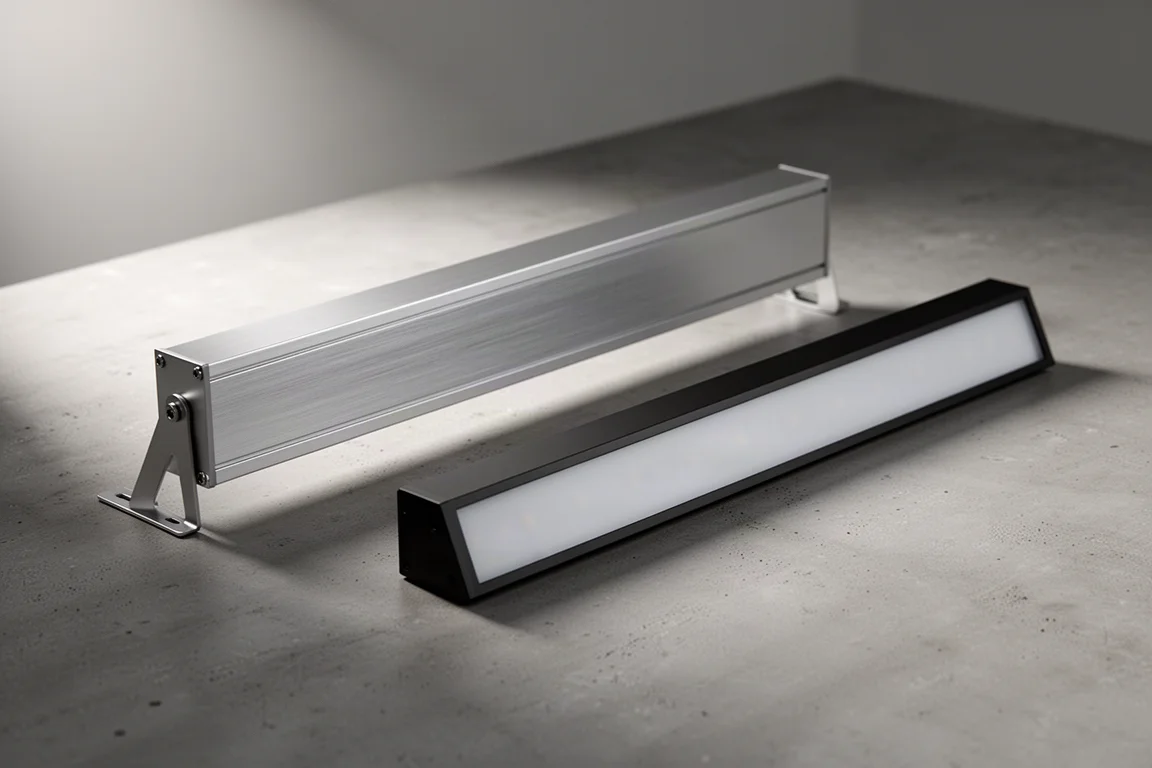
Two mid-range aquarium LED lights compared: the wide, app-controlled Chihiros RGB and the slimmer Fluval Plant 3.0.
Introduction
Aquarium lighting does two jobs at once. It drives plant growth, and it decides how the tank reads as a piece of furniture in the room. Getting both right is where mid-range LED fixtures earn their price.
Two lights sit in that middle band: the Chihiros RGB and the Fluval Plant 3.0. Both cost considerably more than the budget strip lights and flood lights many hobbyists start with, and both cost far less than the flagship units at the top of the market. The Chihiros RGB is the more ambitious of the two, with a wide body, included mounting risers and a full control app, while the Fluval Plant 3.0 is the slimmer, more familiar option.
What Matters Most in an Aquarium LED Light
The first thing to judge is spread. A narrow fixture concentrates light down the centre of the tank and leaves the front and back corners dimmer, which is the classic limitation of a slim bar. A wider body spreads light more evenly across the full footprint, and that evenness is what makes a planted layout look intentional rather than spotlit.
Colour rendition matters next. The better fixtures push greens toward a deeper, more saturated tone instead of a washed-out yellow-green, and they make fish colour read more strongly without turning the whole scene cold and blue.
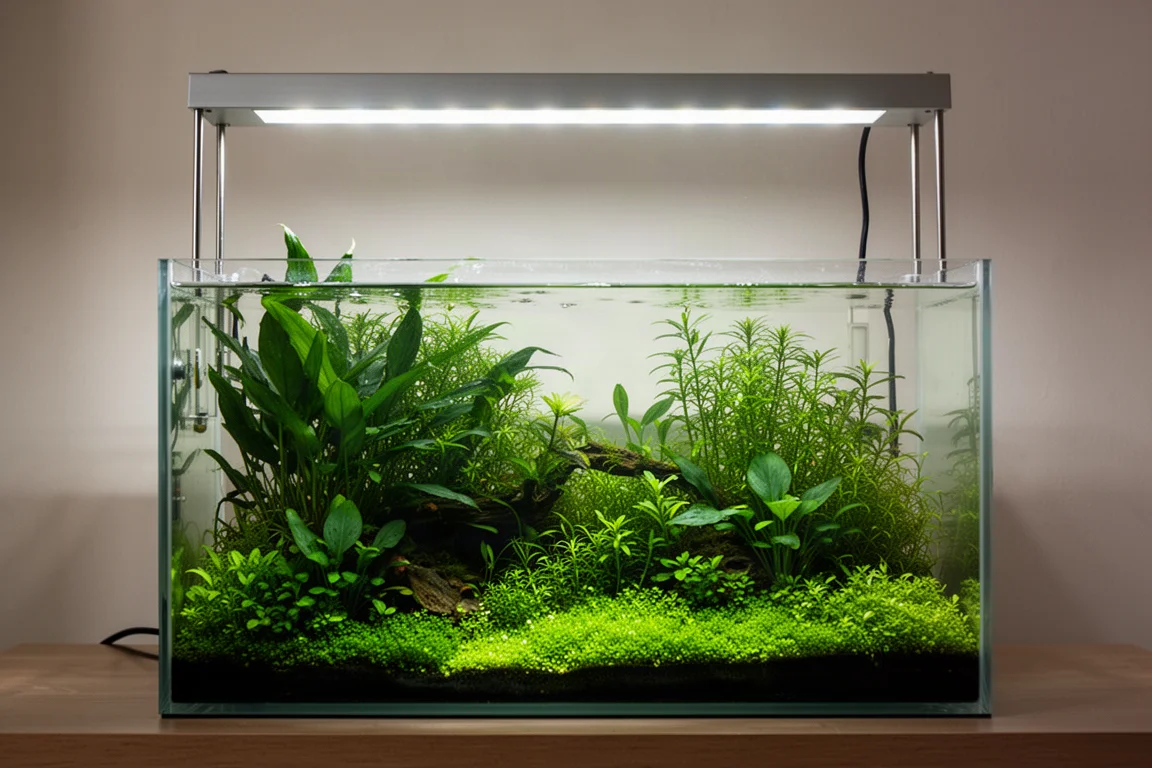
Control is the third factor. Adjustable colour temperature and dimming let you tune the look of the tank, and a timer keeps the light on a fixed daily cycle. Dimming also matters at the very start: running a new setup at full intensity invites algae, whereas easing the intensity up as plants establish gives them time to take up excess nutrients before algae can use them.
Finally, look at the hardware. Mounting risers, the quality of the aluminium body and the length of the power lead all affect how easy a fixture is to live with day to day.
Chihiros RGB: Build Quality and Light Spread
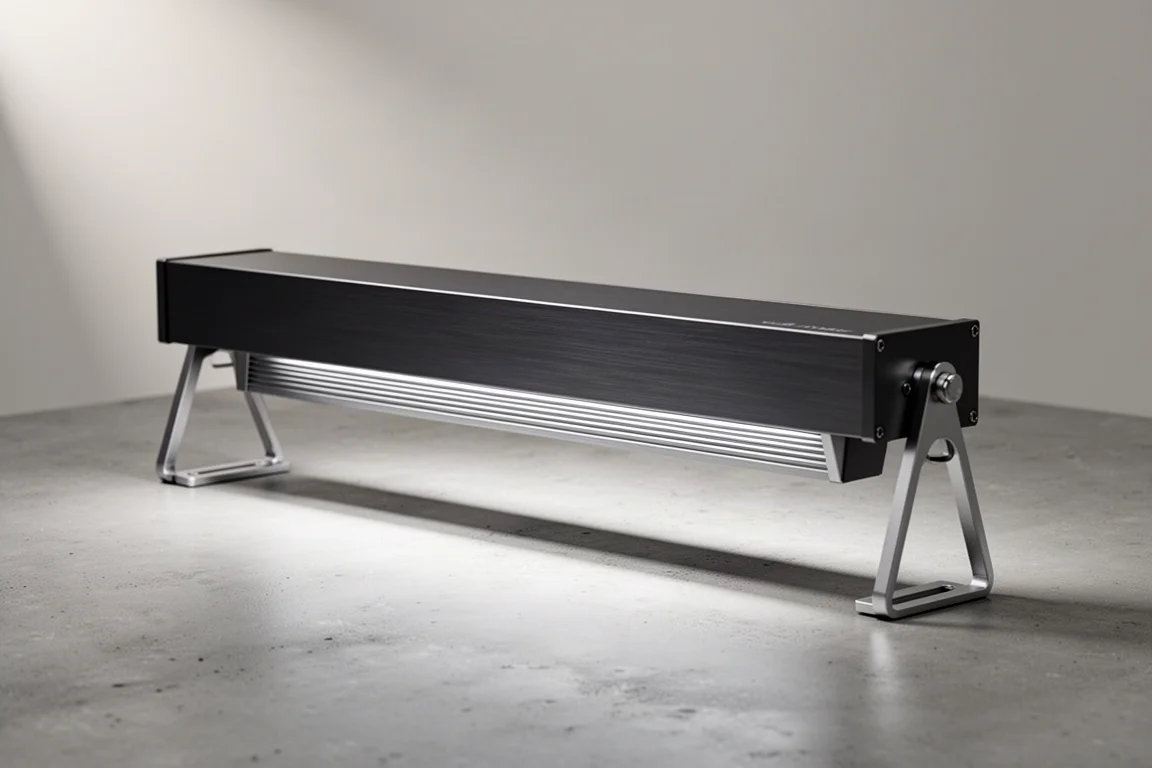
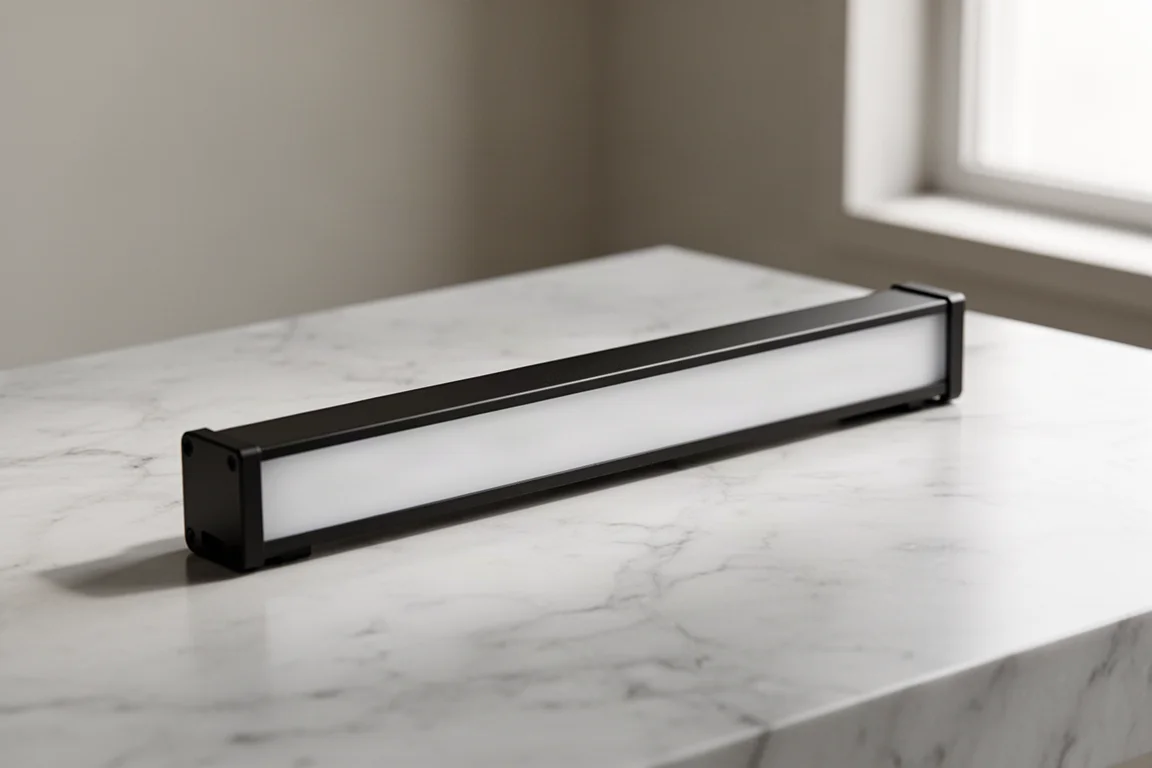
The Chihiros RGB arrives as a large, wide fixture, and the first impression is weight. The body is built from thick aluminium sections with a clean finish, and nothing about the assembly feels flimsy. It is a substantial piece of equipment rather than a thin bar.
It also ships with proper mounting risers. They slot into runners on the top of the unit and tighten down, so the light sits on the tank instead of hanging above it. That is a meaningful difference from slim bars that arrive without mounting hardware and end up suspended from the ceiling on improvised supports. The power lead is generous as well, which matters when the nearest socket is not close to the tank.
On the tank, the width pays off. Light reaches the full footprint rather than pooling in the middle, and the fixture looks deliberate in a room. The underside is tidy enough to look good when viewed from below, and the output is bright without being painful to look at directly.
Fluval Plant 3.0: The Slimmer Mid-Range Option
The Fluval Plant 3.0 sits in the same mid-range price band and has a solid reputation as a plant-growing light. It is a capable fixture in its own right, and it was the most expensive light in use here before the Chihiros RGB arrived.
The main practical difference is size. The Fluval is noticeably slimmer, so its spread is narrower and light falls off toward the edges of a wide tank. It also does not include mounting risers, which means owners need to improvise a solution if they want the fixture raised above the water line.
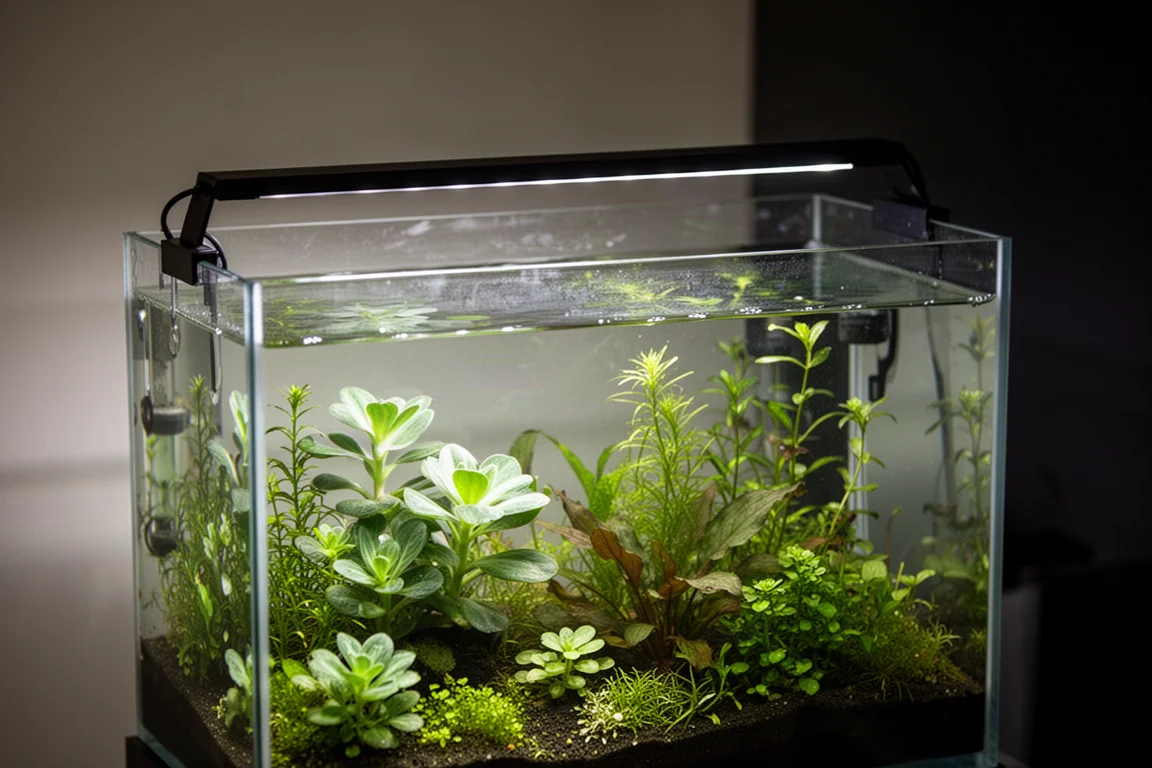
That combination shapes who the Fluval suits. On a smaller or narrower tank, the slim housing is an advantage and the narrower spread is far less of a compromise. It keeps a low profile over the glass and leaves more of the tank visible.
On a wide display tank, though, the difference in coverage becomes obvious, and the extra mounting hardware included with the wider Chihiros starts to look like part of the value rather than a bonus.
Color Rendition and Fish Appearance
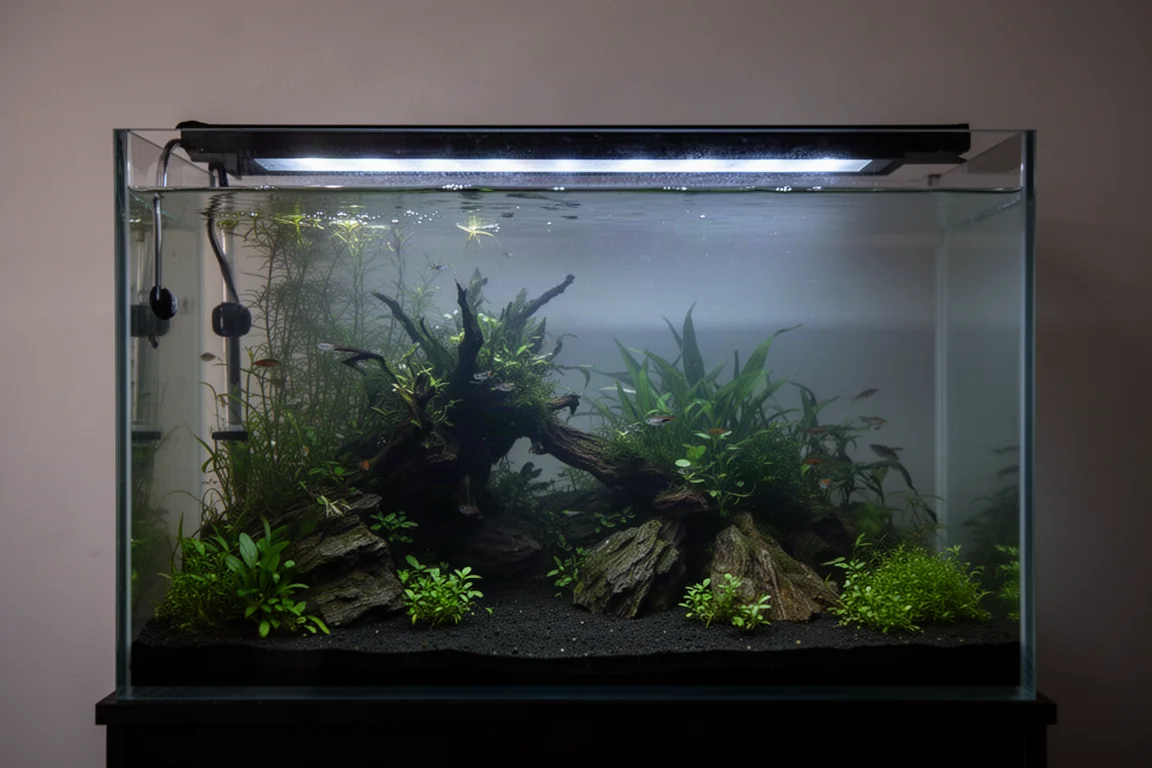
The most striking difference between budget lighting and a fixture like the Chihiros RGB is not brightness, it is colour. Greens come through deeper and more saturated, closer to the look associated with high-end planted displays, and plants that carry lime or lighter green tones keep that character instead of washing out.
Fish benefit just as much. Reds, oranges and blues read more strongly, and the improvement shows across a whole community rather than in one or two species. In a mixed tank of guppies, barbs, dwarf cichlids and bottom-dwelling catfish, every fish looked better under the wider fixture, including the iridescent markings that are easy to lose under flat, cheap lighting.
Plant growth is the other half of the story. The plants look strong under this fixture, and the intensity on offer is enough to grow demanding species rather than only the easy ones. There is also headroom to raise output as the tank matures and the planting fills in.
App Control and Daily Scheduling
The Chihiros RGB is controlled through a downloadable app, and the setup is quick. Tank profile, colours, intensity and timer are handled in one place, and the whole configuration takes only a short time to complete. It is one of the more straightforward lighting apps to work with.
Colour temperature is adjustable across a wide range. The low end sits around 3,000K and reads distinctly warm and yellow, a green-friendly setting around 8,000K brings out plant colour, and the top of the range reaches 13,000K, which reads clearly blue. Most planted tanks will land somewhere in the middle, where greens look their best without the scene turning cold.
Brightness is adjustable in the same way, and the settings can be saved as a schedule. A typical arrangement might run from early morning to late afternoon, with intensity ramped up gradually as plants settle in and begin consuming more nutrients.
That gradual ramp is the practical advantage of dimming. A new tank pushed straight to full output tends to grow algae before it grows plants, while a fixture that can be eased upward gives the planting a chance to establish first.
What the Chihiros RGB Costs Against Budget Lighting
The Chihiros RGB costs £369, which is roughly $400. Two cheap LED strip lights, by comparison, cost £90 in total, or £45 each. That is a large multiple, and it is the number that decides whether the upgrade makes sense for a given tank.
The question is not whether budget lighting works. It does, and flood lights in particular will grow plants well, though they are not attractive in a living space, and strip lights often need improvised suspension before they look halfway decent above a tank.
What the extra money buys is the look. For a display tank in a room where people actually spend time, the difference in colour rendition and in the appearance of the fixture itself is the entire point of the upgrade.
Overall Buying Advice
A sensible route is to start with a cheaper light. Budget fixtures are a low-risk way to learn how plants respond to light, and the upgrade path stays open if the hobby sticks.
When the tank becomes a display rather than a project, the Chihiros RGB is the natural next step. It is the least expensive way to reach the high-end look without moving into the flagship price bracket, and the wide spread plus full control make it easier to live with over time.
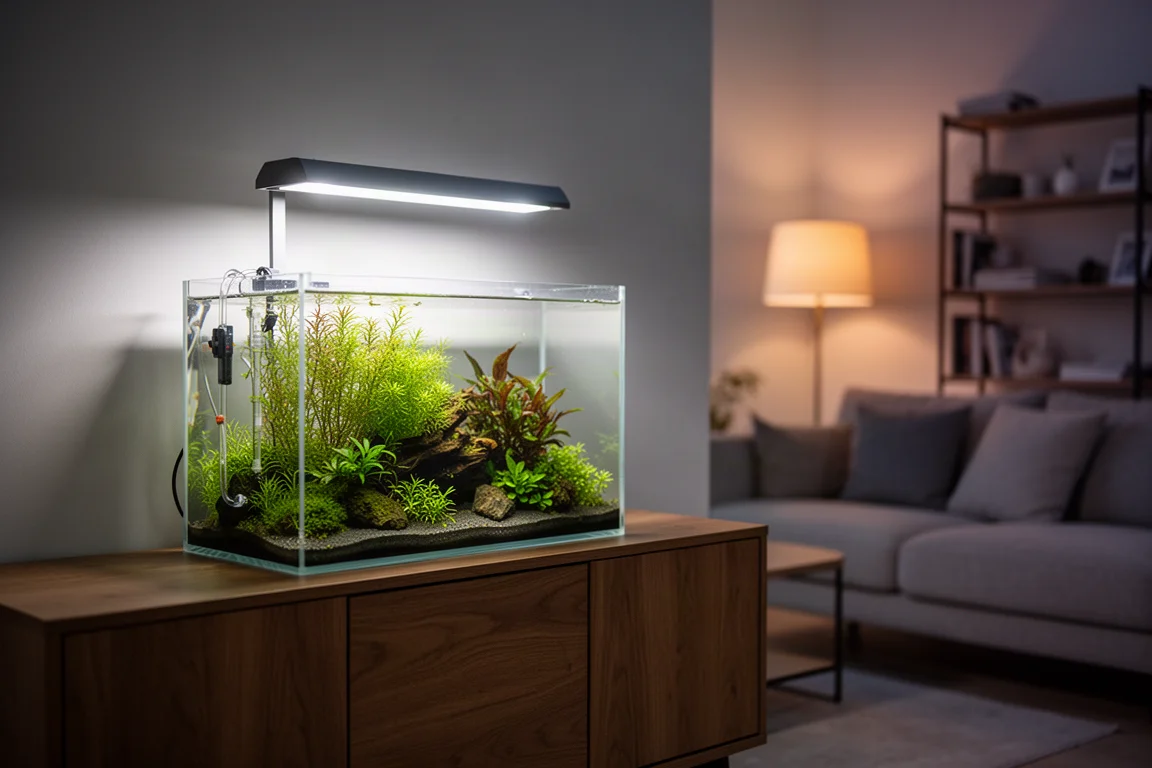
Not every tank justifies it. In a fish room or a breeding setup where the priority is healthy plants and fish rather than presentation, budget LED lighting remains a perfectly reasonable choice, and the money is better spread across more tanks.
For a living space tank, the calculation changes. A fixture that looks considered, spreads light evenly and can be dialled in from an app is doing more than growing plants, and that is what the higher price is really paying for.
Conclusion
Both lights sit in the mid-range, and both will grow plants. The Fluval Plant 3.0 remains a capable slim fixture, but its narrower spread and missing mounting hardware make it a harder fit for a wide display tank. The Chihiros RGB is the more complete package: wide coverage, included risers, a long power lead, app control with adjustable colour temperature and dimming, and noticeably richer colour in plants and fish. For a tank that is meant to be looked at, that combination justifies the step up.
Further reading
Related Reviews
Aquarium Lighting
AI Blade LED Lights Review: A Versatile Strip Light for Reef Tanks
A practical look at the AI Blade LED line, including the value-focused Grow spectrum, mounting options, app control and PAR performance.
Aquarium Lighting
AI Hydra 32 and Hydra 64 Setup Guide: Mounting Heights, Spacing, and Add-On Lighting
A practical reef lighting guide covering optimal mounting heights for the AI Hydra 32 and Hydra 64, spacing for even coverage, and when add-on lighting is worth it.
Aquarium Lighting
AI Prime Review: A Compact Reef Light That Grows With Your Tank
A small, modular reef aquarium LED that reaches LPS and soft coral PAR levels over a 60-gallon cube, plus the spacing, mounting height, and control habits that make it work.