Speakers
Chesy Audio LC1 Review: A Compact Passive Speaker With Clear Trade-Offs
A close look at the Chesy Audio LC1, a $996-per-pair passive speaker with an easy amplifier load, wide horizontal dispersion, and measurable limits in the bass and midrange.
Introduction
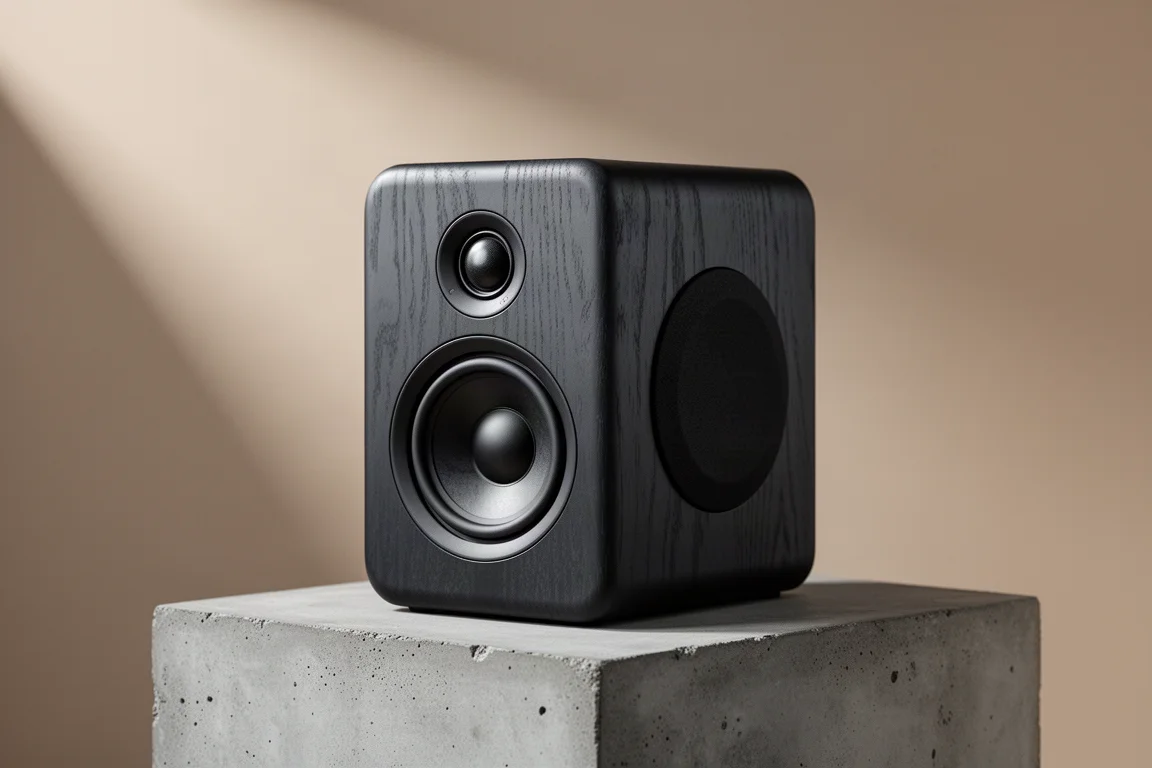
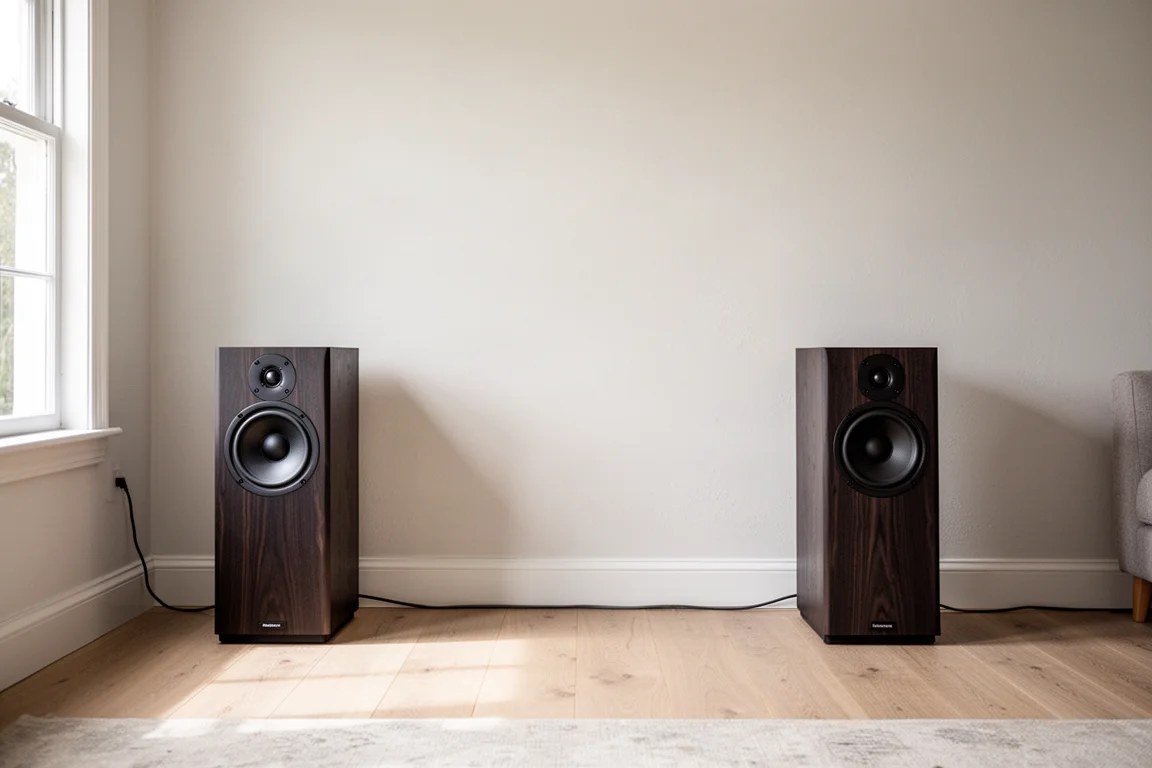
The Chesy Audio LC1 is a compact passive loudspeaker sold directly by the manufacturer for about $996 per pair. On paper it reads like a serious hi-fi proposition: a 1-inch dome tweeter with what the company calls tessellation diffraction control, a 6.5-inch polypropylene mid-bass driver, and a pair of 8-inch inertially balanced fluid-coupled subwoofer units built into a multi-layer high-mass cabinet. The quoted frequency response spans 50 Hz to 20 kHz, sensitivity is listed at 86 dB at 2.83 V per meter, and each cabinet weighs roughly 18 lbs.
That specification sheet covers a lot of ground. The more useful question is how the speaker behaves once it is in a room, and that is where the LC1 asks a few things of the buyer.
Who the Chesy Audio LC1 Is For
This is a speaker for listeners who want a compact, easy-to-drive passive design and are willing to spend time on placement. Measured impedance stays high, with a minimum of about 8.4 ohms and an EPDR of 5.4, so it will not stress a wide range of amplifiers.
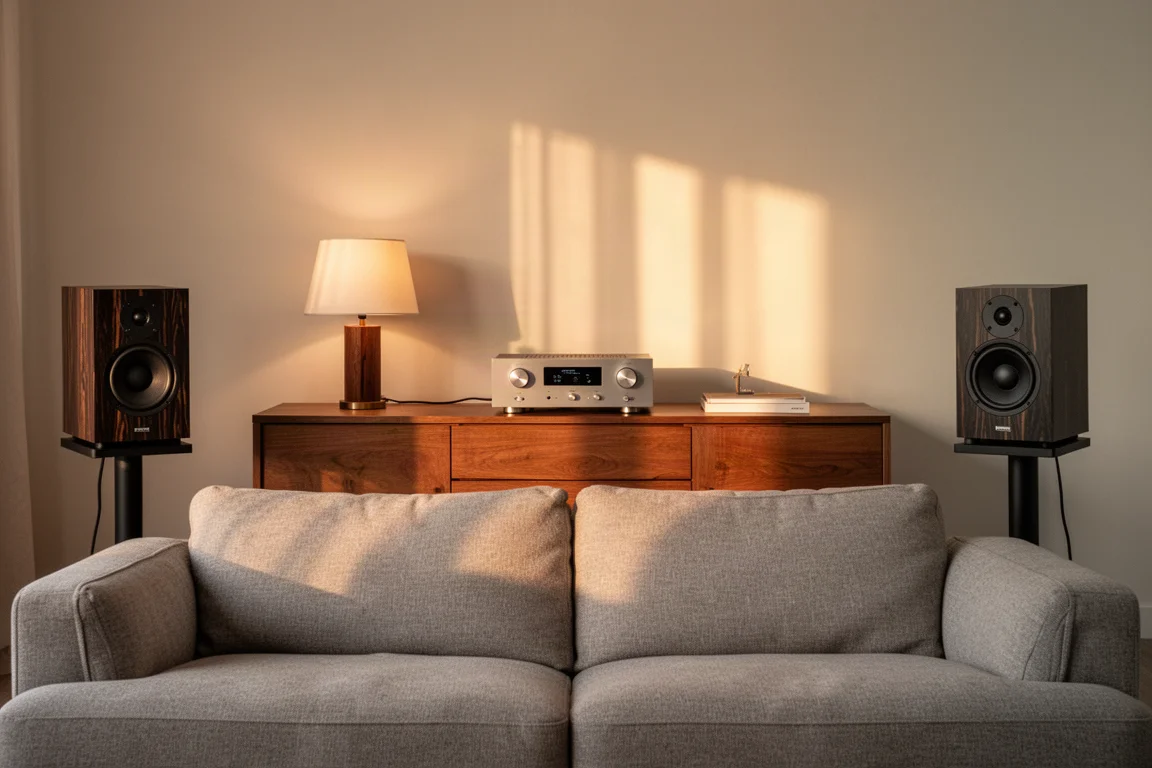
It also suits listeners who value wide horizontal coverage. Measured horizontal dispersion holds roughly plus or minus 60 to 70 degrees, which gives a broad listening window across a sofa rather than a single narrow sweet spot.
The trade-off sits in the low end and in the midrange character. If deep bass extension and a full-bodied vocal presentation are priorities, this is a speaker to audition carefully rather than buy on specification alone.
Design and Build Quality
Cabinet construction is the strongest part of the package. The multi-layer, high-mass enclosure feels solid, and the internal layout is tidy, with a hard-wired, silver-soldered crossover using film capacitors. Looking at the network, it appears to use first-order slopes together with a Zobel circuit.
Build quality is generally good, with one cosmetic exception: the flush-mounted tweeter sits in a cutout with a visible gap around its edge. That has no bearing on sound, but it is the kind of finish detail a buyer may notice on a speaker at this price.
Inside the Cabinet: Drivers and Crossover
Behind the front baffle the LC1 uses the 6.5-inch polypropylene mid-bass driver and the 1-inch dome tweeter, with the two 8-inch units mounted on the cabinet sides. Nearfield measurements of the passive radiators on both cabinets behaved similarly, so the pair is consistent in that respect.
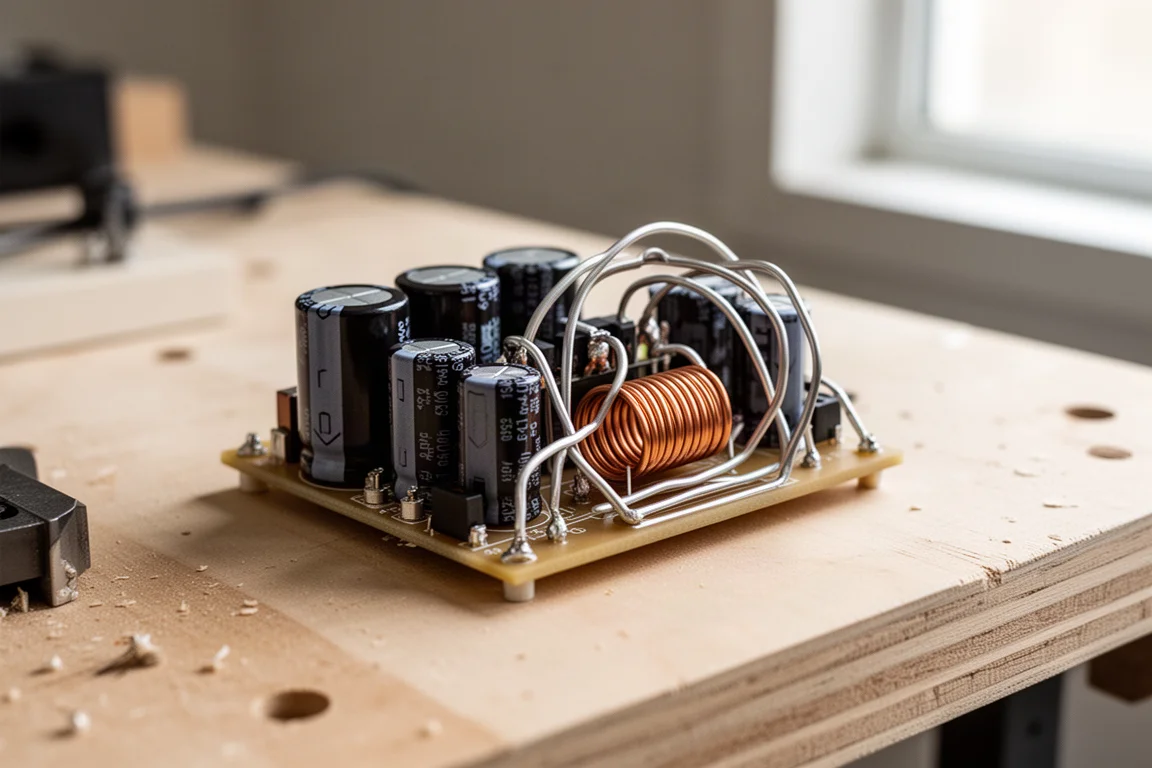
Two details stand out from the cabinet internals. First, group delay rises through the 500 Hz to 1 kHz region, which lines up with a passive radiator resonance. Second, nearfield driver measurements showed differences between the two tweeters and between the two mid-bass drivers, pointing to unit-to-unit variation in the drive units rather than in the enclosure.
Measured Performance: Frequency Response and Directivity
Measured average sensitivity came in at about 81.4 dB, lower than the 86 dB figure on the specification sheet. F3 measured at 71 Hz and F10 at 49 Hz, and the response begins rolling off quickly below roughly 90 to 100 Hz. Estimated in-room extension reaches about 80 Hz, which matches what listeners hear: no kick drum weight and no sense of a room being filled by low-frequency energy.
On-axis, the response dips through the lower midrange, which is why male and female vocals sound recessed rather than present, and then rises through the region above it. Higher up, output falls away through the tweeter range, so the overall impression is of a speaker that loses both ends of the spectrum.
The vertical contour plot shows a cancellation between the midrange and tweeter just below the tweeter axis, most likely a result of the shallow first-order crossover slopes and some overlap in the crossover region. In practice that means listening on the tweeter axis or slightly above it. Sit below that line and the response becomes uneven.
Distortion performance is reasonable, with good separation between second and third order harmonics. A cone edge surround resonance appears in the midrange region, and instantaneous compression limits the lower midrange, leaving roughly 20 dB of usable dynamic range between 76 dB and 96 dB. Long-term compression topped out at about 95 dB. Impedance stays easy to drive, though resonances show up around 300 Hz, 700 Hz, and 1 kHz.
Listening Notes
Across listening sessions, two characteristics defined the LC1: a recessed midrange and an almost complete absence of low bass. On a dense pop production, the shaker on the right side of the mix came through clearly, but handclaps sounded dull, a quiet background click sat too far back, and the lead vocal sounded thin rather than solid. Turning to quieter, vocal-led material, the center image never locked in properly no matter where the listener’s head moved, a low-level hum in the recording was pushed so far back that it nearly disappeared, and background vocals stepped forward with a grainy edge.
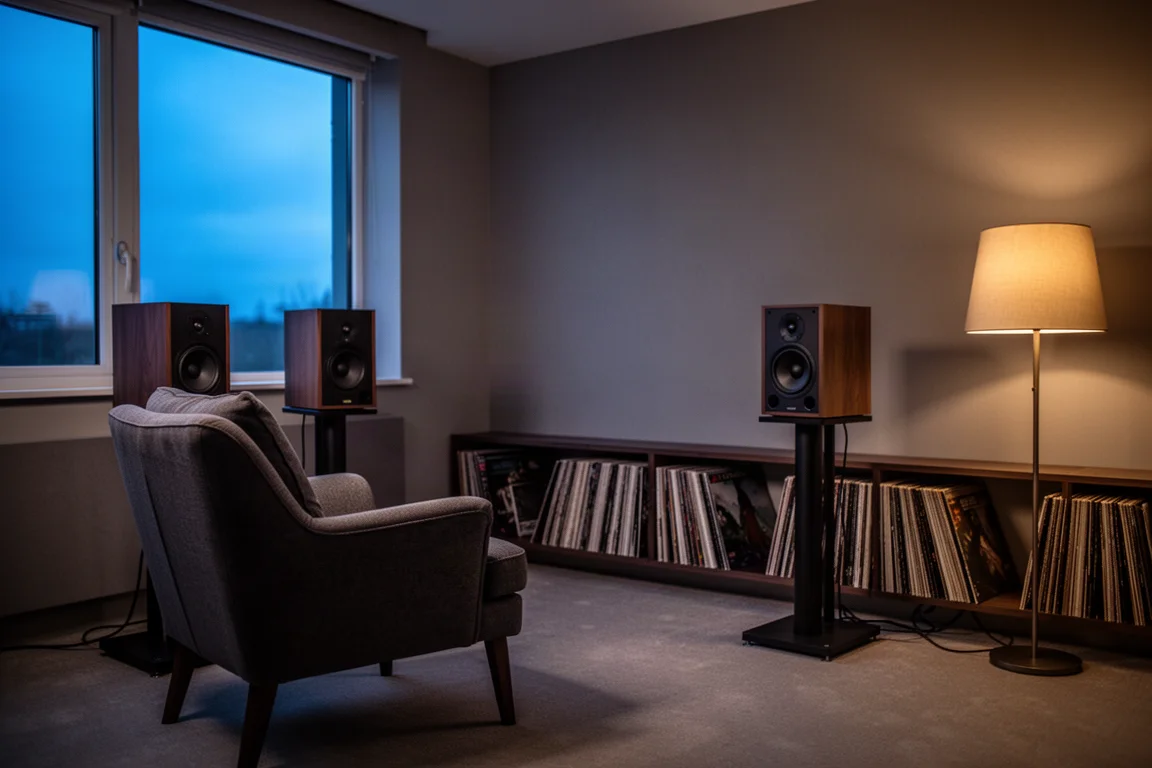
On a track built around a strong, room-filling bass note, there was no low-frequency bloom and no air in the upper frequencies. Moving the speakers closer to the rear wall added a little more low bass but not enough to change the overall balance, and in-room output appeared to stop around 100 Hz. A modest reduction around 100 Hz can help, since the rolloff beneath that point is steep, though that region already stands out relative to what lies below it. The same recessed midrange and absent bass were observed in a second listening setup in a different room, which suggests the character is inherent to the design rather than the product of one room.
Things to Consider Before Buying
Placement matters more than usual here. Aim the speakers directly at the listening position and place them close to the wall behind them, so the boundary reinforces the lower midrange and lower bass. Some attenuation around 100 Hz may be needed, because the response drops away sharply below that point.
Vertical placement is just as important. Because of the cancellation below the tweeter axis, ears should sit level with the tweeter or slightly above it.
Sample variation is worth checking. The two cabinets measured differently in the tweeter and mid-bass regions, and the tweeter cutout gap is a visible finish detail. Buyers who can inspect or audition a pair before committing will be in a better position.
Finally, set expectations for the low end. A quoted 50 Hz to 20 kHz response does not translate into deep bass in practice, and anyone listening for kick drum weight or room-filling low-frequency energy will likely find the LC1 wanting.
Buying Advice
The LC1 makes sense if you want a compact, efficient passive speaker with wide horizontal dispersion, a solid cabinet, and a hard-wired crossover, and if you are happy to run it close to a rear wall and level with the tweeter. It is a genuinely easy load for most amplifiers, and the broad horizontal window is forgiving of seating positions across a room.
Look elsewhere if a full-bodied midrange and real low-frequency extension are non-negotiable. In that case, the budget is better spent on a design that delivers those qualities without the placement workarounds.
Conclusion
The Chesy Audio LC1 gets the fundamentals of construction and amplifier friendliness right, and its wide horizontal dispersion is a genuine strength in a normal living room. Where it struggles is in the two areas most listeners notice first: vocal weight through the midrange and bass depth. Buyers who plan to place it carefully, aim it on axis, and pair it with a room that can reinforce the lower octaves will get the most from it. Buyers chasing a full-range, full-bodied presentation should treat the quoted 50 Hz figure as a specification rather than a promise.
Product link
View more details for Chesy Audio LC1
This product is mentioned in the review. Check the specifications, options, and compatibility before buying.
View more details for Chesy Audio LC1Further reading
Related Reviews
Speakers
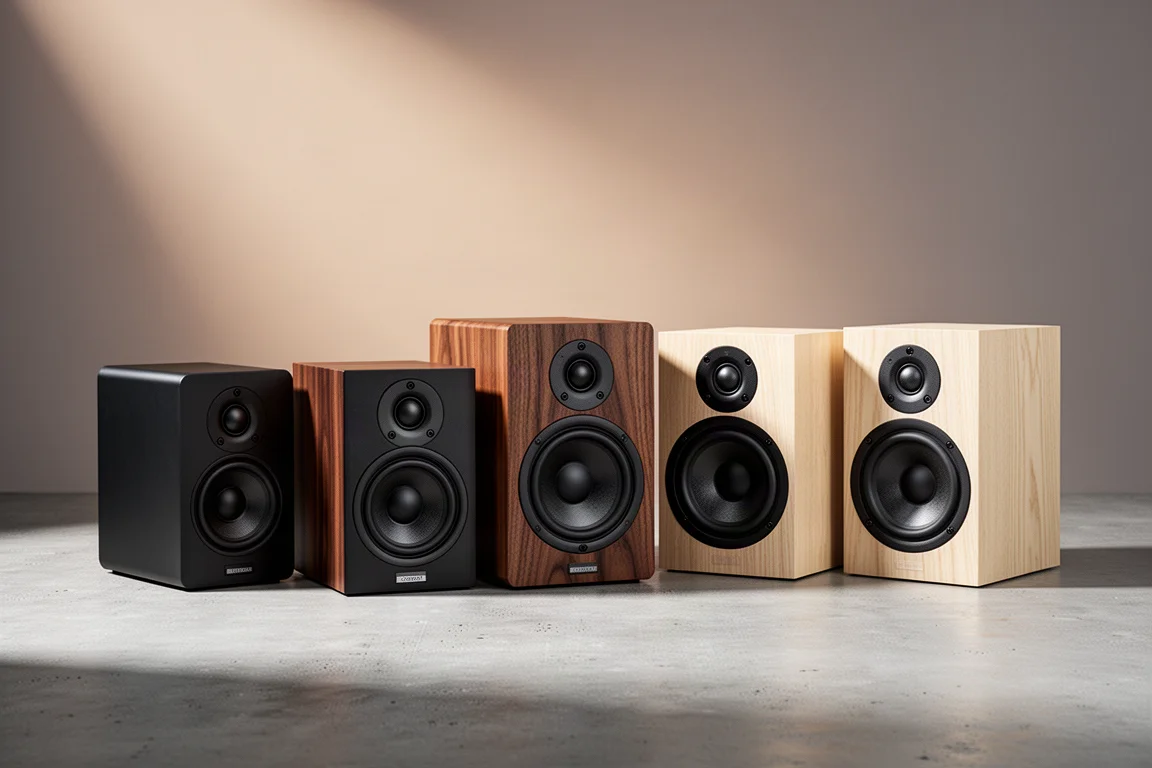
13 Under-the-Radar Speakers Still Worth Buying
Thirteen speakers that quietly stayed in production while newer models took the spotlight, from budget bookshelf pairs to a full-size tower.
Speakers
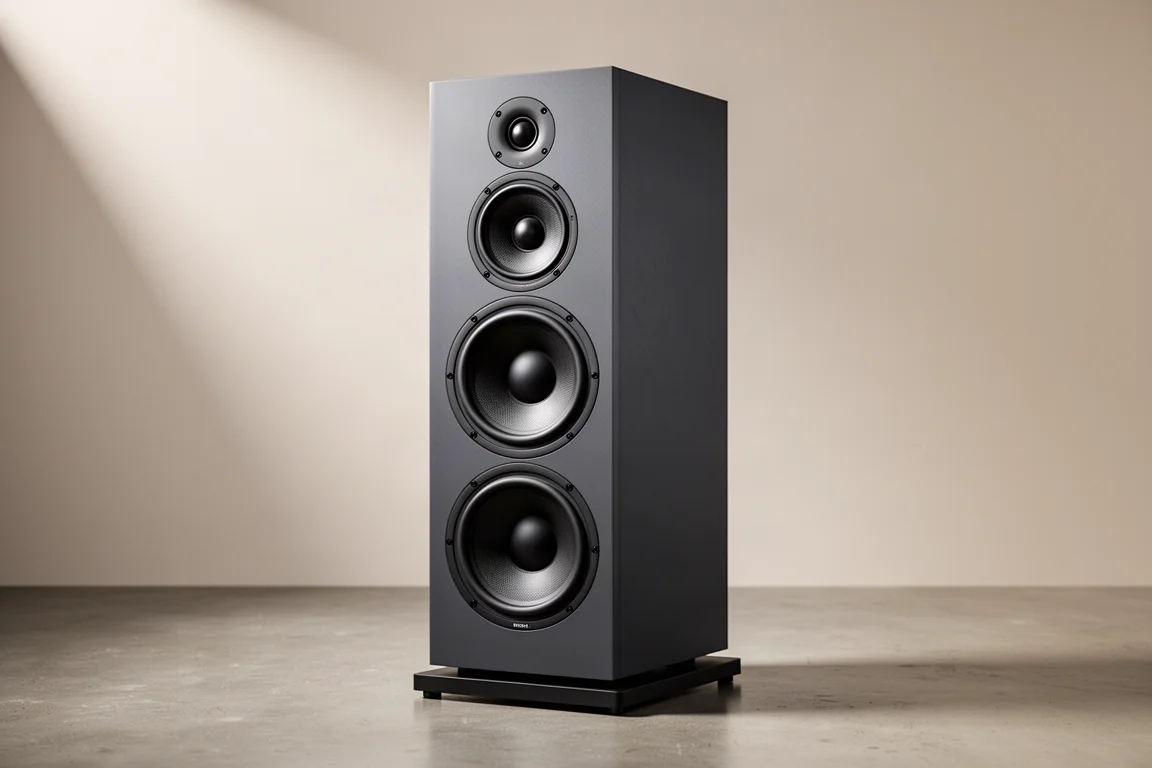
Arendal 1528 Monitor 8 Review: A Three-Way Standmount With Serious Dynamic Headroom
A three-way standmount speaker with extremely low distortion, high output capability, and deep bass for its size, plus the setup details worth knowing before buying.
Speakers
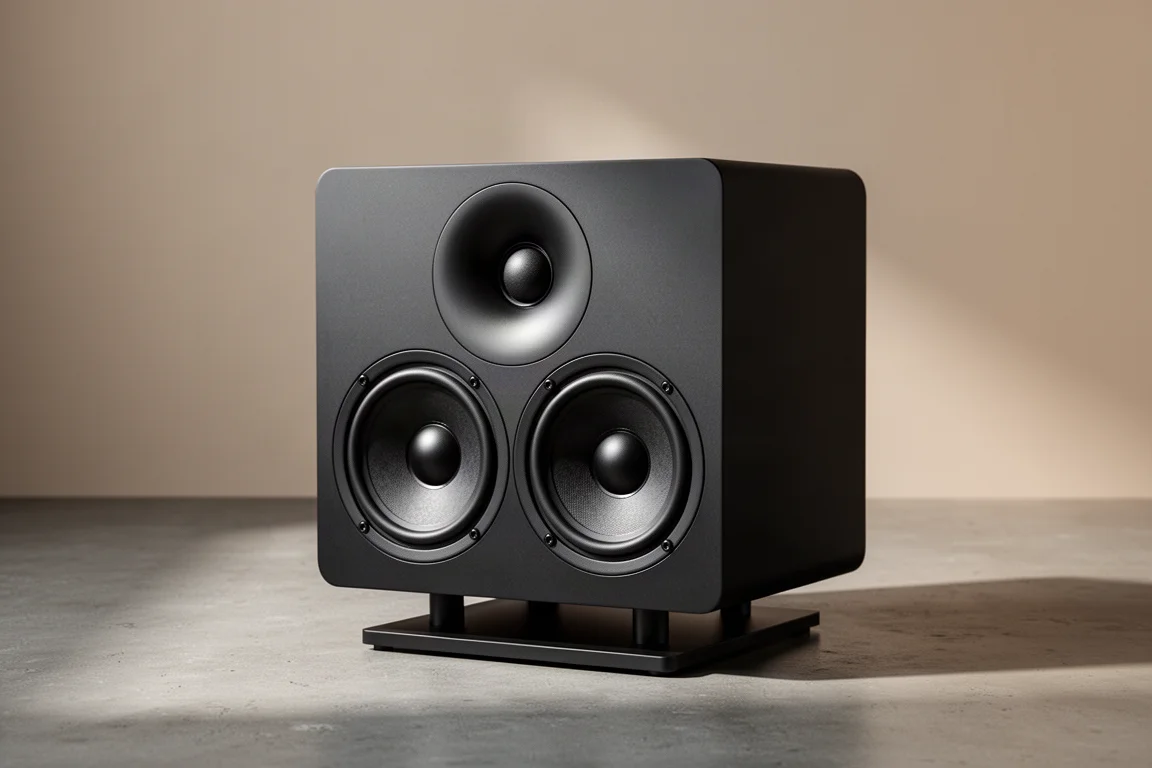
Arendal 1723 Monitor S Review: A Compact Monitor With Serious Ambition
A close look at the Arendal 1723 Monitor S, a compact MTM monitor with a waveguide-loaded tweeter, an HDF cabinet, and flexible ported or sealed operation for music and home theater.