Cycling Gear
Cheaper Alternatives to Overpriced Cycling Products
Six everyday substitutes for cycling-specific gear, from winter socks and cleaning fluids to bulk ride snacks, with the savings and the trade-offs laid out.
Introduction
Cycling has a pricing quirk that shows up in very specific corners of the market. The moment a product is labelled for bike use, the price climbs, and the increase has more to do with marketing than with materials. Part of that spending is justified. Shoes, shorts and jerseys with pockets in the right places are genuinely shaped around hours in the saddle, and that design work costs money.
Base layers, winter socks, gloves, cleaning products and ride food sit in a different category. Many of them are consumables or invisible layers, and there are ordinary substitutes that do the same job for a fraction of the price. This guide covers six of them, what they replace, and where the compromise actually lies.
Why Cycling Gear Costs More Than It Should
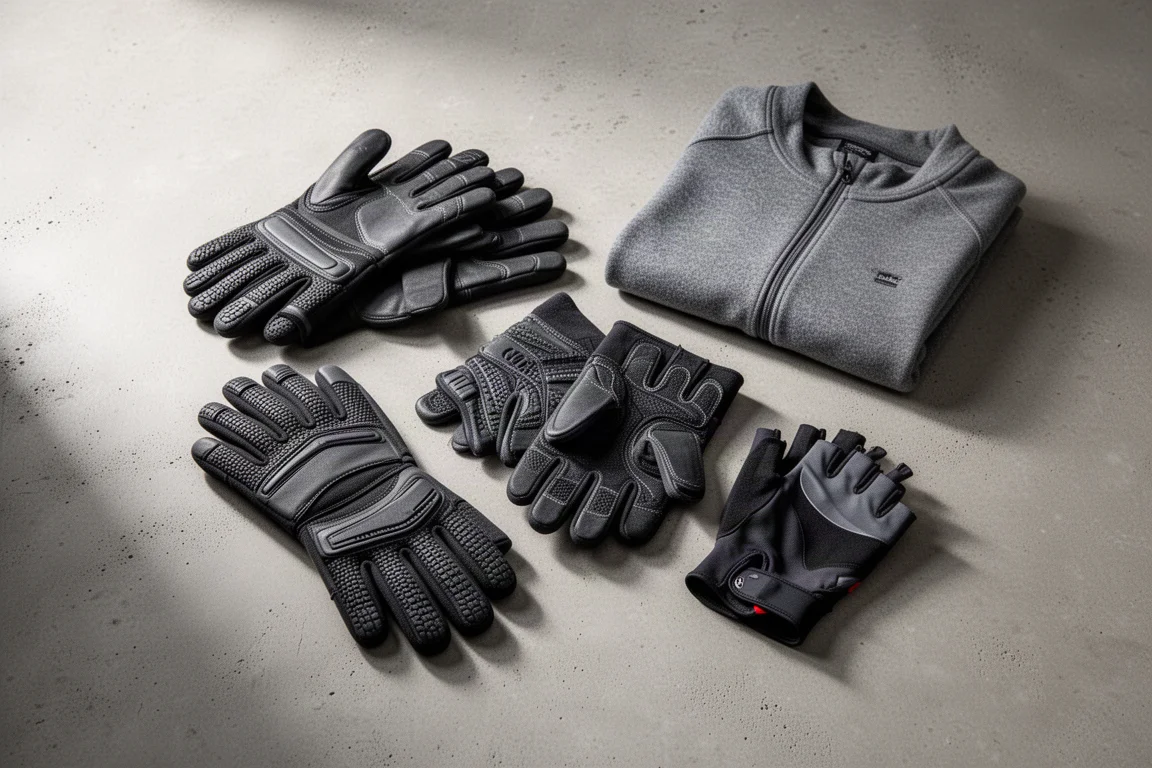
The premium is easiest to spot on items nobody ever sees. A branded winter base layer can sell for around £80, while a general-purpose equivalent costs about £20 and performs the same function under a jersey. Gloves follow the same pattern, with thermal workwear gloves or freezer gloves starting at roughly £17 against around £80 for a branded cycling pair. Because work gloves come in so many thicknesses and grip patterns, buying several cheap pairs is a practical way to work out what suits your hands.
Cleaning and fuelling repeat the pattern. Bike-specific cleaners, degreasers and sports nutrition all carry a category markup, while automotive, hardware and supermarket equivalents do comparable work. The rest of this guide looks at each substitution in turn, including the cases where the cheap option needs a little more care.
Defeet Woolly Bully: A Legendary Sock, Priced Like One
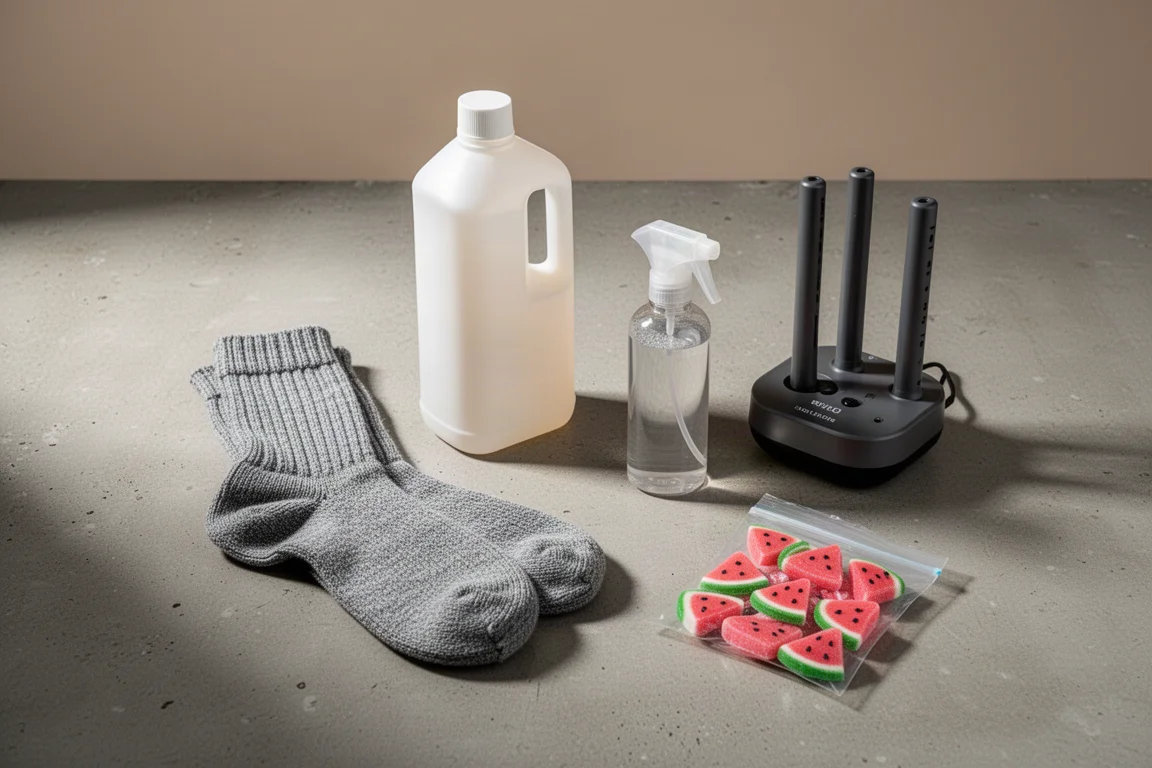
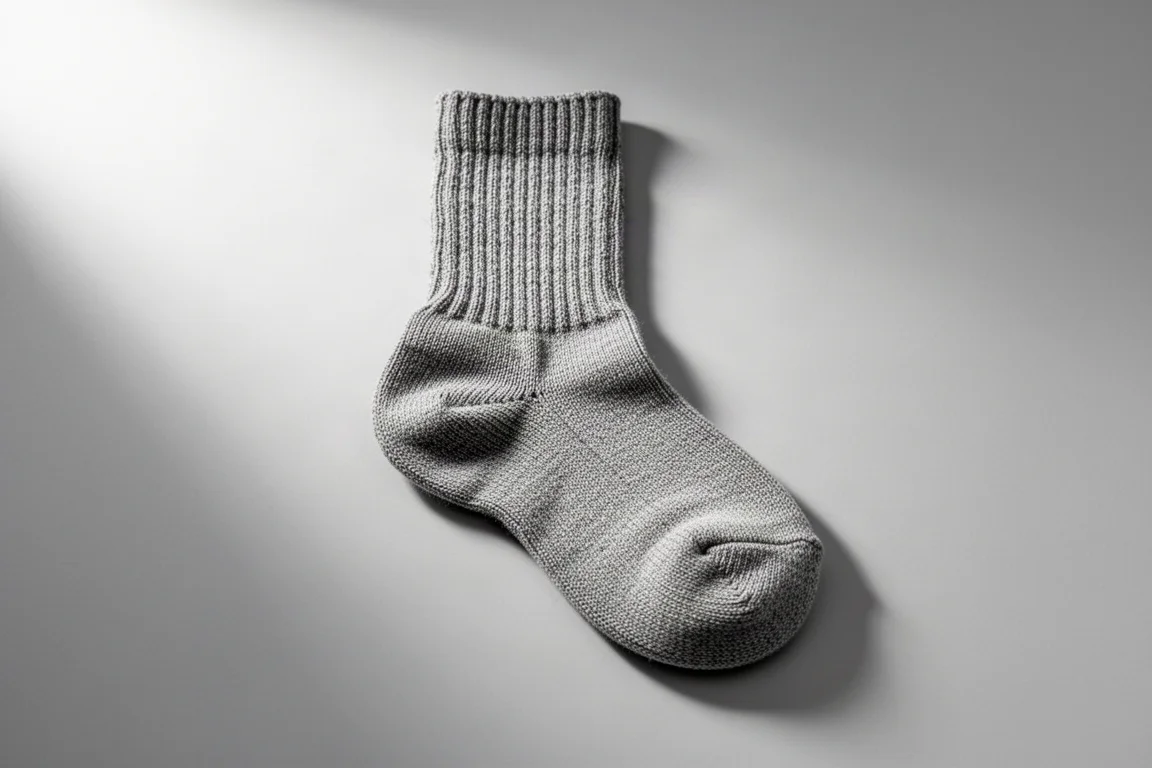
Winter socks are the clearest example of paying for a label that stays hidden. The Defeet Woolly Bully has a long-standing reputation as one of the best cold-weather cycling socks around, and it sells for roughly £24 for a single pair. A four-pack of general-purpose socks costs about the same. Under overshoes, which most riders reach for in cold and wet conditions, the sock underneath is invisible anyway.
None of that makes the Woolly Bully a bad product. If the reputation and the fit are what you want, it is a legitimate purchase. If the goal is simply warm feet on long winter rides, a multipack of ordinary socks covers the same ground for far less.
Muc-Off Bike Cleaner: The Bike-Specific Cleaning Premium
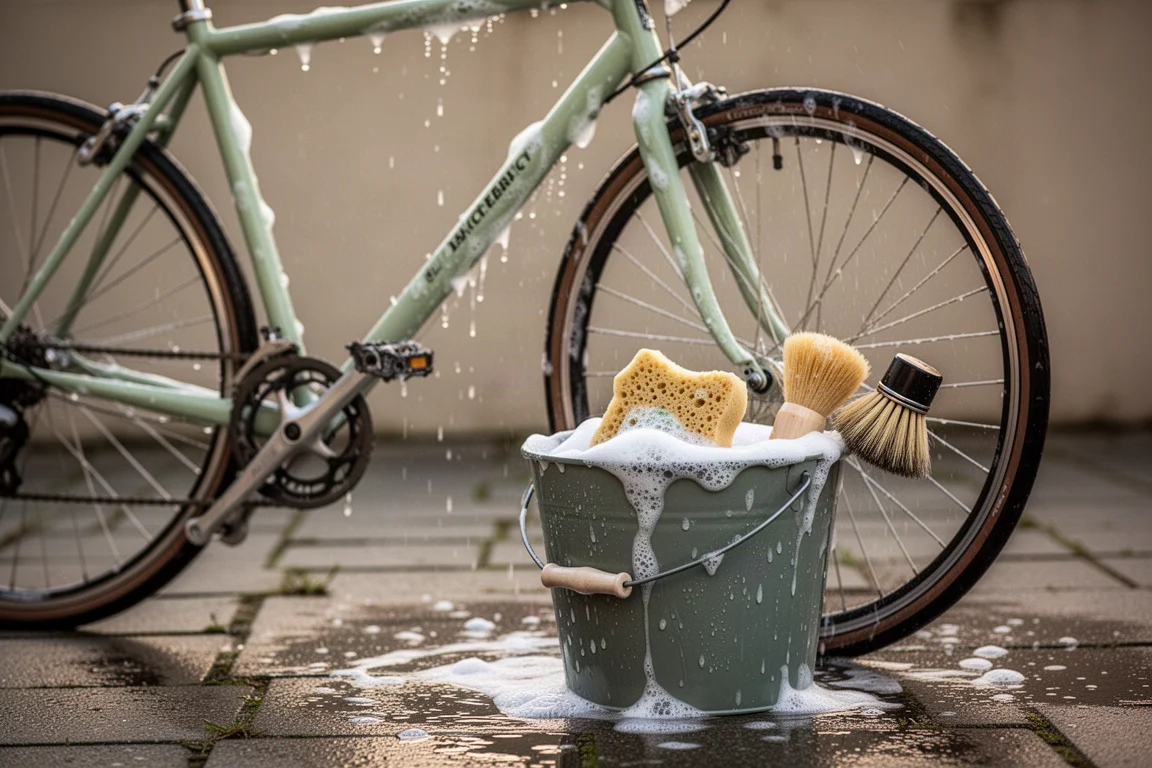
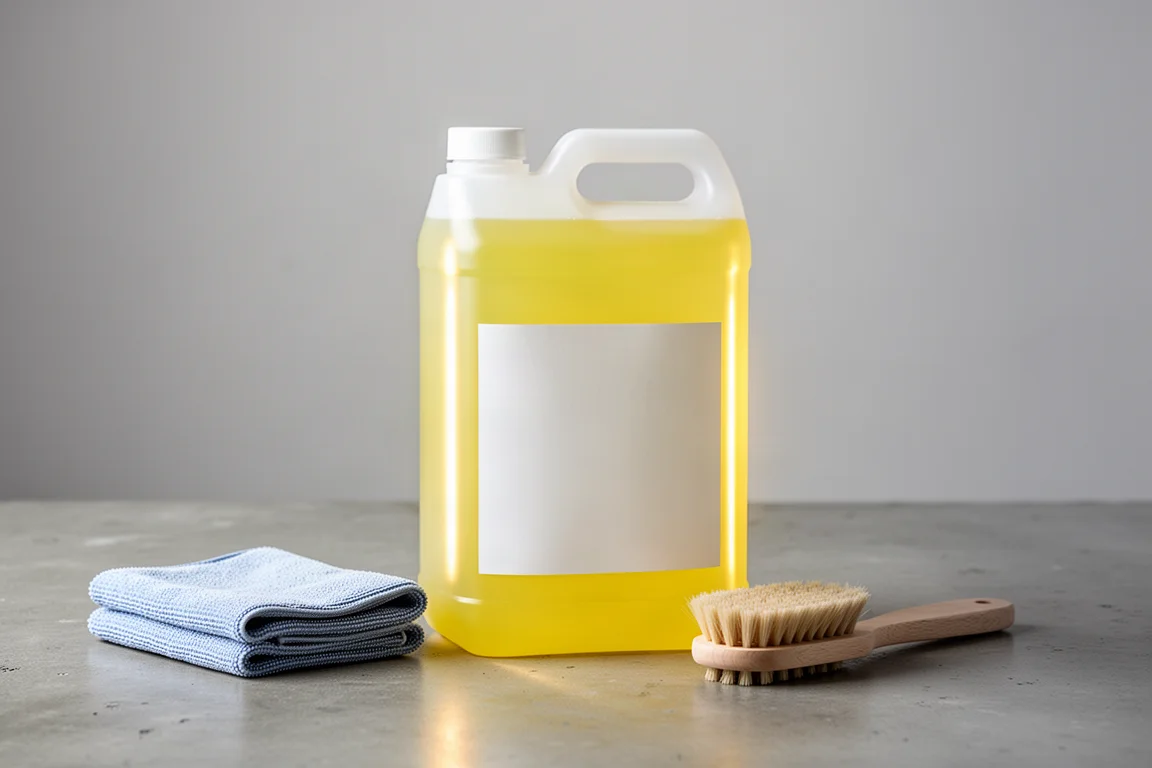
Muc-Off bike cleaner is the benchmark product in its category, and a five-litre bottle costs around £40. Motorbike cleaner can be found for about £13, and car shampoo for about £6. Bike paint and car paint are essentially the same kind of finish, so car care products generally work well on a frame. A sponge, a brush, a bucket of water and car shampoo will get a dirty bike clean without fuss.
There is one caveat worth remembering. Some car products are strong degreasers, so avoid loading them into a pressure washer and blasting them into bearings, hubs or bottom brackets. Used by hand, they are perfectly manageable.
The drivetrain is a separate job and needs a degreaser rather than a shampoo. A bike-specific degreaser runs around £15 for a litre, while a generic degreaser from a hardware shop can cost about £13 for five litres. Apply it to an old cloth, run the chain through the cloth, let the black grease come away, then dry the chain and re-lube it with chain lube.
Finish Line Disc Brake Cleaner: A Cheaper Path to Clean Rotors
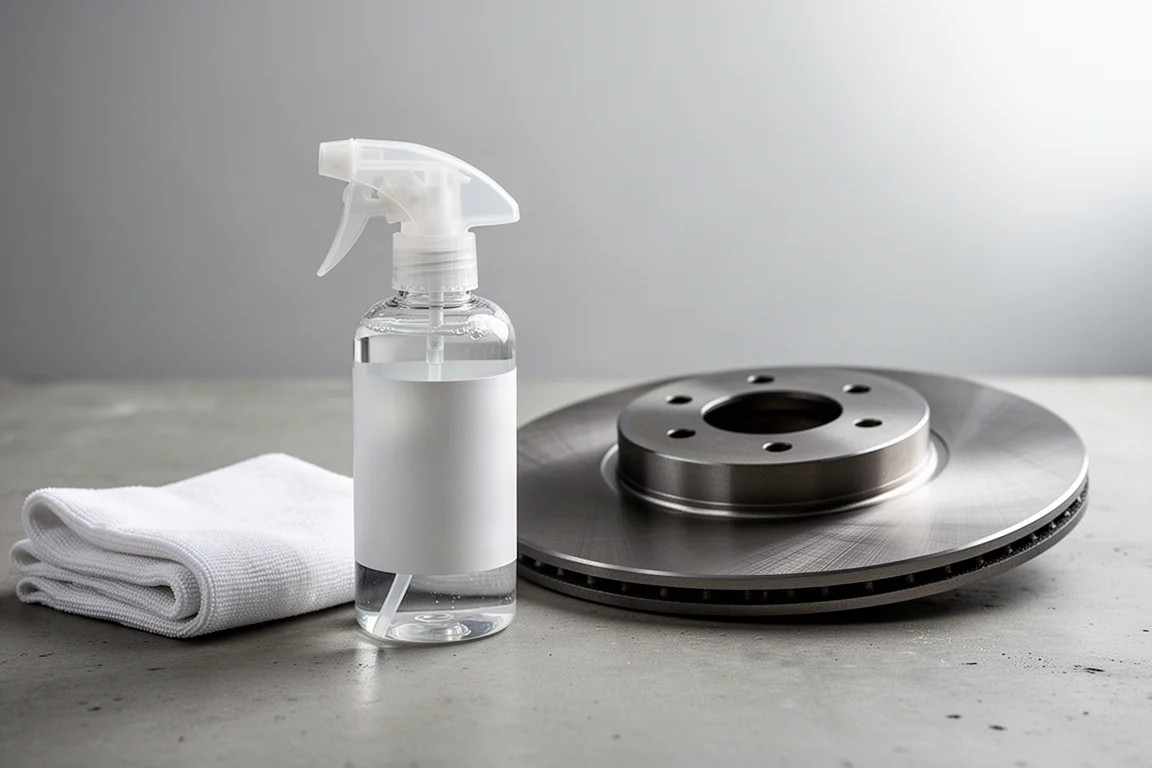
Finish Line disc brake cleaner is a cycling-specific product at around £10, and it does the job it was designed for. Isopropyl alcohol is the cheaper route to the same result. Look for a 99.9% pure bottle at around £5, pour a little onto a cloth and wipe the rotors. For lighter contamination, plain water is often enough.
Whichever option you choose, leave the brakes until the end of the wash so that other cleaning products do not end up on the braking surface. Motocross and motorbike products are also worth a look in this area, since they are formulated for the same kind of hardware and often sell for less.
Renogy Shoe Dryer: The One Product With No Cycling Rival
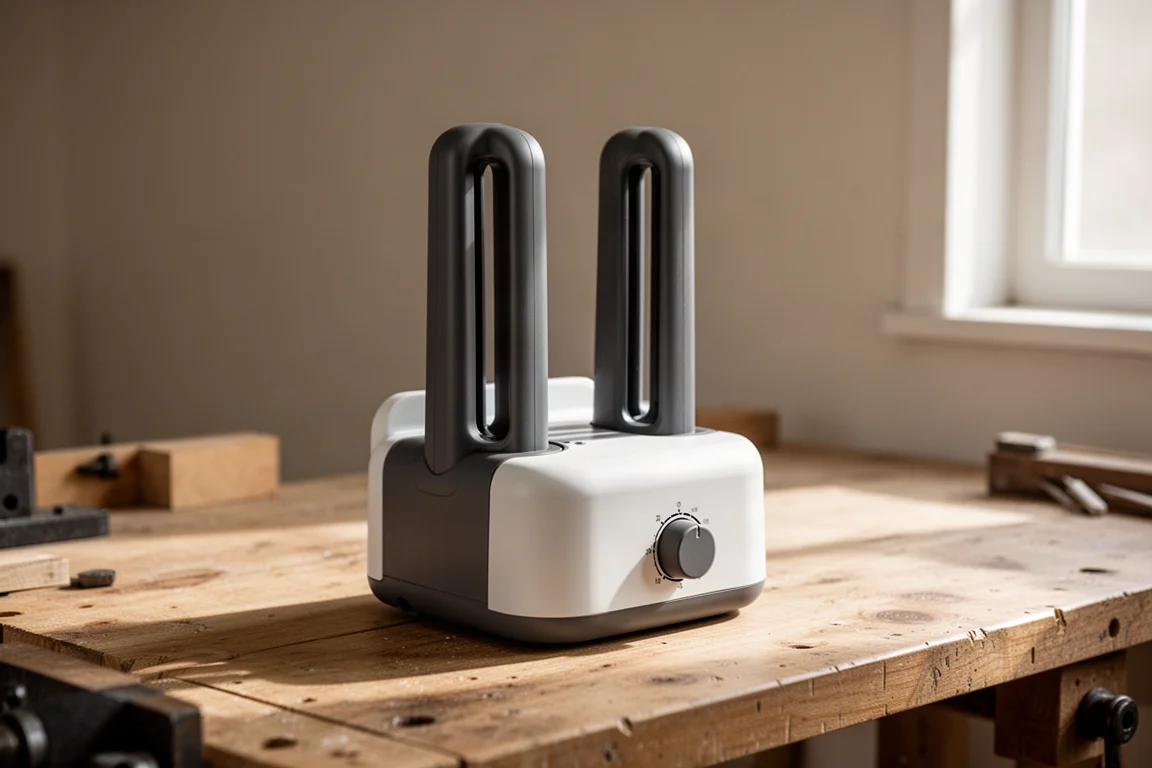
Wet shoes are the other half of winter riding, and this is the only item in the guide with no bike-specific competitor. The Renogy shoe dryer is designed for boots, and it treats cycling shoes the same way. A timer lets you set the run time, and the unit pushes a slow stream of gently warm air through each shoe before switching itself off, so they are dry again by the next morning.
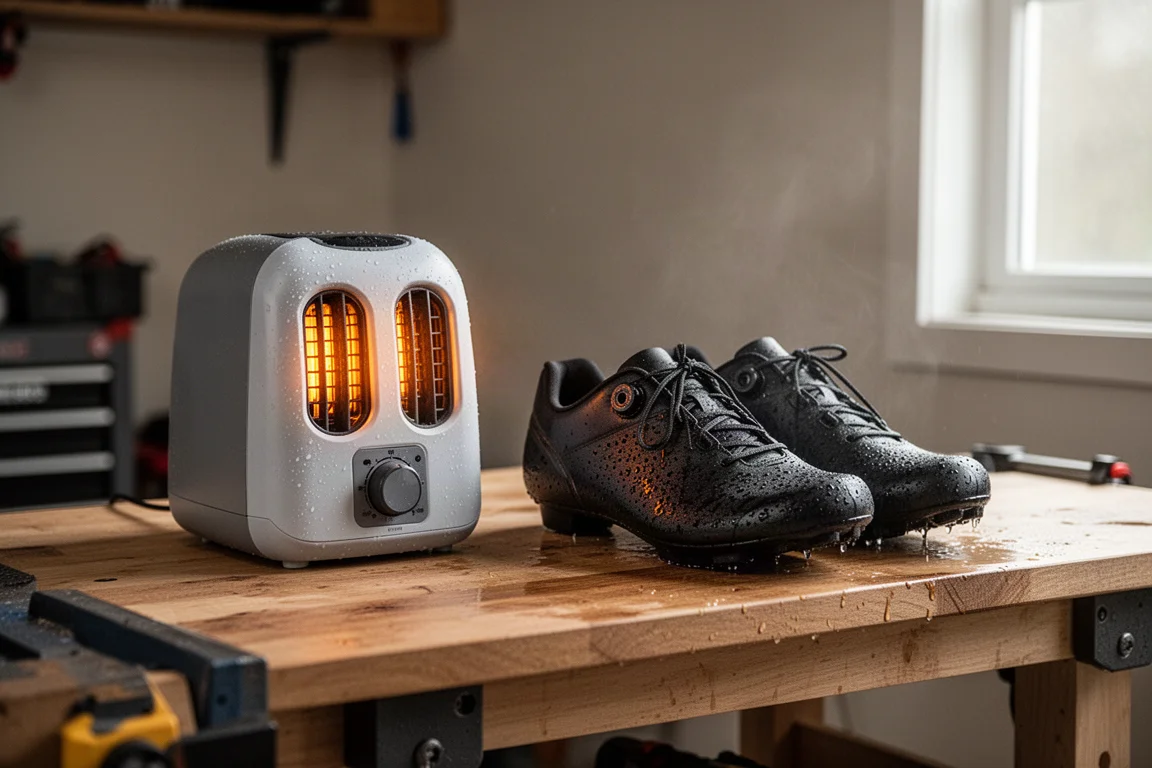
That matters because cycling shoes can melt when they are left on a radiator that is too hot. Keep the dryer in a garage or shed, where the smell of well-used shoes will not travel through the house, and let it run overnight.
Sour Patch Kids Watermelon: Bulk Sweets as Ride Fuel
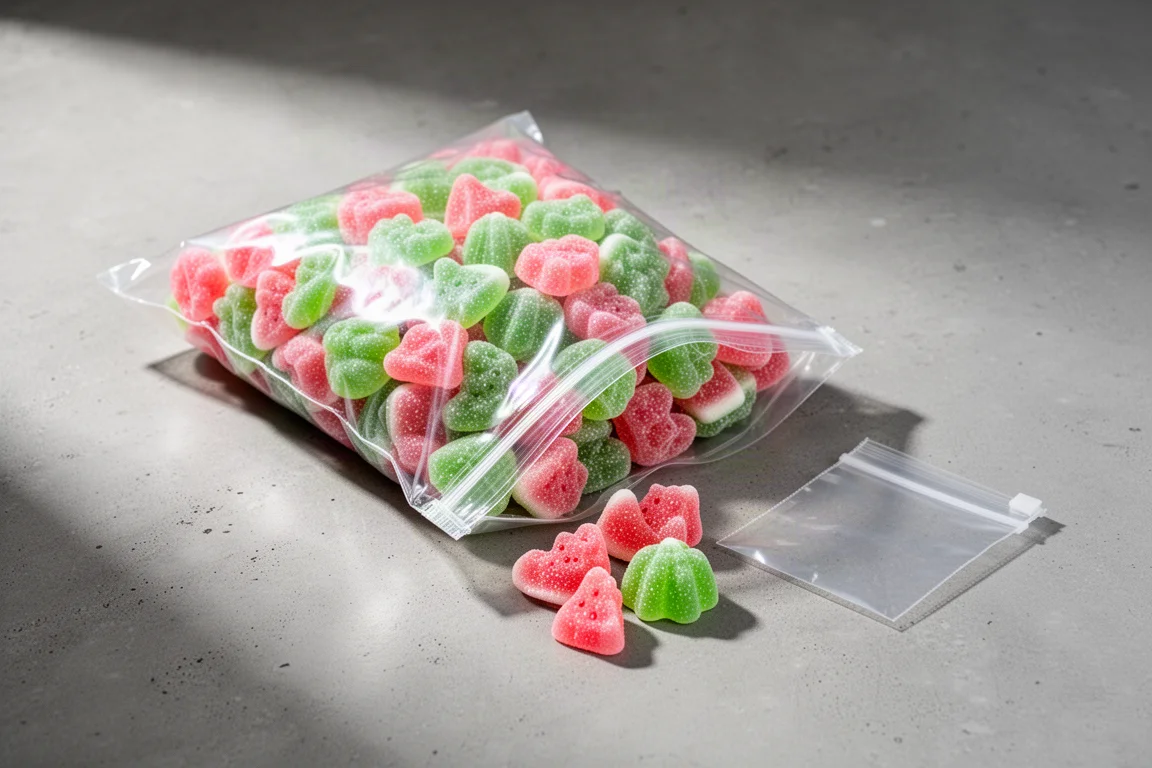
Cycling bars and gels have genuine advantages. The packets open easily, the portions are measured, and they are convenient on race day. They also cost around £3 per gel, which adds up quickly across a season of training. For everyday riding, a 2.5 kg bag of watermelon fizzy sweets costs about £13, and as long as the ingredient list is essentially sugar, they deliver the same fuel for a fraction of the cost.
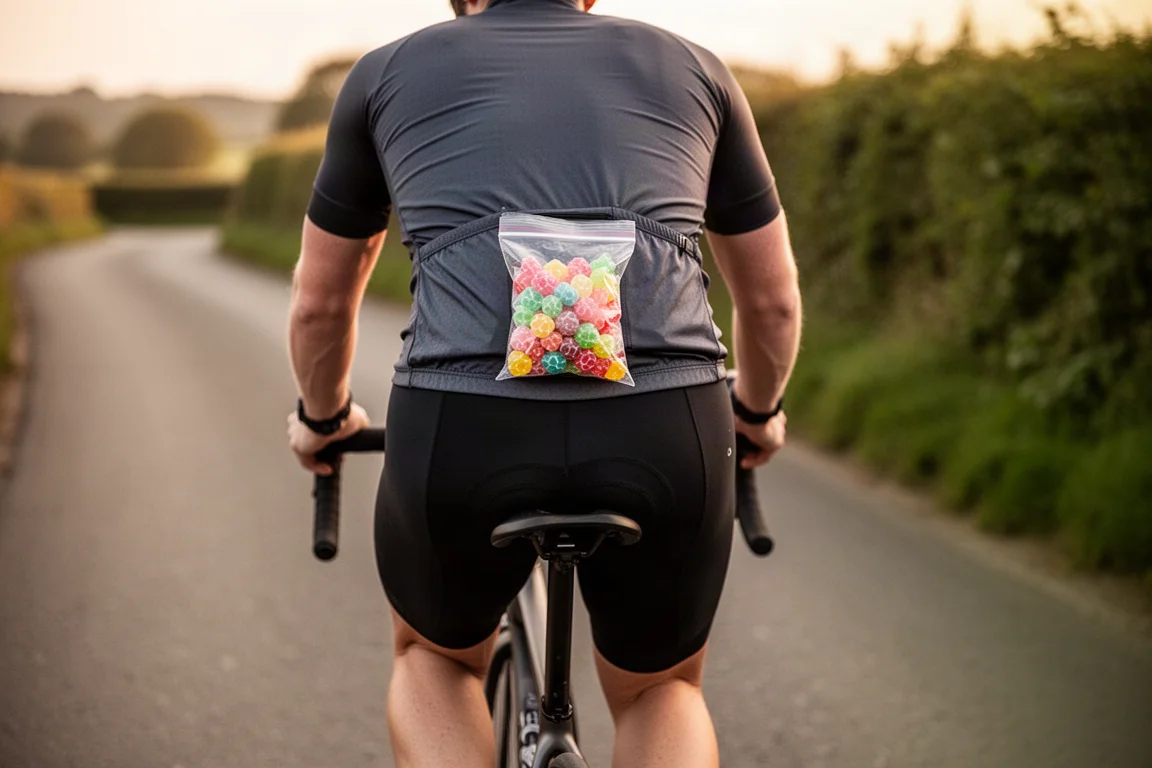
The practical step is portioning. Decant the sweets into small Ziploc bags so each one fits a jersey pocket, and you get the convenience of a wrapped snack without the sports nutrition markup.
Percy Pigs: The Pocket-Friendly Fan Favourite
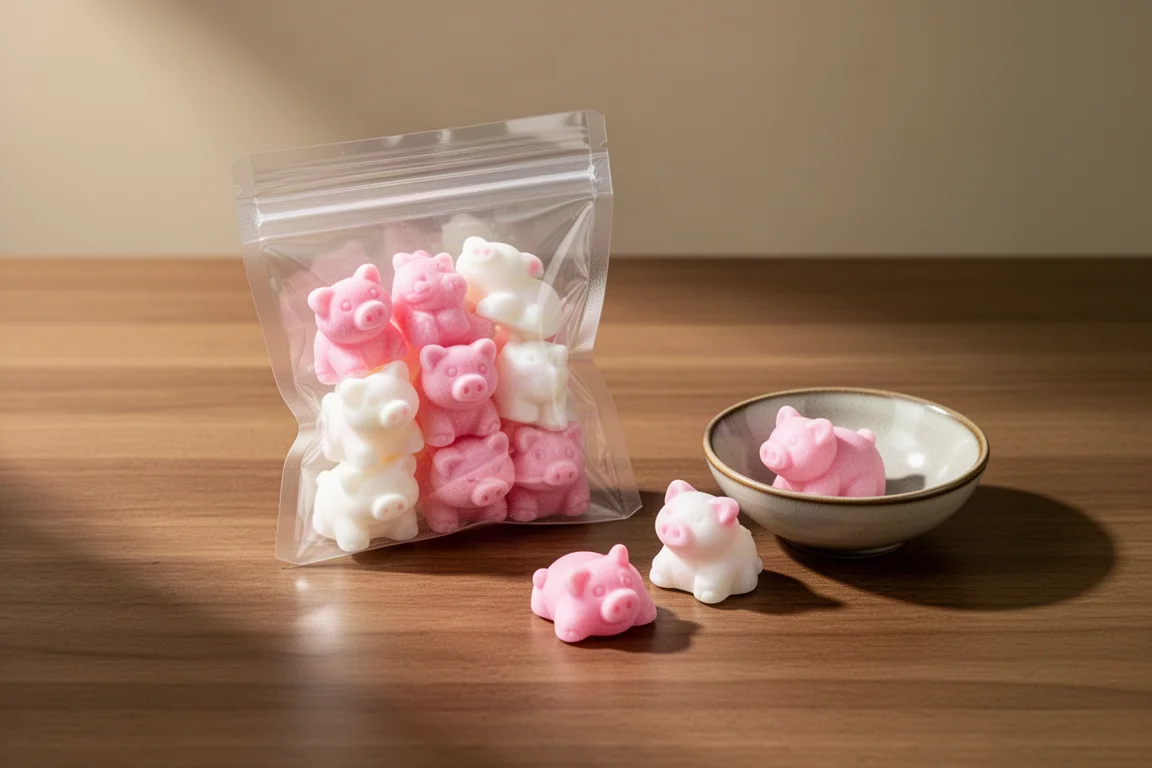
Percy Pigs are a favourite ride snack for good reason, and buying them in bulk keeps the cost per handful low. The same approach works with Haribo, provided you find a flavour you actually like. Repack bulk sweets into small bags before you ride and the pocket-sized convenience is there without the premium price.
There is a performance argument here as well. Food you enjoy gets eaten, and eating enough on the bike supports better performance during the ride and better recovery afterwards. That makes taste a practical consideration rather than an indulgence.
Buying Advice: Where to Spend and Where to Save
The sensible split is simple. Spend on the items that shape your position and comfort on the bike: shoes, shorts and jerseys with pockets in the right places. Save on the items that are hidden, disposable or generic by nature: base layers, winter socks, gloves, cleaning fluids and ride food. The savings in the second group are large enough to fund a better version of something in the first.
Workshop basics belong in the same savings list. A large tub of automotive grease costs far less than a cycling-specific one, will likely last a lifetime, and is useful for pedal threads, for protecting parts against moisture, and for jobs around the house or the car. A little goes a long way.
Ride fuel is the other obvious place to save. A branded carb mix costs around £45, while a homemade bottle costs pennies. A basic mix of 15 g of sugar, 1 g of salt for roughly 400 mg of sodium, lemon juice to taste and water comes to about 18p per drink. For riders who want to dial in performance, maltodextrin from supplement retailers dissolves well and is absorbed quickly, and it forms the base of many commercial mixes alongside a glucose-fructose blend. Unsweetened squash adds fructose and flavour in small amounts, a teaspoon is usually plenty, and an optional unflavoured electrolyte powder covers potassium, calcium and magnesium at a lower cost than branded tablets.
The trade-off is precision. Ratios can be tweaked to taste, and a pure electrolyte drink tastes strongly of salt, so measure carefully and read the packaging before mixing. Whatever you settle on, test it in training before relying on it in a race.
Conclusion
None of these substitutions require sacrificing performance. They require noticing where a category markup is paying for marketing rather than function. The Defeet Woolly Bully, Muc-Off bike cleaner and Finish Line disc brake cleaner are all solid products, and they remain good choices when the specific formulation matters. For everyone else, a multipack of winter socks, car shampoo, isopropyl alcohol, a shoe dryer and a bulk bag of sweets cover the same ground for considerably less, and they leave more room in the budget for the gear that genuinely changes how the bike rides.
Further reading
Related Reviews
Cycling Gear
8 Cycling Products Riders Keep Coming Back To
Eight cycling components and accessories with clear strengths, honest trade-offs and long-standing reputations among riders and mechanics.
Cycling Gear
Aero Helmets and Bottle Setups Tested: Six Options Ranked by Measured Watt Savings
Wind tunnel data on six aero helmets and bottle setups, with real watt savings, practical trade-offs, and guidance on what is worth buying first.
Cycling Gear
Aero Road Bikes and Fast Tires Worth Watching in 2026
Four aero road bikes and one fast road tire, with the real strengths, the open questions, and what to check before you buy.