Cycling Gear
Six Cheaper Alternatives to Cycling-Specific Products
Six everyday substitutes for expensive cycling products, from winter socks and degreaser to ride fuel and electrolytes, plus the caveats worth knowing before you switch.
Introduction
Bike-specific products carry a premium, and for plenty of items that premium pays for marketing rather than a real performance gain. Some categories genuinely justify it: shoes, shorts and jerseys with pockets in the right places are shaped around the way you ride. Others do not. Nobody sees a winter base layer or a pair of socks, and a chain does not care whether the degreaser that cleaned it was sold in a bike shop.
That is the idea behind this roundup. Six everyday products do the same jobs as their cycling-specific counterparts, usually for a fraction of the price. Where a cheaper option needs extra care, that is flagged as well.
What Makes a Good Substitute
A substitute earns a place in your kit bag on four counts.
First, it does the job. A degreaser has to shift grease, a sock has to keep a foot warm, a bag of sweets has to put carbohydrate in your pocket. Second, it fits the context. Anything hidden under overshoes or a jacket is a poor place to spend money on branding. Third, the price per use has to be genuinely lower once you account for buying in bulk. Fourth, it should not create a new problem, and a few of these swaps come with caveats worth knowing before you commit.
The other side of the calculation is convenience. Gels and bars are expensive, but their easy-open packets are genuinely useful in a race. Cheap fuel asks a little more of you in the preparation, and that trade-off is worth thinking about honestly rather than pretending it does not exist.
Where a product is mechanically sensitive, the cheaper route still needs discipline: measure carefully, keep strong chemicals away from bearings and braking surfaces, and follow the instructions on the packet.
Defeet Woolly Bully: A Winter Sock That Earns Its Place
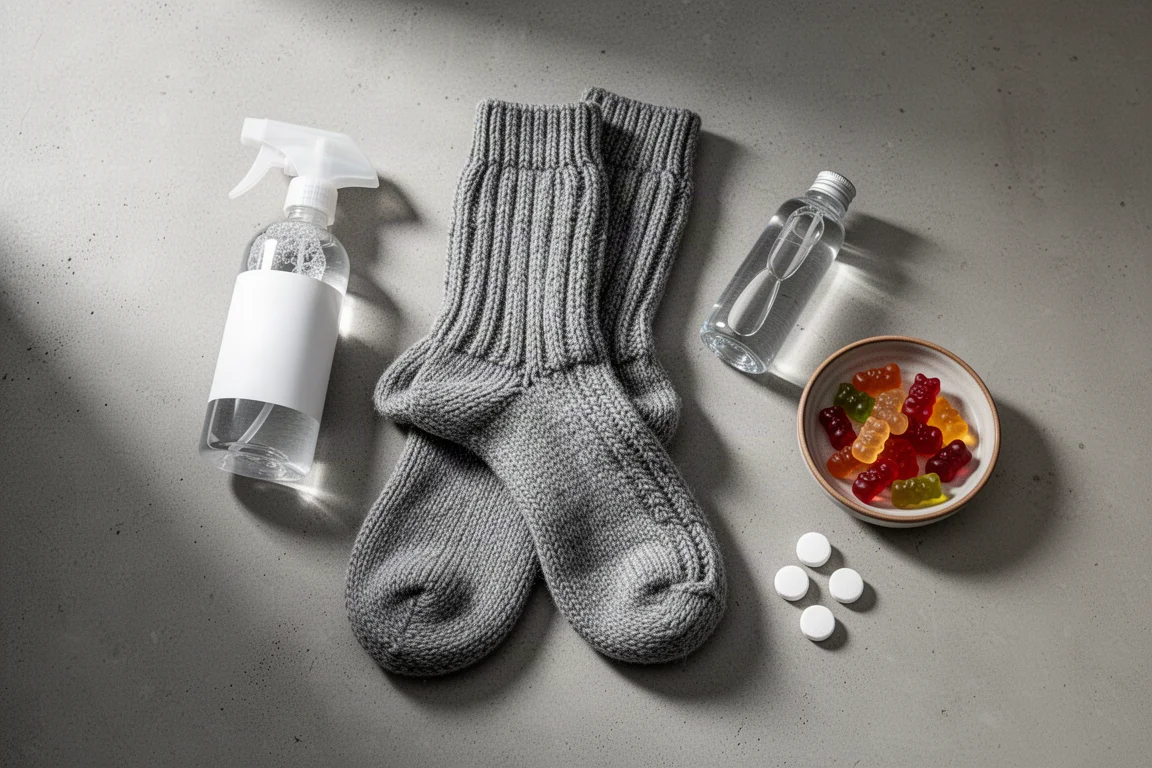
Winter socks are the clearest example of paying for something nobody will ever see, particularly in wet and cold conditions where overshoes cover the whole shoe anyway. A pair of Woolly Bully socks from Defeet costs around £24, and the same money buys a multi-pack of ordinary socks that will keep your feet just as warm on most rides.
The counter-argument is that the Woolly Bully has been a favourite among cold-weather riders for years, and a known quantity has value when you are buying something you will wear every week through the winter. If you want the established option and the price does not bother you, it is the straightforward pick. If you simply want warm feet, a cheaper multi-pack does the same job.

Simple Green: A General-Purpose Degreaser
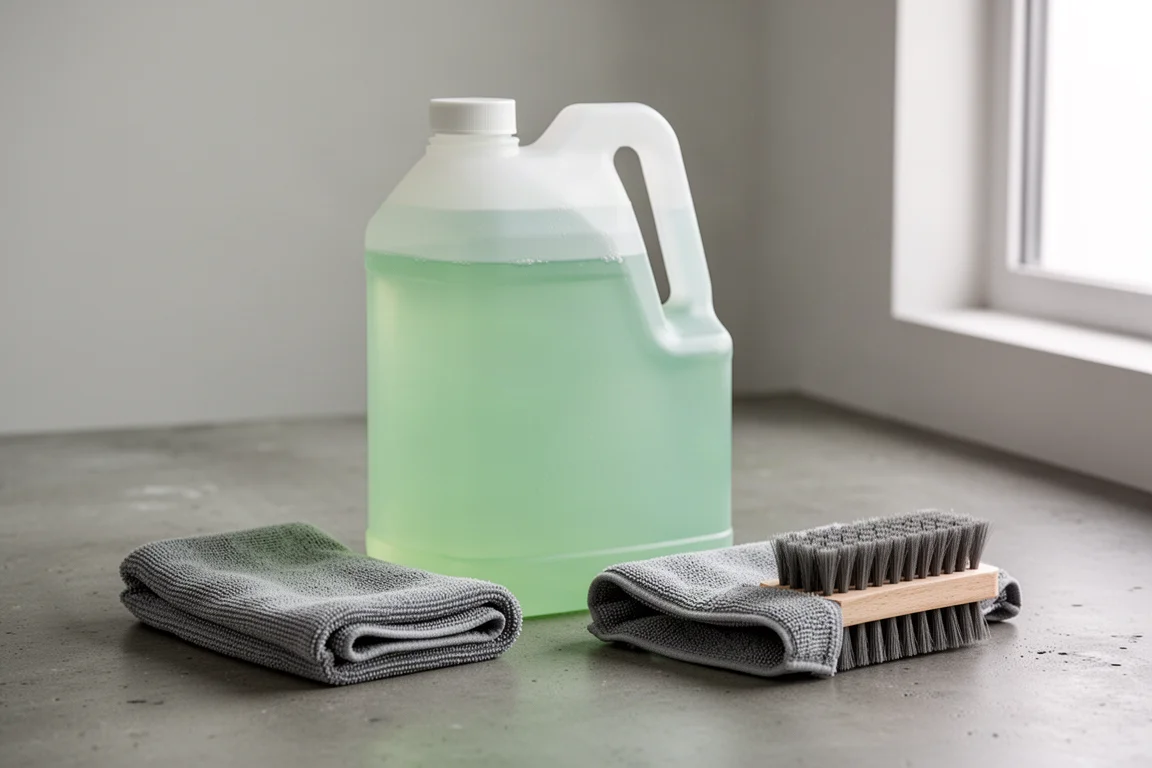
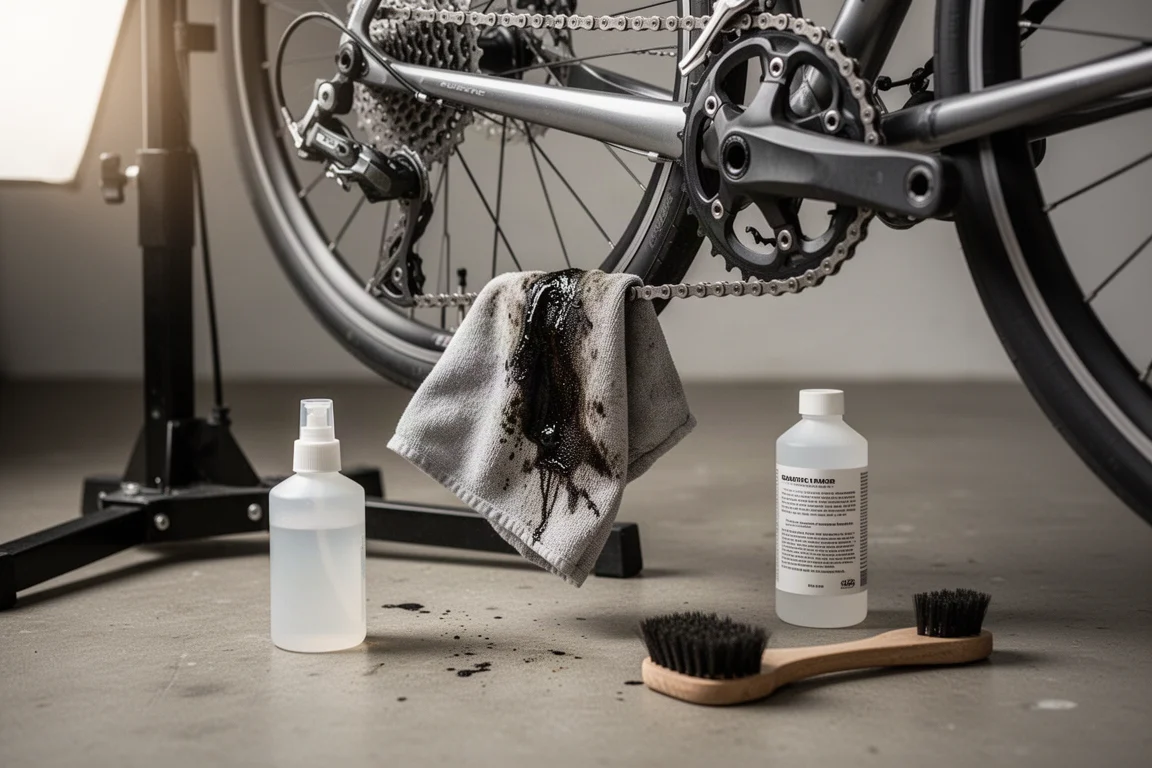
Cleaning is where the savings stack up fastest. Bike-specific degreaser sells for roughly £15 a litre. General-purpose degreasers can cost a fraction of that, and Simple Green is one of the best-known examples for riders in the United States.
The method matters more than the bottle. Put degreaser on an old towel, run the chain through it, and a surprising amount of black grease comes off. Dry the chain afterwards, then re-lube it, ideally with a chain lube made for bikes.
A word of caution: some of these cleaners are strong degreasers. Do not load them into a pressure washer and blast them into your bearings, because that is how you strip out the grease that keeps them running. A sponge, a brush and a bucket of water is the safer routine. The same logic applies to washing the frame: car shampoo and motorbike cleaner cost far less than a bike wash, and bike paint and car paint behave in much the same way.
Keep degreaser away from disc rotors. For those, plain water or a cloth dampened with 99.9% isopropyl alcohol is the better approach, and isopropyl alcohol costs very little compared with a dedicated disc brake cleaner.
Nuun: Electrolyte Tablets Without the Mixing
Sweat takes potassium, calcium and magnesium with it along with sodium, and electrolyte tablets are a tidy way to put some of that back. Nuun tablets are pre-portioned, need no measuring, and drop straight into a bottle.
The trade-off is cost. Unflavoured electrolyte powder from a supplement retailer contains the same minerals for a fraction of the price per serving. The catch is that it tastes like salt water on its own, which is why most riders mix it with something else. If you value the simplicity of a tablet you can drop into a bottle at a cafe stop, Nuun makes sense. If you are happy to measure powder at home, the savings are considerable.
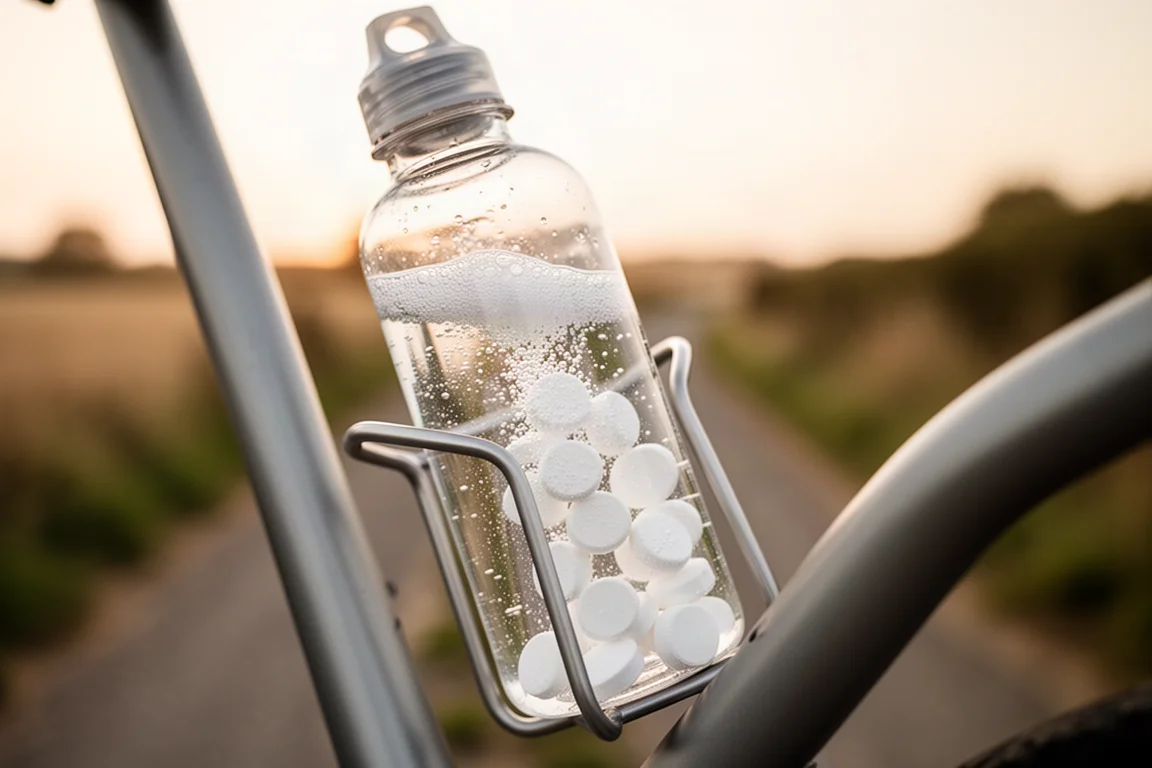
For most riders the decision comes down to where the drink gets made. Tablets suit bottles filled on the road, in a hotel room or at a race village, where a scoop and a bag of powder would be awkward. Powder suits a kitchen counter and a settled routine.
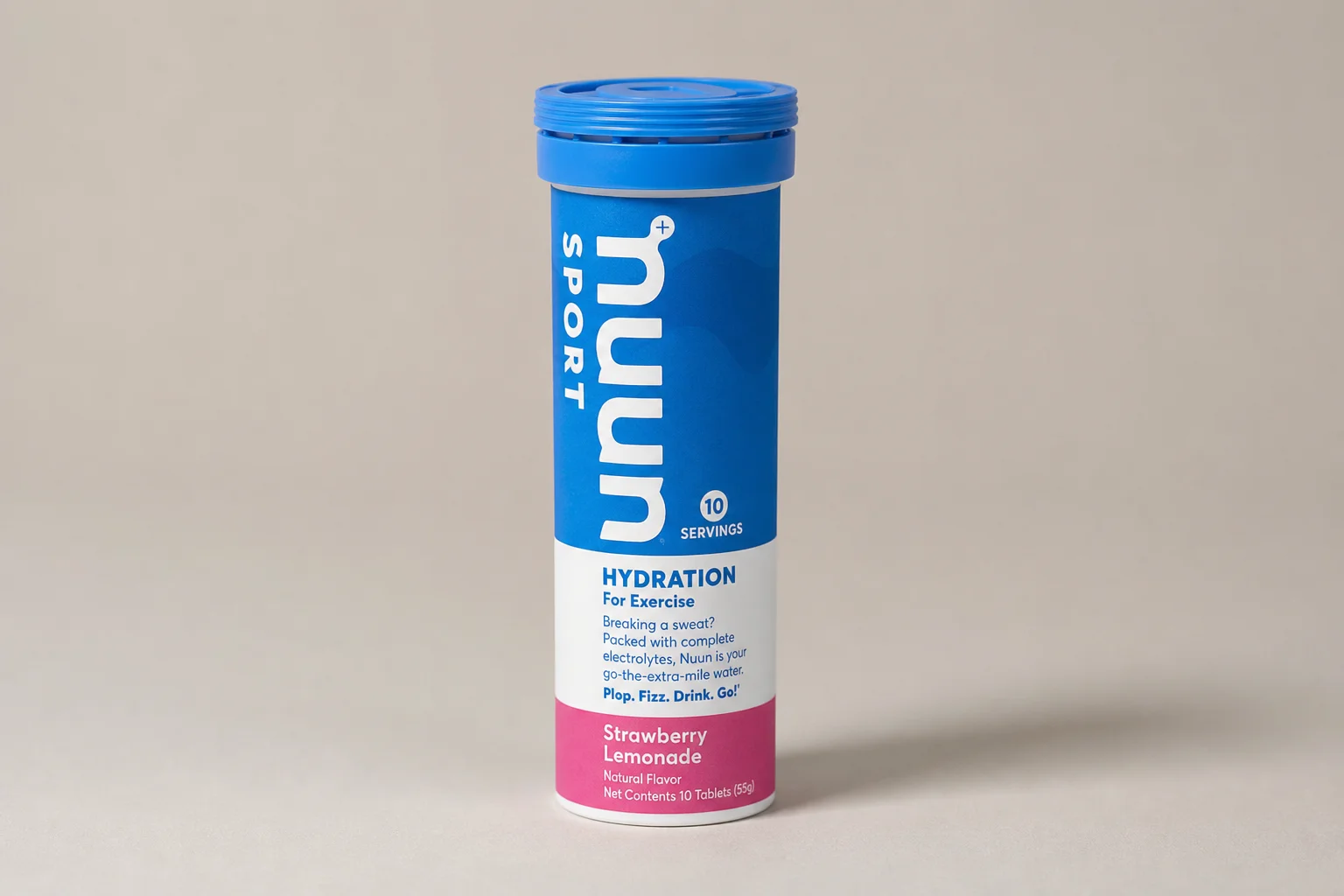
LMNT: Another Pre-Portioned Electrolyte Option
LMNT sits in the same category as Nuun: a pre-portioned electrolyte product that covers the minerals you lose through sweat, including potassium, calcium and magnesium, without any measuring. Choosing between the two is mostly a question of format and taste rather than function.
The same economics apply. Both are convenient, and both cost more per serving than buying unflavoured electrolyte powder in bulk and adding it to a bottle yourself. Buying a pre-portioned product is a reasonable decision when you want one less thing to think about, and a poor one when you are trying to cut the cost of everyday training.

Sour Patch Kids: Bulk Sweets for Everyday Riding
Gels and bars are genuinely good at one thing: convenience. The packets open easily, they fit a jersey pocket, and that is why they earn their place on race day. At around £3 for a single gel, though, they are a costly way to fuel a training ride.
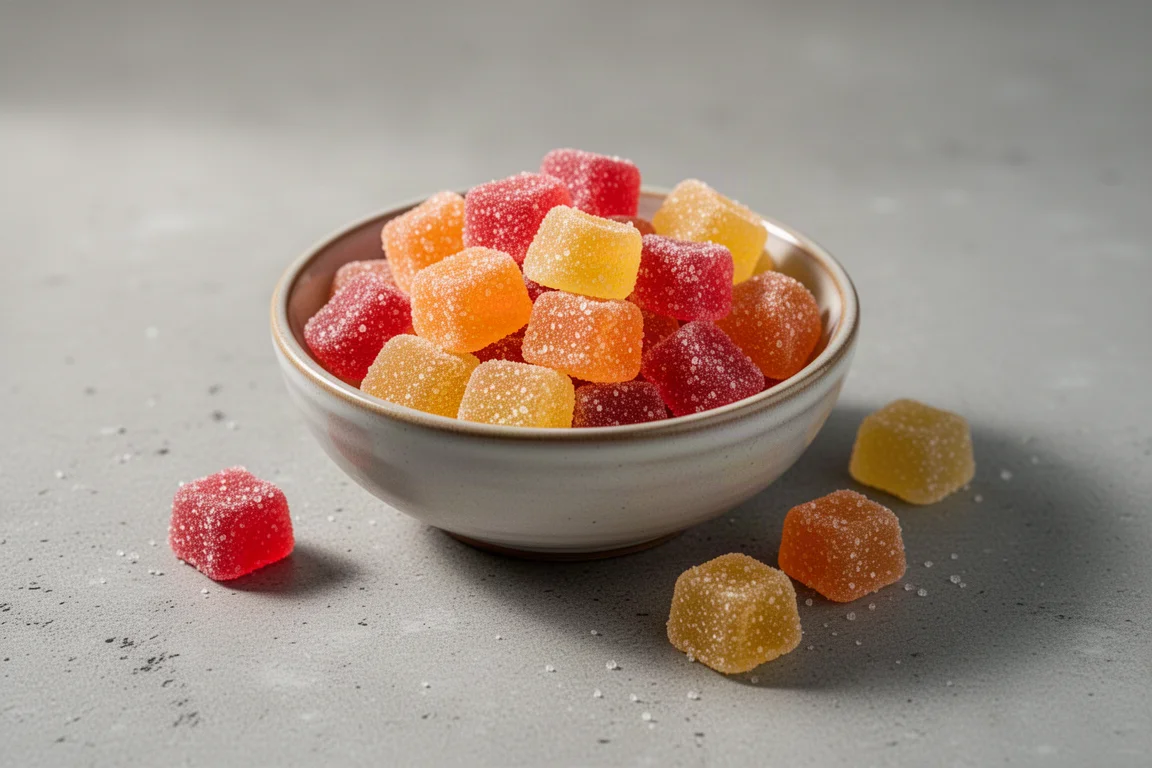
For everyday riding, bulk sweets do the same job for far less. A 2.5 kg bag of Sour Patch Kids watermelon fizzy sweets costs around £13, which works out at a small fraction of the price per ride. Plain sugar is the point, so check the ingredients and keep it simple.
Portioning takes a few minutes. Decant the sweets into small ziplock bags sized for a jersey pocket and you have fuel ready to grab on the way out of the door.
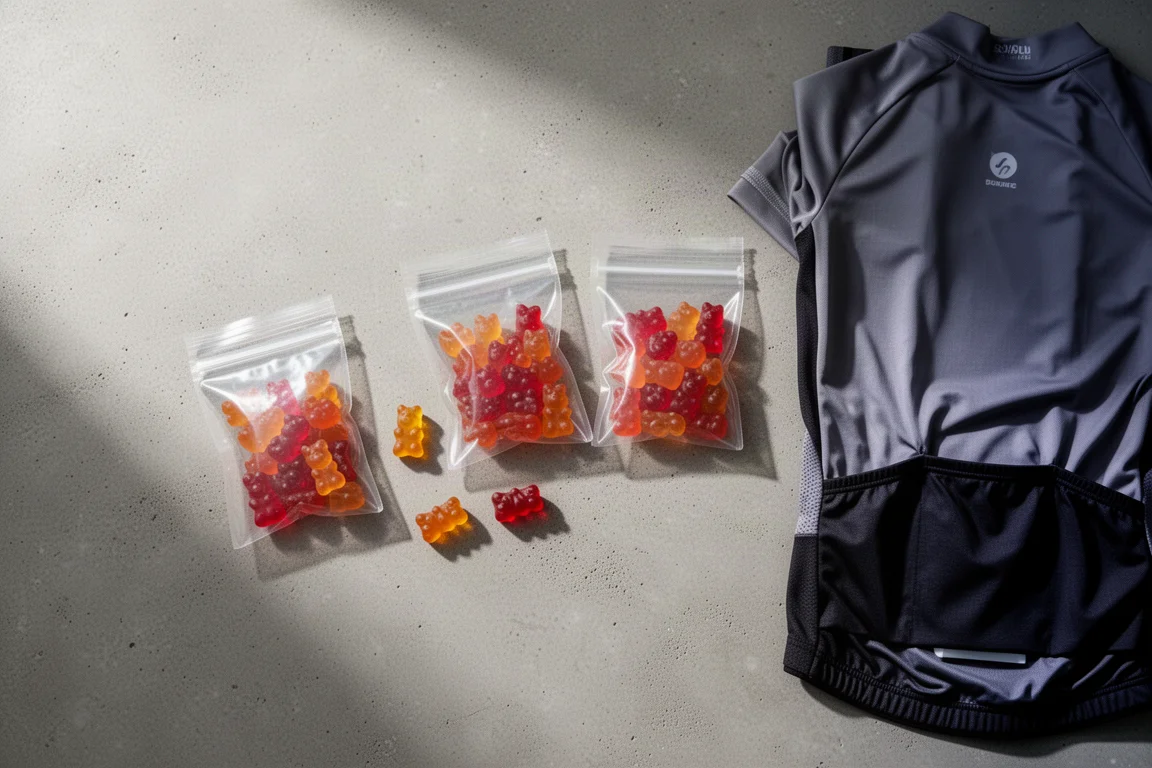
There is a practical argument beyond the price. If you enjoy what you are eating on the bike, you tend to eat more of it, which matters on long rides where under-fuelling is a common mistake. Fuel you look forward to is fuel you actually consume.
Percy Pigs: A Cheaper Chew for Long Rides
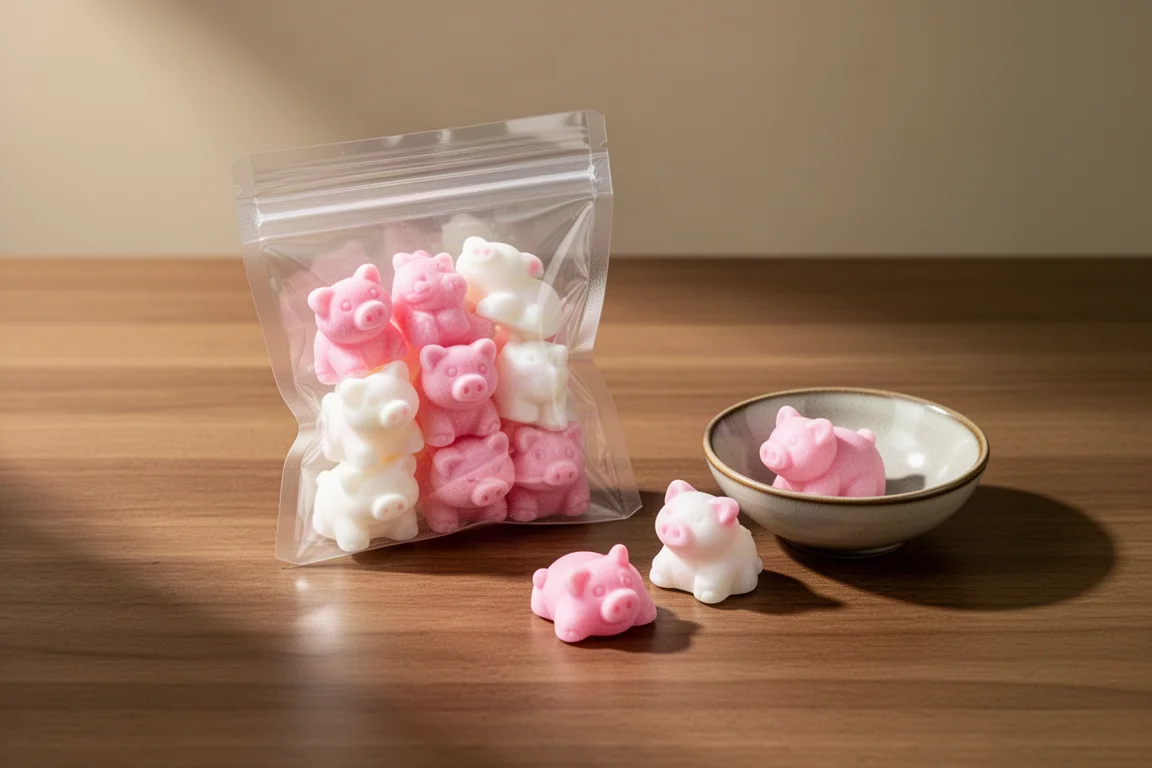
Percy Pigs are the other reliable option in this category, and soft gummy sweets in general work well as ride food. They are easy to chew at tempo, cheap in bulk, and simple to portion into pocket-sized bags. Buy a large bag, split it down, and you have several rides of fuel for the price of a couple of gels.
Treat these as everyday fuel rather than a universal replacement. On race day, the convenience of a gel packet is still hard to beat.
Overall Buying Advice
Substitution works best where the product is invisible, generic or consumed rather than engineered: socks and base layers, cleaning chemicals, ride food and electrolytes. It works less well for anything shaped around the bike or your body, where cycling-specific design earns its price.
Mixing your own drink is the biggest single saving available. A simple bottle made from 15 g of sugar, 1 g of salt and lemon juice to taste comes out at roughly 18 pence per drink. A more performance-oriented mix built from maltodextrin, a teaspoon of no-added-sugar squash for fructose, and an optional scoop of electrolyte powder lands at around 56 pence. A tub of ready-made carb mix costs around £45 by comparison.
If you go down the DIY route, measure carefully and read the packet. Ratios matter, and the point of making your own is to control what goes in, not to guess at it.
Buy in bulk where it makes sense. A 5 litre container of degreaser, a 2.5 kg bag of sweets and a tub of electrolyte powder all cost less per serving than small packets, and none of them spoil quickly. Keep a dedicated cloth for drivetrain work, dry the chain before you lube it, and keep strong cleaners away from rotors and bearings.
Conclusion
None of these substitutes ask much of you. Buy a cheaper degreaser, portion your own ride food, and keep the money for the parts of cycling where the product genuinely does something a generic version cannot. The savings are real, and in most cases the difference out on the bike is not something you will notice.
Further reading
Related Reviews
Cycling Gear
8 Cycling Products Riders Keep Coming Back To
Eight cycling components and accessories with clear strengths, honest trade-offs and long-standing reputations among riders and mechanics.
Cycling Gear
Aero Helmets and Bottle Setups Tested: Six Options Ranked by Measured Watt Savings
Wind tunnel data on six aero helmets and bottle setups, with real watt savings, practical trade-offs, and guidance on what is worth buying first.

Cycling Gear
Aero Road Bikes and Fast Tires Worth Watching in 2026
Four aero road bikes and one fast road tire, with the real strengths, the open questions, and what to check before you buy.