Road Bike Tires
Cheap vs Expensive Road Bike Tires: What $10 and $100 Actually Buy You
A practical look at three road bike tires across the price range, from a $10 budget model to a $100 tubeless race tire, and where most riders should spend their money.
Introduction
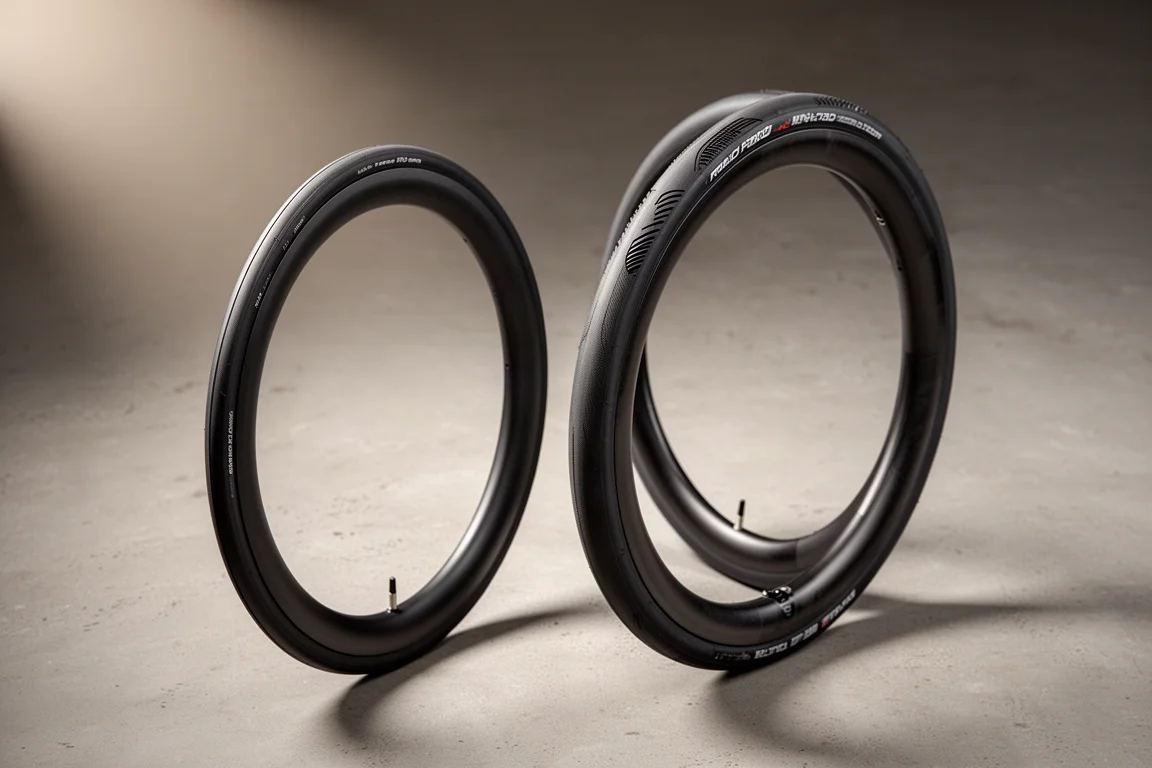
Road bike tires occupy a strange corner of cycling pricing. A basic model can cost around $10, while a flagship race tire can cost around $100 for a single tire, which means a pair can run past $200. That is ten times the money for two loops of rubber that both roll, both hold air, and both fit the same rim.
The interesting question is what that extra spend actually changes. Three tires frame the comparison well: a budget 23 mm model, a premium 28 mm tubeless race tire, and a mid-range option that sits between the two extremes.
What Actually Changes When You Spend More
Three things separate a cheap tire from an expensive one, and only one of them is visible on a spec sheet.
The first is the casing. A thin, supple casing flexes around road imperfections instead of passing them straight into the frame, which improves both comfort and grip. A stiffer casing feels wooden and absorbs energy from each pedal stroke rather than returning it.
The second is the rubber compound. Better compounds deform more readily and lose less energy to friction and heat, which shows up as lower rolling resistance.
The third is width. Wider tires smooth out rough surfaces and generally roll faster at the same pressure, with only a small aerodynamic penalty. Most professional road racing now runs 28 mm to 30 mm tires rather than the narrow 23 mm sizes that were standard a decade ago.
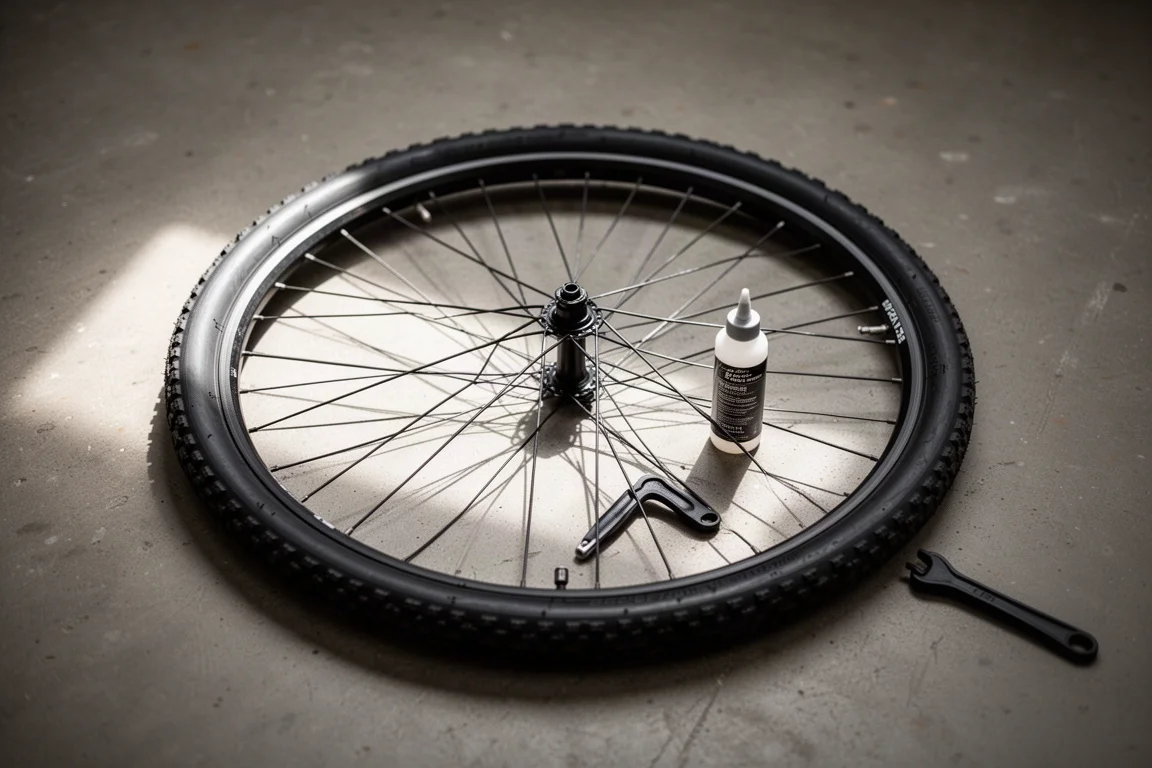
Tubeless construction is another dividing line. Premium tires are often designed to run without inner tubes when paired with sealant, which can plug small punctures from the inside. Setup takes more effort and sealant can be messy, but the technology works well once it is dialled in.
Best Budget Option: Halfords Essential Road Bike Tire
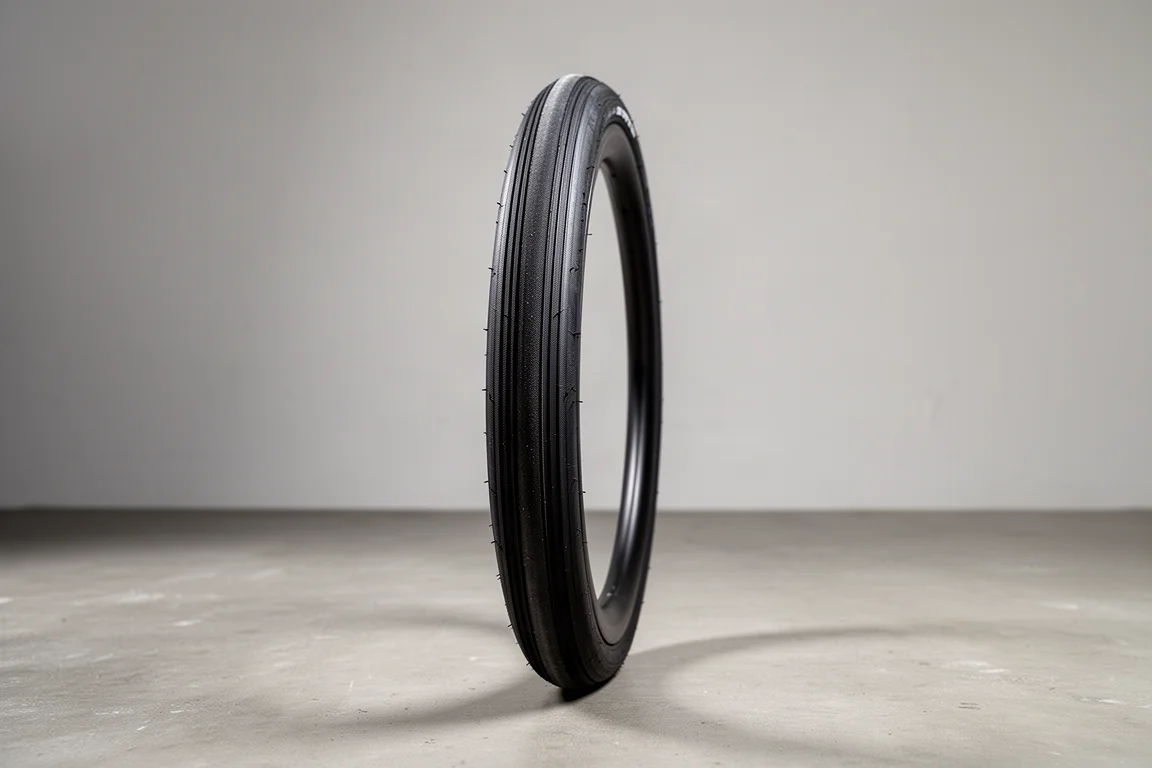
At around $10 per tire, this is the cheapest way onto the road. The Halfords Essential Road Bike Tire is a 23 mm clincher made in Thailand by V Rubber rather than by Halfords itself. Despite the very narrow size, it is not light: each tire weighs well over 400 g, roughly 415 g to 420 g, so a pair adds close to 800 g to the bike.
On the road it is functional rather than enjoyable. It rolls and it holds the bike up, which is enough if a tire is the only thing standing between a rider and a ride. The ride quality is harsh, though. At around 5 bar (70 PSI) every small imperfection in the surface comes through, and gravel-strewn corners demand more caution than they would on a wider tire.
The tread has a raised central band running the length of the tire. Leaning onto the shoulders does not feel as awkward as it looks, but the transition is still a compromise, and the tire feels slow on descents, where energy is being absorbed rather than converted into speed.
Best Premium Race Tire: Pirelli P Zero Race TLR SLR
The Pirelli P Zero Race TLR SLR sits at the opposite end at roughly $100 per tire. It is Pirelli’s top-of-range road model, handmade in Italy, and the same brand supplies tires in Formula 1. The tire has been developed with wind tunnel and rolling resistance lab work, and the shoulder carries small aerodynamic ridges and dots designed to keep airflow attached to the rim.
It is tubeless, so it can run without an inner tube when used with sealant. At 28 mm it is noticeably wider than the budget option, and it is lighter despite that extra width. The casing is thinner and far more supple, which is what most riders notice first.
The ride is damped rather than harsh. Bumps are smoothed out, grip through corners is much higher, and there are no awkward transitions between the centre of the tread and the shoulders. Rolling resistance is lower, so the same effort produces more speed, and the tire sounds quieter on the road as well.
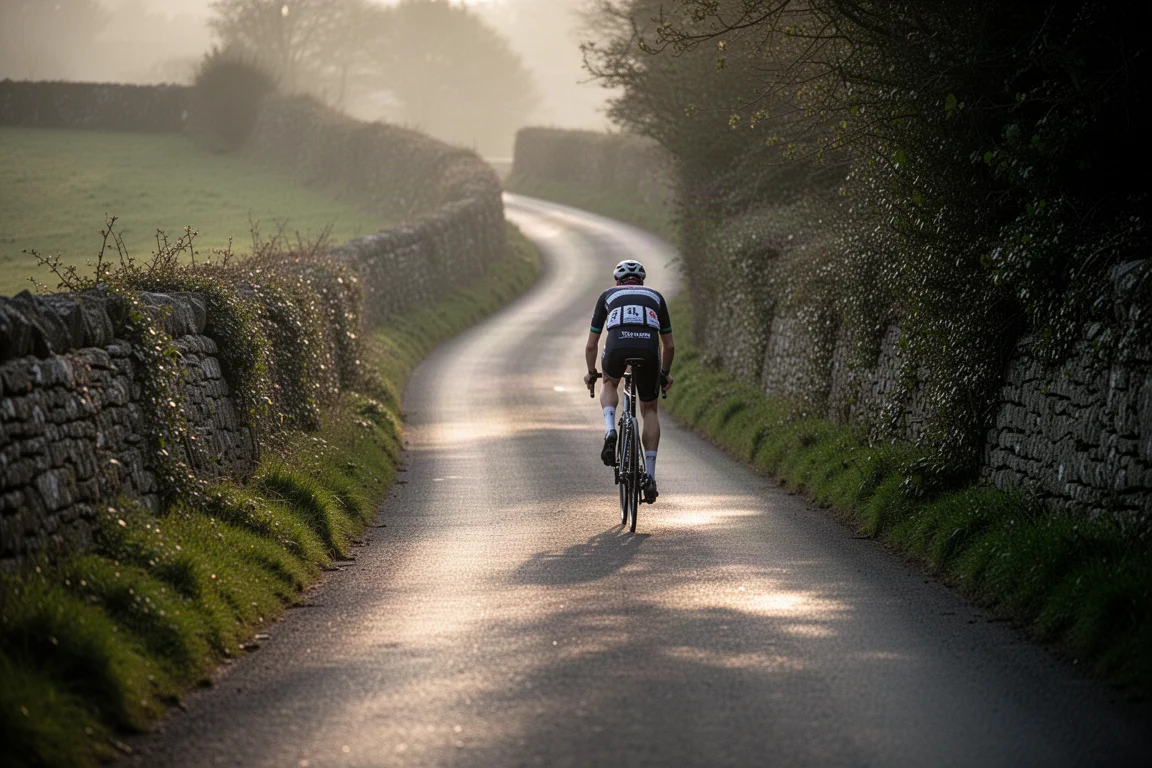
The numbers back up the feel. On a short hill lasting just under 200 m, average speed rose by 0.375 km/h, saving around 2.5 seconds across five or so runs. That is small on its own, but the savings accumulate on longer climbs, and better tires are also faster on flats and descents because less effort is lost to friction.
Best Mid-Range All-Rounder: Continental Grand Prix TR
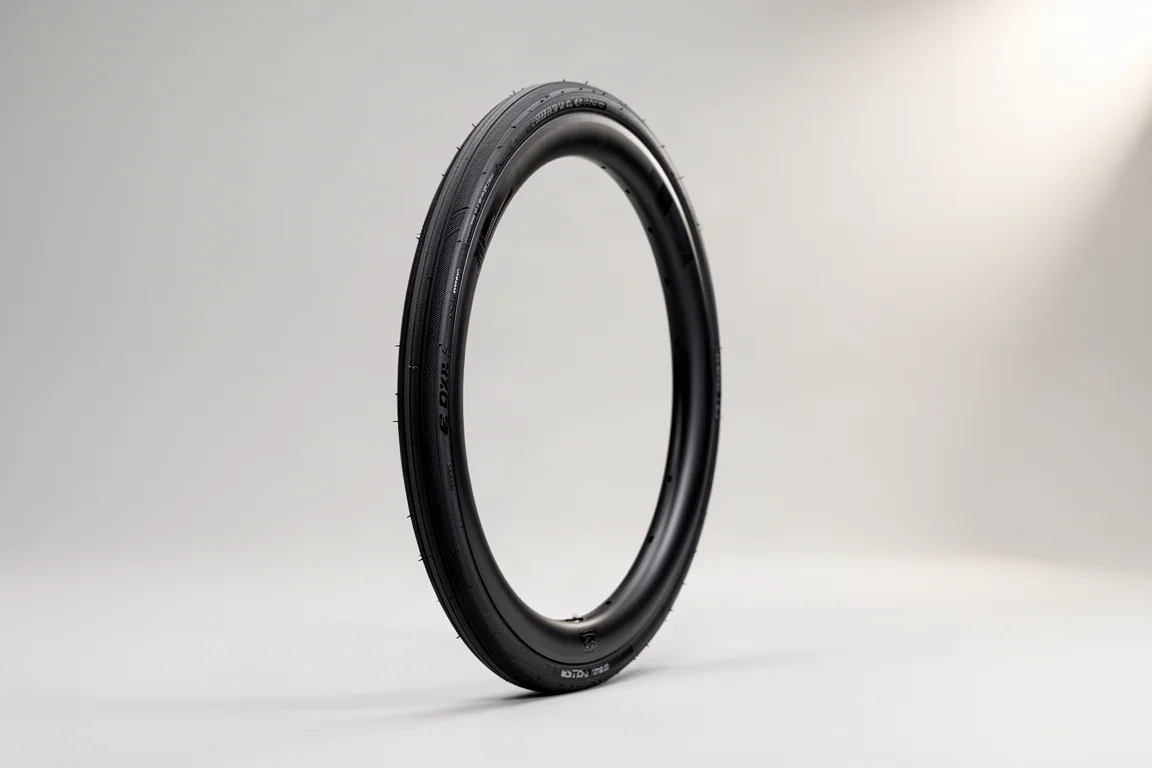
The gap between a $10 tire and a $100 tire is enormous, but most riders do not need either extreme. The Continental Grand Prix TR is the kind of mid-range option that makes more sense for anyone who is not racing: it avoids the harshness and narrow width of the cheapest tires without paying for the last few watts of a flagship race model.
Choosing a mid-range tire also means accepting that the biggest gains come from width and casing quality rather than from the price tag alone. A wider mid-range tire at a sensible pressure will usually feel better than a narrow budget tire, and it will cost a fraction of a race-spec pair.
What the Road Test Showed
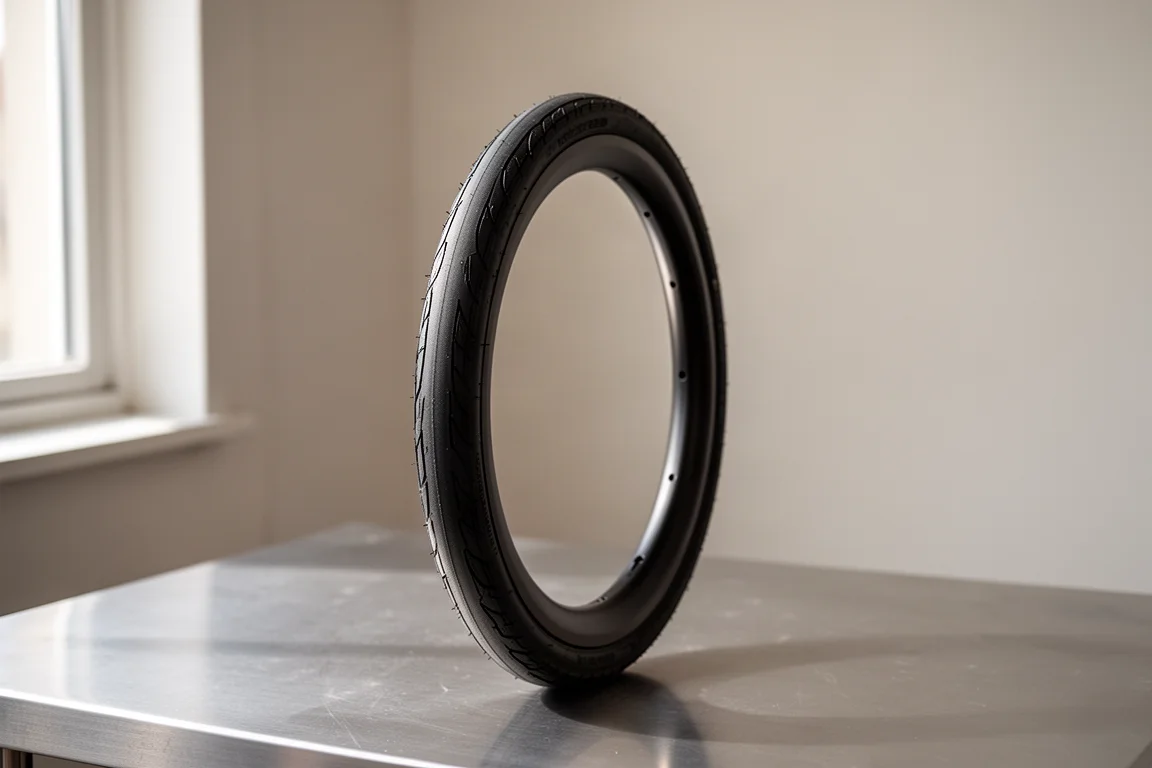
Running the two extremes back to back on the same bike and the same roads made the price gap easy to feel. The premium tire was clearly faster for the same effort, more comfortable over rough surfaces, and far more confident through gravel-strewn corners, where the extra width and supple casing allowed more speed to be carried in and out of the turn.
The budget tire was not a disaster. It rolled, it cornered acceptably on clean tarmac, and it would get a rider home. The clear limitation was comfort and grip, particularly on broken surfaces and loose gravel.
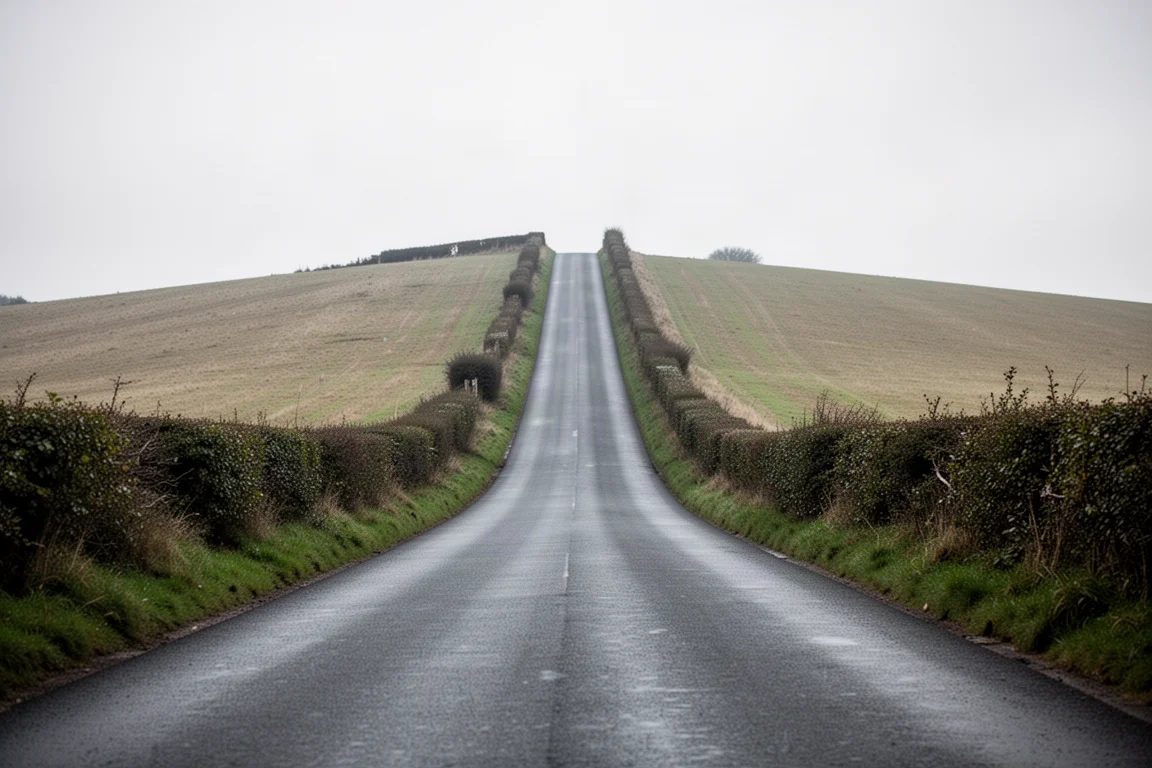
The measured difference was modest in isolation but consistent: about 0.375 km/h of average speed on a short climb, worth roughly 2.5 seconds over a handful of runs. Extrapolated over a longer climb, or across a season of riding, the gap widens into something meaningful.
Why Tire Width Matters More Than You Think
The most useful takeaway from comparing these tires has less to do with price than with size. A 23 mm tire is narrow by modern standards, and the harshness that comes with it is a direct result of how little air volume there is to absorb bumps. Professional riders have largely moved to 28 mm and 30 mm for exactly this reason.
Wider tires smooth out the road and tend to roll faster at the same pressure. There is a small aerodynamic penalty, but for most riders it is a worthwhile trade, especially on rougher surfaces. Budget tires are available in wider sizes, but more rubber usually costs more, so the cheapest option is often the narrowest one.
If a road bike frame has clearance for 30 mm or 32 mm tires, that is a sensible target for most riders. The added confidence from a bigger tire outweighs the small weight and drag increase for the vast majority of road riding.
Overall Buying Advice
Start with width and casing rather than with the price on the box. A cheap tire is a reasonable emergency purchase, but the narrowest 23 mm version is best avoided even at that end of the market. The 28 mm variants of budget tires cost a little more and are worth the difference.
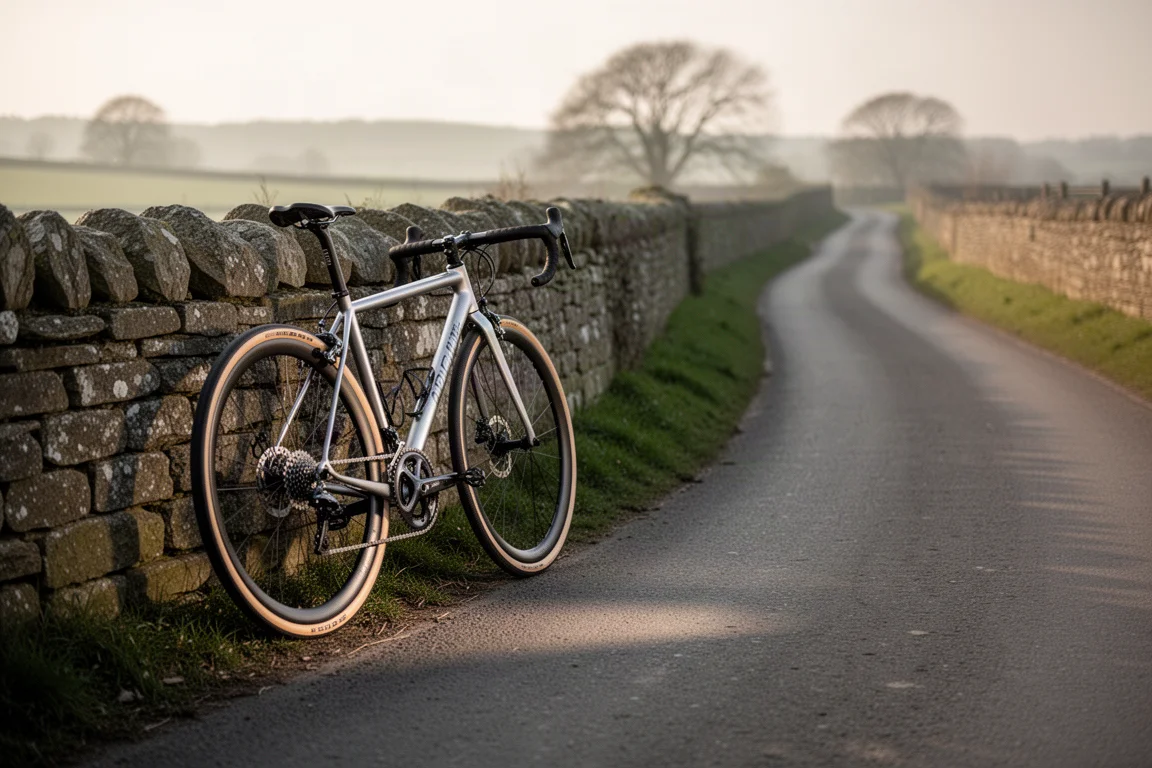
At the other extreme, the Pirelli P Zero Race TLR SLR delivers everything the price suggests: more speed, more grip, better damping and a much more refined ride. Whether that is worth ten times the money is a personal call, but a pair at around $200 is still far less than a new frame or a set of carbon wheels, which makes tires one of the more efficient ways to buy speed.
For most riders, the mid-range is the better answer. A tire like the Continental Grand Prix TR covers everyday riding without the compromises of the cheapest option or the cost of a dedicated race tire.
Conclusion
Tire price does map onto real differences. Casing quality, rubber compound, width and tubeless construction all change how a tire feels and how fast it goes. The $10 tire works but feels harsh and narrow, the $100 tire is genuinely quick and comfortable, and the middle ground is where most riders will find the best balance of cost and performance.
Further reading
Related Reviews
Road Bike Tires
Best Budget Road Bike Tires 2026: Nine 25c Tires Tested for Rolling Resistance
Nine budget road tires, all 25c and mostly around £20, went through the same rolling resistance protocol. Here is what the numbers say and which tire suits which rider.
Road Bike Tires
Best Road Bike Tires 2026: Six Options Tested From Budget to Premium
Six road tires across a wide price spread, from around £20 to £92, compared in real-world timed runs on wet roads to see what extra money actually buys.
Road Bike Tires
Best Road Bike Tires Compared: Continental GP 5000 S TR vs Vittoria Corsa Pro vs Pirelli P Zero Race RS
A back-to-back comparison of three 30 mm tubeless road tires, covering timed speed results, cornering feel, ride quality, and which one suits which rider.