Cycling Gear
Cheap Bike Gear Tested: Four Budget Buys Worth Considering
A practical look at four low-cost cycling products that earned a place on the bike, plus the red flags that should make you walk away.
Introduction
Budget marketplaces such as AliExpress have become the default hunting ground for cyclists who want cheap consumables, bags and tools. The appeal is obvious: prices that undercut bike shops by a wide margin, endless choice, and the occasional genuine bargain. The risk is equally obvious, because the same listings mix solid hardware with counterfeits, badly made electronics and parts that have no business being anywhere near a bicycle.
This roundup covers a batch of low-cost products bought at full retail price and put through deliberate abuse: a simulated rain test, a thousand-cycle zip test, a week-long pressure check, roadside puncture testing with glass and assorted hardware, and a side-by-side abrasion test on bar tape. Nothing here was sponsored, and no brand had any input into the verdicts.
The results split cleanly. Four items are worth your money, with caveats, and the rest serve as a useful reminder of what to avoid.
How We Judged These Budget Bike Products
Cheap does not automatically mean bad, but it does mean the margin for error is smaller, so every product was judged on the same short list of questions. Does the build quality match the photos and the description? Do the manufacturer claims survive real use, particularly waterproofing and puncture resistance? Does it hold up to repeated use rather than a single ride? Does it fit the bike it is meant for? And finally, how does the price compare with the branded equivalent, including the cost of replacing it if it fails?
Safety-critical parts got the harshest treatment. A cheap saddle bag that leaks is an annoyance. A cheap part that touches your brakes, your chain or your battery is a different category of risk entirely.
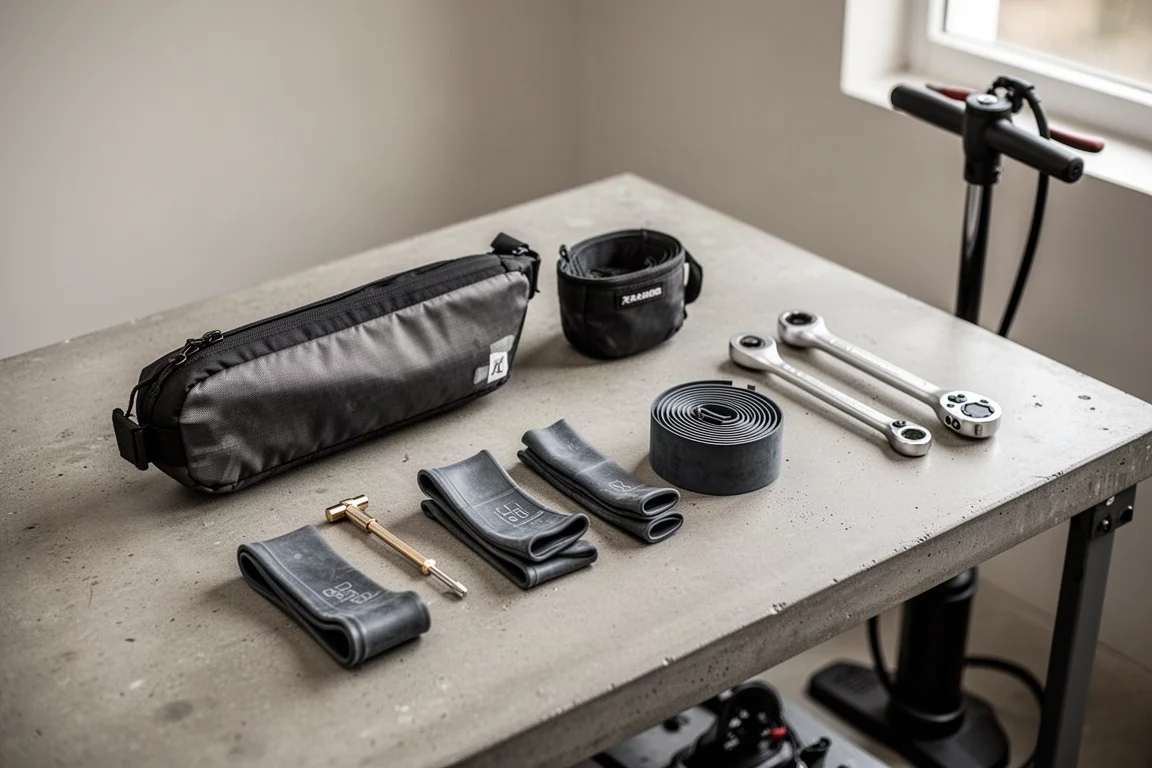
Where a claim was testable, it was tested rather than assumed. A waterproof bag went under simulated rain. A pair of inner tubes was inflated to the same pressure and left for a week. A plug kit was used on an actual punctured tyre. The point was not to be clever, but to find out whether these products work when a rider actually needs them.
Bowler Frame Bag: Waterproof Claims That Mostly Hold Up
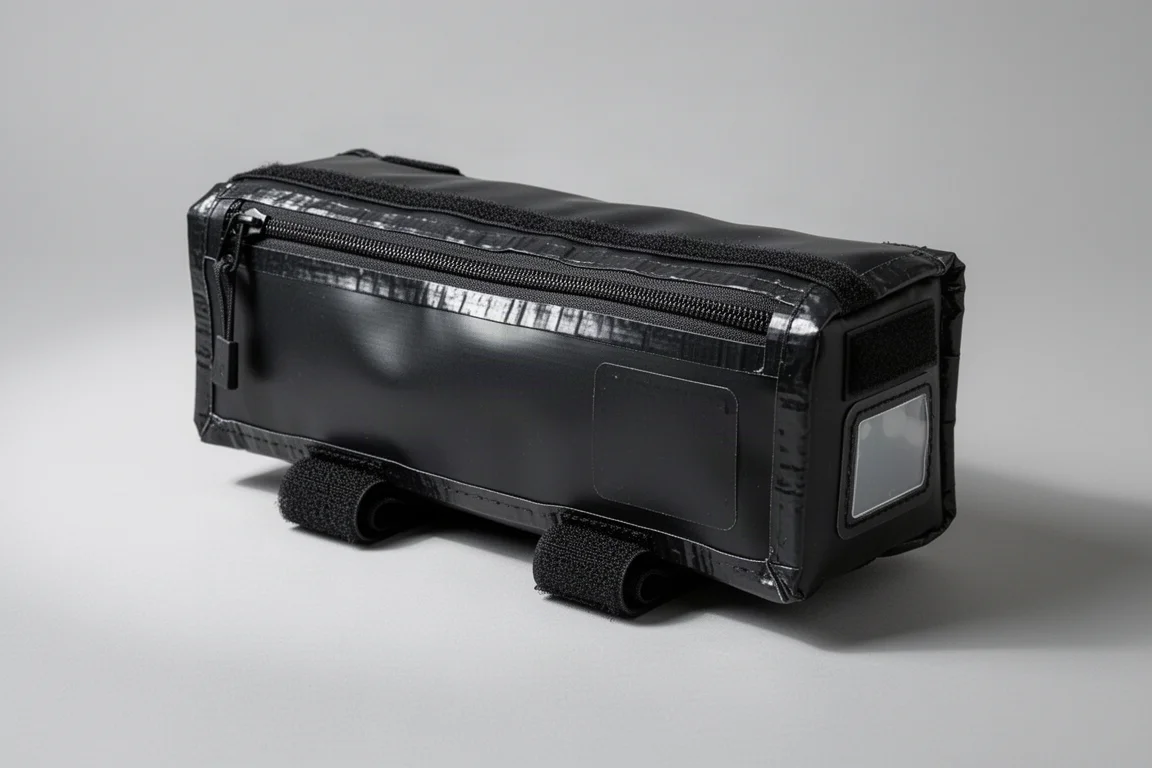
The Bowler frame bag arrives looking far better than its price suggests. The body is PVC, the seams are taped, the zip is a waterproof design, and the reflective logo is a thoughtful detail even if the graphic itself is larger than it needs to be. At 35 cm, or roughly 14 inches, it should fit most frames, and it attaches with Velcro straps. If you care about your paintwork, run a strip of electrical tape under each strap before tightening it down.
Two claims were worth testing: the zip and the waterproofing. The zip survived a thousand open and close cycles without failing, which is a genuinely good result for a bag in this price bracket, since cheap zips are usually the first component to give up. On water resistance, a note placed inside stayed dry through simulated rain. The bag only let water in when the test was pushed to something closer to a jet wash, which is a fair boundary to know about.
Comparable frame bags from established brands cost considerably more, with waterproof options from major retailers sitting several times higher, including one well-known mid-loader design discounted to around £40 and a smaller branded frame bag at around £62. On value alone, this one is hard to argue with, as long as you treat it as rain-resistant rather than pressure-washer-proof.
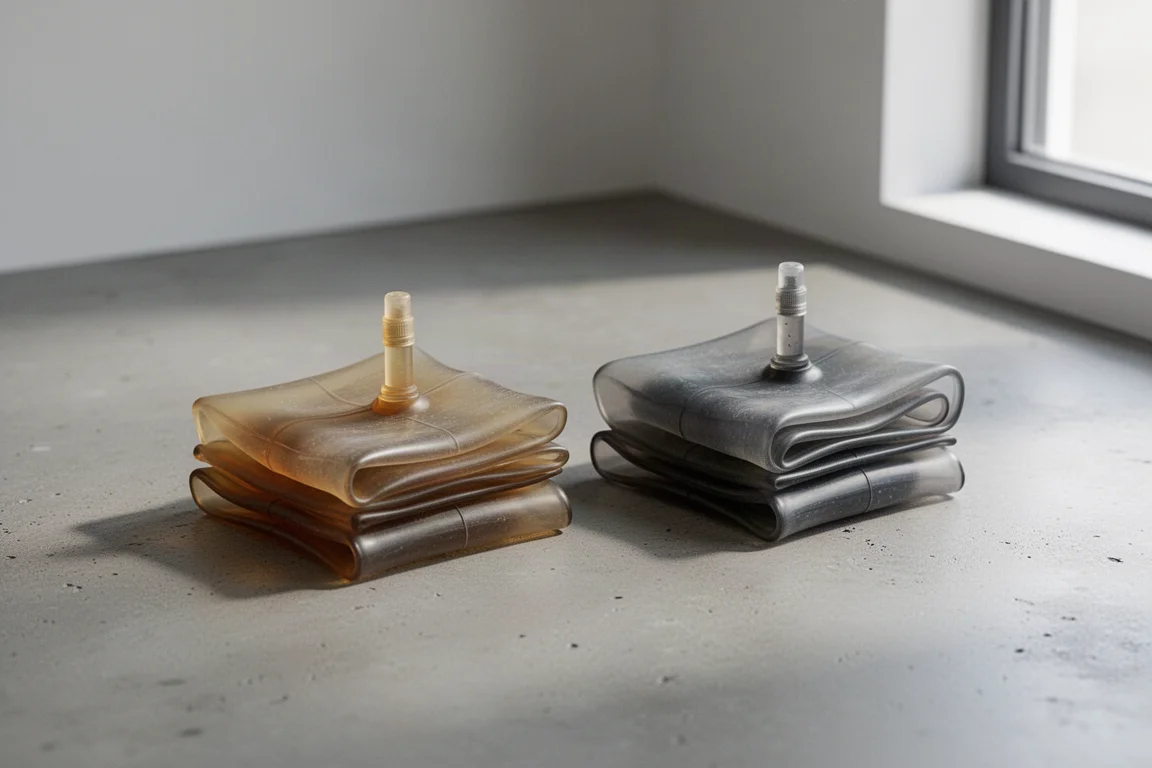
Morocco TPU Road Tubes: Light, Cheap, and a Little Leaky
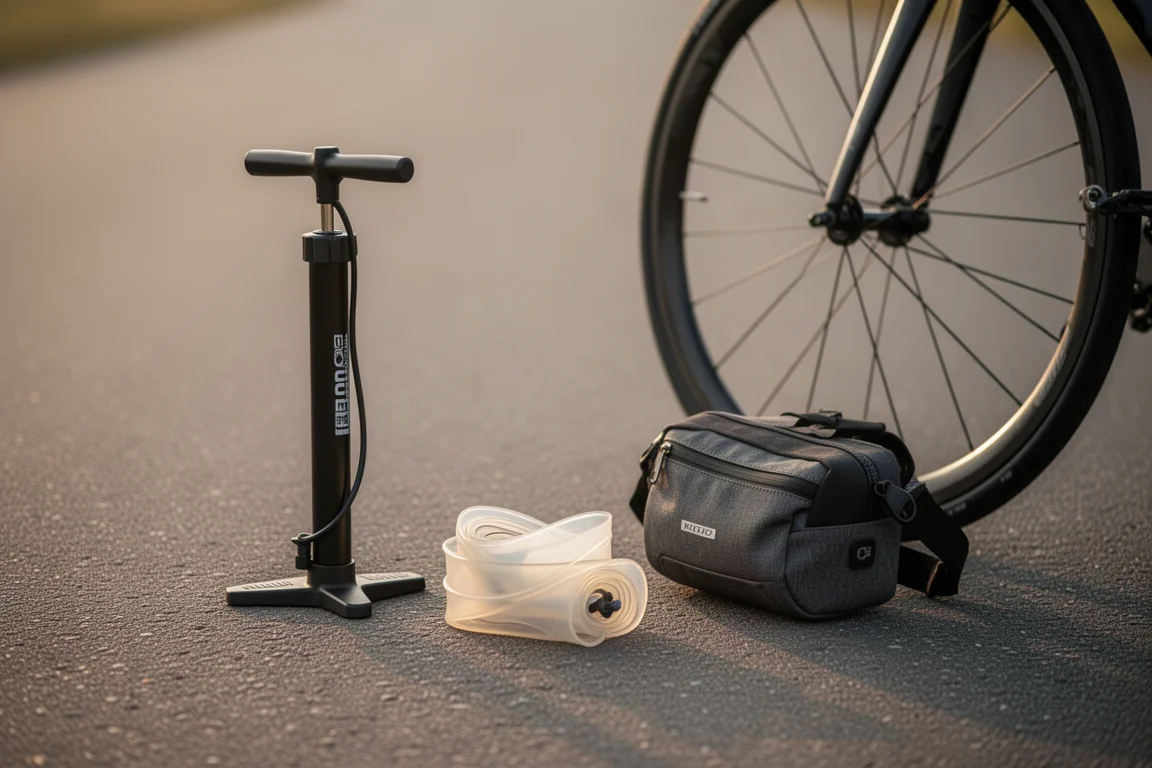
TPU, or thermoplastic polyurethane, inner tubes have become popular because they are significantly lighter than standard butyl tubes, pack down smaller, and are often claimed to puncture less. They also typically cost a lot more, with branded versions around the £28 mark. These road tubes sell for roughly a tenth of that, which is cheaper than most ordinary butyl tubes, so the obvious question is where the catch is.
The known weakness of TPU tubes is pressure loss. In a week-long test, a butyl tube inflated to 70 PSI settled at around 58 PSI, while the TPU tube dropped to roughly 49 PSI. That is a real difference, but it is also better than some branded TPU tubes manage, which is a more encouraging result than the price suggests. Fitting was straightforward and the plastic valve stem held up fine, though there are reports that electric pumps can melt plastic-valved tubes, so a hand pump is the safer choice.
The puncture testing was deliberately harsh and is not something to repeat. The tube shrugged off broken glass before eventually puncturing on assorted hardware, and even then it held pressure longer than expected with a pin still in place. Beyond durability, the practical wins are real: roughly 70 grams saved per tube, and a folded tube small enough to free up space in a saddle bag. The main frustration is not the product but the listing. Pages for items like this change frequently, so reordering the same tube is a gamble, and road riders get through consumables often enough that consistency matters.
For riders who already like the feel of TPU and are willing to top up pressure more often, these are worth a try. For anyone who wants a tube they can buy again next month with confidence, the instability of the listing is the deciding factor.
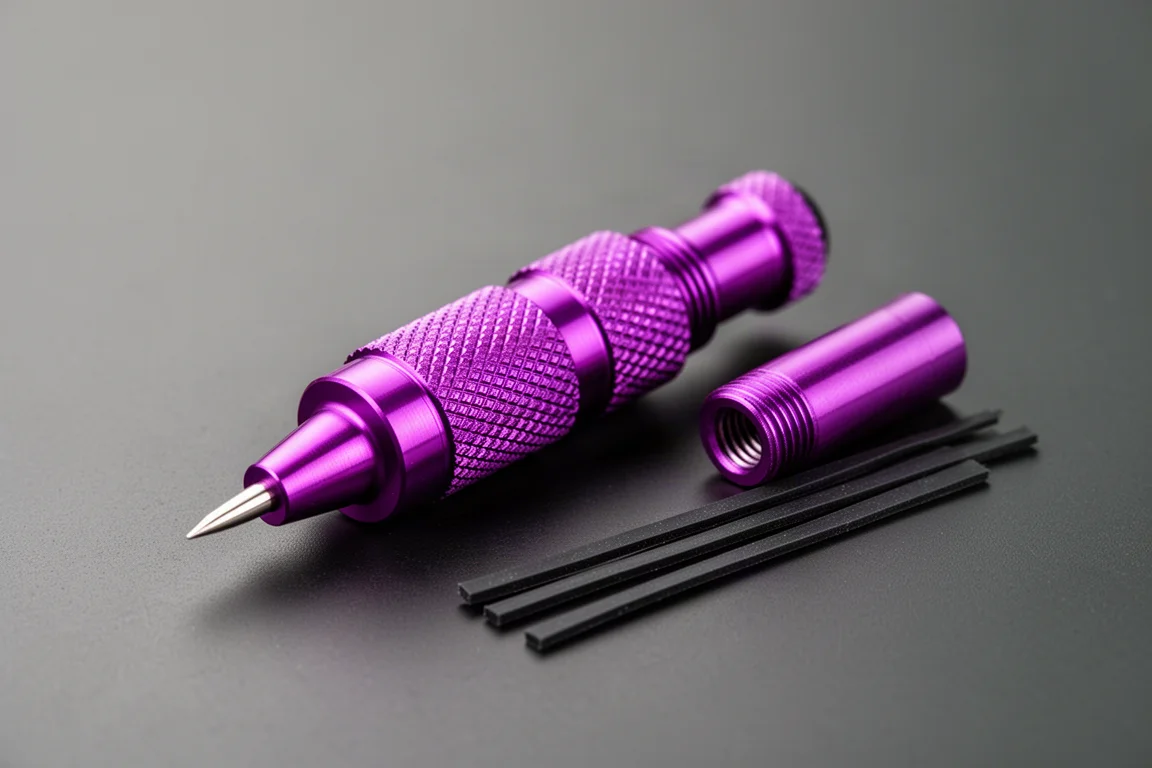
ZTTO Tubeless Repair Kit: A Genuine Bargain
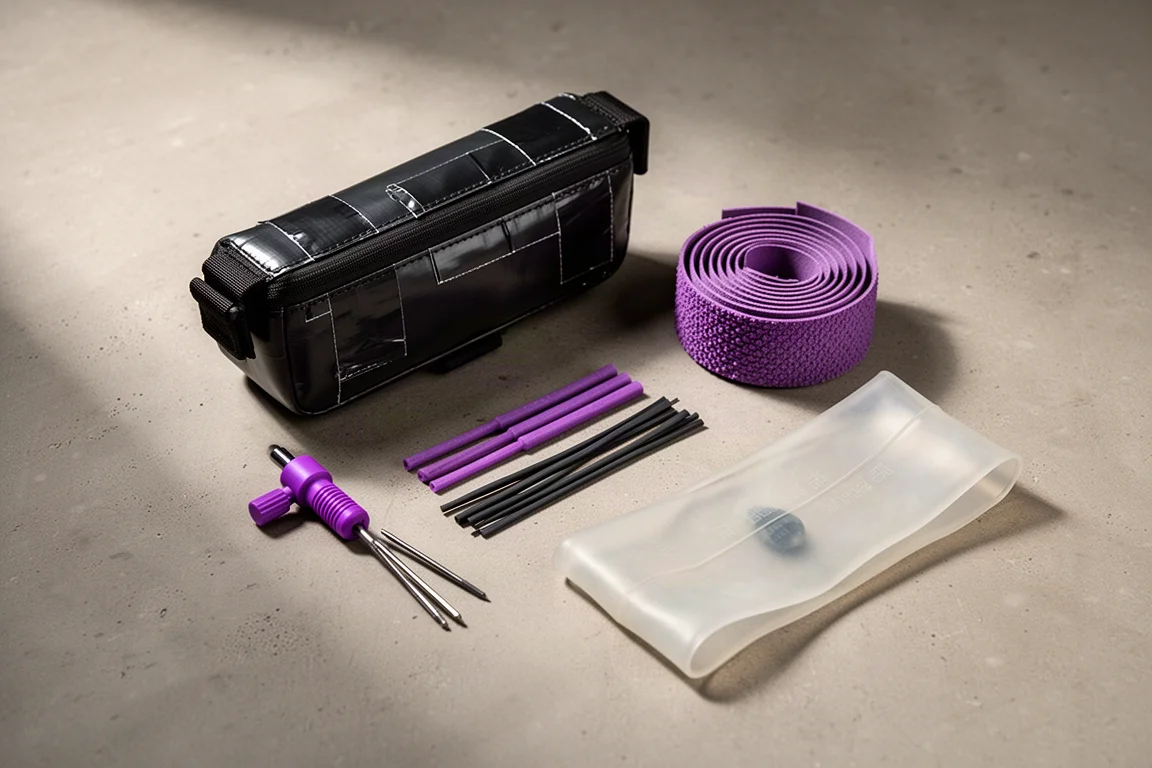
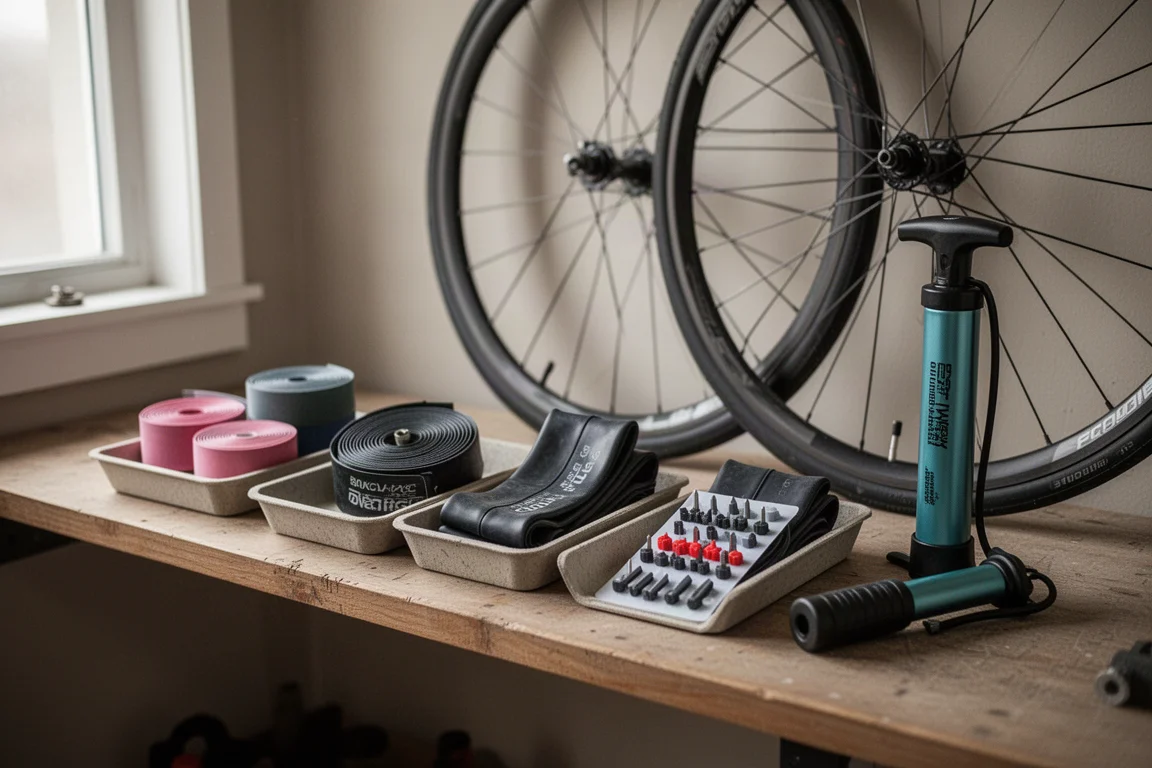
This tubeless plug kit is a small, neatly made tool that does exactly what it promises. The bacon strips are thinner than the mountain bike style plugs that often refuse to fit a road tyre, which makes them well suited to road and gravel punctures. The tool is designed to thread into a bar end, and a bar end is included in the box.
That bar-end storage idea only really works on flat bars. On a drop bar, the housing is not going to fit, so the bar-end feature is largely wasted on road bikes. The plug tool itself, however, worked exactly as intended: it sealed a punctured tyre on the first attempt with no fuss. The kit costs a fraction of the branded plug kits on the market, several of which sit many times higher, and it delivers the same core function.
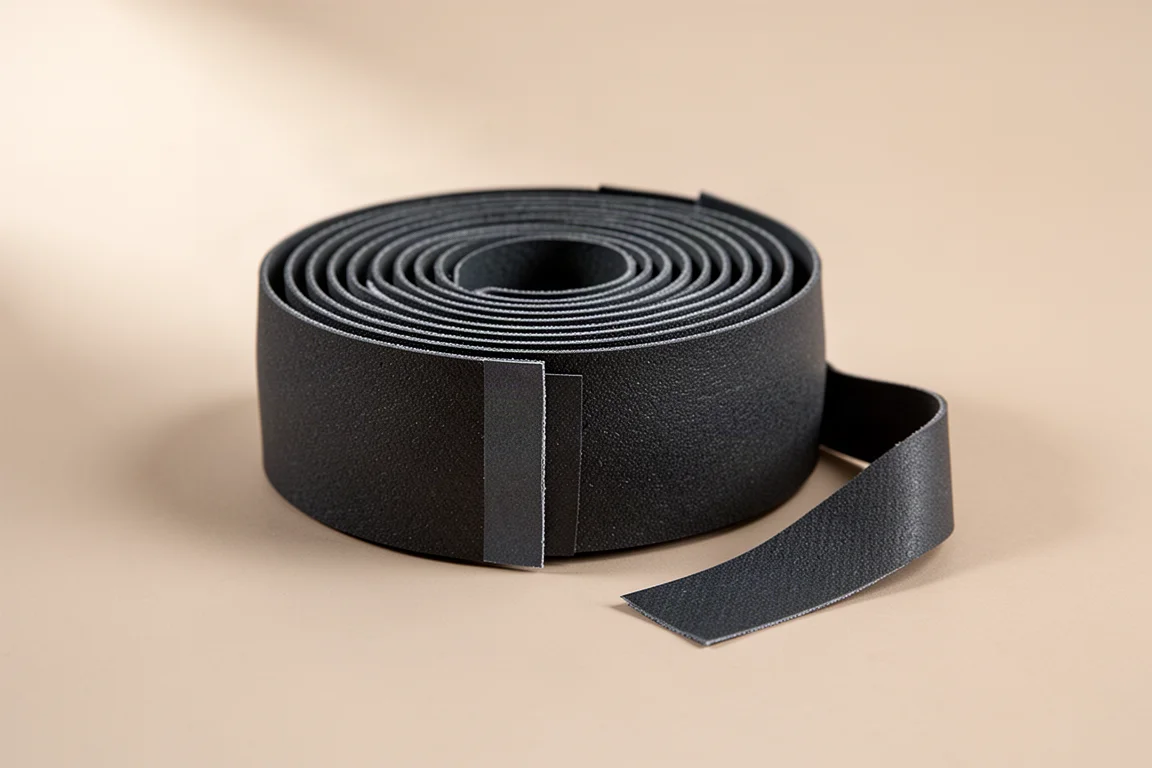
Buckloss Bar Tape: Grippy, Neat, and Tough Enough
At £4.23, this bar tape has no business feeling as good as it does. It has a grippy surface, a comfortable thickness, and an adhesive backing strip that keeps it in place while you wrap. Wrapping was clean and consistent, with the tape following the curve of the bar without fighting back, which is the part that usually goes wrong with cheap tape. On wrapability it scored 9.5 out of 10.
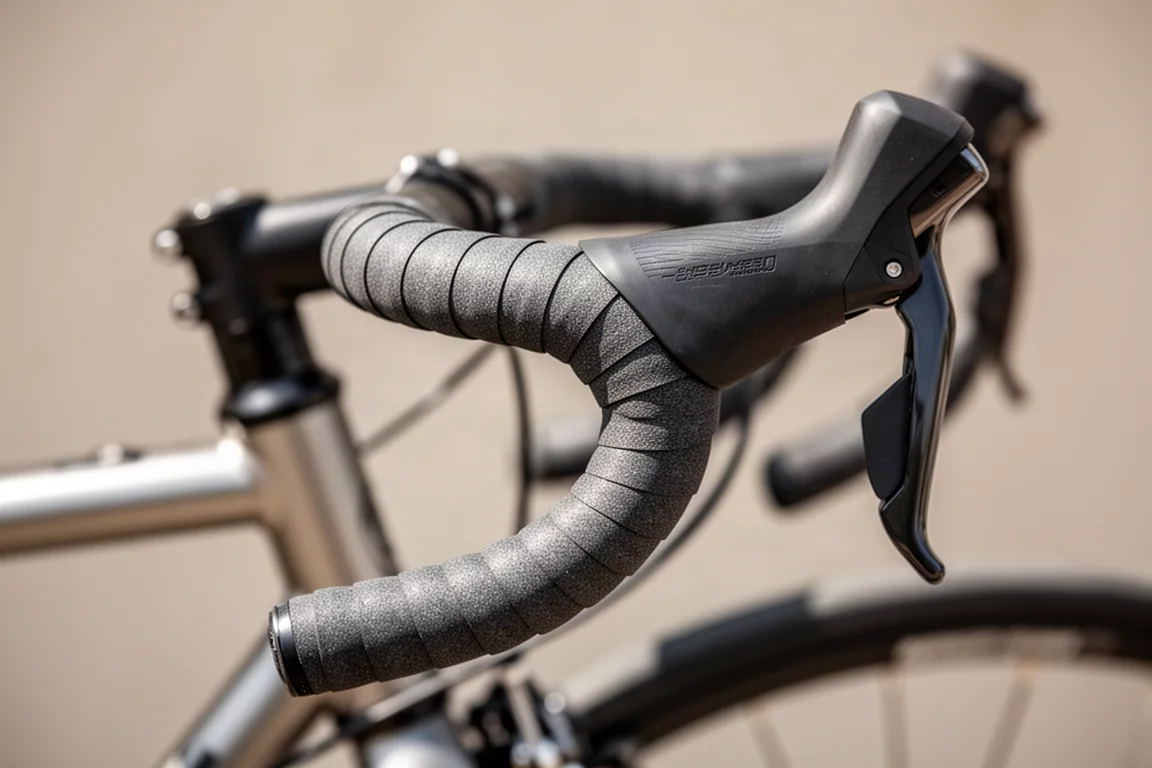
Durability was tested against a well-known branded tape by rubbing both with fine sandpaper in one-minute intervals. The branded tape lasted longer and was still intact when the budget tape finally wore through after about five minutes of 100 grit. Both remained usable, and for normal riding conditions the budget tape should hold up well. It wrapped neatly, felt good in the hand, and costs very little to replace when it eventually wears out.
Red Flags: Counterfeits, Third-Party Chargers, and Safety-Critical Parts
Not everything in this roundup earned a place on the bike, and the failures are more instructive than the successes. Three categories are worth avoiding outright.
The first is counterfeit branded goods. A water bottle ordered as an aero bottle from a well-known brand turned out to be a copy, priced at around £10.69 against £35 for the genuine item. The warning signs are consistent: packaging and labels with spelling mistakes, fuzzy logos, poor print quality, and prices that seem too good for a branded item. Counterfeits may not carry a manufacturer warranty and may not meet safety standards, which matters more for anything that touches your mouth or your skin. Buying from official brand retailers, authorised resellers or established bike shops is the reliable way to avoid it.
The second is third-party electronics. A charging adapter designed to power a Shimano Di2 rear derailleur over USB-C looked like a clever idea, but it failed to charge from either a phone or a mains adapter, while the genuine charger worked immediately. Shimano has warned that third-party adapters can damage a rear derailleur, particularly if the connector needs force to seat, and that damage caused by a third-party product is not covered by warranty. Given the cost of a derailleur, saving a small amount on an adapter is a poor trade.
The third is safety-critical drivetrain parts. A cheap multi-tool set bundling a chain breaker, wear checker, quick link tool and quick links looked like excellent value, and the chain breaker itself worked. The problem is the quick links, which are a genuine safety concern and not something to scrimp on, and the chain checker, whose accuracy determines whether you replace a chain in time or destroy a cassette and chainrings. Tools that measure or hold your chain together are the wrong place to save a few pounds.
Buying Advice: How to Shop Budget Marketplaces Safely
The pattern across these products is fairly consistent. Accessories and consumables, meaning bags, bar tape and plug kits, are low risk and often excellent value. Anything that carries electrical current, holds your chain together, or claims a famous brand name deserves far more suspicion.
A few habits make the whole process safer. Compare the listed price against the genuine retail price before ordering, because a large gap on a branded item is the clearest red flag there is. Read the listing copy closely for spelling errors, low-resolution logos and vague specifications. Accept that listings change constantly, so the product you receive in three months may not be the one you bought today. And remember that prices vary noticeably depending on your browser, your location and your device, so it pays to check before committing.
On the bike itself, a little care extends the life of budget parts considerably. Tape your frame under Velcro straps to protect the paint. Keep a hand pump away from plastic valve stems. Treat a waterproof zip as water-resistant and skip the jet wash. None of these habits cost anything, and together they make cheap gear last far longer.
Conclusion
Budget marketplaces are worth browsing, but they reward a specific kind of buyer: someone who knows what a part is supposed to do, what it should cost, and where the risk sits. The Bowler frame bag, the Morocco TPU tubes, the ZTTO plug kit and the Buckloss bar tape all deliver real value for riders willing to accept small compromises. The counterfeit bottle, the Di2 charging adapter and the cheap chain tool set show what happens when the savings come out of safety, accuracy or warranty cover.
Buy the low-risk items, avoid the safety-critical ones, and treat every unusually good price on a branded product as a question rather than a bargain.
Further reading
Related Reviews
Cycling Gear
8 Cycling Products Riders Keep Coming Back To
Eight cycling components and accessories with clear strengths, honest trade-offs and long-standing reputations among riders and mechanics.
Cycling Gear
Aero Helmets and Bottle Setups Tested: Six Options Ranked by Measured Watt Savings
Wind tunnel data on six aero helmets and bottle setups, with real watt savings, practical trade-offs, and guidance on what is worth buying first.
Cycling Gear
Aero Road Bikes and Fast Tires Worth Watching in 2026
Four aero road bikes and one fast road tire, with the real strengths, the open questions, and what to check before you buy.