Cycling Gear
Cheap and Brilliant Cycling Gear: Affordable Upgrades That Genuinely Deliver
A practical roundup of low-cost cycling gear that earns its place, from ride analysis tools and bottles to tyres, pedals and handlebars.
Introduction
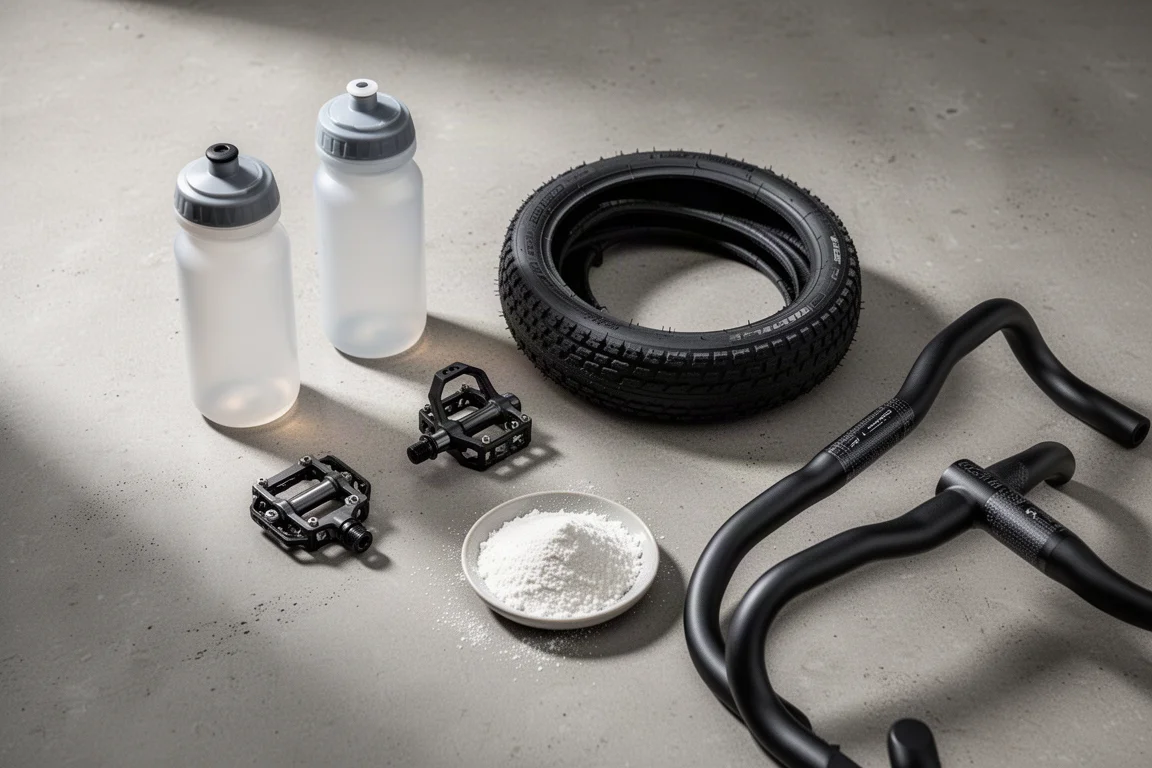
There is no shortage of very expensive equipment in cycling, but some of the best value sits at the other end of the price scale. A few well-chosen low-cost items can change how a bike rides, how a rider fuels, and how much is learned from every outing.
This roundup covers ride analysis software, bottles, carbohydrate powder, tyres, pedals and handlebars, plus a handful of extras that cost almost nothing. Each pick is here because it does a real job rather than because it is cheap for its own sake.
How These Picks Were Chosen
The common thread is value rather than price alone. Each item has to earn its place through everyday use: ride data that is genuinely useful, tyres that hold grip in the wet, pedals that survive years of clipping in and out, and consumables that cost very little per serving.
Durability matters as much as the initial outlay, and so does the honest question of whether a cheaper option does the same job as a premium one. Where a budget item gives something up in return, that trade-off is worth knowing before buying.
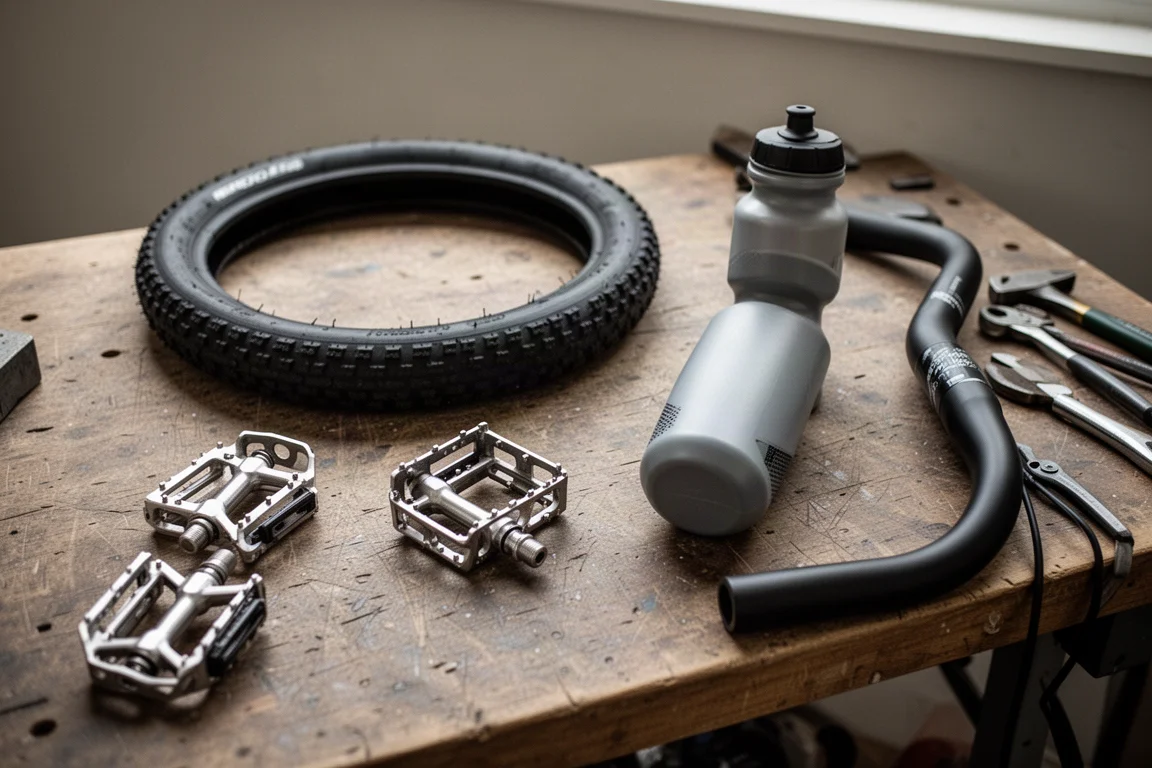
Practicality counts too. Anything that is easy to fit, easy to refill or easy to live with tends to get used far more often than something that only performs well on paper.
Source for Strava: Free Ride Data Analysis
Source is a browser extension that layers extra information on top of Strava. Open a ride and a side panel lists personal records for that effort, including best 20-minute power, while the analysis view adds figures such as normalized power and watts per kilogram.
The extension goes further than a single ride. It can surface the same level of detail on a friend’s activity, and the training tab adds fitness tracking and peak performance views. Supporting the project on Patreon, at roughly £2 a month, unlocks those training features and also enables a companion tool for Zwift.
For group rides, the built-in chat is a genuinely useful addition. During races, the splits view makes it easier to see what gaps are opening at the front of the bunch, so reacting to moves is simpler, and it is just as helpful for knowing what is happening behind.

Elite Fly Bottle: Soft, Squeezy and Easy to Fill
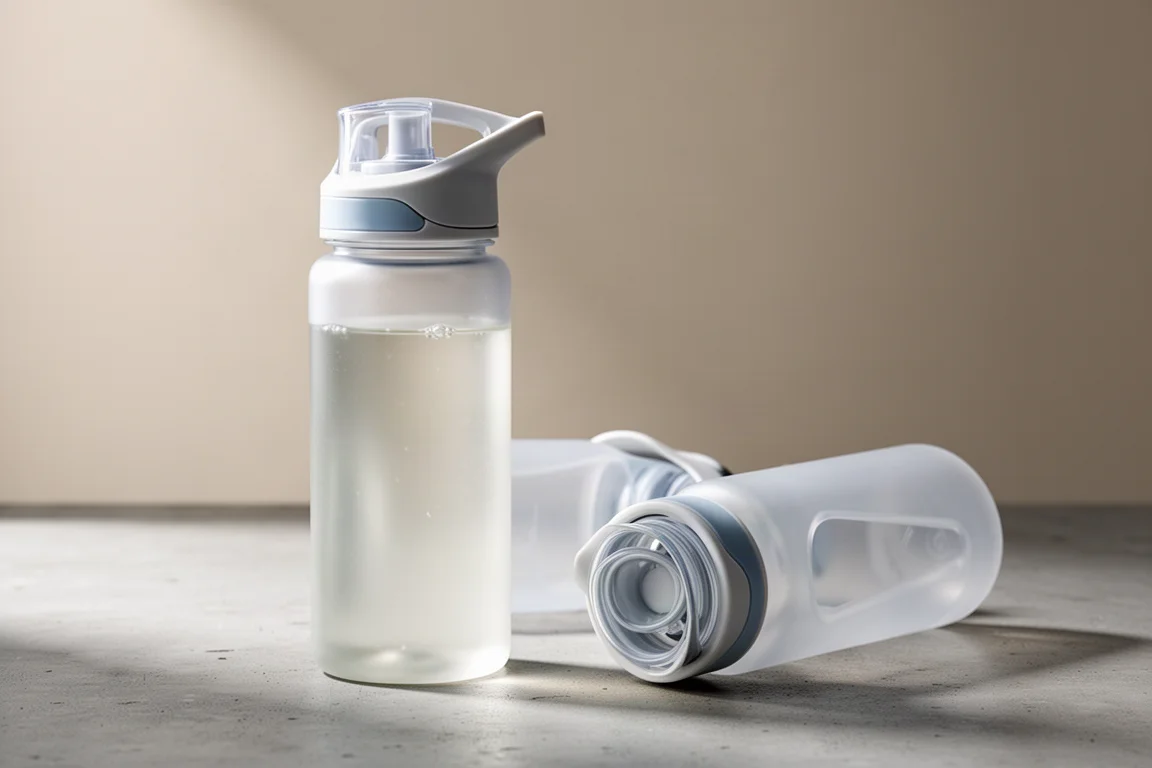
The Elite Fly is not the most robust bottle on the market, and heavy use will eventually show. What it does well is feel: the body is very soft, so a quick squeeze delivers a lot of drink, and the wide top opening makes it easy to load with carbohydrate powder or a mix.
That combination of a light bottle and a large opening is what makes it a sensible everyday choice. It is a simple product, and it is priced like one.
Myprotein Maltodextrin: Cheap Carbohydrate Powder
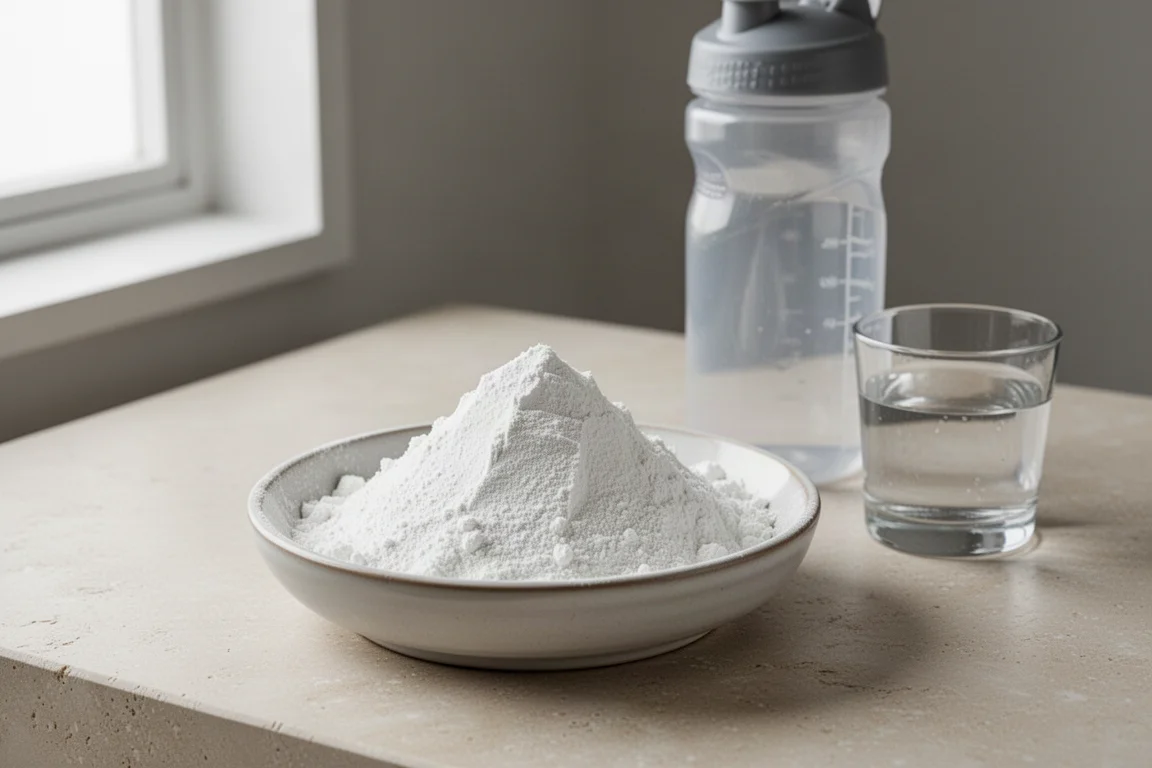
Few things in cycling offer better value than a plain carbohydrate powder. A 2.2 kg bag of maltodextrin costs just over £8, which works out far cheaper than cycling-specific drink mixes, and for steady riding around the lanes there is little reason to spend more.
It is tasteless, so it can be mixed with any squash, and the usual recommendation is around 50 g per bottle. A small pinch of salt covers the electrolytes. It is not a substitute for a full race-day fuelling plan, but for regular riders it is a cheap and effective base.
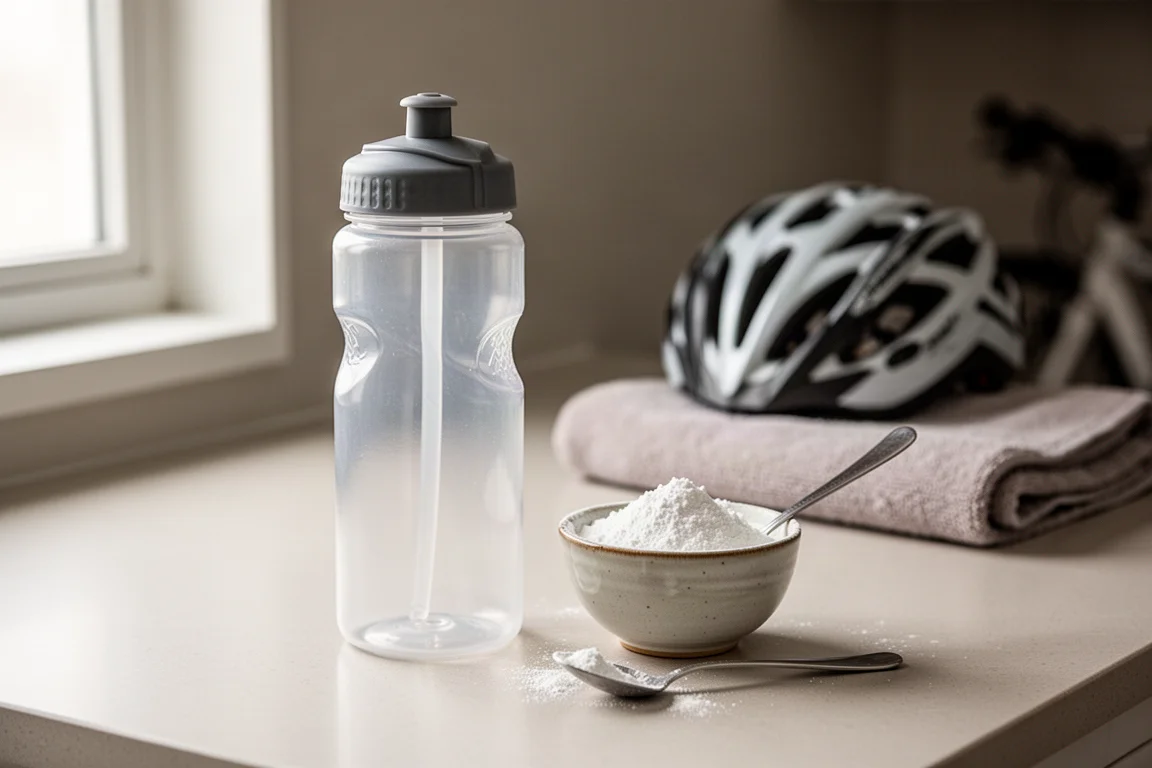
Measuring by weight rather than by scoop keeps the mix consistent from bottle to bottle, and a bag of this size lasts a long time, which is where the value really shows.
Continental Grand Sport Race: Grip for Wet Roads
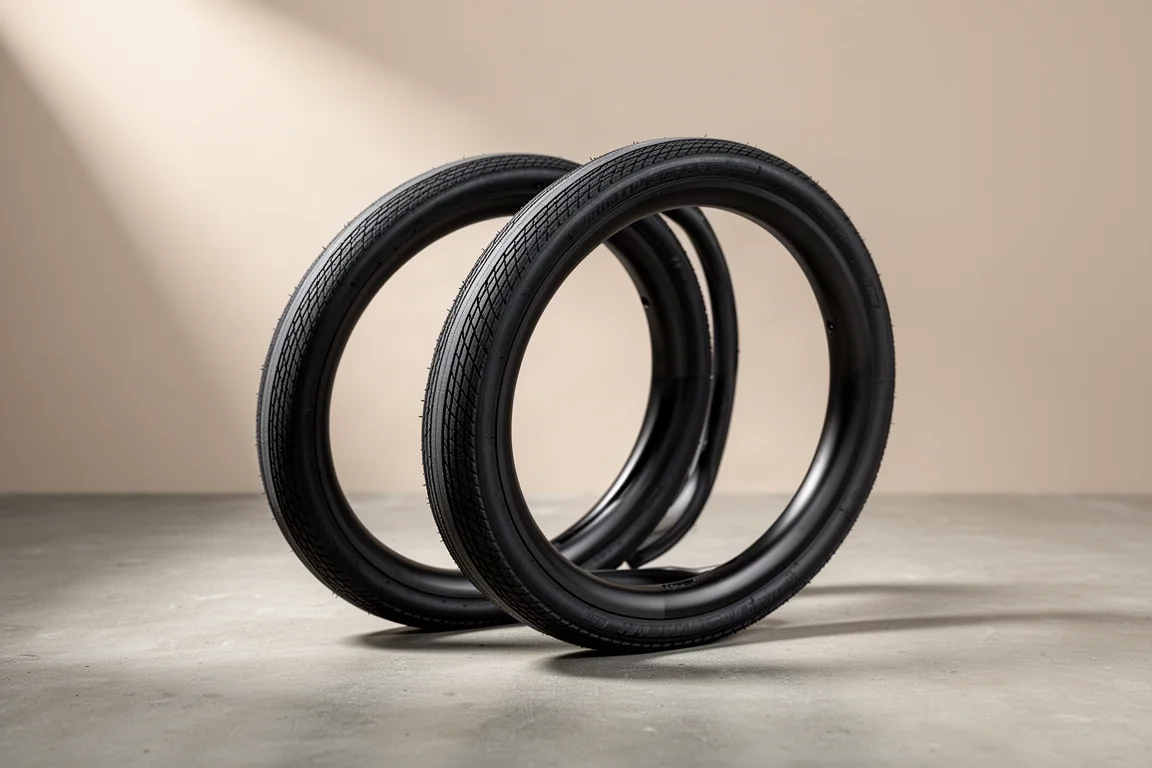
The Grand Sport Race has proven to be a reliable commuter tyre through roughly two winters of riding. It is quick enough for everyday use, reasonably resistant to punctures, and notably confident in the wet.
The compound is what sets it apart from cheaper options in the range: it feels grippy on wet roads without being noticeably draggy. It will not match Continental’s top-end race tyres for outright speed, but the gap is small enough that most riders will not notice it on a commute or a training loop.
Continental Ultra Sport 3: The Tight-Budget Tyre
The Ultra Sport 3 sits below the Grand Sport Race in Continental’s range and makes sense when the budget is very tight. It covers the basics of a road tyre at the lowest price point in the line-up.
The trade-off is the compound. Riders who value wet-weather grip tend to prefer the Grand Sport Race, so the Ultra Sport 3 is best seen as the option to choose when cost is the deciding factor rather than performance.
For anyone weighing the two, the question is simple: save a little now, or spend slightly more for grip that shows up on wet descents and damp corners.
Shimano 105 Pedals: Proven and Affordable
Road pedals are an odd place to spend a lot of money, and Shimano’s cheaper models make the point well. A set of 105 pedals has stayed in service for years without complaint, and they work in the same way as the brand’s top-tier pedals.
The mechanism is familiar, entry and release are predictable, and the build shrugs off regular use. Unless shaving grams is a priority, there is little reason to look further up the range.
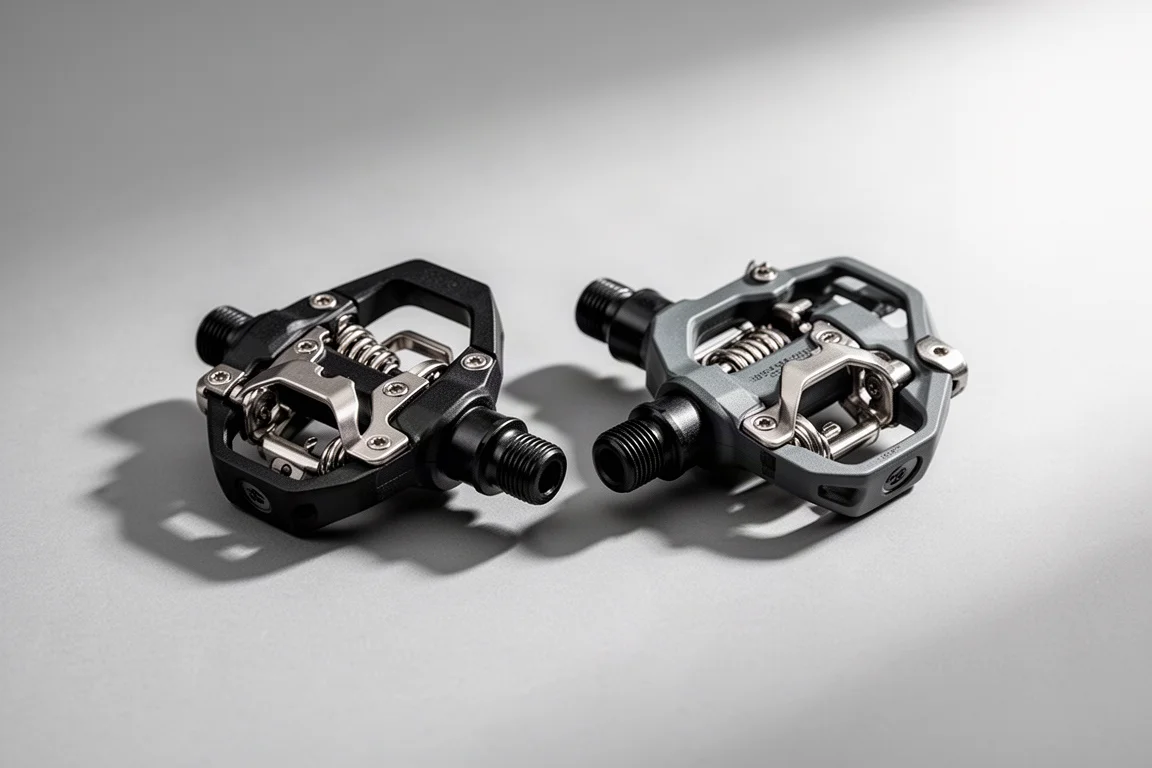
Shimano RS500 Pedals: The Better-Value Option
The RS500 takes the same approach and pushes the price lower still, at around £35. Shimano also offers a similar mountain bike pedal with the same cheap and bombproof character, so riders on either side of the drop-bar divide have an affordable option.
These are the pedals to buy if the goal is a dependable clipless interface that lasts for years rather than the lightest possible setup.
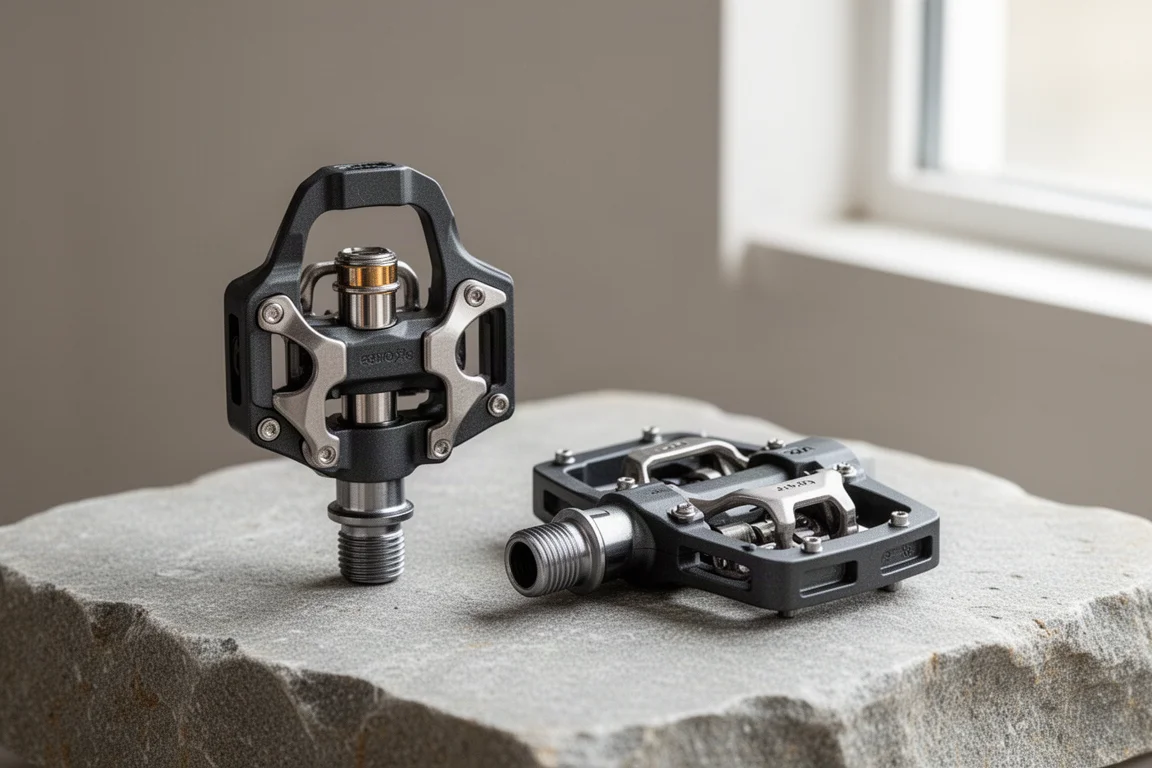
Look Keo Classic: Affordable Clipless Pedals
Look’s Keo Classic follows the same logic. It is a cheap way into a widely used clipless format, and it covers the same basic job as far more expensive pedals.
As with the budget Shimano models, the sensible advice is to stay at the affordable end of the market unless weight is the overriding concern.
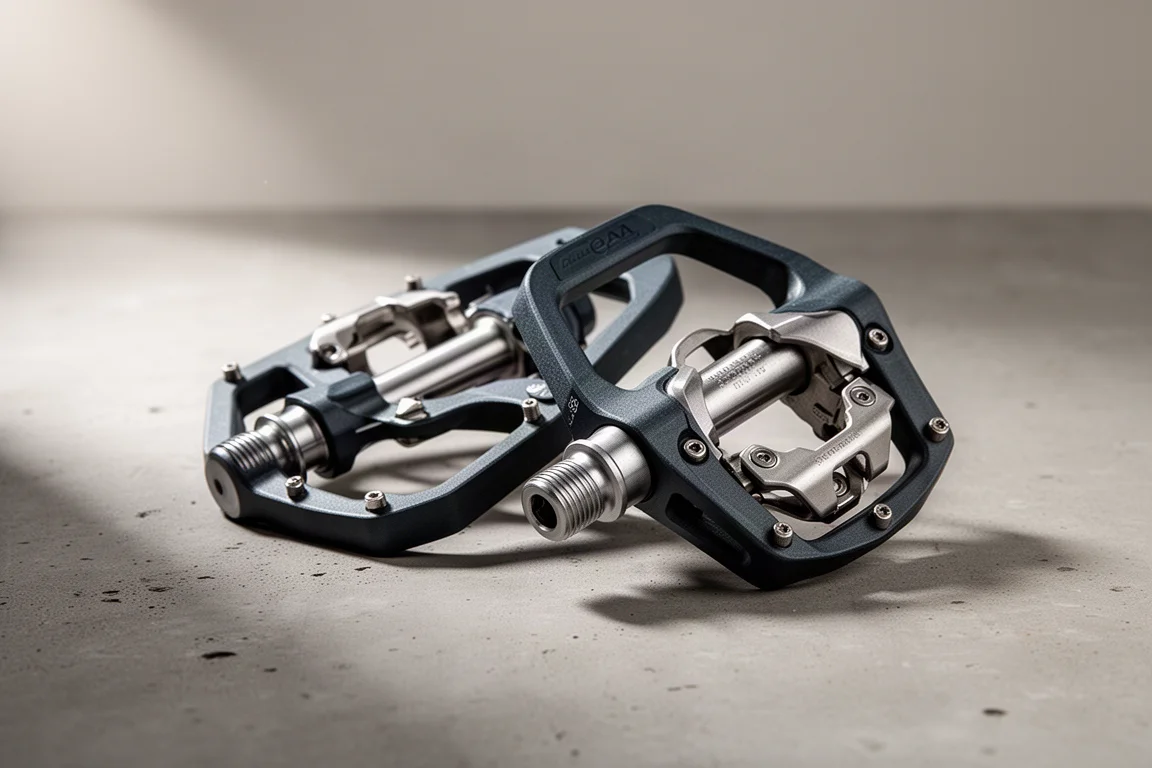
Deda RHM Handlebars: Rapid Hand Movement
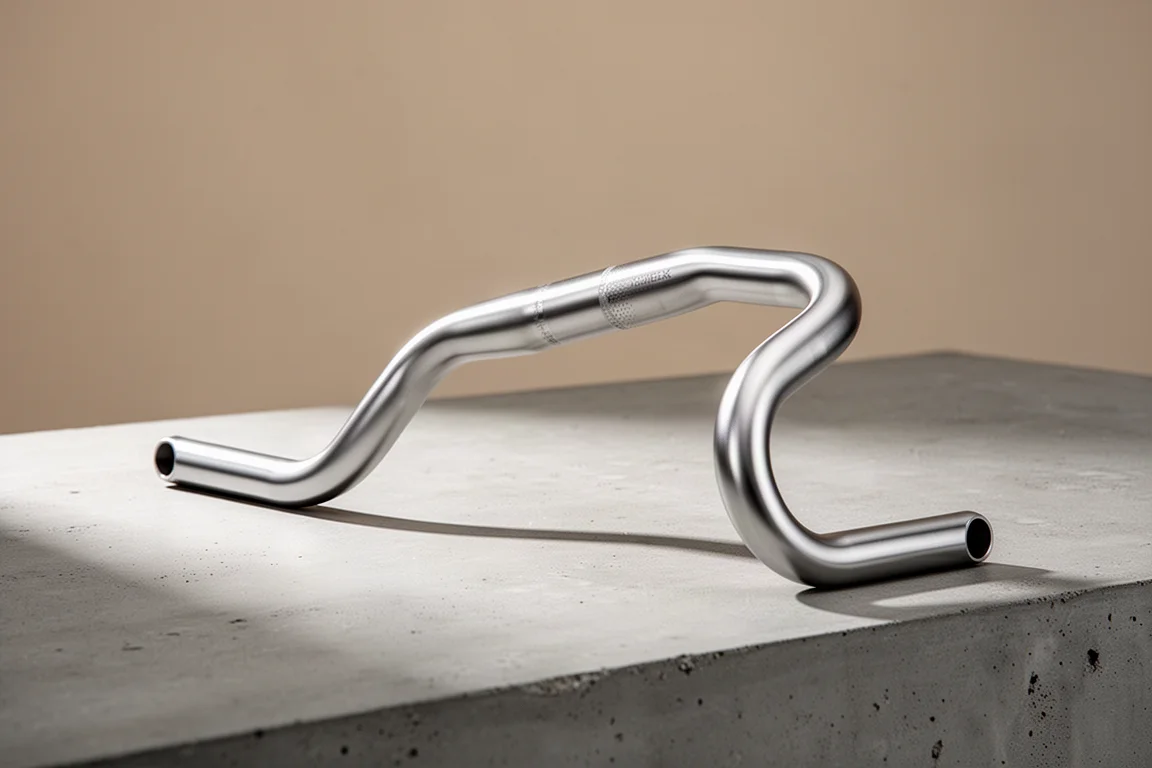
A handlebar can change both comfort and speed, and the Deda RHM range is shaped around easy transitions between the hoods, the drops and the tops. RHM stands for Rapid Hand Movement, and the profile makes moving between those positions straightforward.
There are plenty of bar options on the market, and this range is a sound starting point for riders who want a shape that encourages frequent position changes on longer rides.
Free and Low-Cost Extras Worth Grabbing
Not every good cycling purchase involves a checkout page. At professional races, riders discard bottles, often in litter zones but frequently to spectators at the roadside. Watching the race pass, then following the route afterwards and scanning the hedges, turns up plenty of usable bottles. Wash them thoroughly and they last for years.
Indoor training has its own cheap fixes. Simple tennis sweatbands cost less than the branded equivalents and do the job of keeping sweat out of the eyes during hard sessions on the turbo. Sunglasses are another area where spending is optional: plastic frames with wide coverage protect against the elements perfectly well, and plenty of options sit around the £30 mark.
A sorted saddle bag is unglamorous but genuinely useful. A basic water-resistant bag costs very little, and inside it a TPU inner tube, a cheap plastic tyre lever, a tubeless repair tool, a small multi-tool, a CO2 canister and a compact pump of around £10 cover most roadside situations.
Overall Buying Advice
The pattern across these picks is the same: the affordable option usually does the job, and the money saved is better spent on riding. Tyres and pedals are the two areas where budget choices are easiest to recommend, because the performance gap to premium models is small and the durability is well proven.
Consumables such as carbohydrate powder are where the savings are largest, since a plain powder does the same work as a branded mix at a fraction of the cost per serving. Bottles and handlebars are more about personal preference, so it is worth trying the base model before spending more.
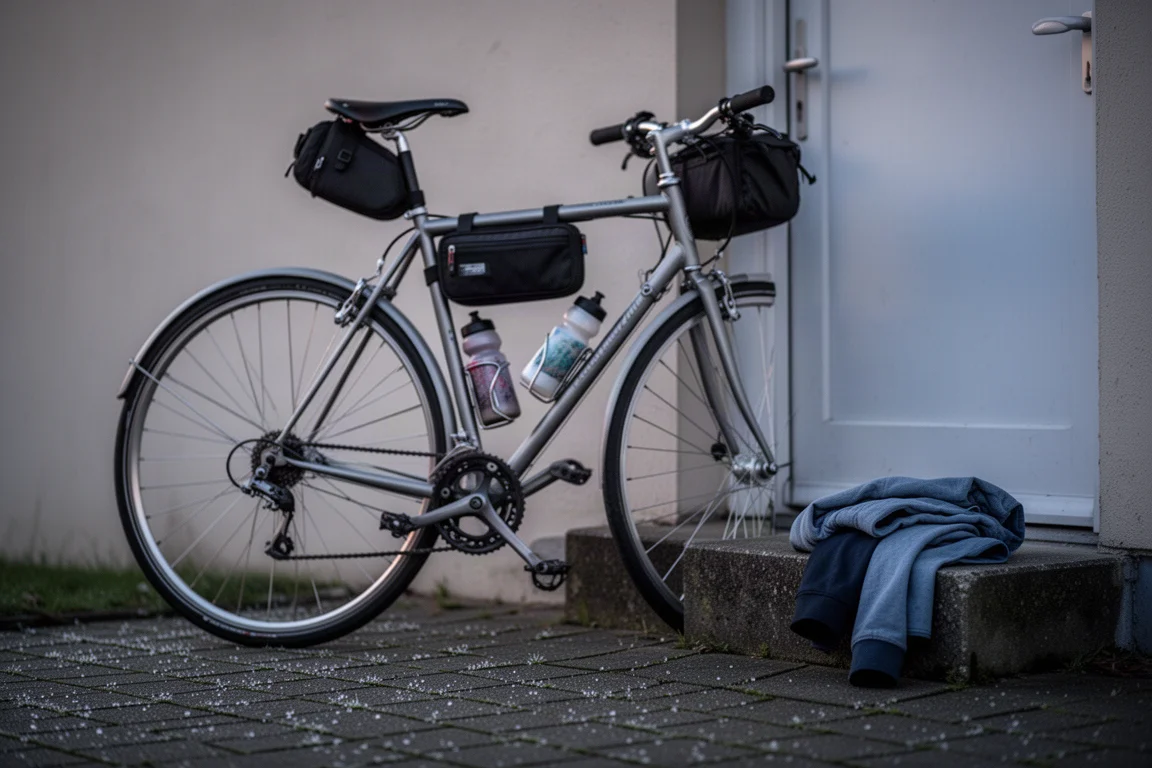
Saddles deserve a similar approach. Every rider is different, so rather than chasing an expensive model, start with the base version of whatever shape appeals, and a used saddle from a marketplace or auction site is a low-risk way to test one. If discomfort persists after a few saddles, the saddle may not be the problem, and a bike fit is the more sensible next step.
Conclusion
Cheap does not have to mean compromised. Ride analysis, a soft bottle, a bag of carbohydrate powder, a dependable set of tyres and a pair of budget pedals all deliver on their promises, and the extras that cost nothing at all are worth knowing about.
Start with the items that solve a real problem on your own rides, and the savings tend to look after themselves.
Further reading
Related Reviews
Cycling Gear
8 Cycling Products Riders Keep Coming Back To
Eight cycling components and accessories with clear strengths, honest trade-offs and long-standing reputations among riders and mechanics.
Cycling Gear
Aero Helmets and Bottle Setups Tested: Six Options Ranked by Measured Watt Savings
Wind tunnel data on six aero helmets and bottle setups, with real watt savings, practical trade-offs, and guidance on what is worth buying first.
Cycling Gear
Aero Road Bikes and Fast Tires Worth Watching in 2026
Four aero road bikes and one fast road tire, with the real strengths, the open questions, and what to check before you buy.