Road Bikes
Cervélo Soloist Review: An Aero Road Bike Aimed at Amateur Racers
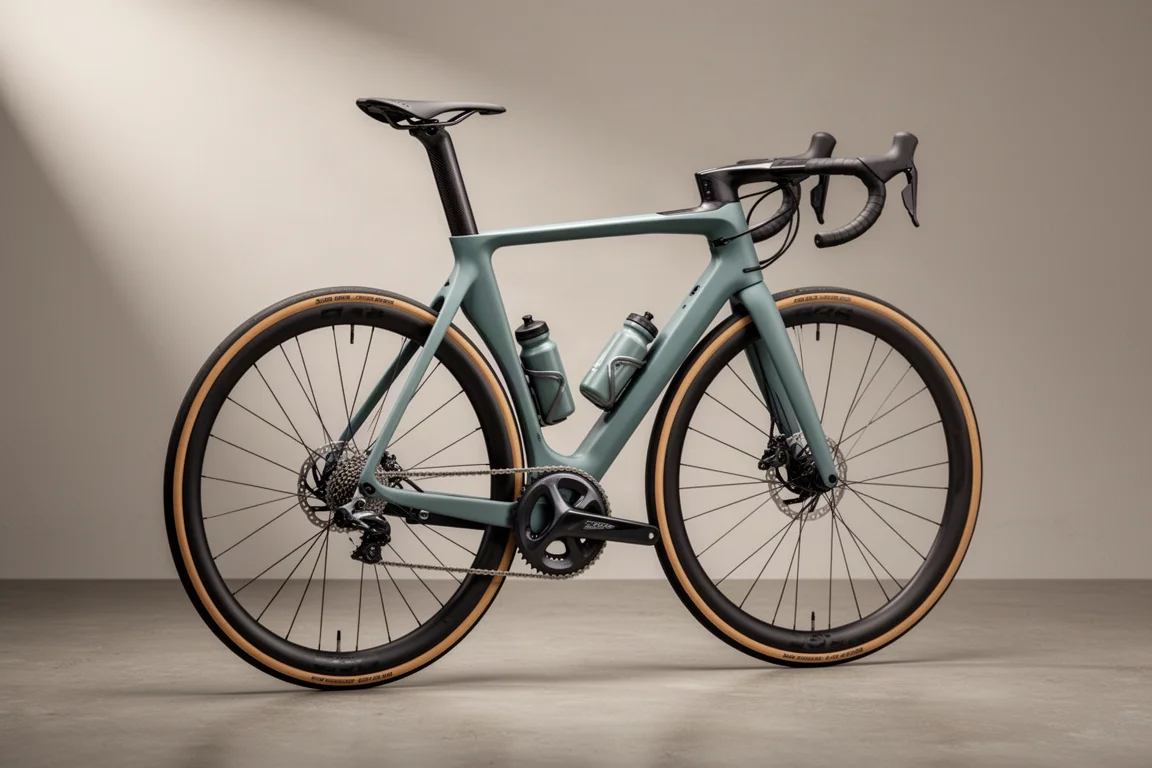
The Soloist returns as a more accessible aero road platform that sits between the S5 and R5, with easier cable routing, 34mm tyre clearance, and builds starting at $3,400.
Introduction
Twenty years after the original alloy Soloist arrived in 2002, the name is back on a Cervélo road frame. That first Soloist was genuinely influential: it is widely treated as the genesis of the modern aero road bike, and it was the bike of choice for a leading professional team of the era.
This new Soloist takes a different route to relevance. It is not aimed at the world tour, and it does not top out with range-topping groupsets and exclusive components. Instead it is pitched at amateur racers and fast road riders, which means a simpler component story and a lower entry point.
Cervélo places it between the S5 and the R5. It pulls aero intent from one and ride quality from the other, and it costs less than an S5 while asking for nothing extreme from its owner.
Who This Bike Is For
The Soloist is built for riders who race at amateur level and ride fast the rest of the week. If you want one bike that handles Tuesday intervals, weekend chain gangs and the occasional crit or road race, this is the brief it was designed against.
It also suits riders who look after their own equipment. The cockpit is less complex than the S5’s, and Cervélo has deliberately scaled back the integration so travelling and servicing are less of an event.
If your priority is outright low weight, the R5 remains the flyweight in the range. If maximum aero is the goal, the S5 is the dedicated tool. The Soloist is for the rider who wants most of both without paying for either extreme.
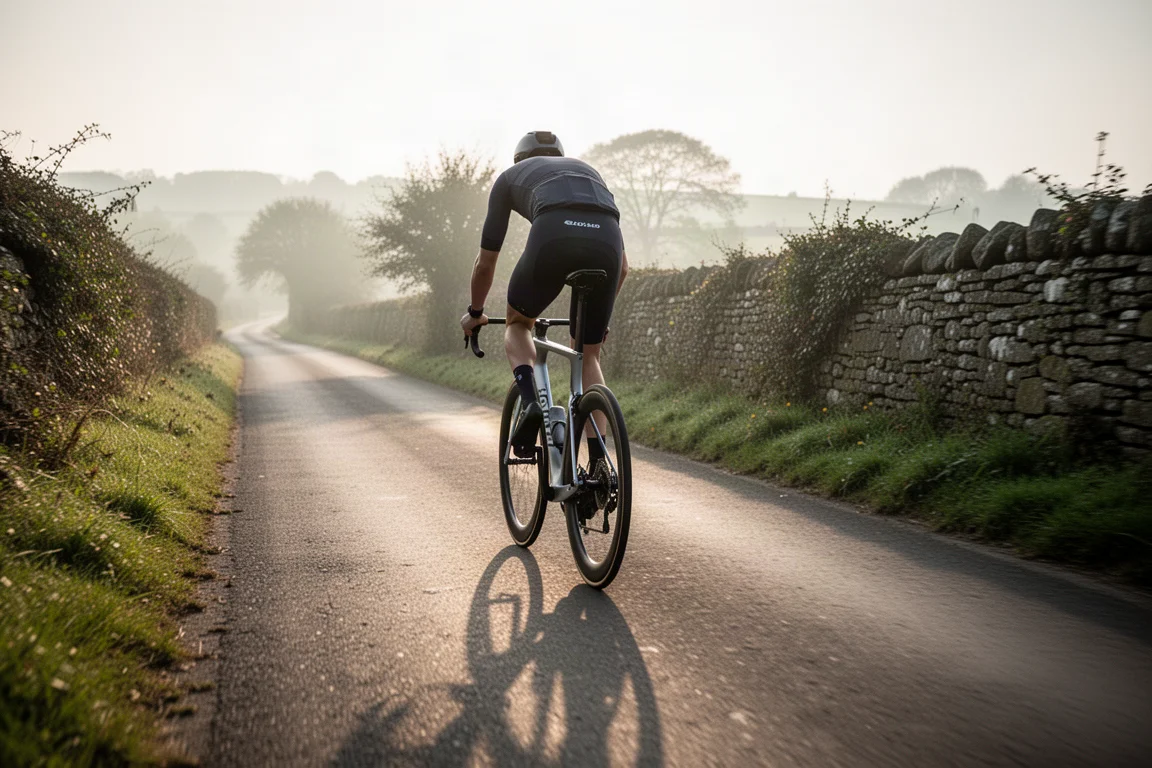
The geometry reinforces that positioning. The new Soloist mirrors the new S5, which keeps the handling sharp enough for racing without demanding a committed, slammed position to work.
Main Strengths
Ride Quality and Handling
The geometry closely follows the R5, and that is the compliment Cervélo is paying here. On a 58cm test bike, stack measures 590mm, which is low without being slammed, while reach sits at 401mm, sporty without feeling stretched.
Combine that with a short wheelbase and a racy trail figure and the result is a bike that turns in cleanly and holds a line well. The Soloist covers ground with an efficiency that sits close to a full state-of-the-art aero bike such as the S5, while remaining easy to live with on long, ordinary rides. It is light enough, aero enough and smooth enough for the vast majority of riders, and the overall ride quality is the headline.
For most amateurs, that balance matters more than a marginal gain in a wind tunnel or on the scale, because it is the difference between a race bike you enjoy and one you avoid.
Aero Efficiency Without the S5 Price
The Soloist does not match an S5 outright on aerodynamics, but it gets close enough that most riders will not be able to tell the difference in real conditions.
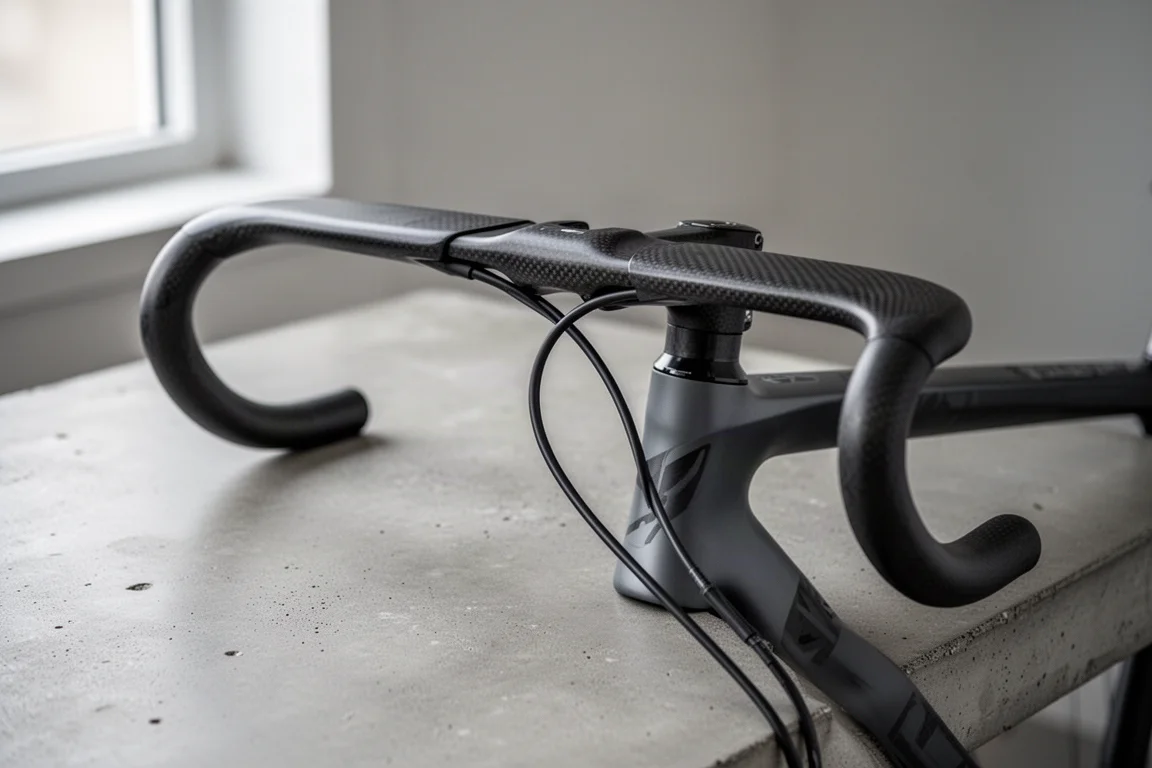
Cervélo also chose to lower the integration level. Cables are still hidden under the stem and routed through the bearing cap on the head tube, so the front end stays visually clean. Crucially, the gear cables and hydraulic brake hoses do not pass through the stem, so packing the bike into a travel bag no longer means splitting hoses and bleeding brakes the way it can on a fully integrated cockpit.
A More Serviceable Design
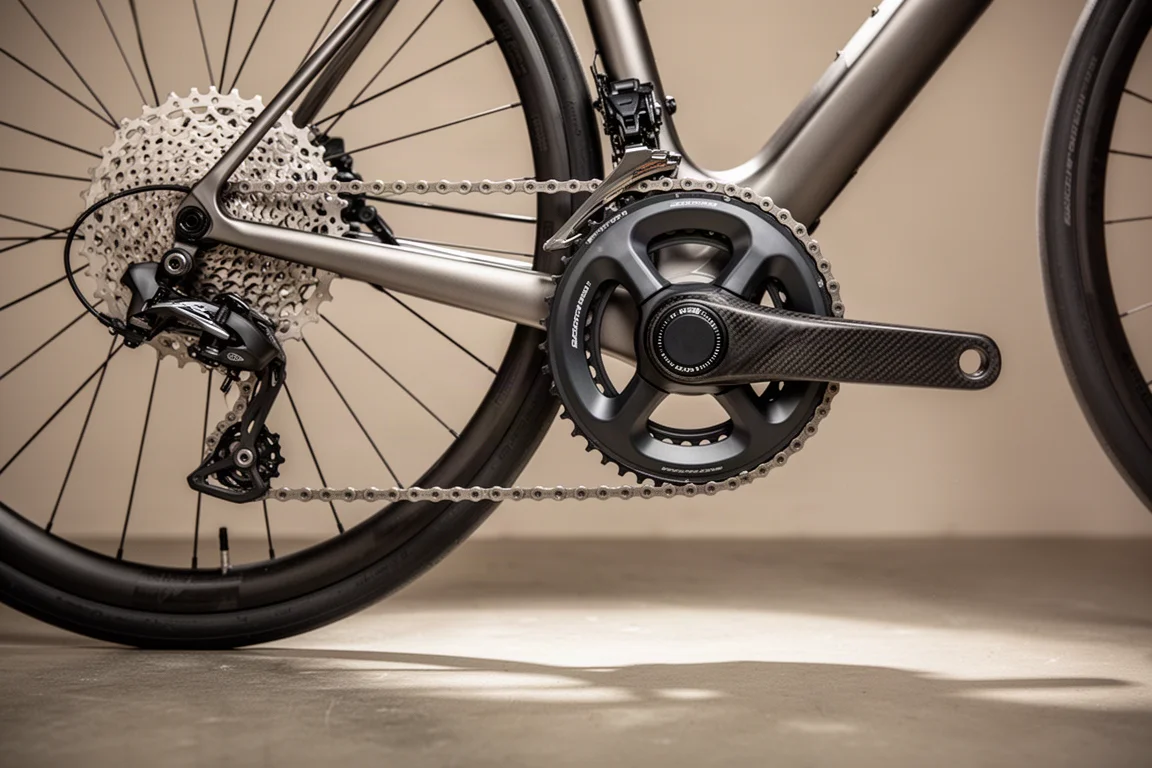
Bottom bracket choice is a recurring argument in road cycling, and Cervélo has opted for its newer BB Right 47 standard here. It debuted on the R5-CX cyclocross bike and combines the brand’s long-standing asymmetric press-fit design with a T47 threaded interface.
In practice that means an inboard threaded bearing cup on the non-drive side and an outboard one on the drive side. Cervélo claims the design helps maintain an optimal chainline and drivetrain efficiency, while still offering the straightforward servicing and replacement that a threaded shell is known for. Riders who have strong feelings about press-fit bottom brackets will find this a more approachable arrangement.
Room for Wider Tyres
Versatility is part of the pitch too. The frameset clears tyres up to 34mm measured width, which is generous for an aero road bike and opens up rougher tarmac and light gravel detours without swapping bikes.
Things to Consider Before Buying
The Soloist is a deliberate middle child, and that shapes what you give up. It is lighter than an aero-first S5 but not as light as an R5, and it is faster than an R5 but not as fast as an S5. Riders chasing a clear extreme may prefer to save for the dedicated model.
Pricing still lands in premium territory. The top build here, with carbon wheels and Shimano’s new 12 speed Ultegra Di2, costs $6,800. That is $2,200 less than a Cervélo S5 with the same groupset, but it is not an inexpensive bike.
The experience is also tuned around racing geometry. A 590mm stack on a 58cm frame is a sporty position, so riders who want an upright, endurance-oriented fit should test ride before committing. And although the cable routing is simpler than the S5’s, the front end is still partially integrated, so home mechanics should be comfortable with that arrangement.
Buying Advice
The good news is that the Soloist range is not limited to the flagship build. Pricing starts at $3,400 for a build with 11 speed mechanical Shimano 105 R7020, which puts the platform within reach of a much wider group of riders.
The $6,800 top build adds 12 speed Ultegra Di2 and carbon wheels, and it remains $2,200 cheaper than an equivalent S5, which is where the value argument sits for racers who want electronic shifting out of the box. If you already own a wheelset or prefer to specify your own components, the frameset is available separately for $2,700.
For most amateur racers, the smart move is to decide between the entry build and the Ultegra Di2 model based on whether you want electronic shifting and carbon wheels now or later. The frame and geometry are the same either way, so the cheaper build is not a lesser bike to ride, only a different starting point.
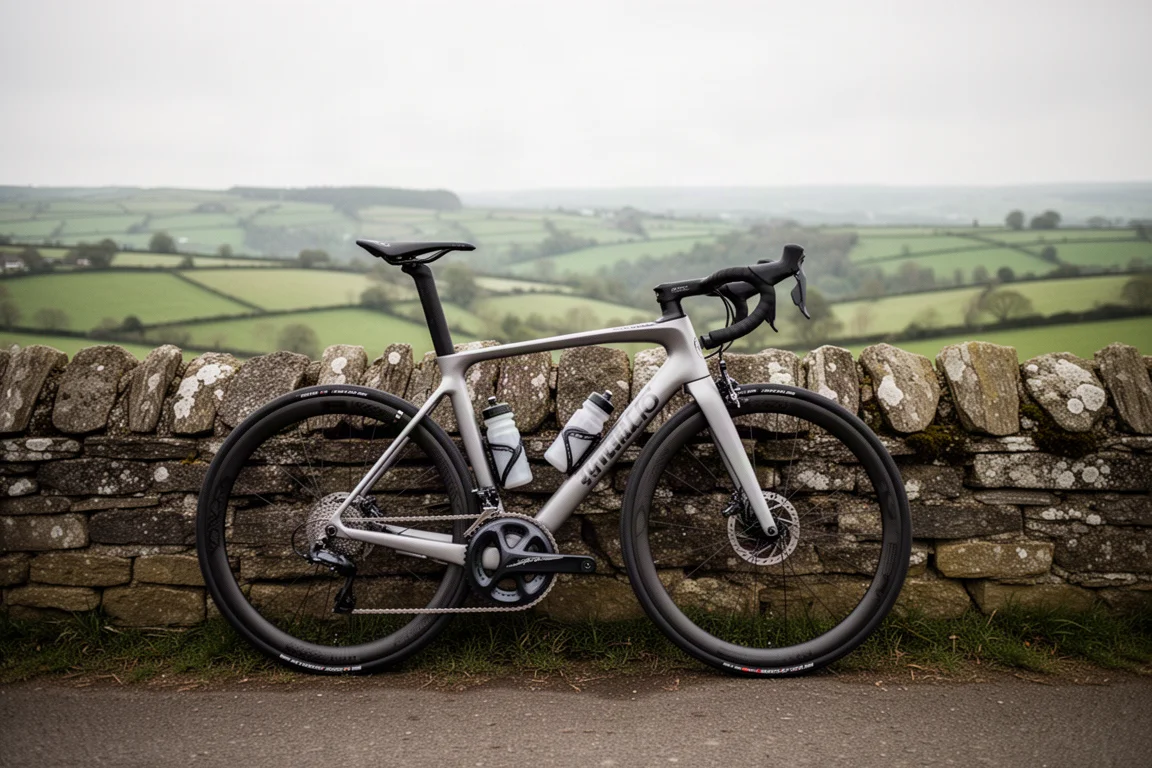
Whichever way you go, the case for the Soloist rests on the same thing: a race-ready position and near-S5 pace, with a front end and bottom bracket that are realistic to live with across a full season of training and racing.
Conclusion
The Soloist earns its revival. It takes the aero intent of the S5, a geometry inspired by the R5, and a friendlier approach to integration and servicing, then packages it at a price that undercuts the range-topping aero model by a meaningful margin.
It is not the lightest or the fastest bike Cervélo makes, and the top build is still a serious purchase. For amateur racers and fast road riders who want one bike that does almost everything well, though, this is a convincing all-rounder with few real compromises.
Product link
View more details for Cervélo Soloist
This product is mentioned in the review. Check the specifications, options, and compatibility before buying.
View more details for Cervélo SoloistFurther reading
Related Reviews

Road Bikes
10 New Road Bikes Worth Watching: Aero, Titanium, Steel and Endurance Standouts
A practical roundup of 10 new road bikes, from aero flagships chasing single-watt gains to titanium, steel and endurance platforms built for real roads.
Road Bikes
2026 Tour de France Road Bikes: Six Race Machines Worth a Closer Look
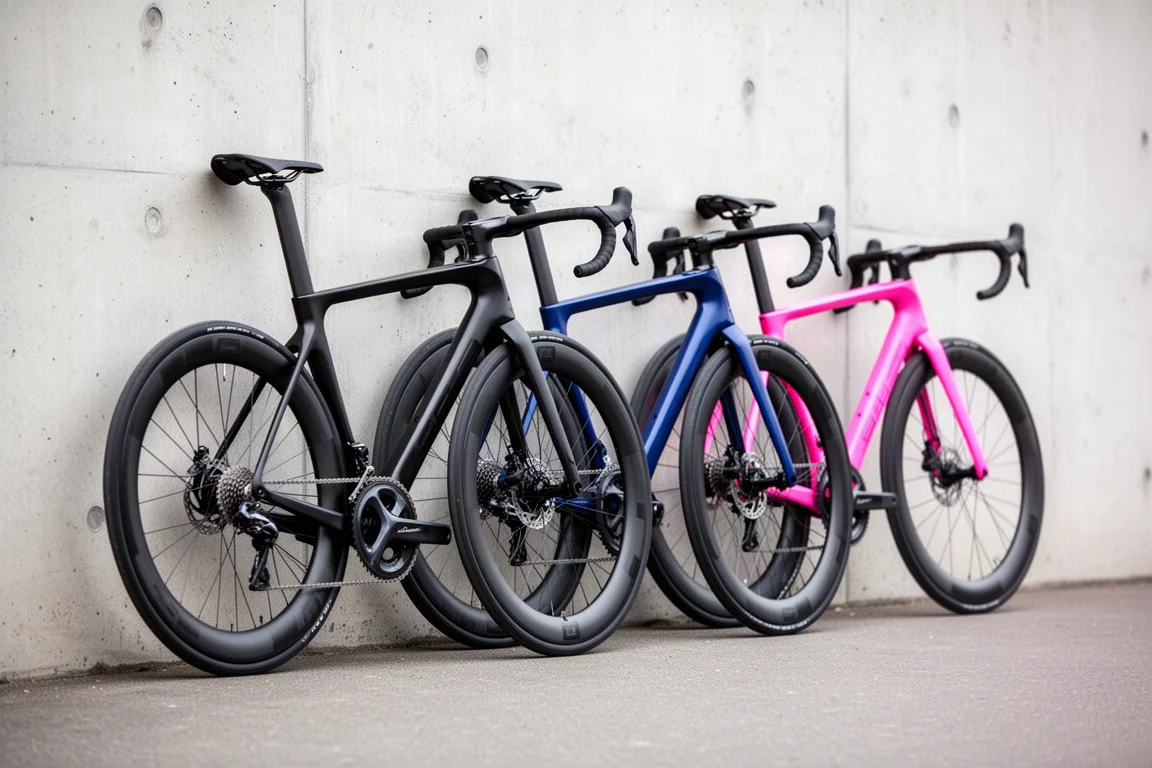
Six race bikes from the 2026 Tour de France grid, reviewed for paint, silhouette, wheels and the specification details that matter to buyers.
Road Bikes
3T Strada Italia Review: A Radical Aero Road Bike That Rides Smooth
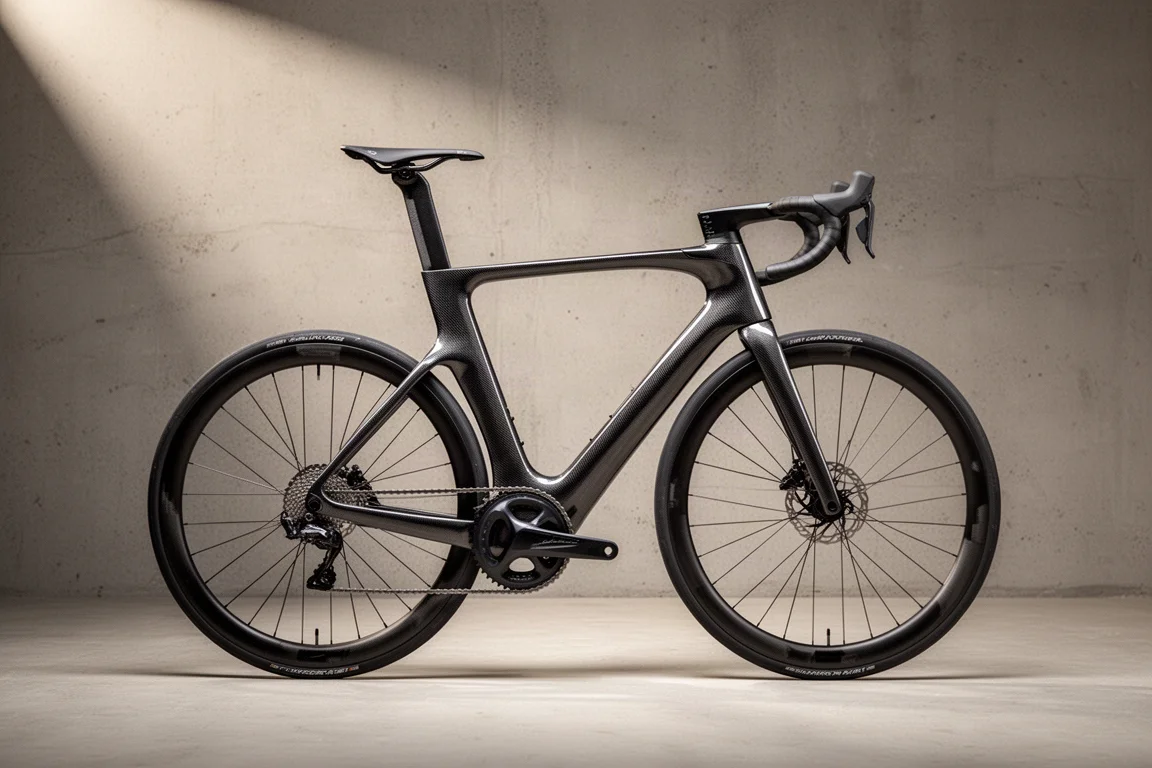
A made in Italy carbon aero road bike with a deep head tube, wide tire clearance and a genuinely comfortable ride. Here is what to know before buying.