Road Bikes
Cervélo S5 Review: What Changed on the Updated Aero Flagship
A close look at the updated Cervélo S5, from the new one-piece cockpit and deeper frame profiles to the Reserve 57/64 wheels and SRAM Red AXS build.
Introduction
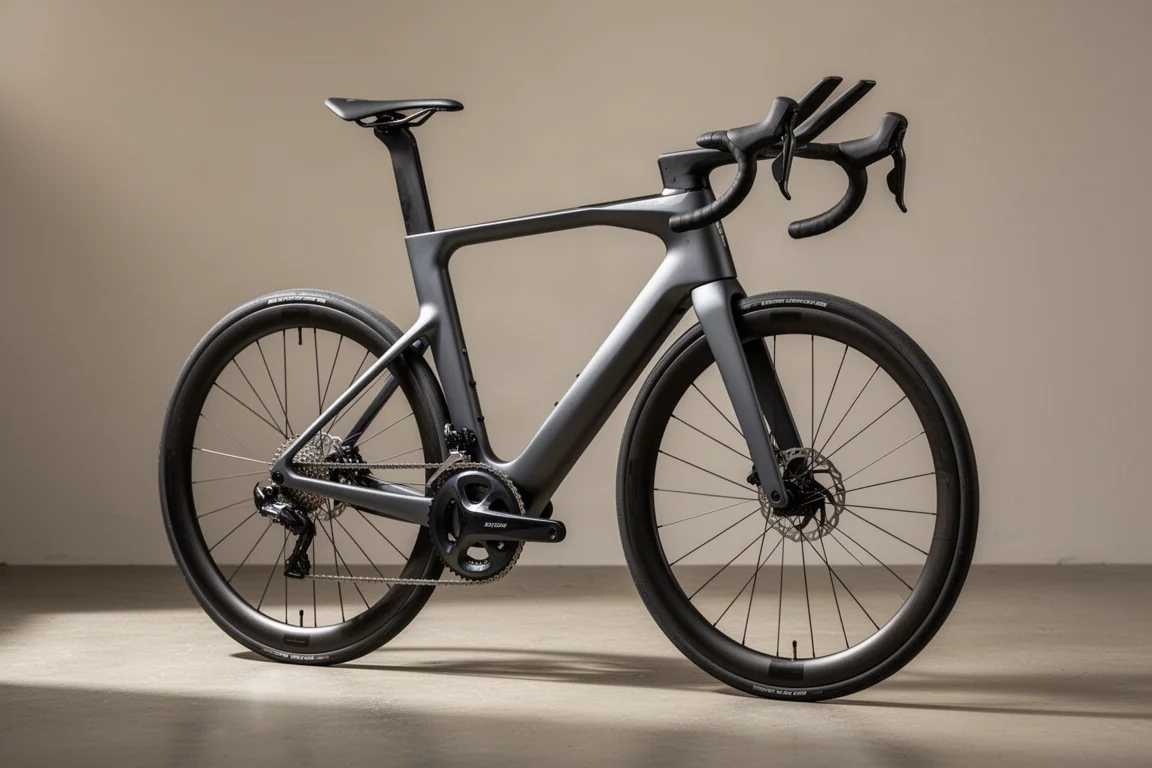
The Cervélo S5 has been the brand’s aero flagship for years, and the updated version seen at the 2025 Tour de France follows the same formula. At a glance it looks very close to the previous model, and that appears to be deliberate. The changes are mostly under the skin, with a handful of visible updates that matter to riders chasing aerodynamic efficiency.
The headline update is the move to a one-piece cockpit, but there is more. The head tube has been deepened slightly, the compensation triangle between the top tube and the seat tube is a little deeper, and the bike rolls on a new Reserve 57/64 wheelset. The build is centred on SRAM’s 12-speed Red AXS groupset. Together these changes keep the S5 at the pointy end of aero road design while trimming weight where possible.
Who the Cervélo S5 Is For
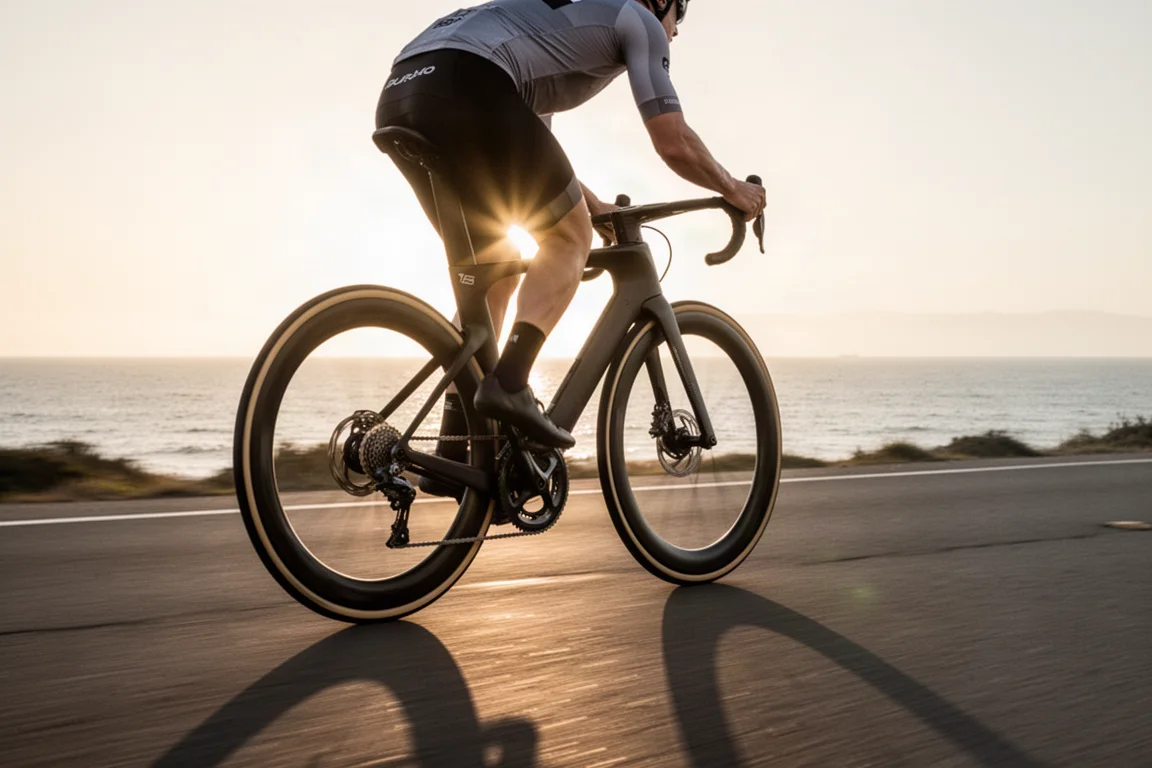
The S5 is aimed at riders who put speed first. If your riding is built around fast group rides, criteriums, or road races where holding a high pace matters more than counting grams on a long climb, this is the bike’s natural territory. The frame’s deep, truncated tube shapes and narrow front profile exist to reduce drag at racing speeds.
It is also a bike for riders who have already dialled in their position. The front end is built around a race fit, and the one-piece cockpit means less adjustability than a conventional two-piece bar and stem, so knowing your reach and drop before you buy matters more than usual.
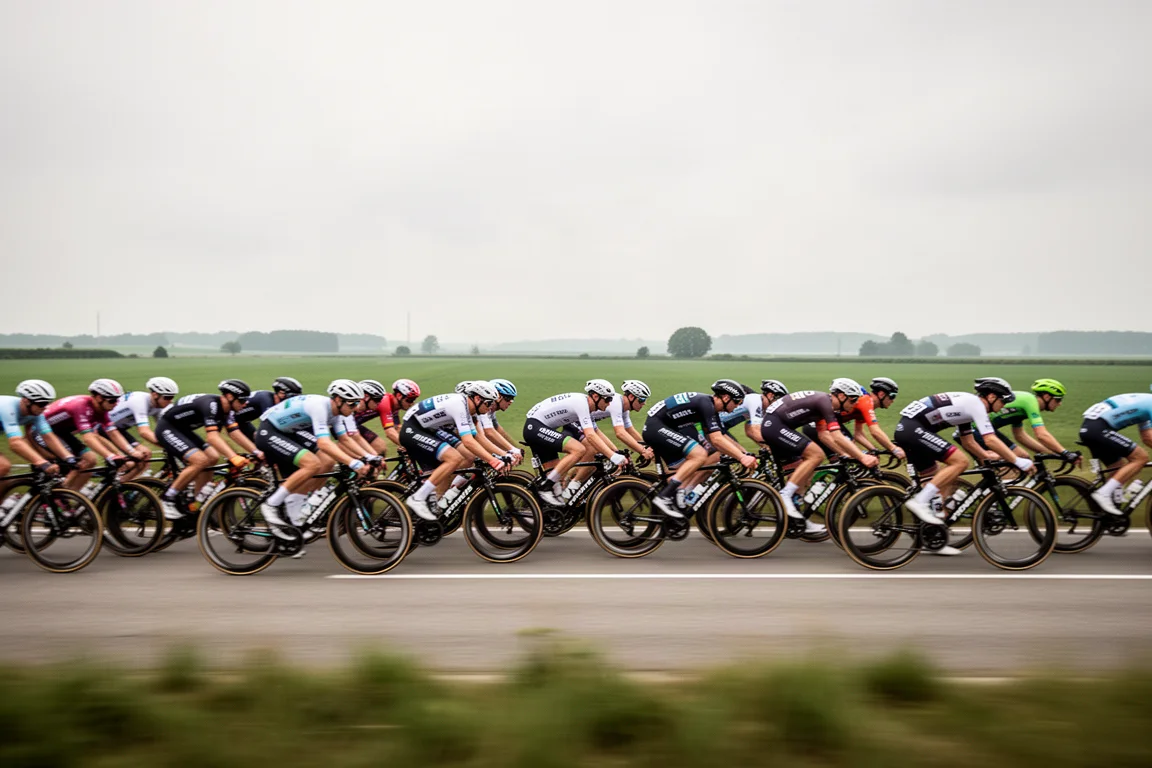
Riders who split their time between mountains and flat roads should weigh the S5 against Cervélo’s lighter R5. The S5’s deeper seat stays, chunkier tubes, and aero seat post make it the faster choice on flatter, quicker terrain, while the R5 remains the more climbing-focused option in the range.
Main Strengths
The updated S5 keeps the qualities that made the model a reference point for aero road bikes, and adds a few refinements that are easy to appreciate once you look closely.
A Sharper Front End and One-Piece Cockpit
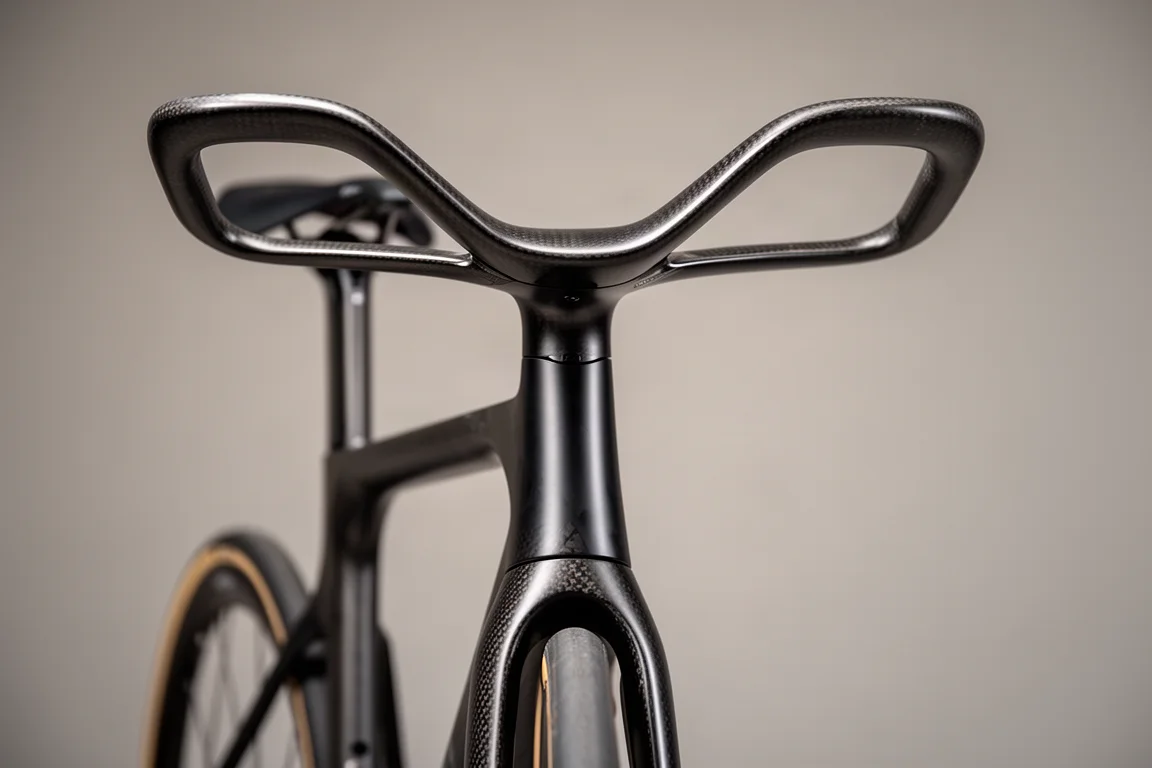
The most obvious change is the switch from a two-piece cockpit to a one-piece handlebar and stem. The middle section of the bar has been thinned out, and the bolts that would normally sit in that area are gone. The result is a cleaner front end, a small weight saving, and likely a marginal aerodynamic gain.
The bar itself is narrow. Measured at the hoods it comes out at roughly 36 cm centre to centre, with around 30 cm between the hoods. Stem length is harder to pin down on a one-piece design because there is no obvious measuring point, but it looks to be around 120 mm. The computer mount sits neatly in line with a raised section of the bar, which keeps a Garmin tucked out of the wind.
The fork follows a time trial style approach with a bayonet mount. The fork insert runs up through the head tube, and the section above it is structural, acting as a fairing rather than housing the steerer. The handlebar bolts on top of a single spacer, and removing that spacer lets the stem flow straight into the top tube for an even smoother junction.
Aerodynamic Frame Details
The head tube has been deepened slightly and tapers into an hourglass shape, which keeps the front profile narrow. The compensation triangle between the top tube and the seat tube is a little deeper than before, adding aerodynamic efficiency without changing the overall look of the bike.
The down tube is still a chunky truncated aerofoil that hugs the rear wheel as it leaves the head tube, a shape intended to manage airflow coming off the fork and over the back of the bike. At the rear, the S5 keeps its dropped seat stays, but they are noticeably deeper and more aero-profiled than the equivalent stays on the R5. The aero seat post is still a substantial deep-section design, and it looks as though it may be slightly slimmer than the previous version, most likely in the interest of shaving weight.
Wheels, Drivetrain, and Contact Points
The new wheelset is a Reserve 57/64, replacing the previous 52/63 combination. The numbers point to a 57 mm deep front rim and a 64 mm deep rear rim, which sits just inside the 65 mm maximum rim depth permitted under the 2026 UCI regulations. The wheels roll on DT Swiss 180 hubs, the premium option in the range with the smoothest, lowest-friction bearings.
The drivetrain is SRAM’s latest 12-speed Red AXS, run as a 1x setup with a 52-tooth chainring and a 10-36T cassette. Crank length is a short 160 mm, and the chain is waxed. A small teardrop-shaped chain guard keeps the chain in place on the single chainring, a neat detail that suits the 1x arrangement.
Contact points include Wahoo Speedplay Aero pedals, Vittoria Corsa Pro tyres in the wide-rim-optimised 29c size, and a Prologo Scratch M5 saddle with carbon rails.
On the scales, the complete bike comes in at around 7.385 kg with a Garmin computer and two bottles fitted. For a brand new aero road bike with deep-section wheels, that is a competitive figure, although it is clearly heavier than the R5.
Things to Consider Before Buying
The first thing to weigh is the intended use. This is a race bike built around aerodynamic efficiency, and the deeper tubes, aero seat post, and deep wheels all come with a weight penalty compared with a dedicated climbing bike. If most of your riding is long, steep ascents, the R5 is the more natural fit. If speed on flatter terrain is the priority, the S5’s advantages are more relevant.
The 1x drivetrain is worth thinking through as well. A 52-tooth chainring with a 10-36T cassette gives a wide spread, but riders who want closer gear steps or a wider climbing range may prefer a 2x setup.
The narrow cockpit is another consideration. Around 30 cm between the hoods is very narrow, and the rules around handlebar width may change in the near future, so riders who race under UCI regulations should check the current requirements before committing to a bar this narrow. The one-piece design also limits how much you can adjust reach and width later, so a proper fit session beforehand is sensible.
Finally, this is a premium aero frameset with a high-end build, so budget and availability will be the practical deciding factors. It is a bike best bought with a clear idea of the riding you actually do.
Buying Advice
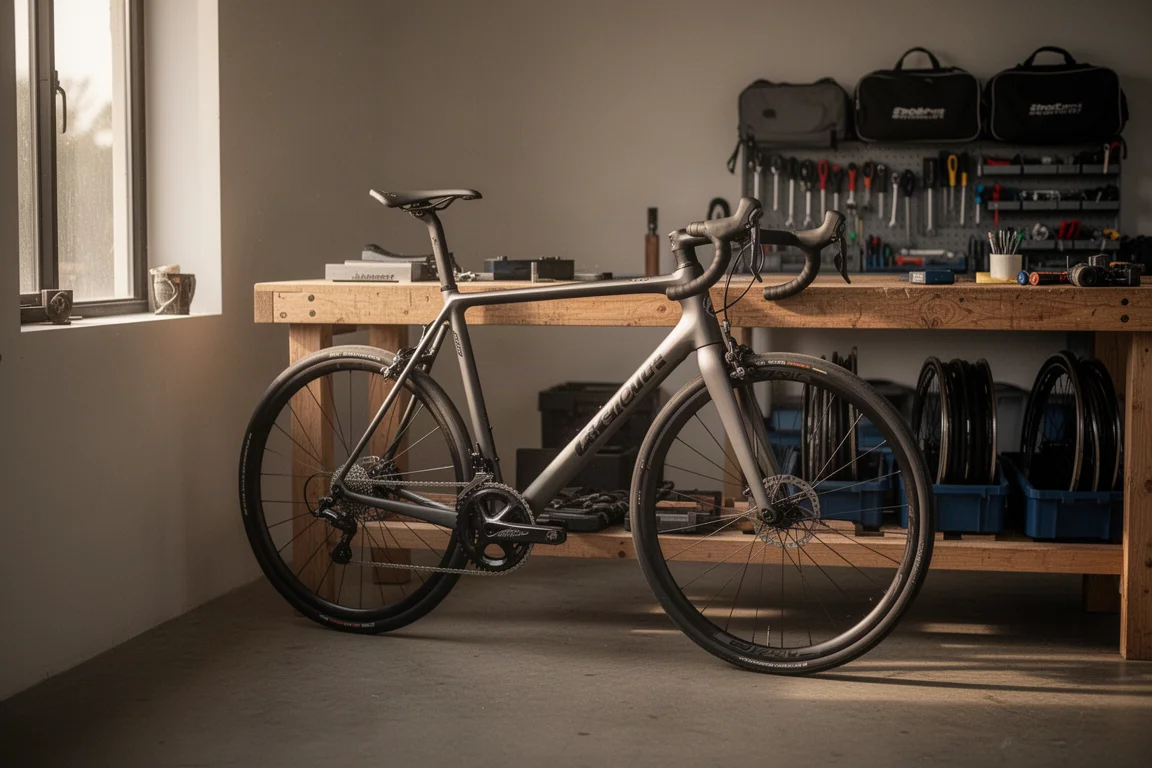
Buy the S5 if aerodynamic performance is the quality you value most and your riding involves sustained speed on flatter or rolling terrain. The updated front end, deeper frame profiles, and the new Reserve 57/64 wheelset all point in the same direction, and the 7.385 kg complete weight shows that the aero focus has not come at an unreasonable cost on the scales.
If your priorities sit elsewhere, be honest about it. Riders who spend most of their time climbing, or who want the flexibility of a two-piece cockpit and a 2x drivetrain, will likely be happier on a different bike in the range.
Because the S5 is built around a race position and a narrow one-piece bar, the single most useful thing you can do before buying is confirm your fit. Get the reach, drop, and bar width right, and the rest of the bike’s advantages are easier to enjoy. Buyers should also confirm current pricing and availability with a Cervélo dealer, since those details vary by market and build.
Conclusion
The updated Cervélo S5 is a careful evolution rather than a redesign. The one-piece cockpit, the slightly deeper head tube and compensation triangle, and the move to a Reserve 57/64 wheelset keep the bike competitive in a category where marginal gains matter, and the SRAM Red AXS 1x build with 160 mm cranks and a waxed chain shows a clear racing intent.
It is not the bike for every rider. The narrow bar, the 1x drivetrain, and the extra weight over the R5 are all real trade-offs. But for riders who race, ride fast in groups, and want an aero platform that has been refined rather than reinvented, the S5 remains a convincing choice.
Product link
View more details for Cervélo S5
This product is mentioned in the review. Check the specifications, options, and compatibility before buying.
View more details for Cervélo S5Further reading
Related Reviews

Road Bikes
10 New Road Bikes Worth Watching: Aero, Titanium, Steel and Endurance Standouts
A practical roundup of 10 new road bikes, from aero flagships chasing single-watt gains to titanium, steel and endurance platforms built for real roads.
Road Bikes
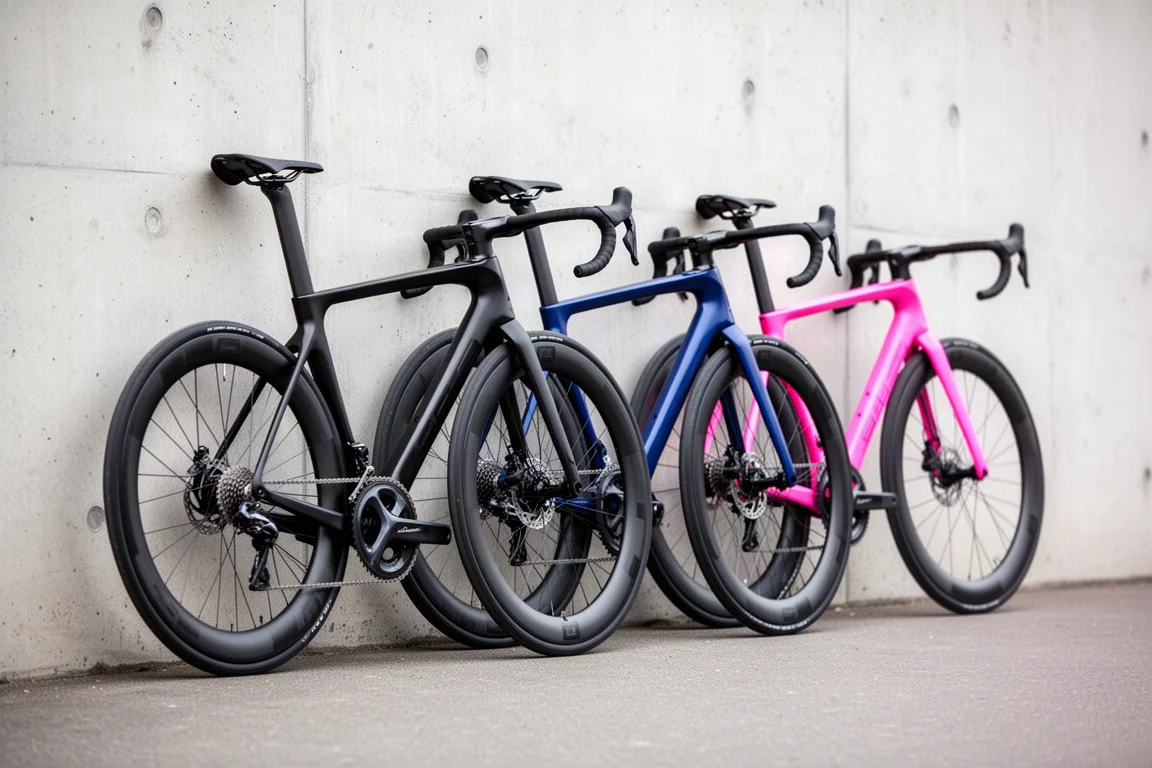
2026 Tour de France Road Bikes: Six Race Machines Worth a Closer Look
Six race bikes from the 2026 Tour de France grid, reviewed for paint, silhouette, wheels and the specification details that matter to buyers.
Road Bikes
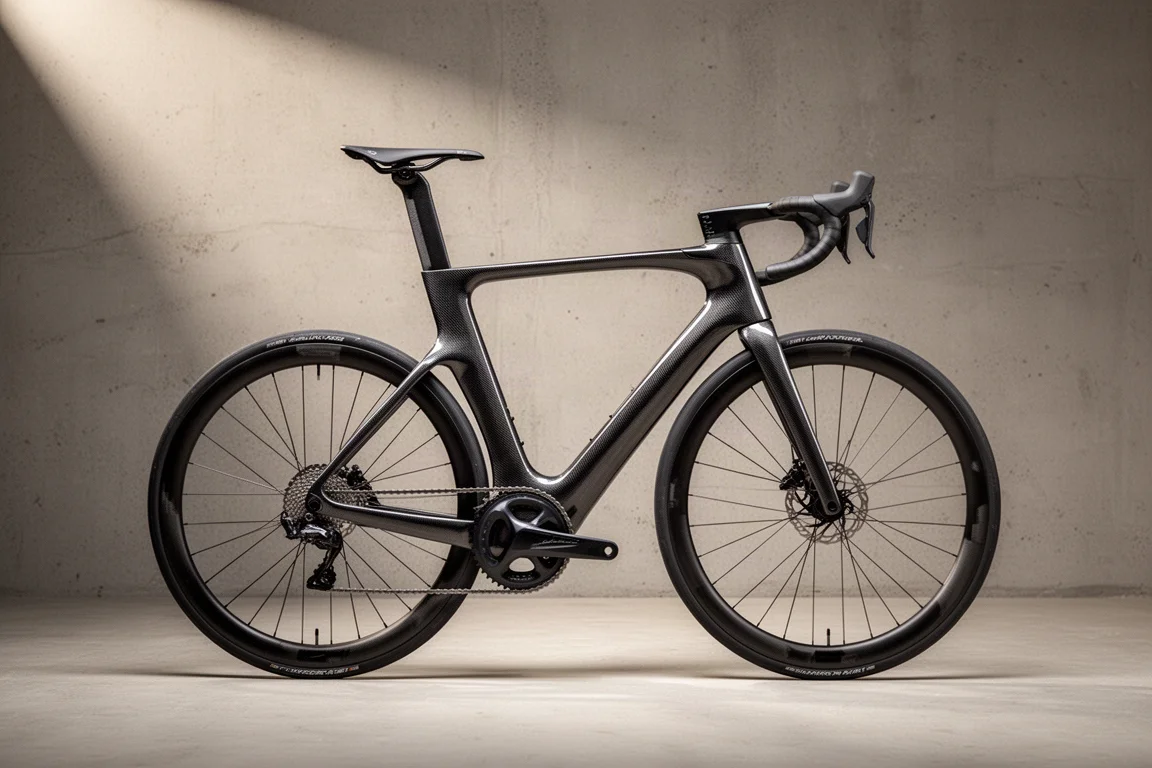
3T Strada Italia Review: A Radical Aero Road Bike That Rides Smooth
A made in Italy carbon aero road bike with a deep head tube, wide tire clearance and a genuinely comfortable ride. Here is what to know before buying.