Aero Road Bikes
Cervélo S5 Review: A Closer Look at the Updated Aero Road Bike
The updated Cervélo S5 brings a one-piece cockpit, revised tube shapes and a new Reserve 57/64 wheelset. Here is what changed and who the build suits.
Introduction
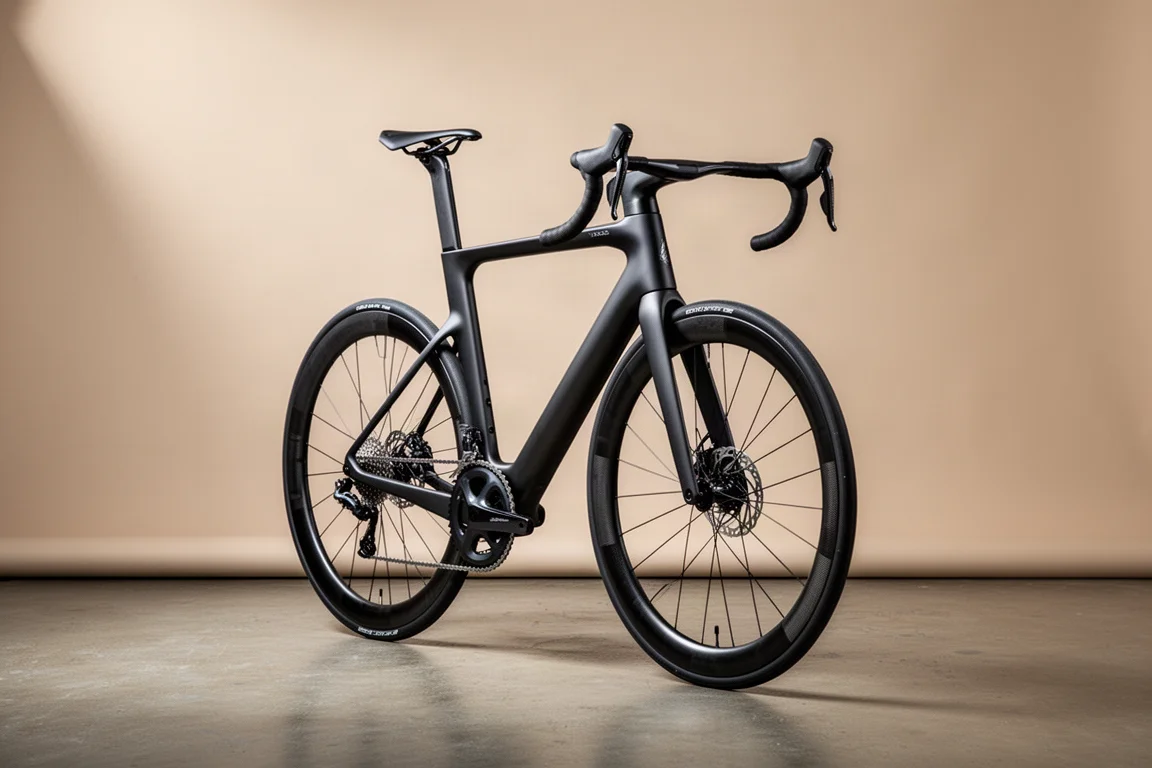
The updated Cervélo S5 is the aero platform the brand brought to the Tour de France, and at a glance it looks almost identical to the model it replaces. Look closer and the changes add up: a one-piece cockpit, revised tube profiles, a deeper fork, a slimmer aero seat post, and a new Reserve wheelset.
This review covers what changed, the numbers measured on the complete build, and the riders the S5 is likely to suit.
Who This Bike Is For
The S5 is aimed at riders who race, or who train with speed as the priority. Every detail on this build points the same way: a deep-section front end, a 1x drivetrain, a narrow one-piece bar, and wheels chosen for aerodynamic efficiency rather than all-round versatility.
It suits riders who have already settled their position and want a bike that holds it. The front end is highly integrated, and the fit here is clearly built around one specific rider, with a bar measured at roughly 36 cm centre to centre at the hoods and about 30 cm between the hoods, paired with 160 mm cranks.
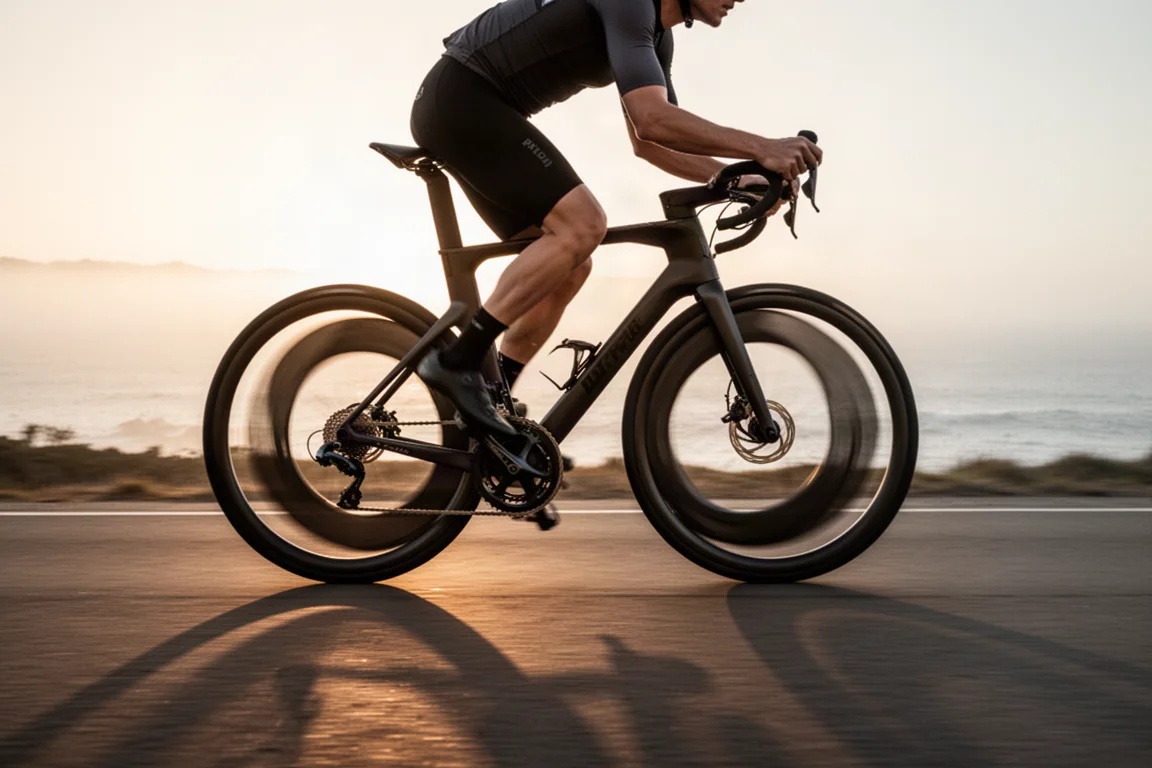
Riders who prefer a wider bar, a broader spread of gears, or a front end they can adjust quickly may find a more conventional build easier to live with day to day.
Main Strengths: Aero Refinements and a One-Piece Cockpit
The most obvious change is the move from a two-piece cockpit to a one-piece handlebar and stem. The middle section of the bar is thinned out, which appears to be a weight-saving measure, and the bolts of the older design are gone. A raised section on the bar lets a cycling computer sit inline with the top of the handlebar.
The frame keeps the narrow frontal profile of the previous model, with a head tube that tapers into an hourglass shape. The junction between the top tube and the seat tube has been deepened slightly for extra aerodynamic efficiency, and the down tube remains a chunky truncated aerofoil that hugs the rear wheel as it flows back from the head tube, managing airflow over the rear of the bike.
At the back, the S5 keeps its dropped seat stays, but they are deeper and more aerodynamically profiled than the ones on the R5. The chunky aero seat post remains and may be a touch slimmer than before, though it is still clearly a deep-section design.
The fork looks slightly deeper as well. It uses a time trial style bayonet mount, with an insert that passes up through the head tube. That section is structural but also acts as a fairing, since the steerer runs inside the frame rather than through it. The handlebar bolts on top of a spacer, and removing that spacer lets the stem flow straight into the top tube for a very clean transition.
Build Details: Drivetrain, Wheels, and Contact Points
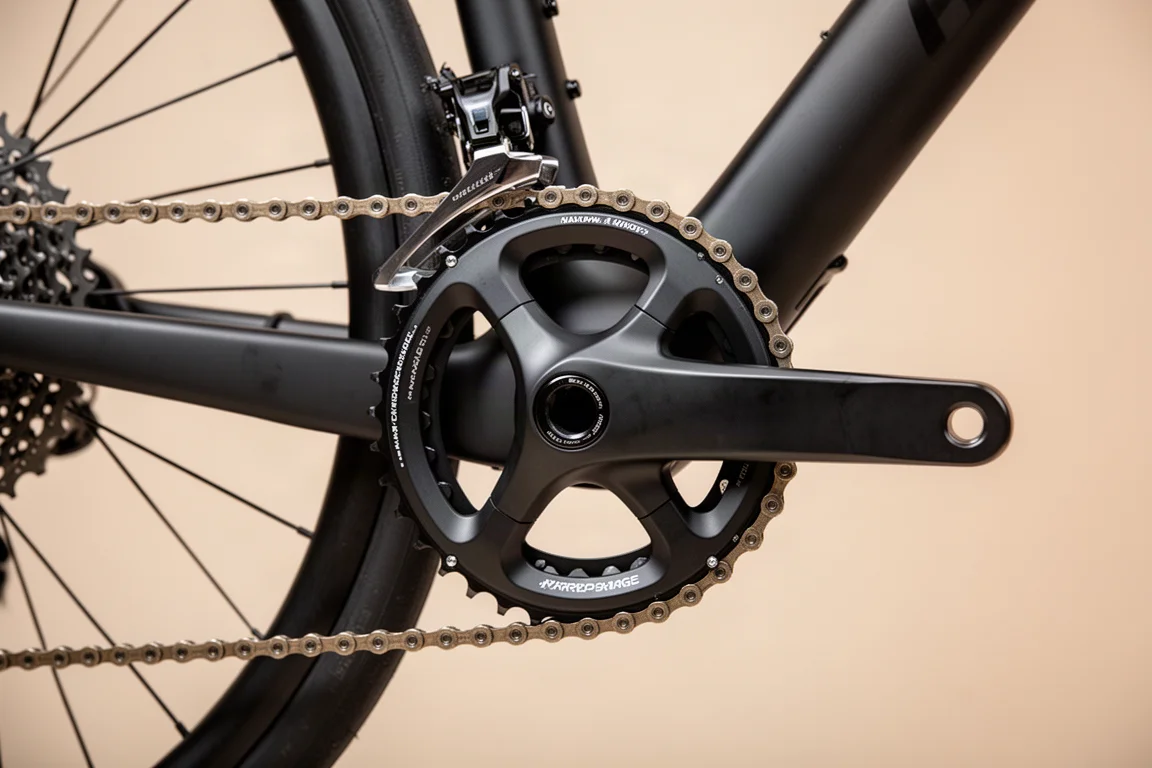
The drivetrain is SRAM Red AXS in its 12-speed form, run as a 1x setup with a 52-tooth chainring and a 10-36T cassette. A waxed chain is used across the team, and this bike adds a small teardrop-shaped chain guard that keeps the chain in place on the single ring. Wahoo Speedplay Aero pedals complete the drivetrain, chosen for their aerodynamic benefit. Crank length is 160 mm, which is short by road standards and may well be the shortest crankset at the Tour.
Wheels are the new Reserve 57/64 set, replacing the previous 52/63 combination. The naming follows rim depth: 57 mm at the front and 64 mm at the rear, which sits just inside the 2026 UCI limit of 65 mm. They roll on DT Swiss 180 hubs, the premium option in the range with the lowest-friction bearings.
Tires are Vittoria Corsa Pro in the wide-rim-optimized 29c size, and the saddle is a Prologo Scratch M5 with carbon rails.
Fit Details and Measured Numbers
The handlebar measures around 36 cm centre to centre at the hoods, with roughly 30 cm between the hoods. That is a very narrow front end, and it is a deliberate fit choice rather than a universal upgrade.
Stem length is harder to pin down on this design, because the one-piece bar makes the measuring point ambiguous. Measured from one bolt it reads closer to 140 to 150 mm, while measuring from another gives roughly 120 mm. The 120 mm figure is consistent with what this rider has used in previous seasons.
Things to Consider Before Buying
A few details are worth weighing before committing to a build like this one.
The narrow front end is the first. A 36 cm bar with about 30 cm between the hoods is a very specific position, and it would fall foul of the UCI’s planned hood-width rule if that rule comes into force next year.
Gearing is the second. A 1x drivetrain with a 52-tooth chainring and a 10-36T cassette offers a narrower spread than a two-by setup, so riders who want very easy climbing gears or finer cadence steps should think that through before ordering.
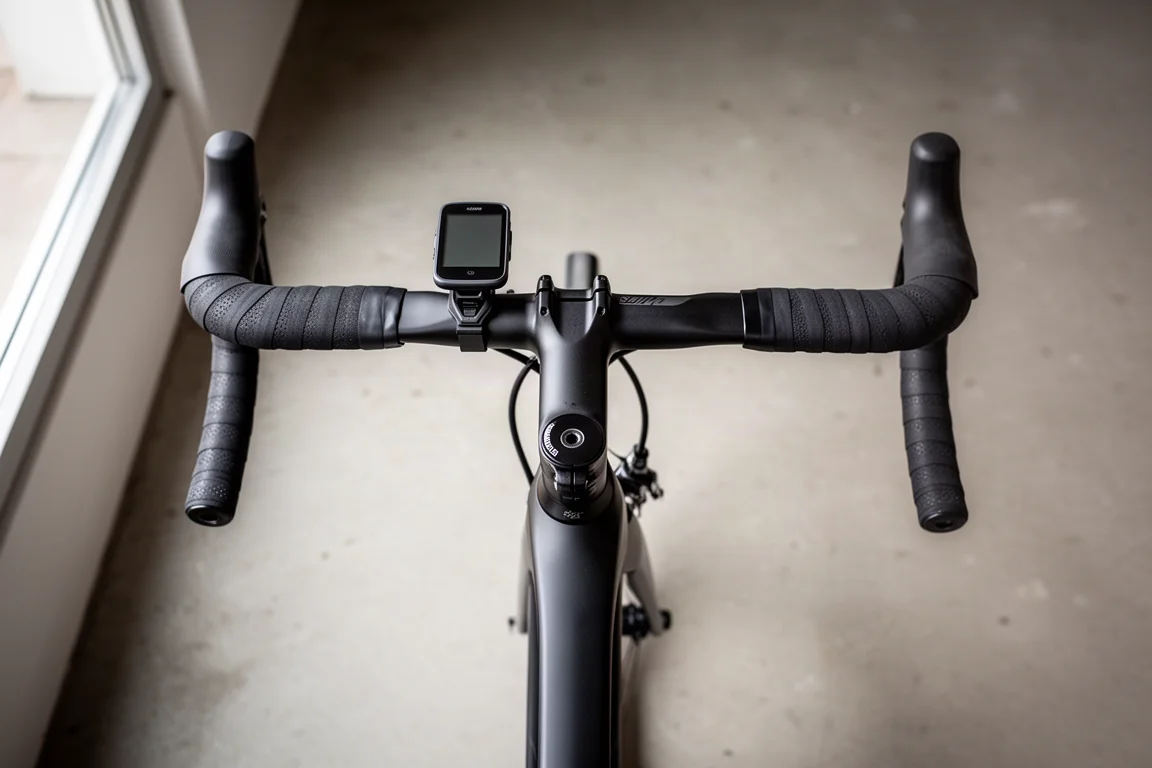
The integrated front end is the third. A one-piece bar and bayonet fork leave less room for quick position changes than a conventional bar and stem, which matters if your fit is still evolving.
Finally, rim depth. At 64 mm at the rear, the wheelset sits just under the 2026 UCI maximum, which is useful for racing but leaves no headroom if the rule tightens again.
Weight and Positioning in the Range
On the scales the complete build comes in at around 7.385 kg with a cycling computer and two bottles fitted. That is heavier than the R5, which is expected given the deeper wheels, the deeper tube profiles, and the aero priorities of the platform.
For a brand new aero bike carrying deep-section wheels and two full bottles, it is a solid result rather than a surprise. Riders who want the lightest possible build should look at what the deeper components are costing them in grams.
Buying Advice
If you race or ride fast in a group and want an aerodynamic package that is already sorted, the S5 is a coherent choice. The updates are refinements rather than a new concept, so the case for buying rests on the details: a cleaner front end, slightly more efficient frame junctions, and a wheel package that sits right at the edge of the current rules.
Fit should be your first decision, not the last. The bar width, crank length, and gearing on this build were chosen for one rider, and those choices do not transfer automatically. Settle the bar width, crank length, and gear range you need first, then check how the rest of the package supports that position.
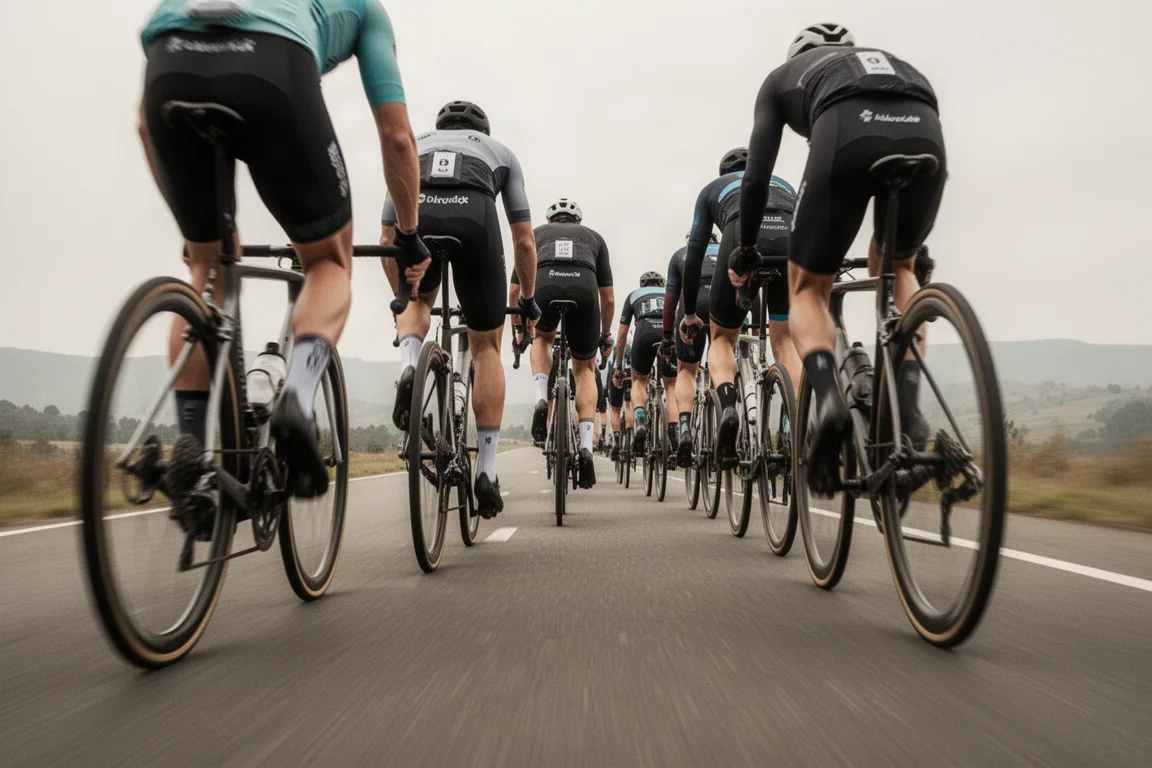
Because the changes are incremental, riders already on a recent aero platform may not feel a dramatic difference. Riders moving up from a non-aero bike, or building a race bike from scratch, will find the integrated front end and the deep wheel package the more meaningful part of the package.
Conclusion
The updated Cervélo S5 refines an established aero platform rather than reinventing it. The one-piece cockpit, deeper fork, revised tube junctions, and slimmer seat post all point in the same direction, and the Reserve 57/64 wheelset on DT Swiss 180 hubs keeps the build close to the current rules without going over.
With SRAM Red AXS, Wahoo Speedplay Aero pedals, Vittoria Corsa Pro tires, and a Prologo Scratch M5 saddle, the complete bike weighed around 7.385 kg with a computer and two bottles on board. For riders who prioritize speed and are ready to commit to a specific position, the package is focused and race-ready.
Product link
View more details for Cervélo S5
This product is mentioned in the review. Check the specifications, options, and compatibility before buying.
View more details for Cervélo S5Further reading
Related Reviews
Aero Road Bikes
Best Aero Bikes 2026: Six Picks for Speed, Value and All-Round Performance
A practical guide to the best aero road bikes for 2026, covering outright speed, stability, all-round balance and the strongest value options.
Aero Road Bikes
Best Aero Road Bikes From the 2025 Tour: Five Race Machines Compared
Five aero road bikes raced at the 2025 Tour de France Grand Départ, compared on build weight, measured tyre width and cockpit design.
Aero Road Bikes
Best Aero Road Bikes 2025: Five Race-Proven Platforms
Five aero road bikes that shaped the category, from a team favourite with a distinctive front end to designs that blur the line between aero and all-round race machines.