Road Bikes
Cervélo S3 vs Canyon Aeroad CF SLX: Old Aero Against Modern Aero
A 2010 Cervélo S3 race bike meets a modern Canyon Aeroad CF SLX in a straight comparison of weight, aero design, comfort, and stopwatch speed.
Introduction
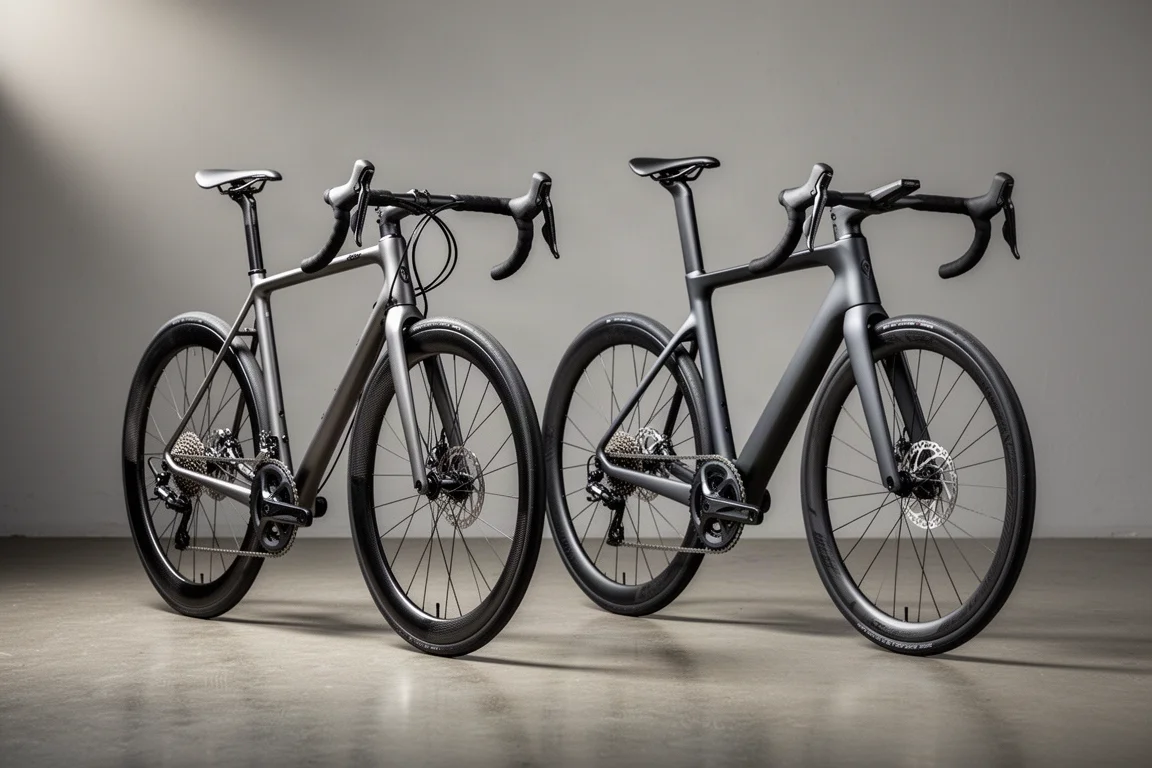
The aero road bike is now the default choice for most road riders, but the category had to start somewhere. Cervélo was one of the brands that pushed the idea forward, and the S3 shows how far it had come by 2010. The Canyon Aeroad CF SLX represents where that idea sits today, a modern disc-brake aero platform sitting one tier below Canyon’s team-issue CFR model.
Putting the two side by side reveals what has genuinely improved over more than a decade, and what has changed far less than the age gap would suggest.
Evaluation Criteria: What Matters in an Aero Road Bike
Comparing bikes built years apart is never a perfectly controlled experiment, so it helps to be specific about what is being judged.
The comparison here focuses on complete build weight, aerodynamic tube design, comfort over real roads, cockpit and braking hardware, and how each bike carries speed on flat ground versus a climb. Both bikes were ridden on the same loop with the same power meter pedals fitted, so power output could be held consistent from one run to the next.
That approach gives a useful, if imperfect, picture. Riding position differs between the two bikes, and position alone shapes how fast a rider actually goes.

The more interesting question is not simply which bike is faster, but how much of the gap comes from the frame and how much comes from everything bolted to it.
Cervélo S3: A 2010 Race Bike That Still Feels Quick
The S3 was the fourth generation of Cervélo’s aero road bike line, launched in time for the 2008 Beijing Olympics, where it was ridden to second, third, and fourth in the men’s road race won by Samuel Sánchez. The bike in this comparison is a Cervélo TestTeam machine raced at the 2010 Tour de France, which makes it a genuine top-level race frame rather than a detuned replica.
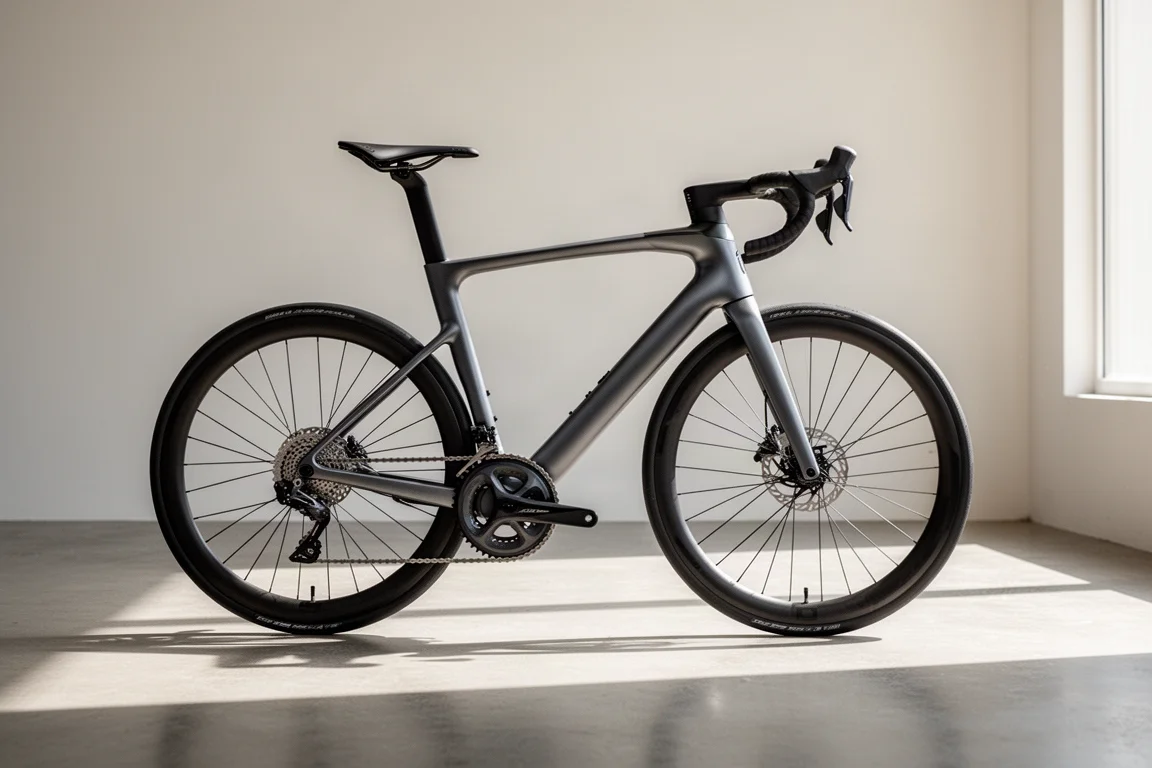
Its tube shapes are unmistakably of their era. Rather than the truncated aerofoil profiles used on nearly every modern aero frame, the S3 uses classic teardrop sections, with a down tube that tapers to a fine point. That narrow front end makes a standard round water bottle look almost oversized by comparison.
Weight is where the S3 genuinely surprises. The complete bike measured around 6.64 kg including power meter pedals, roughly a kilo lighter than the current S5. That is remarkable for an aero bike of its generation, and it sits below the UCI legal weight limit.
Comfort was clearly part of the brief. Cervélo set out to bring the ride quality of its R series onto the speed of its S series, and the result is a bike that feels firmer at the front than the rear but never harsh, even on high-pressure tubular tyres.
Canyon Aeroad CF SLX: Modern Aero and Smoothness
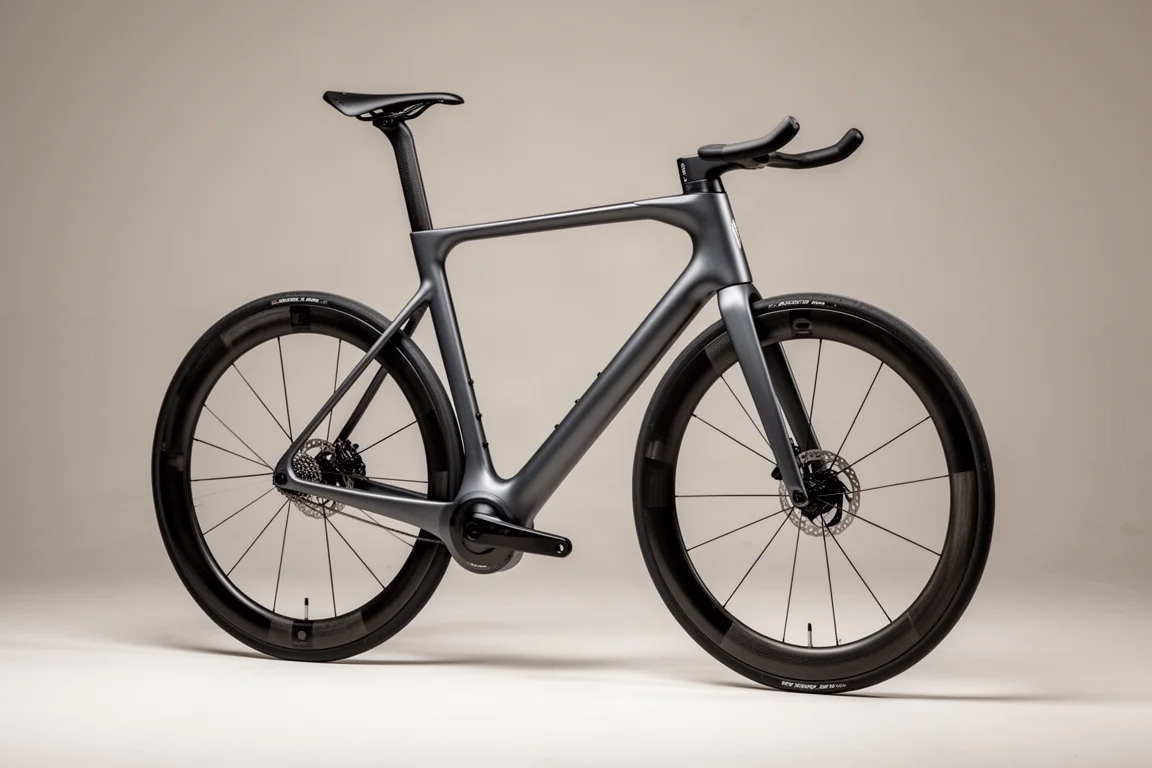
The Aeroad CF SLX sits one tier below Canyon’s CFR team-issue bike, which matters when reading any stopwatch result. It is a fast bike, but it is not the fastest version of itself.
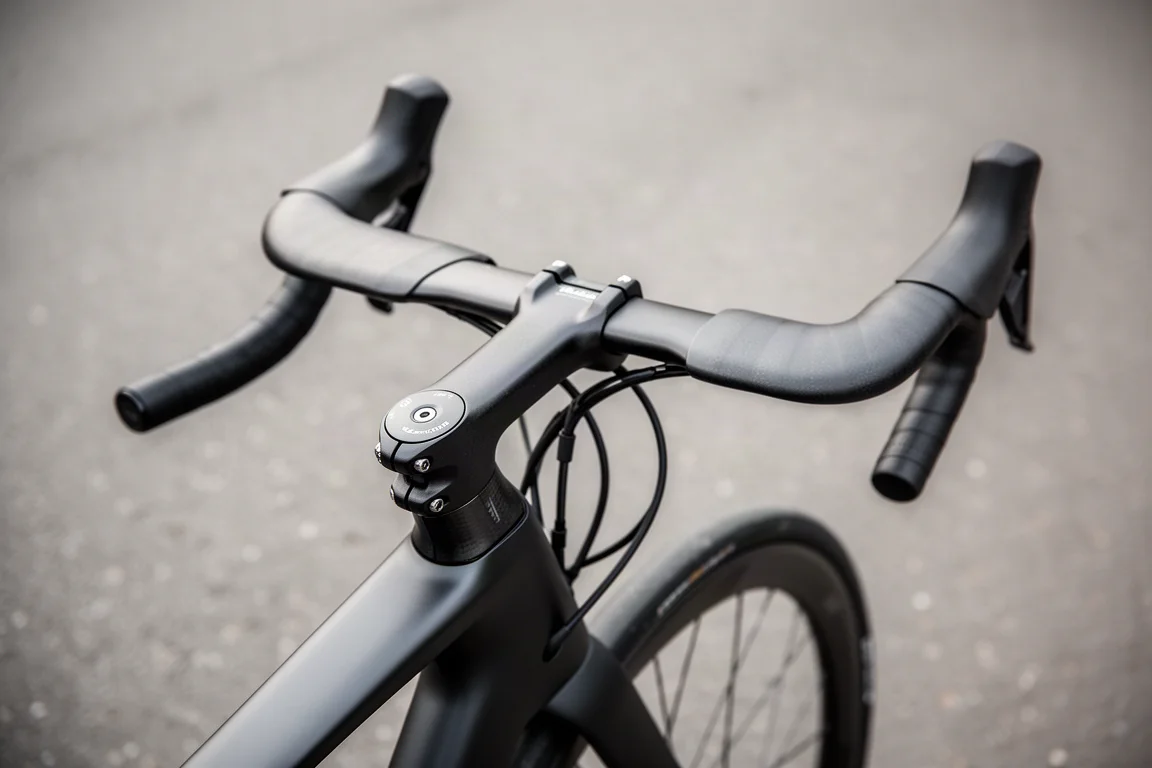
The build here runs SRAM Force, and that costs weight. Against the older Cervélo and its SRAM Red mechanical rim-brake setup, the Canyon gives away close to a kilo. Modern disc brakes, wider tyre clearances, and a fully integrated one-piece cockpit all add mass, and the payoff is better braking and a cleaner front end with no exposed cables.
On the road, that trade shows up as smoothness. The Aeroad feels more settled and carries speed more easily, which is exactly what the modern aero playbook is designed to deliver.
Whether that translates into a meaningful advantage against a genuinely light aero frame is the question the stopwatch was there to answer.
How Aero Road Bike Design Changed Since 2010
Cervélo was founded in 1995 by two engineers, Gerard Vroomen and Phil White, who met at McGill University. Their first notable machine was an extreme time trial bike, the kind of design that the UCI’s 1997 Lugano Charter wiped out almost entirely.
The line that leads to the S3 starts properly in 2002 with the Soloist, an aluminium road bike built around NACA-derived tube profiles. Those profiles were initially sourced from a supplier of landing gear for light aircraft before being custom extruded. Sponsoring the CSC team from 2003 gave the design a platform at the highest level of racing, and the Soloist moved to carbon in 2005.
In 2006 the Soloist name gave way to the SLC-SL, which cut around 200 g and brought the frame under a kilo. By the time the S3 arrived, Cervélo had spent years refining the same central idea.
Modern aero bikes have pushed further: truncated tube shapes for better crosswind stability, integrated cockpits, hidden cables, and disc brakes. The goal has shifted from reducing frontal area alone to improving overall system performance.
Old Versus New: What the Stopwatch Showed
Across repeated runs, the modern Canyon Aeroad CF SLX came out ahead, but only by about five seconds on average.

On the flat section, the modern aero bike was quicker, though not by a large margin. On the climb, the lighter Cervélo clawed back part of that deficit, which is what you would expect from a bike carrying roughly a kilo less.
Those numbers come with a clear caveat. The two bikes put the rider in different positions, and position affects speed at least as much as frame design does. The honest reading is that a well-designed 2010 aero race bike remains remarkably quick by current standards, and that the modern gains are real but incremental rather than transformative.
Comfort, Weight, and Real-World Riding
Weight and aerodynamics are usually presented as opposites, but the S3 shows how little daylight there was between them in 2010. It was light, aero, and comfortable enough to race on for hours at a time.
The modern Canyon answers a different set of priorities. Disc brakes work better in the wet, an integrated cockpit reduces drag and clutter, and the ride is smoother on rough surfaces. Those are meaningful improvements for everyday riding and racing alike, and they are the reason a modern aero bike weighs more than its ancestor.
Choosing between the two approaches is really a question of what you value. A very light rim-brake aero bike is a joy on climbs, while a modern disc-brake platform is easier to live with across a full season.
Buying Advice for Each Type of Rider
If your priority is a light, fast aero bike and you are comfortable with rim brakes, mechanical shifting, and tubular tyres, a well-preserved aero race frame from the S3 era is a genuinely capable machine. It rewards riders who enjoy the feel of a traditional race bike and do not mind sourcing older components and wheels.
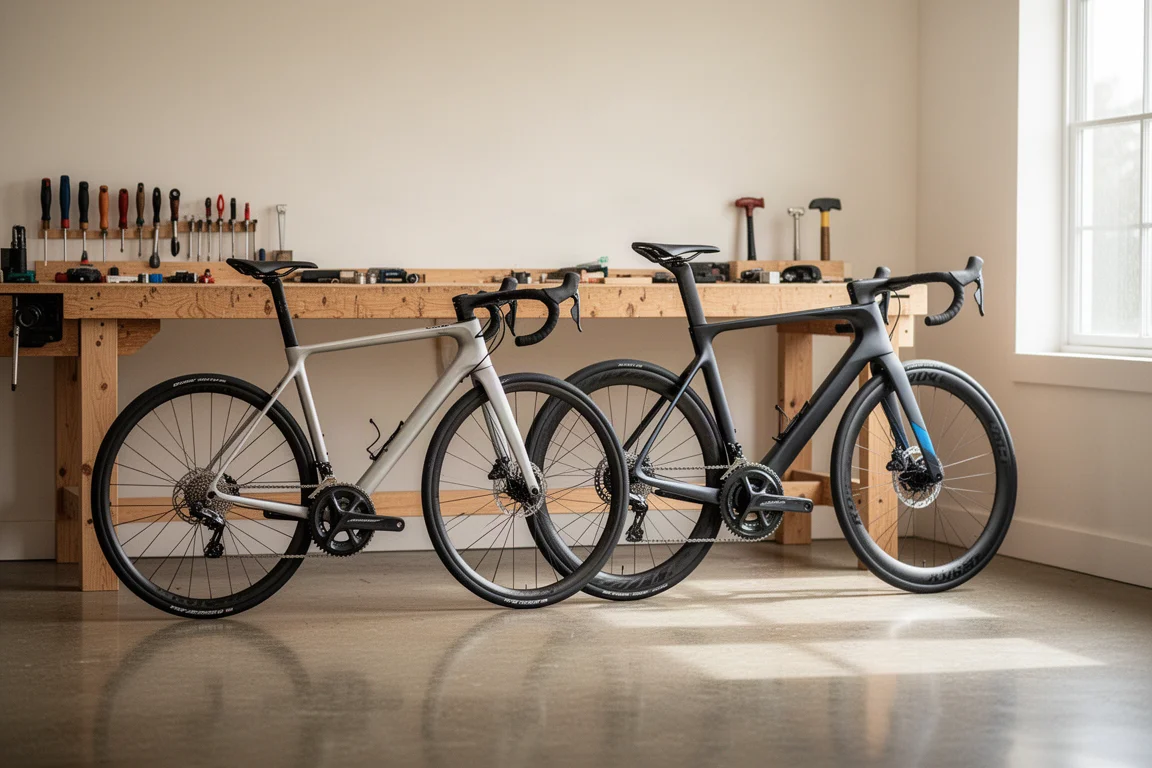
If you want modern braking, cleaner cable routing, and a smoother ride on imperfect roads, the Aeroad CF SLX is the easier long-term choice. It gives away weight to the older bike, but it makes up for that in everyday usability and all-weather confidence.
For most riders buying today, the modern platform is the more practical decision. The older bike is the more interesting one, and the gap in outright speed is smaller than the age difference suggests.
Conclusion
The Cervélo S3 was ahead of its time, and the stopwatch shows it has not fallen far behind. The Canyon Aeroad CF SLX is faster, smoother, and easier to live with, but only by a margin. If outright speed and modern convenience matter most, the contemporary aero bike is the sensible pick. If you simply love the feel of a light, classic race machine, the older design still has plenty to offer.
Further reading
Related Reviews

Road Bikes
10 New Road Bikes Worth Watching: Aero, Titanium, Steel and Endurance Standouts
A practical roundup of 10 new road bikes, from aero flagships chasing single-watt gains to titanium, steel and endurance platforms built for real roads.
Road Bikes
2026 Tour de France Road Bikes: Six Race Machines Worth a Closer Look
Six race bikes from the 2026 Tour de France grid, reviewed for paint, silhouette, wheels and the specification details that matter to buyers.
Road Bikes
3T Strada Italia Review: A Radical Aero Road Bike That Rides Smooth
A made in Italy carbon aero road bike with a deep head tube, wide tire clearance and a genuinely comfortable ride. Here is what to know before buying.