Road Bikes
Cervélo R5 Review: Inside the Fourth-Generation Climbing Bike
A closer look at the fourth-generation Cervélo R5, a dedicated climbing bike that is lighter, more comfortable and ready for wider tyres.
Introduction
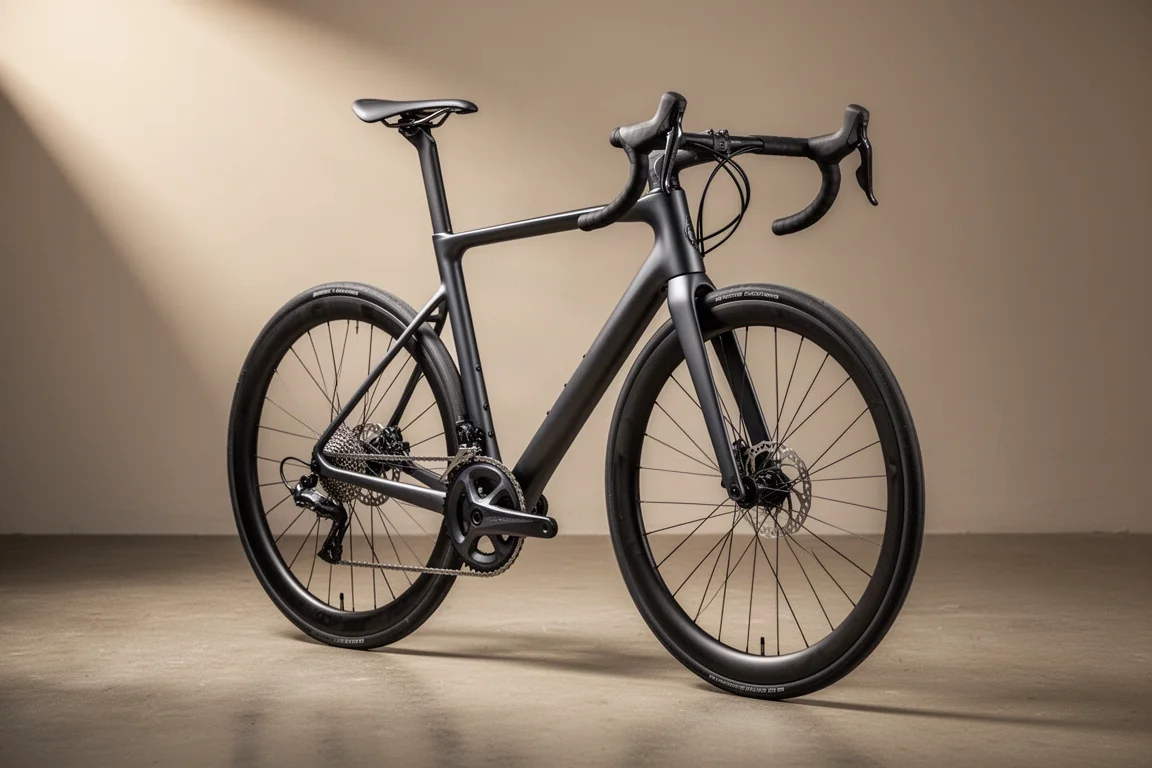
The fourth-generation Cervélo R5 arrives with an unusual amount of race history behind it. It spent most of a season under professional riders, including a Grand Tour victory, before the production version was made public. Cervélo has not merged its aero platform with its climbing platform to create a single do-everything race bike. The R5 remains an undiluted climbing bike, and its job is to get to the top of a climb as quickly as possible. Descending has always been one of its strengths, and Cervélo says this generation is faster in every direction.
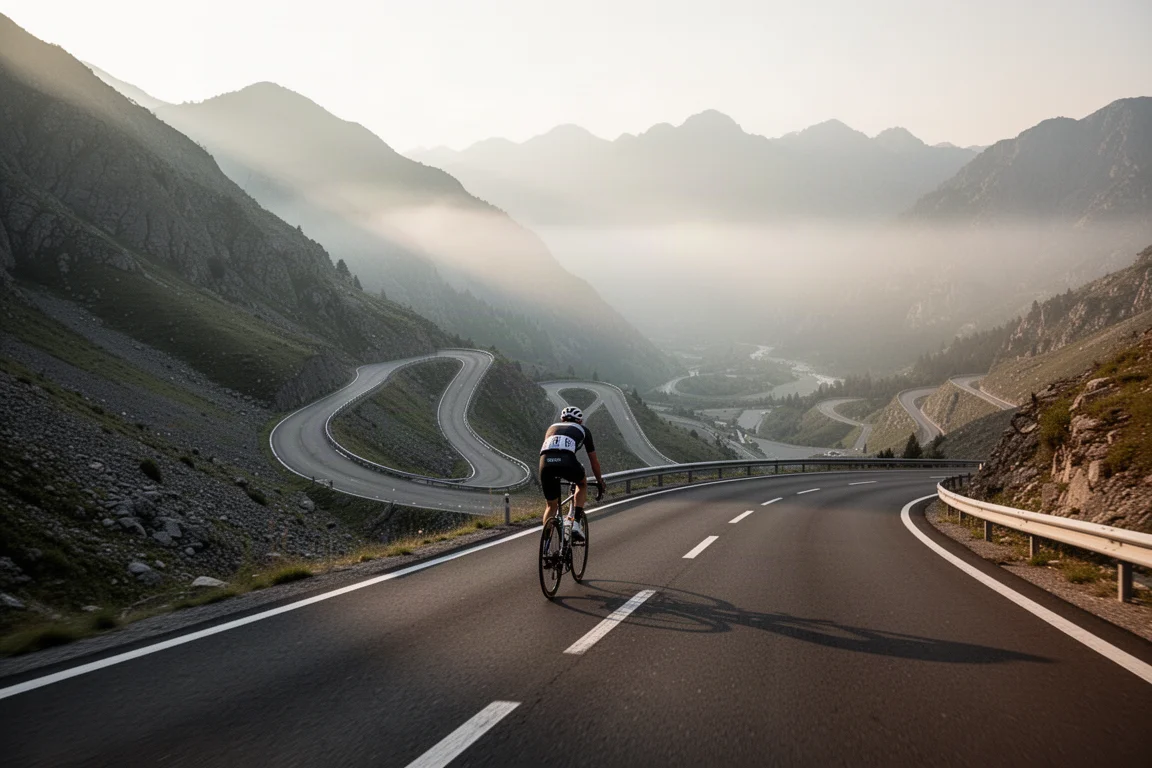
The headline number is weight. The new R5 is 130 grams lighter than the previous iteration, and Cervélo has also trimmed the parts that come with the frameset so a complete build lands closer to the 6.8 kilogram limit used in professional racing. Beyond the scale, the more interesting story is a deliberate change in how the bike behaves under the rider, particularly at the front end.
Who this product is for
This is a bike for riders who prioritise climbing speed and low weight over aerodynamic gains, and who are willing to pay premium prices for a dedicated racing platform. It also suits riders who found earlier generations of the R5 efficient but unforgiving at the front end, since this version gives back some stiffness in exchange for composure over long distances.
The wider tyre clearance and the lighter finishing kit make it relevant to riders who mix long mountain days with rougher, less perfect road surfaces. It is not aimed at riders who want one bike to cover aerodynamic racing and climbing duties, and it is not aimed at anyone running a mechanical groupset.
Main strengths
A lighter frame and fork
In a 56 centimetre size, the frame is claimed at 703 grams and the fork at 329 grams, which puts the frameset just over the one kilogram mark. Cervélo has also taken weight out of the components supplied with the frameset, with 12 grams removed from the stem and handlebars and 20 grams from the seatpost. That combination makes it easier to build a bike that gets close to the 6.8 kilogram racing limit.
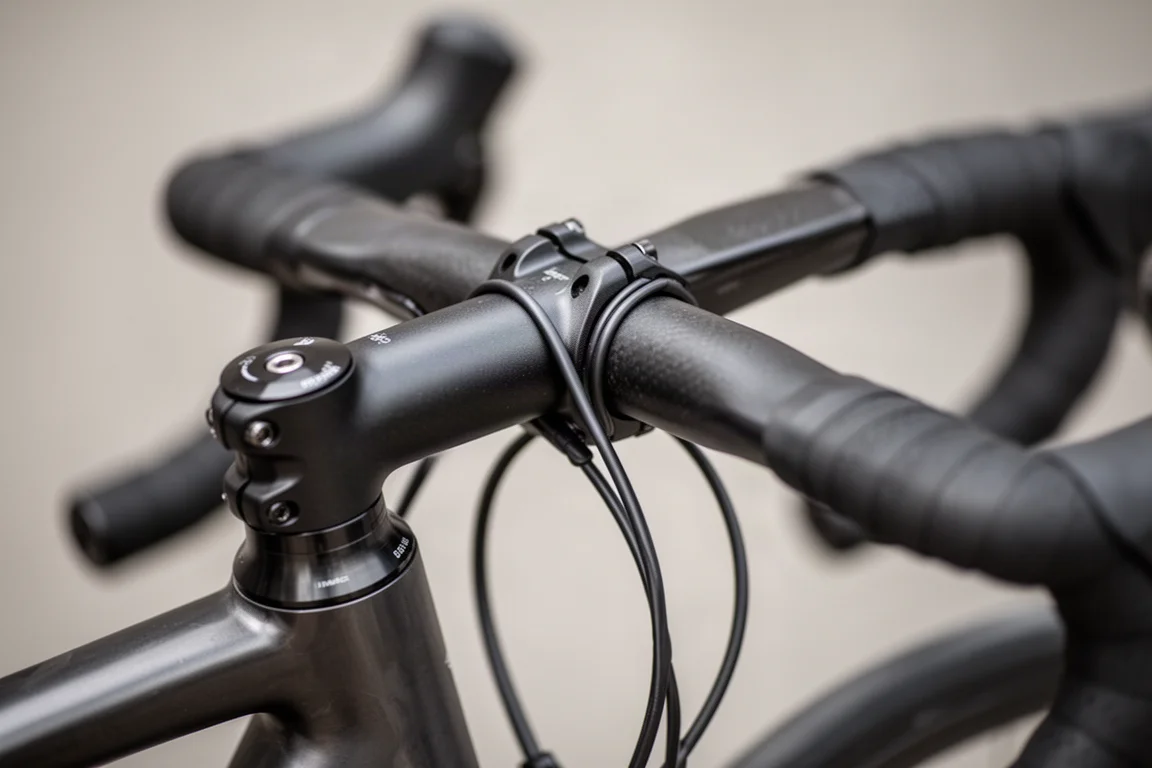
The savings are modest in isolation, but they accumulate across a complete build. For riders who count grams on long climbs, the frameset weight and the lighter cockpit are the most meaningful changes in this generation.
A more compliant front end
Here Cervélo is unusually candid: the new R5 is less stiff than the model it replaces. The previous bike was stiff for climbing performance, and the trade-off appeared as front-end discomfort, particularly for professional riders three weeks into a Grand Tour. The engineers worked through a couple of different carbon layups and then sent the bike to a professional team for further testing. Tom Dumoulin, who had ridden earlier generations of the R5 and had raised the front-end harshness, reported that he could climb just as efficiently on the new bike, while the added compliance would reduce fatigue and support more effective recovery.
The fork was redesigned along the same lines. Lateral stiffness is unchanged, while longitudinal stiffness has been dialled back by reducing the surface area of the tubes, since larger cross sections add torsional stiffness.
Aero refinements that leave the climb intact
The R5 is not an aero bike, but aerodynamics were not ignored. Bringing the cables inside the head tube reduces drag by 25 grams, and the smaller down tube, optimised for weight and ride characteristics rather than aerodynamics, is offset by a reshaped leading edge. A chin between the fork crown and the down tube cleans up airflow in that area, and a fastback design at the seat tube and seatpost saves a couple more watts. The bike has been through the wind tunnel, and Cervélo says it is faster than the previous version, if only slightly.
Wider tyre clearance
Tyre clearance grows to 34 millimetres, up from 28 millimetres on previous iterations. That opens the door to higher-volume tyres for rougher roads without changing the bike’s climbing character, and it is one of the most practical changes for everyday riders.
How the New R5 Rides
Early impressions describe a beautifully balanced bike that feels in command in every situation, whether climbing, descending or riding on rough roads. The work done to make the front end more liveable appears to have paid off in the way the bike absorbs surface imperfections while keeping its climbing efficiency intact.
Things to consider before buying
The geometry carries over from the previous R5. Stack and reach are identical across all six sizes, and the head tube angles, seat tube angles and chainstay length are unchanged. There are small adjustments: fork trail has moved by half a millimetre to accommodate the larger tyres, larger sizes use a 15 millimetre seatpost offset instead of 25 millimetres to suit more forward riding positions, and standover height has been reduced across the range. The junction between the down tube, seatpost and chainstays has been reduced by 15 millimetres for a more compact frame, which usually saves weight and increases seatpost leverage for compliance.
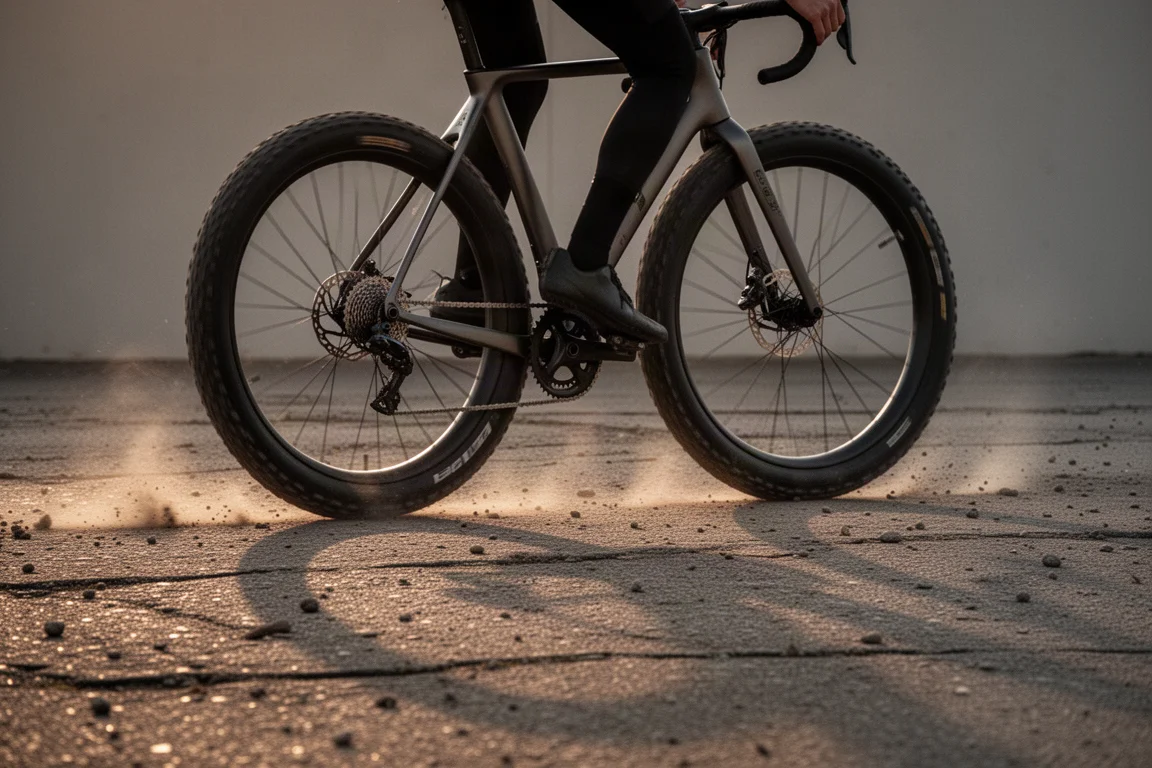
The most important consideration is stiffness. Riders who specifically want a very stiff front end for sprinting or aggressive out-of-the-saddle efforts should note that this generation trades some of that stiffness for comfort. The frame is also designed for electronic groupsets only, which simplifies the frame and the manufacturing process but rules out mechanical shifting. And as a premium racing platform, pricing sits at the top of the market.
Build Options and Pricing
Four complete builds are offered, using the two top SRAM and the two top Shimano groupsets with Reserve wheels, plus a frameset-only option. The Shimano Dura-Ace Di2 and SRAM Red eTap builds are both priced at $12,000 (£11,699). Shimano Ultegra Di2 comes in at $8,700 (£8,299), and SRAM Force eTap at $8,400 (£8,599). The frameset alone is $5,000, with UK pricing still to be confirmed.
Buying advice
If you already own a compatible electronic groupset and a suitable wheelset, the frameset is the most direct route into the new platform. Riders who want the complete package with the lightest finishing kit will find it in the two top-tier builds, while the Ultegra Di2 and SRAM Force eTap options bring the same frame and the same ride character at a lower price. Because the geometry is unchanged, anyone who fits well on the previous R5 can expect the same fit here, with the larger tyre clearance and the more forgiving front end as the practical gains.
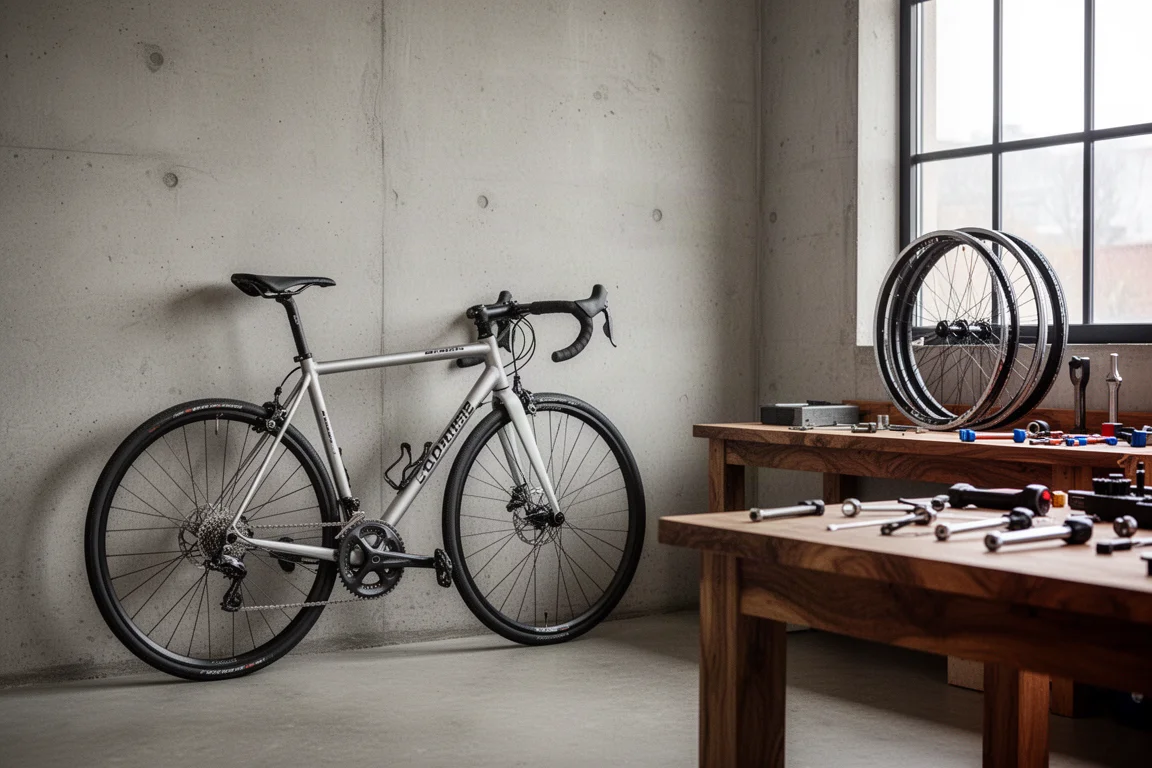
For riders whose priority is pure climbing speed on long ascents, the weight reduction and lighter cockpit make this the most purposeful R5 yet. For riders who spend more time on flat or rolling terrain, the modest aero gains are a bonus rather than a reason to buy.
Conclusion
The fourth-generation Cervélo R5 does not try to be everything. It stays a dedicated climbing bike, gets lighter, accepts wider tyres, and gives back some front-end stiffness in exchange for comfort that holds up over long rides. That combination makes it a compelling option for riders who want a fast, balanced climbing platform and are comfortable with premium pricing and electronic-only shifting.
Product link
View more details for Cervélo R5
This product is mentioned in the review. Check the specifications, options, and compatibility before buying.
View more details for Cervélo R5Further reading
Related Reviews
Road Bikes
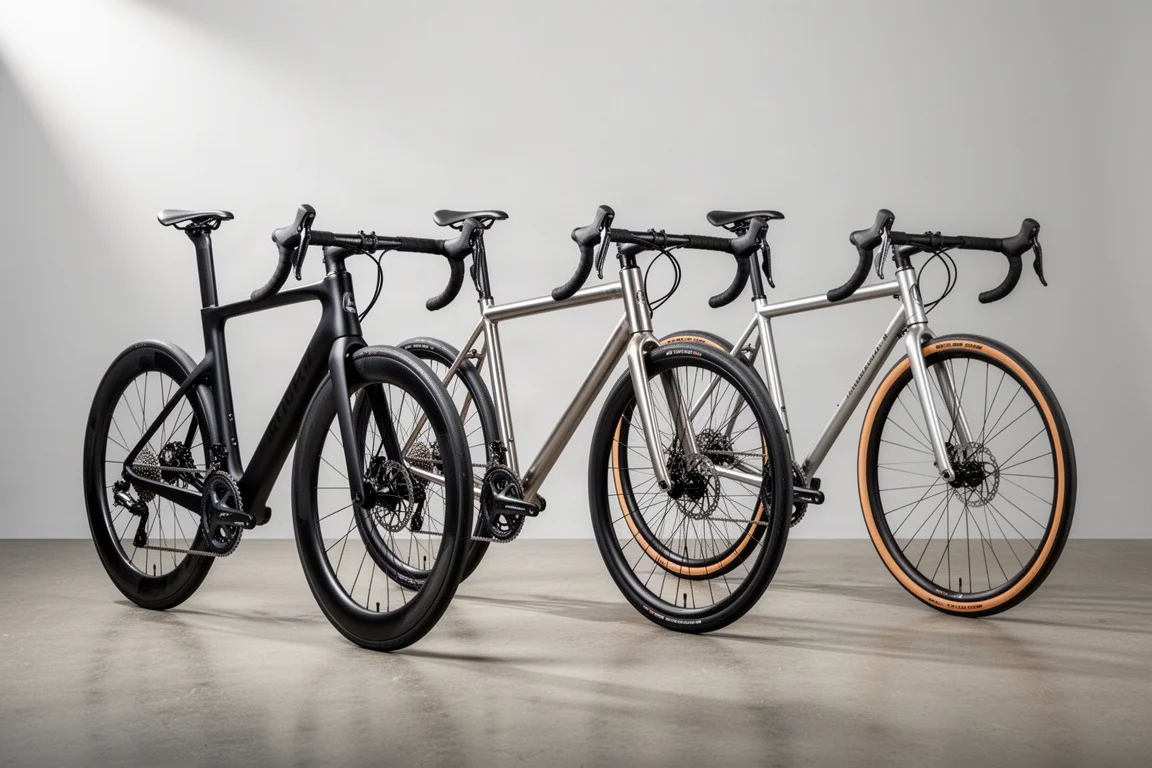
10 New Road Bikes Worth Watching: Aero, Titanium, Steel and Endurance Standouts
A practical roundup of 10 new road bikes, from aero flagships chasing single-watt gains to titanium, steel and endurance platforms built for real roads.
Road Bikes
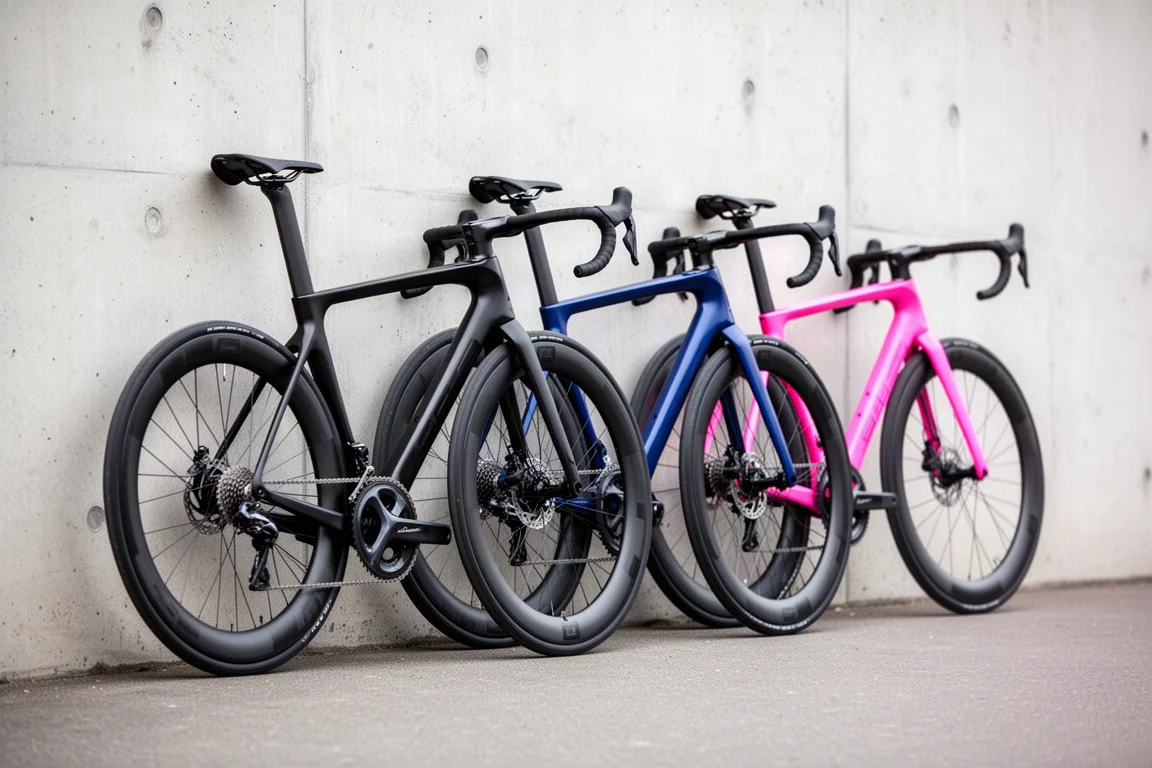
2026 Tour de France Road Bikes: Six Race Machines Worth a Closer Look
Six race bikes from the 2026 Tour de France grid, reviewed for paint, silhouette, wheels and the specification details that matter to buyers.
Road Bikes
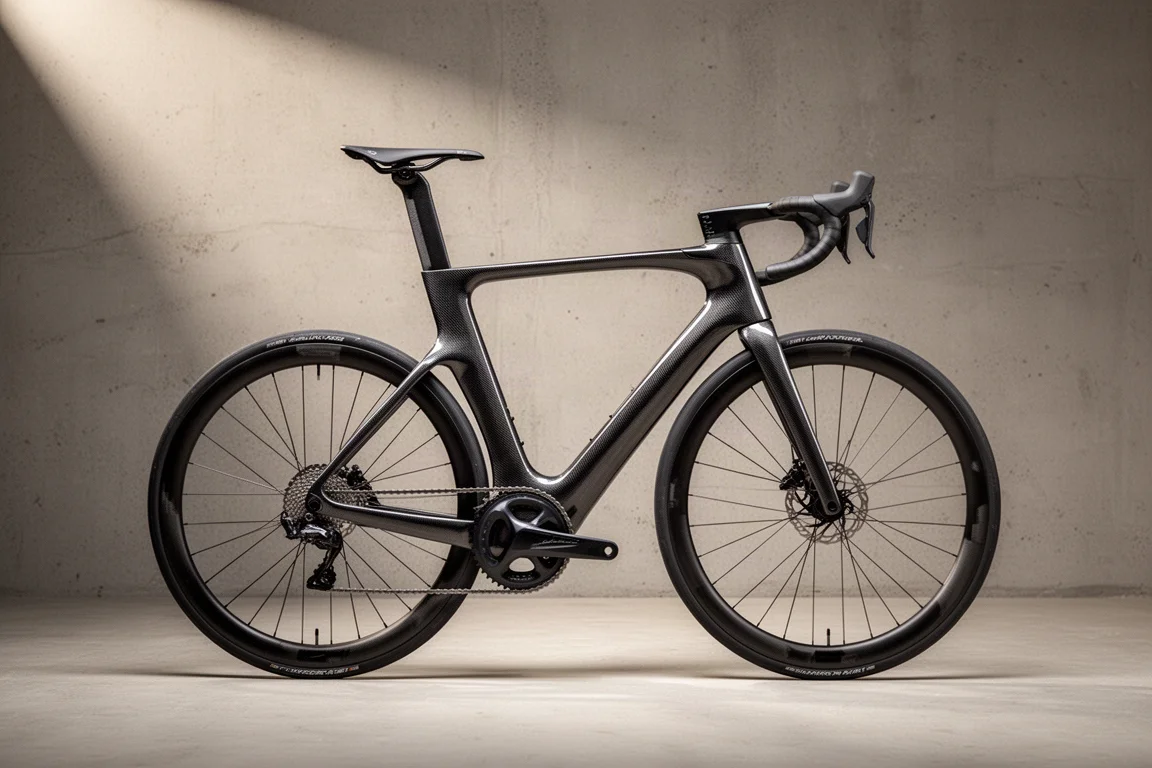
3T Strada Italia Review: A Radical Aero Road Bike That Rides Smooth
A made in Italy carbon aero road bike with a deep head tube, wide tire clearance and a genuinely comfortable ride. Here is what to know before buying.